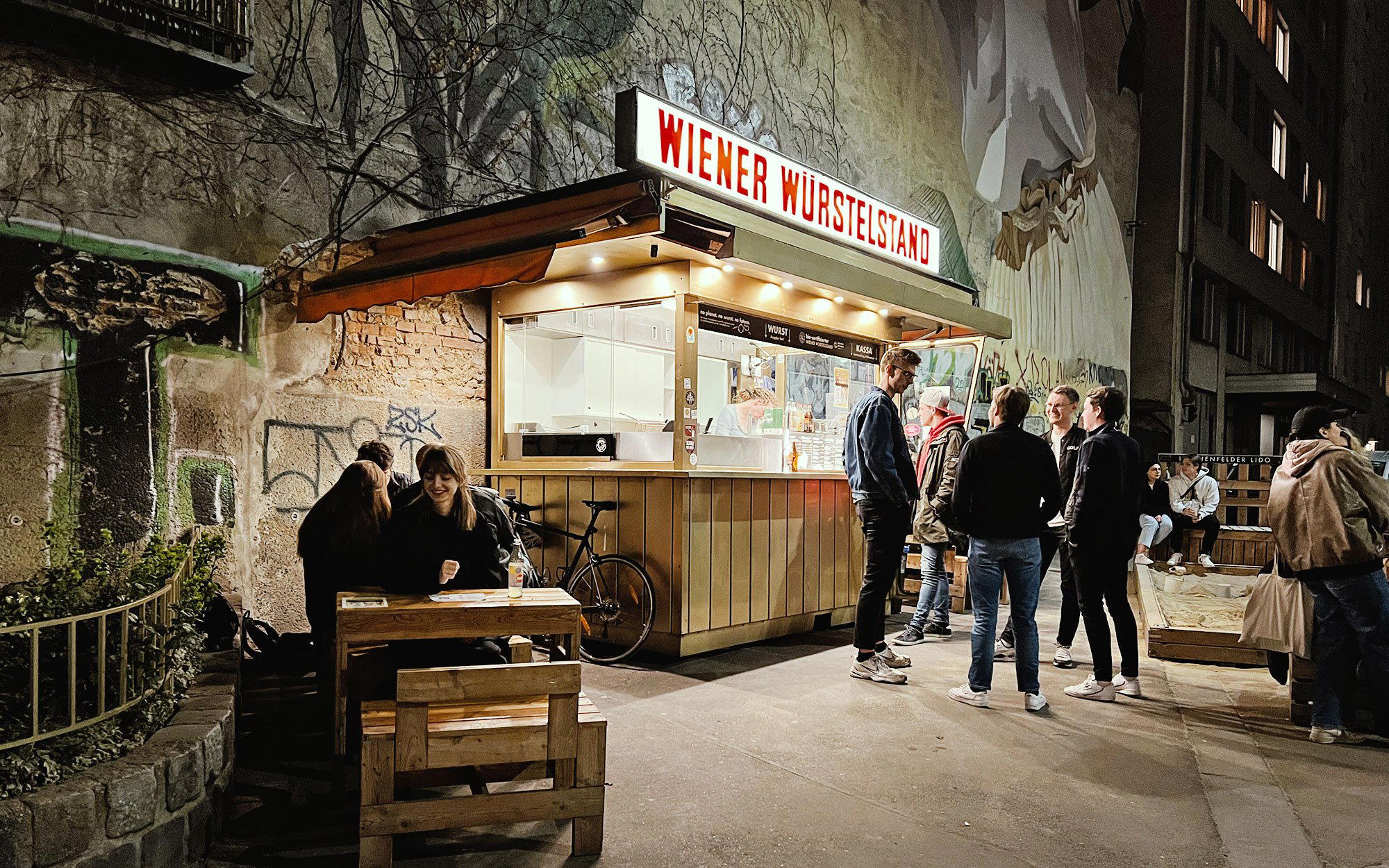
On Mariahilfer Strasse, Vienna's busiest shopping corridor, Zum Wiener Würstl represents the Würstelstand tradition at street level: a quick-service counter where the ritual of ordering, eating, and moving on is as codified as any tasting menu. The format belongs to a category of Viennese food culture that fine-dining guides rarely index but locals navigate daily.
- Address
- Mariahilfer Str. 47, 1060 Wien, Austria
- Phone
- +43676844344444
- Website
- zumwienerwuerstl.at
- Directions
- Get directions
The Würstelstand in Vienna's Food Order
Vienna's dining culture is often discussed through its grand café houses and its increasingly ambitious fine-dining tier, which now includes addresses like Steirereck im Stadtpark and Amador. What gets less attention is the category that sits at the opposite end of the formality axis: the Würstelstand, Vienna's street-level sausage counter, a format so embedded in the city's daily rhythm that it functions less like fast food and more like a civic institution. Zum Wiener Würstl on Mariahilfer Str. 47 is a casual Viennese sausage stand with a walk-in-friendly setup and low-cost pricing.
The Würstelstand as a category dates back to the mid-nineteenth century, when municipal authorities began licensing mobile sausage vendors to serve Vienna's expanding working population. Over the following century, the format solidified into a recognizable urban fixture: a small, often heated kiosk, a counter with mustard and condiments, and a short menu built around variations of grilled or boiled sausage. The ritual attached to it is tight and unambiguous. You approach, you order by type, the sausage arrives in paper or a roll, you eat standing or on a ledge, and you leave. There is no table service, no extended menu deliberation, and no lingering encouraged. The efficiency is the point.
Mariahilfer Strasse and the 6th District Context
The address on Mariahilfer Strasse places Zum Wiener Würstl at the center of a genuinely high-density commercial strip. Mariahilfer Strasse runs from the Ringstrasse edge of the 6th district into the 7th and beyond, carrying more daily pedestrian traffic than almost any other shopping street in Austria. A Würstelstand at this location operates under conditions closer to a transit food stop than a neighborhood haunt: turnover is continuous, the customer base is transient, and the counter serves people on a schedule rather than people with leisure time.
6th district, Mariahilf, sits between the more tourist-oriented 1st district and the increasingly design-led 7th. It is a working residential and commercial neighborhood without the concentrated restaurant density of Naschmarkt or the nightlife profile of the areas around the Gürtel. The Würstelstand format suits it precisely: practical, accessible, and priced for regular use rather than occasion dining. For visitors moving between the city's higher-end dining options, including the creative Austrian cooking at Doubek or the modern European tasting formats at Konstantin Filippou, a stop at a Würstelstand represents one of the cleaner ways to understand how the city actually feeds itself between those appointments.
The Ritual of the Würstelstand Order
Dining customs attached to the Würstelstand are worth understanding before arrival, particularly for visitors accustomed to more mediated service formats. The counter is not a place to ask questions about sourcing or preparation technique. The exchange is direct: you name the sausage type you want, specify any bread accompaniment, and indicate your mustard preference, which in Vienna typically means choosing between sweet yellow mustard and the sharper, grain-based variety. Both arrive in squeeze bottles or small cups. Payment follows immediately.
Sausage categories at Viennese stands typically include the Frankfurter (the slender, mildly smoked pork sausage that the city considers its own, despite the name's associations elsewhere), the Käsekrainer (a coarser-ground pork sausage with pockets of melted cheese, which drips when cut), the Burenwurst (a thick, coarsely ground boiled sausage with a distinctly smoky profile), and the Bratwurst (grilled, with a crisped casing). The Käsekrainer, in particular, has become a marker of the format: it is not the kind of thing that translates to a plated dining context, and eating one at a stand on a cold morning is a specifically Viennese experience that no amount of Austrian fine dining replicates. Austria's wider culinary ambitions, visible in destinations like Döllerer in Golling an der Salzach or Ikarus in Salzburg, draw on a different register entirely.
Standing to eat is not incidental to the experience but constitutive of it. Most Würstelstände provide a small counter ledge or a few high tables, but seating is rare and not assumed. The posture of eating while standing, paper in hand, is part of the social grammar of the format. Regulars move through the transaction quickly; the counter is not designed for extended occupancy.
Where the Würstelstand Fits in Vienna's Dining Range
Vienna's restaurant tier has expanded considerably at its upper end over the past decade. Beyond the €€€€ tier anchored by addresses like Mraz and Sohn, the city has developed a serious conversation around modern Austrian cuisine that connects to broader European fine-dining trends. That conversation is visible across the country in places like Griggeler Stuba in Lech, Obauer in Werfen, Landhaus Bacher in Mautern an der Donau, and Kräuterreich by Vitus Winkler in Sankt Veit im Pongau. The Würstelstand occupies none of that space. It is not a counterpoint to fine dining in the ironic sense that some food writers deploy, and it is not a populist rebuke to tasting-menu culture. It is simply a different category, operating under different logic, serving a different need.
For the traveler who has spent three evenings working through Vienna's higher end, including destinations like Schwarzer Adler in the broader Austrian context or Restaurant 141 by Joachim Jaud, the Würstelstand provides a recalibration. It is one of the few formats in Viennese food culture where the transaction has no upsell, no narrative, and no performance. You pay for a sausage and you get a sausage. That clarity has its own value. For a broader orientation to the city's dining range, Vienna's restaurants span the full spectrum. Vienna's street food culture also compares interestingly to how other cities anchor daily eating outside of restaurant formats, a dynamic visible in cities like New York, where destinations like Le Bernardin and Atomix sit at one extreme while the city's street-counter culture handles the other. Austria's regional dining offer extends further in places like Ois in Neufelden and Gourmetrestaurant Tannenhof in Sankt Anton am Arlberg.
Planning Your Visit
Location: Mariahilfer Str. 47, 1060 Wien, Austria. Reservations: Walk-in friendly. Dress: Casual. Budget: Expect about $10 per person. Payment: Confirm cash and card acceptance on arrival.
Pricing, Compared
Comparable venues nearby, for context on price, style, and recognition.
| Venue | Cuisine | Price | Notes |
|---|---|---|---|
| Zum Wiener WürstlThis venue — the venue you are viewing | Mariahilf, Viennese Sausage Stand | $ | Not listed |
| Gasthaus Haller | Not listed | $ | Brigittenau, Traditional Viennese & Hungarian |
| Fladerei Salzgries | Not listed | $ | Stephansdom, Traditional German Flatbread (Fladen) |
| Bauer | Prater, Traditional Viennese Gasthaus | $ | Not listed |
| Almrausch Imbiss | Riesenrad, Austrian Street Food Imbiss | $ | Not listed |
| Kaiserzeit | Not listed | $ | Inner City, Traditional Viennese Sausage Stand |
![[aend] restaurant in Vienna](https://cdn.enprimeurclub.com/storage/v1/object/public/images/locations/recsVyRkMfzCxPmp0/hero2.jpg?width=3840&quality=75)
At a Glance
- Classic
- Lively
- Rustic
- Casual Hangout
- After Work
- Late Night
- Standalone
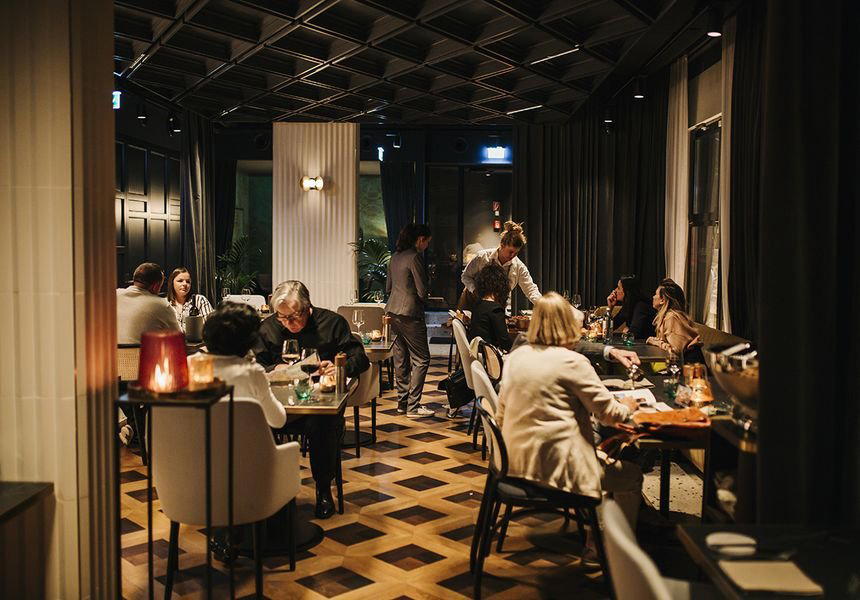
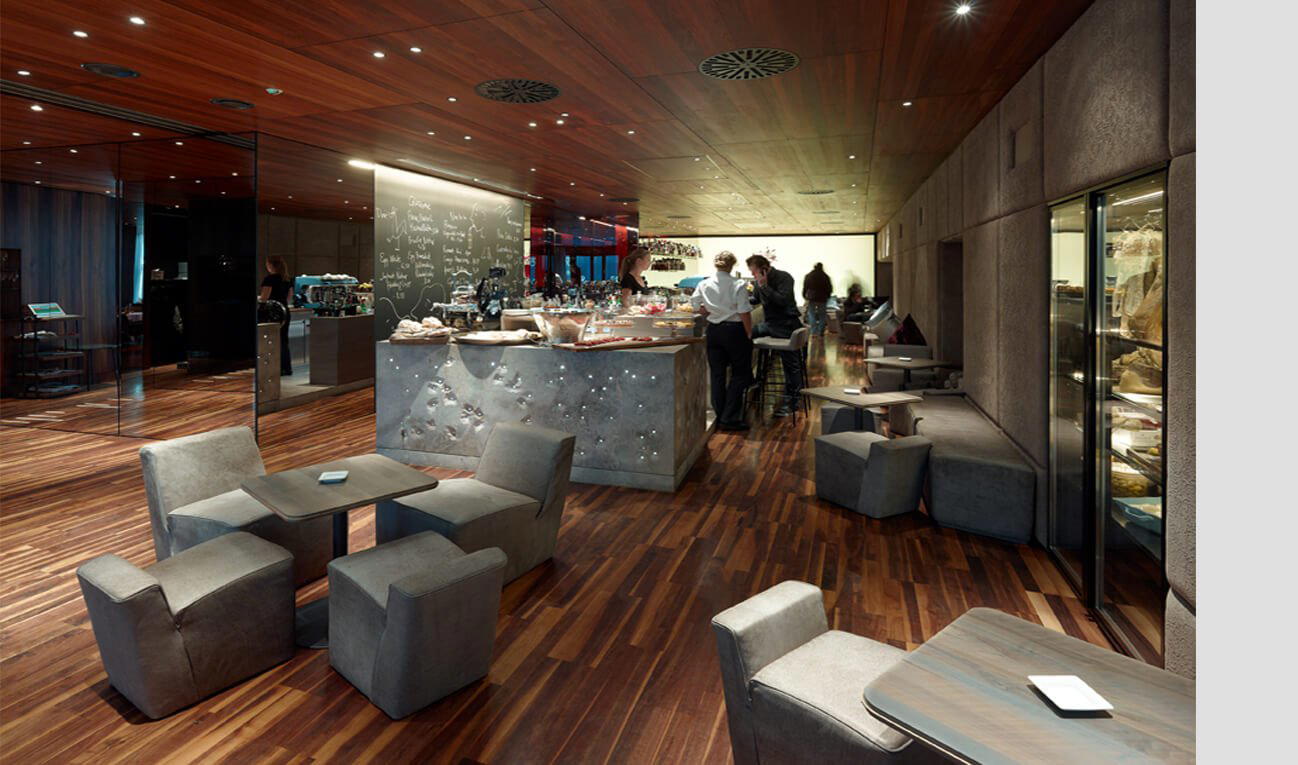
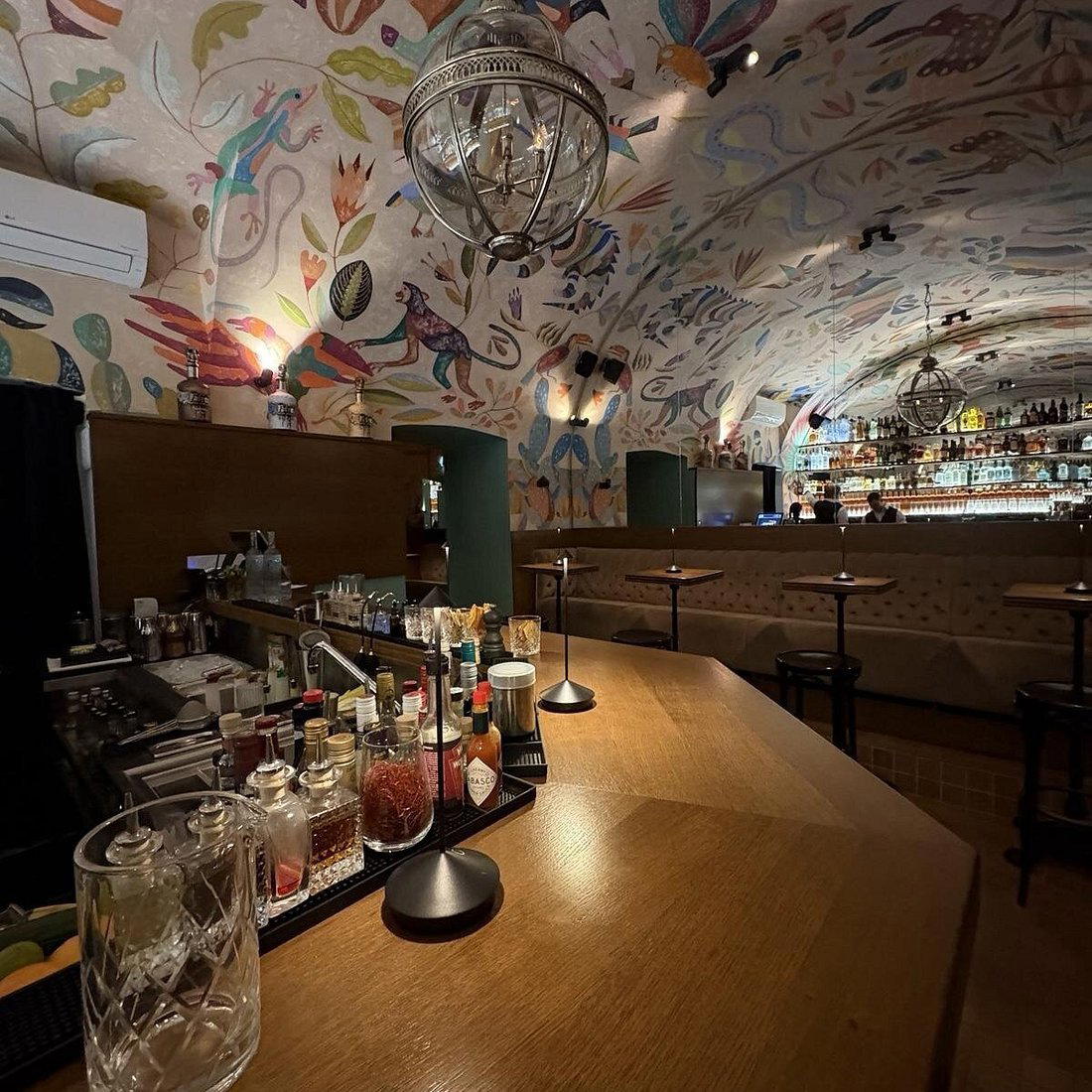
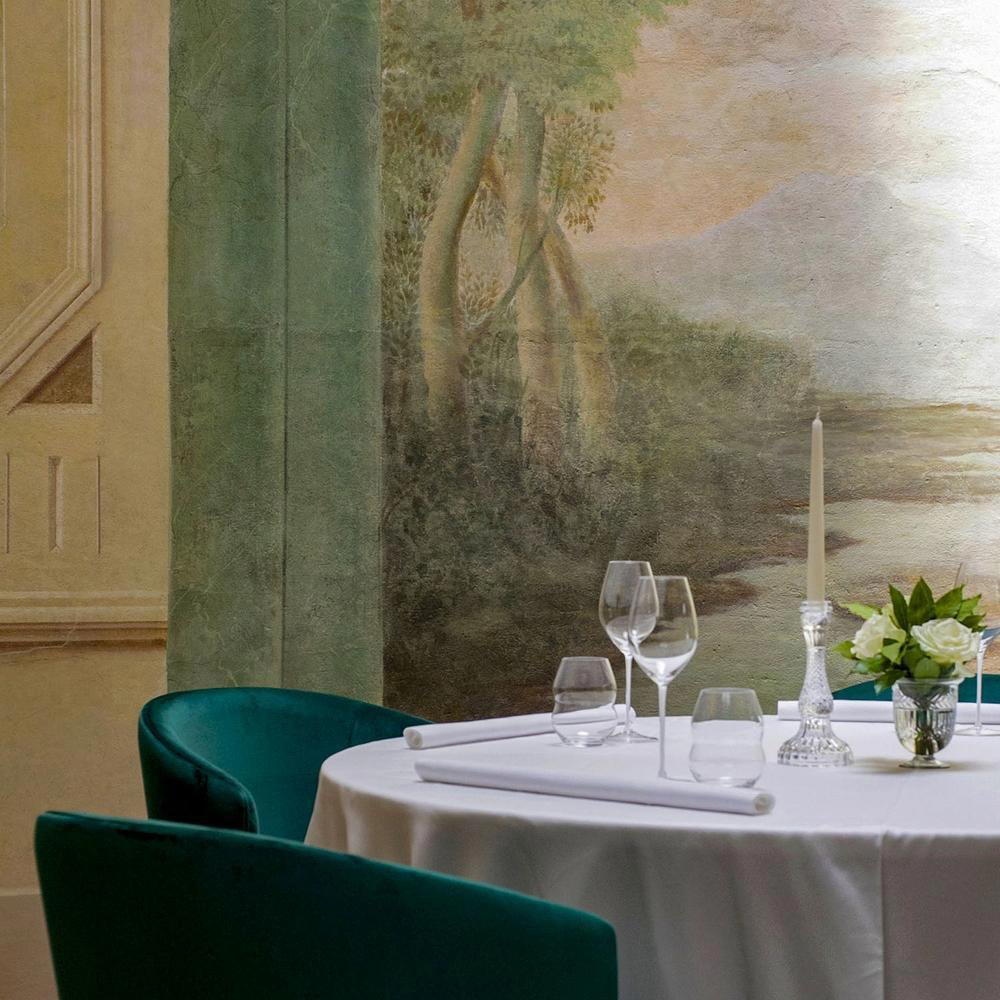
Casual and lively street food atmosphere celebrating authentic Viennese sausage stand tradition.