Dons Bogam

Michelin Plate
Our verdict
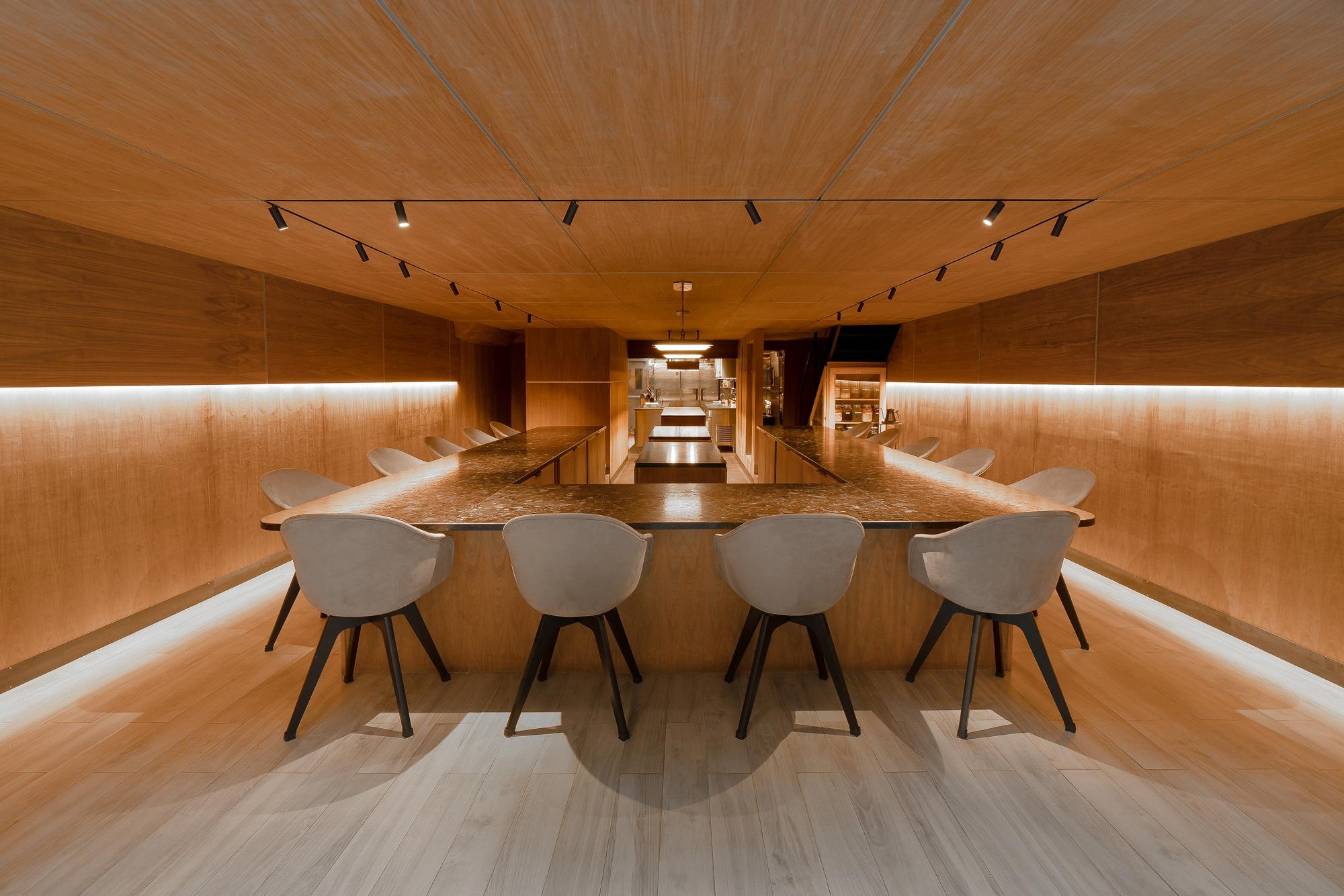
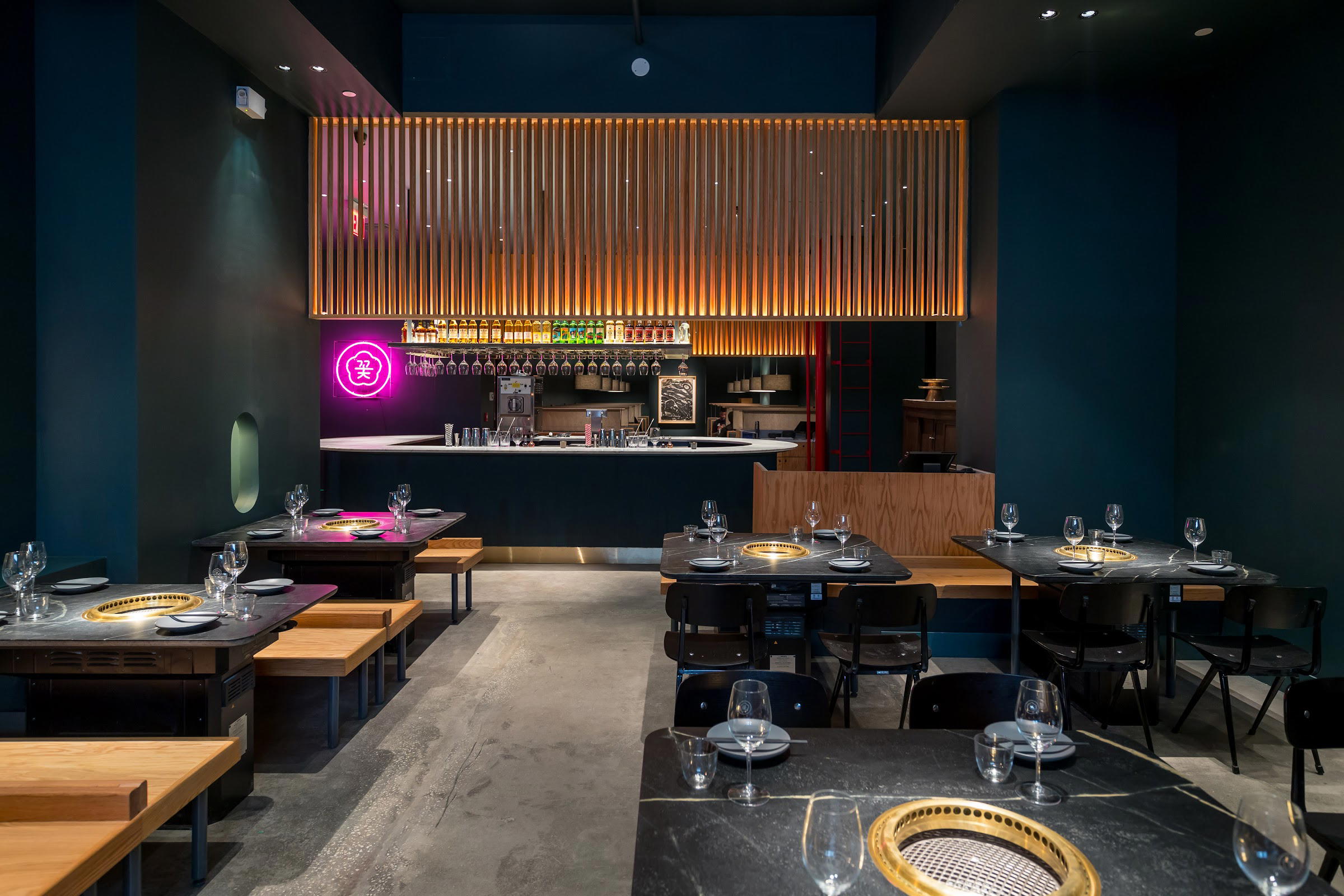
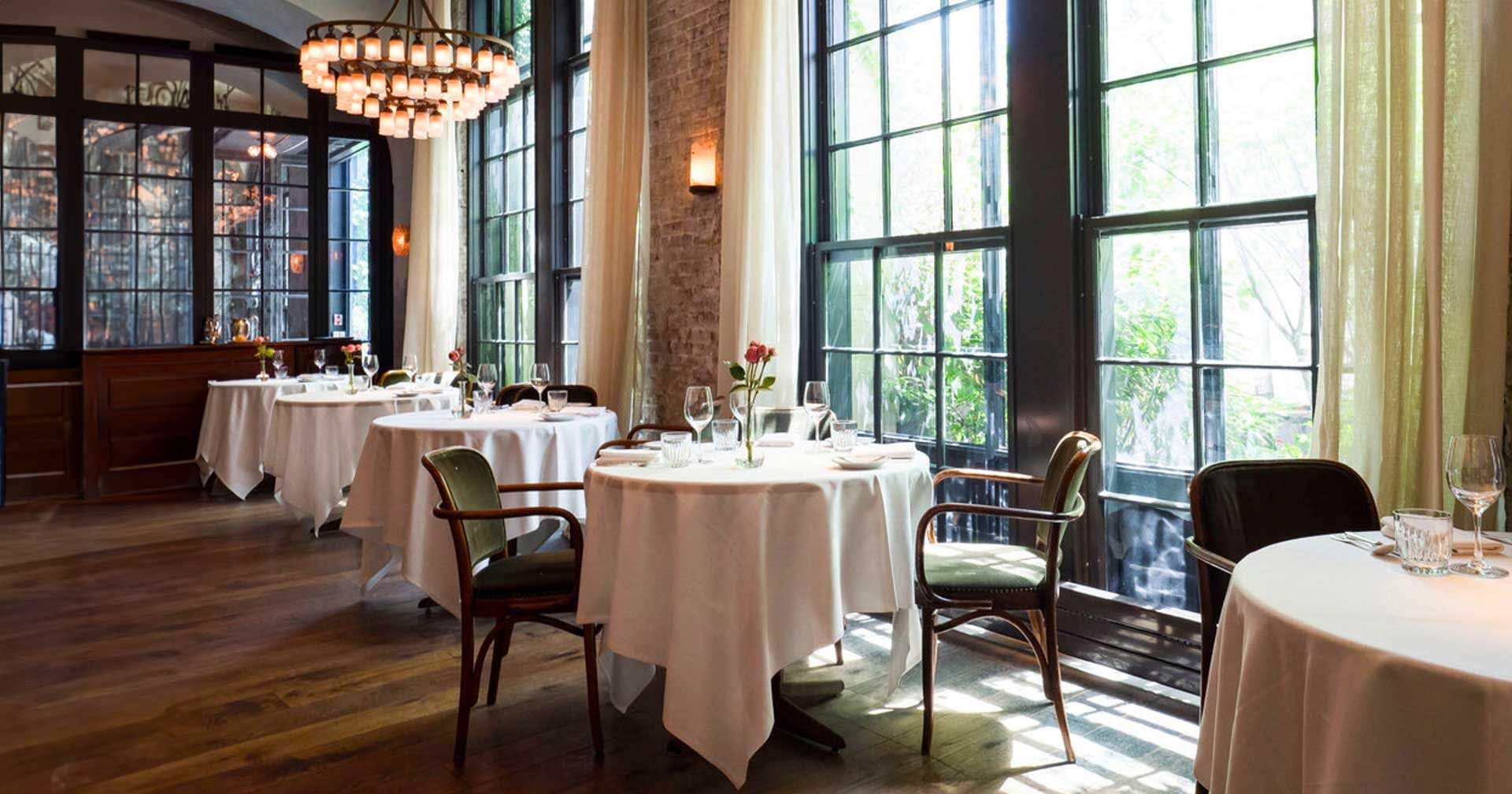
On East 32nd Street in the heart of Koreatown, Dons Bogam operates at a different register than most of its neighbours. A top-tier venting system keeps the dining room smoke-free while blazing tableside grills turn out marinated galbi and pork belly to a full house most nights.

Pearl is the En Primeur Club membership app, where members save venues, book tables and use the concierge.
The menu
What to order
- Pork belly marinated in red wine
- Beef platter with marinated ribeye and galbi
- Fried pork mandu
- Fluffy eggs
Koreatown's Grill Standard, Measured Against Itself
Manhattan's Koreatown occupies a dense stretch of 32nd Street between Fifth and Sixth Avenues, and the block has long operated as a self-contained dining district: late hours, vertical stacking of restaurants across multiple floors, and a format economy built almost entirely around shared plates and live-fire grilling. Within that context, the Korean barbecue restaurant has evolved considerably. Early iterations prioritised volume and turnover; the current generation, of which Dons Bogam at 17 E 32nd St is a clear example, has moved toward a more considered execution, better sourcing signals, serious ventilation infrastructure, and a menu that rewards deliberate ordering over reflexive quantity.
The ventilation question matters more than it might sound. In most Korean barbecue rooms, smoke is a given: part of the theatre, part of the smell you carry home. Engineering it out of the experience requires a substantial investment in air-handling systems that most mid-tier operators do not make. That Dons Bogam has done so places it in a narrower tier of the K-town market, and signals a kitchen more focused on the quality of the cook than the drama of the char.
The Environmental Logic of Smoke-Free Grilling
There is a sustainability argument embedded in the smoke-free format that rarely gets articulated. In a dense urban block like 32nd Street, where multiple live-fire kitchens operate simultaneously, the cumulative impact of low-filtration exhaust is not trivial.
Beyond air quality, the smoke-free dining room shifts the focus toward the meat itself: its marination, its fat composition, its resting temperature before it hits the grill. When the spectacle of smoke is removed, the quality of the raw ingredient and the precision of the cook become the primary variables. This is a different kind of accountability than most open-grill formats accept, and it tends to push operators toward better sourcing decisions upstream. The beef platter at Dons Bogam, thinly sliced maeun and yangnyeom galbi alongside king trumpet mushrooms, is a direct expression of that logic: the mushrooms are not a garnish but a considered protein complement that performs well over high heat without requiring the same input cost as prime beef cuts.
For diners thinking about the ethics of meat-forward dining, the inclusion of king trumpet mushrooms as a central platter component rather than an afterthought reflects a wider shift in Korean barbecue menus toward more vegetable protein integration. It does not make the format plant-forward, but it does reflect an awareness of menu balance that the previous generation of K-town operators rarely demonstrated.
What to Order, and Why the Sequence Matters
Korean barbecue rewards sequenced eating, and Dons Bogam's menu is structured accordingly. The fried pork mandu arrive first for a reason: they are well-executed and substantial enough to occupy the table while the grill comes up to temperature, but light enough not to compete with what follows. The pork belly, marinated in red wine, represents an interesting cross-cultural technique, the wine marinade softens the fat cap and introduces an acidity that balances the richness of the belly without dulling the char.
The beef platter is where the meal earns its reputation. The combination of maeun (spicy) and yangnyeom (sweet-soy marinated) galbi on a single platter allows for direct comparison between two of the canonical Korean barbecue marinades, and the king trumpet mushrooms, dense, meaty, high in umami, hold their structure over the grill in a way that button mushrooms or shiitake do not. The sequencing logic here mirrors what more formally structured tasting menus at places like Jua or bōm achieve through chef-driven progression: each course conditions the palate for what follows.
The Lunch Format as an Underused Entry Point
The BBQ lunch is a format that deserves more attention than it typically receives in the broader conversation about Midtown dining. The area around 32nd Street draws a significant volume of office and hotel traffic, and the lunch options tend to skew heavily toward fast-casual formats. A tableside grilled lunch in a smoke-free room is a materially different midday experience, and one that does not require the full time investment of a dinner service. For the Midtown meeting circuit, where the working lunch still functions as a relationship-building ritual, it occupies a gap between the grab-and-go format and the $200-per-head tasting room.
Comparison set for that lunch tier is genuinely thin. Korean barbecue at lunch is not a format widely offered at quality in Manhattan; most K-town operators do not open until dinner. Dons Bogam's willingness to serve the format across both dayparts is both a practical differentiator and an accessibility signal worth noting.
Where Dons Bogam Sits in the Korean Dining Spectrum
New York's Korean dining scene has expanded considerably beyond the K-town block. Jeju Noodle Bar has built a reputation around ramyeon and broth-led formats. Meju operates in the fermentation-focused register. 8282 sits at the more accessible, high-turnover end of the K-town spectrum. Dons Bogam occupies the mid-to-upper tier of the barbecue-specific category: more considered than a volume operation, less formally structured than the modern Korean tasting format represented by Atomix (two Michelin stars, $$$$ price point). For context on where the Korean fine-dining arc leads, the work happening at Mingles and Kwonsooksoo in Seoul represents the upper end of what the cuisine is doing globally right now.
At the $$ price range, Dons Bogam is not competing with New York's $$$$ tasting rooms, Alinea, The French Laundry, or Lazy Bear occupy an entirely different investment tier.
Planning Your Visit
Every seat in the room fills on busy evenings, and the bar up front runs at capacity independently of the dining room. Reserve ahead; walk-in attempts on weekend evenings are unlikely to be rewarded. The lunch service offers a lower-friction entry point for first-time visitors or those with tighter schedules.
| Venue | Format | Price Range | Booking Lead Time | Smoke-Free Grilling |
|---|---|---|---|---|
| Dons Bogam | Korean BBQ, tableside grill | $$ | Reserve ahead recommended | Yes |
| Atomix | Modern Korean tasting | $$$$ | Weeks to months in advance | N/A (no live fire) |
| Typical K-town BBQ | Korean BBQ, tableside grill | $-$$ | Often walk-in | Rarely |
For broader context on where to eat, drink, and stay around this part of Manhattan, see our full New York City restaurants guide, our full New York City hotels guide, our full New York City bars guide, our full New York City wineries guide, and our full New York City experiences guide. For reference points elsewhere in the US, Emeril's in New Orleans and Providence in Los Angeles represent how regional American dining anchors a neighbourhood at a different price tier and format register.
What Should I Order at Dons Bogam?
The beef platter is the anchor order: thinly sliced maeun and yangnyeom galbi alongside king trumpet mushrooms, covering both canonical marinade styles in a single service. The red wine-marinated pork belly is a strong secondary choice for a table of two or more. Start with the fried pork mandu to bridge the gap while the grill reaches temperature. At lunch, the BBQ lunch format covers the same live-fire format at a pace and price point suited to a working midday break. Single Thread Farm in Healdsburg represents how the farm-to-table sourcing ethic reaches its most structured expression at the tasting-menu level; Dons Bogam applies a version of that ingredient-first logic within a sharply different format and price bracket.
Frequently asked questions
Where do I go for Dons Bogam?
Dons Bogam is located at 17 E 32nd St, New York, NY 10016, New York City.
Is Dons Bogam more mid-range or high-end?
Pricing at Dons Bogam is listed as $$.
Is Dons Bogam Michelin-listed?
Dons Bogam has received recognition including: At Dons Bogam, the food is fantastic and service indulgent. From the festive bar up front right down to those two-tops sporting blazing grills, every seat is filled, so reserve ahead. Make no mistake: this is no average K-town joint. Inside….
What should I order at Dons Bogam?
The beef platter is the anchor: thinly sliced maeun and yangnyeom galbi served alongside king trumpet mushrooms, covering both canonical marinade styles in a single order. The fried pork mandu are a strong opener, and the red wine-marinated pork belly holds its own as a secondary protein. If you're visiting at midday, the BBQ lunch format covers the core menu in a more compressed, interactive setting.
Cuisine Lens
Comparable venues nearby, for context on price, style, and recognition.
| Venue | Cuisine | Price | Awards | Notes |
|---|---|---|---|---|
| Dons BogamThis venue (the venue you are viewing) | Korean BBQ with Tableside Grilling | $50–100 | Michelin Plate | Not listed |
| Gahm Mi Oak | Authentic Korean Seolleongtang Specialist | $20–30 | Not listed | Midtown South-Flatiron-Union Square |
| Nowon | Korean-American Gastropub | $30–50 | World Best Burgers World's 101 Best Burgers #8 · World's Best Steaks 25 Best Burgers #15 | East Village |
| Barney Greengrass | Classic Jewish Deli | $30–50 | James Beard Award America's Classics | Upper West Side (Central) |
| Hwa Yuan | Szechuan | $50–100 | Not listed | Chinatown-Two Bridges |
| Cómodo | Pan‑American Latin American comfort food | $50–100 | Michelin Plate | Gramercy |
Recognition history
Dated appearances from independent guides and award organizations, with the underlying list record or original source where available.
Michelin Plate
Michelin