
A Michelin Plate-recognised seafood address on Piazza Zama, Dogma runs a compact, high-conviction menu where almost every dish, including dessert, passes through the barbecue grill. The format is focused and the approach is decidedly contemporary, with a young kitchen team drawing intense flavour from fire and fresh catch. Booking ahead is advised; the room is small and repeat custom is high.
Pearl is the En Primeur Club membership app — saves, bookings, and concierge access live there. Same editors, same standards.
- Address
- Piazza Zama, 34, 00183 Roma RM, Italy
- Phone
- +39 06 8667 9819
- Website
- ristorantedogma.com
- Directions
- Get directions
 Saves & bookings on Pearl
Fire, Fish, and a Piazza Most Romans Walk Past
Piazza Zama sits in the Appio Latino quarter, a residential neighbourhood southeast of the Aurelian Walls that most visitors never reach. The square itself is low-key, a traffic island ringed by apartment blocks, a bar with plastic chairs, the usual Roman indifference to atmosphere. Dogma is a restaurant in Rome's Appio Latino quarter, on Piazza Zama. The room is small; the reservation list moves faster than the square outside would suggest. The room is small; the reservation list moves faster than the square outside would suggest.
The Grill as the Governing Idea
Rome's serious seafood scene has split, broadly, into two camps over the past decade. The first is the refined, white-tablecloth end, restaurants like Il Sanlorenzo, which approach Adriatic and Tyrrhenian catch with the same precision vocabulary as any northern European kitchen. The second is a younger, more instinctive register: smaller rooms, shorter menus, live fire doing more of the technical work than a brigade of sauce cooks. Dogma sits firmly in the second camp, and the commitment is thorough. Nearly every dish on the menu passes through the barbecue at some point in its preparation, including, notably, the desserts. That is not a gimmick. It reflects a coherent decision to let the grill set the flavour grammar for an entire meal, which means smoke and char appear not as accents but as a through-line from the first course to the last.
That approach places Dogma in a broader tradition of Mediterranean live-fire cooking that has found renewed critical interest across southern Europe. Where Acciuga brings a more preserving-and-curing sensibility to Roman seafood, Dogma pivots toward heat and immediacy. The comparison is instructive: both kitchens are working with similar raw material, but the flavour outcomes diverge considerably. Dogma's cooking is described by Michelin inspectors as producing dishes of intense and convincing flavour, language that points to concentration and directness rather than refinement for its own sake.
Pairing Wine to a Fire-Led Menu
Matching wine to a menu governed by the grill requires different thinking than pairing to a classic butter- or cream-based fish kitchen. The conventional Italian instinct for grilled seafood runs toward the central Italian whites: Verdicchio dei Castelli di Jesi, Falanghina, Greco di Tufo, Fiano di Avellino. These varieties carry enough textural weight and mineral acidity to hold against char, and their phenolic structure means they don't collapse when the dish brings bitterness from the grill. A lightly oxidative style, a Verdicchio riserva with a few years of bottle age, for instance, can mirror the smoky register of the food rather than fight it.
Campania and Calabria are the obvious regional anchors for a Roman seafood table drawing on Tyrrhenian and southern Mediterranean catch. Fiano, particularly from producers working with longer skin contact or extended lees aging, gives the wine sufficient texture to sit beside oily, grilled fish without being overwhelmed. Further north in the Italian repertoire, an older Soave Classico from the volcanic soils around Soave Colli Scaligeri offers that combination of weight and freshness that fire-cooked shellfish and firm-fleshed fish both reward.
If the kitchen's grill extends to dessert, and at Dogma it does, the final pairing challenge is real. A lightly sweet Passito di Pantelleria or a chilled Moscato d'Asti can meet the smoke-touched sweetness without the heaviness of a late-harvest wine from a cooler climate. The principle is the same throughout the meal: choose wines with enough structural presence to acknowledge the grill's contribution, not to paper over it.
For diners exploring Rome's broader wine and seafood programme, the city's fish restaurants represent a range of pairing philosophies. Livello 1 and Trattoria del Pesce represent different points on the formality and price spectrum, while Ai Torchi offers yet another register within the city's seafood offer. Each takes a different position on the question of how much the wine list should lead versus follow the kitchen's approach.
Dogma in the Broader Italian Seafood Picture
Italy's most discussed seafood cooking is, by critical consensus, concentrated in a handful of coastal restaurants outside Rome. Gambero Rosso in Marina di Gioiosa Ionica and Alici on the Amalfi Coast each represent the kind of destination seafood dining that has a specific geography built into the experience. Rome's fish restaurants operate differently: they are urban addresses serving a city that sits neither on a major fishing port nor inside a single regional seafood tradition. The Roman kitchen has historically been a meat kitchen, offal, lamb, pork, and the city's seafood offer has long been considered secondary to its neighbours on the Adriatic and the south Tyrrhenian coast.
What has changed in the past decade is the appearance of younger chefs in smaller rooms willing to work with fresh catch and contemporary technique without positioning themselves in the white-tablecloth formal tier. Dogma is a clear product of that shift. The Michelin Plate places it in a specific tier within the Guide's taxonomy: noticed, assessed, and found to be doing something worth tracking. In Rome's current Michelin landscape, a Plate-recognised address at the €€ price point occupies a meaningful position for diners who want critical endorsement without the formal dining price tag.
For a longer view on what Italian fine dining looks like at the national level, the canon runs from Osteria Francescana in Modena and Le Calandre in Rubano through to Dal Pescatore in Runate and Enoteca Pinchiorri in Florence. Enrico Bartolini in Milan and Atelier Moessmer Norbert Niederkofler in Brunico show the range of contemporary ambition at the summit of the Italian critical conversation. Dogma does not belong in that tier by format or price, but it belongs in the same conversation about what Italian cooking is doing with its raw ingredients and its methods.
Planning Your Visit
Dogma is at Piazza Zama, 34 in the Appio Latino neighbourhood, roughly a fifteen-minute taxi or tram ride from the Colosseum area, longer from the centro storico. The room is small and the restaurant's, particularly for evenings. The price range sits at the €€ level, which positions it as one of the more accessible Michelin-recognised seafood addresses in the city.
At-a-Glance Comparison
Comparable venues nearby, for context on price, style, and recognition.
| Venue | Cuisine | Price | Awards | Notes |
|---|---|---|---|---|
| DogmaThis venue — the venue you are viewing | Modern Grilled Seafood | $$ | Michelin Plate | Not listed |
| Shiroya | Authentic Japanese Sushi & Ramen | $$$ | Michelin Plate | Parione |
| Da Danilo | Traditional Roman Trattoria | $$ | Not listed | Esquilino |
| aede dining & wines | Modern Nordic-Inspired Italian | $$$ | Michelin Plate | Prati |
| Sora Maria e Arcangelo | Modern Lazio Trattoria | $$ | Michelin Plate | Olevano Romano |
| Osteria Fernanda | Modern Italian Bistro | $$$ | Michelin Plate | Gianicolese |
Recognition history
Dated appearances from independent guides and award organizations, with the underlying list record or original source where available.
Michelin Plate
Michelin
Michelin Plate
Michelin
Michelin Plate
Michelin
Continue exploring
More in Rome
Restaurants in Rome
Browse all →
Bars in Rome
Browse all →
Hotels in Rome
Browse all →

At a Glance
- Cozy
- Intimate
- Elegant
- Modern
- Date Night
- Special Occasion
- Open Kitchen
- Natural Wine
- Local Sourcing
Current opening hours
- Monday
- Closed
- Tuesday
- Closed
- Wednesday
- 1–2:30 PM, 8–10:30 PM
- Thursday
- 1–2:30 PM, 8–10:30 PM
- Friday
- 1–2:30 PM, 8–10:30 PM
- Saturday
- 1–2:30 PM, 8–10:30 PM
- Sunday
- 1–2:30 PM, 8–10:30 PM
Hours can change for holidays and private events. Last verified .
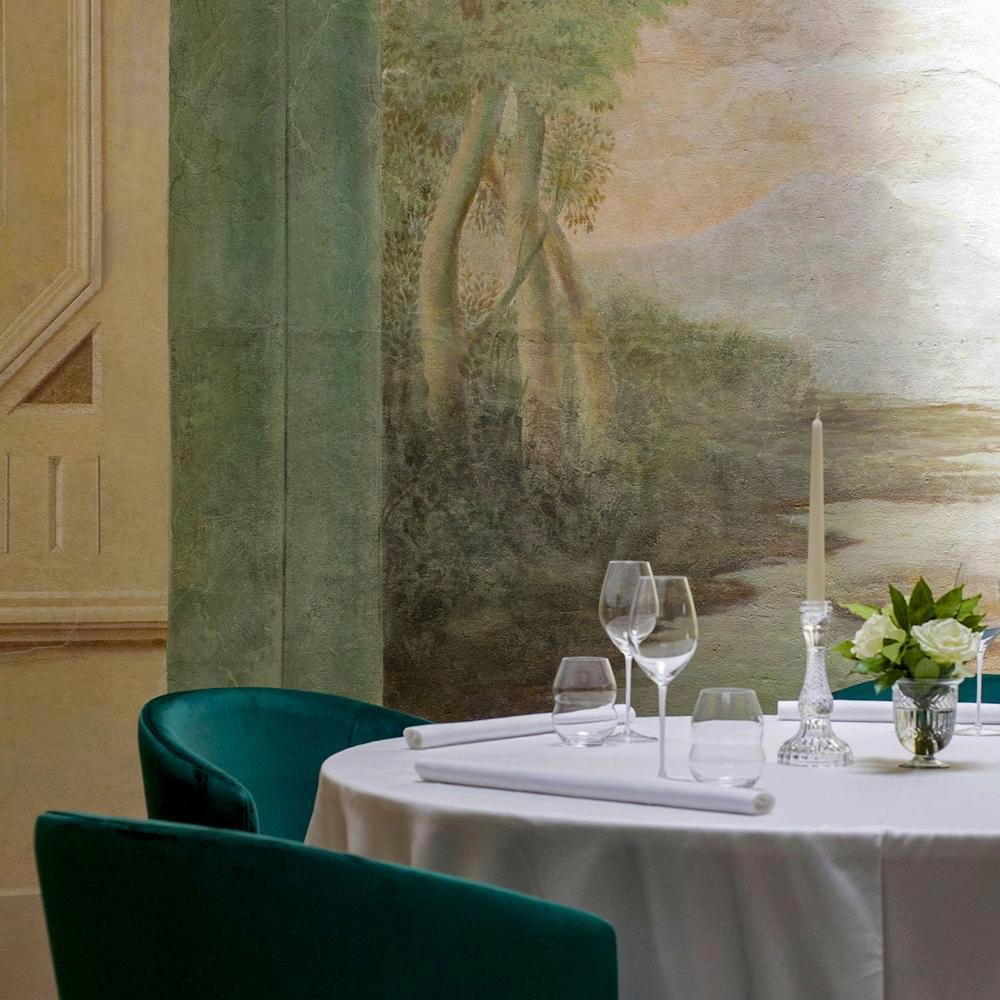
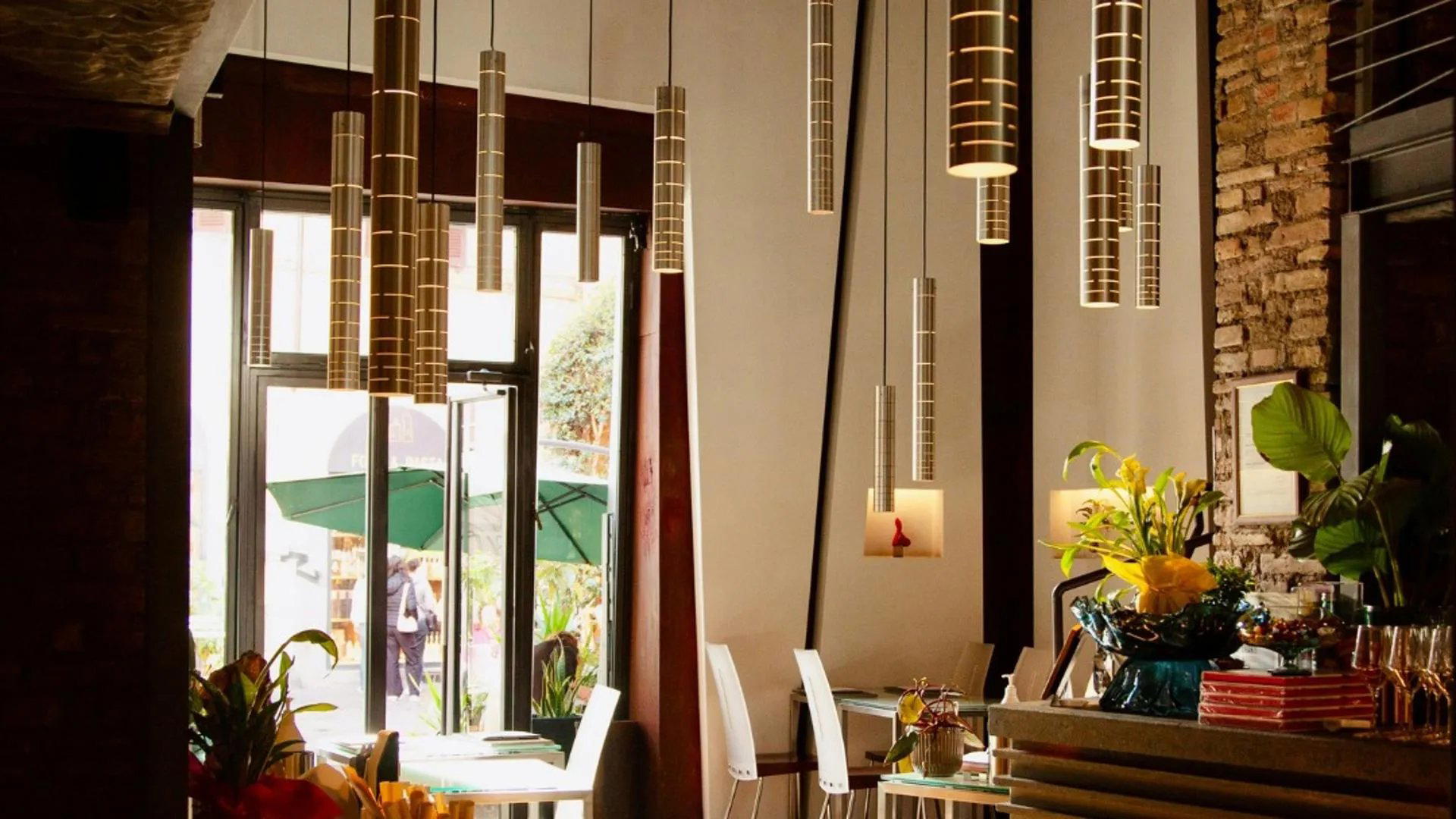
Cozy, elegantly relaxed, and intimate with modern/minimal furnishings, understated elegance, and a welcoming atmosphere.