
Inside a seventeenth-century olive oil press in Finale Ligure, Ai Torchi serves seafood dishes built around the morning's catch rather than a fixed repertoire. The vaulted stone dining room retains the original wooden press and mill, a setting that frames plates like Italian-style ceviche and the Mare Mare casserole with genuine architectural weight. A Michelin Plate recognition in 2025 confirms its place among Liguria's more considered seafood addresses.
Pearl is the En Primeur Club membership app — saves, bookings, and concierge access live there. Same editors, same standards.
- Address
- Via dell'Annunziata, 12, 17024 Finale Ligure SV, Italy
- Phone
- +39 019 690531
- Website
- aitorchi.it
- Directions
- Get directions
 Saves & bookings on Pearl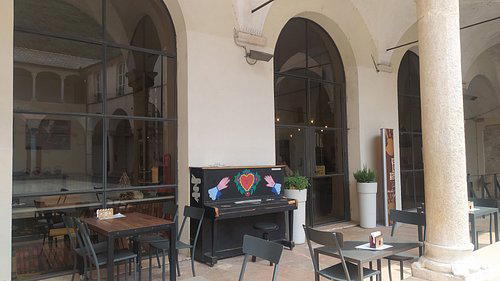
A Medieval Millhouse and the Logic of the Morning Catch
There is a particular kind of Ligurian seafood restaurant that operates not from a set menu but from whatever the boats brought in at dawn. The kitchen decides after the harbour, not before. Ai Torchi, occupying a seventeenth-century olive oil press on Via dell'Annunziata in the medieval village of Finale Ligure, belongs to that tradition, and its dining room, with original stone walls, a vaulted ceiling, and the wooden press and mill left intact as functional décor, provides a physical argument for why the setting shapes the meal as much as the plate does. Entering through the old press house is to walk into a space where the architecture refuses to let you forget where you are: the Ligurian hinterland, a short distance from the coast, in a village that has not renegotiated its character for tourism.
What the Market Dictates
Ai Torchi serves Ligurian seafood in Finale Ligure, with a kitchen shaped by daily supply rather than a fixed signature repertoire. Along the Ligurian Riviera di Ponente, the stretch of coastline between Genoa and the French border, small-boat fishing still operates on a scale that feeds restaurants like this one with genuine variety: anchovies, sea bass, bream, squid, and whatever shellfish the season and the sea allow. A kitchen that works this way cannot over-engineer its menu weeks in advance. Dishes shift, portion sizes adjust, and the cook's intelligence lies in knowing how to treat what arrives rather than how to reproduce a set dish to specification. This is a different discipline from the tasting-menu formalism that defines celebrated Italian tables like Osteria Francescana in Modena or Le Calandre in Rubano.
Two dishes appear consistently enough to function as anchors. The Italian-style ceviche is made from the catch of the day, the precise fish changes, prepared with the kind of citrus-acid restraint that keeps the raw ingredient readable rather than overwhelmed. The Mare Mare mixed fish dish is baked in a casserole with cherry tomatoes, courgettes, and bay leaves: a format that rewards the casual structure of whatever combination of fish is available that morning, unified by the baked sauce rather than a single protein logic. Both dishes demonstrate the kitchen's preference for technique that serves the ingredient rather than transforms it.
Placing Ai Torchi in the Broader Seafood Picture
Italian coastal seafood restaurants occupy a wide tier. At one end sit the formal city tables: Rome addresses like Il Sanlorenzo and Acciuga, where the kitchen's relationship with the sea is mediated by sophisticated technique and urban price expectations. Elsewhere along the Italian coastline, different registers apply: Alici on the Amalfi Coast and Gambero Rosso in Marina di Gioiosa Ionica each operate within their own regional supply logic. Ai Torchi fits the category of small-format, ingredient-led seafood restaurants where proximity to supply is the structural advantage, not kitchen complexity or cellar depth.
Its Michelin recognition positions it inside the Michelin frame without placing it in the starred tier occupied by Rome's Dogma or Livello 1. The Plate designation is a useful marker here: it confirms the kitchen is operating at a level worth the detour without implying the kind of formal ambition that would require advance tasting-menu booking. The price range of €€€ puts it in the mid-to-upper bracket for the area, consistent with a restaurant sourcing premium local ingredients daily rather than working with bulk commodity fish.
For Italian fine dining context across the peninsula, see also Enoteca Pinchiorri in Florence, Enrico Bartolini in Milan, Atelier Moessmer Norbert Niederkofler in Brunico, and Dal Pescatore in Runate, each operating in a different regional register from the restaurant but together illustrating how varied Italy's serious dining offer has become.
The Bistro Option on the Same Street
For visitors who want a lower-commitment version of the same supply philosophy, the I Torchietti bistro operates on the corner of the same street. The relationship between the two formats is direct in practical terms: one serves the full creative programme inside the historic mill building, the other offers a simpler entry point. This kind of two-tier structure is common in Italian coastal towns where a restaurant with a serious kitchen wants to serve both the visitor who books ahead and the one who wanders in from the seafront. It also means the address functions across more than one occasion type.
Getting There and Planning Your Visit
Finale Ligure sits on the Ligurian Riviera between Savona and Albenga, approximately 70 kilometres southwest of Genoa along the A10 autostrada or the coastal rail line that connects Genoa to Ventimiglia. The medieval village of Finalborgo, where Via dell'Annunziata runs, is inland from the coastal resort strip, a ten-minute walk or short drive from the seafront. This distinction matters: the village functions on its own calendar, quieter in the shoulder months of April, May, and October when the beach crowds have thinned but the kitchen's supply from local boats continues. Booking in advance is advisable for the main restaurant, particularly in July and August when Finale Ligure receives significant summer visitor volume. The bistro option on the same street provides a walk-in alternative when the dining room is full. Reservations are recommended.
And for seafood-focused dining in the capital, Trattoria del Pesce provides a useful Rome-based point of comparison for what Ligurian-style market cooking looks like when transplanted to an urban context.
What's the leading thing to order at Ai Torchi?
The two dishes with the consistent presence on the menu are the Italian-style ceviche, made from the day's catch and prepared with measured acidity that keeps the fish readable, and the Mare Mare: a mixed fish casserole baked with cherry tomatoes, courgettes, and bay leaves. Both reflect the kitchen's market-first approach, the exact fish varies by day and season, which means the dishes shift in character depending on when you visit. If the catch dictates something different on a given evening, the kitchen will follow the supply rather than the menu card. That is the logic the restaurant is built around, and ordering with it in mind, asking what came in that morning, is one productive way to eat here.
What It’s Closest To
Comparable venues nearby, for context on price, style, and recognition.
| Venue | Cuisine | Price | Awards | Notes |
|---|---|---|---|---|
| Ai TorchiThis venue — the venue you are viewing | Ligurian Seafood | $$$ | Michelin Plate | Not listed |
| Acciuga | Modern Italian Seafood | $$$ | Michelin Plate | Monte Mario |
| Gelateria La Romana | Artisanal Italian Gelato | $$ | Not listed | Sallustiano |
| Viride | Contemporary Italian Fine Dining | $$$$ | Not listed | Campo Marzio |
| Arso Trattoria Moderna | Traditional Roman Trattoria | $$ | Not listed | .null |
| /gu.stà.re/ oltrecucina | Modern Piedmontese | $$ | Michelin Plate | Borgomanero |
Recognition history
Dated appearances from independent guides and award organizations, with the underlying list record or original source where available.
Michelin Plate
Michelin
Michelin Plate
Michelin
Continue exploring
More in Rome
Restaurants in Rome
Browse all →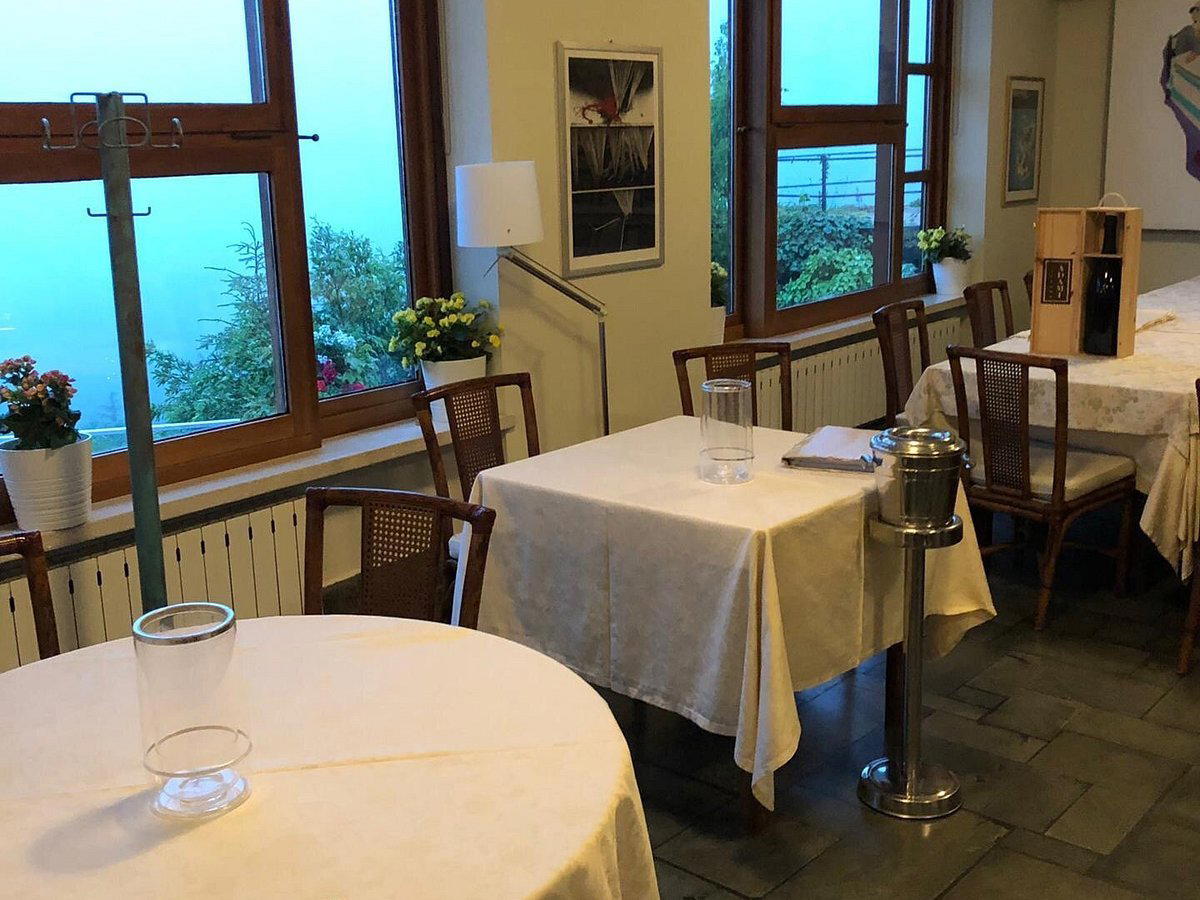
Bars in Rome
Browse all →
Hotels in Rome
Browse all →
At a Glance
- Elegant
- Rustic
- Intimate
- Classic
- Date Night
- Special Occasion
- Historic Building
- Extensive Wine List
- Local Sourcing
Current opening hours
- Monday
- 8–10 PM
- Tuesday
- Closed
- Wednesday
- Closed
- Thursday
- 8–10 PM
- Friday
- 8–10 PM
- Saturday
- 12:30–2 PM, 8–10 PM
- Sunday
- 12:30–2 PM, 8–10 PM
Hours can change for holidays and private events. Last verified .
Elegant yet simple with tasteful decorative objects, vaulted stone room, refined and welcoming atmosphere.