
In the Della Vittoria district, Acciuga makes a case for Rome's less-celebrated fish traditions. Chef Federico Delmonte builds his menu around so-called 'poor' fish varieties sourced daily, with roots in the Marche coastal town of Fano surfacing in dishes like the brodetto fish soup. A Michelin Plate holder since 2024, it operates at the €€€ tier within a city where serious seafood is thinner on the ground than the trattoria circuit suggests.
Pearl is the En Primeur Club membership app — saves, bookings, and concierge access live there. Same editors, same standards.
- Address
- Via Vodice, 25, 00195 Roma RM, Italy
- Phone
- +39 06 372 3395
- Website
- acciugaroma.it
- Directions
- Get directions
 Saves & bookings on Pearl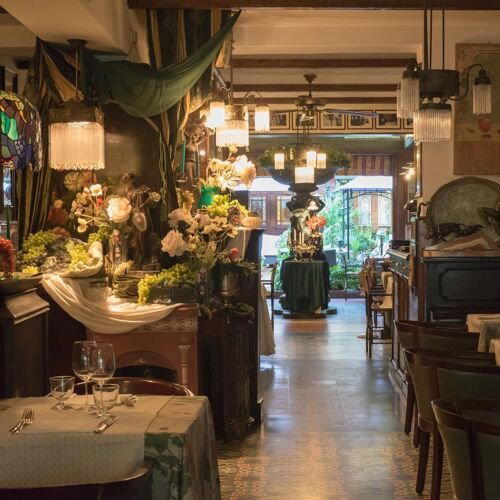
A Neighbourhood Dining Room With a Serious Fish Agenda
Acciuga is in the Della Vittoria quarter of northwest Rome, a residential area that rarely competes with Trastevere or Prati for dining press. The room at Acciuga reflects its setting: simple, unadorned, with an open-view kitchen that makes the cooking the architecture. There is no theatre of tableside ceremony here, no elaborate plating choreography. What you are watching through the pass is a kitchen working through whatever arrived from the catch that morning, and that discipline shapes the entire experience from the moment you sit down.
For context, Rome has never been a seafood city in the way Naples or Palermo commands that identity. Its fish culture is real but quieter, and most of the serious work happens in places the tourist circuit does not amplify. That creates a tier of neighbourhood restaurants where provenance and technique do the talking without the cover charge of a central address. Acciuga occupies exactly that position, carrying recognition in 2024 and 2025 while charging at the €€€ level, well below the €€€€ bracket held by Rome's Michelin-starred establishments like Il Sanlorenzo, which operates on a larger platform in the historic centre.
Port and Provenance: The Adriatic Thread
Italy's seafood geography is not uniform. The Tyrrhenian coast running past Rome produces its own catches, but the Adriatic, with colder, cleaner waters and a longer commercial fishing tradition, has historically defined what Italian fish cookery looks like at its most precise. Fano, the Marche port city that informs Chef Federico Delmonte's culinary reference points, sits on the Adriatic midway up the peninsula, and that lineage is visible in the menu's structure.
The brodetto that appears in the Acciuga repertoire is not a Roman preparation. It is a dish that belongs specifically to the Marche coastal tradition, each port town along that stretch of the Adriatic maintaining its own version, differentiated by the ratio of tomato to vinegar, the variety of fish included, and whether saffron enters the equation. Bringing it to a Rome dining room is an act of transplantation with a clear source address, the kind of specificity that separates a kitchen with a genuine regional vocabulary from one assembling generic Italian seafood classics.
The broader commitment to so-called 'poor' fish varieties deepens that Adriatic sensibility. This is not a category driven by cost-cutting. In Italian fish markets, particularly along the Adriatic, the less commercially fashionable species, the small oily fish, the bony but flavoursome bottom-dwellers, the bycatch that larger restaurants ignore, often carry more character than the premium cuts. A kitchen that seeks them out is making an argument about flavour over prestige, and it requires considerably more skill to handle them well than to present a clean fillet of branzino with the same technique used in a hundred other rooms. For a broader read on where Italian seafood cooking reaches similar levels of rigor in other regions, Alici Restaurant on the Amalfi Coast and Gambero Rosso in Marina di Gioiosa Ionica offer useful points of comparison from the Tyrrhenian and Ionian sides respectively.
The Open Menu and What It Means in Practice
Menu at Acciuga adjusts daily based on the catch, which is a commitment that sounds obvious but is rarer in practice than menus claiming it would suggest. A kitchen genuinely organised around daily market availability cannot pre-set its mise en place or batch-produce sauces for a fixed dish rotation. It requires cooks who understand the full range of what might arrive and can build coherent plates from it, and a front-of-house team comfortable explaining dishes that were not on the menu last Tuesday and may not be there next week.
For diners, this means arriving with flexibility rather than a target dish.3 across 290 ratings suggests that the kitchen delivers consistently despite that variability. Consistency under a changing-catch model is harder to maintain than consistency with a fixed menu, and the Michelin Plate recognition in consecutive years confirms that the standard holds across seasons.
Reservations are advisable. A room of this size in a residential neighbourhood operating at this recognition level books out, particularly on weekends. The €€€ price point lands it in accessible territory for a special occasion without the commitment required at the starred tier, making it the kind of address that Rome regulars return to more than once a year rather than treating as a once-and-done experience.
Where Acciuga Sits in Rome's Seafood Picture
Rome's serious fish restaurants distribute across several neighbourhoods and price tiers. In Prati and Della Vittoria, the approach tends toward neighbourhood dining with genuine kitchen ambition. Elsewhere in the city, places like Trattoria del Pesce and Livello 1 represent different points on the spectrum between traditional and contemporary. The broader Roman restaurant conversation, which you can map through our full Rome restaurants guide, also includes addresses like Ai Torchi and Dogma that operate in adjacent territory.
At the national level, Italy's most decorated tables, from Osteria Francescana in Modena to Le Calandre in Rubano and Enrico Bartolini in Milan, operate at a different register of ambition and price. Acciuga is not in that conversation, nor is it trying to be. It is making a more focused argument: that the Adriatic's overlooked catch, handled by a kitchen with a specific regional memory, produces something worth seeking out in a city that does not always prioritise that kind of cooking. That argument, across two years of Michelin recognition and a stable rating from a meaningful sample of diners, is holding.
Planning Your Visit
Acciuga is located at Via Vodice 25 in the Della Vittoria neighbourhood of northwest Rome. The area is accessible from Prati and within reasonable distance of the Vatican quarter, making it a natural dinner destination for anyone based in that side of the city. The €€€ price range positions it as a considered but not extravagant choice for an evening of serious fish cooking. Given the changing menu format, there is no single dish to anchor a booking around, but the brodetto, when available, offers the clearest expression of the kitchen's Marche provenance.
For Italian fine dining reaching higher price tiers, Dal Pescatore in Runate, Enoteca Pinchiorri in Florence, and Atelier Moessmer Norbert Niederkofler in Brunico offer reference points for what the Italian fine dining tier looks like at its ceiling.
Just the Basics
Comparable venues nearby, for context on price, style, and recognition.
| Venue | Cuisine | Price |
|---|---|---|
| AcciugaThis venue — the venue you are viewing | Monte Mario, Modern Italian Seafood | $$$ |
| Poldo e Gianna Osteria | Campo Marzio, Roman Osteria | $$$ |
| Almatò | Monte Mario, Modern Italian Fine Dining | $$$ |
| ConTatto | Frascati, Modern Lazio Regional | $$$ |
| Antico Arco | Gianicolo, Modern Italian Fine Dining | $$$ |
| Livello 1 | Ardiatino, Modern Seafood | $$$ |
Recognition history
Dated appearances from independent guides and award organizations, with the underlying list record or original source where available.
Michelin Plate
Michelin
Michelin Plate
Michelin
Michelin Plate
Michelin
Continue exploring
More in Rome
Restaurants in Rome
Browse all →
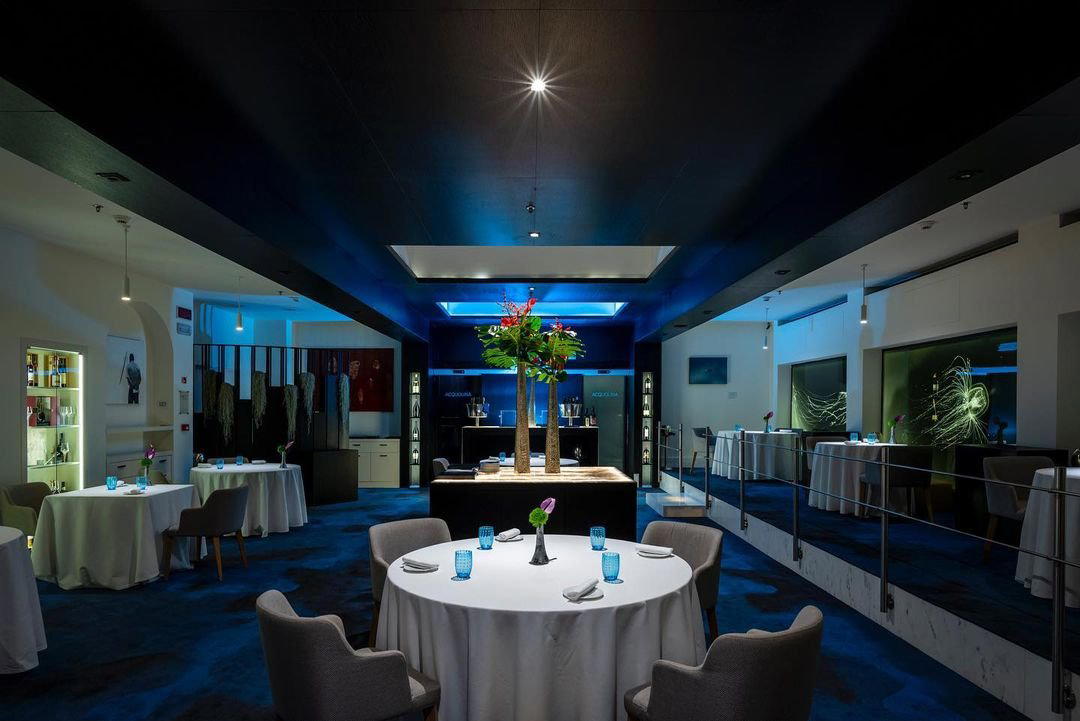
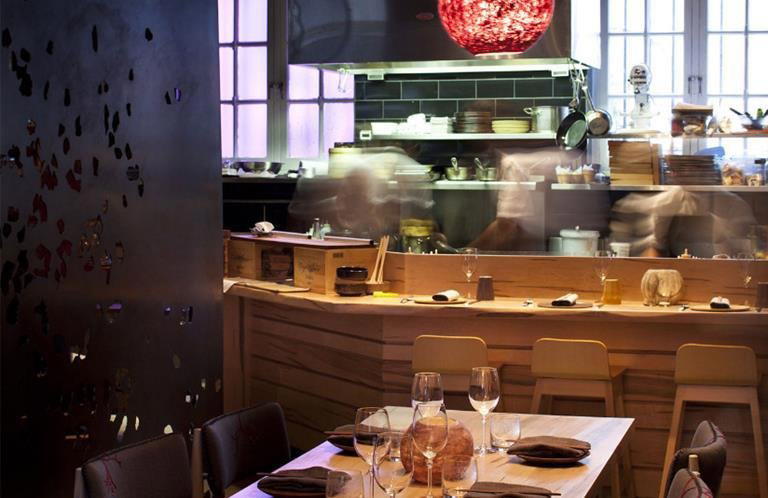
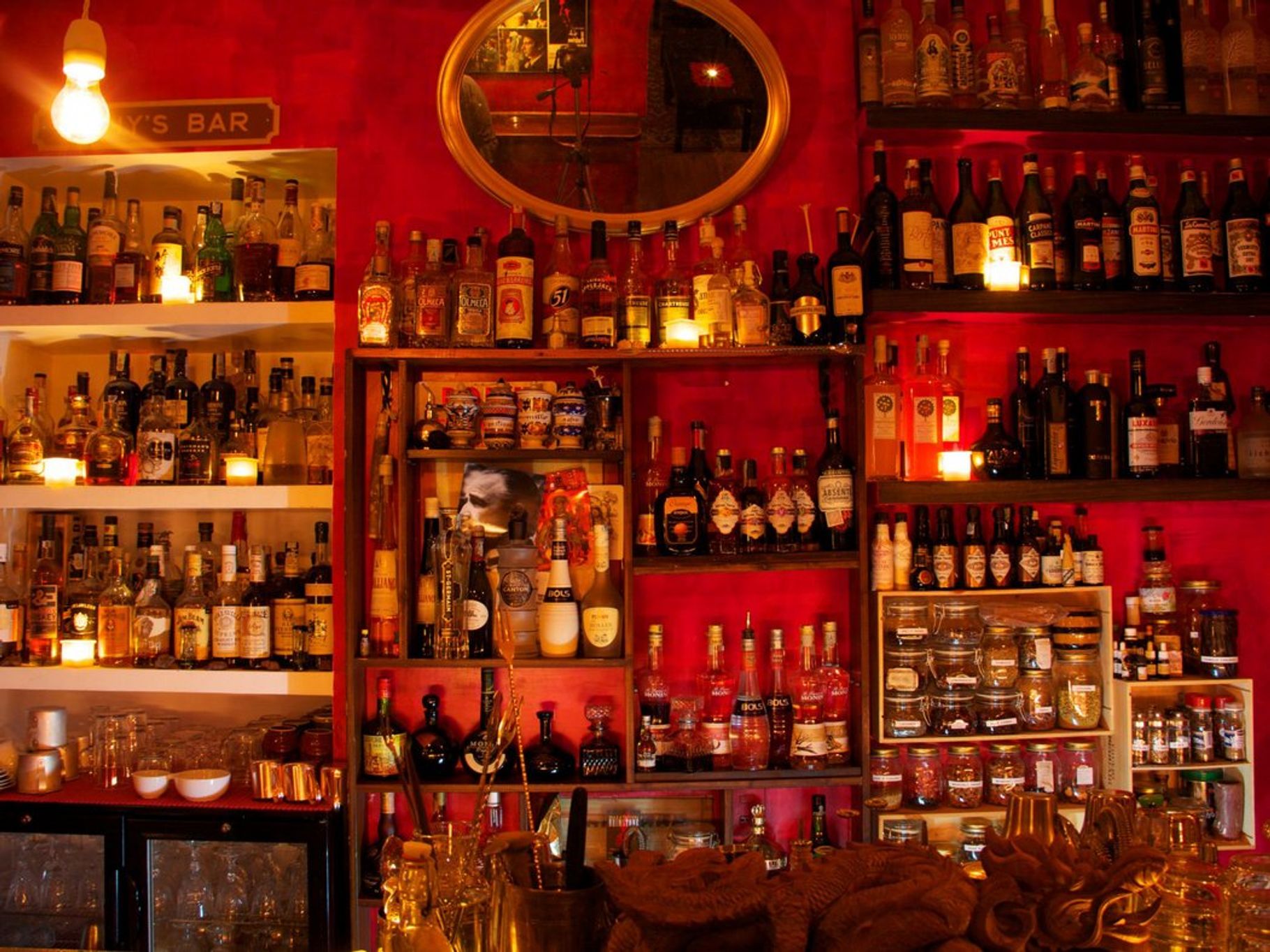
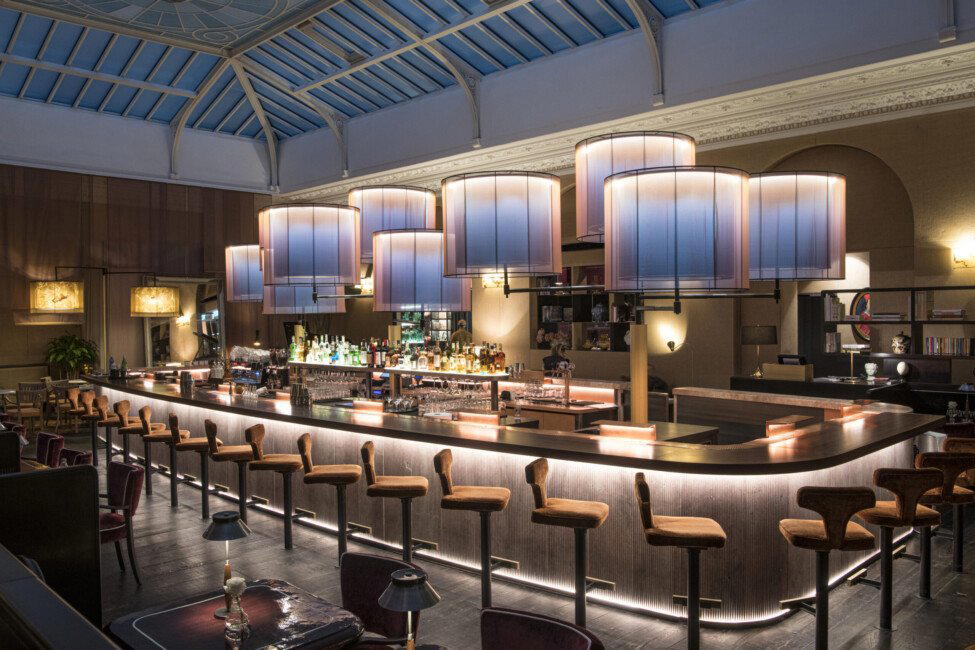
Bars in Rome
Browse all →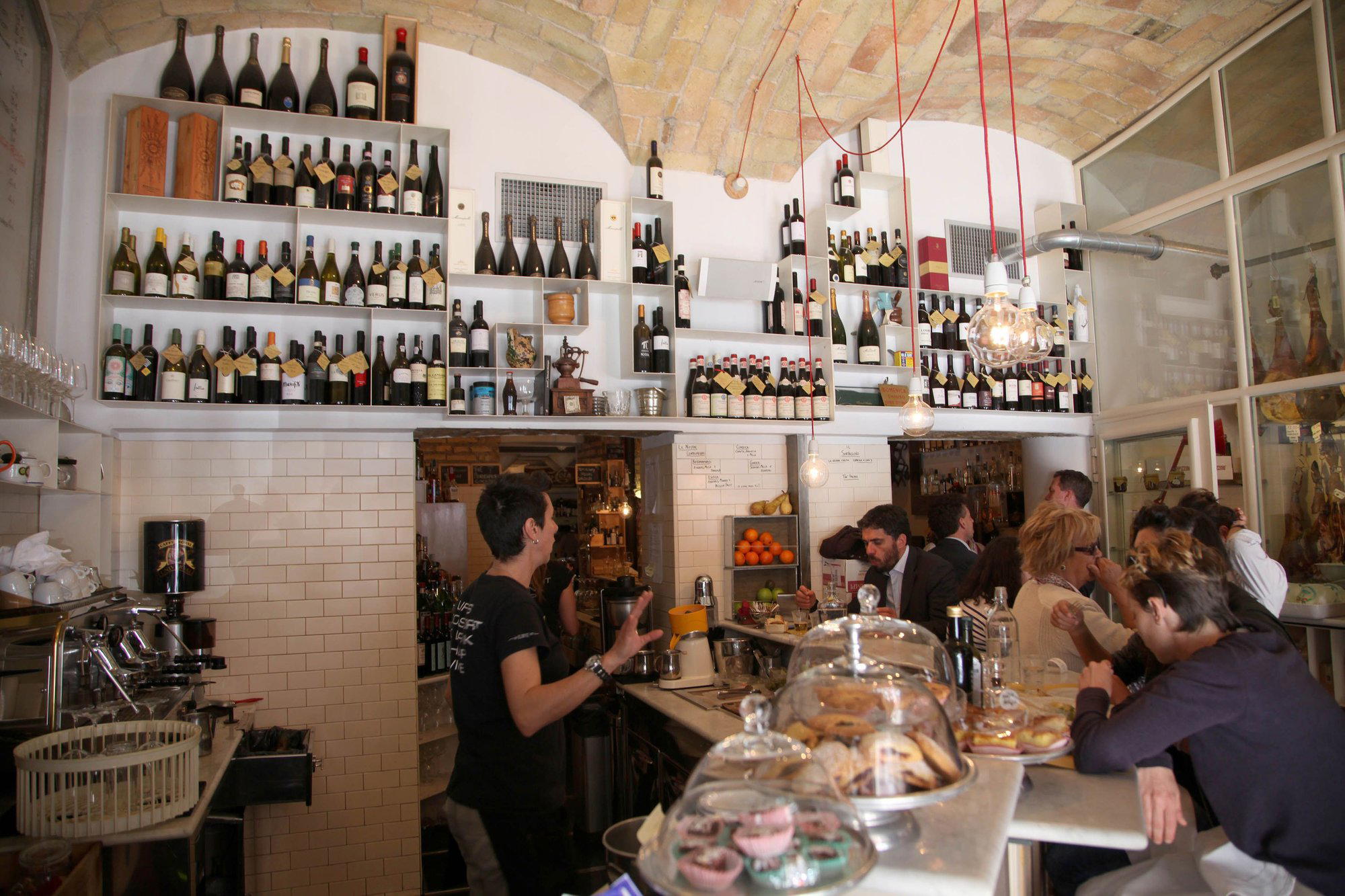
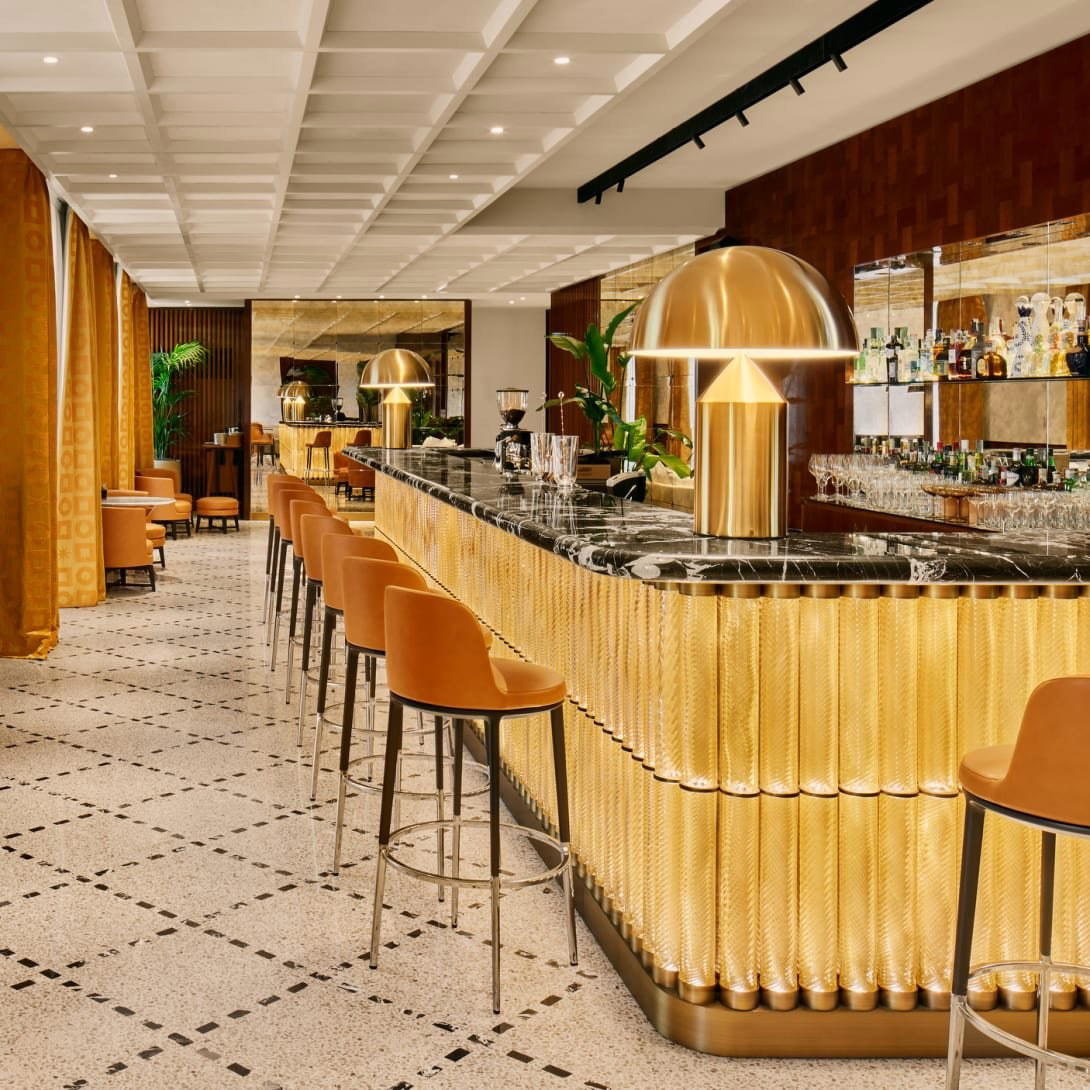
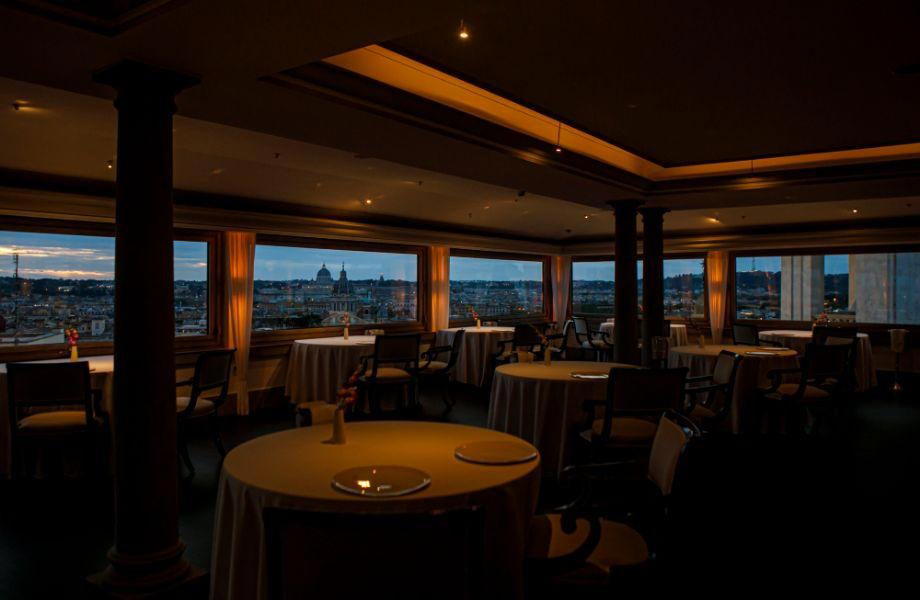
Hotels in Rome
Browse all →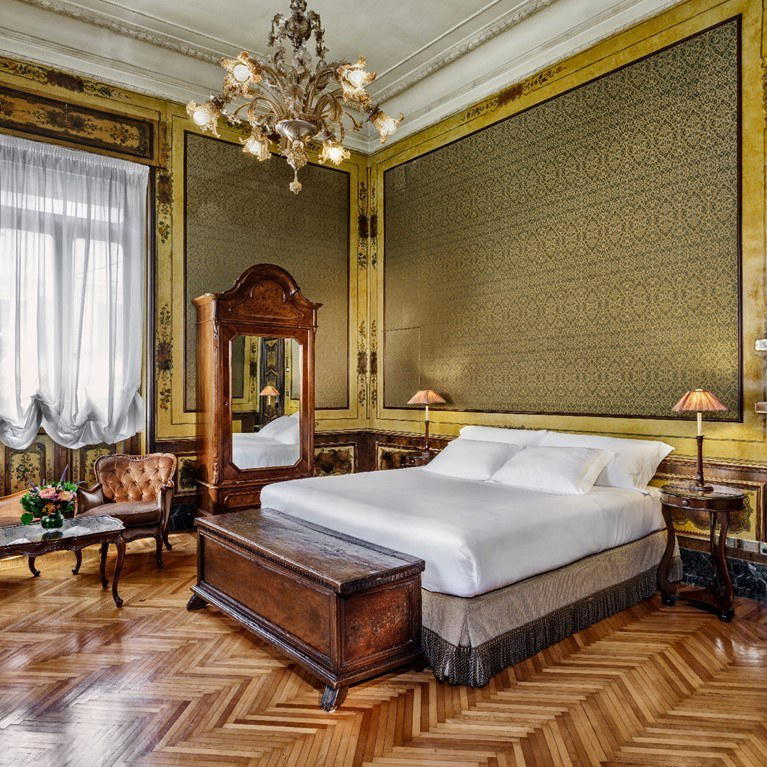

At a Glance
- Elegant
- Cozy
- Intimate
- Sophisticated
- Date Night
- Special Occasion
- Open Kitchen
- Extensive Wine List
- Local Sourcing
- Sustainable Seafood
Current opening hours
- Monday
- Closed
- Tuesday
- 12:30–3 PM, 8–10:30 PM
- Wednesday
- 12:30–3 PM, 8–10:30 PM
- Thursday
- 12:30–3 PM, 8–10:30 PM
- Friday
- 12:30–3 PM, 8–10:30 PM
- Saturday
- 12:30–3 PM, 8–10:30 PM
- Sunday
- Closed
Hours can change for holidays and private events. Last verified .
Calm and elegant atmosphere in a simple dining room with well-spaced tables, open-view kitchen, and cozy feel despite initial impressions.