Our verdict
Din Tai Fung on Phloen Chit Road brings the globally recognised Taiwanese dumpling chain to Bangkok's Lumphini district, delivering its signature xiaolongbao format with the precision and queue culture the brand commands worldwide. A reliable mid-tier anchor in a city where Michelin-starred tasting menus and street-side noodle shops define the extremes, it draws consistent crowds across lunch and dinner services on the fifth floor of a Phloen Chit address.

Pearl is the En Primeur Club membership app, where members save venues, book tables and use the concierge.
The menu
What to order
- Xiao Long Bao
- Steamed Chicken Soup
- Fried Rice with Shrimp and Eggs
The Queue as Part of the Ritual
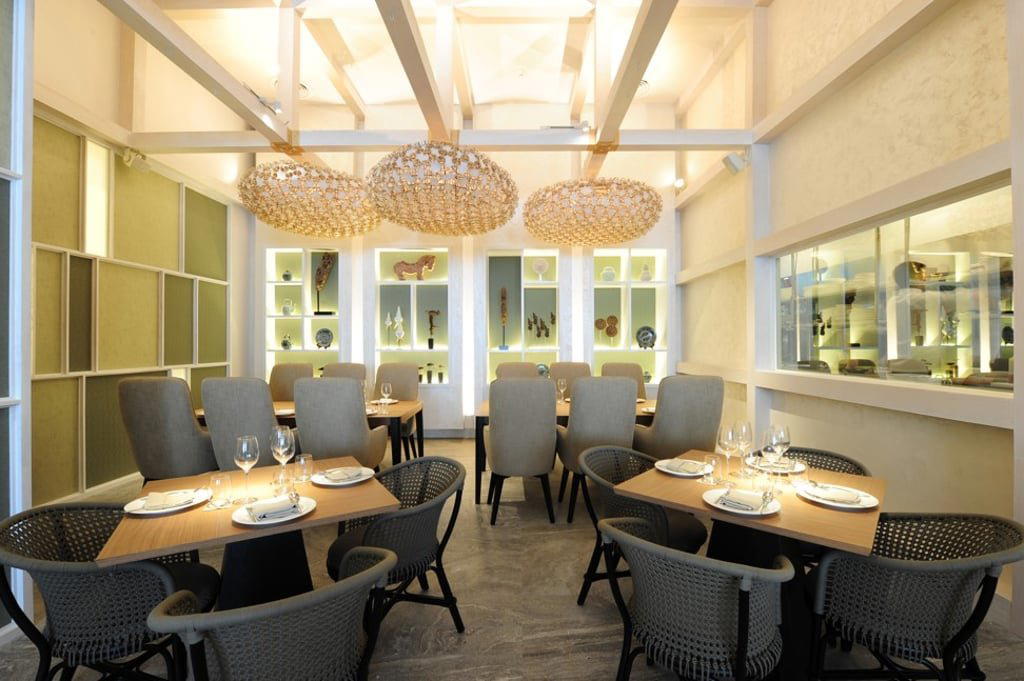
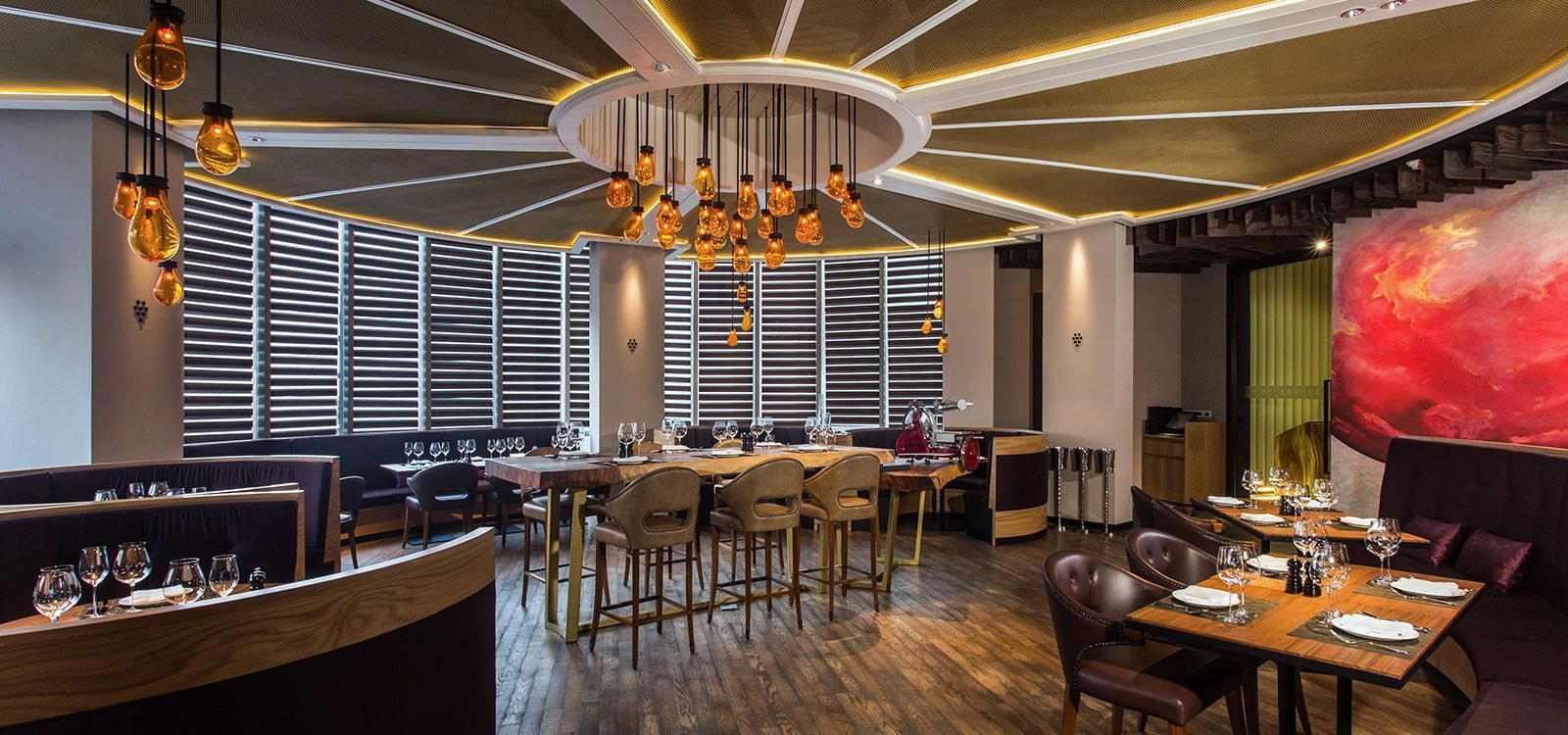
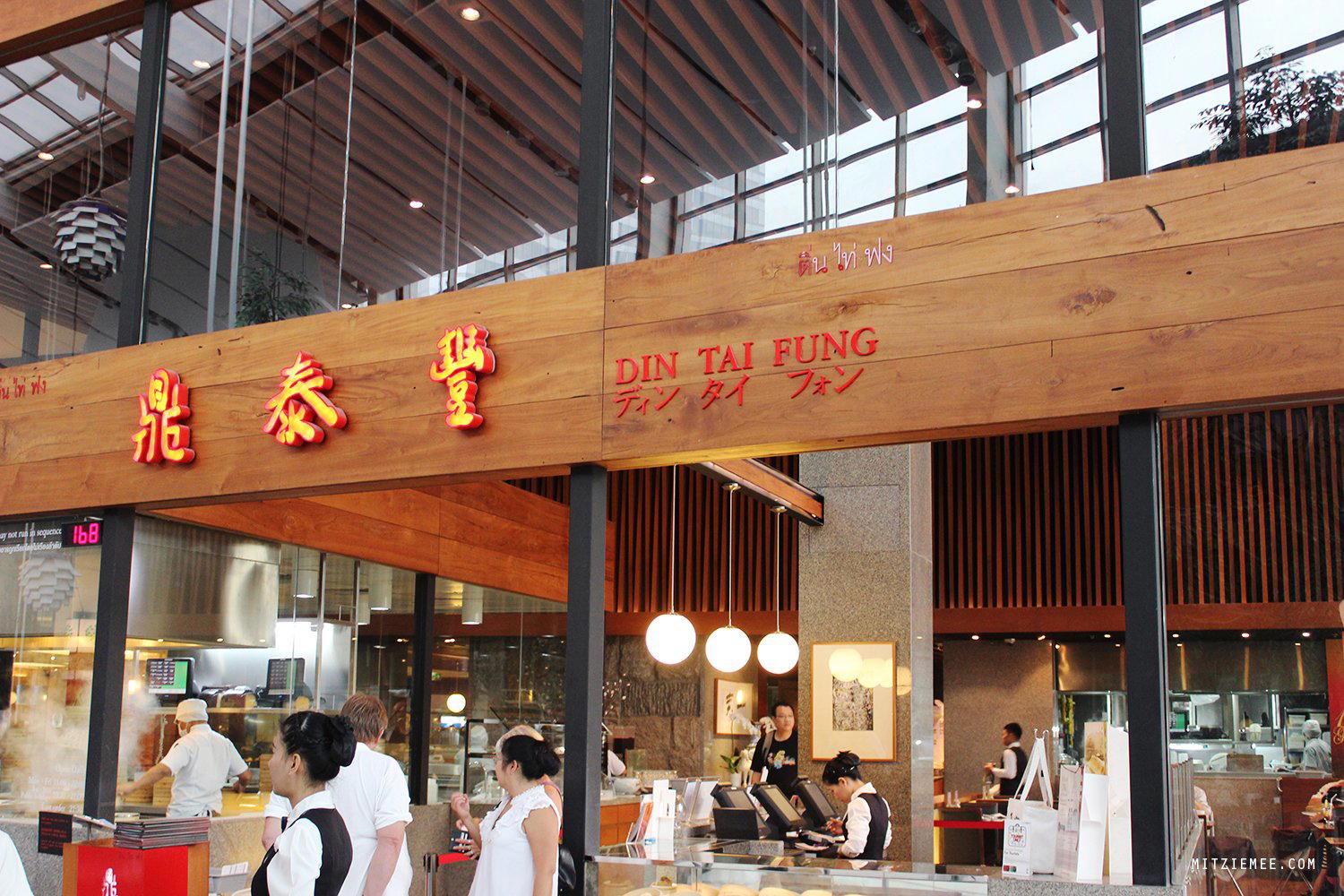
At Din Tai Fung's Phloen Chit Road location, the experience begins before you sit down. The fifth-floor dining room on Phloen Chit Road draws a steady stream of Bangkok residents, regional visitors, and travellers who already know the format from Taipei, Singapore, or Sydney. That familiarity is part of what the brand has built over decades: a standardised ritual around the xiaolongbao that travels with the same discipline as the dumpling itself. You arrive, you wait, and you watch the kitchen through glass, a visual cue that the pleating, weighing, and steaming are performed to specification rather than approximation.
The queue culture attached to Din Tai Fung locations across Asia reflects something specific about how the brand positions itself. It does not operate as a destination for surprise or discovery. It operates as a contract: the dumplings will arrive with the same weight, fold count, and broth-to-meat ratio that regulars expect. In a Bangkok dining scene where tasting menus at venues like Sorn (Southern Thai) or Gaa (Modern Indian, Indian) demand advance planning and occasion-level investment, Din Tai Fung occupies a different register entirely: the reliable, repeatable meal that asks nothing of the diner except appetite and patience at the door.
Where This Fits in Bangkok's Dining Spread
Bangkok's restaurant spectrum runs from street-side noodle shops charging under a hundred baht to multi-course tasting menus at the ฿฿฿฿ tier occupied by venues like Sühring (German), Baan Tepa (Thai contemporary), and Côte by Mauro Colagreco (Mediterranean, Modern Cuisine). Din Tai Fung sits in a middle band that Bangkok does not always serve confidently: the consistent, mid-range, international-quality casual restaurant where execution is the entire point and the menu is built around repetition rather than rotation.
The Lumphini and Phloen Chit corridor is Bangkok's densest concentration of international office tenants, hotel guests, and upper-income residential towers. A Din Tai Fung here serves a population that eats out frequently, values predictability on weekday lunches, and has likely already eaten at the brand in another city. That existing familiarity means the restaurant does not need to do much explaining. The menu format is known, the ordering rhythm is understood, and the pacing of a steam basket meal has its own internal logic that most of the dining room already follows without instruction.
The Dumpling Meal as Structured Ritual
The meal at any Din Tai Fung follows a specific sequence that regulars treat as given. Xiaolongbao arrive in bamboo steamers, typically in multiples of six or ten, and the protocol around eating them, tip to the spoon, pierce gently, sip the soup before eating the wrapper, is repeated at tables across the dining room with the consistency of a shared cultural code. That code did not originate in Bangkok. It came from Taipei's Da'an District, where the original Din Tai Fung opened in 1972, and it has been exported to over a dozen countries with enough consistency that the brand earned recognition from multiple international food publications and was listed among Asia's notable restaurants by several critics during the 1990s and 2000s.
Side dishes, noodles, and rice plates extend the meal beyond dumplings, giving the ritual more room to breathe across a longer sitting. The ordering process tends to happen on printed sheets or tablets, and the kitchen visible from the dining room keeps the production transparent. Transparency here is deliberate: the steam, the folding, and the weigh-checking visible through glass function as trust signals that the product is made to standard rather than assembled behind closed doors.
For travellers building a broader sense of Thailand's regional cooking, the Din Tai Fung visit pairs logically with very different experiences elsewhere in the country. Ayutthayarom in Phra Nakhon Si Ayutthaya offers a window into Central Thai cooking anchored in provincial tradition, while Baan Chik Pork Noodles in Udon Thani and Baan Heng in Khon Kaen represent Isaan cooking in its home territory. Beyond the capital, PRU in Phuket and Anuwat in Phang Nga provide southern Thailand's more formal dining end, while Baan Suan Lung Khai in Ko Samui and The Spa in Lamai Beach offer island alternatives. North of Bangkok, AKKEE in Pak Kret and Banrimbung in Nakhon Pathom and Banmai Chay Nam in Nakhon Ratchasima round out a picture of Thai cooking that Bangkok's international restaurants cannot represent on their own.
Planning Your Visit
The Phloen Chit location sits on the fifth floor of a building at 546/4 Phloen Chit Road, accessible from Phloen Chit BTS station within a few minutes' walk. Arriving at off-peak hours, mid-afternoon between lunch and dinner service, substantially reduces wait times. Weekend lunches draw the longest queues. The meal moves at the pace of the steam basket: fast enough for a working lunch, slow enough for a relaxed weekend sitting if you order widely. For dining context specific to Bangkok's broader restaurant range, the EP Club Bangkok restaurants guide maps the full spectrum from street-level to tasting-menu tier.
Visitors who want to understand how the mid-tier international chain format compares to formal tasting experiences globally can reference Le Bernardin in New York City or Lazy Bear in San Francisco as data points at the far end of the formality and price range. Din Tai Fung operates at none of that formality, which is precisely its utility in a travel itinerary that already includes a Michelin-starred dinner or two.
Frequently asked questions
How do I find Din Tai Fung?
Din Tai Fung is located at 546/4 5 Floor, Phloen Chit Rd, Lumphini, Pathum Wan, Bangkok 10330, Thailand, Bangkok.
Is Din Tai Fung on Phloen Chit Road easy to reach without a car?
The address at 546/4 Phloen Chit Road, Lumphini, Pathum Wan places it within walking distance of Phloen Chit BTS station on the Sukhumvit line. The restaurant occupies the fifth floor of the building, so allow time to locate the lift or stairwell access. This makes it one of the more transit-accessible international chain dining options in Bangkok's central business district.
What do people recommend at Din Tai Fung?
Xiaolongbao are the consistent anchor order at any Din Tai Fung, including the Phloen Chit Road location in Bangkok. Regulars order them in multiples of the standard bamboo steamer portion and typically treat them as the structural centre of the meal rather than a starter. The shrimp and pork varieties are the most ordered alongside the classic pork version.
How far ahead should I plan for Din Tai Fung?
The fifth-floor dining room on Phloen Chit Road draws consistent foot traffic from both the Lumphini office crowd and visitors arriving from Phloen Chit BTS station. Walk-in waits during lunch and weekend dinner periods are common. Arriving before peak service, or checking whether the location accepts reservations directly, is the practical approach.
What's the standout thing about Din Tai Fung?
The production discipline. Din Tai Fung's kitchens operate on a standardised folding method for xiaolongbao, each dumpling is expected to have a precise number of pleats, which means the product is consistent across every location, including Bangkok. That consistency at scale is what separates it from neighbourhood dim sum operations.
Budget and Context
Comparable options at a glance, pulled from our tracked venues.
| Venue | Cuisine | Price | Awards | Notes |
|---|---|---|---|---|
| Din Tai FungThis venue (the venue you are viewing) | Taiwanese Soup Dumplings | $20–30 | Not listed | Not listed |
| Sorn | Fine Southern Thai | $200–300 | 3 Michelin Stars · World's 50 Best #12 | Southern Thai, ฿฿฿฿ |
| Baan Tepa | Creative Thai Fine Dining | $150–200 | 2 Michelin Stars · World's 50 Best #90 | Thai contemporary, ฿฿฿฿ |
| Côte by Mauro Colagreco | Riviera Mediterranean Fine Dining | $200–300 | 2 Michelin Stars · World's 50 Best #91 | Mediterranean, Modern Cuisine, ฿฿฿฿ |
| Gaa | Modern Indian Fine Dining with Thai Influences | $150–200 | 2 Michelin Stars · World's 50 Best #95 | Modern Indian, Indian, ฿฿฿฿ |
| Sühring | Modern German Fine Dining | $200–300 | 3 Michelin Stars · World's 50 Best #18 | German, ฿฿฿฿ |