On Sukhumvit 26 in Khlong Tan, Jidori Cuisine Ken brings a focused Japanese approach to free-range chicken to one of Bangkok's most internationally-minded dining corridors. The restaurant's name signals its central preoccupation: jidori, the Japanese designation for certified heritage-breed poultry raised under strict welfare and feed standards, treated here as a serious culinary subject rather than a menu footnote. For Bangkok diners moving between Thai and Japanese traditions, it occupies a specific and underserved niche.
Pearl is the En Primeur Club membership app — saves, bookings, and concierge access live there. Same editors, same standards.
- Address
- 10 12 Sukhumvit 26, Khlong Tan, Khlong Toei, Bangkok 10110, Thailand
- Phone
- +66837731796
- Website
- jidori-cusine-ken.com
- Directions
- Get directions
 Saves & bookings on Pearl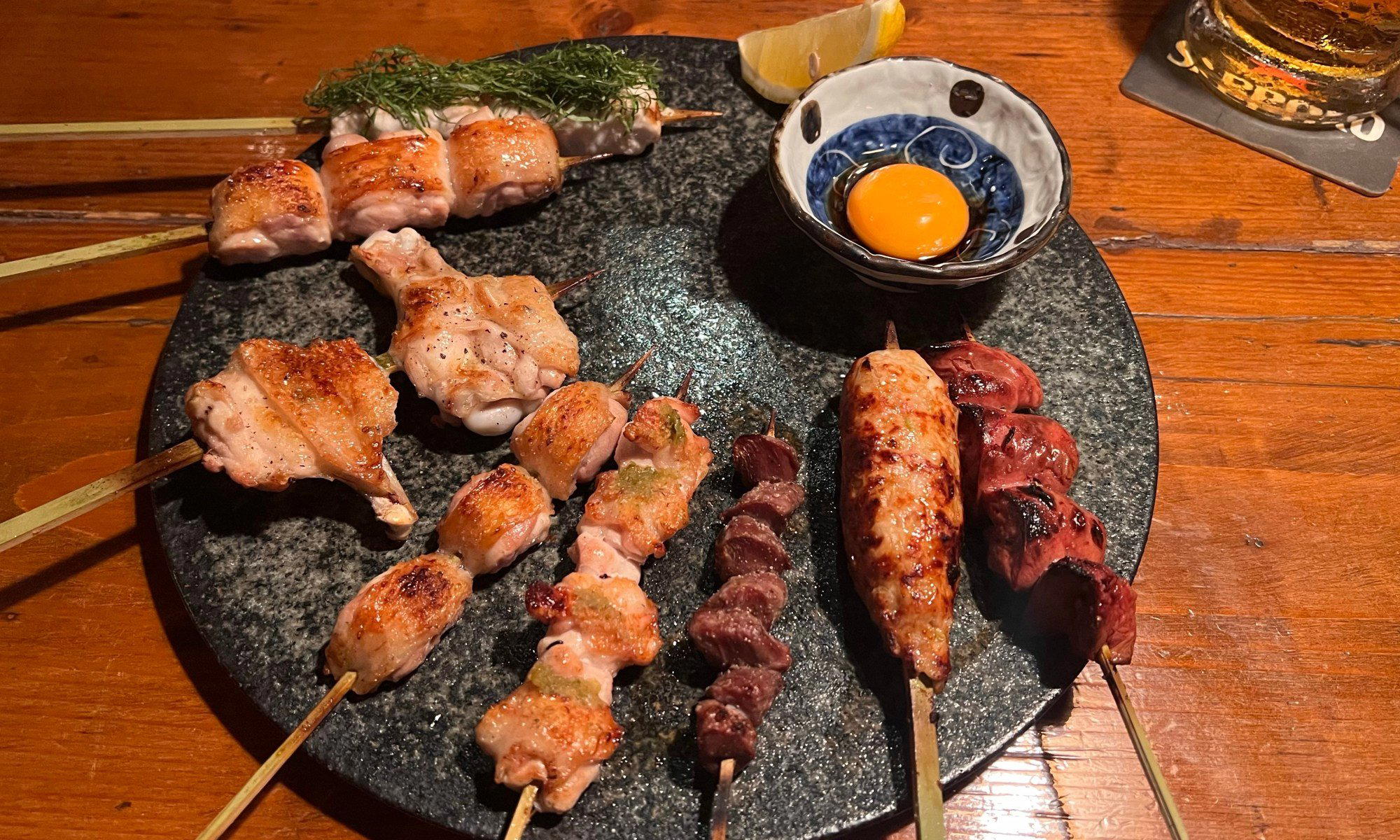
Where Bangkok's Japanese Dining Scene Gets Specific
Sukhumvit's middle stretch, from Soi 22 outward through Soi 26 and beyond, has long functioned as Bangkok's most concentrated corridor of Japanese restaurants outside of the Thonglor cluster. The density is not accidental: the area's residential mix of Japanese expatriates and internationally mobile Thais created consistent demand for specialisation, and over two decades that demand has pulled in an unusually varied Japanese food scene, from izakayas and ramen counters to omakase sushi rooms. Within that context, Jidori Cuisine Ken on Sukhumvit 26 is a Yakitori Izakaya focused on jidori chicken.
Jidori is not simply a Japanese word for chicken. It is a protected designation, applied to heritage-breed birds raised under specific welfare protocols: outdoor access, low stocking densities, longer growing periods, and controlled feed. The category sits in deliberate contrast to commercial broiler production, and the difference registers on the plate in texture, fat distribution, and depth of flavour in ways that generalised poultry cooking cannot reproduce. Restaurants that commit to jidori sourcing are, in effect, committing to a supply chain argument, one that places ingredient provenance at the centre of the menu's logic. This is the same instinct that drives PRU in Phuket toward its farm-to-table sourcing model, and that places Sorn among Bangkok's ingredient-serious restaurants through its commitment to Southern Thai producers.
The Sourcing Argument at the Centre of the Menu
In Japan, the jidori category includes regional breeds with strong geographical identities: Nagoya Cochin from Aichi Prefecture, Hinai-jidori from Akita, Satsuma-jidori from Kagoshima. Each carries distinct characteristics shaped by local feed, climate, and centuries of selective breeding. When a restaurant in Bangkok stakes its identity on this ingredient, it is importing not just a product but a philosophy about what protein quality means and what cooking is for. That philosophy shapes preparation methods: jidori chicken is typically suited to techniques that respect its firmer texture and more pronounced flavour, from careful yakitori grilling over binchotan charcoal to hotpot formats that allow the stock to carry the bird's full character.
The yakitori format in particular has become a lens through which Tokyo and Osaka diners judge ingredient integrity. At a serious yakitori counter, the sourcing conversation is inseparable from the cooking conversation, because the char, salt timing, and resting approach are all calibrated to the specific fat content and muscle density of the bird. This is a discipline that sits closer to the sourcing-led precision of Atomix in New York City or Le Bernardin's approach to fish provenance than it might initially appear, in each case, ingredient selection precedes and dictates technique.
Bangkok's Japanese Poultry Gap
Bangkok's Japanese restaurant scene has grown in depth over the past decade, but the growth has been uneven. The high end skews heavily toward sushi and teppanyaki, with omakase counters occupying the premium tier and casual ramen and udon shops anchoring the accessible end. Chicken-centric Japanese formats, particularly those built around documented heritage breeds, remain a smaller category. This is partly a supply chain challenge: sourcing certified jidori birds outside Japan requires either direct import relationships or access to farms raising comparable heritage breeds under equivalent standards. Restaurants willing to absorb that sourcing overhead are, by definition, making a statement about prioritisation.
Bangkok diners who have worked through the city's Michelin-recognised Thai restaurants, from Baan Tepa to Sorn, and who follow the European-influenced wave represented by Sühring, Côte by Mauro Colagreco, and Gaa, often find that Japanese cuisine in the city offers both the and the least: in terms of variety, the least in terms of highly specialised single-ingredient formats. Jidori Cuisine Ken addresses that gap directly.
The Neighbourhood and Its Logic
Sukhumvit 26 sits in Khlong Tan, administratively part of Khlong Toei district, which places it in a zone with easy access from both the Phrom Phong BTS station to the west and the Asok interchange further back. The soi itself is predominantly residential and low-rise by Sukhumvit standards, which tends to filter toward destination dining rather than walk-in traffic. Restaurants on quieter Sukhumvit side streets typically serve a more intentional diner, someone who has looked up the address rather than passed by, and that self-selection often supports more focused, less commercial formats.
For a restaurant whose identity rests on ingredient sourcing, this location logic makes sense. The clientele skews toward Bangkok's Japanese expat community and Thai diners with strong Japanese food literacy, both groups likely to understand and value the jidori designation. This is the same neighbourhood logic that sustains focused Japanese concepts elsewhere in the Sukhumvit corridor, including the fish-centric precision of Hinata in nearby Pathum Wan. Across Thailand more broadly, a similar specialist instinct appears in formats like Cherng Doi Roast Chicken in Chiang Mai and AKKEE in Pak Kret, where a single protein or preparation carries the full weight of the restaurant's identity.
Planning a Visit
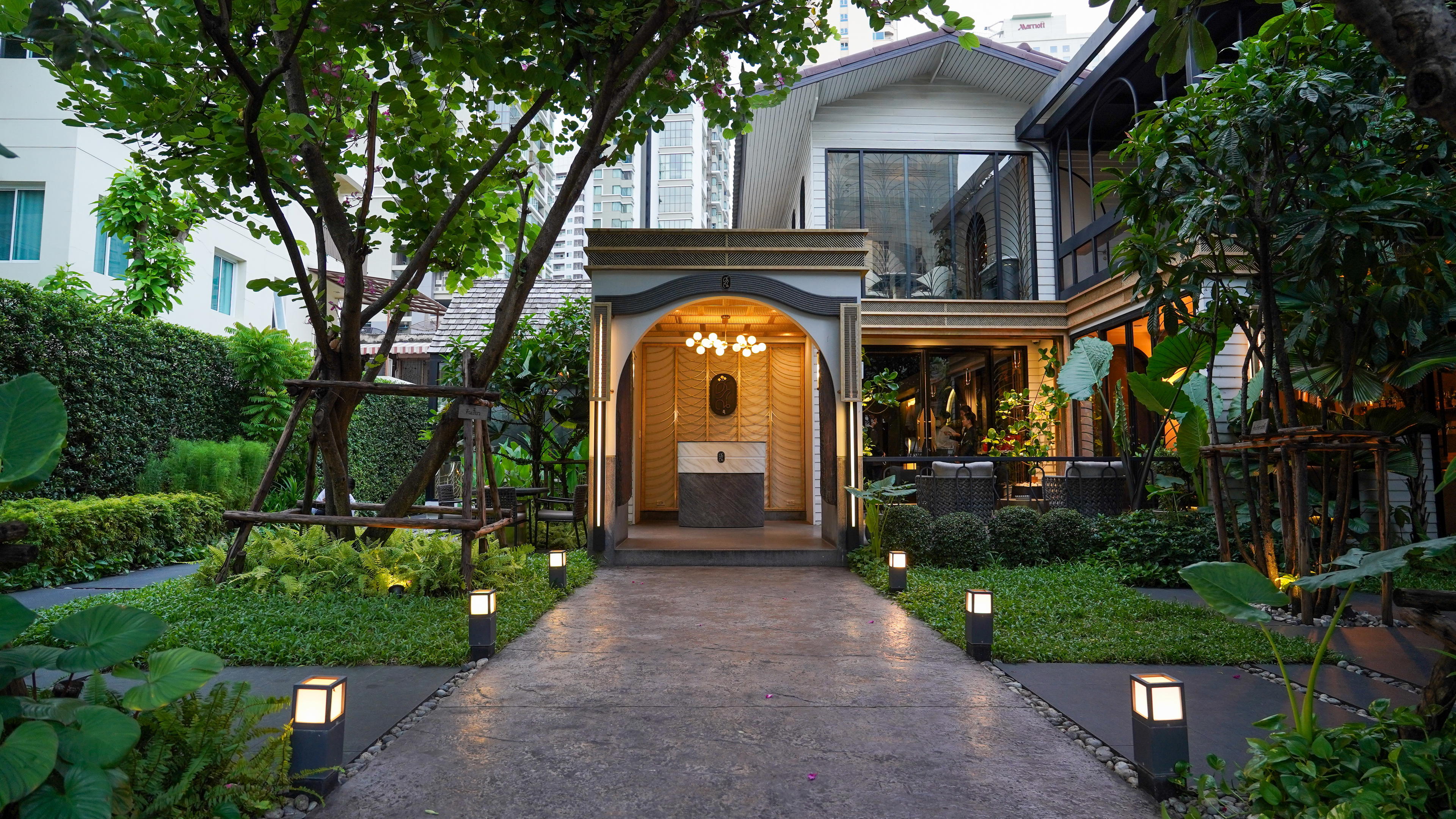
Jidori Cuisine Ken sits at 10/12 Sukhumvit 26, Khlong Tan, Khlong Toei, Bangkok 10110. The nearest BTS station is Phrom Phong on the Sukhumvit Line, and the walk from the station takes around ten minutes through a residential soi. Booking ahead is recommended, particularly for weekday evenings. The restaurant is recommended for reservations and is open Monday, Friday, Saturday, and Sunday for lunch and dinner; it is closed Tuesday through Thursday. Pricing is around US$30 per person.
Same-City Peers
Comparable venues nearby, for context on price, style, and recognition.
| Venue | Cuisine | Price | Notes |
|---|---|---|---|
| Jidori Cuisine KenThis venue — the venue you are viewing | Yakitori Izakaya | $$ | Not listed |
| Mensho Tokyo Bangkok | Modern Japanese Ramen | $$ | Khlong Toei Nuae |
| Tsu Japanese Restaurant | Authentic Nagasaki Japanese Cuisine | $$$ | Sukhumwit |
| JUA Izakaya | Modern Japanese Izakaya | $$ | Khanna Yao |
| Kyobar | Modern Japanese-Inspired Dessert Omakase | $$ | Pathum Wan |
| Pizzeria Mazzie | Pizza | Not listed | Bangkok |


At a Glance
- Cozy
- Intimate
- Date Night
- Solo
- Casual Hangout
- Open Kitchen
- Sake Program
- Local Sourcing
Current opening hours
- Monday
- 11:30 AM–2 PM, 5:30–11 PM
- Tuesday
- Closed
- Wednesday
- Closed
- Thursday
- Closed
- Friday
- 11:30 AM–2 PM, 5:30–11 PM
- Saturday
- 11:30 AM–2 PM, 5:30–11 PM
- Sunday
- 11:30 AM–2 PM, 5:30–11 PM
Hours can change for holidays and private events. Last verified .
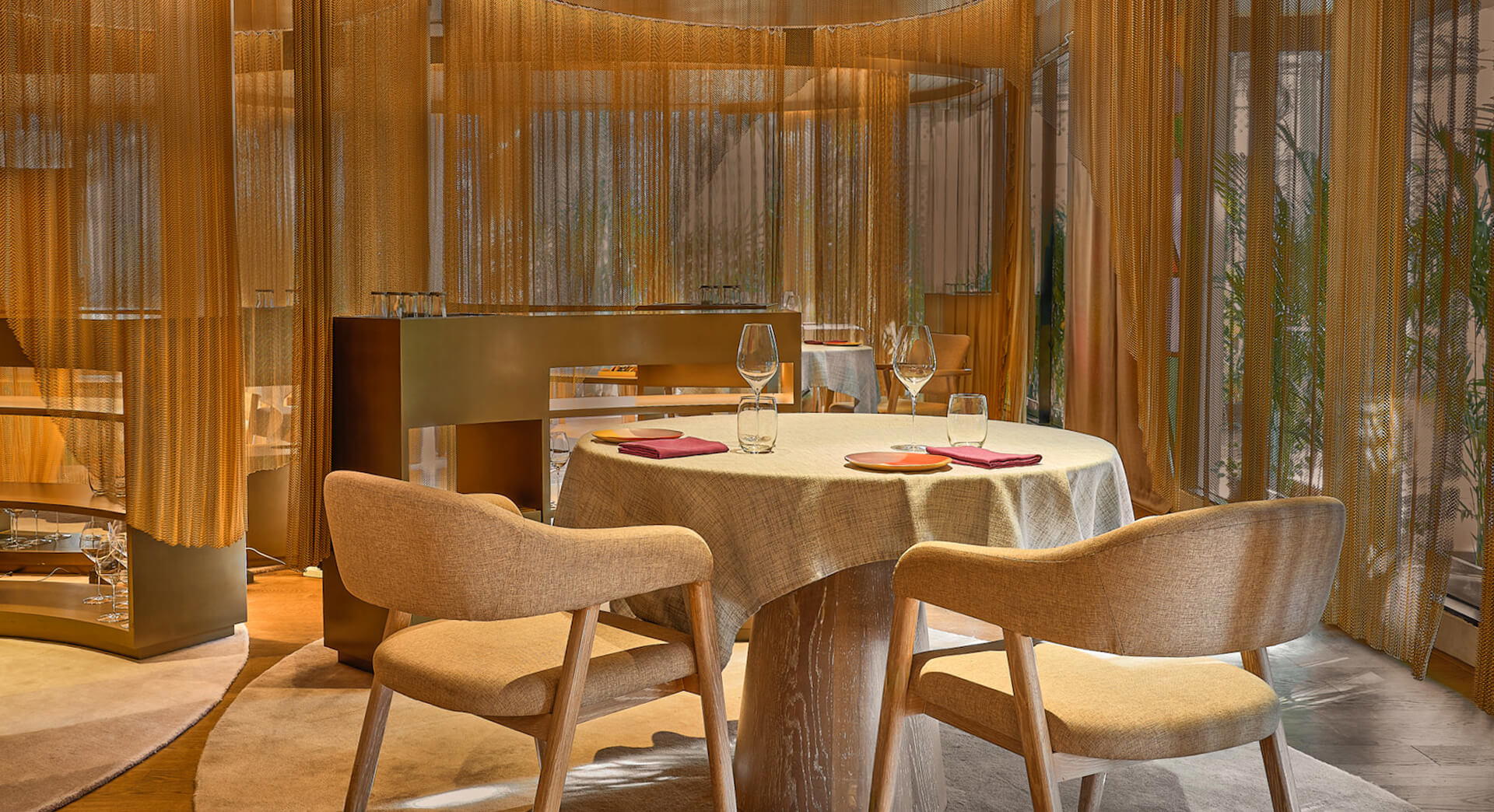
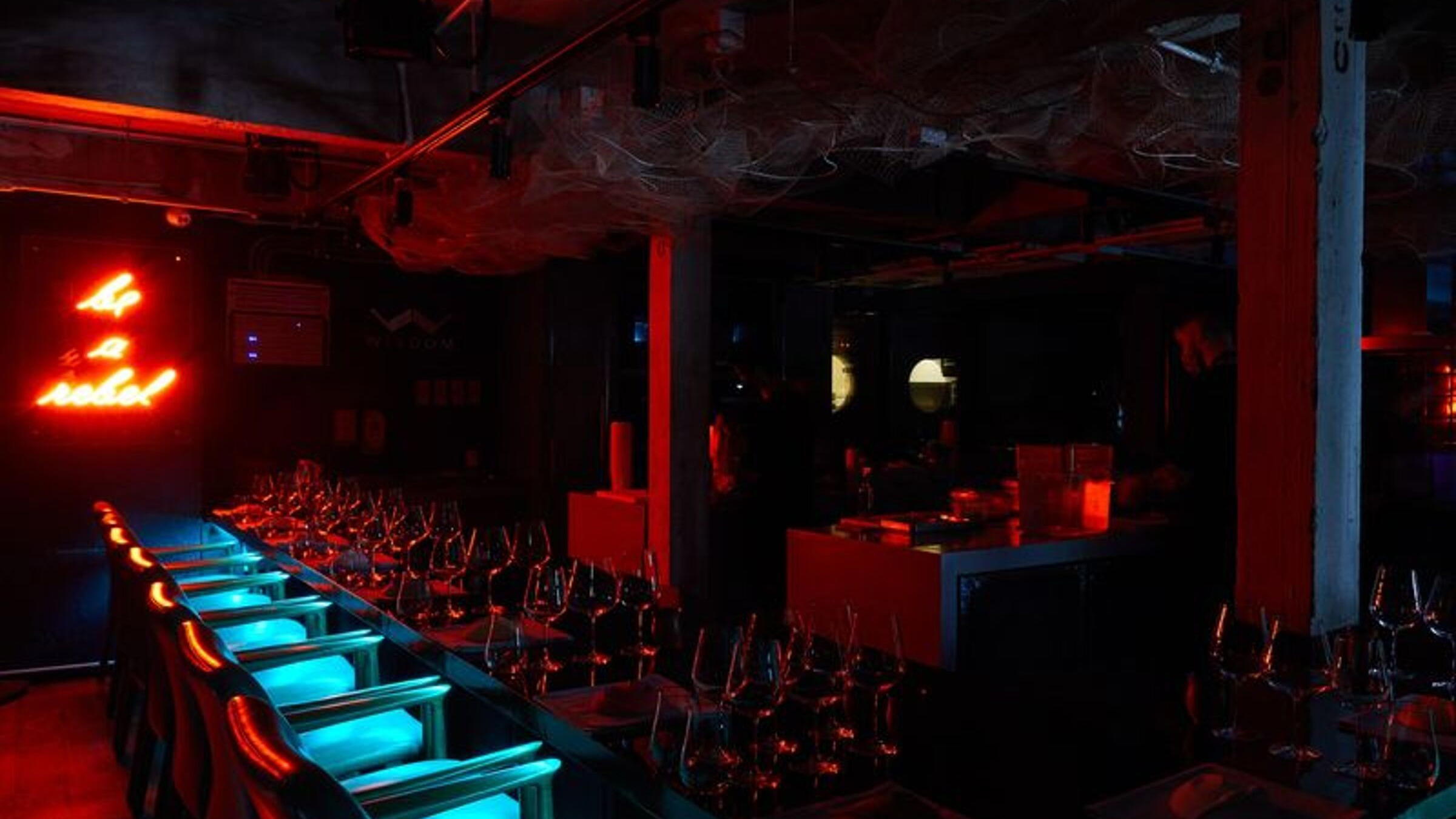
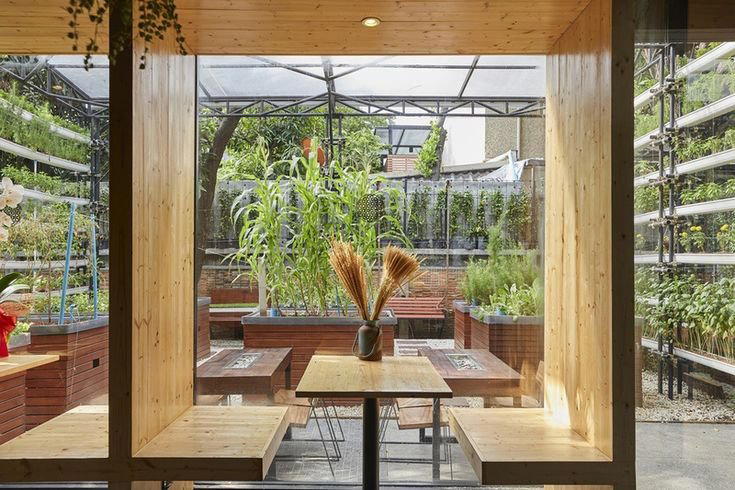
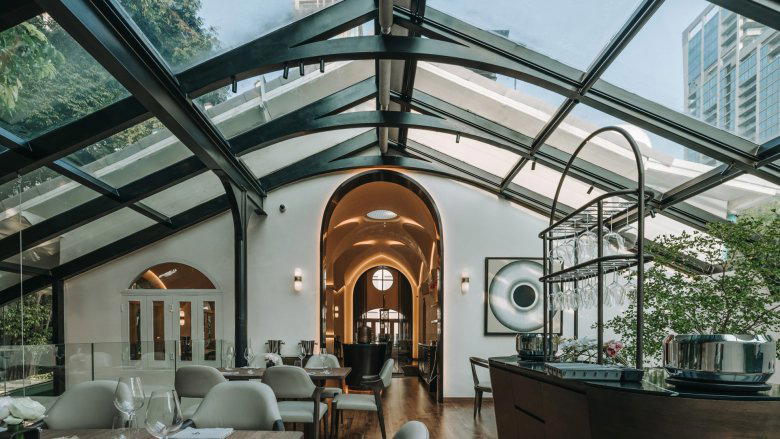
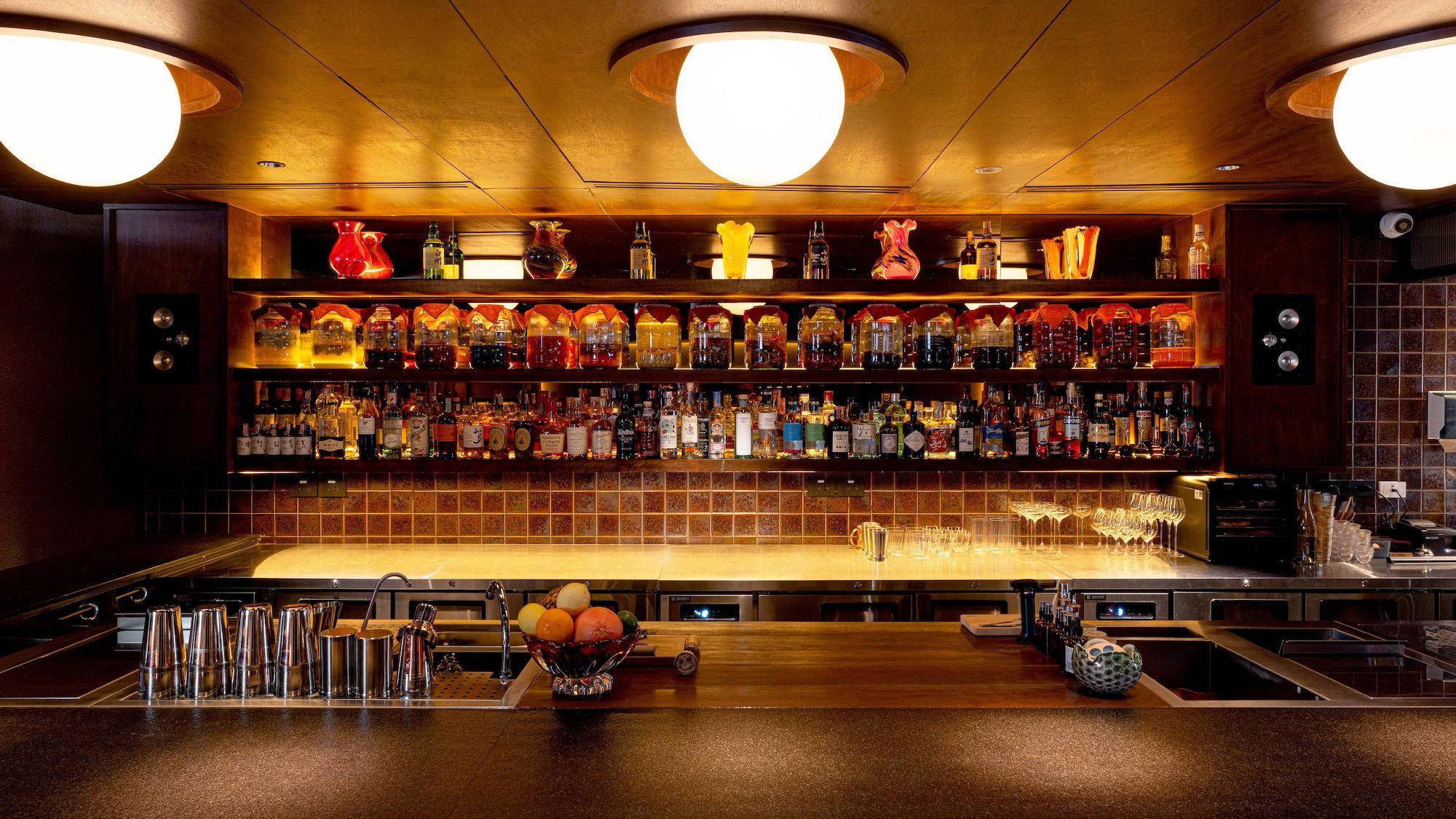
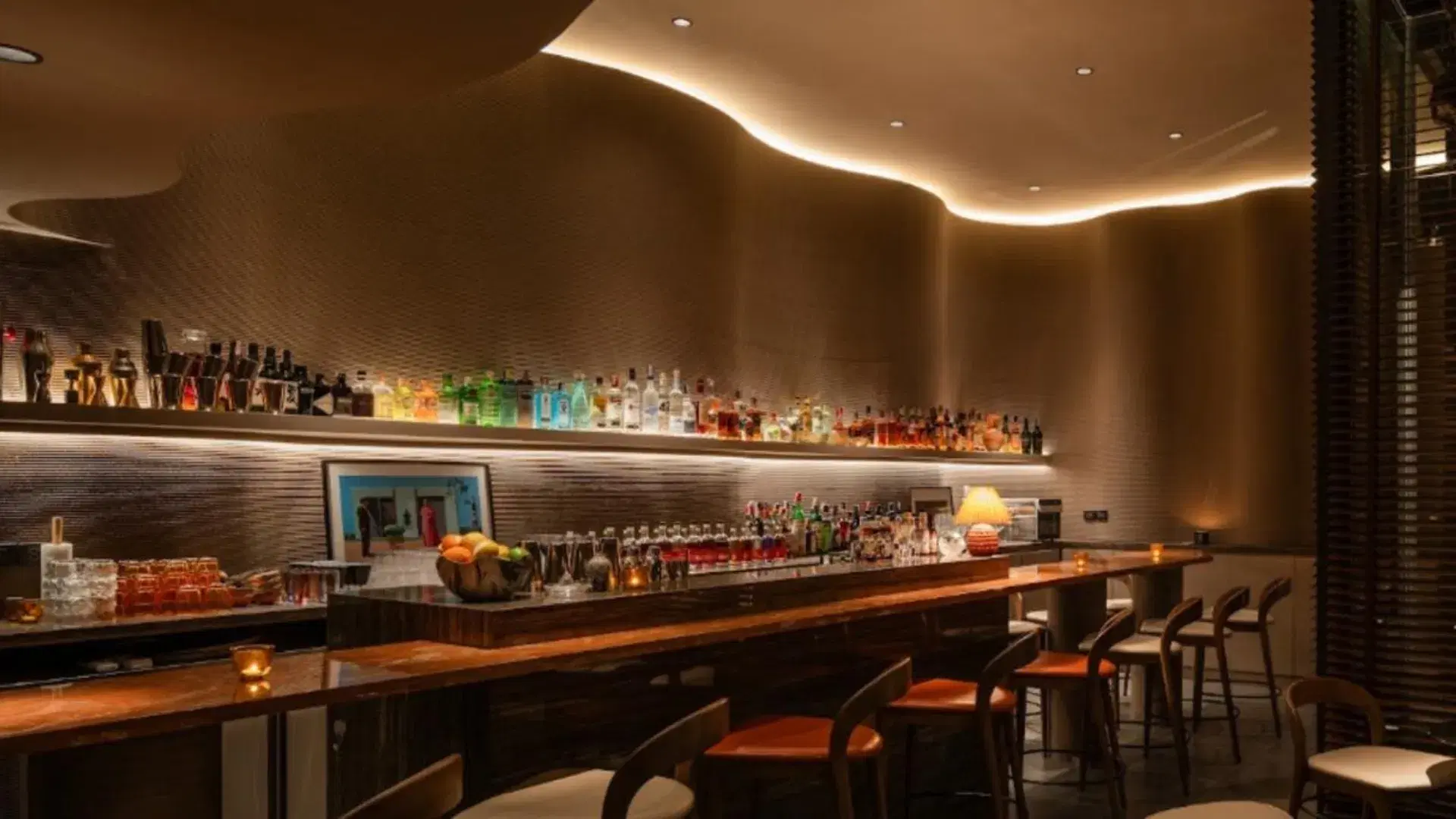
Cozy izakaya with traditional wooden settings, counter seating overlooking the grill, private rooms, warm lighting, and jazz music.