Our verdict
Bangkok's Chinese dessert tradition runs deep in the older shophouse districts, and Hia Mug sits within that lineage. The format is casual and counter-oriented, the repertoire grounded in the sweet soups, jellies, and tofu preparations that define Teochew-influenced dessert culture. It occupies a different register entirely from the city's fine-dining circuit, operating on familiarity and frequency rather than occasion.

Pearl is the En Primeur Club membership app — saves, bookings, and concierge access live there. Same editors, same standards.
- Address
- Bangkok, Thailand
- Directions
- Get directions
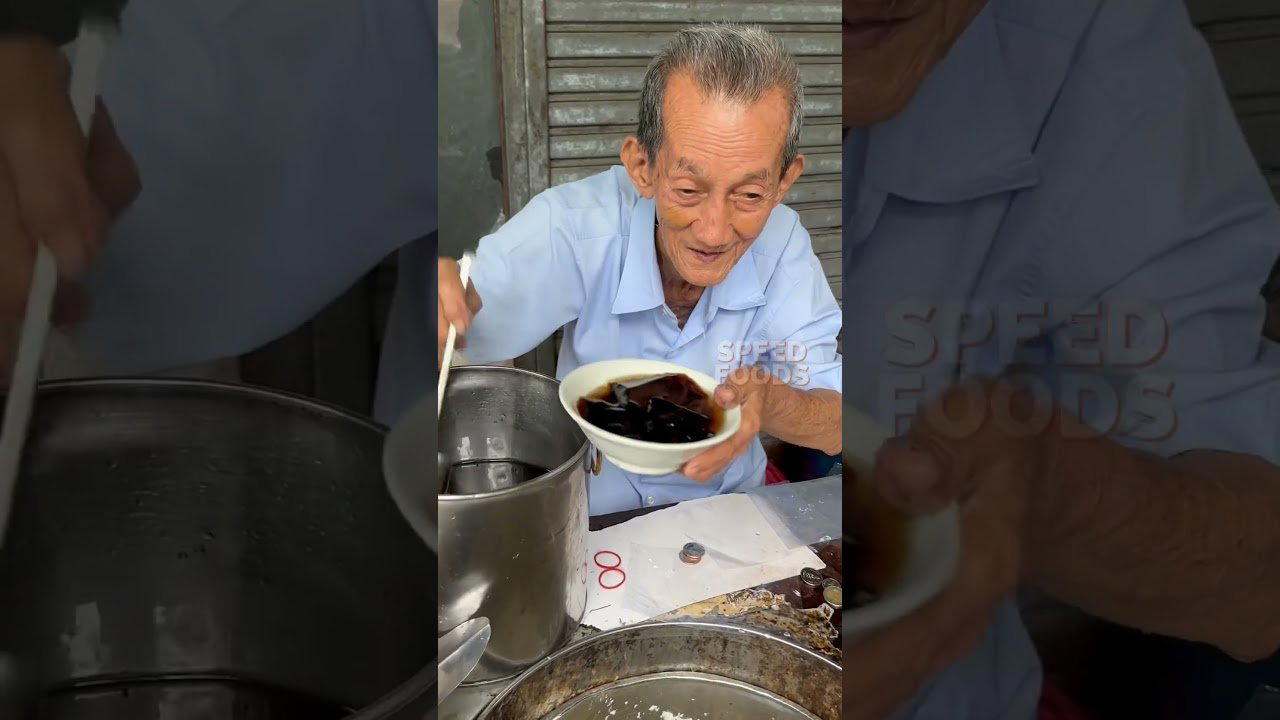
The menu
What to order
- Soft tofu pudding
- Grass jelly
- Tofu pudding in ginger syrup
Where the Counter Is the Point
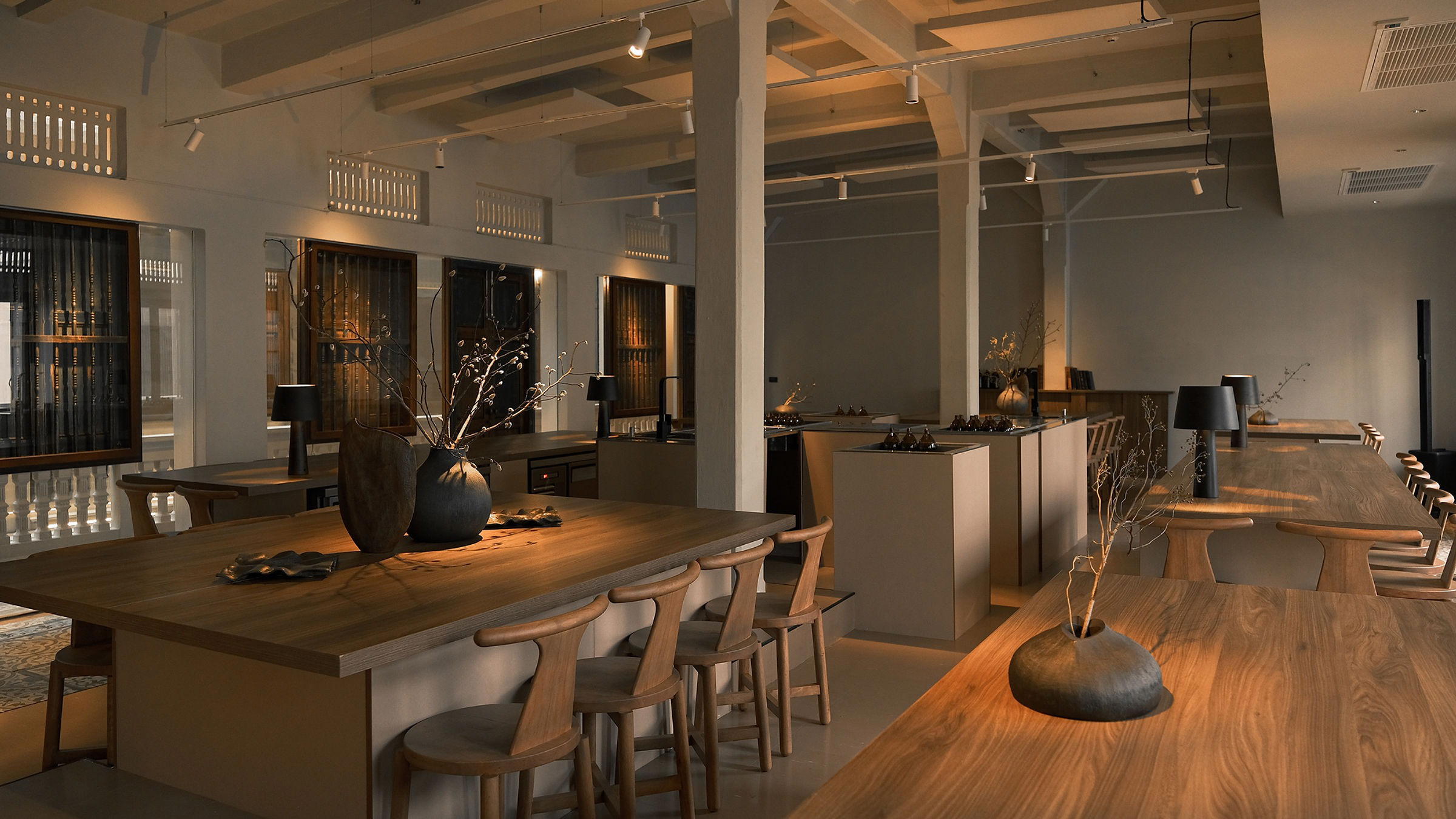
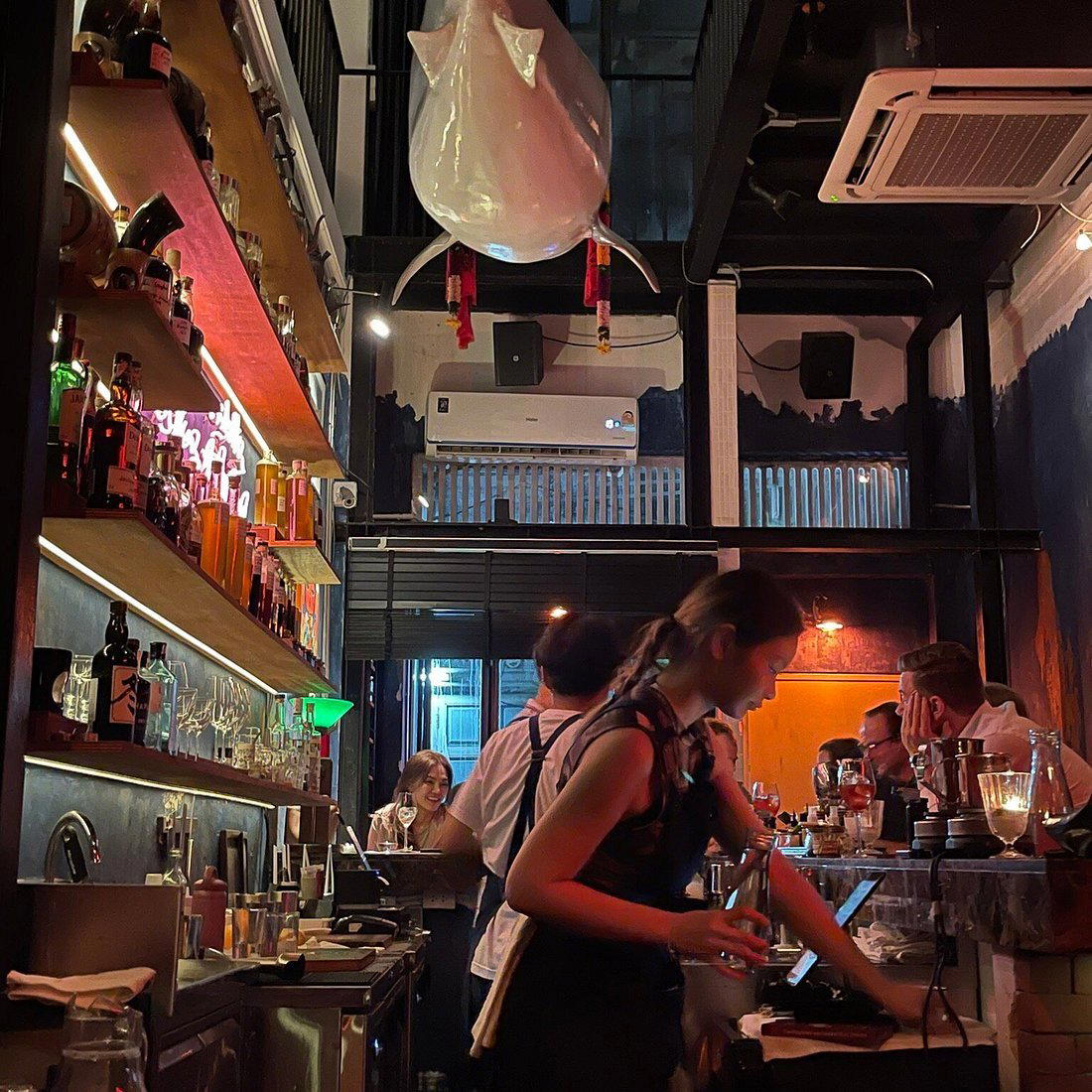
In Bangkok's older commercial districts, the Chinese dessert shop is a specific architectural type: narrow frontage, open to the street, wooden or tiled surfaces worn smooth by decades of use, and a counter arrangement that makes the preparation visible from the pavement. Hia Mug Chinese Dessert belongs to this tradition. The physical container here is functional rather than decorative, which is precisely the signal to read. Spaces like this are calibrated for return visits and neighbourhood rhythm, not first impressions. The layout puts the desserts at eye level, the process in plain sight, and the transaction at arm's reach. That transparency is itself a design statement, even if no designer was ever commissioned to make it.
This matters because Bangkok's dessert culture splits fairly cleanly between two formats. One is the plated, Instagram-considered presentation now common at hotel lobbies and modern Thai restaurants. The other is the street-adjacent counter model, where the craft is in the recipe and the repetition, and the room is incidental. Hia Mug operates in the second category, and the physical experience of being there is inseparable from that positioning.
The Teochew Dessert Tradition in Bangkok
Bangkok's Chinese community has historically been dominated by Teochew (Chaozhou) immigrants, and their culinary influence extends well beyond the savoury kitchen. The sweet soups, grass jelly preparations, almond tofu, and tong sui that define Chinese dessert culture in this city carry a Teochew accent: lighter sweetness, a preference for clean textures, and an emphasis on cooling or warming properties depending on season and intent. These are not desserts in the European sense of a course that closes a meal. They function more as standalone refreshment, consumed at any hour, with no particular attachment to what preceded them.
This context matters when reading a place like Hia Mug. The dishes on offer are not innovations or reinventions. They are iterations of a canon that has been stable for generations, and the measure of quality is fidelity and consistency rather than novelty. That is a harder standard to meet than it sounds, because it leaves nowhere to hide. The sweet black sesame soup either has the right texture and depth or it does not. The tofu pudding either sets correctly or it does not. There is no plating strategy or ambient lighting to compensate.
Bangkok's Dessert Counter in Its City Context
At the top of Bangkok's dining hierarchy, places like Sorn (Southern Thai) and Baan Tepa (Thai contemporary) operate at the ฿฿฿฿ tier, with tasting menus, advanced bookings, and an international audience seeking formal culinary argument. Venues like Sühring (German), Gaa (Modern Indian), and Côte by Mauro Colagreco anchor another tier of the city's fine-dining circuit. Hia Mug is not in competition with any of them. It occupies a register that the formal restaurant scene does not address: the casual, repeat-visit, neighbourhood-embedded Chinese dessert counter that Bangkokians return to not because it is an event but because it is reliable.
That reliability is the actual product. A city like Bangkok, which sustains an enormous range of eating formats at every price point, has room for both a three-Michelin-star omakase and a corner dessert shop that has been making the same grass jelly for thirty years. The visitor mistake is to rank these formats against each other. They answer different questions entirely.
For a wider map of what Bangkok's eating scene looks like across neighbourhoods and formats, the full Bangkok restaurants guide covers the range with neighbourhood-level specificity.
How the Space Shapes the Visit
Chinese dessert counters in Bangkok's older districts are typically open-fronted, meaning the boundary between interior and street is porous. Seating, where it exists, is compact: low stools, shared tables, the kind of arrangement that discourages lingering beyond the time it takes to finish what you ordered. This is not a failure of hospitality. It is a different hospitality logic, one where the flow of the counter and the ease of the transaction are the service. The design, such as it is, serves throughput and familiarity over atmosphere and occasion.
At Hia Mug, this translates to a visit experience that is quick by intention. You arrive, you order from a menu that does not require lengthy deliberation, you watch the preparation, and you eat at the counter or at a nearby table. The rhythm is established by regulars who know exactly what they want, which is also useful information for a first-time visitor: watch what is being ordered around you before committing.
Elsewhere in Thailand's Street-Adjacent Dining Scene
Bangkok's counter dessert format has counterparts across Thailand, each carrying regional inflection. In Chiang Mai, Cherng Doi Roast Chicken (ไก่ย่างเชิงดอย) and Loet Rot in Mueang Chiang Mai represent the northern equivalent of the casual specialist format. In Pattaya, Krua Laew Tae R-Rom operates in a similar casual register. Further south, PRU in Phuket and DEVASOM BEACH GRILL in Takua Pa represent the resort-adjacent end of the spectrum. The common thread across all of these is a format clarity that Bangkok's more hybrid dining scene sometimes blurs. You know what you are getting before you arrive, and that certainty is the point.
Closer to Bangkok, AKKEE in Pak Kret offers another example of the outer-district specialist that draws Bangkok visitors willing to travel for specificity. The pattern holds across Thai cities: the most trusted casual specialists are rarely in the most visible locations.
Planning a Visit
Venues operating this way in Bangkok's older commercial areas typically open in the afternoon and run through the evening, with peak demand after dinner hours when dessert functions as its own destination rather than a meal extension. Arriving early in a session, before the counter fills, tends to produce the most direct experience. Payment at this tier is almost universally cash-preferred in Bangkok's traditional shophouse districts, worth noting before arrival.
For visitors whose Bangkok itinerary also includes the city's formal dining circuit, venues like Hoy Tord Chao Lay (หอยทอดชาวเล) in วัฒนา and Hinata (日向) in ปทุมวัน occupy similarly specific, neighbourhood-grounded positions in the city's eating map. The logic is consistent: Bangkok rewards visitors who treat the informal specialist with the same deliberateness they would bring to a restaurant reservation.
Frequently asked questions
Is Hia Mug Chinese Dessert a good option for visitors unfamiliar with Teochew sweets?
Bangkok's Teochew dessert counters are among the most accessible entry points into the city's Chinese culinary heritage, with no advance booking, low price commitment, and a short menu that makes ordering straightforward. Hia Mug, as a counter-service operation in one of Bangkok's older Chinese districts, fits that pattern. The open-fronted format means you can observe what's being served before committing.
What do people recommend at Hia Mug Chinese Dessert?
Hia Mug follows the Teochew dessert tradition rooted in Bangkok's dominant Chinese immigrant community, so expect the core repertoire of that canon: grass jelly, taro preparations, sweet soups, and bean-based desserts. Ordering by pointing at what other diners are having is a reliable approach at counters like this one.
How hard is it to get a table at Hia Mug Chinese Dessert?
Hia Mug operates on a walk-in basis, which is standard for open-fronted Chinese dessert counters in Bangkok's older commercial districts. Peak hours — typically mid-afternoon and post-dinner — are the most competitive for seating.
What's Hia Mug Chinese Dessert best at?
Hia Mug's strength is in the Teochew dessert tradition, a lineage that Bangkok's Chinese community has maintained across generations and that sits largely outside the city's fine-dining circuit. At a price point well below Bangkok's tasting-menu tier (where venues like Sorn operate), this counter format delivers desserts with direct historical continuity to the Chaozhou region of southern China.
The Minimal Set
Comparable venues nearby, for context on price, style, and recognition.
| Venue | Cuisine | Price | Notes |
|---|---|---|---|
| Hia Mug Chinese DessertThis venue — the venue you are viewing | Traditional Chinese Dessert | $1–10 | Not listed |
| Chakki | Traditional Cantonese Noodles | $10–20 | Thanon Phaya Thai, Traditional Cantonese Noodles |
| Kanom Beung Bang Mae Prapa | Traditional Thai Crispy Crepes | $1–10 | Phra Nakhon, Traditional Thai Crispy Crepes |
| Cross da Fence Noodles Shop | Bangkok, Thai Noodle Shop | Not listed | Not listed |
| Khao Tom Pla Kimpo | Teochew-Style Fish Porridge | $10–20 | Bang Kholaem Khwaeng, Teochew-Style Fish Porridge |
| Chef Man | Sathon, Cantonese & Dim Sum | Not listed | Not listed |


Details
- Classic
- Cozy
- Solo
- Casual Hangout
- Standalone
- Street Scene
- Counter Dining
- A La Carte
Casual, open-fronted, counter-oriented dessert stall atmosphere in an older Chinese commercial district.