Kyobar arrives in Bangkok's premium drinking scene at a moment when the city's bar culture is separating into two distinct camps: high-volume spectacle and format-led specialist venues. This is firmly the latter. Set against Bangkok's deepening appetite for Japanese-influenced drinking culture, Kyobar draws on the precision and restraint that define that tradition, positioning it alongside the city's most considered hospitality addresses.

Pearl is the En Primeur Club membership app — saves, bookings, and concierge access live there. Same editors, same standards.
Bangkok's Bar Culture and Where Kyobar Sits Within It
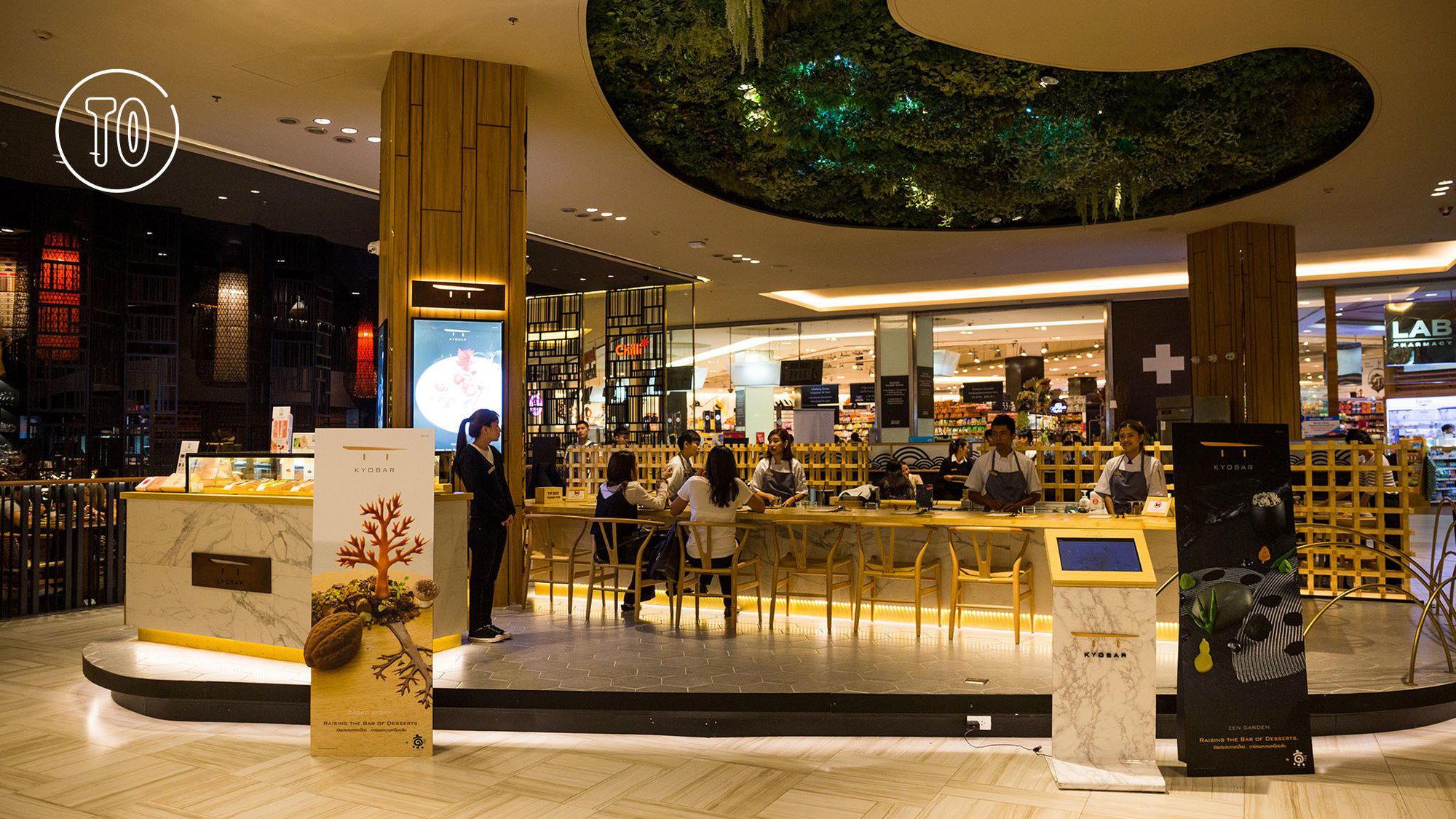
Bangkok's drinking scene has undergone a structural shift over the past decade. The city that once built its reputation on rooftop bars and theatrical pours has steadily developed a parallel circuit of lower-capacity, higher-craft venues where the format itself carries the argument. That shift mirrors what happened in Tokyo, Seoul, and Singapore before Bangkok caught the wave, and it has produced a tier of bars where the programming, the glassware, and the sourcing philosophy matter more than the view. Kyobar is a Bangkok restaurant shaped by a modern Japanese-inspired dessert omakase format, with a price point around $10 per person, and a controlled atmosphere built around the counter.
The name signals the orientation immediately. In a city where bars frequently compete on volume and spectacle, that register is a positioning choice as much as an aesthetic one. It places Kyobar in conversation with venues like Hinata (日向) in Pathumwan, where Japanese hospitality conventions have found a receptive Bangkok audience, and distinguishes it from the Mediterranean and European fine-dining gravity that venues like Côte by Mauro Colagreco and Sühring represent at the ฿฿฿฿ tier.
The Cultural Roots of the Format
Japanese drinking culture operates on a set of conventions that are almost the inverse of Western bar logic. Where Western cocktail bars foreground the bartender's personality and narrative, the Japanese izakaya and kappo drinking traditions foreground the guest's experience of time and comfort. The bartender recedes; the drink advances. Silence is not awkward; it is respectful. The ice arrives carved, not scooped. These are not stylistic flourishes but expressions of a hospitality philosophy that has been developing for centuries in Osaka and Kyoto, and that now travels with enough fidelity to reshape bar culture in cities as far removed as Bangkok and New York.
Bangkok is a particularly receptive host for this tradition. The city already has a deeply embedded service culture, and its upper-tier dining and drinking circuit has been absorbing Japanese culinary influence for years, from the izakaya clusters of Thong Lo to the precision-focused omakase counters that now populate the upper floors of Sukhumvit's mixed-use buildings. Kyobar enters this environment as a bar-led expression of that influence rather than a food-led one, which is its own distinction within the local market.
For a sense of how Bangkok's broader Thai culinary tradition is being reframed and examined at the fine-dining level, Sorn and Baan Tepa represent the ฿฿฿฿ benchmark for culturally rooted Thai cuisine in the city. Kyobar occupies a different register entirely, but it operates in the same premium tier where format integrity and cultural specificity are the primary differentiators.
Entering the Space
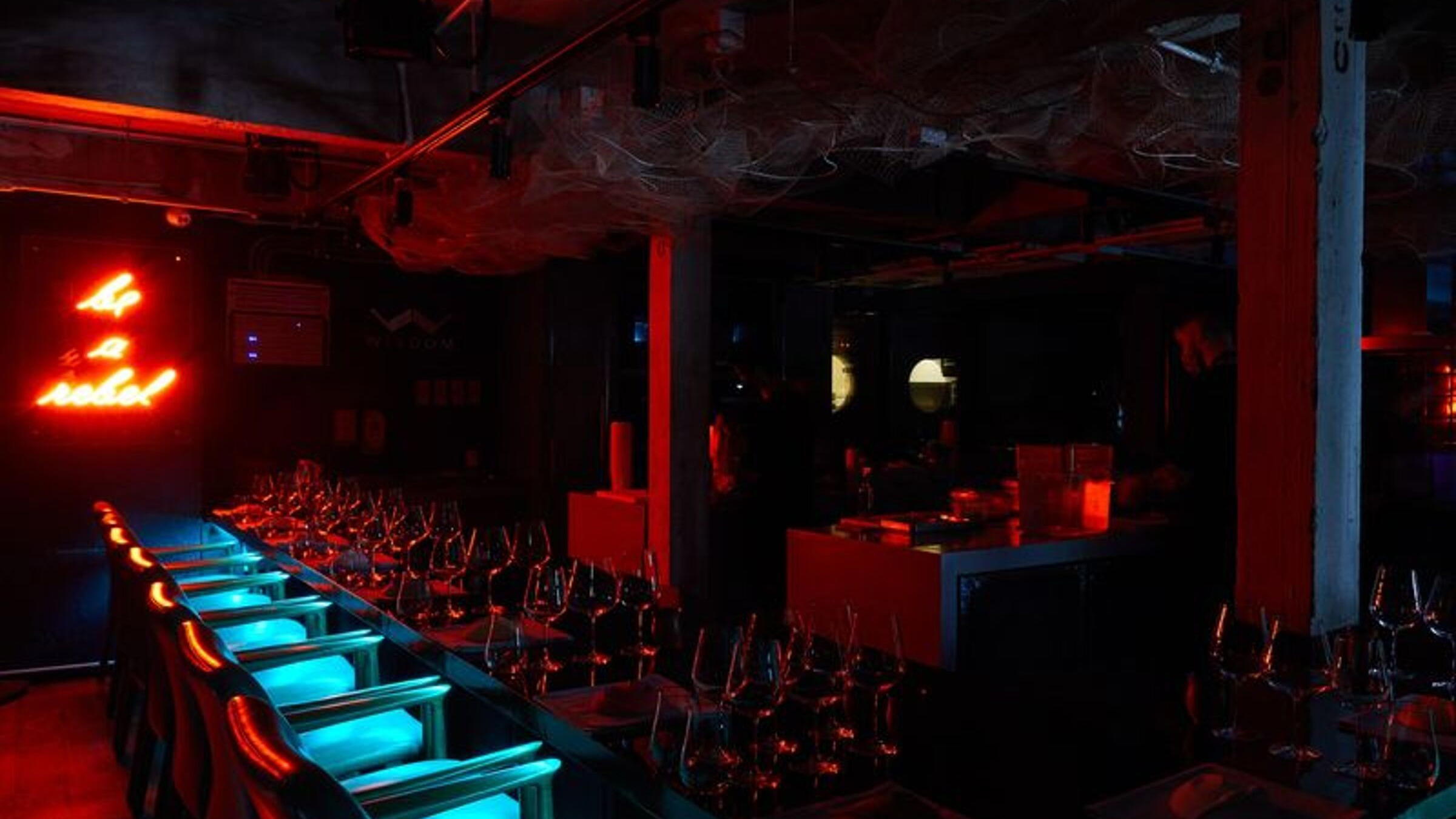
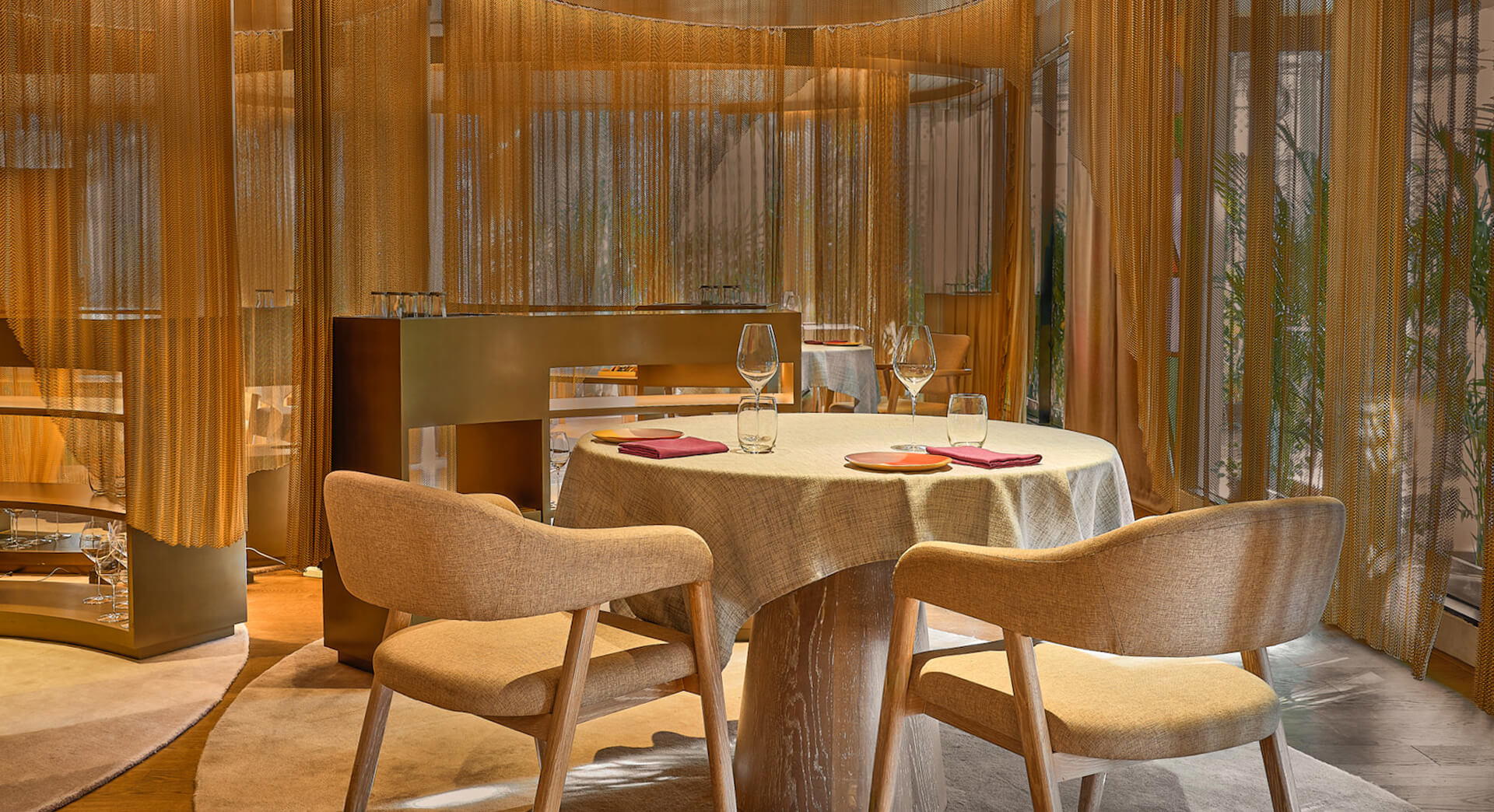
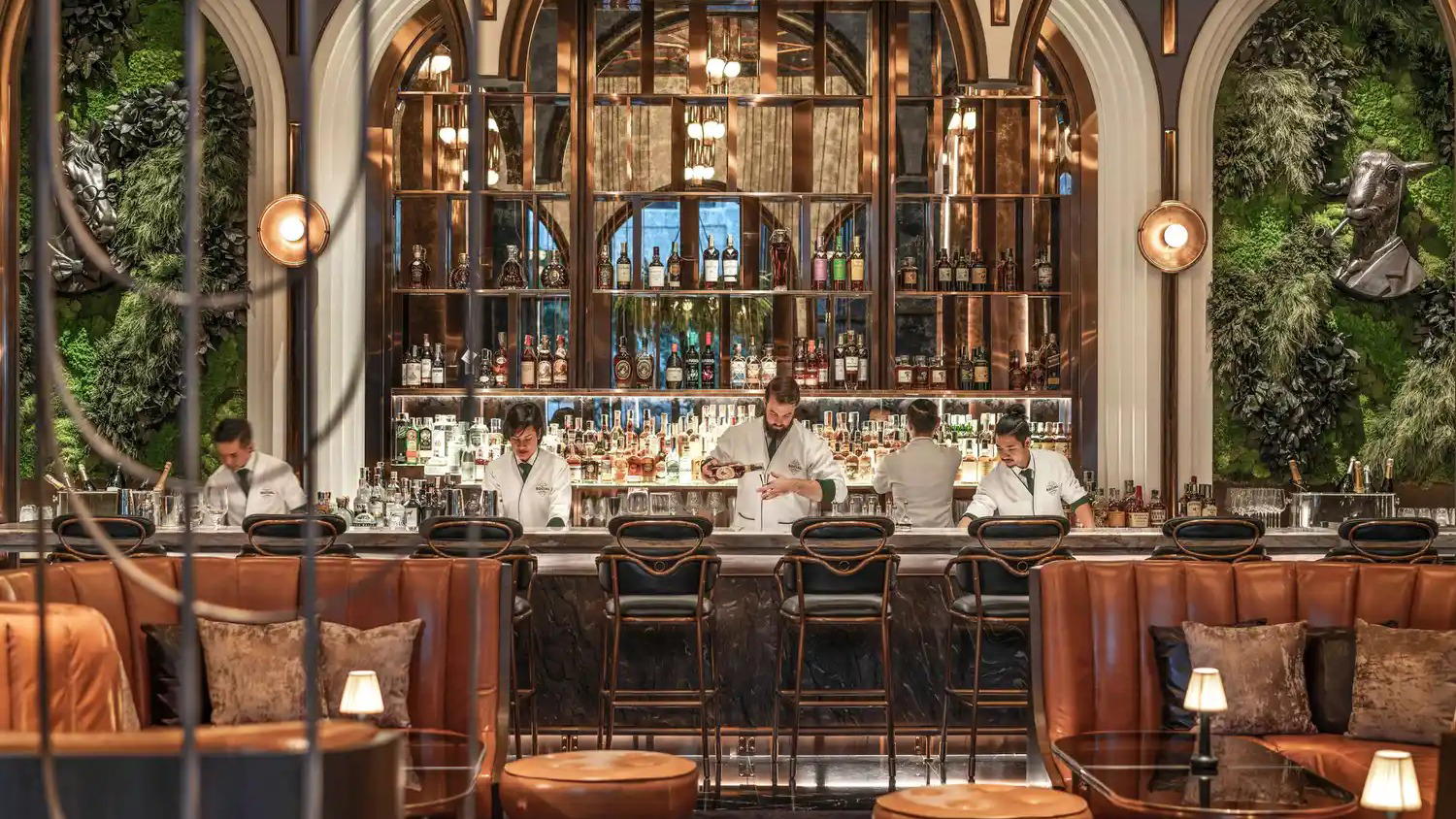
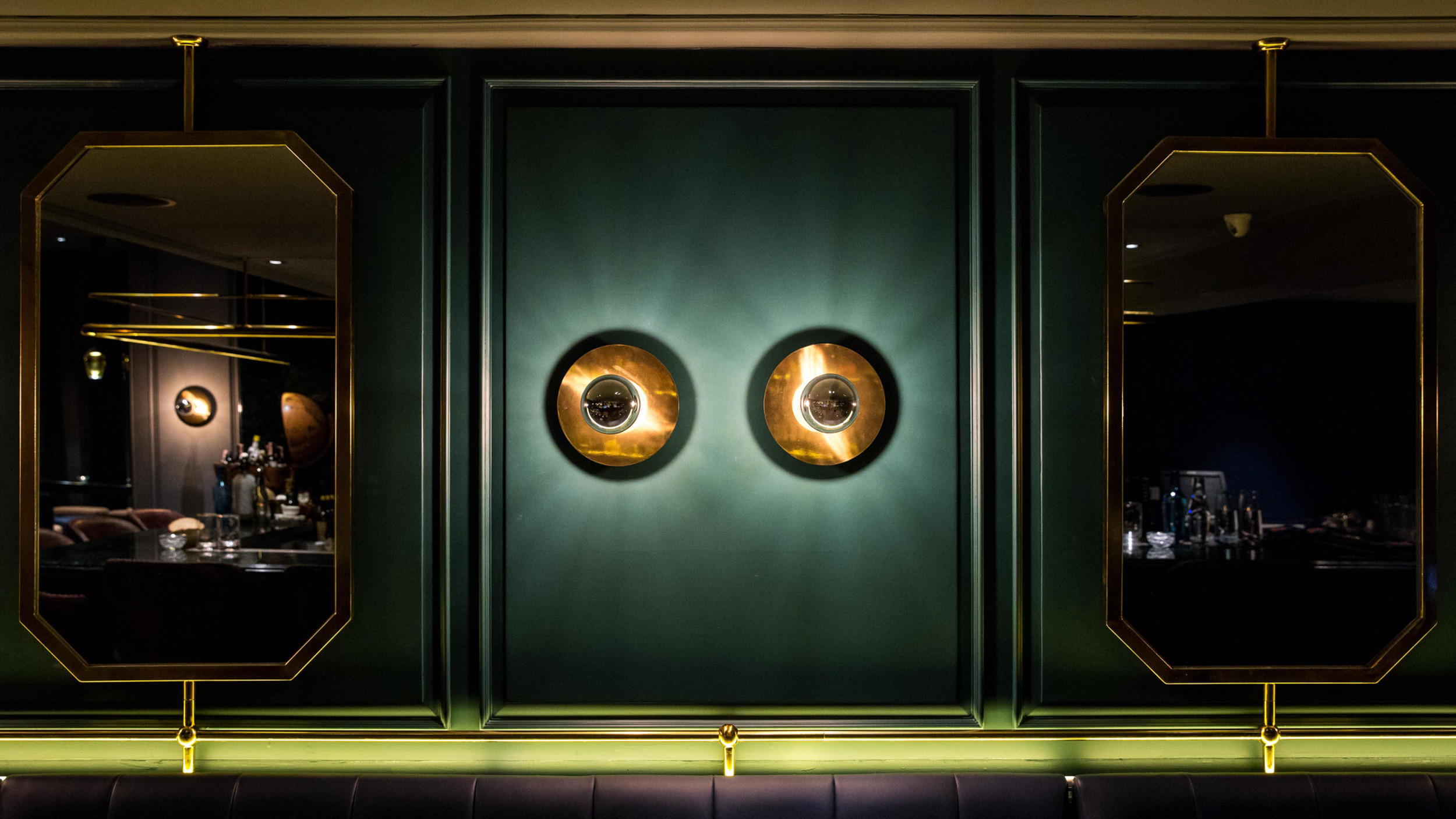
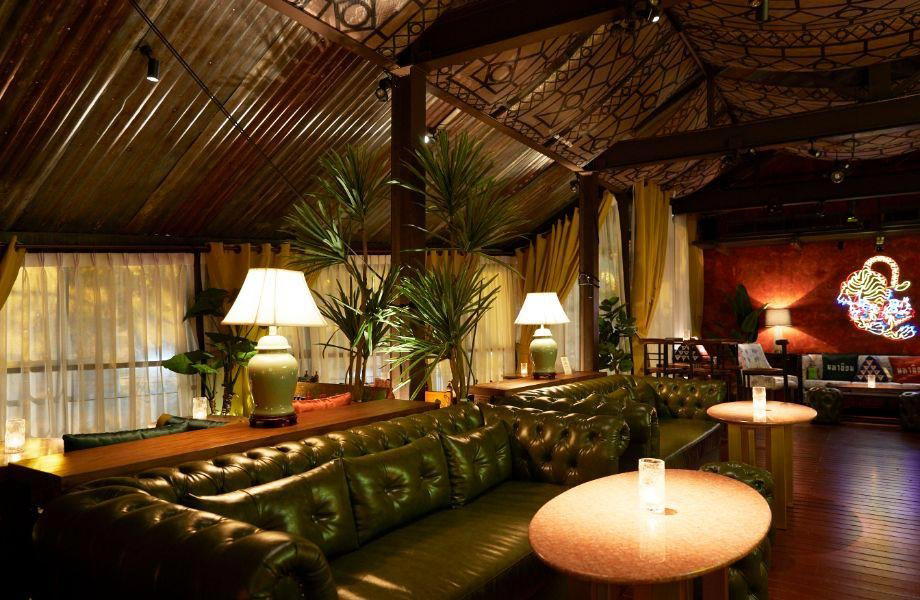
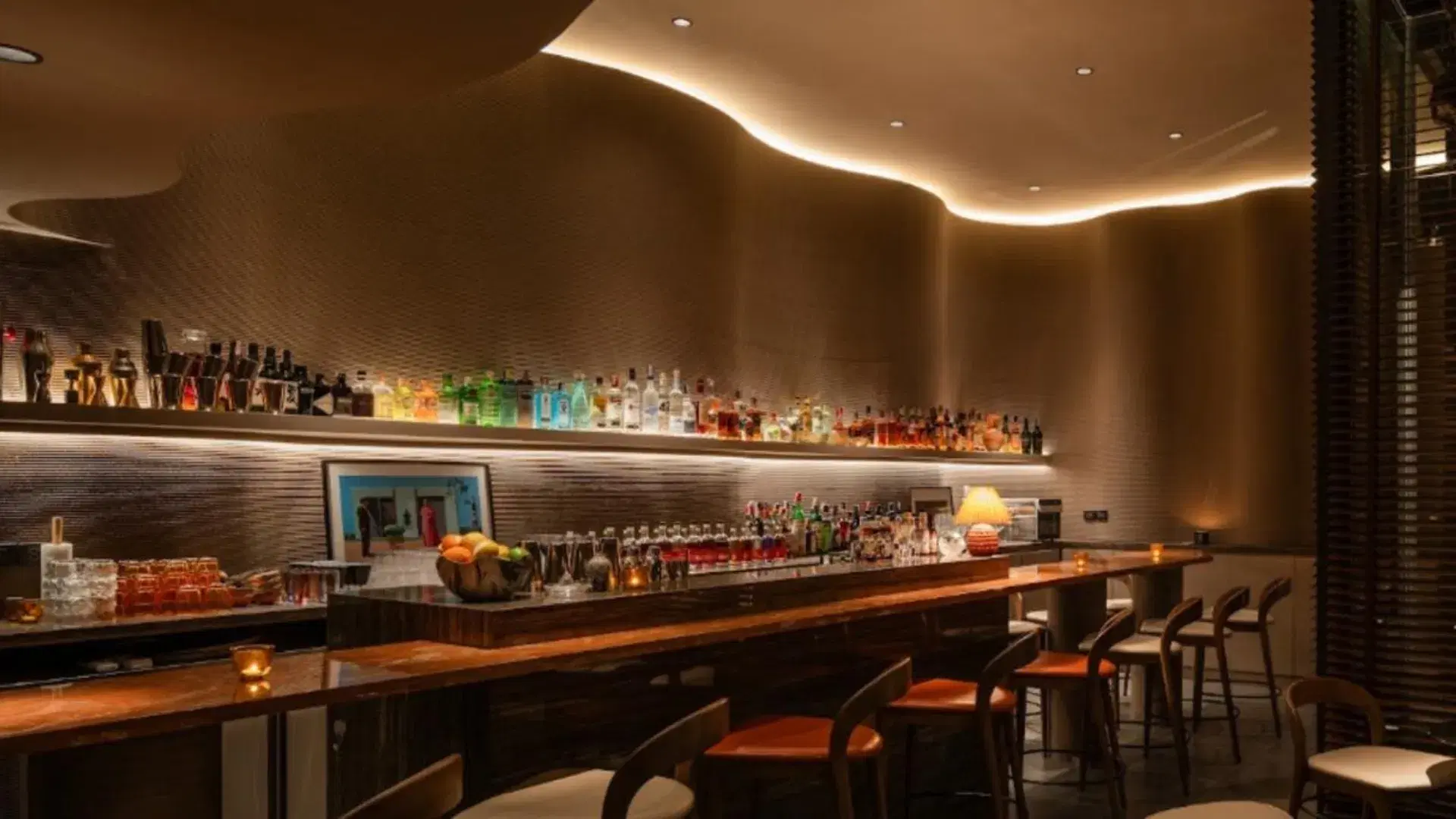
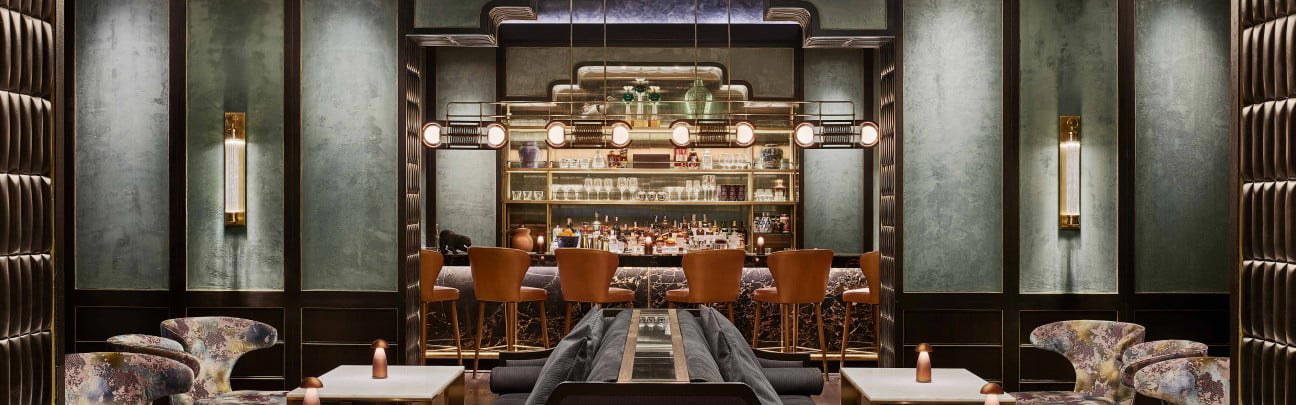
The physical environment of a Japanese-inflected bar is rarely accidental. Lighting is controlled to near-dim, wood surfaces are chosen for grain rather than finish, and sound levels are calibrated so that two people at a counter can speak in a normal register without effort. These decisions compress the emotional distance between guest and drink, removing the competition for attention that louder, brighter environments create. The name and cultural framing point toward an interior language built around restraint rather than declaration.
That kind of atmosphere has become a marker of credibility in premium bar culture globally. In New York, the shift from theatrical speakeasy formats toward technically disciplined programs is well documented, with venues like Atomix in Midtown demonstrating how Korean culinary precision can anchor a dining and drinking experience that competes with European fine-dining formats. The parallel in Bangkok is Kyobar's potential to anchor a similarly culturally coherent drinking proposition against the city's increasingly competitive premium hospitality market.
Bangkok's Premium Hospitality comparable set
The Bangkok addresses that Kyobar will inevitably be measured against are not all bars. In a city where the premium hospitality circuit is dense and the diner-drinker moves fluidly between restaurant bars, standalone cocktail programs, and hotel bar formats, the competitive set is wide. Gaa, which brings modern Indian precision to the ฿฿฿฿ bracket, and the broader constellation of Michelin-recognised addresses in the Silom and Sathorn corridors, set the credibility threshold that any new premium venue must clear.
Beyond Bangkok, Thailand's premium dining and drinking circuit extends to addresses worth noting for context. PRU in Phuket and AKKEE in Pak Kret demonstrate that the country's appetite for format-led, produce-conscious hospitality is not confined to the capital. In Chiang Mai, Loet Rot and Cherng Doi Roast Chicken represent different ends of the same cultural confidence in regional Thai identity. Kyobar, by contrast, is positioned as an import of Japanese drinking sensibility into the Bangkok context, which is a different but equally coherent editorial position.
For those planning a broader Bangkok drinking and dining itinerary, our full Bangkok restaurants guide maps the city's premium circuit in detail, including the neighbourhood-level distinctions that matter when planning an evening across multiple stops. Further afield in the region, Le Bernardin in New York City remains a useful reference point for understanding how cultural specificity and technical discipline can define a venue's identity across decades, which is the ambition any serious new bar or restaurant is implicitly measured against.
Planning Your Visit
Bangkok's premium bar scene concentrates its activity between Thursday and Saturday evenings, and newer venues with a defined format and limited capacity tend to fill quickly on those nights once word spreads through the city's hospitality community. Reservations are recommended, and the format suits a deliberate evening at the counter. Given the format orientation and the cultural positioning, this is a venue suited to an unhurried evening rather than a first-stop aperitif, and pairing it with a dinner reservation at one of Bangkok's Thai-forward addresses like Hoy Tord Chao Lay or a longer meal before arrival is a sensible structure for the evening.
The setting rewards a slower pace year-round.
- OOPS
- Ravioli
- MOMO
- BBQ Cacao Story
- Lemon Tea
- Zen Garden
Comparable Venues
Comparable venues nearby, for context on price, style, and recognition.
| Venue | Cuisine | Price | Notes |
|---|---|---|---|
| KyobarThis venue — the venue you are viewing | Modern Japanese-Inspired Dessert Omakase | $$ | Not listed |
| Chabuton Ramen แฟชั่น ไอส์แลนด์ | Japanese Ramen | $$ | Bang Kapi Khwaeng |
| Toritama | Authentic Yakitori | $$$ | Khlong Tan |
| Red Panda Yakiniku | Japanese Yakiniku Buffet | $$ | Bang Kapi Khwaeng |
| Phed Mark | Spicy Pad Krapao Specialist | $$ | Khlong Toei |
| Lai Rot | Authentic Royal Thai Cuisine | $$ | Sam Sen |
At a Glance
- Intimate
- Modern
- Sophisticated
- Minimalist
- Date Night
- Solo
- Special Occasion
- Chefs Counter
- Design Destination
- Standalone
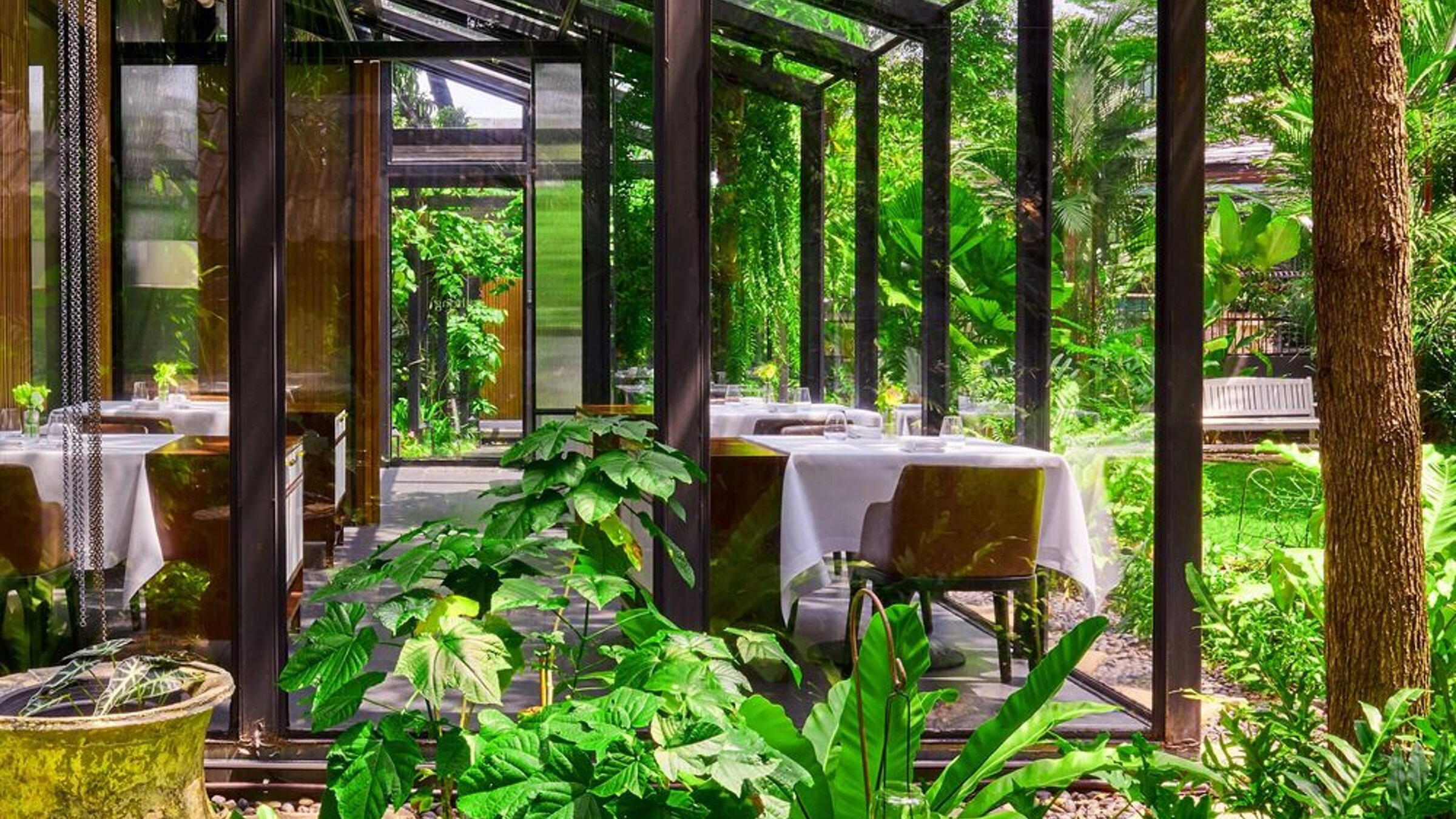
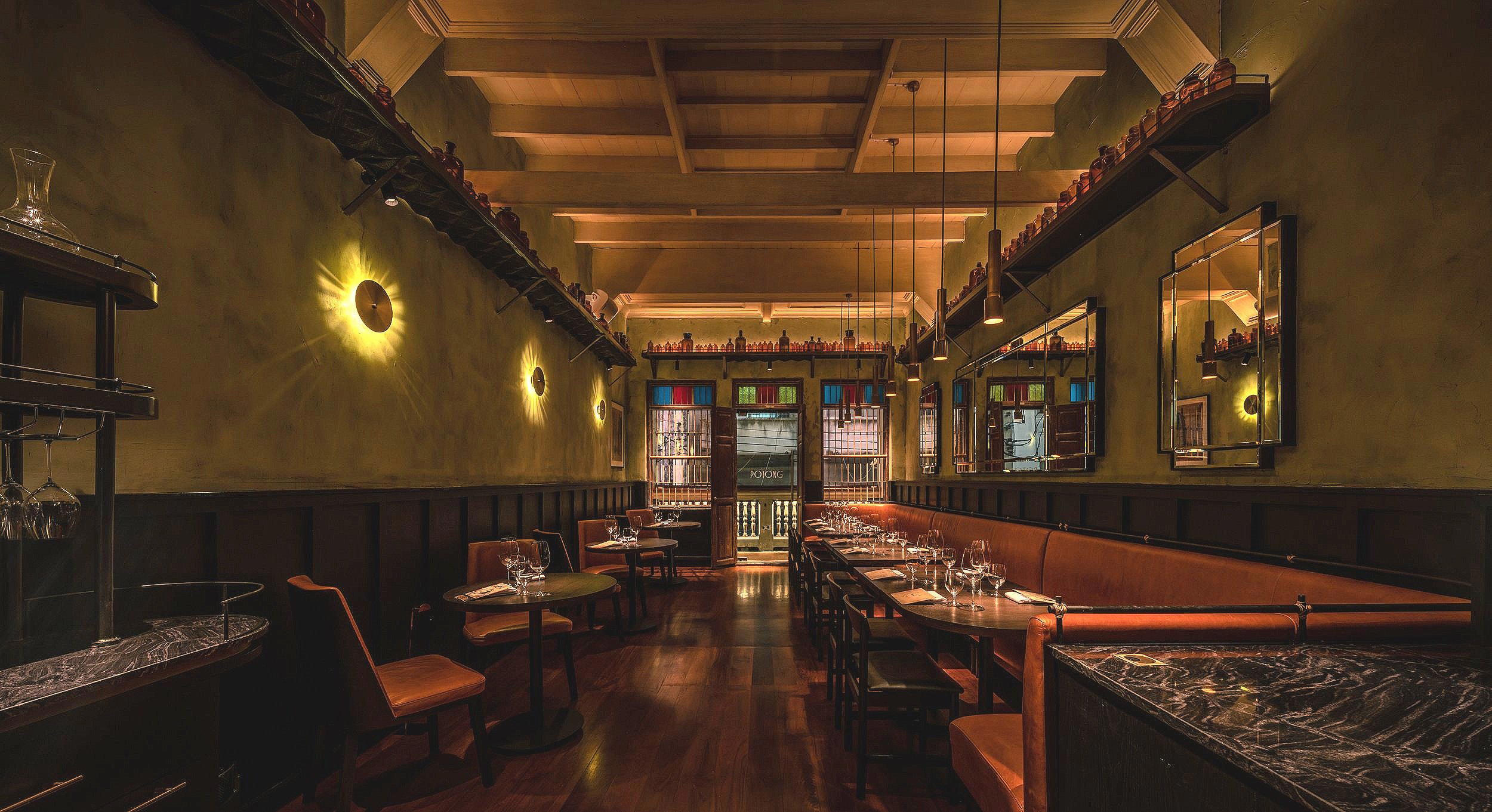
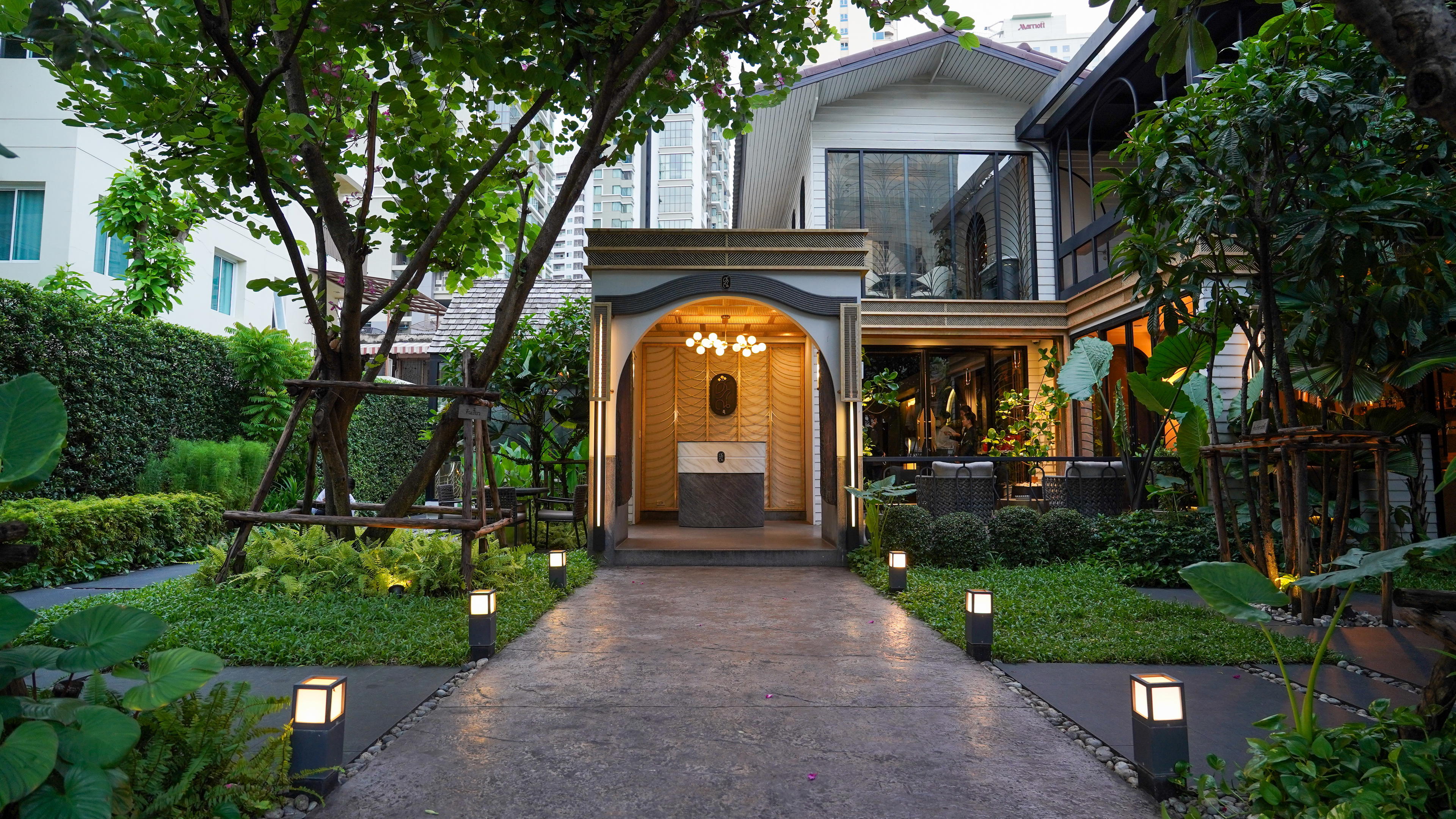
An intimate counter-seat dessert bar with a restrained, Japanese-inspired atmosphere and quiet, upscale-casual service.