Our verdict
A neighbourhood bistro in western Toyama, ビストロヨシダ occupies a residential stretch of Nishidenjigatamachi where Western-inflected cooking meets the city's formidable local produce culture. Compared to the kaiseki-dominant dining scene centred closer to the station, it represents a quieter, more intimate register of the city's growing appetite for European bistro formats.

Pearl is the En Primeur Club membership app — saves, bookings, and concierge access live there. Same editors, same standards.
- Address
- 3 Chome-5-15 Nishidenjigatamachi, Toyama, 939-8202, Japan
- Phone
- +81764912777
- Hours
- Mon–Tue ClosedWed–Sun 11:30 AM–2 PM, 6–9 PM
- Directions
- Get directions
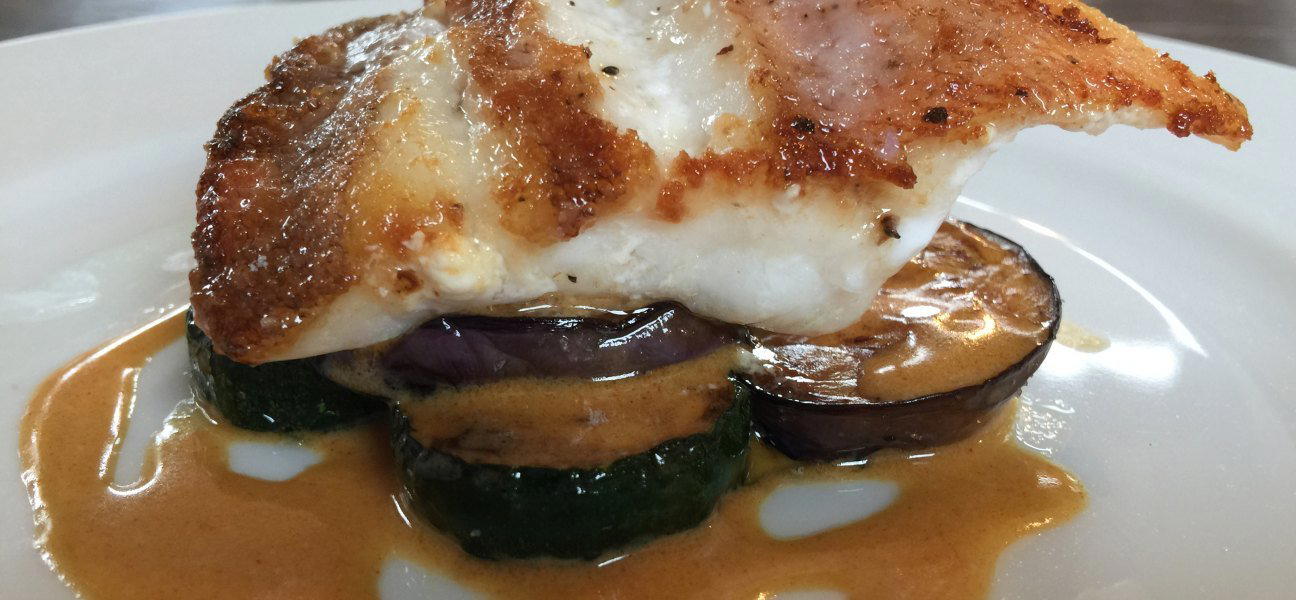
The menu
What to order
- 自家製ツナのサラダ
- ロールキャベツ
A Neighbourhood Address in a City Building Its Own Dining Identity
Toyama is not the first Japanese city that comes to mind when discussing Western bistro culture, and that is precisely why the format holds a particular kind of interest here. The city's dining reputation has been built on raw material: Toyama Bay's winter yellowtail, white shrimp, and firefly squid have drawn serious attention from both domestic and international food media, and the prefecture's rice and sake credentials run deep. That raw-material wealth has historically expressed itself through kaiseki and Japanese seafood formats. The emergence of bistro-style restaurants in residential neighbourhoods like Nishidenjigatamachi signals something quieter but worth tracking: a local appetite for European cooking that draws on the same local ingredients rather than importing its supply chain.
ビストロヨシダ sits at 3 Chome-5-15 in that western residential corridor, some distance from the station-adjacent concentration of restaurants that includes venues like Ebitei Bekkan and Daimon. That distance is meaningful. Neighbourhood bistros in Japan have a different social register than destination restaurants: they are built on repeat custom, local trust, and a cooking style calibrated to regulars rather than one-time visitors. The French and Italian bistro model transferred to Japanese residential neighbourhoods tends to produce some of the country's most consistent, unpretentious cooking, precisely because the audience demands it nightly.
The Physical Register: What the Address Tells You
In Japanese bistro culture, the gap between the exterior address and the interior experience is often the point. Nishidenjigatamachi is a low-density residential area, not a commercial dining strip, which shapes what a restaurant in that location can and must be. The physical container of a neighbourhood bistro in this kind of setting typically runs small: seating is compact, the room is personal, and the distance between the kitchen and the table is measured in metres rather than the longer ceremonial removes of formal kaiseki spaces. That compression is a design choice with consequences for how food is served and how a meal progresses.
Across Japan's secondary cities, the neighbourhood bistro format has developed its own spatial logic: a counter or bar area for solo diners or couples, a small floor plan that keeps the kitchen presence audible or visible, and an absence of the staging that defines more formal tasting-menu environments. Venues like Himawari Shokudo 2, which operates in the Italian register at the JPY 20,000–29,999 price point in Toyama, show how the city is developing appetite across European formats at different price tiers. ビストロヨシダ's address in a residential pocket suggests it occupies a more everyday, accessible tier within that developing scene.
Toyama's European Cooking Scene in Context
Understanding what a bistro in Toyama is requires understanding what Toyama's broader restaurant scene has been. For years, the city's serious dining was concentrated in Japanese formats: kaiseki houses, sushi counters, and izakayas built around the bay's seafood. That lineage produced venues of national standing, and the city's raw ingredients are good enough that Japanese formats remained the natural expression of local cooking ambition. The kaiseki tradition, as seen in venues like Hagiwara and Boteyan, continues to anchor the upper end of Toyama dining.
But Japanese cities of Toyama's scale have increasingly supported a parallel European track, particularly in the French and Italian bistro registers, where trained cooks returning from cities like Tokyo, Osaka, or abroad bring technique to local ingredients at more accessible price points. This pattern repeats across regional Japan: see how akordu in Nara has built a European fine-dining presence in a city otherwise defined by temples and traditional Japanese food, or how Goh in Fukuoka has developed its own register distinct from that city's ramen-and-motsu-nabe identity. The pattern in regional Japanese cities is consistent: the European bistro arrives, takes root in a residential or secondary neighbourhood, and builds a local following before the city's dining media catches up.
At the higher end of that European spectrum nationally, venues like HAJIME in Osaka and Harutaka in Tokyo demonstrate how Japanese kitchens absorb European technique at Michelin level. The neighbourhood bistro in a secondary city like Toyama operates at a different register but belongs to the same broader movement of European cooking finding a permanent foothold across Japan's regional dining culture. For reference on what the format can achieve at the formal end in historic cities, Gion Sasaki in Kyoto shows the ceiling of the Japanese-European synthesis.
Toyama's restaurant map is still consolidating its European tier. The comparison set for ビストロヨシダ is local rather than national: neighbourhood bistros in cities of comparable scale and gastronomic maturity, where the dining audience is primarily local rather than tourist-driven. That audience tends to be more demanding about consistency and value than about novelty or prestige. A residential bistro that survives in this kind of environment does so on repeat visits, which implies a kitchen that performs reliably across the menu rather than on a single signature dish.
For visitors building a Toyama itinerary, the neighbourhood bistro represents a different kind of dining evening than the kaiseki houses or the formal seafood counters closer to the station. The social format is more relaxed, the price point is typically more accessible, and the meal structure follows Western rather than Japanese sequencing. Our full Toyama restaurants guide maps the city's dining options across formats and price tiers to help with that planning. Comparable neighbourhood bistro formats worth knowing in other Japanese regional contexts include 一本杉 川嶋 in Nanao and 羽根屋 in Nishikawa Machi, both of which operate in the register of regional Japanese cooking grounded in local produce.
Planning a Visit
ビストロヨシダ is located at 3 Chome-5-15 Nishidenjigatamachi in the western residential area of Toyama city. Given its neighbourhood positioning and likely small capacity, advance contact is advisable before visiting. The venue's phone and website are not currently listed in public databases, so approaching through a hotel concierge or local dining resource is the practical route for confirmed reservations. For international visitors, Toyama is accessible by Shinkansen from Tokyo (approximately two hours on the Hokuriku Shinkansen) and by direct flight from a small number of domestic airports, making it a realistic addition to a Chubu or Hokuriku itinerary rather than a standalone destination. The city's peak seafood seasons follow the bay: winter brings buri (yellowtail) and firefly squid season runs roughly from spring into early summer, periods when Toyama's restaurant scene as a whole is at its most ingredient-driven.
Frequently asked questions
What part of town is ビストロヨシダ in?
ビストロヨシダ is located at 3 Chome-5-15 Nishidenjigatamachi, Toyama, 939-8202, Japan, Toyama.
What makes ビストロヨシダ different from other Western restaurants in Toyama?
ビストロヨシダ occupies a residential address in Nishidenjigatamachi, placing it outside the commercial dining corridors where most of Toyama's European-format restaurants have historically concentrated. That neighbourhood positioning, rather than a city-centre location, is itself a statement of intent — the kind of address model more associated with established bistro cultures in Kyoto or Tokyo's outer wards than with a regional city still consolidating its European dining tier.
What's the must-try dish at ビストロヨシダ?
For a bistro operating in Toyama's Western dining tier, the kitchen's approach to French-influenced cooking is the draw — check the venue's official channels to ask about current seasonal preparations before visiting.
How far ahead should I plan for ビストロヨシダ?
Neighbourhood bistros in Japanese cities of Toyama's size often fill weekend sittings one to three weeks out, particularly as local dining culture around Western cooking has grown. Booking in advance rather than walking in is the safer approach.
Is ビストロヨシダ good for vegetarians?
Menu composition at ビストロヨシダ is not publicly detailed, and vegetarian provision at European-format bistros in regional Japanese cities varies considerably by kitchen. It is worth contacting the restaurant directly to confirm what options are available before your visit.
Is ビストロヨシダ worth the price?
Pricing information for ビストロヨシダ has not been publicly confirmed. Within Toyama's European dining tier, neighbourhood bistros of this format typically sit below the cost of comparable venues in Tokyo or Osaka, which is part of the value case for eating seriously in a regional city that is still building its Western restaurant identity.
A Tight Comparison
Comparable venues nearby, for context on price, style, and recognition.
| Venue | Cuisine | Price | Awards | Notes |
|---|---|---|---|---|
| ビストロヨシダThis venue — the venue you are viewing | French Bistro | $20–30 | Not listed | Not listed |
| Patisserie Girafe | Not listed | $10–20 | Tabelog 100 #31 | Traditional French-style patisserie and chocolate shop |
| ル・ポワソニエ | Classic Toyama French | $50–100 | Not listed | 大手モール, Classic Toyama French |
| le glouton | French Bistro with Toyama Ingredients | Not listed | Not listed | Sogawa, French Bistro with Toyama Ingredients |
| Gin Sakana no Hanare Gin Chirori | Japanese Izakaya | $30–50 | Tabelog 100 #24 | Shintomicho, Japanese Izakaya |
| Ogiichi Masuzushi Honpo | Traditional Toyama Masuzushi Specialty Shop | $20–30 | Tabelog 100 #66 | Koizumicho, Traditional Toyama Masuzushi Specialty Shop |
Continue exploring
More in Toyama
Restaurants in Toyama
Browse all →
Hotels in Toyama
Browse all →
Wineries in Toyama
Browse all →
Details
- Cozy
- Intimate
- Rustic
- Date Night
- Special Occasion
- Standalone
- Sake Program
- Street Scene
- A La Carte
Current opening hours
- Monday
- Closed
- Tuesday
- Closed
- Wednesday
- 11:30 AM–2 PM, 6–9 PM
- Thursday
- 11:30 AM–2 PM, 6–9 PM
- Friday
- 11:30 AM–2 PM, 6–9 PM
- Saturday
- 11:30 AM–2 PM, 6–9 PM
- Sunday
- 11:30 AM–2 PM, 6–9 PM
Hours can change for holidays and private events. Last verified .
Cozy and cute atmosphere in a quiet residential setting with an open, welcoming feel.