Our verdict
le glouton fits Toyama’s quieter dining grammar: a small evening restaurant in a city where seafood, mountain produce, and disciplined sourcing carry more weight than spectacle. The useful way to read it is not through awards or chef mythology, but through Toyama’s ingredient economy and the kind of room that works for diners who care about provenance over performance.

Pearl is the En Primeur Club membership app — saves, bookings, and concierge access live there. Same editors, same standards.
- Address
- 2 Chome-6-4 Sogawa, Toyama, 930-0083, Japan
- Phone
- +81764613931
- Hours
- Mon–Sat 6–11 PMSun Closed
- Website
- le-glouton.com
- Directions
- Get directions
- Booking
- Book on TableCheck
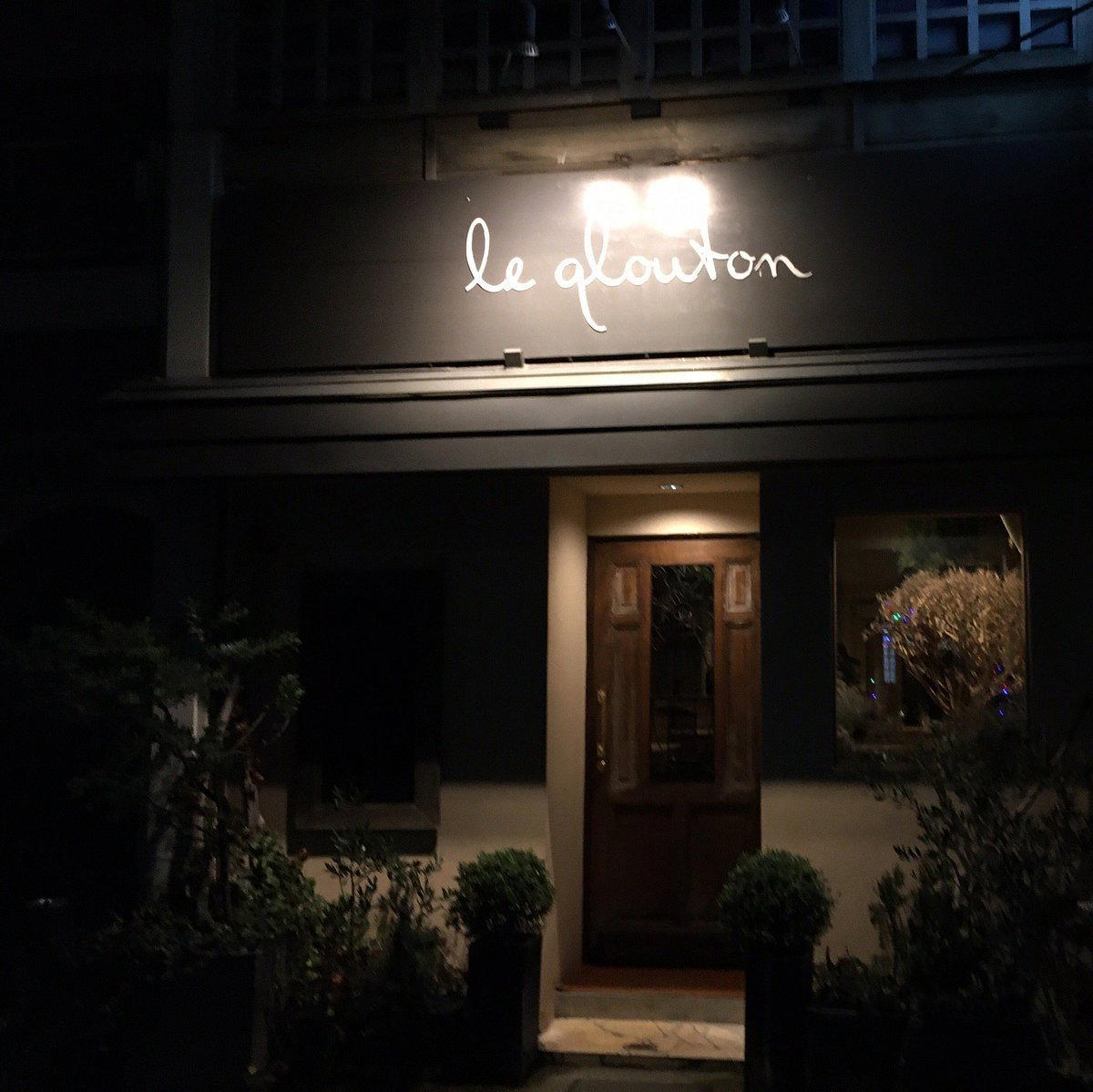
Approaching Sogawa at night, Toyama feels less like a restaurant district built for theatre than a working city letting dinner unfold behind modest doors. The rhythm is local: office lights thinning out, compact dining rooms switching into evening service, and a food culture shaped by Toyama Bay on one side and mountain country on the other. le glouton belongs to that register. It is not a trophy-room proposition; it is better understood as part of a city where sourcing does much of the talking.
Toyama’s dining identity has a useful tension. The city has access to serious seafood, especially from the bay, but it also sits close to inland farms, rice country, and the broader Hokuriku pantry. That geography rewards restaurants that do not need to over-explain themselves. In a place like this, an ingredient-led kitchen can read as confident when it resists excess: the point is less to stage rarity than to let season, supplier, and portioning define the meal.
Ingredient-first dining in a city built around bay and mountain supply
The stronger Toyama restaurants tend to make sense when viewed through supply lines rather than category labels. Some rooms lean into seafood formality, others into casual regional eating, and others into compact counter or bistro formats that borrow freely while staying tied to local availability. le glouton sits in the latter conversation: an evening-only address whose appeal depends on how carefully the kitchen treats what Toyama already has close at hand.
That matters because Toyama is not Tokyo, Osaka, or Kyoto scaled down. It has its own dining tempo. The local market for serious meals is narrower, less dependent on international checklist dining, and more responsive to seasonality than to spectacle. In this setting, a restaurant without public awards attached can still be editorially interesting if it reflects the city’s underlying strengths: access, restraint, and a service style built for people who have chosen Toyama for more than a stopover.
For readers mapping the city, the useful comparisons are within Toyama rather than across Japan’s larger restaurant capitals. Ishitani Mochiya Toyama chuo dori honten operates at a modest price tier, Thai Nanraku sits in a higher casual-dining band, and names such as 日本料理 雲海, KAWAZ, and å¨ä¹ å± point to the city’s spread of Japanese, international, and specialist rooms. le glouton occupies a quieter lane within that spread, where the decision is less about chasing a famous counter and more about choosing a meal that reflects Toyama’s produce logic.
The room suits diners who prefer restraint to performance
The experience-first read here is simple: this is a night restaurant in a central Toyama district, not a daytime grazing stop. That changes the expectation. Dinner in Sogawa has a more deliberate pace than the station-adjacent quick meal, and the format suits couples, small groups, and travellers who want a composed evening without turning the reservation into a ceremony. The absence of public chef biography or award scaffolding shifts attention back to the plate, the room, and the city around it.
That is also where Toyama rewards a more mature kind of dining judgment. A large urban restaurant scene often trains diners to ask for signatures, rankings, and named credentials before the meal begins. In Toyama, the smarter question is whether a kitchen understands what the region gives it. Seafood freshness alone is not enough; rice, vegetables, preserved accents, broths, sauces, and pacing decide whether local access becomes a serious dinner or just a list of ingredients.
le glouton should be read in that light. Without public menu detail, the safest editorial stance is to judge the proposition by category: an ingredient-sourcing address in a city whose advantage is proximity to water and mountains. That makes it a better fit for diners who are comfortable with a restaurant’s seasonal direction than for those who need every dish pre-scripted before arrival.
How to place it within a Toyama itinerary
For a broader read on the city’s food scene, start with Our full Toyama restaurants guide, then use individual rooms to understand the range: Boteyan, Boteyan Tanaka, Cave Yunoki, Daimon, and Daruma each frame a different side of local dining. The wider city planning layer sits separately in Our full Toyama hotels guide, Our full Toyama bars guide, Our full Toyama wineries guide, and Our full Toyama experiences guide.
Travellers building a wider Japan route can also compare how narrower formats behave in other cities: -Grilled beef Sukiyaki- KAMAKURA TANUKIAN 鎌倉 たぬき庵 in Kamakura. 鮪と炭火焼き うお炭 秋葉原店 in Tokyo.cafe in Osaka.know in Kumamoto, (Shoku) Vietnam in Kawasaki, and [Curry Senmon Ten] Maruyama Kyoju. in Sapporo. Outside Japan, the useful contrast is how place-specific formats translate abroad, from Jōdo Saké Bar in Los Angeles to Onigiri Time in Pasadena.
The editorial case for le glouton is strongest for travellers who want Toyama to read through dinner rather than through sightseeing alone. It belongs to the part of the city where provenance, scale, and evening rhythm matter. Choose it when the priority is a locally grounded meal with a quieter register, not a heavily branded destination dinner.
Frequently asked questions
Is le glouton child-friendly?
The listing does not provide a children’s policy, so the safest read is that le glouton is a dinner service at 2 Chome-6-4 Sogawa, Toyama. It opens from 6–11 PM Monday through Saturday, which points to an adult evening crowd rather than a family-focused setup.
How would you describe the vibe at le glouton?
le glouton reads as an evening restaurant in Toyama’s Sogawa district, open only for dinner service from 6–11 PM. That schedule suggests a quieter, more deliberate room than a drop-in lunch spot.
What are the operating hours at le glouton?
Hours at le glouton: Mon: 6–11 PM; Tue: 6–11 PM; Wed: 6–11 PM; Thu: 6–11 PM; Fri: 6–11 PM; Sat: 6–11 PM; Sun: Closed.
Where is le glouton located?
le glouton is located in Toyama.
What's the defining dish or idea at le glouton?
No signature dish or cuisine type is listed, so the defining idea here is the format itself: a night-only restaurant in central Toyama at 2 Chome-6-4 Sogawa. That matters because the hours, 6–11 PM Monday through Saturday, frame it as a dinner destination rather than an all-day venue.
Can le glouton accommodate dietary restrictions?
There is no dietary information in the venue listing, so any special request would need to be handled directly with the restaurant at its Toyama address. The only concrete service detail available is its dinner schedule: 6–11 PM, Monday to Saturday.
How It Stacks Up
Comparable venues by cuisine and price in the same metro.
| Venue | Cuisine | Price | Awards | Notes |
|---|---|---|---|---|
| le gloutonThis venue — the venue you are viewing | French Bistro with Toyama Ingredients | Not listed | Not listed | Not listed |
| å¨ä¹ å± | Not listed | Not listed | Tabelog 100 #88 | Not listed |
| Ishitani Mochiya Toyama chuo dori honten | Japanese Traditional Sweets Cafe | $1–10 | Tabelog 100 #49 | JPY 999 |
| 日本料理 雲海 | Japanese Seafood | Not listed | Not listed | Not listed |
| Thai Nanraku | Authentic Thai restaurant with set-course menus | $30–50 | Tabelog 100 #19 | JPY 6,000 - JPY 7,999 |
| KAWAZ | French with Toyama Ingredients | $100–150 | Not listed | Not listed |
Continue exploring
More in Toyama
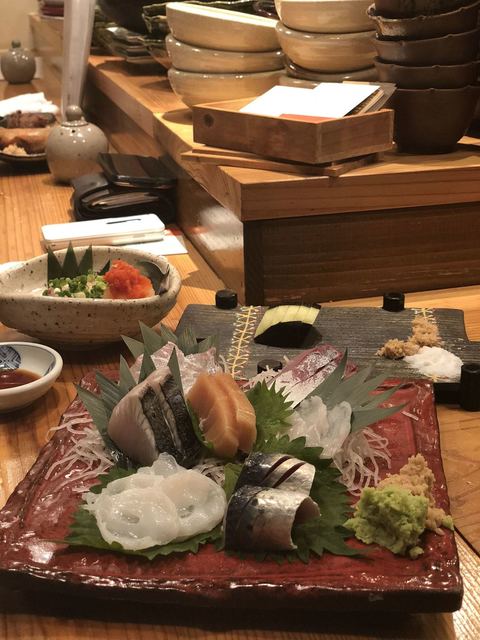
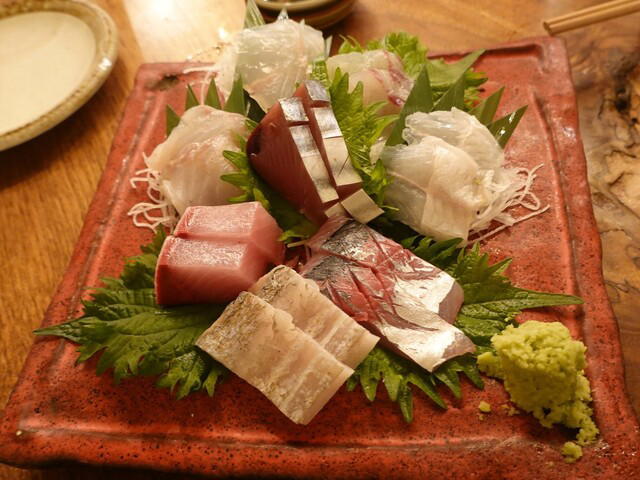
Restaurants in Toyama
Browse all →
Hotels in Toyama
Browse all →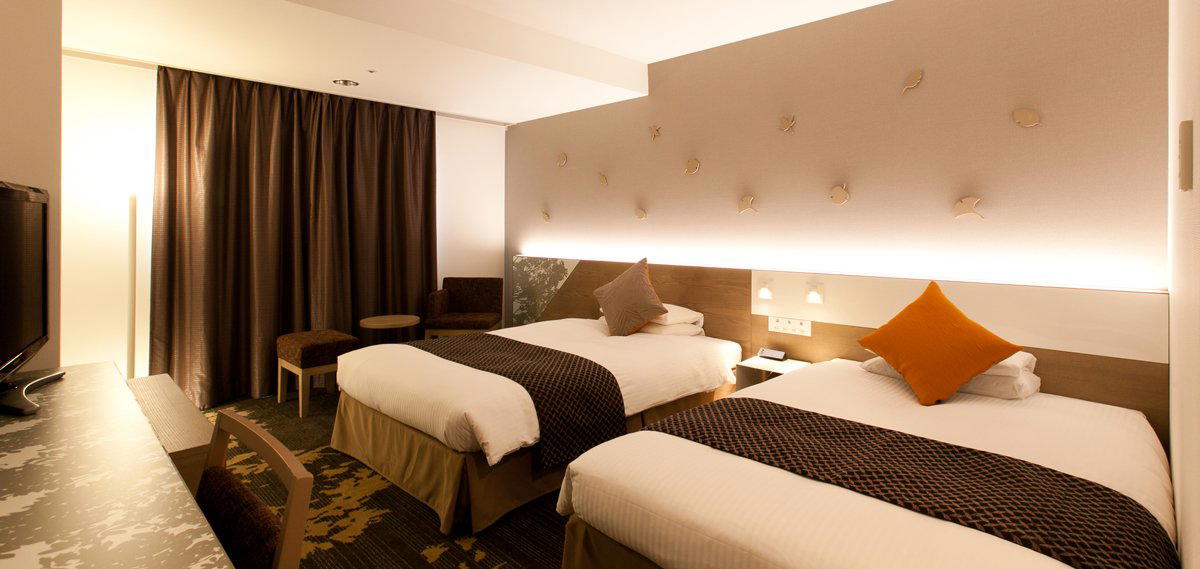
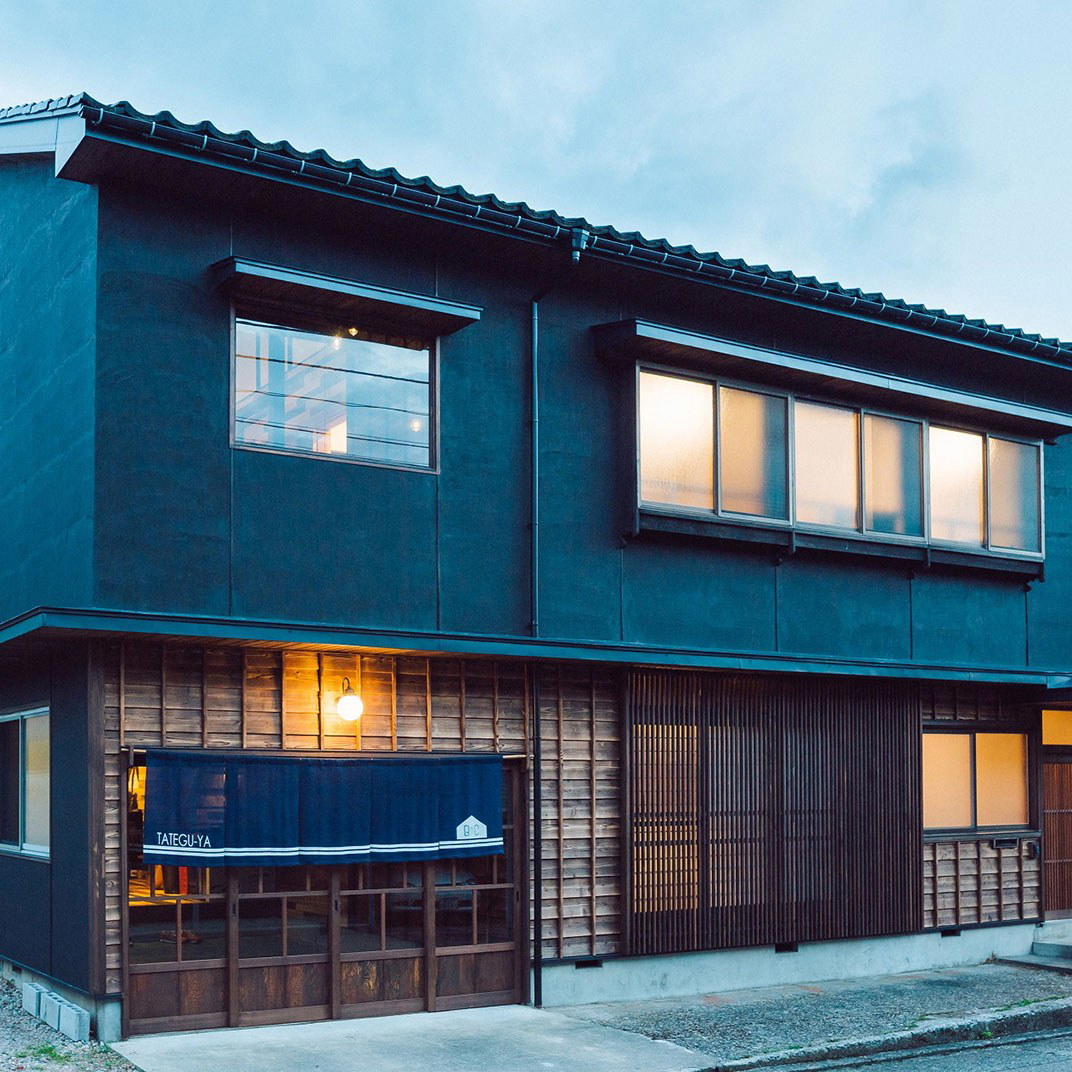
Wineries in Toyama
Browse all →
Details
- Cozy
- Elegant
- Intimate
- Date Night
- Special Occasion
- Open Kitchen
- Extensive Wine List
- Natural Wine
- Local Sourcing
- A La Carte
- Wine
Current opening hours
- Monday
- 6–11 PM
- Tuesday
- 6–11 PM
- Wednesday
- 6–11 PM
- Thursday
- 6–11 PM
- Friday
- 6–11 PM
- Saturday
- 6–11 PM
- Sunday
- Closed
Hours can change for holidays and private events. Last verified .
Cozy bistro atmosphere with a renovated wooden structure blending rough textures and quality materials for an elegant, intimate dining experience.