Spetters

1 Michelin Star
Our verdict
Spetters holds a Michelin star and sits on the Breskens waterfront between the fish market and the marina, with views across the Western Scheldt. The kitchen draws almost entirely on Zeeland produce, Eastern Scheldt lobster, local eel, Sluis lamb, cooked with international technique and without ceremony. Open Wednesday to Sunday; closed Monday and Tuesday.

Pearl is the En Primeur Club membership app, where members save venues, book tables and use the concierge.
The menu
What to order
- Crab_cannelloni
- Zeebaars
- Sweetbreads_and_eastern_scheldt_eel
Where the Scheldt Sets the Menu
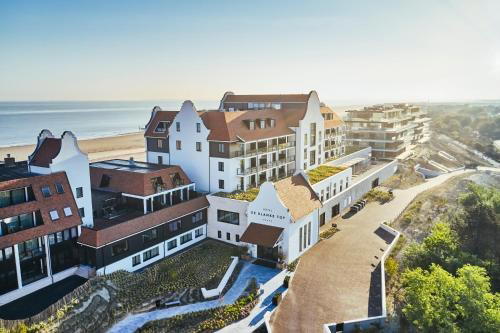
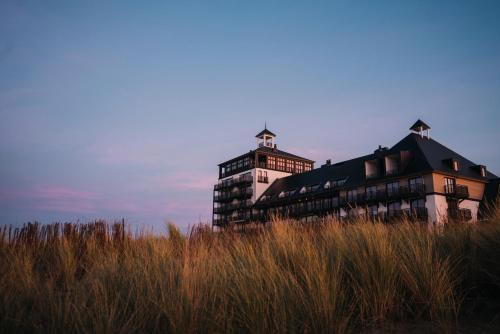
Breskens sits at the southwestern tip of Zeeland, facing the mouth of the Western Scheldt across the water from Vlissingen. It is a working port town: fishing boats, a fish market, and a marina occupy the same strip of waterfront. Most visitors to this corner of the Netherlands come for the ferry crossing or the wide beaches to the west, not for the dining. That imbalance makes the presence of a Michelin-starred kitchen here more interesting than it might first appear. Spetters, at Kaai 5, occupies a position between the fish market and the marina, a location that is less a design decision than a supply chain one. The Western Scheldt estuary and the Eastern Scheldt further north together define Zeeland’s culinary identity: briny oysters, lobster, eel, and flatfish pulled from cold tidal water, supplemented inland by lamb grazed on salt marshes.
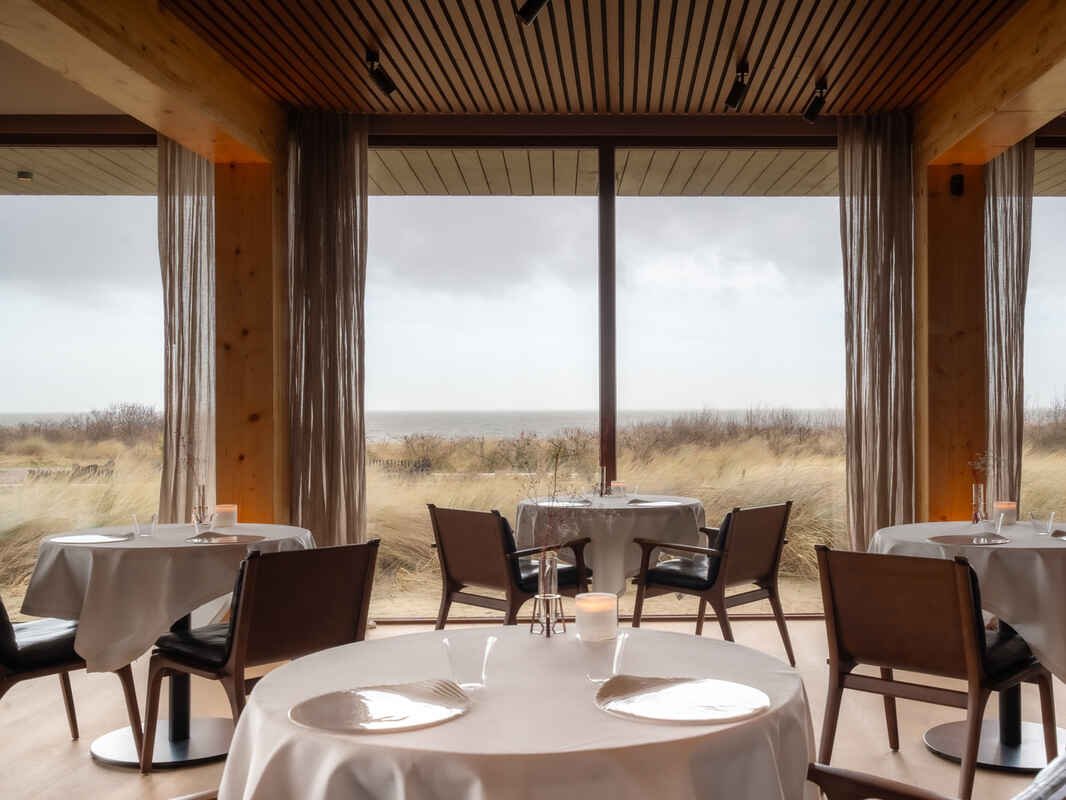
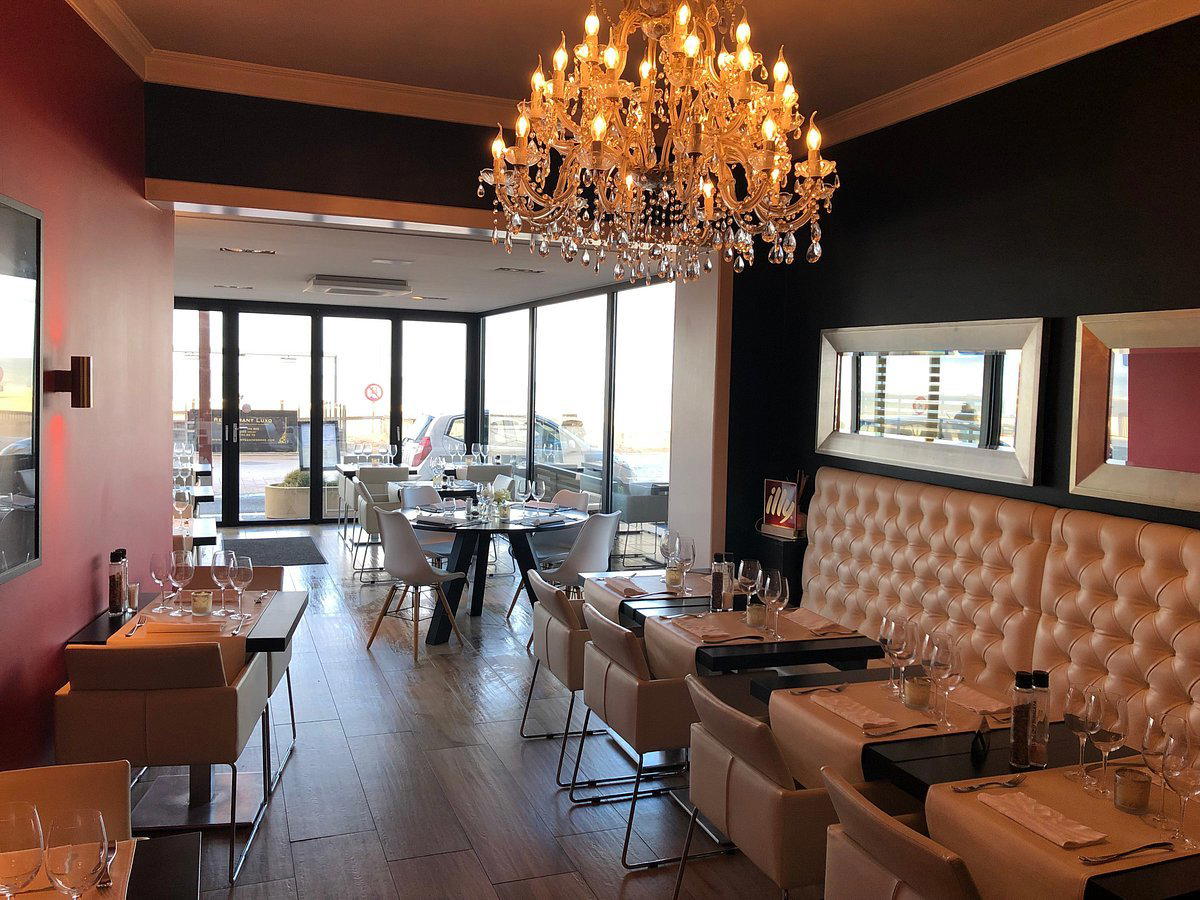
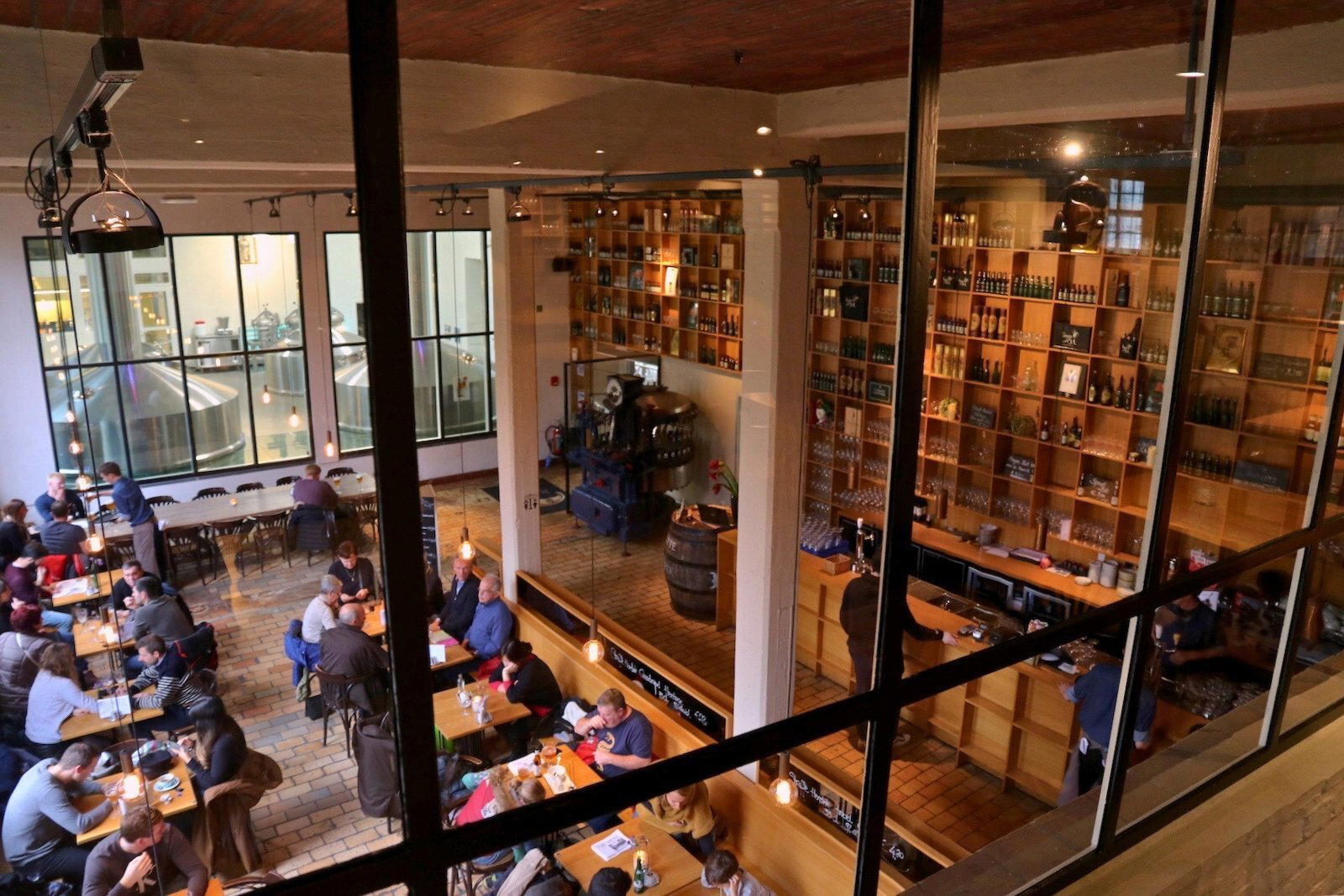
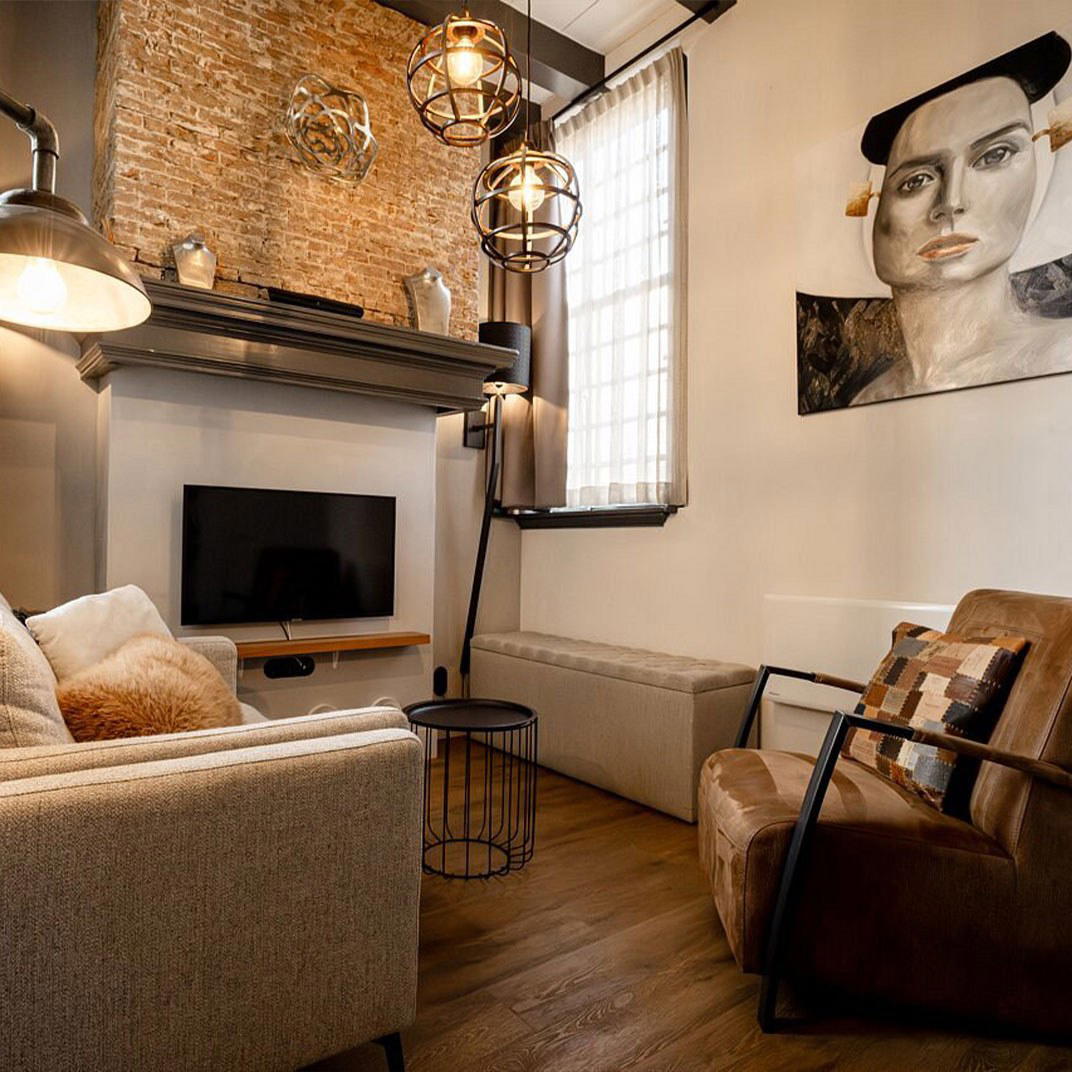
The dining room reads as lounge-like rather than formally dressed, and the view across the water to the bobbing boats of the marina functions as the room’s primary decoration. In a region where the sea is the dominant fact of daily life, that framing feels honest rather than staged. The atmosphere sits closer to a well-run coastal brasserie than to the white-tablecloth register you might expect from the award category, which is part of what gives Spetters its particular position in the Dutch Michelin map.
Zeeland’s Produce and What It Means for the Plate
The farm-to-table designation has become a widely applied label across European dining at the €€€ price tier, sometimes attached to kitchens with only a loose connection to their local food systems. In Zeeland, that claim carries more weight. The province is one of the Netherlands’ most agriculturally and maritimely distinct regions: Eastern Scheldt lobster holds protected status and is harvested in the estuary between April and July; Zeeland oysters from Yerseke are exported across Europe; and lamb raised on the salt-grass polders of Sluis carries a flavour profile shaped directly by its grazing environment. A kitchen in Breskens has near-direct access to this supply in a way that urban Dutch restaurants operating under the same descriptor simply do not.
At Spetters, produce enthusiast Laurent Smallegange works within that context, treating the Zeeland bounty as the structural starting point for the menu rather than as an occasional flourish. The combination of sweetbreads and Eastern Scheldt eel that serves as a signature dish reflects this approach: two locally rooted ingredients brought together through technique rather than geography alone. Pan-fried sea bass paired with chanterelles in a poultry stock reduction is a further example of how international culinary vocabulary is applied to local material without displacing it. The cooking sits in a mode common to single-star kitchens that earned their recognition through produce intelligence and restraint rather than spectacle: creative, but without the self-consciousness that marks more destination-oriented restaurants in this award tier.
For comparison, the Dutch Michelin scene at the upper end leans heavily toward elaborate tasting formats: De Librije in Zwolle and Aan de Poel in Amstelveen both operate in the €€€€ bracket with correspondingly theatrical presentation registers. De Bokkedoorns in Overveen and Ciel Bleu in Amsterdam sit in similar territory. Spetters at €€€ is priced a tier below that cohort, which means the Michelin credential here represents strong value relative to the award category. The closest regional peer is Inter Scaldes in Kruiningen, another Zeeland Michelin address that draws on similar estuarine produce, making the two natural points of comparison for anyone building a Zeeland dining itinerary.
The Cultural Roots of Zeeland’s Table
Zeeland’s food culture is shaped by centuries of living alongside tidal water. The province’s relationship with its estuaries is not romantic but practical: water management, flood history, and the rhythms of shellfish and eel harvesting are embedded in local life in ways that predate any contemporary farm-to-table conversation. Eel, in particular, carries deep cultural weight across the Dutch delta. Smoked and fresh eel have been central to Dutch riverside and coastal diets for generations, and the Eastern Scheldt population has benefited from both the estuary’s tidal flow and its protected status under the Delta Works infrastructure. When a kitchen in Breskens builds a signature dish around that ingredient, it is drawing on something that reads as genuinely local rather than curated.
The salt-marsh lamb of Sluis operates on similar logic. Animals grazing on polders flooded periodically by tidal water take on mineral salinity through their feed, producing meat with a flavour that cannot be replicated inland. This is the same principle behind pré-salé lamb from Normandy and Mont Saint-Michel in France, a product that commands premium positioning across European fine dining. Zeeland’s version is less internationally marketed but no less terroir-specific. For a kitchen at the Michelin single-star level in a town of Breskens’ scale, the access to this kind of ingredient without the logistics overhead that urban restaurants face is a structural advantage.
Other Dutch farm-to-table kitchens operating in the €€€ bracket include De Woage in Gramsbergen and Buitenplaats Slangevegt in Breukelen, both of which work within regional Dutch produce contexts. The Zeeland version differs in its maritime orientation: where inland farm-to-table kitchens foreground vegetables and livestock, Spetters operates at the intersection of the sea and the land, which gives its menu a different compositional logic.
Breskens in Context
Breskens is not a dining destination in the way that Amsterdam or Utrecht function for food tourism. It is a coastal town in Zeeuws-Vlaanderen, the narrow strip of the Netherlands south of the Scheldt estuary that borders Belgium and is geographically cut off from the rest of the country by water. Getting there from most Dutch cities requires either the ferry from Vlissingen or a longer drive through Belgium or via the Westerscheldetunnel. That relative isolation is part of what keeps the dining scene small: our full Breskens restaurants guide covers a short list, with Escobar at the Mediterranean end of the spectrum offering a contrast to Spetters’ produce-led approach. For accommodation, bars, wineries, and broader experiences in the area, our Breskens hotels guide, bars guide, wineries guide, and experiences guide cover the options.
Further afield in the Dutch Michelin single-star tier, Fred in Rotterdam, Brut172 in Reijmerstok, De Groene Lantaarn in Staphorst, and De Lindenhof in Giethoorn represent different regional expressions of Dutch fine dining outside the main urban centres. De Lindehof in Nuenen adds another point of reference in the rural single-star category. Spetters sits comfortably within this cohort of destination kitchens in non-metropolitan Dutch locations, distinguished by its specific estuarine produce context.
Planning Your Visit
Spetters opens Wednesday through Friday from noon until 9 PM, Saturday from noon until 9 PM, and Sunday from noon until 5 PM; Monday and Tuesday are closed. The shorter Sunday service and early Sunday close reflect the rhythm of a kitchen oriented partly toward weekend visitors from across the border and from the ferry route. The summer months are the period when Eastern Scheldt lobster is in season, making the kitchen’s produce offer at its broadest between spring and mid-summer. The restaurant is at Kaai 5, 4511 RC Breskens, between the fish market and the marina on the Breskens waterfront. For a lighter, more casual option during summer visits, Eb & Food operates next door with a simpler lunch format.
What Should I Eat at Spetters?
The kitchen’s signature pairing of sweetbreads and Eastern Scheldt eel is the clearest expression of what Spetters does: two Zeeland-rooted ingredients brought together through classical French technique, without elaborate staging. The eel draws directly on the estuary running past the restaurant’s front windows, and the sweetbreads provide a textural and richness counterpoint that the dish’s Michelin acknowledgement confirms as well-executed. Sea bass with chanterelles in a poultry-enriched sauce is a further anchor dish, demonstrating how the kitchen uses French culinary structure to frame local seafood. Sluis lamb, when on the menu, represents one of the stronger cases for eating in Zeeland specifically rather than at a comparable kitchen in a larger Dutch city. The produce here is the point, and the dishes built around it are the argument for making the journey.
Frequently asked questions
What awards or recognition does Spetters have?
Spetters has received recognition including: As soon as you enter this lounge-like restaurant, you are greeted by the breathtaking view of the boats bobbing about on the Western Scheldt. Spetters enjoys a prime location between the fish market and Breskens marina – and produce enthusi….
What should I eat at Spetters?
The kitchen's signature pairing of sweetbreads and Eastern Scheldt eel is the dish that best defines the Spetters approach: two Zeeland-sourced ingredients handled with technique and regional conviction. The Michelin inspectors highlight a pan-fried sea bass with chanterelles in poultry stock as a further example of how chef Laurent Smallegange ties local produce to international preparation methods. If visiting in summer and looking for a lighter meal, the adjoining Eb & Food offers a more casual lunch format.
Is Spetters more mid-range or high-end?
Pricing at Spetters is listed as €€€.
What days is Spetters closed?
Hours at Spetters: Monday closed Tuesday closed Wednesday 12 PM-9 PM Thursday 12 PM-9 PM Friday 12 PM-9 PM Saturday 12 PM-9 PM Sunday 12 PM-5 PM.
Budget Reality Check
| Venue | Cuisine | Price | Awards | Notes |
|---|---|---|---|---|
| SpettersThis venue (the venue you are viewing) | Modern Dutch Seafood | Not listed | 1 Michelin Star | Not listed |
| De Librije | Modern Dutch Fine Dining | $200–300 | 3 Michelin Stars · World's 50 Best #46 | Modern Cuisine |
| Aan de Poel | Modern French Fine Dining | $150–200 | 2 Michelin Stars · La Liste Top Restaurants | Creative |
| De Lindehof | Contemporary Dutch, Creative | Not listed | Michelin 2 Star | Not listed |
| Fred | Modern French Fine Dining | $200–300 | 2 Michelin Stars · La Liste Top Restaurants | Creative French |
| De Nieuwe Winkel | Botanical Fine Dining | $300–500 | 2 Michelin Stars · La Liste Top Restaurants | Organic |
Recognition history
Dated appearances from independent guides and award organizations, with the underlying list record or original source where available.
Michelin 1 Star
Michelin
Full recognition history (2 entries)
Michelin 1 Star
Michelin
Continue exploring
More in Breskens
Restaurants in Breskens
All restaurants in Breskens →

Details
- Elegant
- Cozy
- Sophisticated
- Minimalist
- Scenic
- Date Night
- Special Occasion
- Celebration
- Waterfront
- Open Kitchen
- Extensive Wine List
- Sake Program
- Farm To Table
- Local Sourcing
- Waterfront
- Tasting Menu
- A La Carte
- Vegetarian Friendly
- Vegan Options
Current opening hours
- Monday
- Closed
- Tuesday
- Closed
- Wednesday
- 12–9 PM
- Thursday
- 12–9 PM
- Friday
- 12–9 PM
- Saturday
- 12–9 PM
- Sunday
- 12–5 PM
Hours can change for holidays and private events. Hours as of .
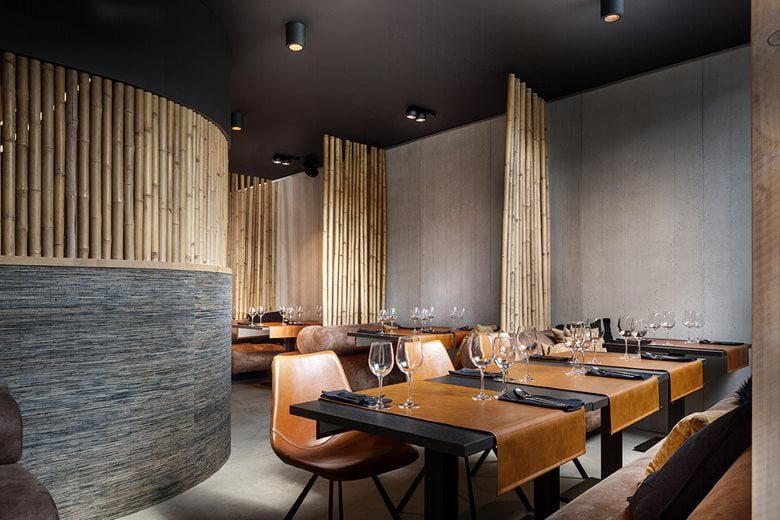
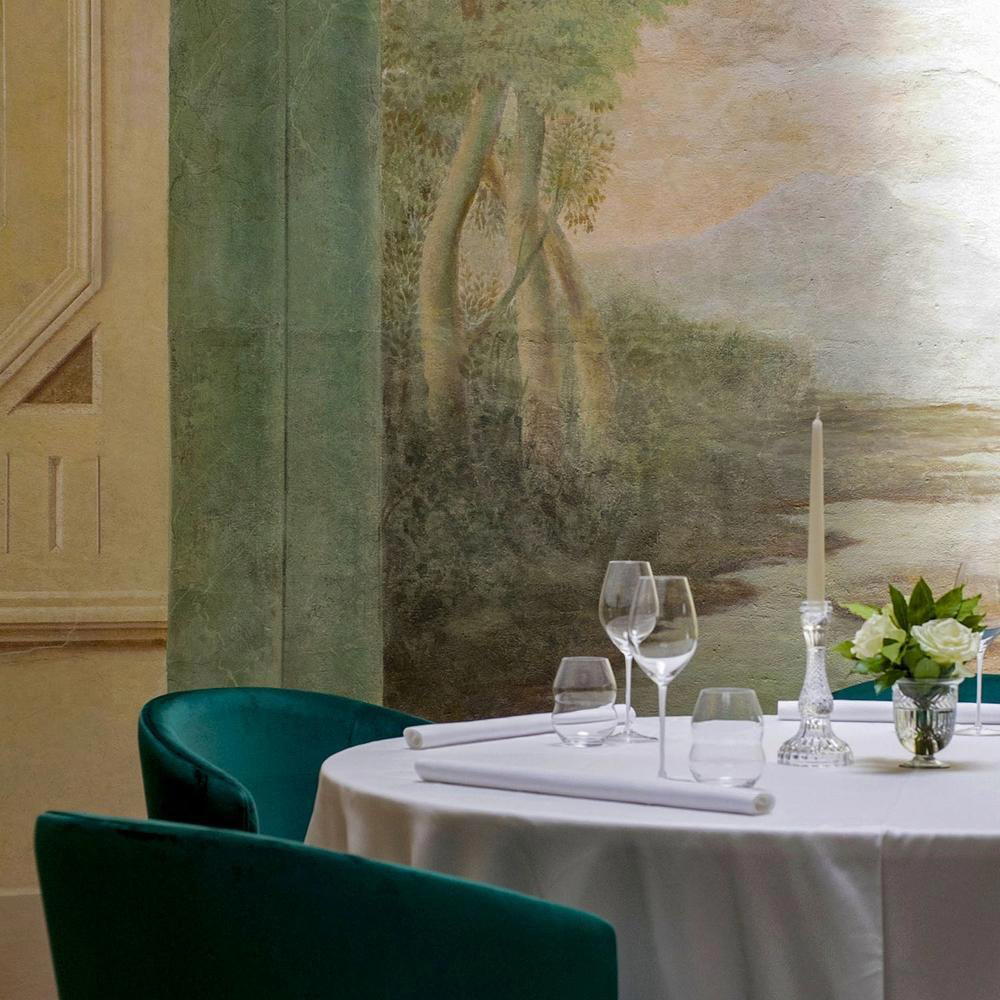
Refined yet welcoming with minimalistic interior, light colors, and panoramic harbor views creating a serene and sophisticated atmosphere.