Herberg In De Valk
Herberg In De Valk occupies a quiet address on Burchtstraat in Middelstum, a small Groningen village that sits at the agricultural heart of the northern Netherlands. The surrounding Hogeland clay polder has shaped regional cooking for centuries, and that land-to-table relationship remains the most compelling reason to seek this address out. For travellers willing to leave the Randstad motorway corridor, it represents a different register of Dutch hospitality entirely.
 Discover on Pearl
Pearl is the En Primeur Club membership app — saves, bookings, and concierge access live there. Same editors, same standards.
- Address
- Burchtstraat 12, 9991 AB Middelstum, Netherlands
- Phone
- +31595855795
- Website
- herbergindevalk.nl
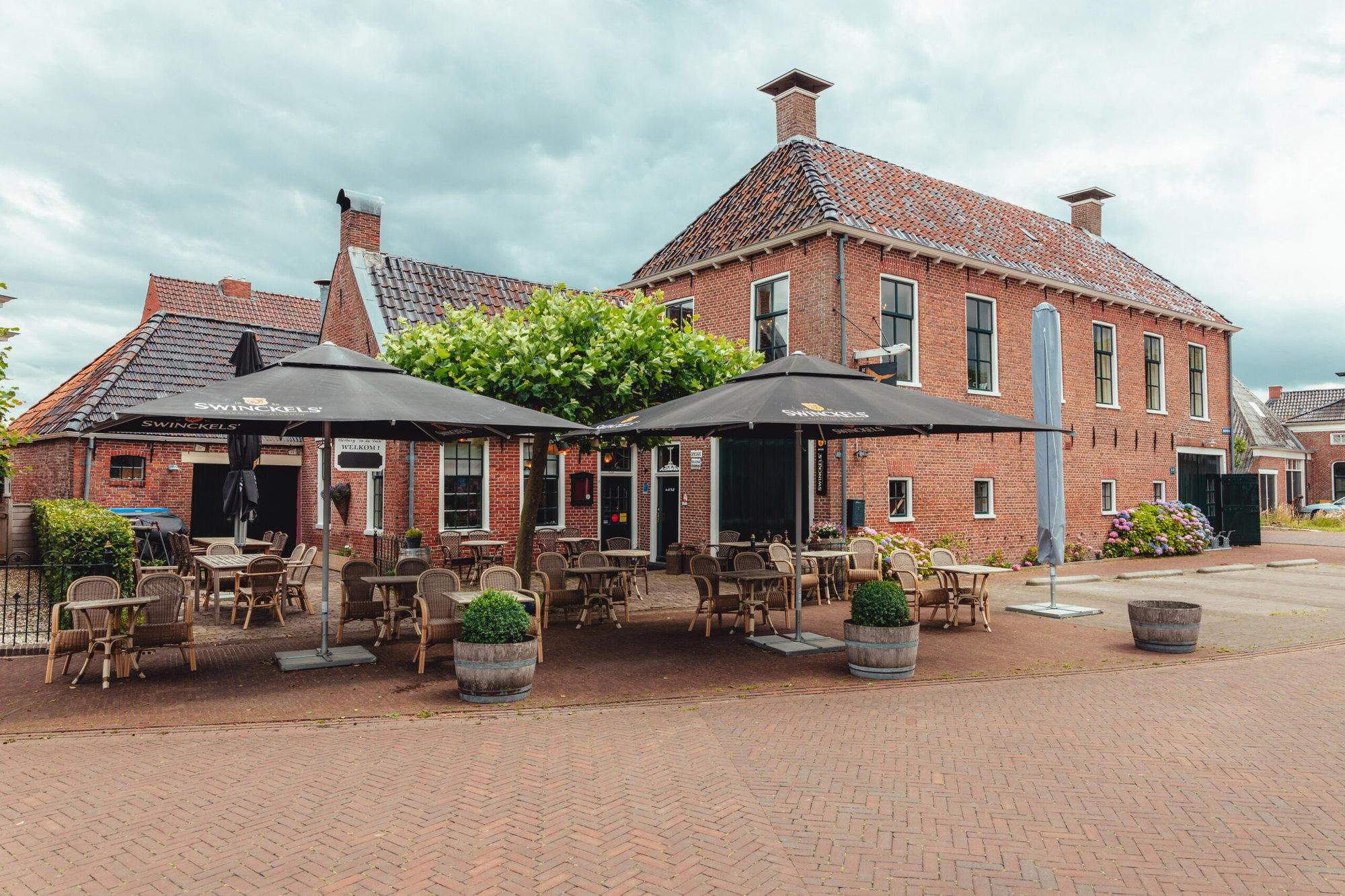
Middelstum and the Groningen Table
Herberg In De Valk is a restaurant in Middelstum, Netherlands, with a 4.7 Google rating and a price tier of 3. That resistance is, in part, what makes a village like Middelstum worth the drive. Set in the Hogeland, a clay polder belt that stretches between Groningen city and the Wadden coast, the region has been producing some of the Netherlands' most fertile agricultural land for centuries. The soil here is heavy, mineral-rich, and historically significant: this is where Groningen grain once fed the Republic, and where lamb grazed on salt-marsh grass a few kilometres from the Waddenzee. That agricultural identity has not disappeared. It has, more quietly than in trendier food cities, filtered into how small restaurants in the area source and present their food.
Herberg In De Valk sits on Burchtstraat 12 in the centre of Middelstum, a village of a few thousand people with a Romanesque church mound, a compact historic core, and very little of the self-conscious heritage tourism that softens the edges of more visited Dutch towns. The address is an herberg, a word that in Dutch carries the specific weight of roadside hospitality: somewhere between an inn and a tavern, historically a place where travellers, merchants, and locals shared the same table. That format, when taken seriously, asks the kitchen to work close to its supply lines. You do not build an herberg identity around ingredients trucked in from the south.
Where the Ingredients Come From
The Hogeland's agricultural geography is the most relevant frame for understanding what ends up on plates in this part of Groningen. The polders immediately surrounding Middelstum produce sugar beet, wheat, and a range of root vegetables that characterise northern Dutch cooking at its most direct. Salt-marsh lamb from the Waddenzee coastline, a short distance northwest, carries a flavour profile distinct from inland-raised alternatives: the grasses and sea-purslane that salt-marsh flocks graze on impart a mineral note that cooks in the region have historically built dishes around rather than masked. Freshwater fish from the Groningen canals and eel from the surrounding waterways have been part of the local table since before the polders were drained.
This kind of proximity-led sourcing is not unique to the northern Netherlands, but it is more structurally embedded here than in regions where freight logistics have homogenised supply chains. The Dutch farm-to-fork conversation tends to get dominated by high-profile restaurants in Amsterdam or Nijmegen. De Nieuwe Winkel in Nijmegen, for instance, has built an internationally recognised organic program that puts plant-forward Groningen and Veluwe sourcing at the centre of its identity. What smaller northern venues like Herberg In De Valk offer is a less mediated version of the same principle: shorter distances between field and kitchen, fewer intermediaries, and a format that does not require the sourcing narrative to carry Michelin-level production values.
For comparison, the €€€€ tier of Dutch fine dining, represented by houses like De Librije in Zwolle, 't Nonnetje in Harderwijk, or Aan de Poel in Amstelveen, operates on sourcing relationships that are often equally rigorous but presented within tasting-menu formats and wine pairing structures that add considerable cost and occasion-weight. A village herberg in Groningen occupies a different position in that spectrum: the sourcing philosophy may share DNA, but the register is everyday rather than ceremonial.
The Physical Address and What to Expect
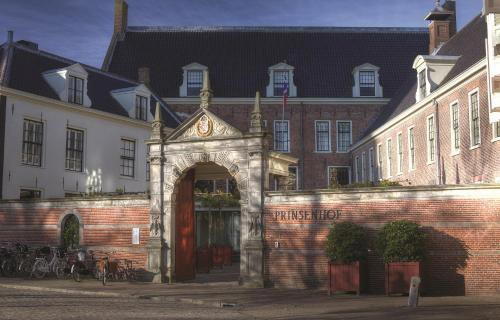
Middelstum's centre is compact enough that Burchtstraat is walkable from wherever you park. The village's Romanesque church mound, one of the characteristic terp elevations of the Groningen clay district, is visible from the street. The built environment here is brick, low, and largely unrestored in the way that heritage conservation sometimes over-tidies: this is a working agricultural village, not a museum piece, and the atmosphere reflects that. An herberg format in this context means interior warmth as a counterpoint to the flat, wind-exposed polder outside: thick walls, a proximity to the bar or hearth, and a sense that the room has absorbed a few centuries of exactly this kind of use.
Groningen city, approximately 20 kilometres south, is the most practical base for a wider exploration of the region, with direct rail connections from Amsterdam Centraal taking around two hours.
Placing Herberg In De Valk in the Broader Dutch Dining Picture
The Netherlands has invested significantly in premium dining over the past two decades. Venues like Ciel Bleu in Amsterdam, Inter Scaldes in Kruiningen, and De Bokkedoorns in Overveen represent the internationally credentialled end of that investment. Further down the price spectrum but no less considered in their sourcing, places like De Groene Lantaarn in Staphorst and Brut172 in Reijmerstok show how regional specificity can drive a kitchen's identity without requiring a metropolitan setting or formal tasting format.
Herberg In De Valk belongs in this second category by geography and format. The Groningen north is the least-visited corner of a country that is itself underestimated as a food destination. Travellers who have spent time at, say, FG - François Geurds in Rotterdam or De Lindenhof in Giethoorn and want to understand what Dutch cooking looks like when it is not performing for an international audience will find the Hogeland region instructive. The ingredients are here. The agricultural tradition is intact. What the north offers is a version of that story without the production layer.
For those building a wider northern Netherlands itinerary, the route through Groningen province pairs naturally with a stop at De Treeswijkhoeve in Waalre or Tribeca in Heeze on the southern end, or a detour through the Vecht valley via 't Amsterdammertje in Loenen aan de Vecht for those approaching from the Randstad.
In Context: Similar Options
Comparable venues nearby, for context on price, style, and recognition.
| Venue | Cuisine | Price | Awards | Notes |
|---|---|---|---|---|
| Herberg In De ValkThis venue — the venue you are viewing | Dutch with French influences | $$$ | , | |
| De Jufferen Lunsingh | Dutch Seasonal Fine Dining | $$$ | , | Westervelde |
| Pelusa | Dutch Gastropub | $$$ | , | Buiksloterham |
| Proefverlof | Dutch Bistro with French Influences | $$ | , | Blokhuisplein |
| Weeshuis Gouda | Modern Dutch Fine Dining | $$$ | 1 recognition | historic centre |
| Olofspoort | Dutch Tasting Room | $$ | , | Stationsplein e.o. |
Continue exploring
More in Middelstum
Restaurants in Middelstum
Browse all →
Bars in Middelstum
Browse all →
At a Glance
- Cozy
- Rustic
- Intimate
- Historic
- Date Night
- Special Occasion
- Historic Building
- Terrace
- Local Sourcing
- Waterfront
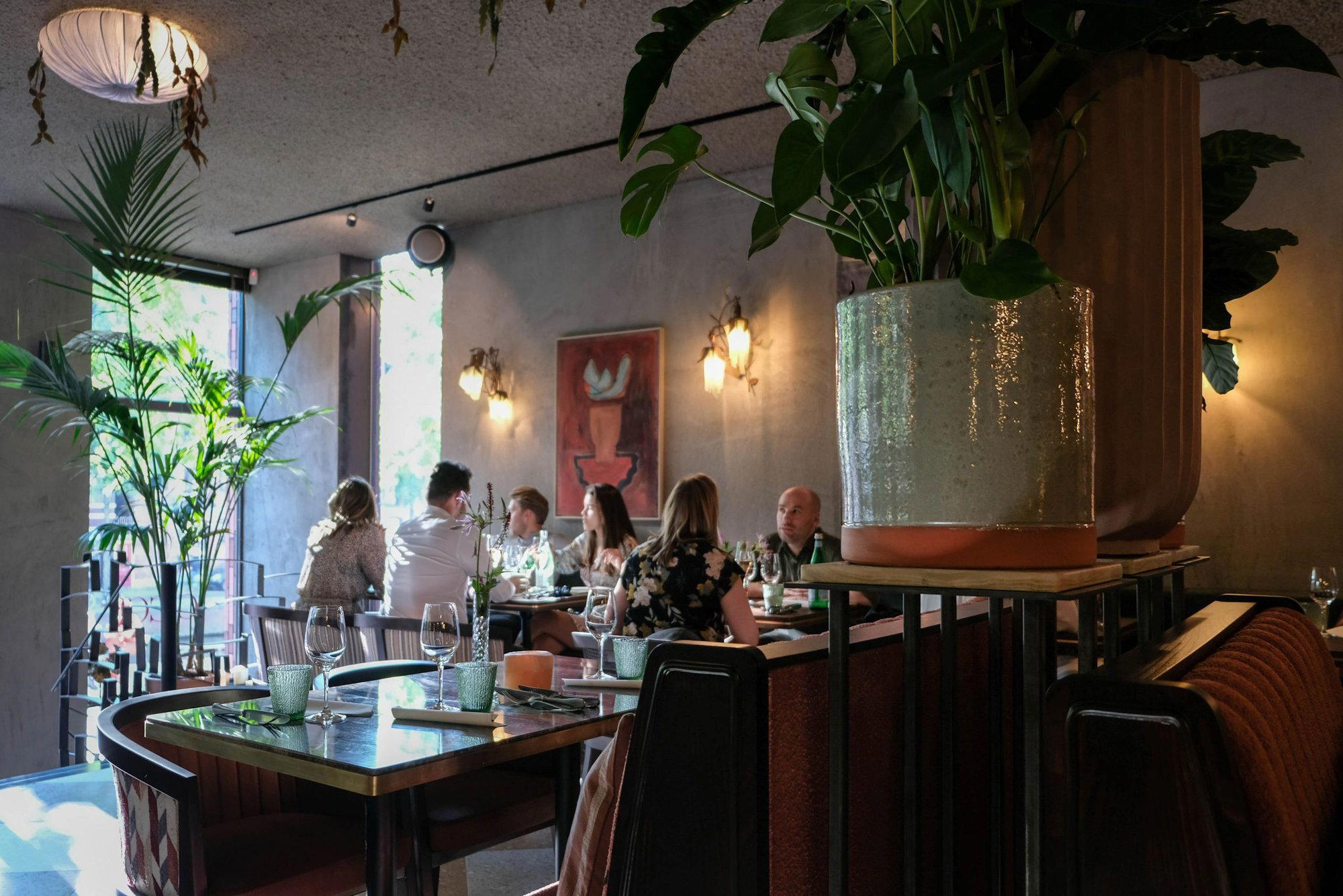
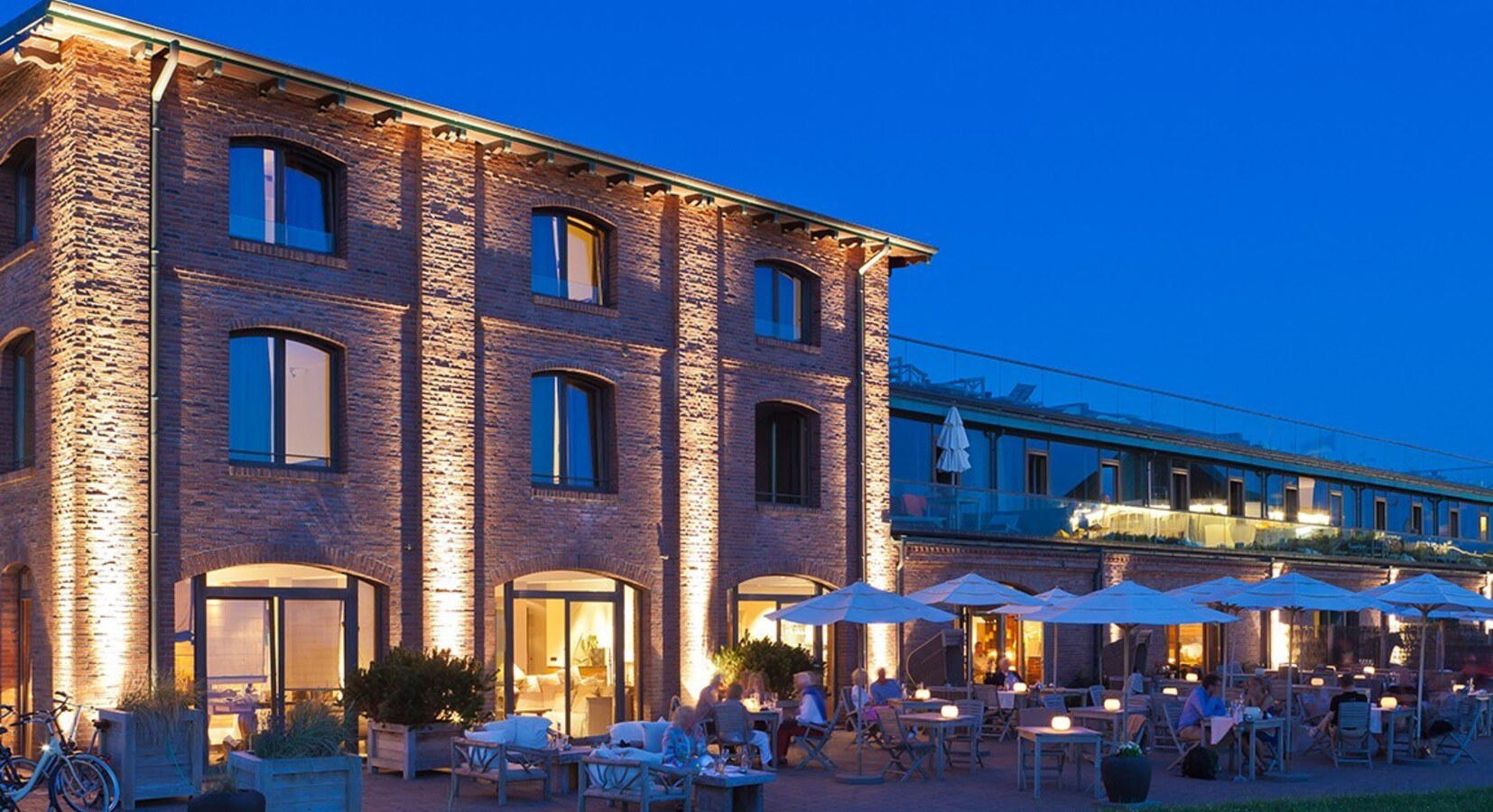
Atmospheric historic ambiance with cozy terrace by the water, creating an intimate dining experience.