Dazwischen occupies a quietly residential stretch of the 9th district, sitting outside the obvious circuit of Vienna's starred dining rooms yet operating in the same creative register. The address at Pramergasse 21 places it in Alsergrund, a neighbourhood whose dining culture rewards curiosity over convenience. For visitors who have already worked through the city's headline tables, it represents a logical next step.
Pearl is the En Primeur Club membership app — saves, bookings, and concierge access live there. Same editors, same standards.
- Address
- Pramergasse 21/4, 1090 Wien, Austria
- Phone
- +434319257609
- Website
- dazwischen-wien.at
- Directions
- Get directions
 Saves & bookings on Pearl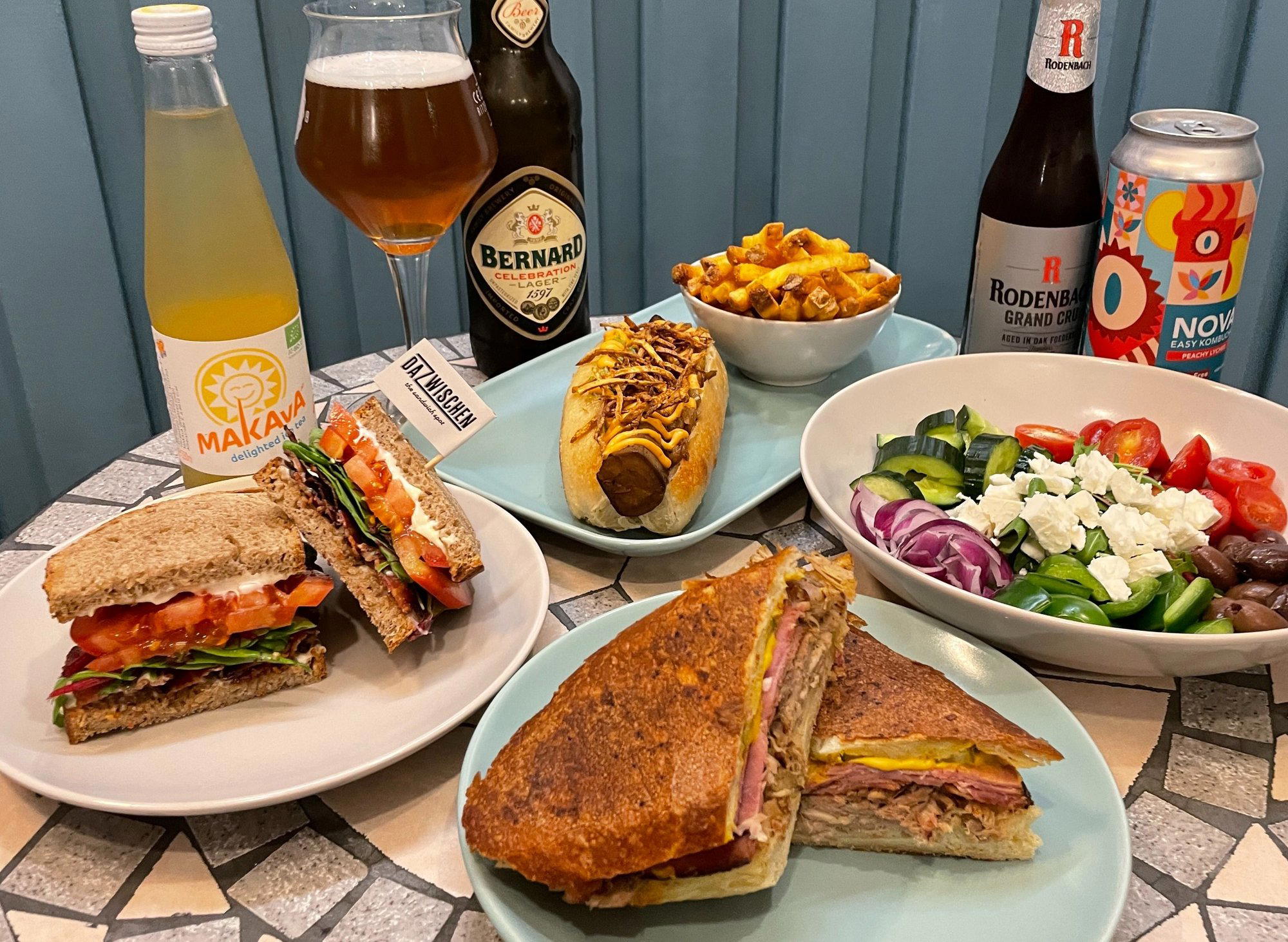
The 9th District and What It Tells You About a Restaurant
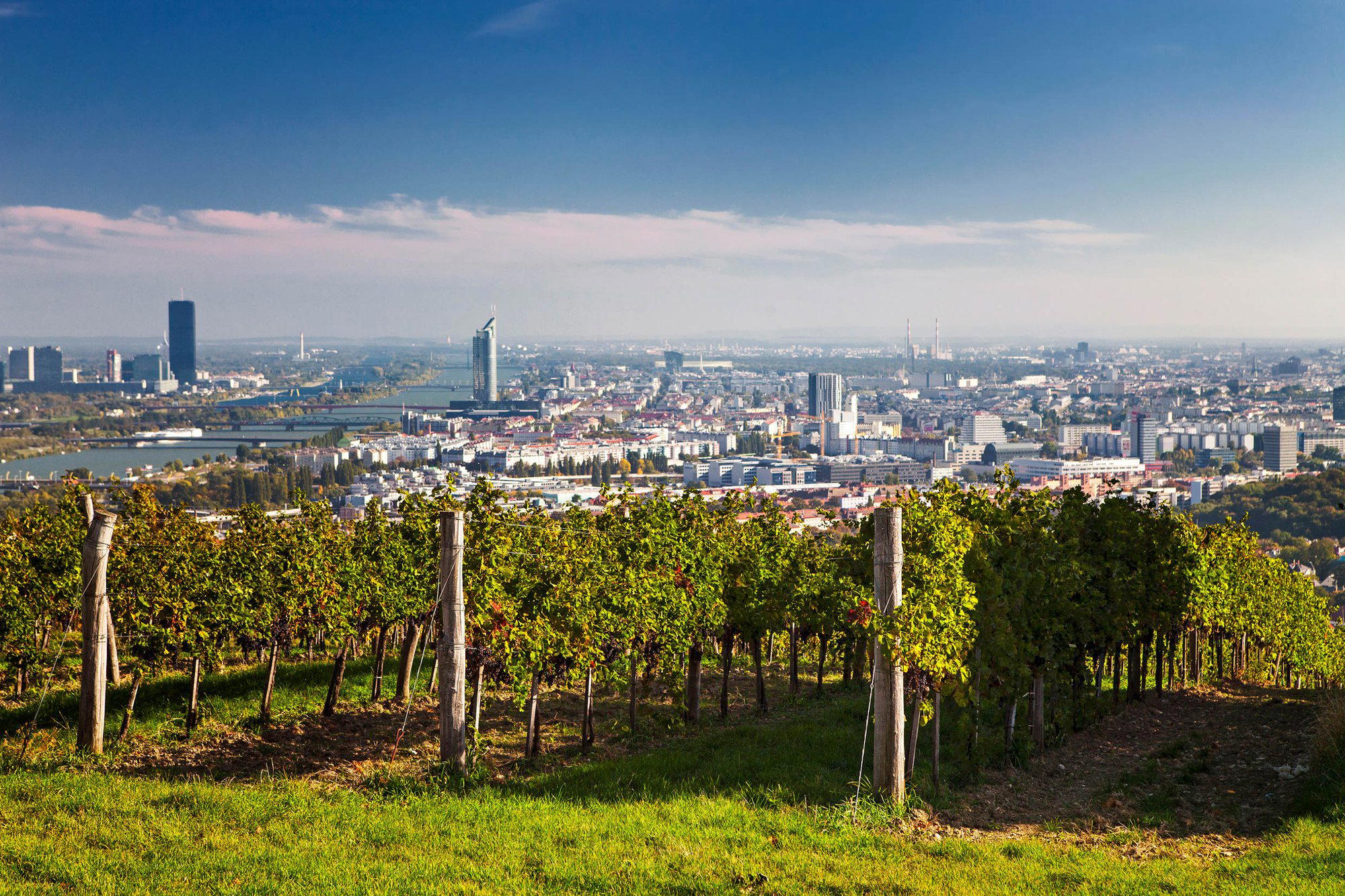
Vienna's Alsergrund district does not perform for visitors. The 9th has universities, hospitals, and a residential density that keeps its restaurants honest: they survive on repeat custom, not tourist drift. A restaurant at Pramergasse 21 is making a quiet argument that its food can pull people off the obvious path, past the Ringstrasse and the first-district addresses where most of the city's starred tables cluster. That is worth registering before anything else.
The city's upper dining tier has, over the past decade, sorted itself into two broad camps. The first is the grand-address school: places like Steirereck im Stadtpark and Amador, which anchor themselves in landmark settings and carry the weight of international recognition. The second camp is quieter, distributed across inner districts and neighbourhood streets, operating with less ceremony and often more creative latitude. Dazwischen, the name translates loosely as "in between" or "in the middle of it", signals from its address and its naming that it belongs to the second camp.
What the Name Frames
Restaurant names in this register are rarely accidental. "Dazwischen" positions itself as something occupying a middle ground: between formality and informality, or between the Austrian culinary canon and wherever a kitchen wants to push. Vienna has a number of restaurants working this seam. Doubek operates with similar spatial modesty while delivering technically precise food. Konstantin Filippou built a two-Michelin-star reputation precisely by refusing the expected Austrian register. Mraz and Sohn holds two stars from a working-class district that few dining guides thought to take seriously a generation ago.
The broader Austrian creative dining scene has shown, repeatedly, that Michelin recognition follows kitchens that ignore geography as a constraint. Döllerer in Golling an der Salzach, Obauer in Werfen, and Landhaus Bacher in Mautern an der Donau all made cases for serious cooking in towns that most visitors pass without stopping. A restaurant in Alsergrund is, by that standard, extremely well-positioned.
Reading a Menu You Cannot See
The editorial angle that applies most directly to Dazwischen is menu architecture, and that creates a specific challenge: This matters because the structure of a menu, how many courses, whether it is fixed or à la carte, how produce is sequenced and credited, tells you more about a restaurant's philosophy than any single dish description can.
Vienna's creative tier has largely moved toward tasting formats of varying lengths. Steirereck operates an à la carte format that is almost contrarian in the context of fine dining norms, making deliberate space for the kind of individual choice that most tasting-menu restaurants have abandoned. Restaurants at the €€€€ tier in the city generally offer either a fixed tasting sequence or a choice between a shorter and longer menu, with wine pairing as a default option rather than an add-on.
What the address suggests is a kitchen less interested in performative architecture than in the food itself. Neighbourhood restaurants in the 9th tend to run tighter, more focused menus than first-district venues, partly because their economics demand it and partly because their clientele, which skews local, is less interested in ceremony than in consistency. The restaurants that have made this model work across Austria, from Ois in Neufelden to Gourmetrestaurant Tannenhof in Sankt Anton am Arlberg, share a preference for restraint over spectacle.
Where It Sits in the Vienna Creative Bracket
Vienna's creative dining tier, at the €€€€ level, competes against a relatively small set of peers. The comparison group includes Steirereck, Amador, Konstantin Filippou, Mraz and Sohn, and Silvio Nickol at the Palais Coburg. Each of these has Michelin recognition; most have held stars for multiple years. The pressure on any new or less-documented entrant to this tier is to justify its price point with a level of technical and creative output that can sustain comparison to those benchmarks.
For context, the Austrian creative tradition at its highest level draws on both French technique and Alpine ingredient logic: fermentation, game, freshwater fish, dairy from high-altitude pastures, and a willingness to treat vegetables with the same precision applied to protein. You see this across the country, from Kräuterreich by Vitus Winkler in Sankt Veit im Pongau to Taubenkobel in Schützen am Gebirge, which applies a wine-country logic to its cooking that reflects the Burgenland terroir directly on the plate. How a Vienna kitchen in the 9th district interprets that tradition, and whether it does so at all, is a defining question for Dazwischen.
Internationally, the movement toward intimate, neighbourhood-anchored fine dining has produced particularly discussed restaurants of the past decade. Lazy Bear in San Francisco built its model around communal formats that rejected restaurant formality entirely. Le Bernardin in New York City has held its position at the summit of a major city's fine dining tier for decades through rigorous focus on a single protein category. Neither is a direct analogue to a Vienna neighbourhood restaurant, but both demonstrate that clarity of purpose, knowing exactly what a kitchen is for and building everything around that, produces restaurants that endure.
Planning a Visit
Pramergasse 21 is in Vienna's 9th district, reachable from the city centre in under fifteen minutes. Dazwischen is walk-in friendly, with opening hours of Tue to Sat 11:30 AM to 10 PM and Sun 12 PM to 8:30 PM; it is closed on Monday.
| Venue | District | Price Tier | Michelin Status | Format |
|---|---|---|---|---|
| Dazwischen | 9th (Alsergrund) | Not confirmed | Not confirmed | Not confirmed |
| Steirereck im Stadtpark | 3rd (Stadtpark) | €€€€ | Two stars | À la carte |
| Konstantin Filippou | 1st | €€€€ | Two stars | Tasting menu |
| Mraz and Sohn | 20th | €€€€ | Two stars | Tasting menu |
| Doubek | Inner districts | Not confirmed | Not confirmed | Not confirmed |
Dazwischen is walk-in friendly, and the 9th rewards the extra effort of getting there. You might also consider pairing a visit with other destination restaurants in the wider Austrian region, including Schwarzer Adler in Hall in Tirol or Stüva in Ischgl, or Restaurant 141 by Joachim Jaud in Mieming, if your itinerary moves west.
Category Peers
Comparable venues nearby, for context on price, style, and recognition.
| Venue | Cuisine | Price | Notes |
|---|---|---|---|
| DazwischenThis venue — the venue you are viewing | American Sandwiches & Burgers | $$ | Not listed |
| Teddy's American Diner | Classic American Diner | $$ | Mariahilf |
| The Burgery | Smash Burgers | $$ | Sudbahnhof |
| Le Burger | American Smash Burgers | $$ | Neubau |
| Budapest Bagel Vienna | New York-Style Bagel Sandwiches | $$ | Stephansdom |
| Smashbox | American Smashburgers | $$ | Wieden |
Continue exploring
More in Vienna
Restaurants in Vienna
Browse all →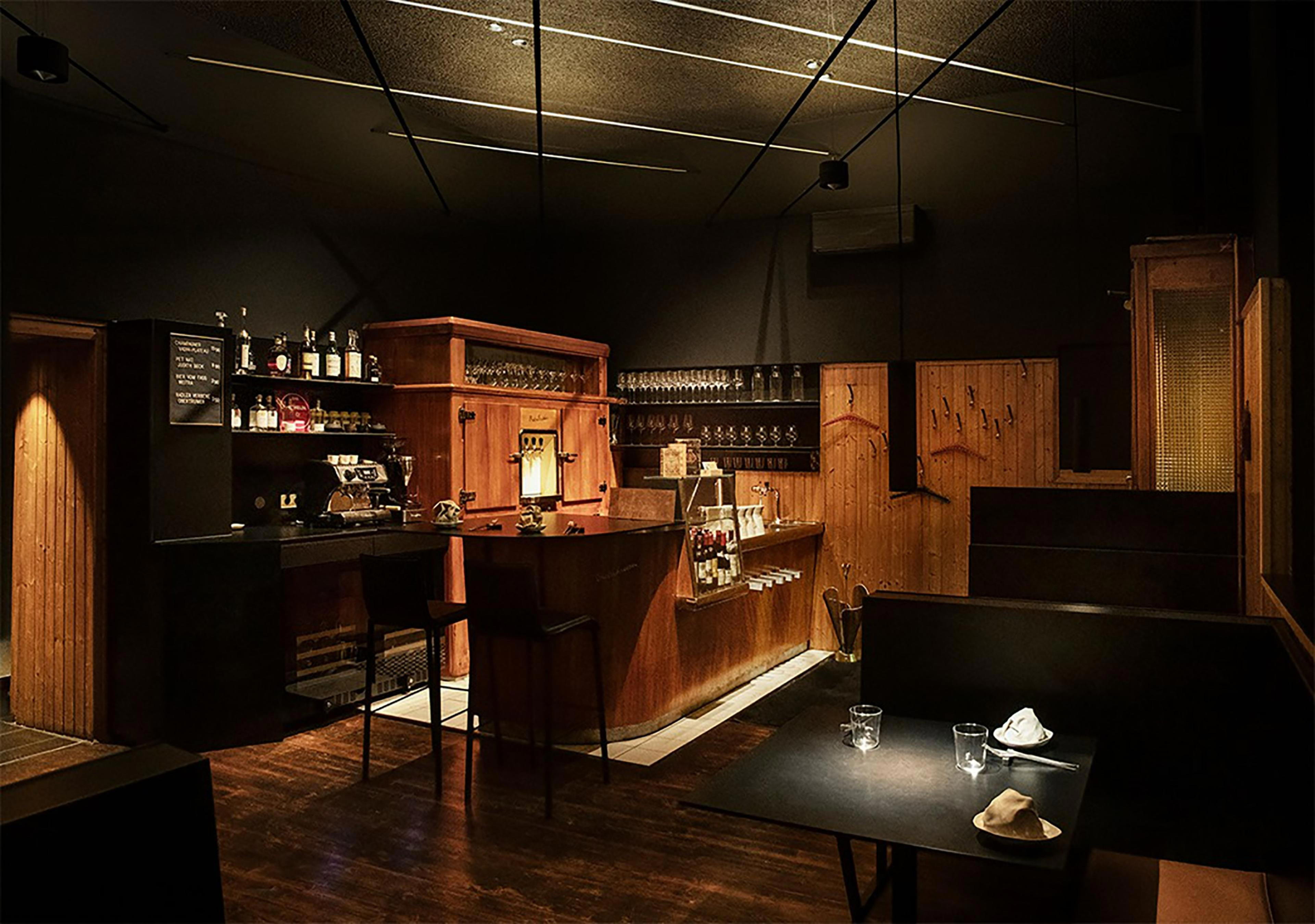
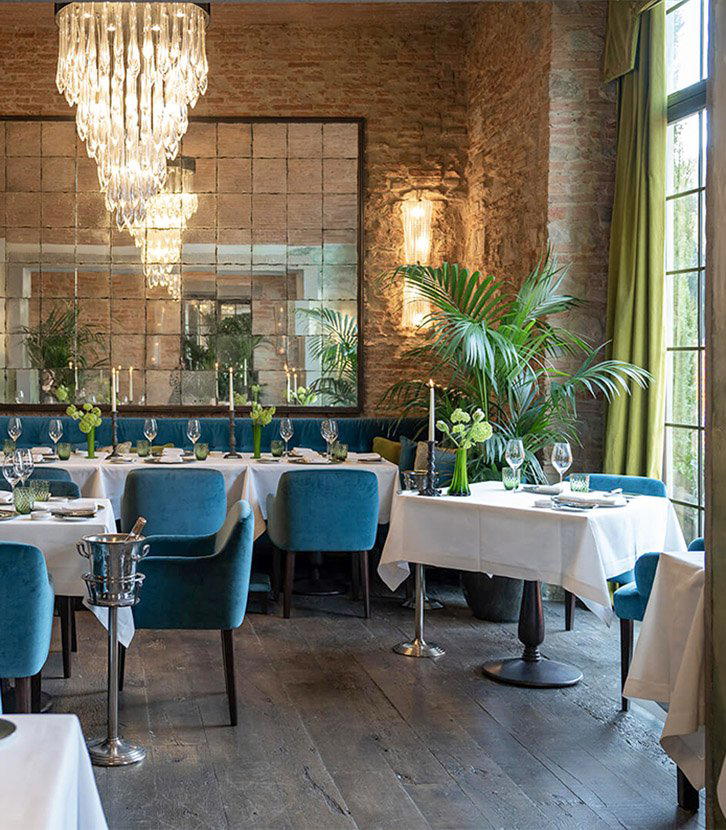
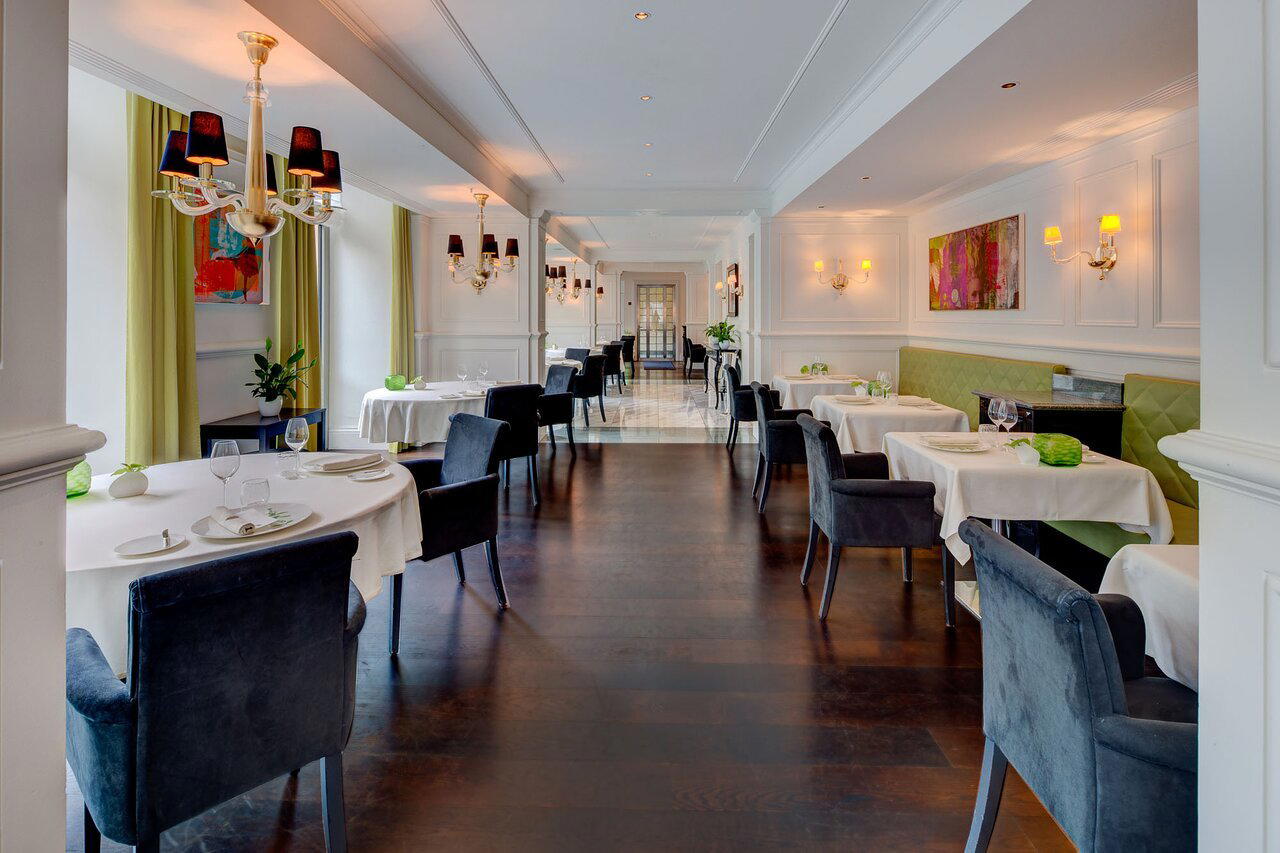
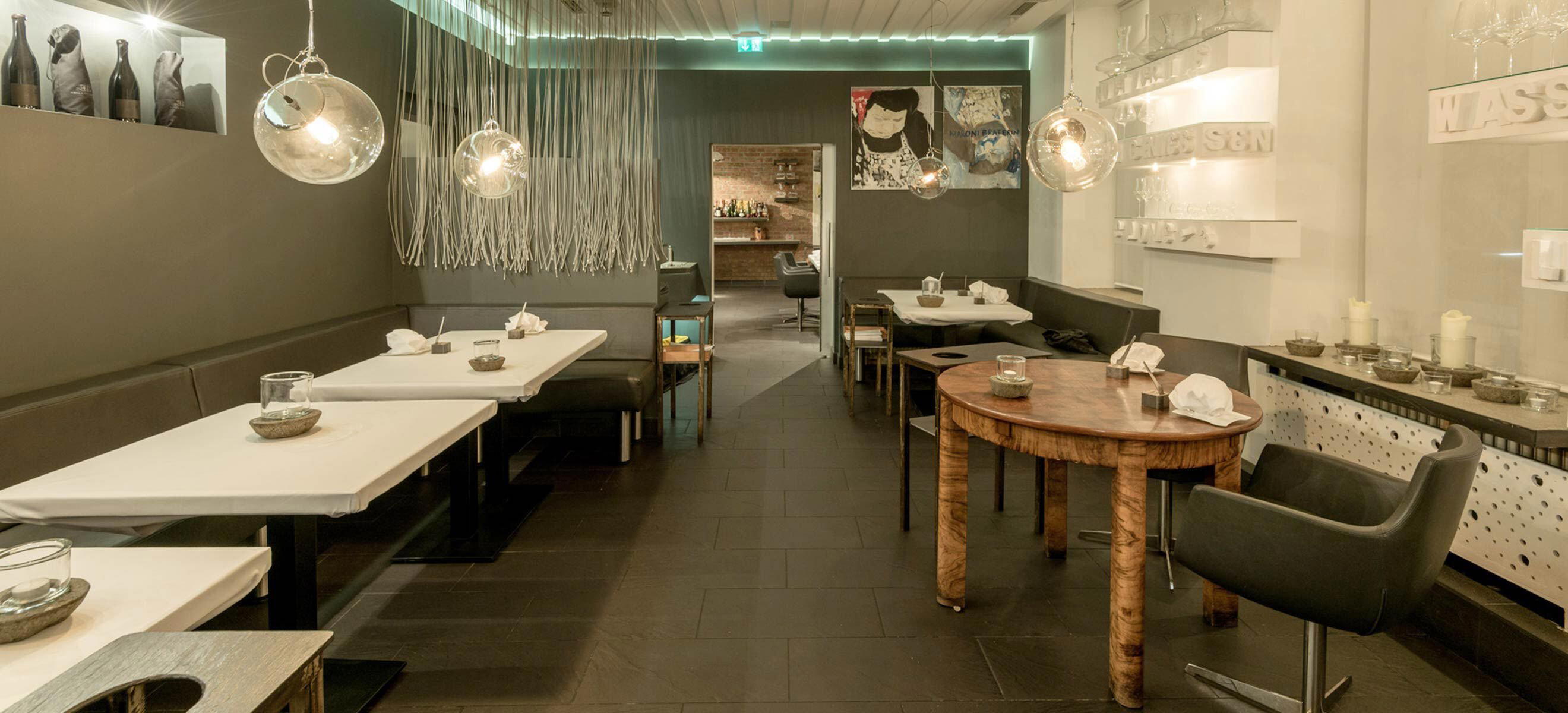
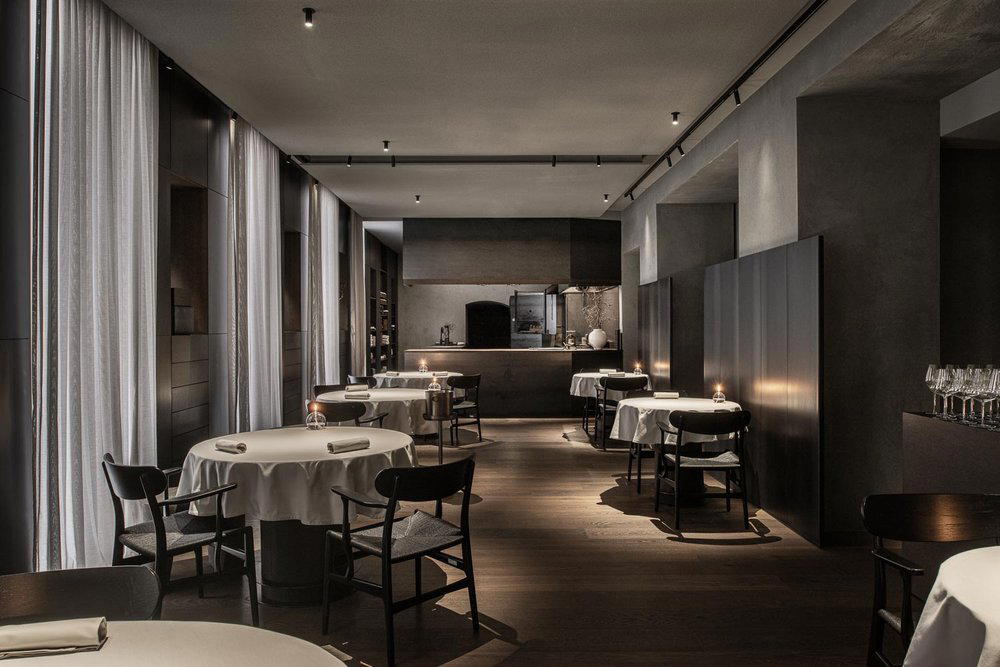
Bars in Vienna
Browse all →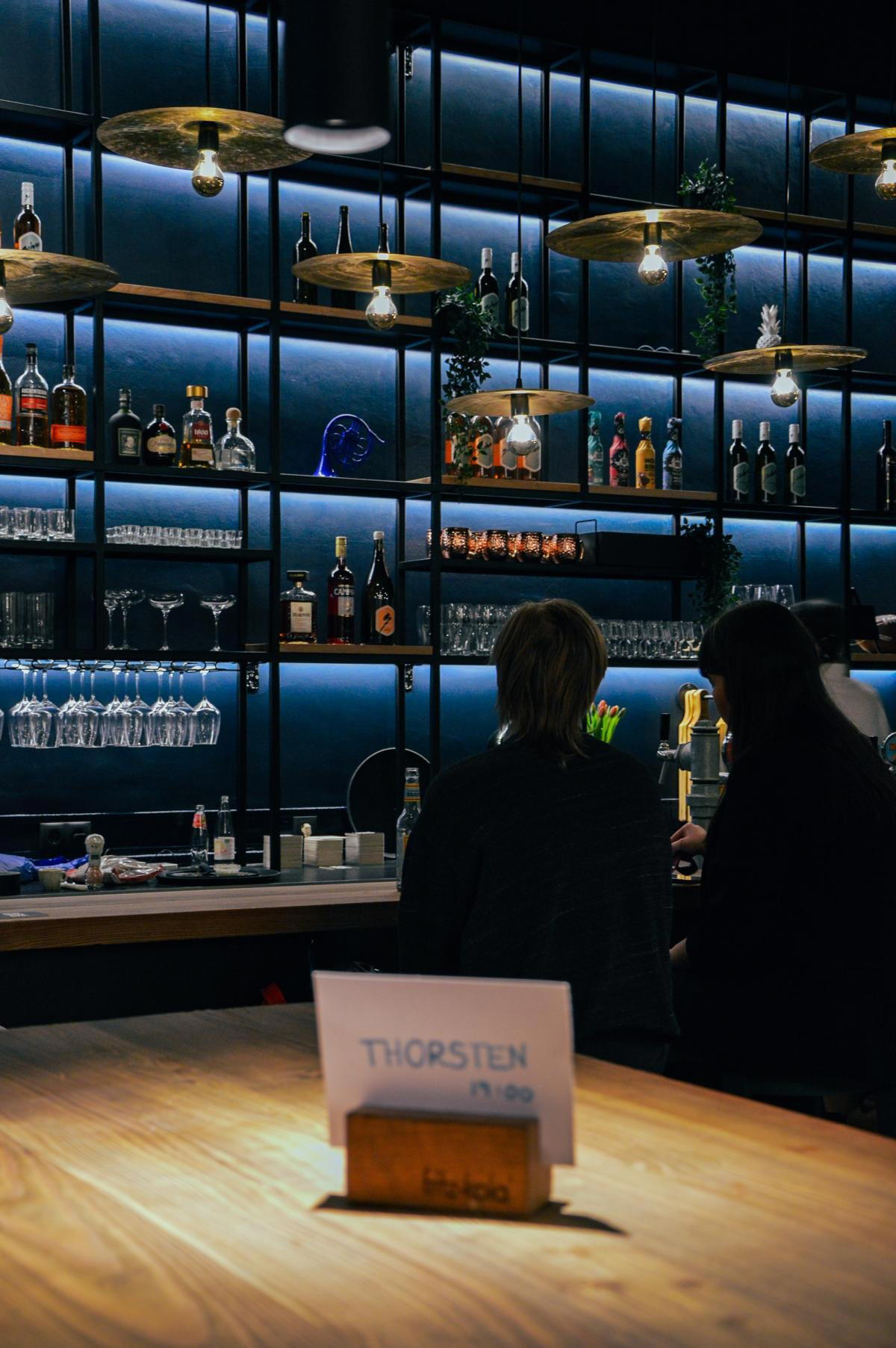
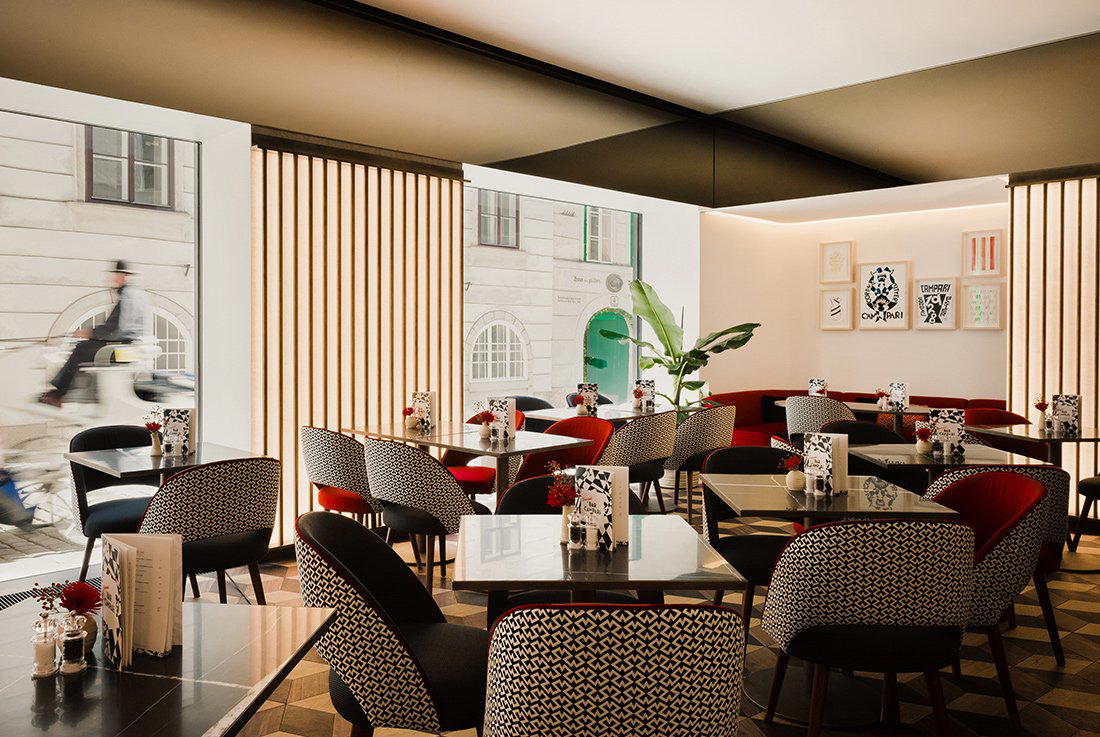
Hotels in Vienna
Browse all →
At a Glance
- Trendy
- Casual
- Modern
- Casual Hangout
- After Work
- Standalone
- Open Kitchen
- Beer Program
- Local Sourcing
- Organic
Current opening hours
- Monday
- Closed
- Tuesday
- 11:30 AM–10 PM
- Wednesday
- 11:30 AM–10 PM
- Thursday
- 11:30 AM–10 PM
- Friday
- 11:30 AM–10 PM
- Saturday
- 11:30 AM–10 PM
- Sunday
- 12–8:30 PM
Hours can change for holidays and private events. Last verified .
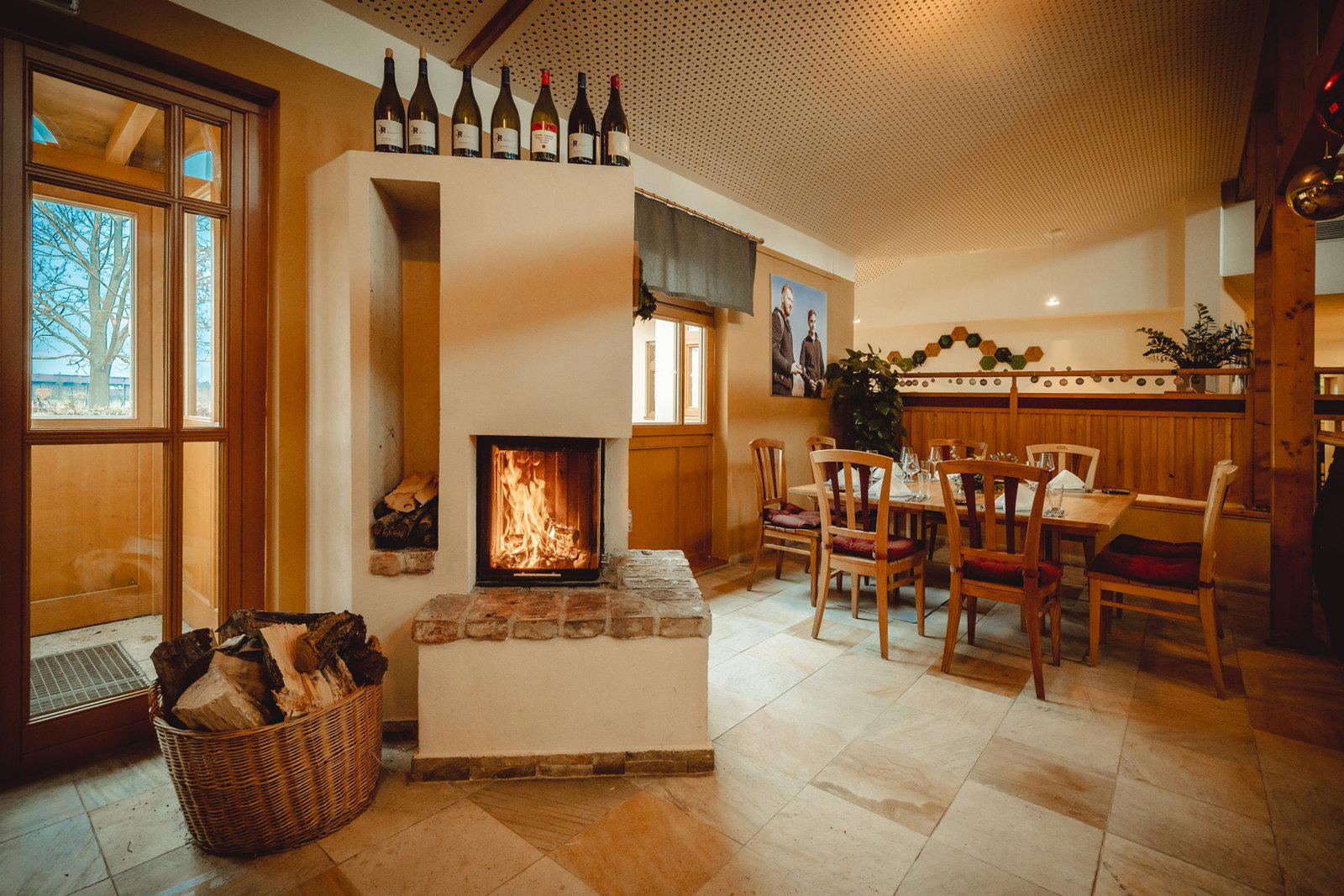
Casual, energetic corner restaurant with a focus on quality ingredients and a curated beer selection in Vienna's Servitenviertel neighborhood.