In Vienna's 2nd district, Budapest Bagel Vienna occupies a space where Central European bagel tradition meets the city's growing appetite for casual, conscientious eating. Located on Lilienbrunngasse 3 in the Leopoldstadt neighbourhood, it represents a category of dining that sits well outside Vienna's formal restaurant circuit, approachable in format, specific in identity, and rooted in a food tradition that crosses borders.
Pearl is the En Primeur Club membership app — saves, bookings, and concierge access live there. Same editors, same standards.
- Address
- Lilienbrunngasse 3, 1020 Wien, Austria
- Phone
- +436504880821
- Website
- facebook.com
- Directions
- Get directions
 Saves & bookings on Pearl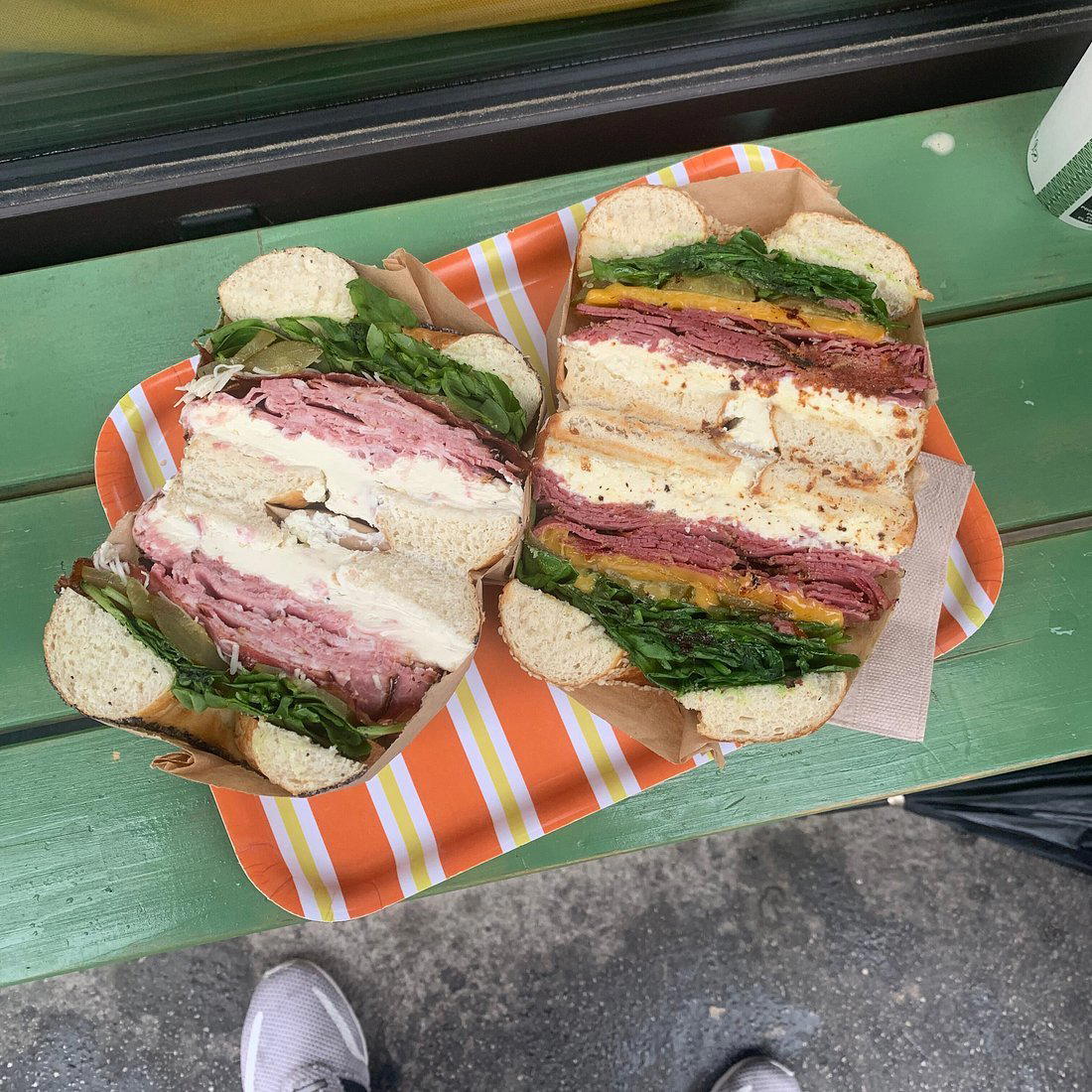
Leopoldstadt and the Return of the Bagel
Vienna's 2nd district has always carried a particular historical weight. Leopoldstadt, once the centre of the city's Jewish community, has seen its food culture shift across centuries, from traditional Ashkenazi kitchens to postwar erasure to a contemporary neighbourhood revival that has brought new cafes, markets, and casual venues to its streets. The bagel, that most distinctly Central European of breads before it was exported and industrialised elsewhere, belongs to this geography in a way that feels less like trend and more like repatriation.
Budapest Bagel Vienna, at Lilienbrunngasse 3 in this same district, sits at the intersection of that historical thread and the city's present-day appetite for food that is honest in format and specific in provenance. The name itself signals a regional rather than an Anglo-American reference point: Budapest, not Brooklyn. The bagel here is framed as a Central European object, not a New York import.
A Format That Works Against Vienna's Formal Grain
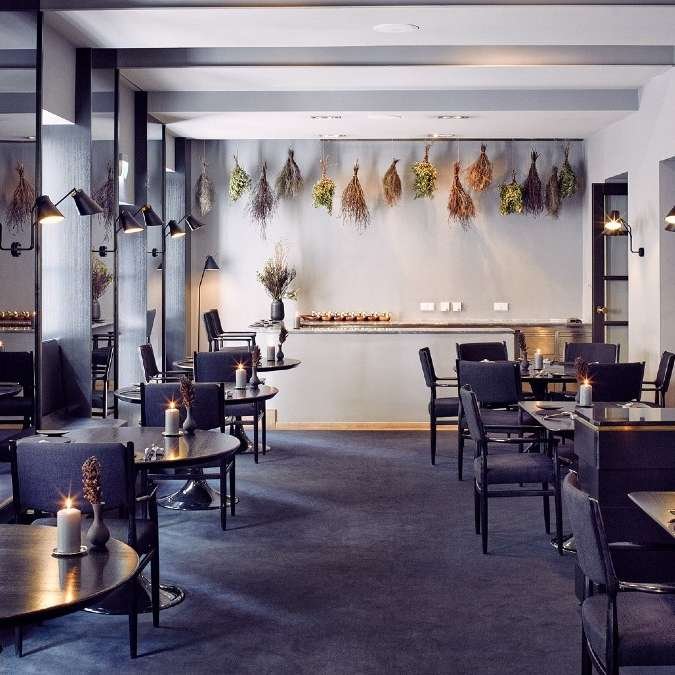
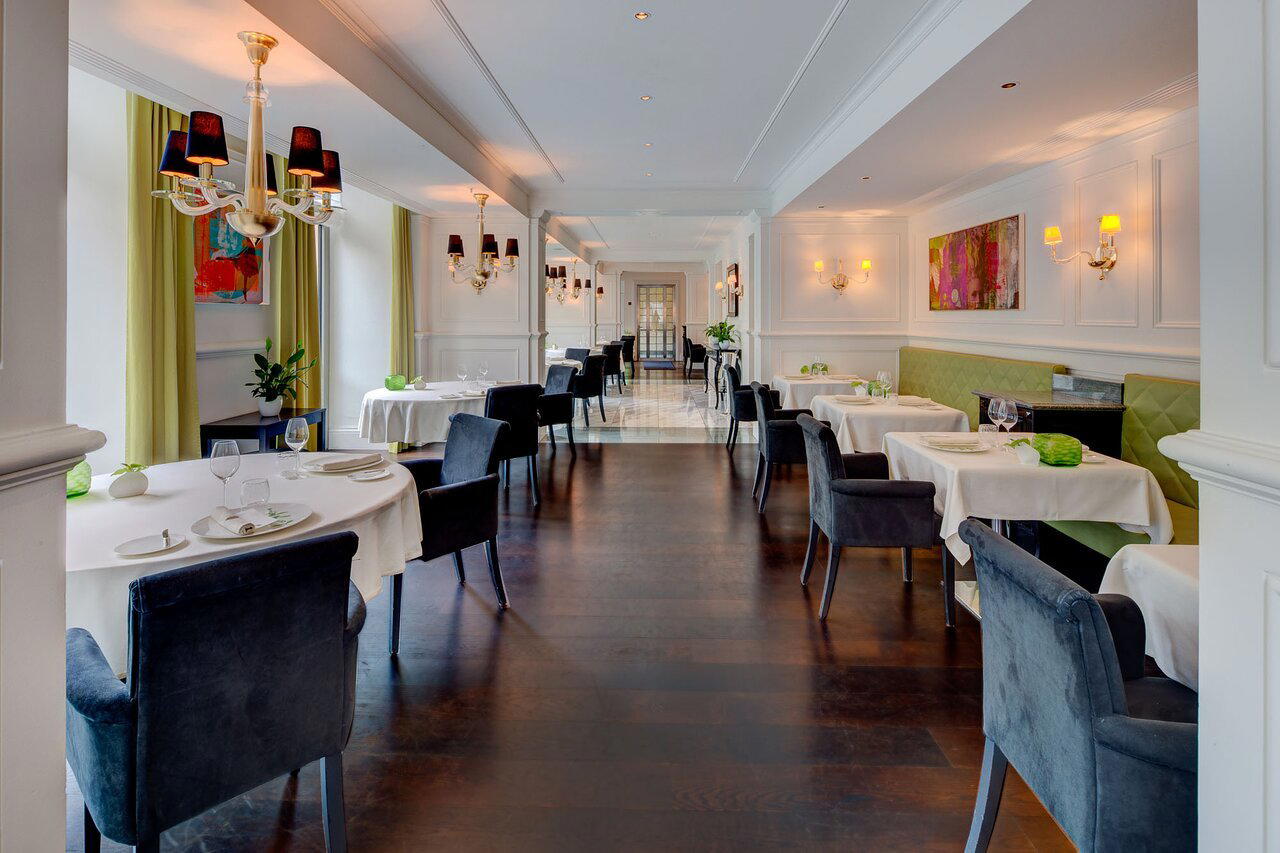
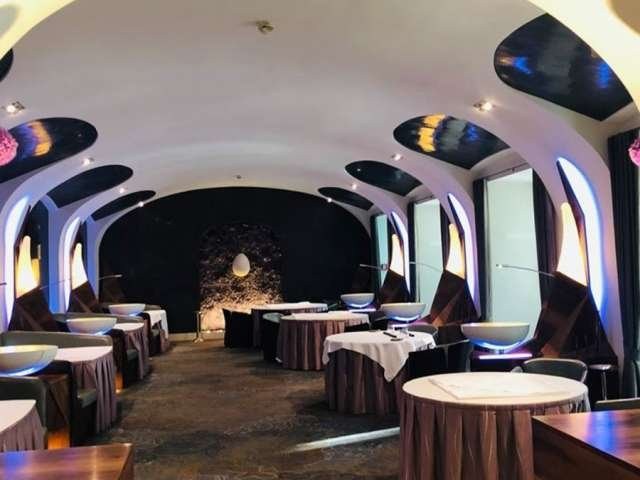
Vienna's restaurant scene is, at its upper tier, one of the more formally structured in Central Europe. Venues like Steirereck im Stadtpark, Amador, and Konstantin Filippou operate at a €€€€ price point with tasting menu formats and the full apparatus of fine dining service. Even mid-tier creative venues, Mraz & Sohn and Doubek, carry a level of deliberate curation that places them closer to the formal end of the spectrum than the casual.
Budapest Bagel Vienna operates in a different register entirely. The bagel format is inherently democratic: it does not require booking months ahead, it does not demand a dress code, and it does not presuppose a two-hour window in the diner's schedule. That accessibility is not a compromise, it is the point. In cities where casual-format venues have increasingly become the proving ground for food ideas that matter, the bagel shop occupies a position of quiet seriousness that the tasting menu cannot always reach.
Across Austria's broader dining map, the contrast is even sharper. Destinations like Döllerer in Golling an der Salzach, Obauer in Werfen, and Landhaus Bacher in Mautern an der Donau draw serious diners into the countryside for multi-course experiences. Budapest Bagel Vienna makes no such demands on your itinerary.
The Sustainability Question in Casual Dining
The sustainability conversation in food has historically been loudest at the fine dining end of the market. Chefs at destination restaurants, the kind of venues you find profiled alongside Kräuterreich by Vitus Winkler or Taubenkobel in Schützen am Gebirge, have built sourcing narratives, kitchen garden programs, and waste-reduction systems into their identity. But the per-cover footprint of a fine dining kitchen, with its elaborate mise en place, extended service windows, and complex supply chains, is not always one efficient use of ethical food practices.
Casual-format venues like bagel shops operate with a structural advantage in this respect. A shorter, more focused menu means less ingredient redundancy and lower spoilage rates. The bagel itself, a product that requires time, craft, and specific technique rather than elaborate sourcing, is a relatively low-waste format when executed with discipline. The question, in any individual venue, is whether that structural advantage is used deliberately or simply inherited by accident.
For a venue in Leopoldstadt, a neighbourhood that now supports a small ecology of market stalls, independent food producers, and community-oriented businesses, the local sourcing imperative is not abstract. The Naschmarkt and the Karmelitermarkt, the latter just a short distance from the 2nd district's residential streets, represent access to Austrian and regional producers that a focused menu can actually use without generating the excess that a broader kitchen would require. This is the practical shape of sustainable casual dining in Vienna, and it is the context in which a venue like Budapest Bagel Vienna operates.
For wider international comparison, consider how venues like Lazy Bear in San Francisco have built ethical sourcing into communal, casual-leaning formats, or how Le Bernardin in New York City has approached sustainability from the opposite end of the formality spectrum. The lesson across both is that the commitment matters more than the price point.
Lilienbrunngasse and the 2nd District Context
Lilienbrunngasse 3 places the venue in the northern part of Leopoldstadt, in the quieter residential grid that sits between the Prater and the district's commercial arteries. This is not the tourist-facing stretch of the 2nd district, it is a neighbourhood address, which tends to mean a local clientele and a pace of service that does not perform for visitors. Venues in this pocket of Vienna tend to earn their regulars through consistency rather than visibility.
Leopoldstadt's dining identity in 2024 is shaped by a mix of long-established addresses, newer casual entrants, and a food culture that is more openly international than much of the inner districts. The Jewish historical connection gives the neighbourhood a specific relationship with Central and Eastern European food traditions, including the bagel, that is not replicated elsewhere in the city. That context is not incidental to what the restaurant represents; it is the reason the venue's name and address make sense together.
Venues across Austria's mountain regions, from Gourmetrestaurant Tannenhof in Sankt Anton am Arlberg to Stüva in Ischgl and Schwarzer Adler in Hall in Tirol, offer a different register of Austrian dining altogether, as does Restaurant 141 by Joachim Jaud in Mieming and Ois in Neufelden. The restaurant occupies none of those registers, which is precisely what defines its position.
Know Before You Go
Address: Lilienbrunngasse 3, 1020 Wien, Austria
District: Leopoldstadt (2nd district)
Price range: About $12 per person
Reservations: Walk-in friendly
Hours: Mon: 8 AM-6 PM; Tue: 8 AM-6 PM; Wed: 8 AM-6 PM; Thu: 8 AM-6 PM; Fri: 8 AM-6 PM; Sat: 9 AM-4 PM; Sun: Closed
City Peers
Comparable venues nearby, for context on price, style, and recognition.
| Venue | Cuisine | Price | Notes |
|---|---|---|---|
| Budapest Bagel ViennaThis venue — the venue you are viewing | New York-Style Bagel Sandwiches | $$ | Not listed |
| The Burgery | Smash Burgers | $$ | Sudbahnhof |
| Smash King | Halal Smash Burgers | $$ | Favoriten |
| Dazwischen | American Sandwiches & Burgers | $$ | Franz Josefs Bahnhof |
| SMASHBOX 1070 | American Smashburgers | $$ | Mariahilf |
| Le Burger | American Smash Burgers | $$ | Neubau |
At a Glance
- Cozy
- Trendy
- Brunch
- Casual Hangout
- Solo
- After Work
- Standalone
- Beer Program
Current opening hours
- Monday
- 8 AM–6 PM
- Tuesday
- 8 AM–6 PM
- Wednesday
- 8 AM–6 PM
- Thursday
- 8 AM–6 PM
- Friday
- 8 AM–6 PM
- Saturday
- 9 AM–4 PM
- Sunday
- Closed
Hours can change for holidays and private events. Last verified .
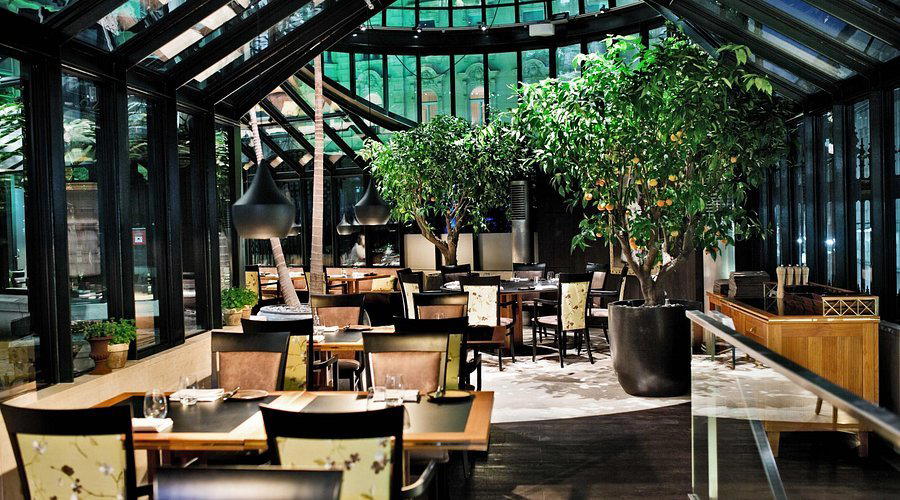
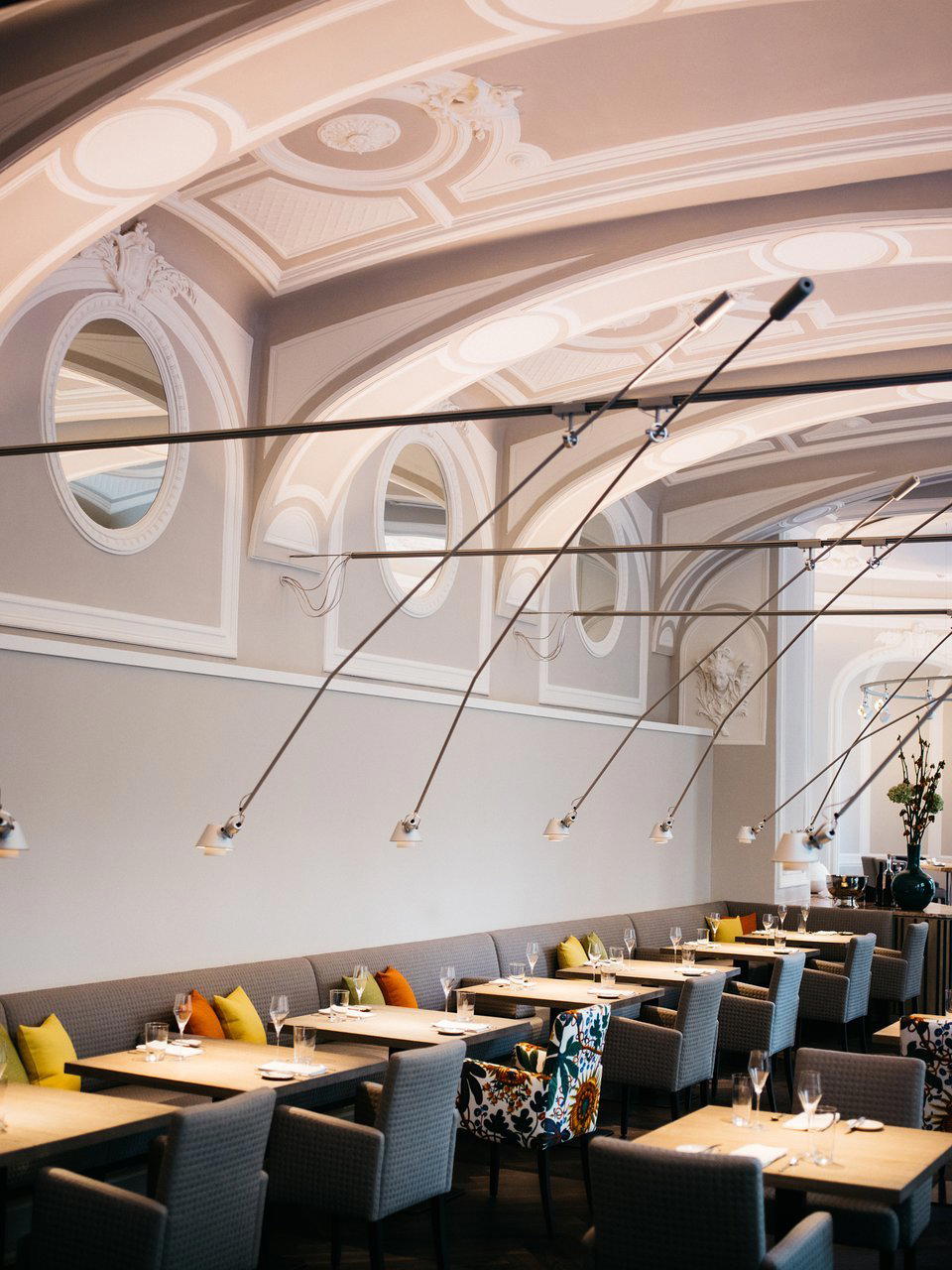
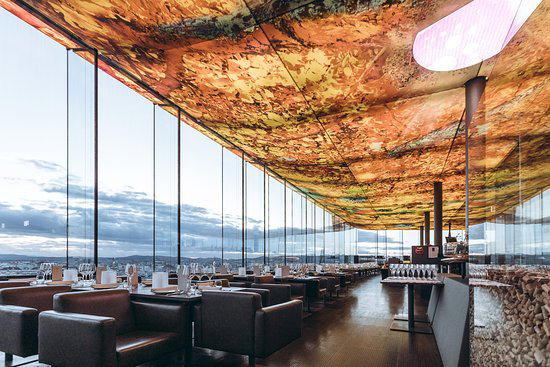
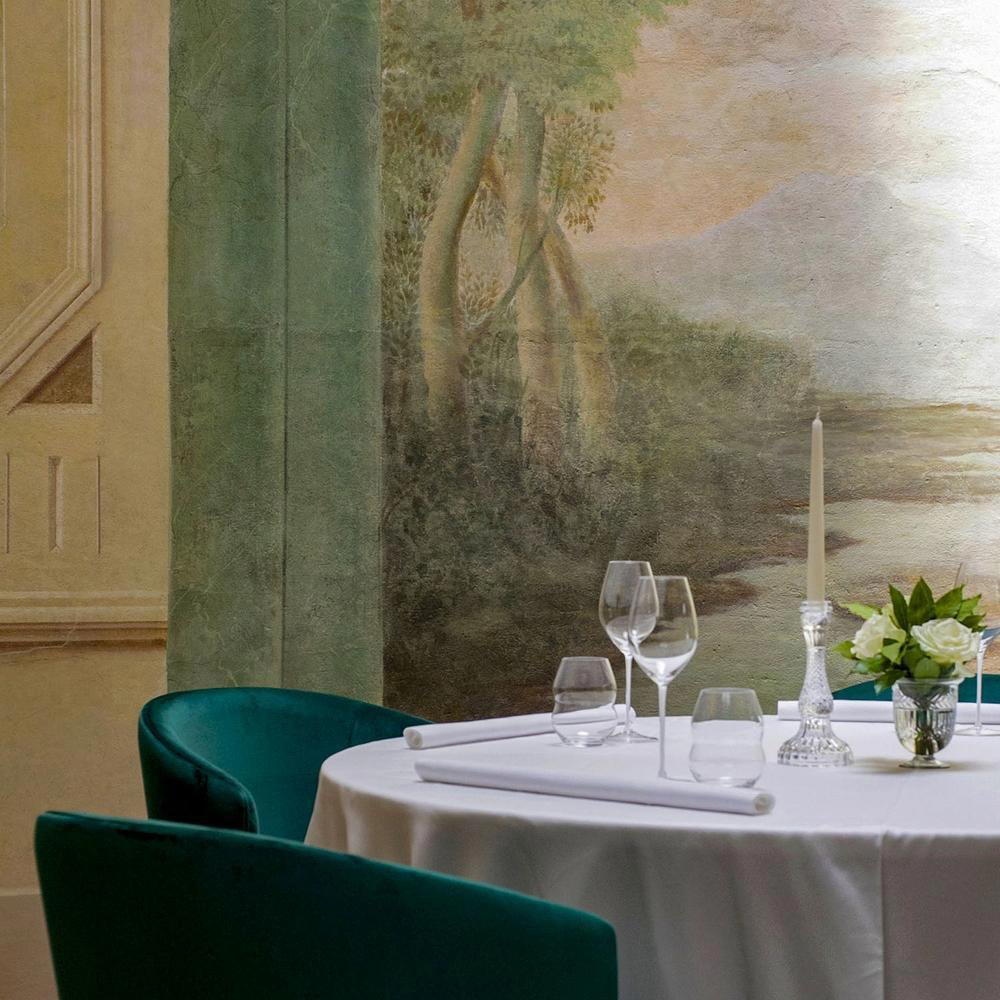
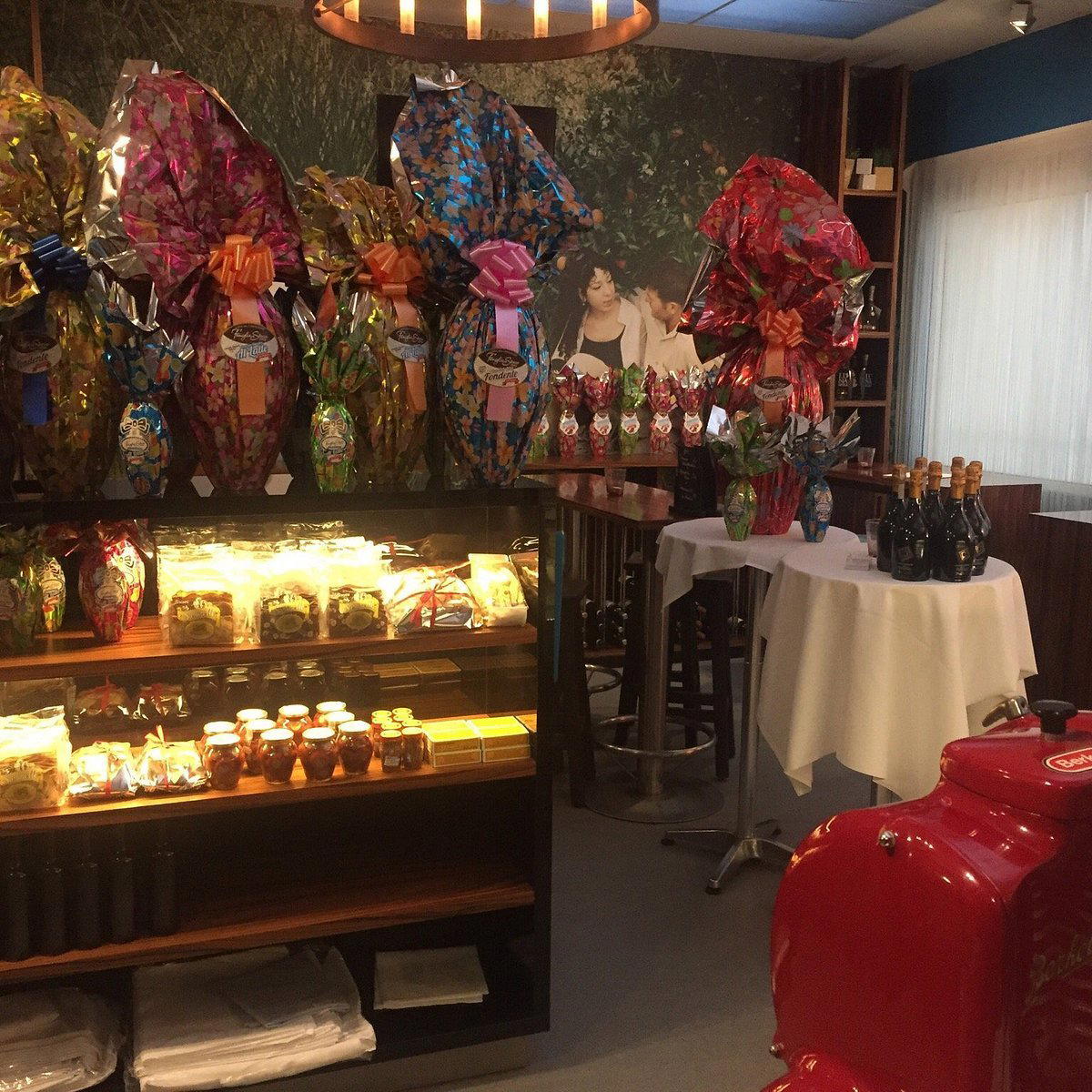
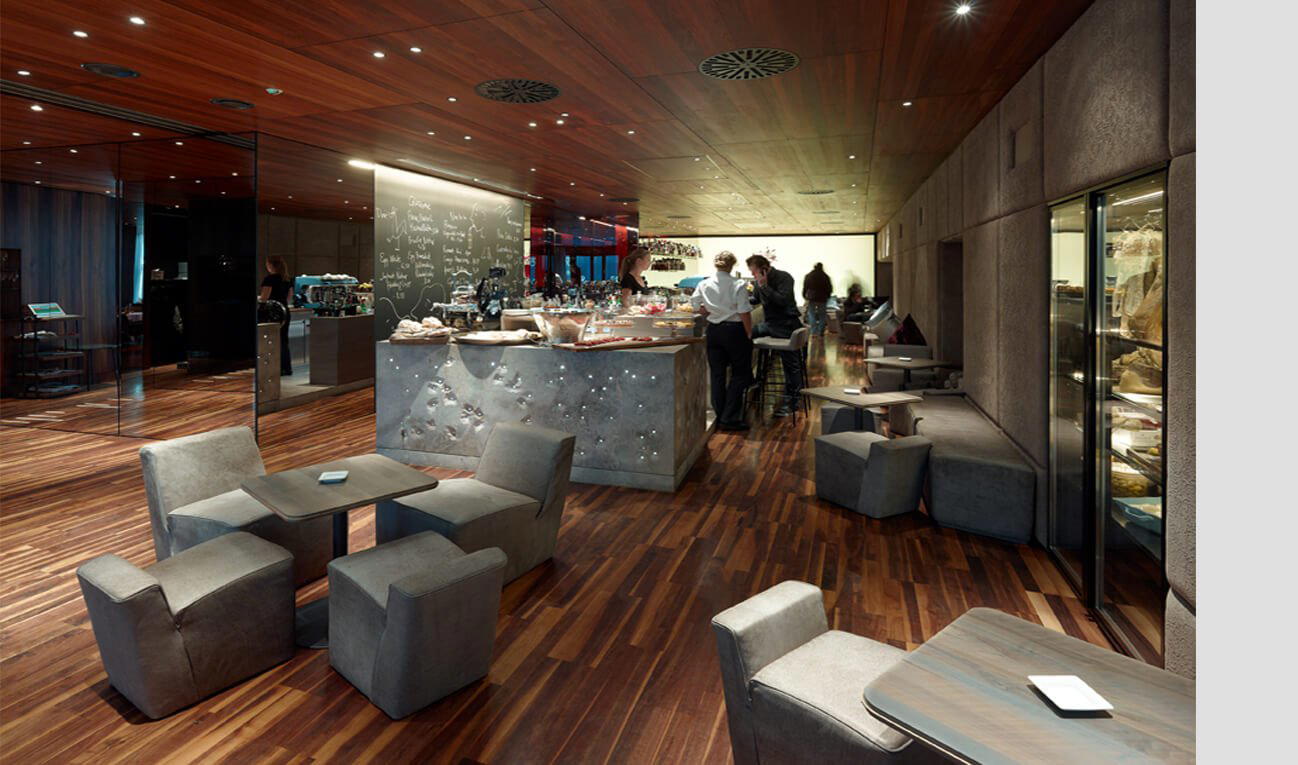
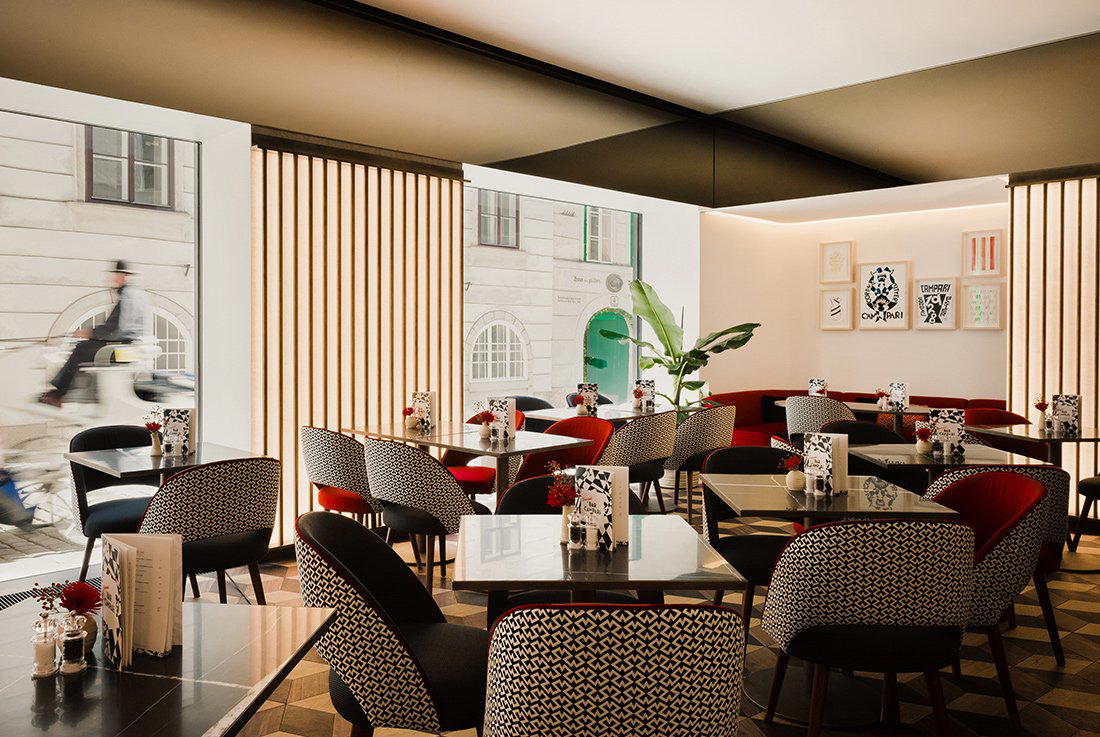
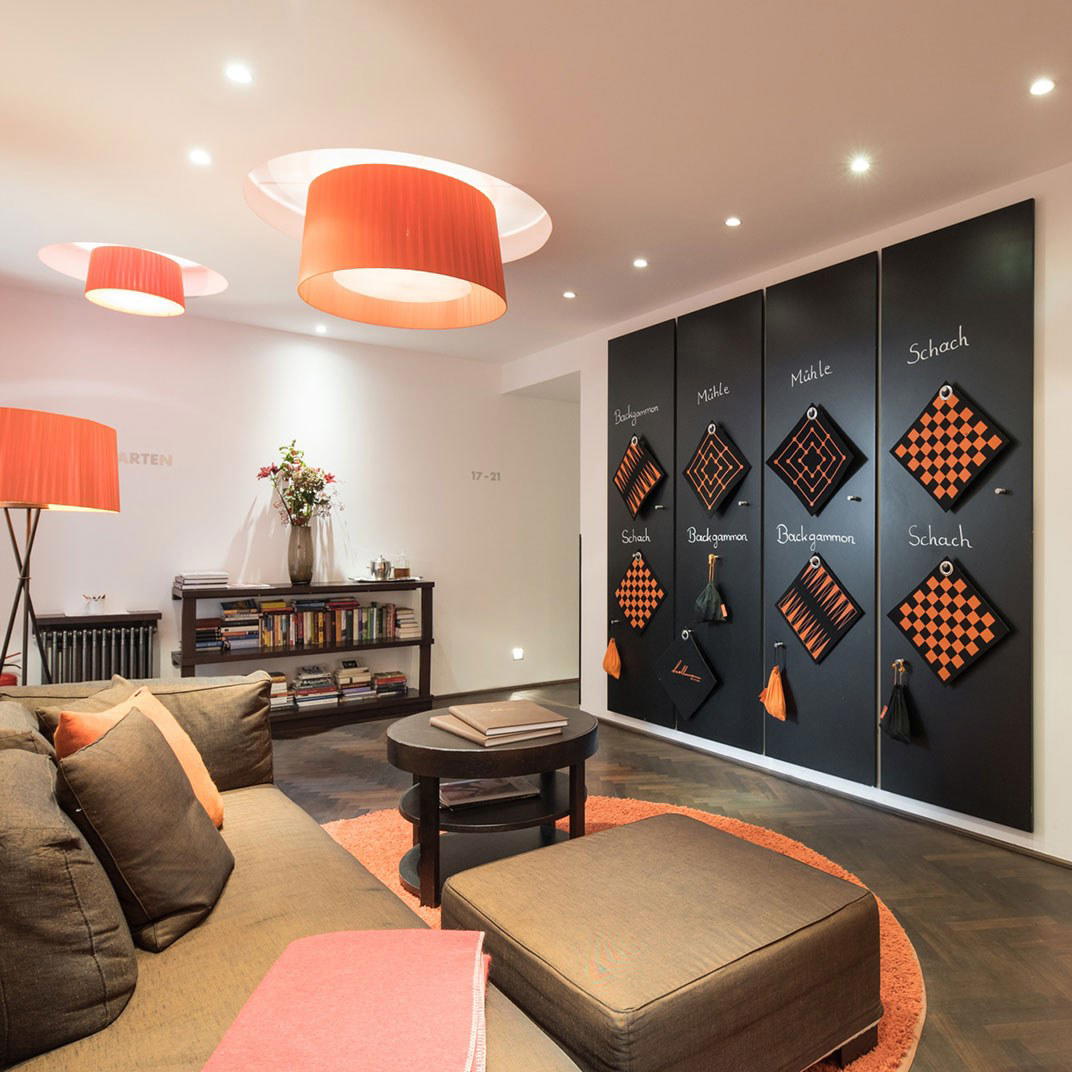
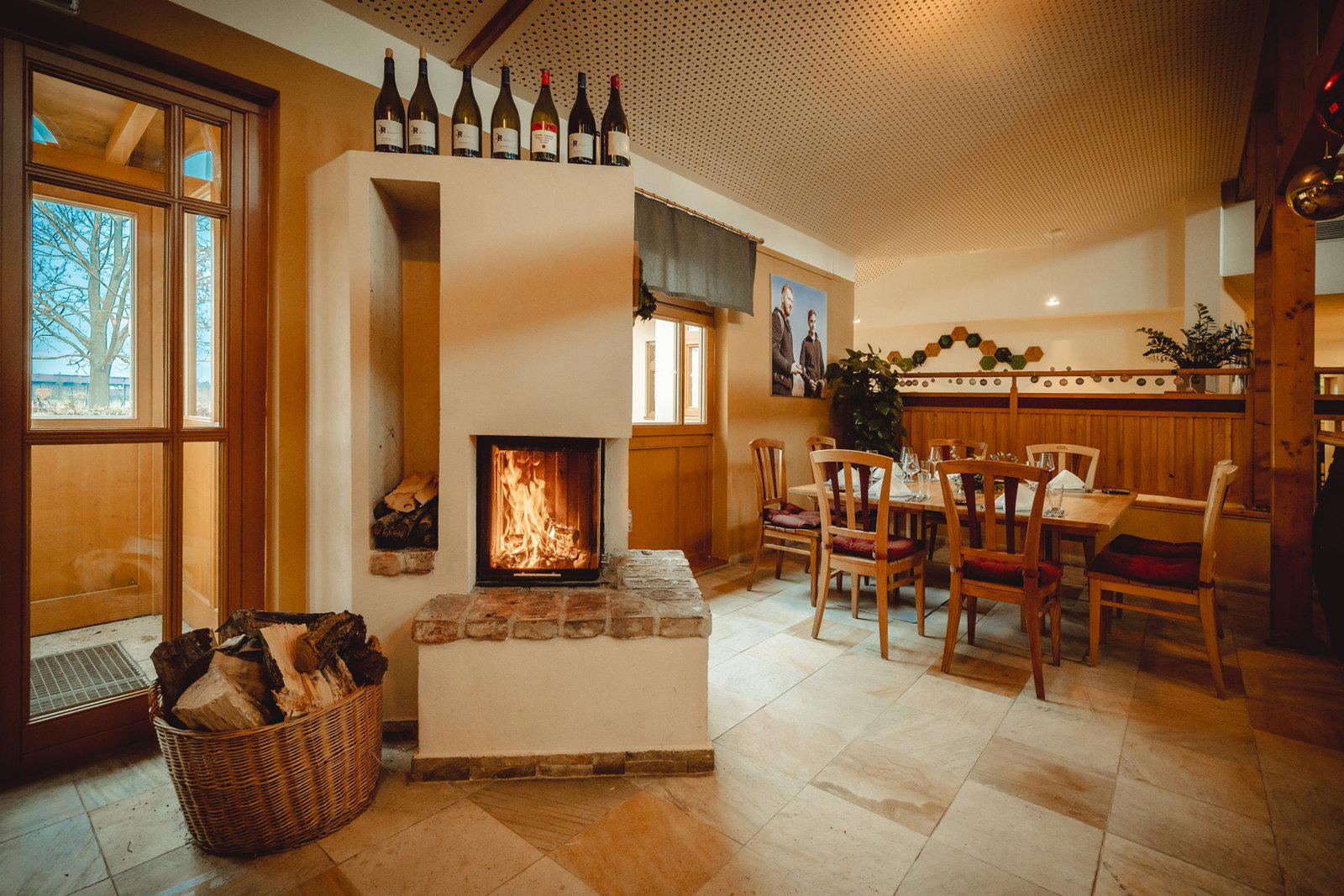
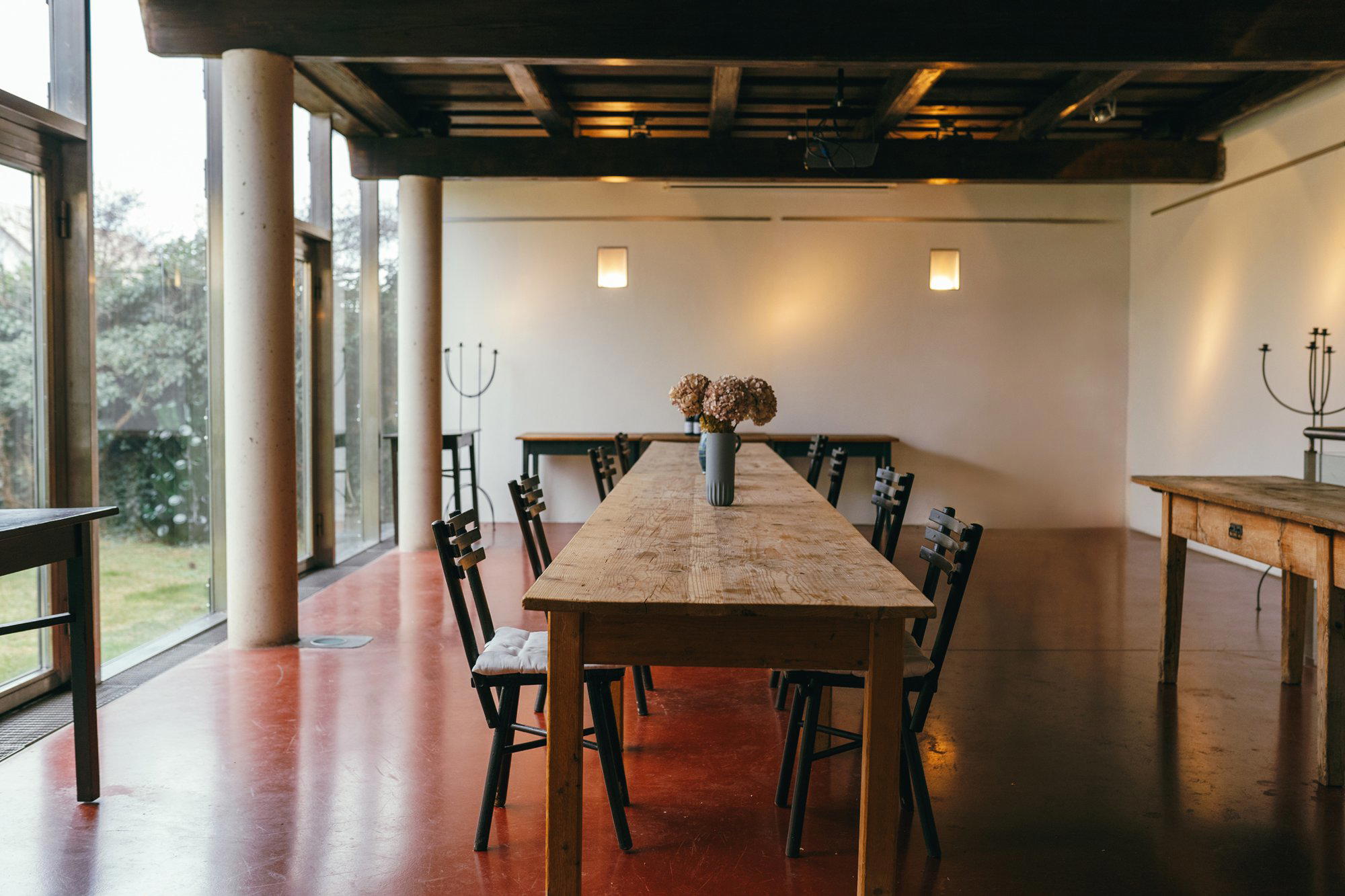
Hip and stylish with retro touches, featuring cool music and a cozy atmosphere despite limited seating; described as having a chill vibe by patrons who appreciate the passion of the owners.