
Tabelog 100 #80
Our verdict
Gandhi puts Shinjuku’s curry culture in compact form: a small second-floor room near Shinjuku Sanchome, counter seating, and a place on Tabelog’s Curry TOKYO 100 selection for 2024. It belongs to the everyday end of Tokyo dining rather than the luxury circuit, which is exactly why it matters in a district better known to visitors for late-night drinking, department-store dining, and high-spend beef rooms.

Pearl is the En Primeur Club membership app, where members save venues, book tables and use the concierge.
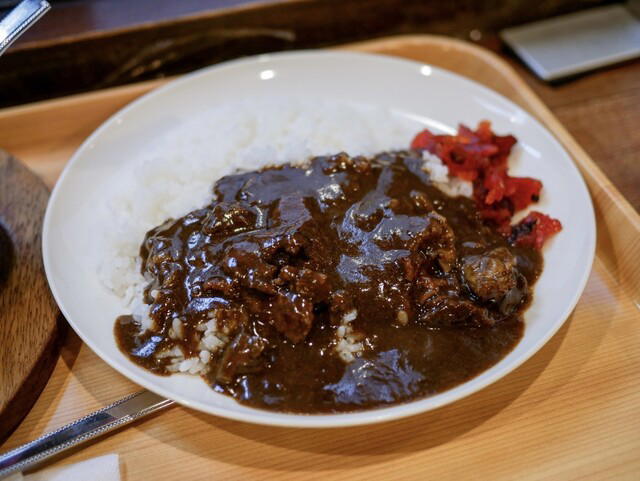
Tokyo curry rooms often announce themselves through compression rather than spectacle: a stairwell, a narrow doorway, the quick shift from street glare to a room built for turnover and regulars. The dining room sets the contract. This is not the ceremonial Tokyo of counter sushi or polished yakiniku around the station, but the quicker, tighter, democratic side of the city’s restaurant culture, where curry carries serious local credibility without demanding a long evening.
Gandhi belongs to that tradition. Its place on Tabelog’s Curry TOKYO 100 list in 2024 puts it in a category Tokyo diners treat with unusual precision. City curry is not one cuisine but parallel languages: yoshoku curry with roux and rice, spice-led shops influenced by South Asian cooking, coffee-shop curries, cutlet curries, and small specialist counters whose reputations are built through repeat use rather than ceremony. A Tabelog curry selection signals sustained local attention in a field where small differences in spice structure, rice handling, and service rhythm matter.
Tokyo curry belongs to the city's everyday serious dining
The useful Tokyo comparison is not only other curry specialists, but the city’s full spread of spending patterns. USHIGORO S. SHINJUKU occupies a high-budget beef lane, Yakiniku Ushigoro Shinjuku sanchome ten another meat-focused register. 新宿割烹 中嶋 points to an older formal dining current, while HEDIARD Shinjuku honten reflects a café and retail rhythm. Curry cuts across them because it can be quick, affordable, and obsessive at once.
That tension makes Tokyo useful for reading the city’s food culture. The city absorbs office workers, shoppers, cinema crowds, retail diners, and late-evening drinkers, then filters them through restaurants from short-stay counters to reservation-led rooms. Curry’s role is practical but not minor: a lunch-and-dinner format that rewards specificity without requiring a tasting menu.
For visitors mapping Tokyo, Gandhi works better as a category marker than a trophy stop. Pair it mentally with other Tokyo curry addresses rather than a luxury dinner room. The question is not which room is grander, but how Tokyo uses curry to express local identity, price discipline, and kitchen focus.
A compact room changes the pace of the meal
The format matters. Gandhi sits in Tokyo’s small-restaurant vernacular, where limited space and quick turnover shape the meal as much as décor does. In a city where counter dining can mean elite omakase or ramen, curry counters occupy a separate lane: less theatrical, more functional, and judged by consistency over performance. Service is read through timing and flow rather than tableside explanation.
At higher-end restaurants, the visible triangle is chef, sommelier, and front-of-house. Curry shops work differently. Collaboration is the compact handoff between kitchen and room: orders, rice, sauce, drinks, payment, and reset. Front-of-house discipline is part of the meal. With a focused menu category, weak coordination shows quickly; strong coordination disappears into rhythm.
Beverage flexibility, when present in Tokyo curry rooms, is a small but telling detail. Tokyo curry is not always drinks-forward, yet the city’s mixed-use nightlife geography makes that flexibility logical. The point is not that curry needs a bar program, but that urban restaurants often straddle meal, pause, and pre-evening use. Gandhi fits that hybrid city rhythm without making curry formal.
Families, friends, and solo diners all help explain curry’s social position in Tokyo. Even in a compact room, the category is not confined to one mode of eating. It accommodates quick individual meals, casual pairs, and small groups more easily than many reservation-heavy formats. That versatility is part of its staying power.
How to place it in a Tokyo itinerary
The practical case is strongest for travellers already planning to be in Tokyo, not those treating one plate as a luxury pilgrimage. Gandhi can be a grounded meal between more elaborate bookings. It also offsets Tokyo itineraries overloaded with sushi counters, wagyu dinners, and hotel bars.
For a broader city sequence, compare Gandhi’s curry rhythm with other casual and specialist rooms across Tokyo. The contrasts show how much dining intelligence sits outside formal tasting-menu culture, from counter traditions to café registers and izakaya-leaning meals.
Travellers extending the lens beyond Tokyo can also read curry and casual Japanese dining through regional contrasts, where familiar formats shift by city, audience, and daily use. Outside Japan, Japanese casual formats shift meaning again, with familiarity, portability, and specialization translated for a different dining public.
The editorial verdict is simple: this is a Tokyo curry address to understand as part of the city’s specialist everyday canon, not as a luxury detour. The Tabelog Curry TOKYO 100 selection gives it a credible local signal, while the small-room format keeps the experience close to the city’s working restaurant pulse. Use Our full Tokyo restaurants guide for the wider dining map, then build around adjacent categories through Our full Tokyo hotels guide, Our full Tokyo bars guide, Our full Tokyo wineries guide, and Our full Tokyo experiences guide.
Local
Comparable venues to calibrate price, style, and recognition.
| Venue | Cuisine | Price | Awards | Notes |
|---|---|---|---|---|
| GandhiThis venue (the venue you are viewing) | Japanese-style European curry house | $10–20 | Tabelog 100 #80 | Not listed |
| Tsunahashi Shinjuku | Traditional Japanese Tempura | $20–30 | Not listed | Not listed |
| USHIGORO S. SHINJUKU | Luxury Wagyu Yakiniku in Private Rooms | $200–300 | Tabelog 100 #14 | JPY 20,000 - JPY 29,999 JPY 15,000 - JPY 19,999 |
| Yakiniku Ushigoro Shinjuku sanchome ten | Luxury Wagyu Yakiniku | $100–150 | Tabelog 100 #28 | JPY 10,000 - JPY 14,999 JPY 5,000 - JPY 5,999 |
| 新宿割烹 中嶋 | Classic Robatayaki | $100–150 | Not listed | Not listed |
| HEDIARD Shinjuku honten | Not listed | Not listed | Tabelog 100 #35 | JPY 1,000 - JPY 1,999 - JPY 999 View spending breakdown |
Recognition history
Dated appearances from independent guides and award organizations, with the underlying list record or original source where available.
Tabelog 100 #80 · No. 80
Tabelog · Tabelog 100 - Curry - TOKYO - 2024
Continue exploring
More in Tokyo
Restaurants in Tokyo
All restaurants in Tokyo →

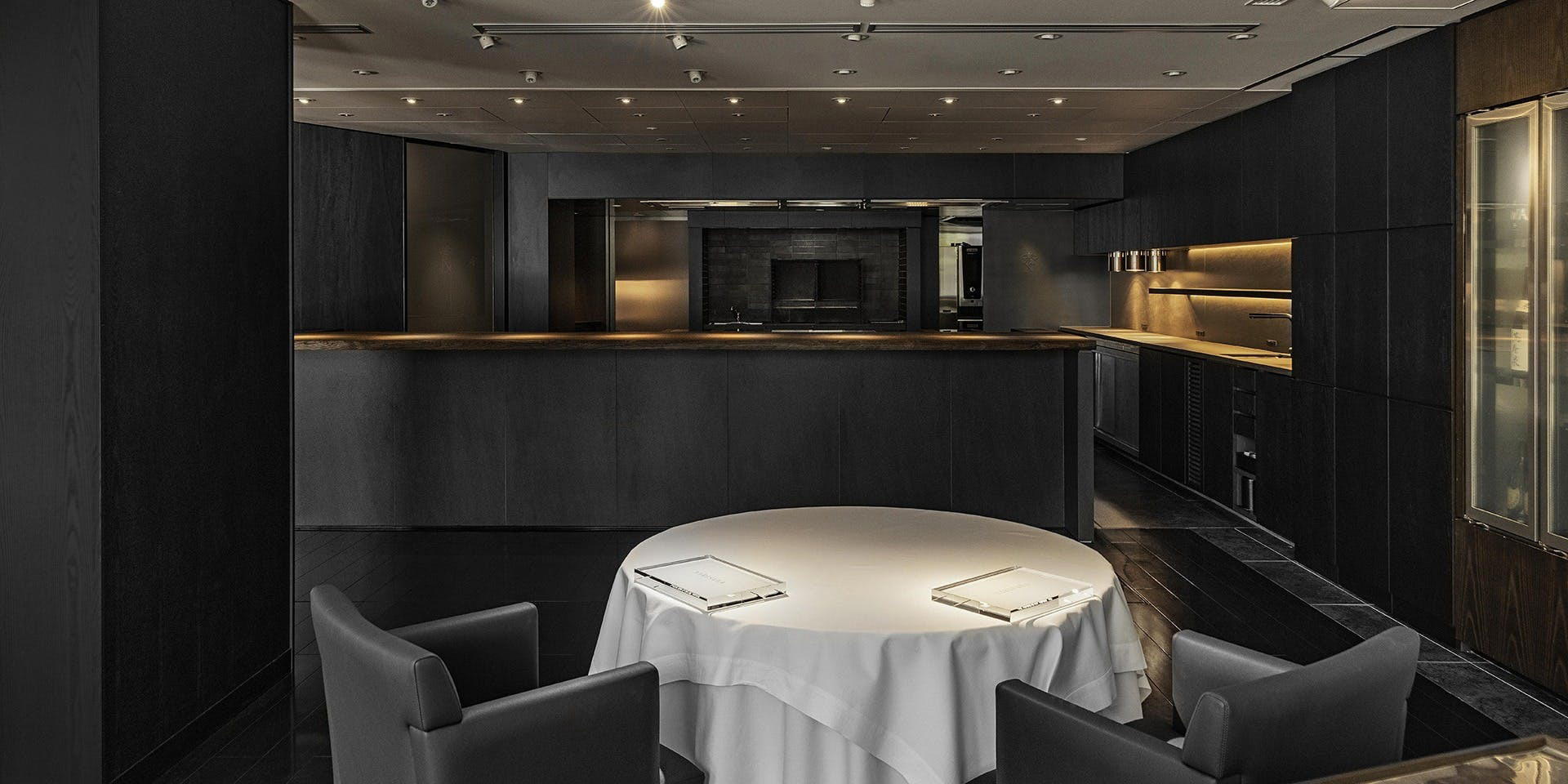


Bars in Tokyo
All bars in Tokyo →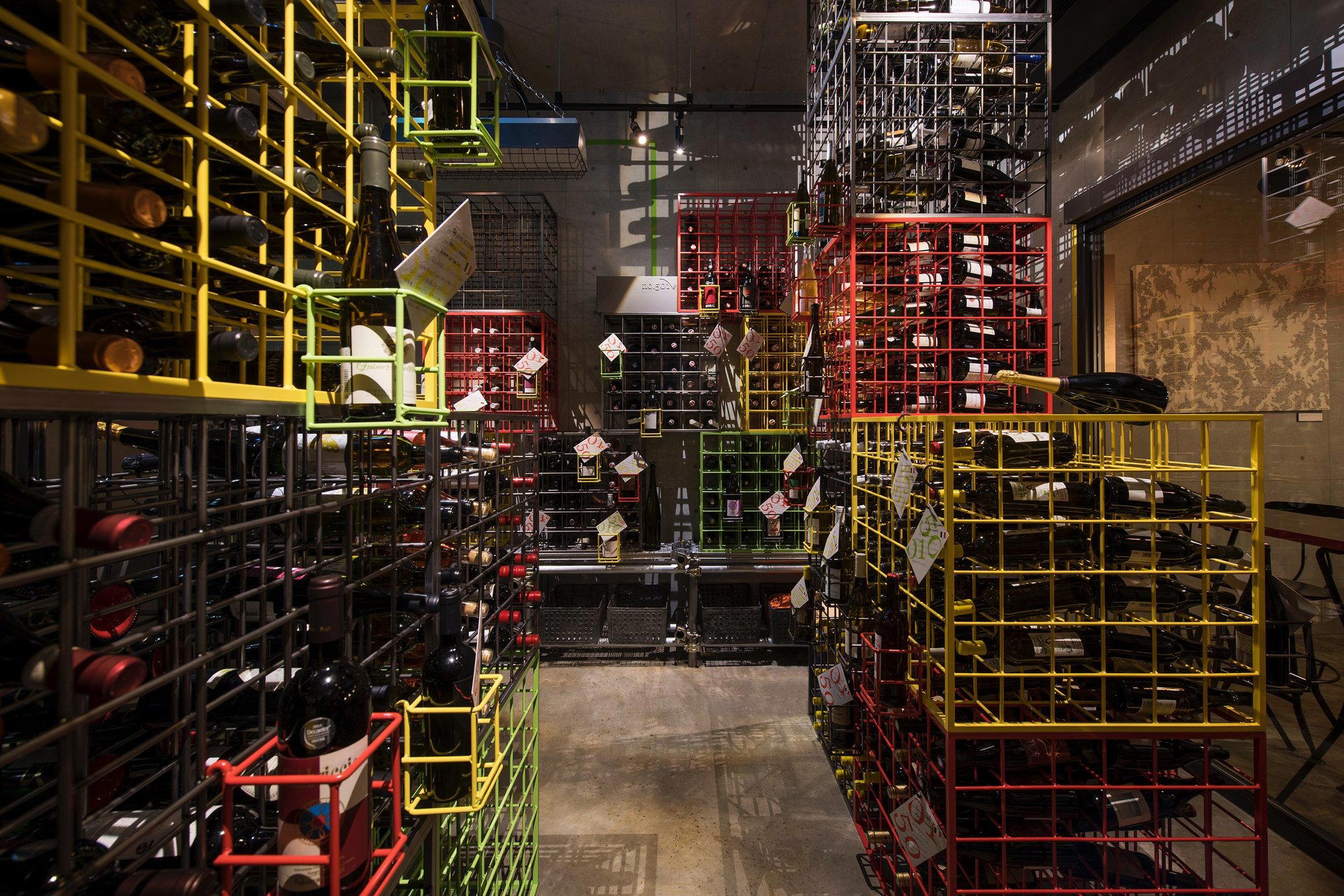


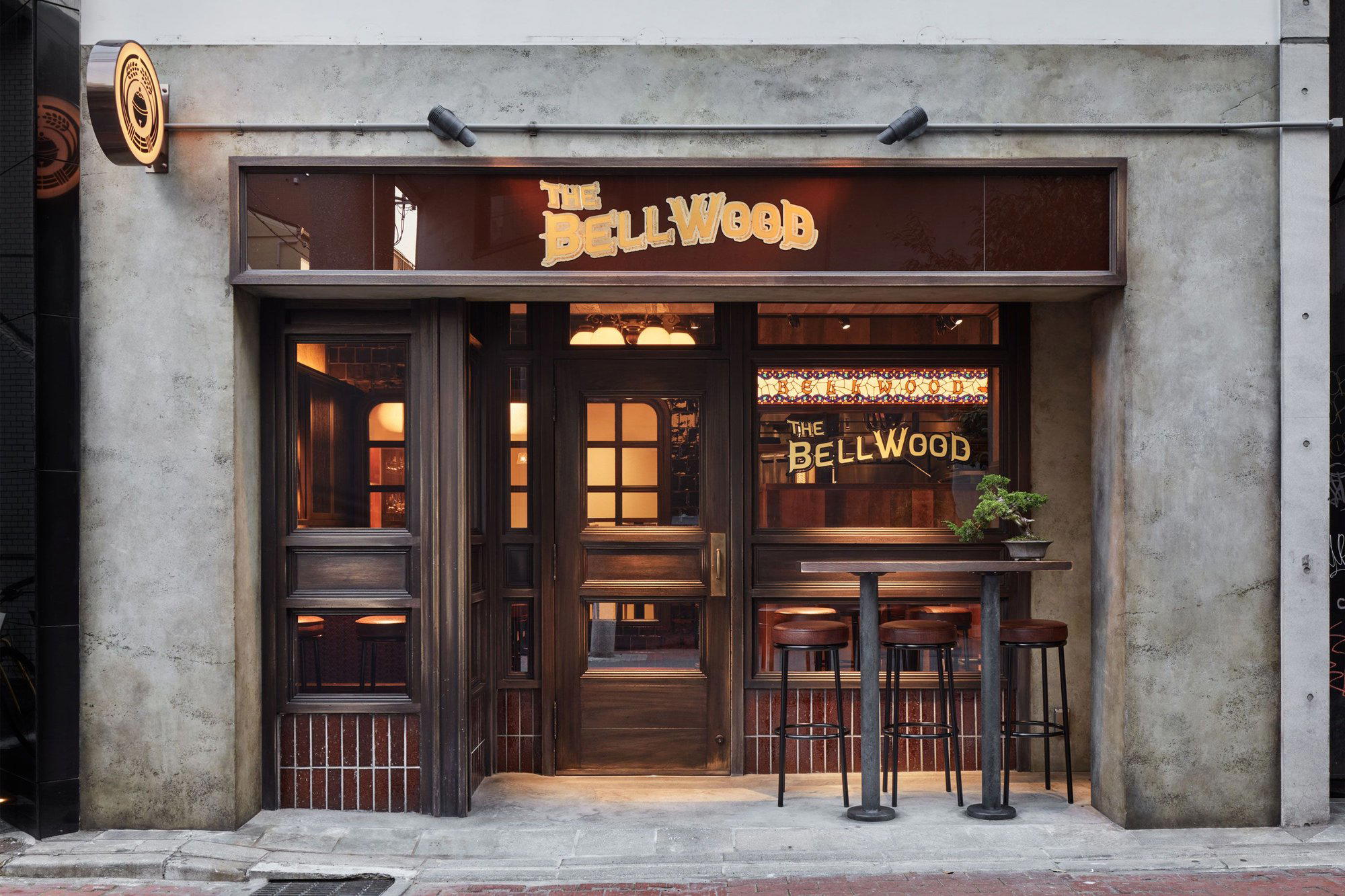

Details
- Cozy
- Classic
- Solo
- Casual Hangout
- After Work
- Family
- Standalone
- A La Carte
- Counter Dining
Current opening hours
- Monday
- 11:30 AM–9 PM
- Tuesday
- 11:30 AM–9 PM
- Wednesday
- 11:30 AM–9 PM
- Thursday
- 11:30 AM–9 PM
- Friday
- 11:30 AM–9 PM
- Saturday
- 11:30 AM–9 PM
- Sunday
- 11:30 AM–9 PM
Hours can change for holidays and private events. Hours as of .
Small, non-smoking and slightly tucked away on the second floor, with counter and two-top seating in a simple but stylish space that feels cozy and relaxed rather than flashy.