
Kagurazaka’s soba culture is built on small rooms, short services, and a respect for buckwheat that rewards planning. Kagurazaka Okawaya sits in that compact, craft-led tier, with Tabelog 100 Soba EAST recognition in 2025 and a format that links soba, tempura, and sake rather than long-course dining.
Pearl is the En Primeur Club membership app — saves, bookings, and concierge access live there. Same editors, same standards.
- Address
- Japan, 〒162-0825 Tokyo, Shinjuku City, 新宿区Kagurazaka, 6 Chome−25
- Phone
- +81 3-3269-5011
- Website
- instagram.com
 Saves & bookings on Pearl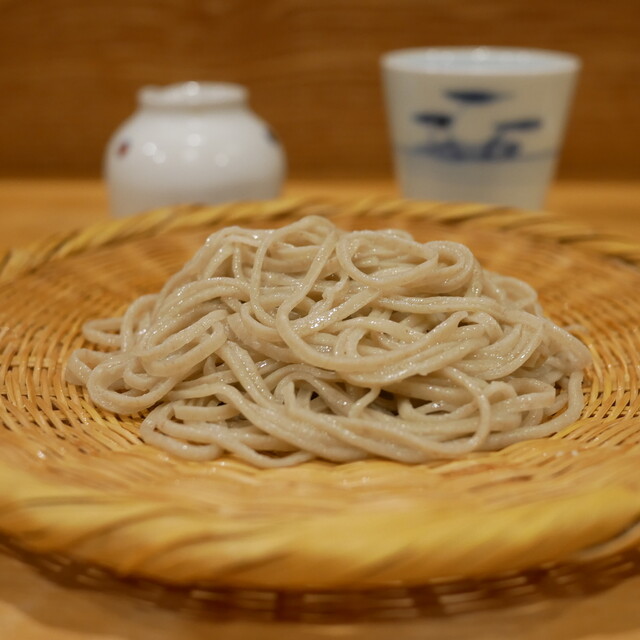
Kagurazaka changes register quickly: slope, side street, low-rise doorway, then a compact dining room where Tokyo noodle culture turns quiet and exacting. This is not the theatrical end of the city’s restaurants, but the soba shop as craft room, where turnover, freshness, and restraint outrank a long menu or chef biography.
That matters in Kagurazaka, a neighbourhood with old entertainment-district bones and a current appetite for intimate restaurants. Nearby addresses swing French, dessert-led, wine-focused, or yakitori, from ATELIER KOHTA Kagurazaka ten to La Matiere, ドゥ・フイユ, Wine Shop Okukagurazaka Shoten, La Châtaigne, and 124. KAGURAZAKA (Yakitori). Soba occupies another lane: less luxury signalling than discipline, with buckwheat handled in small batches, service shaped by limited seating, and a meal that can be austere without feeling thin.
Small-batch soba in a neighbourhood that rewards restraint
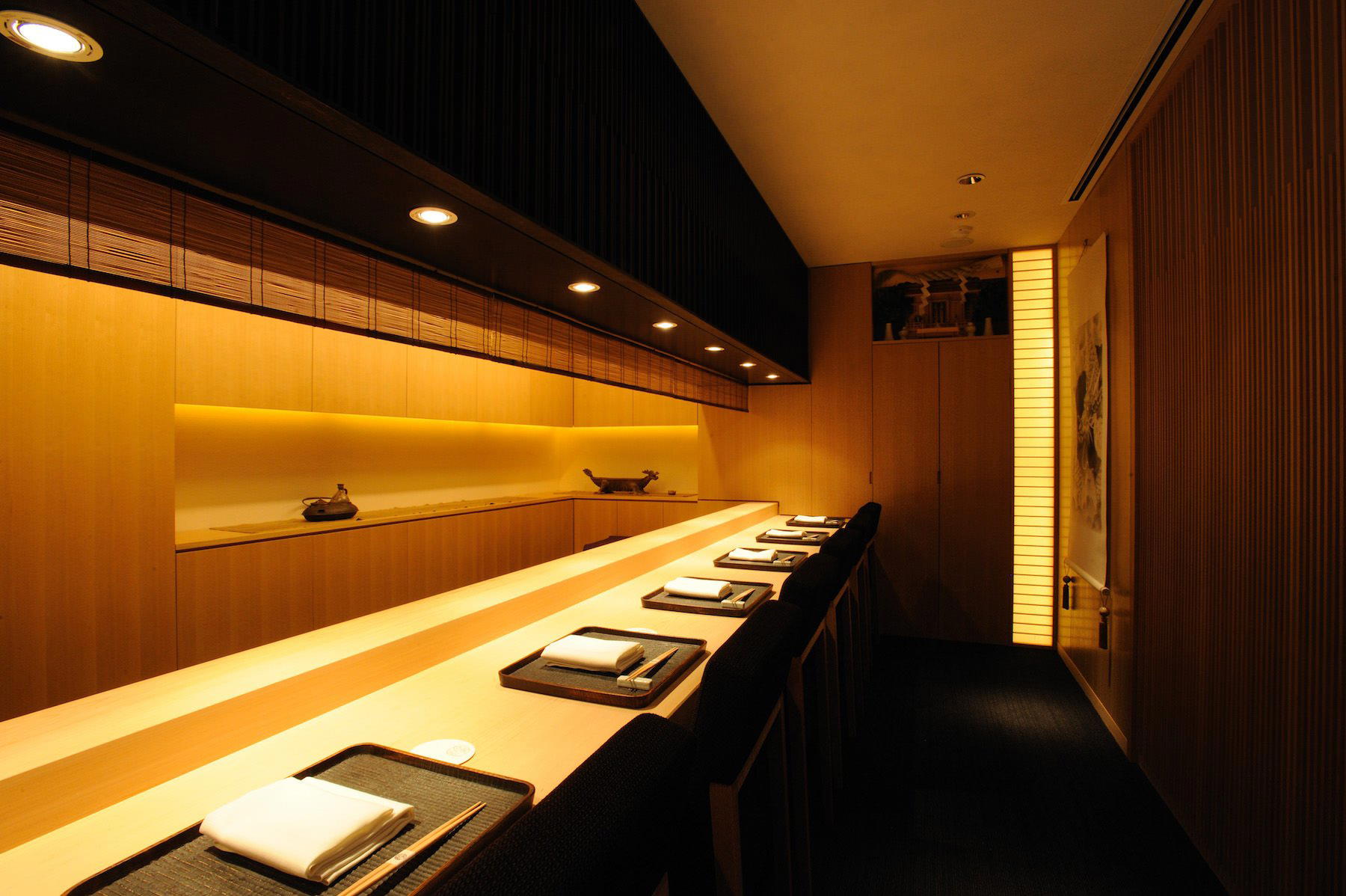
Kagurazaka Okawaya’s strongest editorial signal is format. The room has few seats, including counter seating, and lunch is especially constrained. In Tokyo, scale often says more than decoration: small shops control output tightly, while asking guests to accept the kitchen’s rhythm. Fresh soba is finite, and here capacity becomes part of the experience rather than an inconvenience.
The cooking sits in the soba and tempura category, a pairing with built-in environmental logic when handled seriously. Buckwheat is modest beside resource-heavy luxury proteins, and soba culture prizes clarity over excess. Tempura, as companion rather than banquet, adds contrast without turning the meal into a course parade. The format suits low-waste dining: less menu sprawl, limited production, and a strong link between what is prepared and what can be served that day.
Tokyo has many ways to eat noodles, but soba carries a different social code from ramen or udon. It can be quick, not careless; plain, not casual in technique. The better small soba rooms sit closer to tea ceremony than counter dining in their sense of measure. Kagurazaka Okawaya belongs to that lane, helped by its selection for Tabelog 100 Soba EAST 2025 and earlier Tabelog 100 soba selections in 2024 and 2022. Those awards do not create spectacle; they place the shop in a peer group where craft, consistency, and local reputation matter.
Sake, à la carte pacing, and the quiet economics of scarcity
The evening concept is sake, à la carte dishes, and soba, making the restaurant closer to a compact drinking-and-noodle house than a formal tasting-menu counter. That helps travellers who misread small Tokyo restaurants as omakase-adjacent by default. The attraction is not a long sequence, but the choice to keep the meal narrow and coherent.
That narrowness has consequences. A small soba shop cannot absorb late arrivals, large groups, or diners treating the table as a flexible lounge. Rules around complete parties and individual soba orders reflect a broader Tokyo reality: low-capacity specialists work because guests accept the system. The same logic applies across the city’s tighter independent rooms, whether noodles, yakitori, curry, or coffee. For other Tokyo planning references, EP Club’s restaurant coverage includes . 鮪と炭火焼き うお炭 秋葉原店, 12/10 Shinjuku ten, 2D Cafe, and 3 Chome no Curry Ya San.
Within Kagurazaka, the restaurant is a counterpoint to higher-spend neighbourhood dining. La Châtaigne sits in a pricier bracket, while Wine Shop Okukagurazaka Shoten speaks to the area’s drink-led side. A soba room at this scale asks a different question: how much satisfaction can come from a short meal built on grain, water, frying, and sake? In a city increasingly defined by expensive counters, that feels current rather than nostalgic.
The sustainability angle is embedded in constraints, not slogans. Limited fresh soba reduces pressure to overproduce. A compact room cuts the theatrics of inventory-heavy hospitality. Without course-menu dependency, the meal stays adaptable, while the soba focus avoids the luxury escalation pushing parts of Tokyo dining toward ever-costlier ingredients. This is environmental consciousness by discipline, not branding.
How to read it within a Tokyo itinerary
Kagurazaka Okawaya is better treated as a precise meal than an all-purpose reservation. It suits travellers who know Tokyo’s strongest food experiences are not always the longest or grandest. The sharper comparison is with specialist formats whose rules protect the product. Soba, tempura, sake, limited seating, and Tabelog 100 recognition form the case; the rest is matching expectations to the room.
For visitors building several days in the city, it gives Kagurazaka a clearer role. The neighbourhood can handle a full afternoon of eating and drinking without repeating itself: dessert counters, wine shops, yakitori rooms, French restaurants, and compact Japanese specialists sit close enough to feel dense rather than scattered. Broader planning can sit alongside Our full Tokyo restaurants guide, Our full Tokyo hotels guide, Our full Tokyo bars guide, Our full Tokyo wineries guide, and Our full Tokyo experiences guide.
Japan’s casual-specialist dining is worth reading beyond central Tokyo. EP Club’s wider Japan and overseas coverage includes -Grilled beef Sukiyaki- KAMAKURA TANUKIAN 鎌倉 たぬき庵 in Kamakura.cafe in Osaka.know in Kumamoto, (Shoku) Vietnam in Kawasaki, [Curry Senmon Ten] Maruyama Kyoju. in Sapporo, [ki:] in Kyoto, Jōdo Saké Bar in Los Angeles, and Onigiri Time in Pasadena. The shared lesson is that small formats travel well as editorial categories, but the strictest versions are often in Japan, where capacity and craft are allowed to set the terms.
The verdict is plain: this is a soba address for travellers who value narrow focus over display. The restaurant’s appeal lies in small-room discipline, its sake-and-soba evening rhythm, and its place among Tabelog-recognised soba specialists, not inflated grandeur.
Nearby-ish Comparables
Comparable venues at a similar level for quick context.
| Venue | Cuisine | Price | Notes |
|---|---|---|---|
| Kagurazaka OkawayaThis venue — the venue you are viewing | Traditional Soba & Tempura | $$ | Not listed |
| Shio Ramen Shinka | Traditional Shio Ramen | $$ | Machida |
| Kajitsuen Riberu | Fruit Parlor | $$ | Meguro |
| Yakiniku Hiromiya Shin honten | Yakiniku (Japanese BBQ) Omakase | $$ | Shinjuku |
| Amanoya | Traditional Japanese sweets café & okonomiyaki | $$ | Chiyoda |
| Sanmalo Toukyou ten | Specialty ramen (shoyu, niboshi & seasonal chilled bowls) | $$ | Chiyoda |
Recognition history
Dated appearances from independent guides and award organizations, with the underlying list record or original source where available.
Tabelog 100 #84 · No. 84
Tabelog · Tabelog 100 - Soba - EAST - 2025







At a Glance
- Cozy
- Solo
- Casual Hangout
- After Work
- Standalone
- Sake Program
Current opening hours
- Monday
- Closed
- Tuesday
- Closed
- Wednesday
- 11:30 AM–2 PM, 5:30–8 PM
- Thursday
- 11:30 AM–2 PM, 5:30–8 PM
- Friday
- 11:30 AM–2 PM, 5:30–8 PM
- Saturday
- 11:30 AM–2 PM, 5:30–8 PM
- Sunday
- 11:30 AM–2 PM, 5:30–8 PM
Hours can change for holidays and private events. Last verified .
Intimate neighborhood soba-ya with only 14 seats, simple traditional decor and a relaxed, conversation-level atmosphere typical of a local Kagurazaka noodle house.