Dahuchun is a Shanghai dining institution known for its deep roots in Shanghainese culinary tradition. Sitting within a city that moves faster than almost anywhere, it holds a position that rewards patience and familiarity rather than novelty-seeking. For readers building a serious Shanghai itinerary, it represents one of the cleaner lines into the city's older food culture.
Pearl is the En Primeur Club membership app — saves, bookings, and concierge access live there. Same editors, same standards.
- Address
- Shanghai, China
- Directions
- Get directions
 Saves & bookings on Pearl
What the Room Tells You Before the Food Arrives
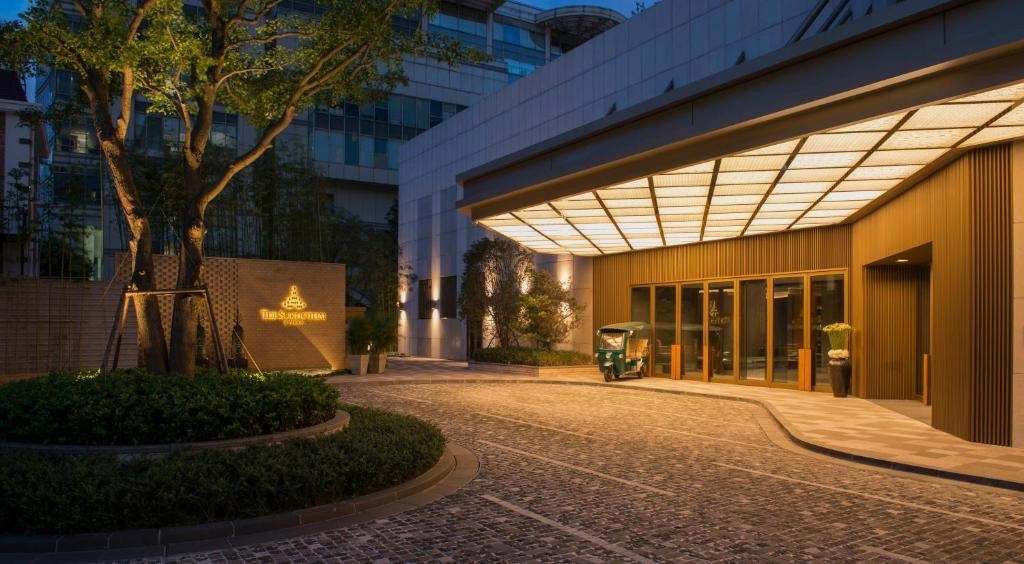
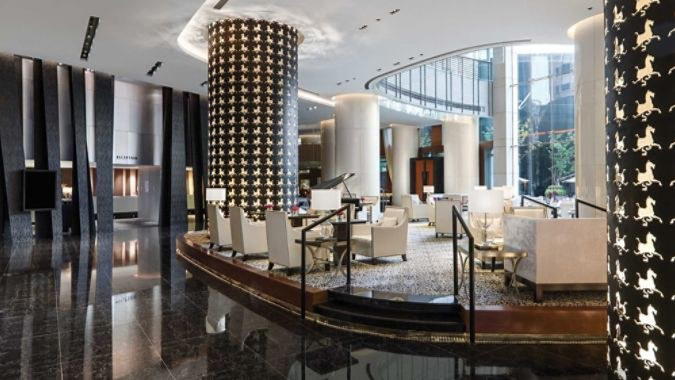
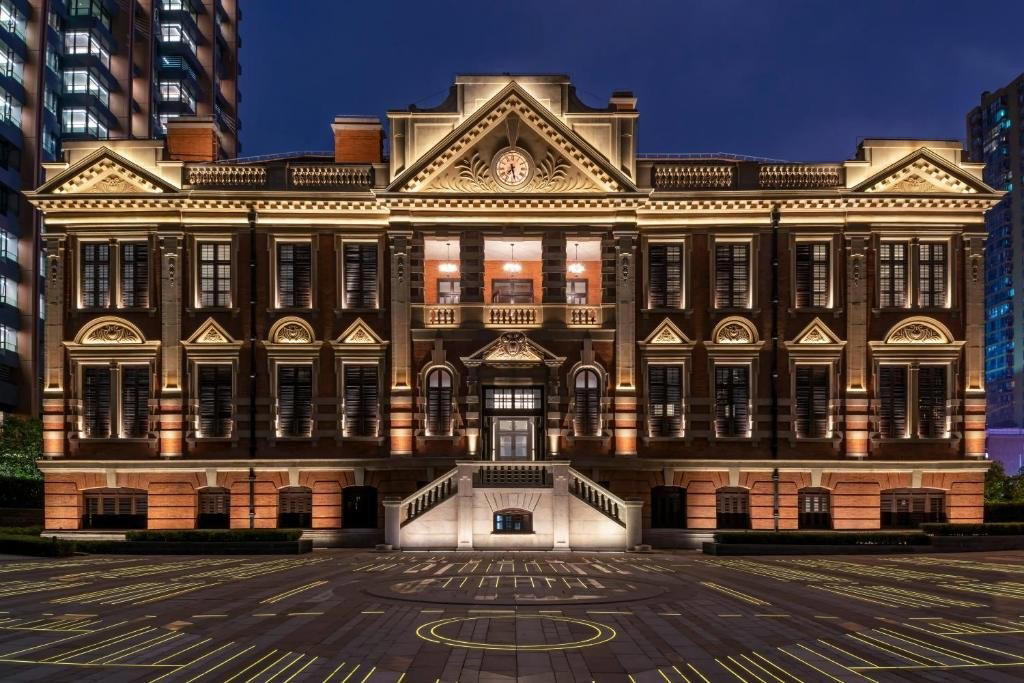
Dahuchun is a restaurant in Shanghai serving Traditional Shanghai Shengjianbao, with a casual dress code, walk-in-friendly service, and a price tier of about US$10 per person. There is a particular kind of Shanghai restaurant that announces itself without decoration, no designer lighting, no curated playlist bleeding onto the street, no menu card printed on handmade paper. Dahuchun operates in that register. The approach is worn-smooth familiarity: rooms that have absorbed years of noise and steam and conversation, where the sounds of service, ceramic against table, the clatter of a shared dish landing, carry more atmosphere than any sound system could manufacture. In a city that has built some of Asia's most architecturally ambitious dining rooms, that restraint is its own statement.
Shanghai's dining scene has bifurcated sharply over the past decade. On one side sit the internationally oriented rooms, technically precise, often European-anchored, competing with places like Taian Table and 8 1/2 Otto e Mezzo Bombana for the same cosmopolitan diner. On the other side, a quieter tier of restaurants maintains the Shanghainese table as its primary reference point, red-braised, slow-cooked, calibrated to the rhythms of the local calendar rather than the international awards circuit. Dahuchun belongs to that second category, and its longevity in a market defined by rapid turnover is the clearest signal of its standing.
The Shanghainese Table as a Culinary Category
To understand what Dahuchun represents, it helps to understand what Shanghainese cooking actually is, because the city's global reputation for modernity has sometimes obscured the depth of its indigenous food culture. Classic Shanghainese cuisine is built around techniques of slow reduction and careful sweetening: hong shao (red braising), scallion-oil applications, cold dishes assembled with textural precision. The flavour profile leans sweeter and richer than most other major Chinese regional traditions, and seasonal produce plays a defining role, hairy crab in autumn, shepherd's purse in early spring, river fish through the warmer months.
This is a tradition with strong domestic standing but fewer international reference points than Cantonese or Sichuan cooking. Places like 102 House have approached the tradition through a more contemporary design lens, while Fu He Hui channels the spirit of Jiangnan aesthetics through a vegetarian framework. Dahuchun occupies a different position: it holds closer to the unreconstructed original, serving as a record of how this food was eaten before it became a category to be reimagined.
For context further afield, fine Chinese dining in the Jiangnan region, the broader area encompassing Shanghai, Hangzhou, Suzhou, and Nanjing, has produced notable tables. Ru Yuan in Hangzhou and Dingshan·Jiangyan in Suzhou represent that regional conversation, as does Dai Yuet Heen in Nanjing. What distinguishes these from a direct Shanghai restaurant like Dahuchun is intention: those are destinations constructed around a premium experience proposition. Dahuchun's proposition is closer to continuity, the same food, the same room, the same reliability.
Seasonal Eating and When to Come
The seasonality question matters more at a Shanghainese restaurant than at most categories of dining in China. The city's food culture has historically organised itself around specific seasonal events, and no event carries more weight than hairy crab season, typically running from late September through November, when Yangcheng Lake crabs reach the table at their densest and richest. A visit timed to that window will read differently than one made in March or July, and regulars plan around it accordingly.
Early spring is the other high-interest window, when bitter greens and river vegetables appear on menus that otherwise lean toward the preserved and the braised. This is also when the contrast between Shanghai's hyper-modern exterior and its older food culture feels most legible, the same week that a new international concept opens in Jing'an, the seasonal produce at a place like Dahuchun will be doing exactly what it has done for decades.
For diners building a longer itinerary around Chinese regional cooking, the Taizhou tradition at Xin Rong Ji on West Nanjing Road offers a useful counterpoint within Shanghai itself, that kitchen works with similar coastal produce but applies a different regional logic. Outside the city, Xin Rong Ji in Chengdu and Xin Rong Ji in Beijing extend that comparison across different culinary environments.
Where Dahuchun Sits in Shanghai's Dining Hierarchy
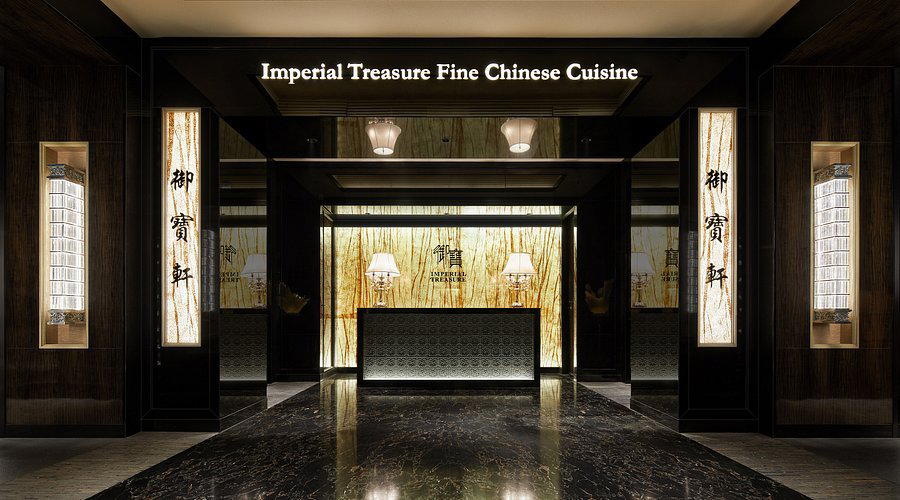
Shanghai's Michelin ecosystem has expanded steadily, and the starred list now spans everything from long-running Cantonese institutions to technically experimental newcomers. Dahuchun's position is harder to categorise through that particular lens, the awards circuit tends to reward legibility to an international judging framework, and deeply local Shanghainese cooking does not always translate on those terms. That gap between critical recognition and genuine local standing is a recurring feature of Chinese dining culture, visible in cities from Guangzhou (where Imperial Treasure Fine Chinese Cuisine occupies a different register than local canteens with equivalent neighbourhood authority) to Macau (where Chef Tam's Seasons bridges the two worlds with rare fluency).
For readers planning across China more broadly, the regional dining guides at Jiangnan Wok·Rong in Fuzhou, Shang Palace in Yangzhou, and Fleurs Et Festin in Xiamen each illuminate a different strand of southern Chinese culinary culture. Returned to the Shanghai axis, our full Shanghai restaurants guide maps the full spread, from technically driven newcomers to the older institutional tier where Dahuchun operates.
Internationally, the comparison worth drawing is not to the technical ambition of a Le Bernardin or an Atomix, those are different propositions aimed at different questions. The more useful frame is what it means for a restaurant to survive and remain relevant in a high-churn urban food market without adjusting its core offer to match the moment. That is a form of quality with its own logic.
Planning a Visit
Walk-in availability in Shanghai's older dining establishments can vary significantly by day and season, and the hairy crab months in particular tend to fill quickly.
Peers Worth Knowing
Comparable venues nearby, for context on price, style, and recognition.
| Venue | Cuisine | Price | Notes |
|---|---|---|---|
| DahuchunThis venue — the venue you are viewing | Traditional Shanghai Shengjianbao | $ | Not listed |
| Qiao'Er Lubusong Food Store | Shanghai Noodles and Dumplings | $ | Lan Ni Du |
| Linhu Vegetarian | Modern Vegetarian Chinese | $$ | Xujiahui |
| Jia Jia Tang Bao | Shanghai Xiaolongbao | $ | Huangpu |
| NingBo RestarrantSince2001 | Ningbo Seafood | $$$ | Huangpu |
| An Fu Lu | Cantonese Dim Sum | $$ | Da Pu Qiao |
At a Glance
- Classic
- Historic
- Well Known
- Casual Hangout
- Solo
- Group Dining
- Historic Building
- Standalone
- Street Scene
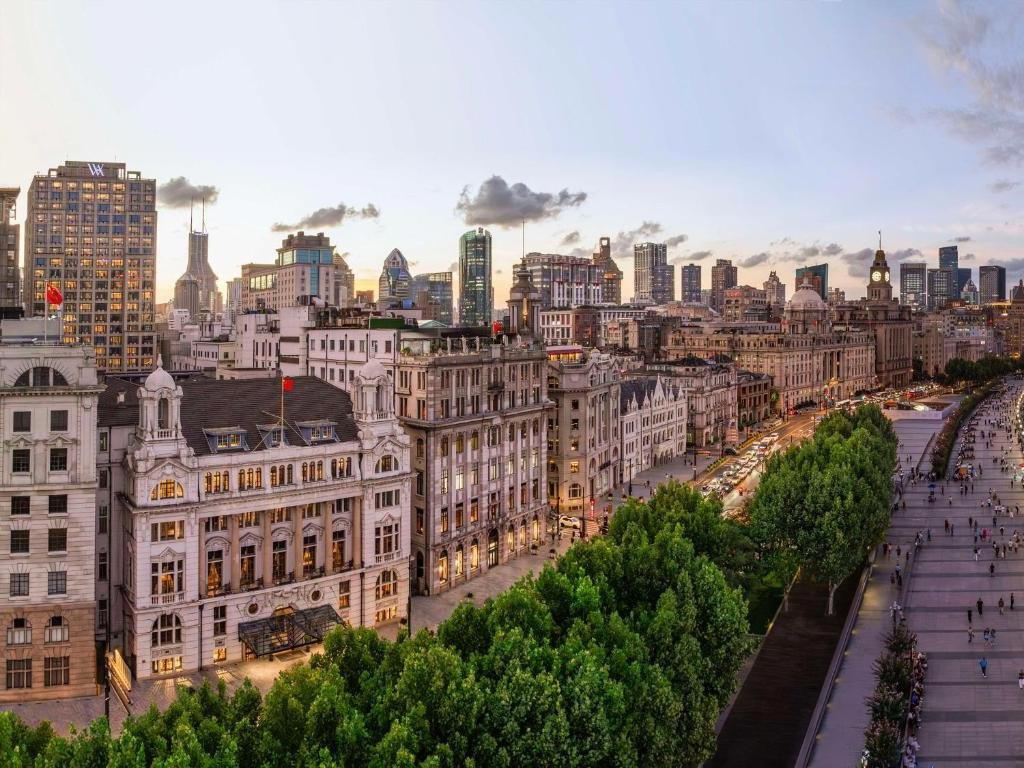
Historic, retro Shanghai atmosphere with a busy, street-food energy centered on freshly made pan-fried buns.