Daebak Chinatown
Daebak Chinatown sits at 2017 S Wells Street in Chicago's Chinatown corridor, occupying a position where Korean and Chinese-American dining traditions intersect on the South Side. The name signals a Korean-inflected perspective within one of Chicago's most historically layered immigrant dining districts. For visitors tracking the city's evolving Asian dining scene, it represents a specific geographic and cultural convergence worth understanding.
Pearl is the En Primeur Club membership app — saves, bookings, and concierge access live there. Same editors, same standards.
- Address
- 2017 S Wells St Square, Chicago, IL 60616
- Phone
- +13126313913
- Website
- opentable.com
- Directions
- Get directions
 Saves & bookings on Pearl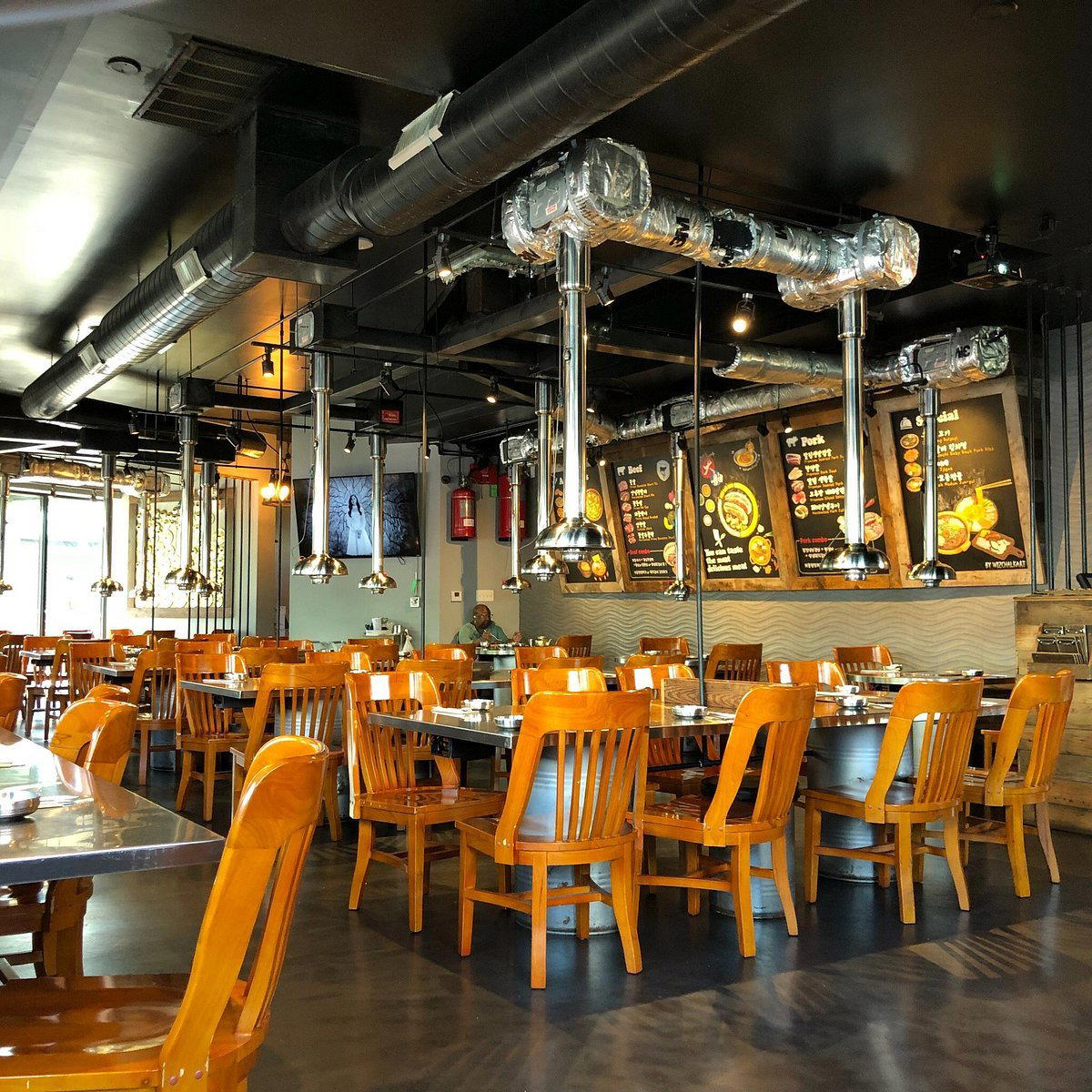
Where Chinatown's Edge Meets a Korean Register
Chicago's Chinatown occupies a compact stretch of the South Side, anchored around Wentworth Avenue and spilling into the surrounding blocks. The neighborhood does not operate as a single dining district. Along its edges, newer operators have introduced cuisines that complicate the expected inventory of Cantonese roast meats and Sichuan noodle shops. Daebak Chinatown, at 2017 S Wells Street, sits in this transitional zone, where the geographic identity of the district and the culinary identity of the kitchen are not necessarily the same thing.
The address itself is instructive. Wells Street, running parallel to the Wentworth commercial spine, carries a slightly lower-key character than the main drag, fewer tourists, more deliberate foot traffic. Approaching from the north, the shift from the South Loop's spare urban grid into Chinatown's denser signage and street activity is abrupt. Daebak occupies this threshold position, and that liminality shapes the experience before a single dish arrives.
The Korean-Chinatown Intersection in Context
Chicago's Asian dining geography has long been organized by neighborhood: Chinatown for Chinese regional cuisines, Koreatown concentrated further north along Lawrence Avenue and Albany Park. The movement of Korean-inflected concepts into Chinatown reflects a broader pattern visible in other American cities, where second-generation operators and newer arrivals fill commercial gaps in established ethnic enclaves with their own culinary reference points rather than conforming to the neighborhood's existing template.
This is not a uniquely Chicago phenomenon. In New York, Korean-American concepts have taken root in neighborhoods far from Koreatown's 32nd Street block. In Los Angeles, the overlap between Korean and Chinese-American dining is encoded into the urban fabric of the San Gabriel Valley. Chicago's version of this pattern is younger and less documented, which makes Daebak Chinatown a marker of where the city's Asian dining culture is moving rather than where it has been. For a comparative view of how Korean fine dining has evolved nationally, Atomix in New York City offers a useful reference point.
Team Dynamics and the Front-of-House Equation
In Chicago's more established dining rooms, the relationship between kitchen, floor, and bar defines the rhythm of a meal as much as the food itself. At the tier occupied by places like Smyth or Oriole, that collaboration is explicit and documented. At neighborhood-scale operations in Chinatown, the front-of-house dynamic tends to be more informal but no less consequential, the server who explains a dish's regional origins or steers a table away from a kitchen misstep is doing editorial work that shapes the entire visit.
For Daebak Chinatown, the quality of that floor-level communication becomes the primary trust signal for a first-time visitor. The ability of the front-of-house team to bridge the culinary logic of the kitchen with the expectations of a diverse walk-in crowd in a mixed-use neighborhood is a specific skill set, and one that distinguishes the better operators in Chinatown's Wells Street corridor from those that treat service as a formality.
Chicago's Chinatown has produced dining rooms where the kitchen's ambition outruns the floor's ability to explain it, and others where attentive service compensates for modest cooking. Particularly coherent operations align both. That internal coherence is worth testing on a first visit, and it is the kind of detail that repeat visitors to the neighborhood track across multiple meals and operators.
Positioning Within Chicago's Broader Asian Dining Scene
Chicago's premium dining tier is heavily weighted toward progressive American formats. Alinea, Kasama, and Next Restaurant each operate at a price point and formality level that positions them as destination restaurants rather than neighborhood anchors. Chinatown's dining culture operates on different terms: it rewards familiarity, return visits, and a willingness to eat outside the obvious peak hours.
The restaurant belongs to the neighborhood tier rather than the destination tier, at least based on its address and available profile. That is not a demotion. Some of Chicago's most consistently rewarding meals happen in exactly this register, in rooms that do not court press attention and serve a clientele that found them without a publicist's intervention. For context on what the city's highest-visibility dining looks like in contrast, Chicago's fine dining scene ranges from neighborhood tables to three-Michelin-star counters.
Nationally, the broader trend of Korean culinary concepts entering non-Korean urban neighborhoods has produced particularly interesting dining in American cities over the past decade. Beyond Atomix, operations like those profiled in Lazy Bear in San Francisco, Providence in Los Angeles, and Le Bernardin in New York City each demonstrate how specific geographic and cultural contexts shape a kitchen's output and a dining room's character.
Planning Your Visit
Chinatown's dining rhythm peaks on weekends, when families from across the South Side and suburban Chinese-American communities converge on the Wentworth strip. Wells Street, one block west, catches a share of that traffic but tends to run quieter during weekday lunch and early dinner.
For reference on how other premium American dining rooms handle the interplay between place, cuisine, and team collaboration, the guides to Frasca Food and Wine in Boulder, Addison in San Diego, Single Thread Farm in Healdsburg, Blue Hill at Stone Barns in Tarrytown, The Inn at Little Washington, Emeril's in New Orleans, and Atelier Moessmer Norbert Niederkofler in Brunico each provide useful comparative context across different price points and service philosophies. The French Laundry in Napa and Alinea represent the upper ceiling of that front-of-house collaboration model in the American context.
At-a-Glance Comparison
Comparable venues nearby, for context on price, style, and recognition.
| Venue | Cuisine | Price | Notes |
|---|---|---|---|
| Daebak ChinatownThis venue — the venue you are viewing | Korean BBQ | $$ | Not listed |
| SoJu BBQ | Korean BBQ | $$ | West Loop |
| Jin Ju | Contemporary Korean | $$ | Andersonville |
| Pilsen Yards | Latin Street Food & Mezcal Bar | $$ | Pilsen |
| Tufano's Vernon Park Tap | Classic Italian-American | $$ | Little Italy |
| Wilma's Famous BBQ & Tavern | Barbecue & Soul Food | $$ | Loop |
At a Glance
- Lively
- Energetic
- Trendy
- Group Dining
- Casual Hangout
- Open Kitchen
- Sake Program
Current opening hours
- Monday
- 12–10 PM
- Tuesday
- 5–10 PM
- Wednesday
- 5–10 PM
- Thursday
- 5–10 PM
- Friday
- 12–11 PM
- Saturday
- 11:30 AM–11 PM
- Sunday
- 11:30 AM–10 PM
Hours can change for holidays and private events. Last verified .
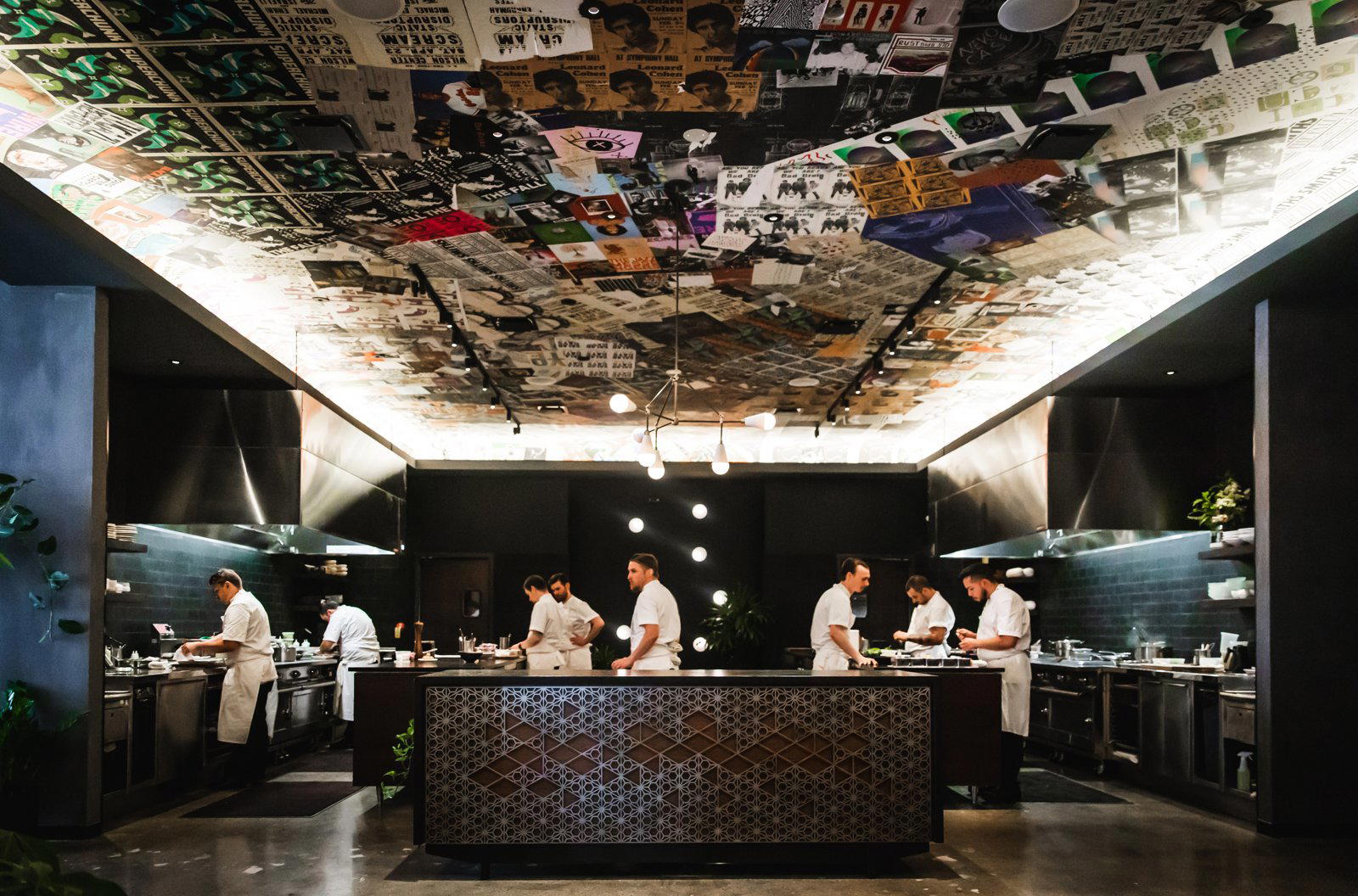
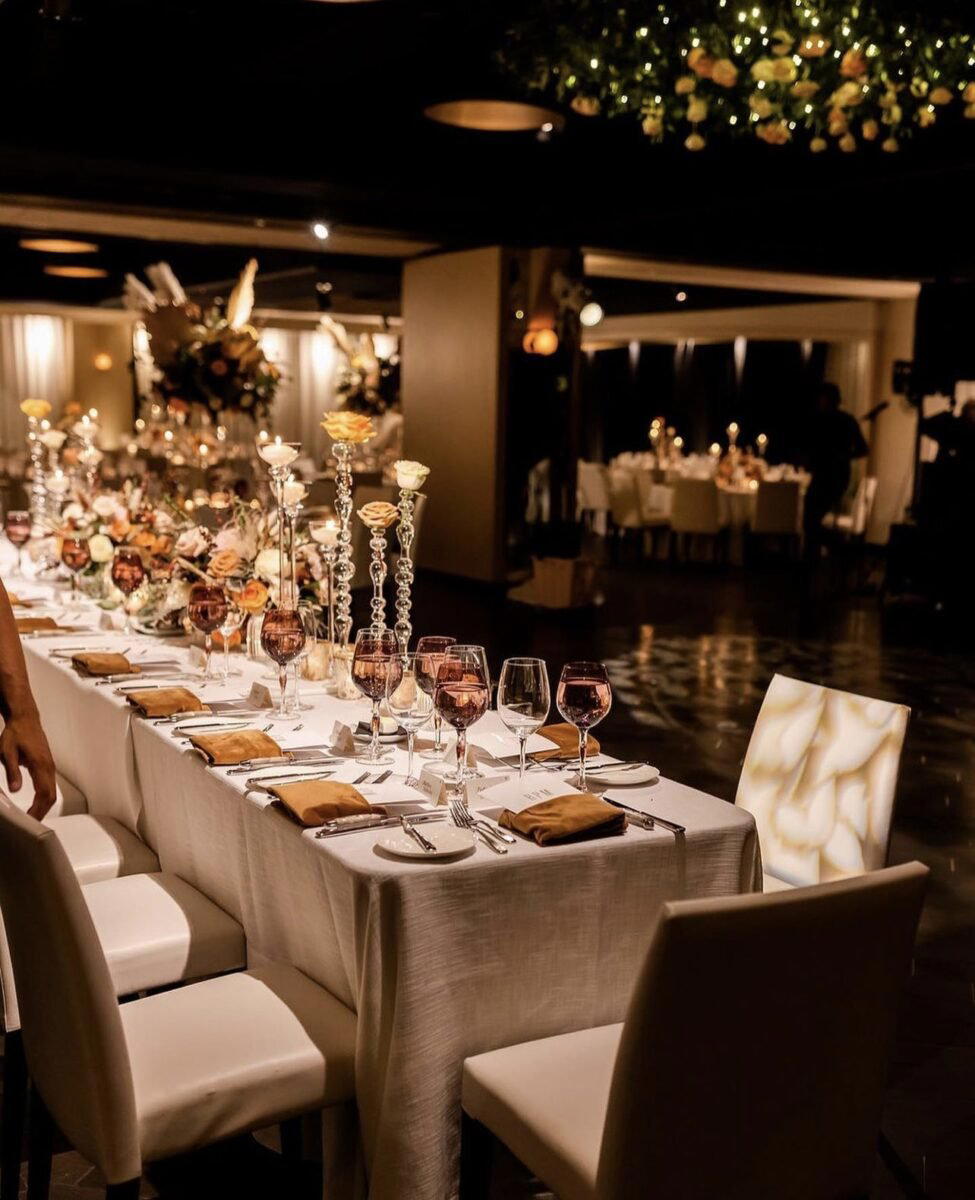
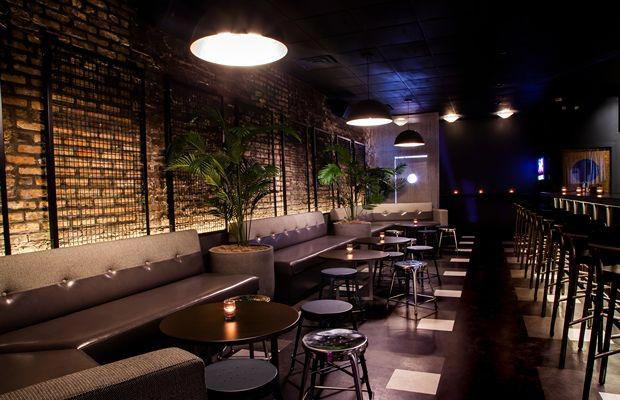
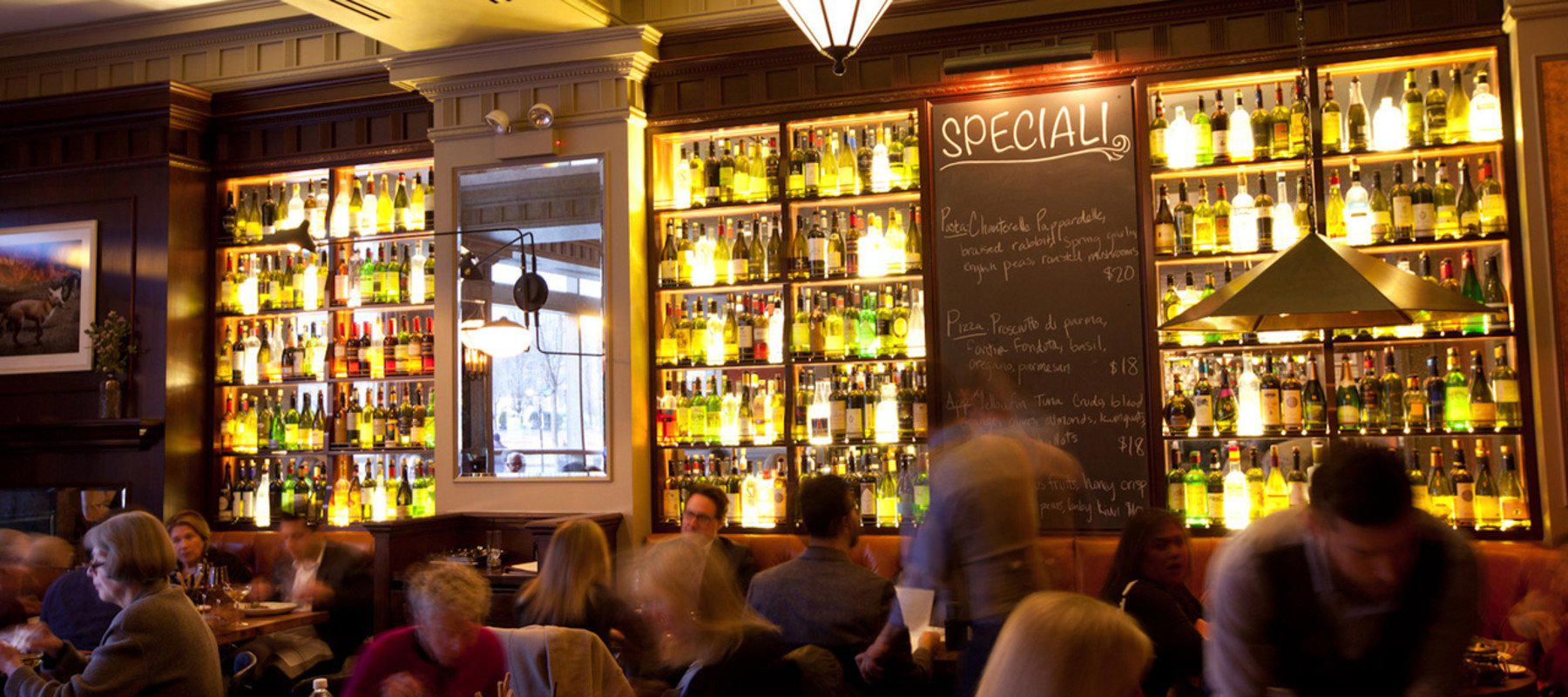
Energetic atmosphere filled with K-pop videos, bustling crowds, and the sizzle of grill-embedded tables.