Wilma's Famous BBQ & Tavern
Our verdict
On the second floor of a Wabash Avenue address in the Loop, Wilma's Famous BBQ & Tavern occupies a slice of Chicago where smoke-driven American cooking meets a tavern format built for long, unhurried meals. The kitchen anchors itself in the barbecue tradition that has shaped Midwestern dining culture for generations, positioning this spot as a counterpoint to the fine-dining concentration that defines much of Chicago's current restaurant conversation.

Pearl is the En Primeur Club membership app, where members save venues, book tables and use the concierge.

The menu
What to order
- Soul Egg Rolls
- Ribs
- Oxtails
- Mac n Cheese
Chicago's Loop is not where most food writers send you for barbecue. The neighbourhood's identity tilts toward business lunches, pre-theatre prix fixe menus, and the kind of polished American dining that clusters around hotel dining rooms and expense-account steakhouses. Which is precisely what makes the second-floor address at 17 N Wabash Ave a useful signal: Wilma's Famous BBQ & Tavern is not trying to compete with the fine-dining concentration that defines the city's upper tier, represented by places like Alinea, Smyth, and Oriole. It is operating in a different register entirely.
The Ritual of the Smoke-Driven Meal
Barbecue, as a dining format, imposes its own pacing on everyone who sits down to it. There is no tasting-menu progression, no amuse-bouche signalling the chef's current preoccupations, no sommelier cadence to time the courses. The meal moves on the smoke's schedule. Proteins need time, real time, and that fact shapes everything from how a kitchen is staffed to how a room is designed. In Chicago, this tradition has always existed in conversation with the city's broader meat culture, a legacy that runs from the stockyards era through the rib joints of the South Side to the contemporary wave of pitmasters who treat wood selection and fire management as a discipline as considered as any toque-wearing kitchen brigade.
Wilma's slots into that tradition from a Loop address, which creates an interesting friction. The tavern format, long in American history as a space for communal eating and drinking without ceremony, has always been structurally opposed to the kind of reverent, hushed dining that now characterises Chicago's most decorated restaurants. Where Next Restaurant and Kasama both operate within formats that ask something of the diner, advance planning, a certain attentiveness, the tavern tradition asks only that you show up and eat.
What the Second Floor Tells You
Arriving on the second floor of a Wabash building puts you above the street noise of the L tracks without fully insulating you from the city. This is not the curated calm of a dining room engineered for contemplative eating. The tavern model, at its functional leading, produces rooms that feel used: wood that absorbs decades of smoke and conversation, light levels calibrated for comfort rather than photography, the particular density of a space where drinking and eating are genuinely co-equal activities rather than one dressed up as the other.
That physical character matters because it shapes the dining ritual. At high-end American restaurants in Chicago and elsewhere, Lazy Bear in San Francisco, Blue Hill at Stone Barns in Tarrytown, or The Inn at Little Washington, the room is constructed to focus your attention on the food and the progression of the meal. The tavern does the opposite: it distributes attention across the table, the drink in your hand, the conversation, and eventually the food, which arrives not as the centre of a composed performance but as the reason everyone is at the table in the first place.
Barbecue in a City That Takes Meat Seriously
Chicago's relationship with smoked and grilled meat is older and more specific than its fine-dining reputation. The city's South Side barbecue tradition, shaped significantly by the Great Migration, produced a style of rib preparation and sauce that is distinct from Memphis, Kansas City, or Texas variants. That regional specificity matters when assessing where any Chicago barbecue operation sits: is it working within a local tradition, pulling from a national template, or positioning itself as something more eclectic?
The Loop location of Wilma's places it in a part of the city that draws a broad cross-section of Chicago residents and visitors rather than a neighbourhood-specific clientele. Comparable tavern-format operations in other American cities, think of the way certain New Orleans establishments like Emeril's have anchored themselves in the dining identity of a district, demonstrate that a strong kitchen identity can define a block regardless of the surrounding restaurant density. Whether Wilma's achieves that kind of neighbourhood-defining presence in a Loop context is a question that the format alone can frame; the kitchen's execution determines the answer.
The Pacing Question: How Long Should This Take?
A properly executed barbecue meal should not be hurried, and a well-run tavern has no structural interest in turning tables quickly. This is a meaningful distinction from the lunch-trade format that dominates much of Loop dining, where covers are measured in 45-minute windows and the room resets three times through a service. The tavern tradition, by contrast, accommodates the drift of a long afternoon or a slow weeknight, the kind of meal where the second drink arrives before the first round of food is finished.
That pacing puts Wilma's in a different competitive conversation than the tasting-menu restaurants that define Chicago's highest-profile dining tier. The relevant comparisons are not Le Bernardin in New York, Providence in Los Angeles, or Addison in San Diego, which operate inside a globally legible format of precision and progression. The better frame is the broader American tavern tradition, which has proven more durable across urban shifts than most dining categories. For a fuller sense of where Wilma's sits within Chicago's current dining map, our full Chicago restaurants guide provides the wider context.
Seasonal Considerations
Chicago's seasons impose themselves on every dining decision in the city. In winter, when temperatures along the Wabash corridor drop hard and the L platforms above become genuinely hostile, a second-floor room that offers warmth, smoke, and something substantial on the plate has a particular draw. Summer shifts the calculus: the city opens up, rooftops and patios claim dining traffic, and the competition for evening covers intensifies across every category. A barbecue and tavern format with strong cold-weather appeal needs to work slightly harder in summer, typically through drink programming or extended service hours that allow it to capture the post-event and late-night traffic that the Loop's theatre and event infrastructure generates.
Autumn, by most accounts, is the strongest season for this style of cooking in Chicago. The drop in temperature makes smoked meat the obvious choice, and the academic and professional calendar creates consistent mid-week demand in a neighbourhood that otherwise depends heavily on weekend visitors and convention traffic. Restaurants like Bacchanalia in Atlanta and Atomix in New York City demonstrate that deeply regional cooking formats can sustain serious dining reputations across seasons when the kitchen's identity is clear and the room supports it.
Know Before You Go
Address: 17 N Wabash Ave, Floor 2, Chicago, IL 60602
Neighbourhood: The Loop
Format: Barbecue and tavern
Phone: Not publicly listed
Website: Not publicly listed
Hours: Confirm directly before visiting
Access: Second-floor location on Wabash Avenue; the Loop is served by multiple CTA lines including the Brown, Pink, Orange, Green, and Purple lines, all stopping within walking distance
Frequently asked questions
Where exactly is Wilma's Famous BBQ & Tavern?
Wilma's Famous BBQ & Tavern is located at 17 N Wabash Ave fl 2, Chicago, IL 60602, Chicago.
Why is Wilma's Famous BBQ & Tavern located on the second floor on Wabash Avenue, and does that affect the dining experience?
The second-floor position at 17 N Wabash Ave puts the dining room above street-level L train noise without fully disconnecting from the city's rhythm, a practical trade-off common to older Loop commercial buildings. In a city where barbecue has historically anchored itself to neighbourhood storefronts, a second-floor Wabash location signals a deliberate departure from that template. It places smoke-driven cooking inside the Loop's business-district footprint, where that format is comparatively rare.
What's the must-try dish at Wilma's Famous BBQ & Tavern?
That said, Chicago's barbecue tradition runs deep on smoked ribs and brisket, and a venue with 'Famous' in its name at a Wabash Ave address in the Loop is operating against that specific civic expectation. Ask staff directly what's coming off the smoker that day.
Is Wilma's Famous BBQ & Tavern reservation-only?
Chicago tavern-format operations on the Wabash corridor typically run walk-in, given the lunchtime Loop traffic and the informal pacing that barbecue naturally imposes. Contacting the venue directly before a weekend visit is advisable.
Peers Worth Knowing
Comparable venues nearby, for context on price, style, and recognition.
| Venue | Cuisine | Price | Notes |
|---|---|---|---|
| Wilma's Famous BBQ & TavernThis venue (the venue you are viewing) | Barbecue & Soul Food | $20–30 | Not listed |
| Call Your Mother | Modern Bagel Deli | $10–20 | Wicker Park |
| Chef Art Smith's Reunion | Southern Comfort Food | $30–50 | Streeterville |
| Pop Up Bagels | Artisan Bagels & Schmears | $10–20 | Lincoln Park |
| Fatback | Artisan Sandwiches & Rotisserie | $10–20 | Loop |
| The Patio at Cafe Brauer | American Cafe | $20–30 | Lincoln Park |
Wilma's Famous BBQ & Tavern
Featured Guides
Continue exploring
More in Chicago
Restaurants in Chicago
All restaurants in Chicago →
Bars in Chicago
All bars in Chicago →

Details
- Lively
- Rustic
- Energetic
- Group Dining
- Casual Hangout
- Late Night
- Live Music
- Craft Cocktails
- Beer Program
- A La Carte
- Craft Beers
- Cocktails
- Vegetarian Friendly
Current opening hours
- Monday
- 11 AM–10 PM
- Tuesday
- 11 AM–10 PM
- Wednesday
- 11 AM–10 PM
- Thursday
- 11 AM–10 PM
- Friday
- 11 AM–11 PM
- Saturday
- 11 AM–11 PM
- Sunday
- 11 AM–10 PM
Hours can change for holidays and private events. Hours as of .
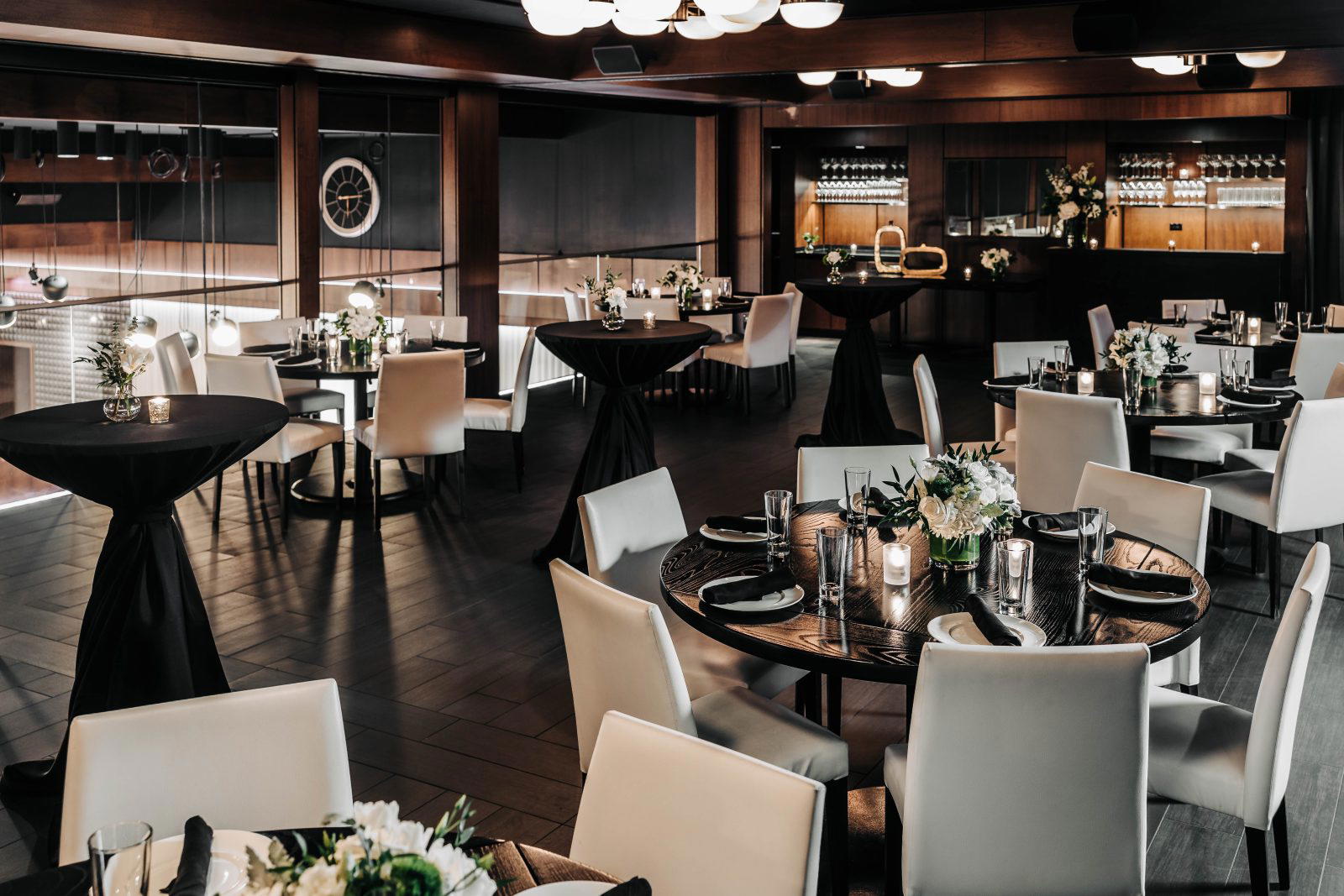
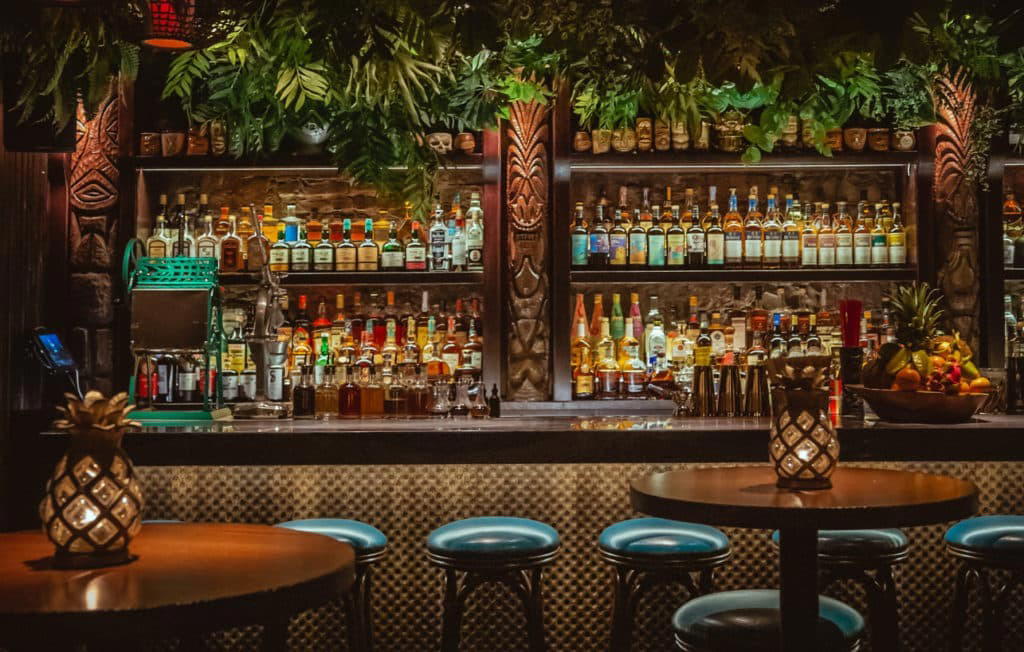
Lively and lively tavern setting with flavorful BBQ aromas, wall art, and an energetic vibe well-suited for groups and game days.