16th Street Bar & Coffee Lounge
For a neighborhood running between Chinatown and the Museum Campus, that range maps neatly onto how the area actually moves.

Pearl is the En Primeur Club membership app — saves, bookings, and concierge access live there. Same editors, same standards.
- Address
- 75 E 16th St, Chicago, IL 60616
- Phone
- (312) 888-3156
- Website
- 16thstreetbar.com
- Directions
- Get directions
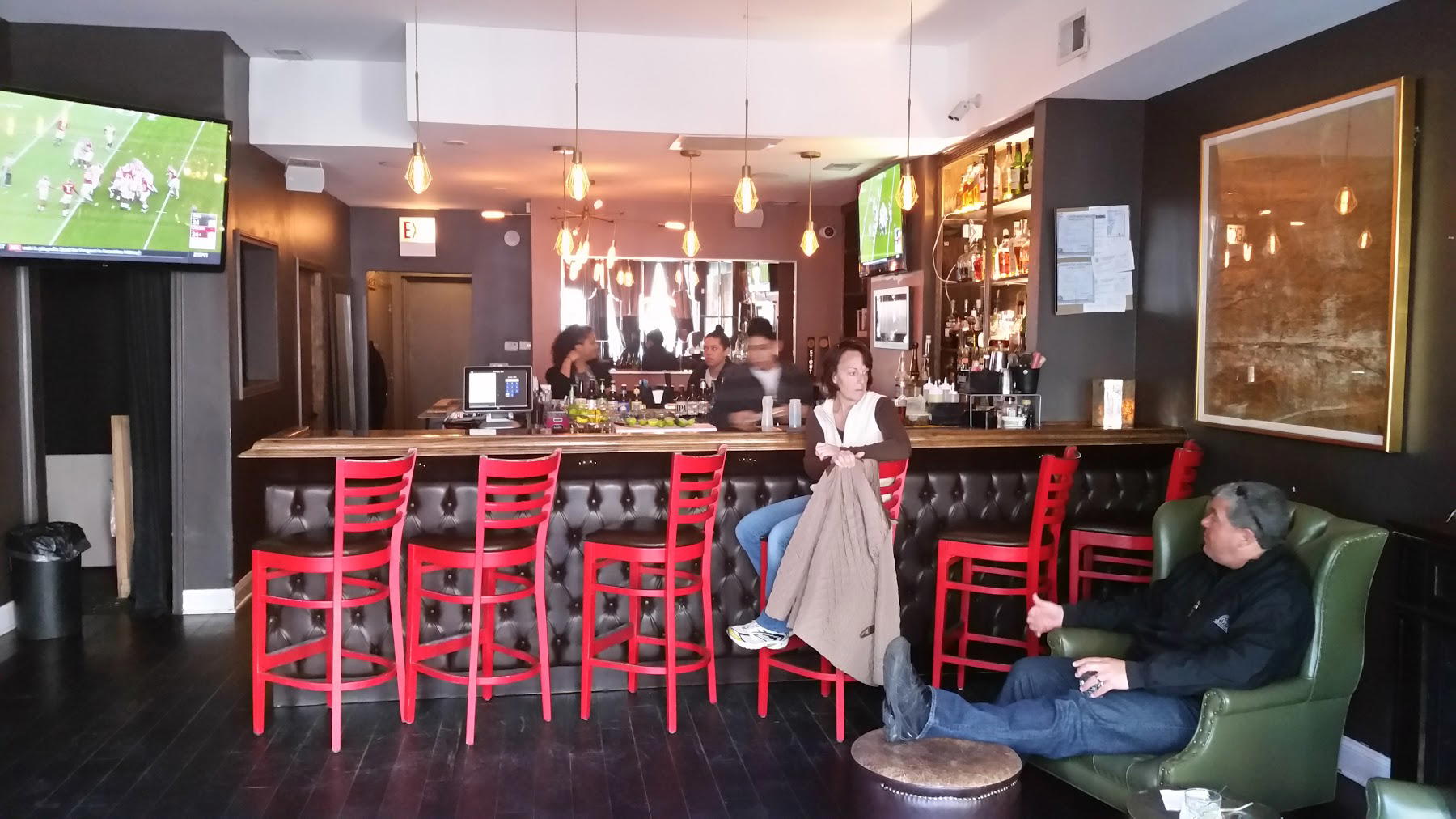
The dual-program format is more demanding to execute than it appears. Coffee and cocktail service require different equipment, different temperature regimes, and different staff skill sets. Bars that attempt both and do neither particularly well are common. Across American cities, a handful of bar-cafés have demonstrated that the format earns its keep: ABV in San Francisco has maintained a serious spirits selection alongside a daytime operation for years, and Allegory in Washington, D.C. shows how a thoughtful beverage philosophy can hold across service types without diluting either. 16th Street's positioning within that conversation is what gives it editorial weight beyond simple neighborhood utility. Kumiko in the West Loop has set a high-water mark for technique-driven drinks with Japanese sensibility, drawing a national audience and sustained critical attention. That geography is shifting. The Museum Campus draws consistent foot traffic from visitors who want something after the Field Museum or the Shedd Aquarium that isn't a hotel lobby bar. Chinatown to the south brings its own food culture, and the crossover between those two zones creates an audience with specific needs: something that works at 3 p.m. after a museum visit as readily as it works at 9 p.m. on a Friday. The bar-and-coffee format at 16th Street addresses that demand directly, which is a more precise market fit than simply being a bar in a bar-sparse neighborhood.
Local Ingredients, Imported Methods
The editorial angle that defines the most interesting American bar programs of the last decade is the intersection of globally sourced technique and locally grounded ingredients. The model has played out in cities with strong regional produce or spirits traditions: Julep in Houston has worked within Southern spirits history, Jewel of the South in New Orleans draws on that city's documented cocktail lineage, and Bar Leather Apron in Honolulu applies Japanese-influenced precision to a Pacific ingredient context. Superbueno in New York City and The Parlour in Frankfurt on the Main each demonstrate that the local-global tension in beverage programs extends well beyond any single country's borders. The city's distilling history, branching from pre-Prohibition grain production through a long dry period and into a current craft spirits revival, gives bartenders here a specific local vocabulary to work with or against. Midwest rye, local amaro producers, and the city's coffee roaster community (which has grown substantially over the past fifteen years) all feed into what a thoughtful dual-program venue in this city can source.
Planning a Visit
The venue sits at 75 E 16th St in the South Loop, within walking range of the Museum Campus and a short distance from the Cermak-Chinatown CTA Red Line stop, making it accessible without a car from the broader city. The dual-purpose format means arrival time shapes the experience: the coffee-and-daytime program and the evening bar program are functionally different visits.
| Venue | Cuisine | Price | Awards |
|---|---|---|---|
| 16th Street Bar & Coffee LoungeThis venue — the venue you are viewing | Not listed | $10–20 | Not listed |
| Bisous | Not listed | $20–30 | World's 50 Best #30 · James Beard Award Semi Finalist |
| The Aviary | Cocktail Lounge | $150–200 | World's 50 Best #41 · James Beard Award Outstanding Bar Program |
| Three Dots & a Dash | Not listed | $50–100 | World's 50 Best #27 |
| Best Intentions | Not listed | $20–30 | World's 50 Best #16 · James Beard Award Semi Finalist |
Details
- Cozy
- Trendy
- Intimate
- After Work
- Casual Hangout
- Date Night
- Hotel Bar
- Lounge Seating
- Seated Bar
- Classic Cocktails
- Craft Cocktails
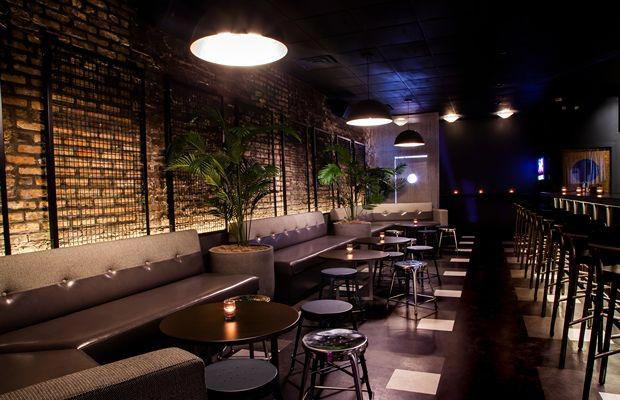
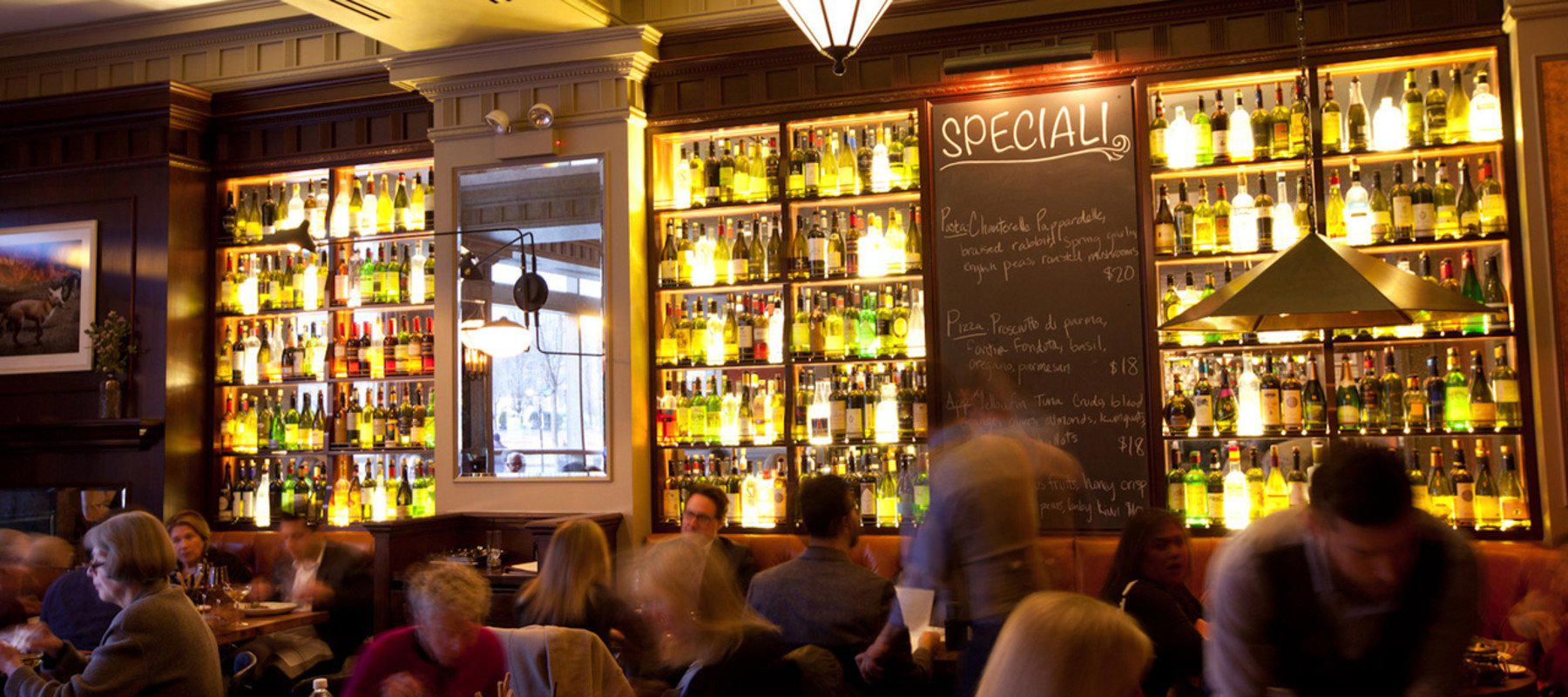
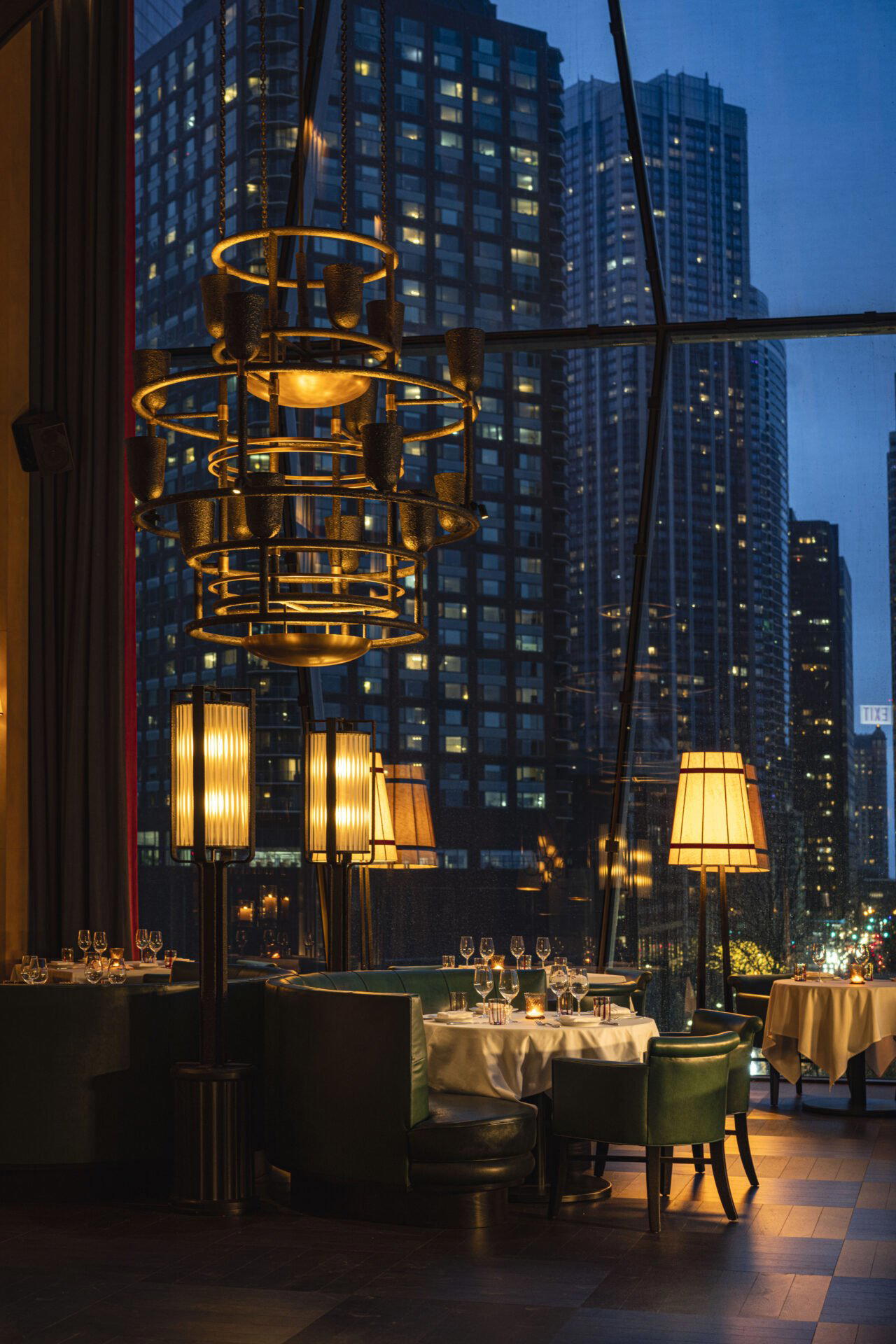
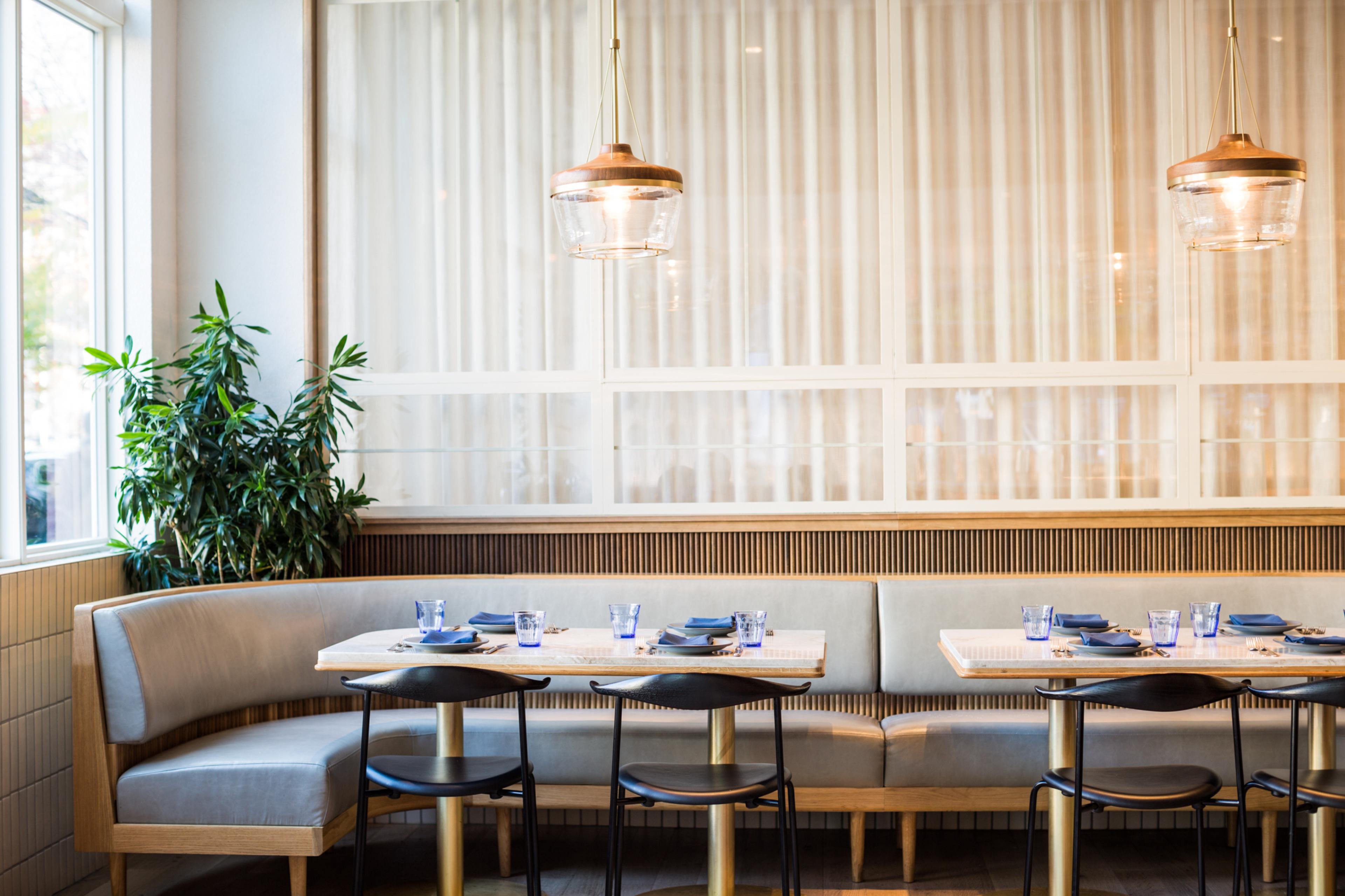
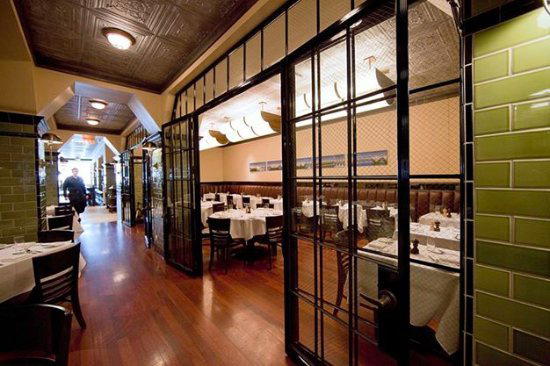
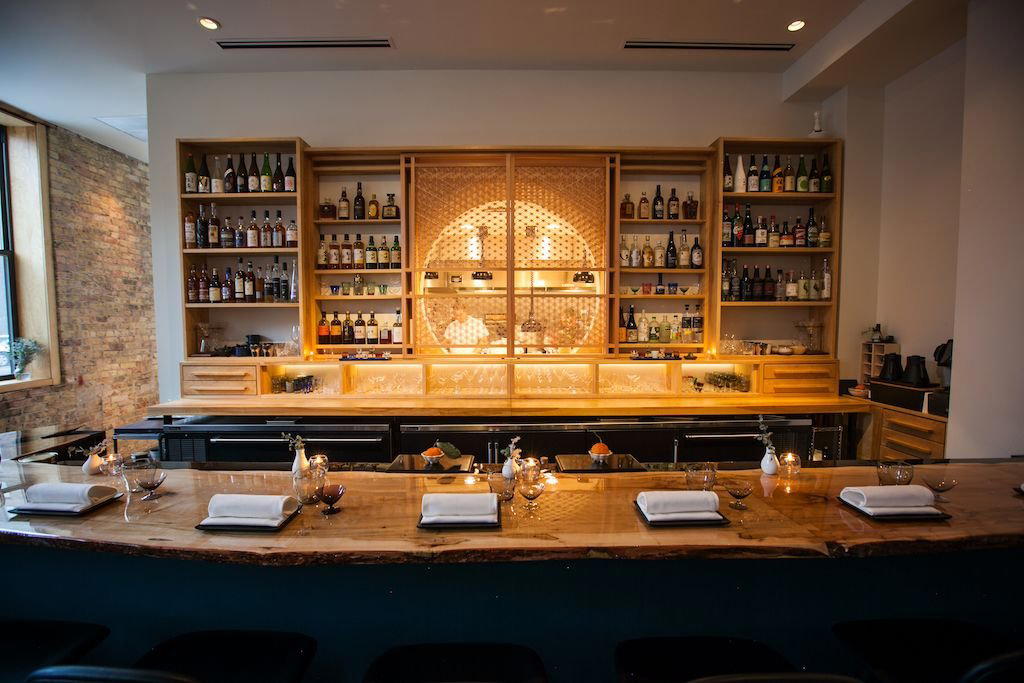
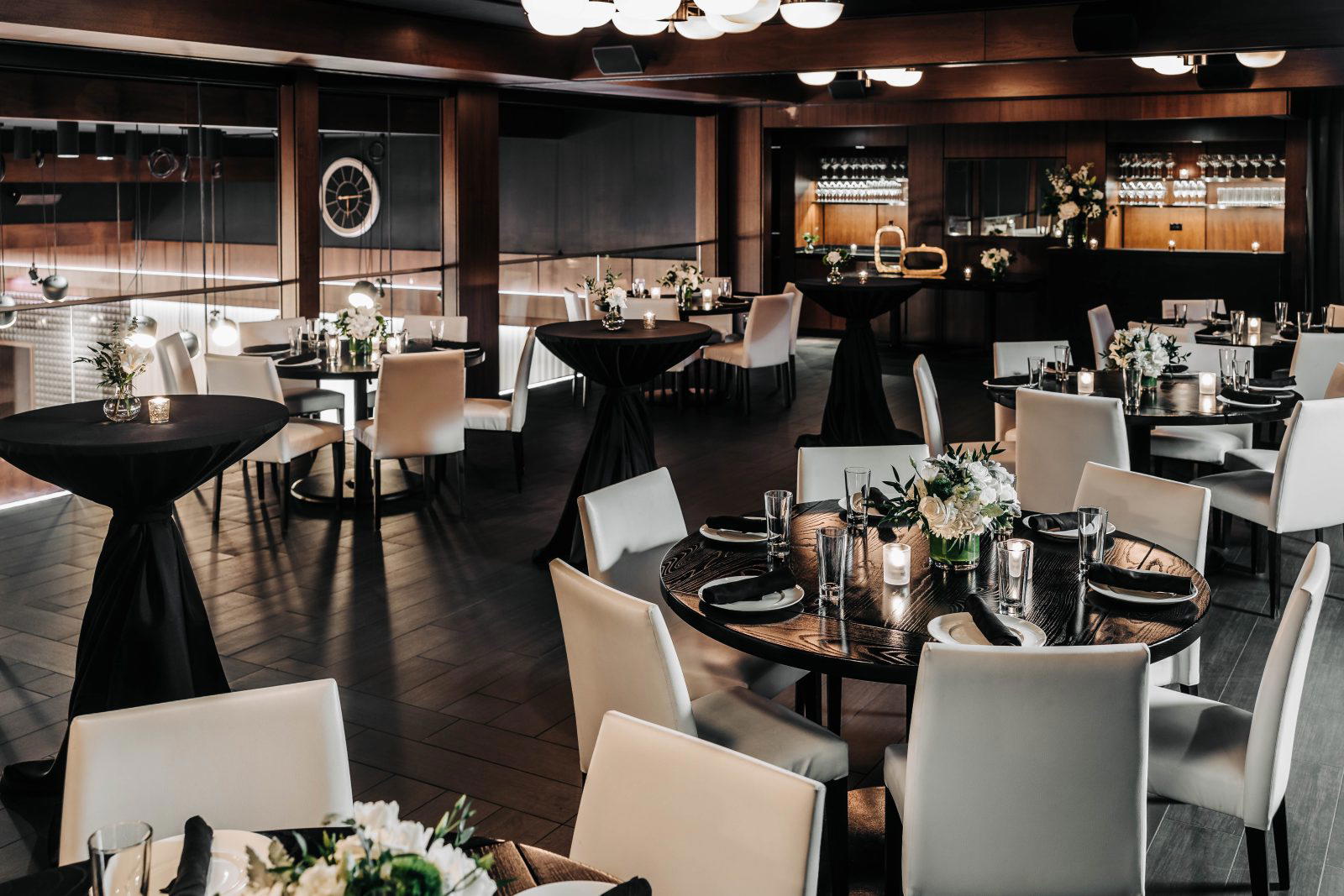
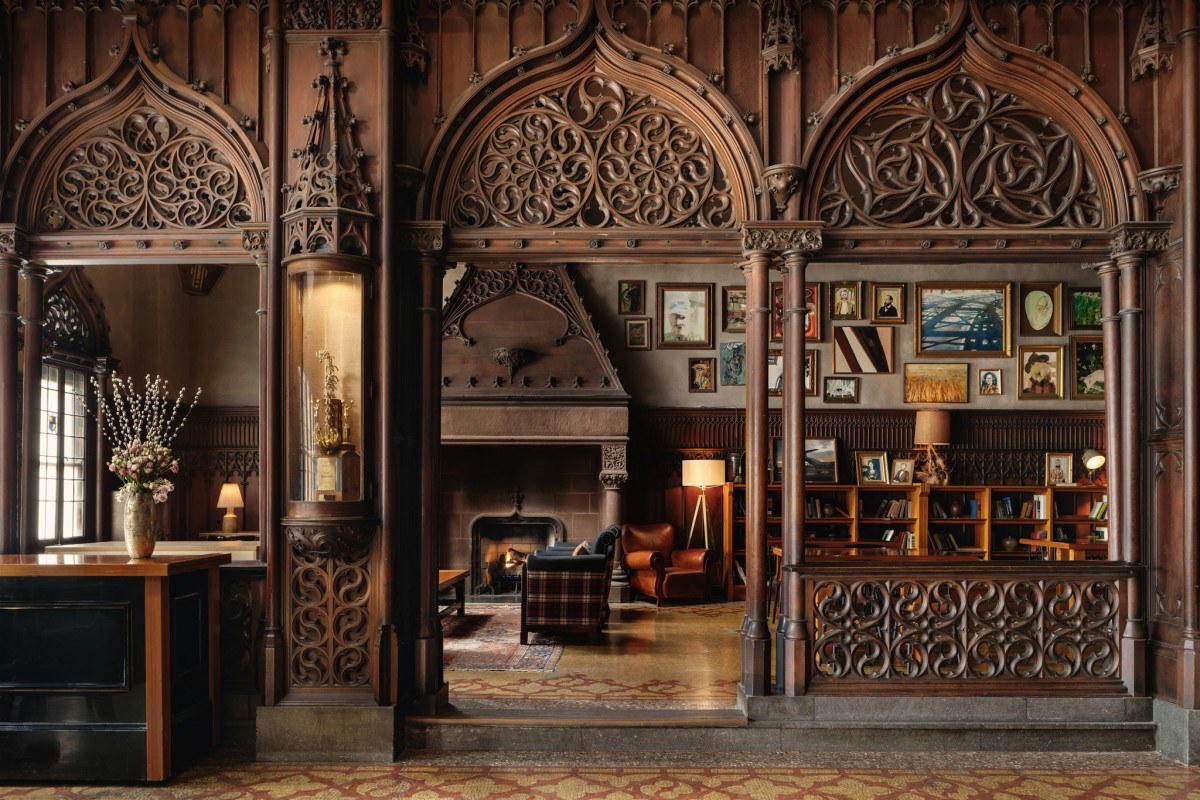
Chill atmosphere with relaxed music, welcoming for work during the day and people-watching at night.