Jin Ju
Jin Ju occupies a corner of Andersonville that has long drawn Chicago's Korean-American community and the curious diners who follow them. Set on North Clark Street in one of the city's most characterful northside neighbourhoods, it represents the kind of long-established Korean dining that predates the city's current wave of tasting-menu ambition. A reference point for the area rather than a newcomer.
Pearl is the En Primeur Club membership app — saves, bookings, and concierge access live there. Same editors, same standards.
- Address
- 5203 N Clark St, Chicago, IL 60640
- Phone
- +17733346377
- Website
- jinjurestaurant.com
- Directions
- Get directions
 Saves & bookings on Pearl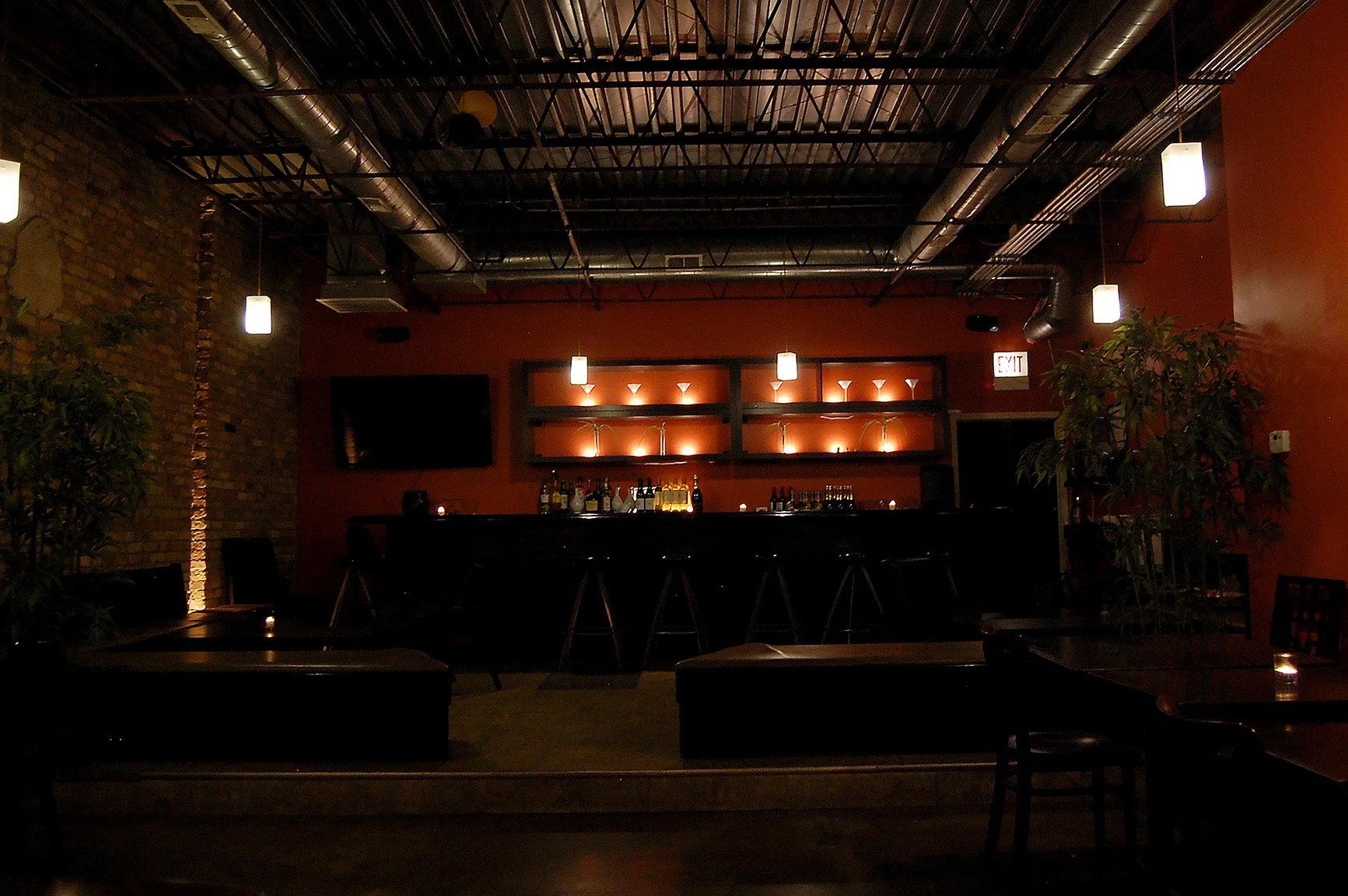
Andersonville's Korean Anchor on North Clark
North Clark Street through Andersonville reads like a compressed history of Chicago's immigrant dining culture. Swedish bakeries gave way to Middle Eastern grocers, which now share blocks with Korean restaurants, Ethiopian spots, and the occasional wine bar pitching natural pours to the neighbourhood's newer arrivals. Jin Ju, a Contemporary Korean restaurant at 5203 N Clark St, Chicago, sits inside this particular stretch with the kind of settled presence that comes only from years of operating in a community rather than performing for it. Andersonville is not a dining destination in the way that the West Loop has become, it does not generate the same volume of opening-night press or social media attention, and that distance from the city's promotional machinery is part of what defines the experience of eating there.
Chicago's Korean dining scene has split along familiar lines visible in other American cities. At one end, a handful of tasting-menu formats, including Kasama on the near north side, have drawn national attention and Michelin recognition by positioning Korean and Filipino technique within the city's progressive fine-dining conversation. At the other end, neighbourhood restaurants have continued doing what they have always done: serving the food that Korean-American communities actually eat, at prices and in formats that suit the rhythm of a weeknight rather than a special occasion. Jin Ju occupies a position in the second category, making it a counterpoint to the tasting-menu tier rather than a participant in it.
The Neighbourhood and What It Means for the Table
Andersonville's character is worth understanding before arriving. Unlike the West Loop, where restaurants are often the primary reason to visit a block, Andersonville's dining identity is embedded in a residential neighbourhood that has accumulated layers of community life over decades. The result is a dining environment where a restaurant's relationship to its immediate neighbours matters as much as its relationship to the broader food press. Jin Ju's address places it squarely in this context: a restaurant that exists for the neighbourhood first and the visiting diner second. That ordering produces a different kind of hospitality than you find at destinations designed around the out-of-towner's experience.
The northside positioning also separates Jin Ju from the cluster of high-profile Chicago restaurants that dominate most visitors' itineraries. Alinea, Smyth, and Oriole anchor a progressive American conversation concentrated further south and west. Next Restaurant operates on a rotating concept format that draws from across the city. Jin Ju's Andersonville location is a twenty-minute ride from the Loop, which is long enough to feel like a deliberate detour, and the kind of detour that tends to reward the diner who makes it.
Korean Dining Tradition and Where Jin Ju Sits Within It
Korean cuisine in the American context has undergone a significant reframing over the past decade. Cities including New York, Los Angeles, and Chicago have all seen the emergence of Korean fine-dining formats alongside the traditional neighbourhood restaurants that have served Korean and Korean-American communities for generations. In New York, Atomix has represented one version of Korean technique applied at the highest tier of precision. In Chicago, the emergence of Korean-influenced tasting menus has added a new layer to what was already a well-established community dining scene.
Within that broader pattern, neighbourhood Korean restaurants occupy a specific and often underappreciated role. They tend to be the places where cooking stays closer to its source, where the banchan rotation reflects what the kitchen has on hand rather than what makes a compelling tasting note, and where the pacing follows the customer rather than the other way around. That approach does not make them lesser; it makes them different in ways that matter to certain kinds of diners. The reader who has already worked through Chicago's progressive tier, whether at Alinea or Kasama, may find that a meal at Jin Ju reads as a useful reorientation, a reminder that Korean cooking's depth existed long before it attracted tasting-menu formatting.
For American context, the same dynamic plays out in other cities: Lazy Bear in San Francisco and Blue Hill at Stone Barns in Tarrytown represent the end of the spectrum where format and philosophy dominate, while neighbourhood restaurants carry the longer, quieter tradition. Bacchanalia in Atlanta and Emeril's in New Orleans similarly define their respective cities at one register, while the neighbourhood tier tells a parallel story. Jin Ju belongs to that parallel story in Chicago.
Planning Your Visit
Getting to Jin Ju means heading north on the Red Line to Berwyn or Bryn Mawr, both within reasonable walking distance of the 5203 N Clark St address. The neighbourhood rewards arriving early enough to walk a few blocks before sitting down, the stretch of Clark between Foster and Bryn Mawr gives a useful read on what Andersonville is and isn't. Reservations are recommended, and the restaurant opens Tuesday through Thursday from 5 to 9 PM, Friday and Saturday from 5 to 10 PM, and Sunday from 5 to 9 PM; it is closed on Monday. Andersonville restaurants at this tier tend to be approachable in terms of booking lead time compared to the city's high-demand tasting-menu counters, but confirming current operating days is worth the step.
Readers planning a wider trip through the American dining circuit might cross-reference Jin Ju's northside neighbourhood positioning against similar urban patterns elsewhere: Providence in Los Angeles, Le Bernardin in New York City, Addison in San Diego, The Inn at Little Washington, Single Thread Farm in Healdsburg, The French Laundry in Napa, and 8½ Otto e Mezzo Bombana in Hong Kong all occupy different tiers and formats, but each is defined as much by its location logic as by what arrives at the table.
Cuisine and Credentials
Comparable venues nearby, for context on price, style, and recognition.
| Venue | Cuisine | Price | Notes |
|---|---|---|---|
| Jin JuThis venue — the venue you are viewing | Contemporary Korean | $$ | Not listed |
| Daebak Chinatown | Korean BBQ | $$ | Chinatown |
| Del Seoul | Korean-Mexican Fusion Street Food | $ | Lincoln Park |
| Pizza Lobo | New York-Style Pizza | $$ | West Loop |
| Pasteur | Modern Vietnamese with French Influences | $$ | Edgewater |
| Southport Grocery & Cafe | Modern American Comfort Food & Artisan Café | $$ | Lake View |

At a Glance
- Cozy
- Intimate
- Sophisticated
- Trendy
- Date Night
- Group Dining
- Open Kitchen
Current opening hours
- Monday
- Closed
- Tuesday
- 5–9 PM
- Wednesday
- 5–9 PM
- Thursday
- 5–9 PM
- Friday
- 5–10 PM
- Saturday
- 5–10 PM
- Sunday
- 5–9 PM
Hours can change for holidays and private events. Last verified .
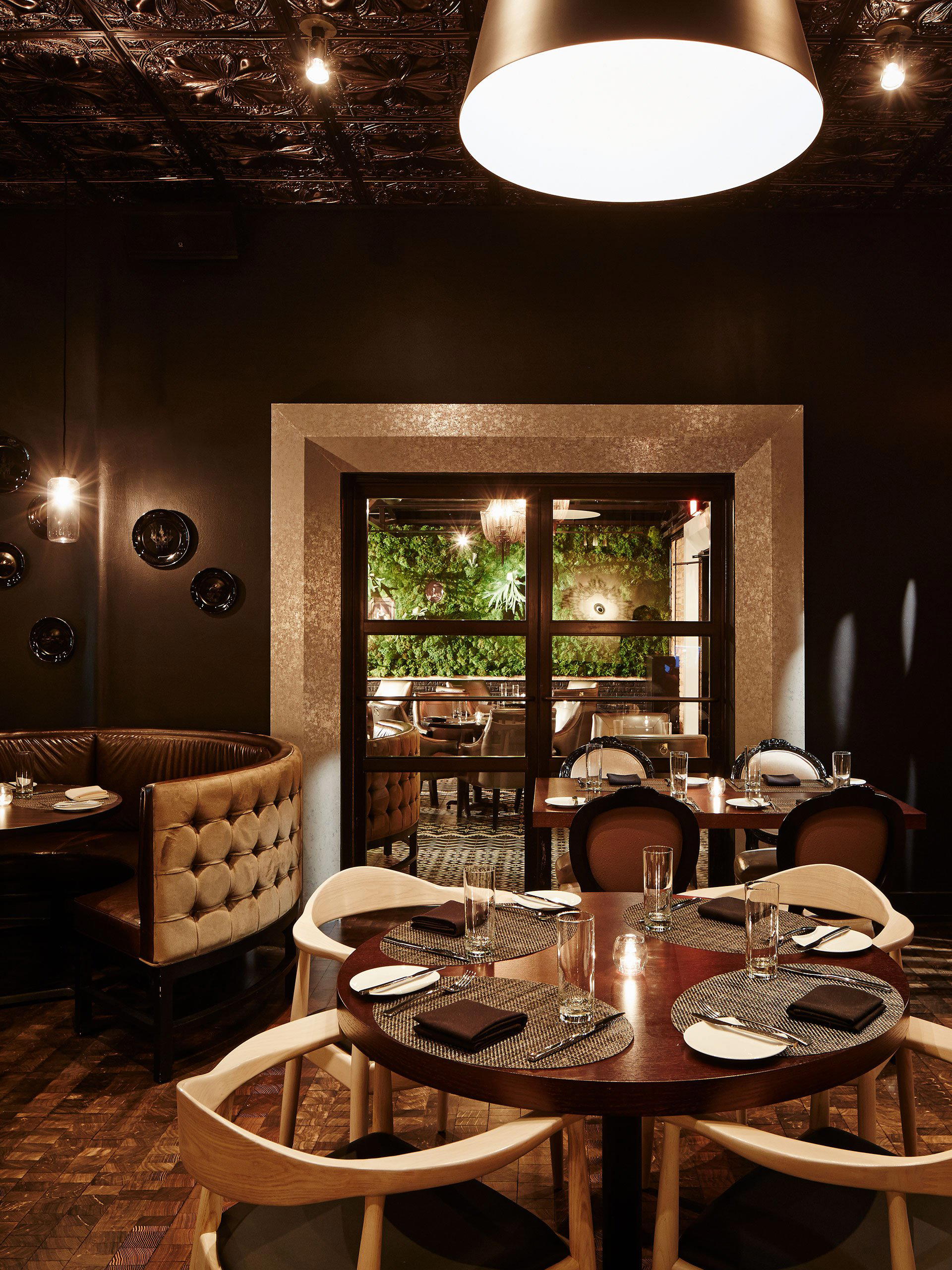
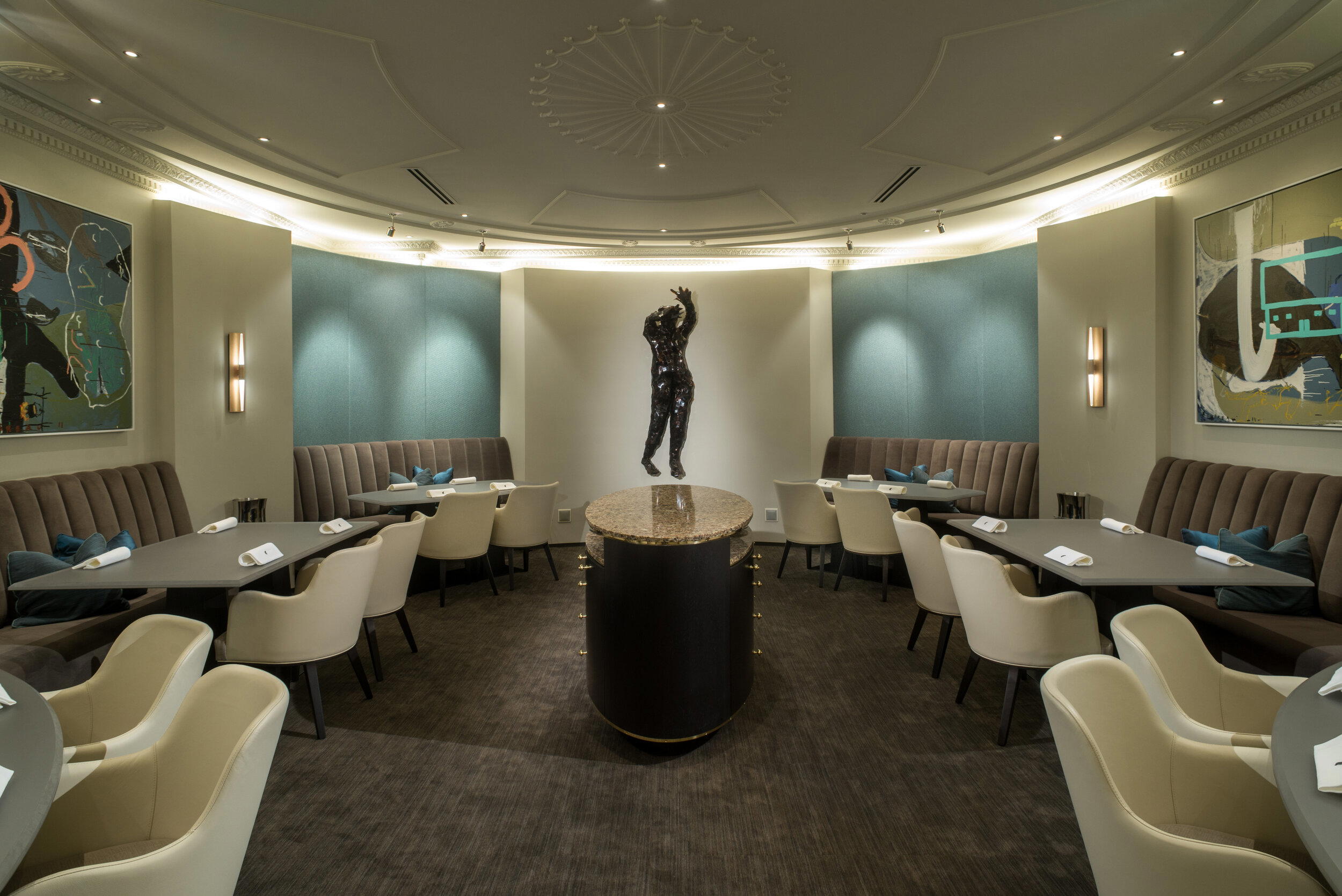
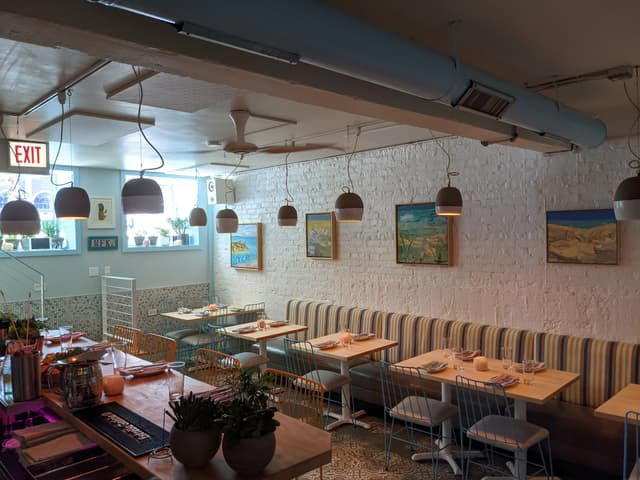
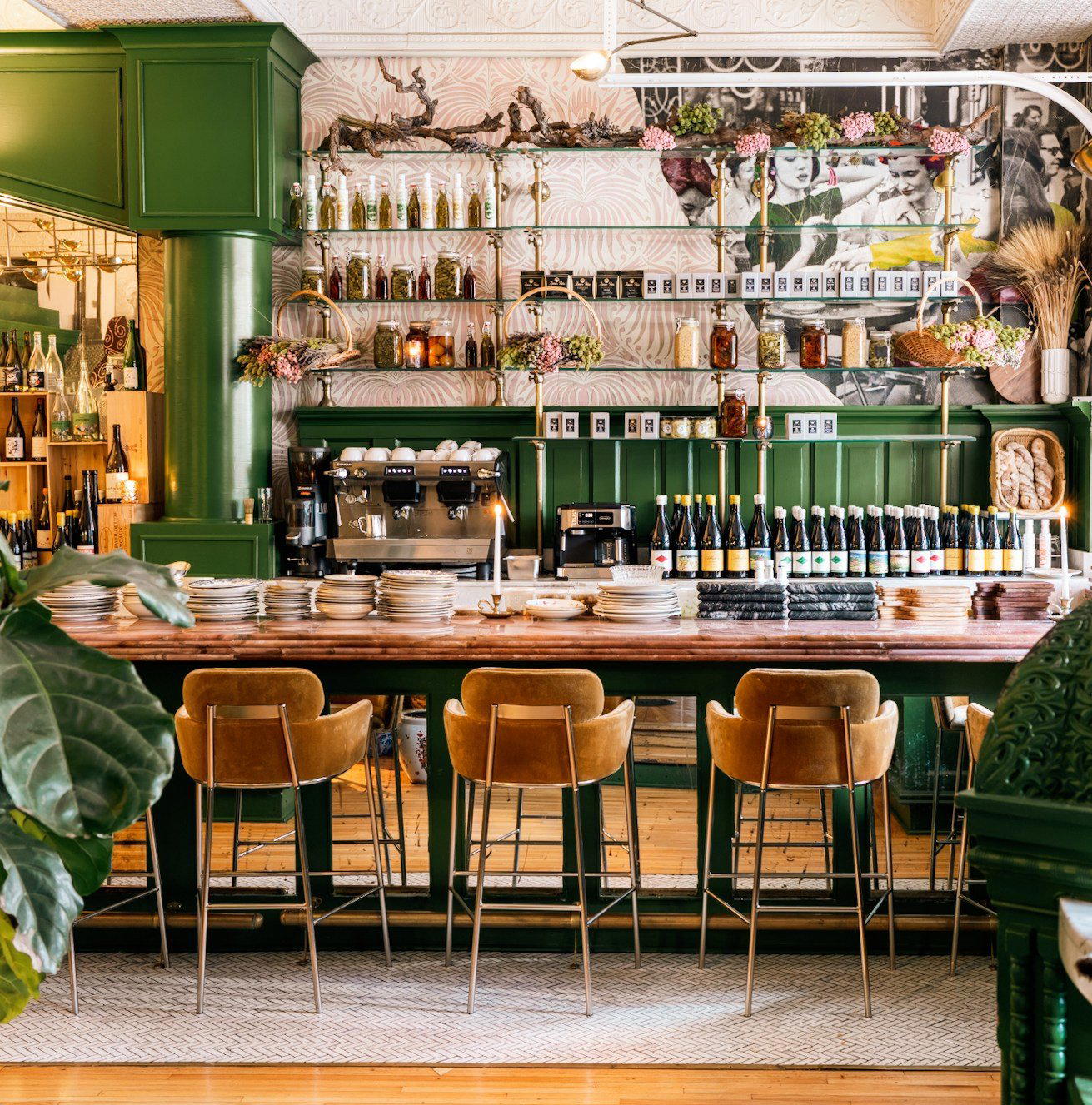
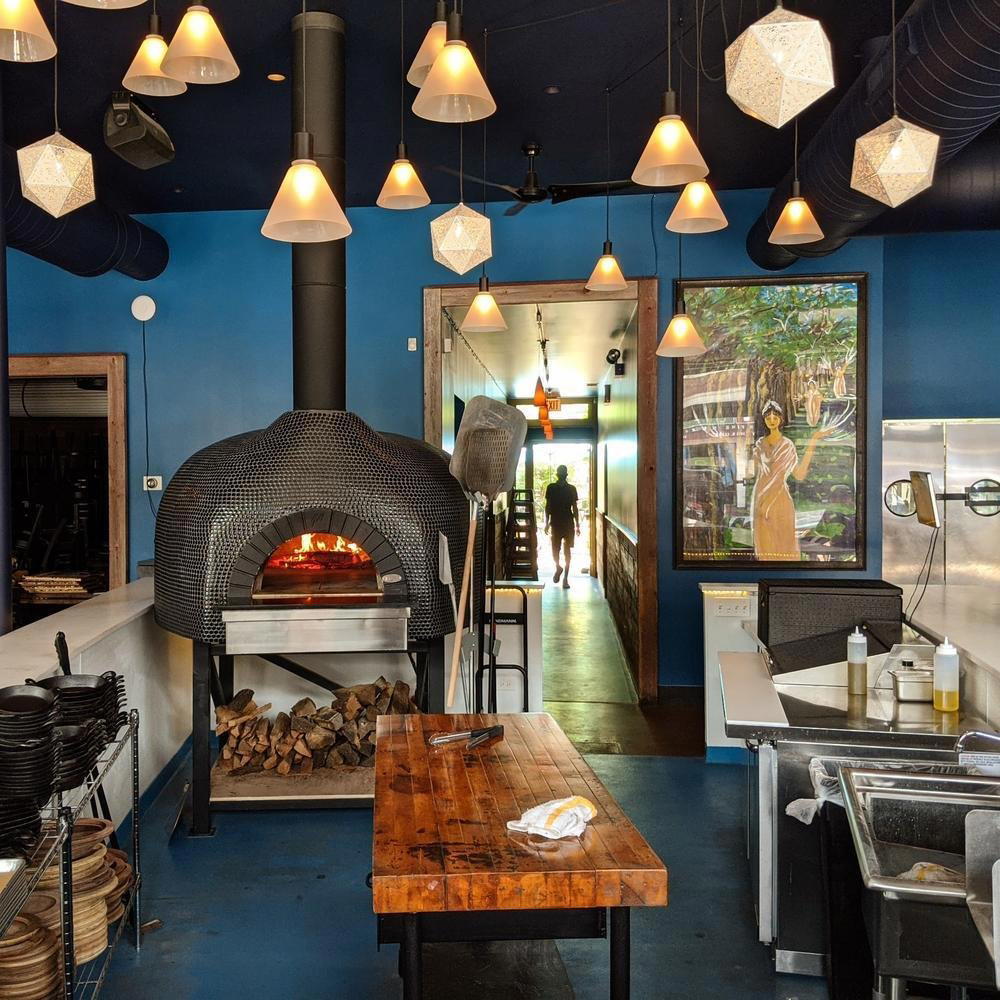
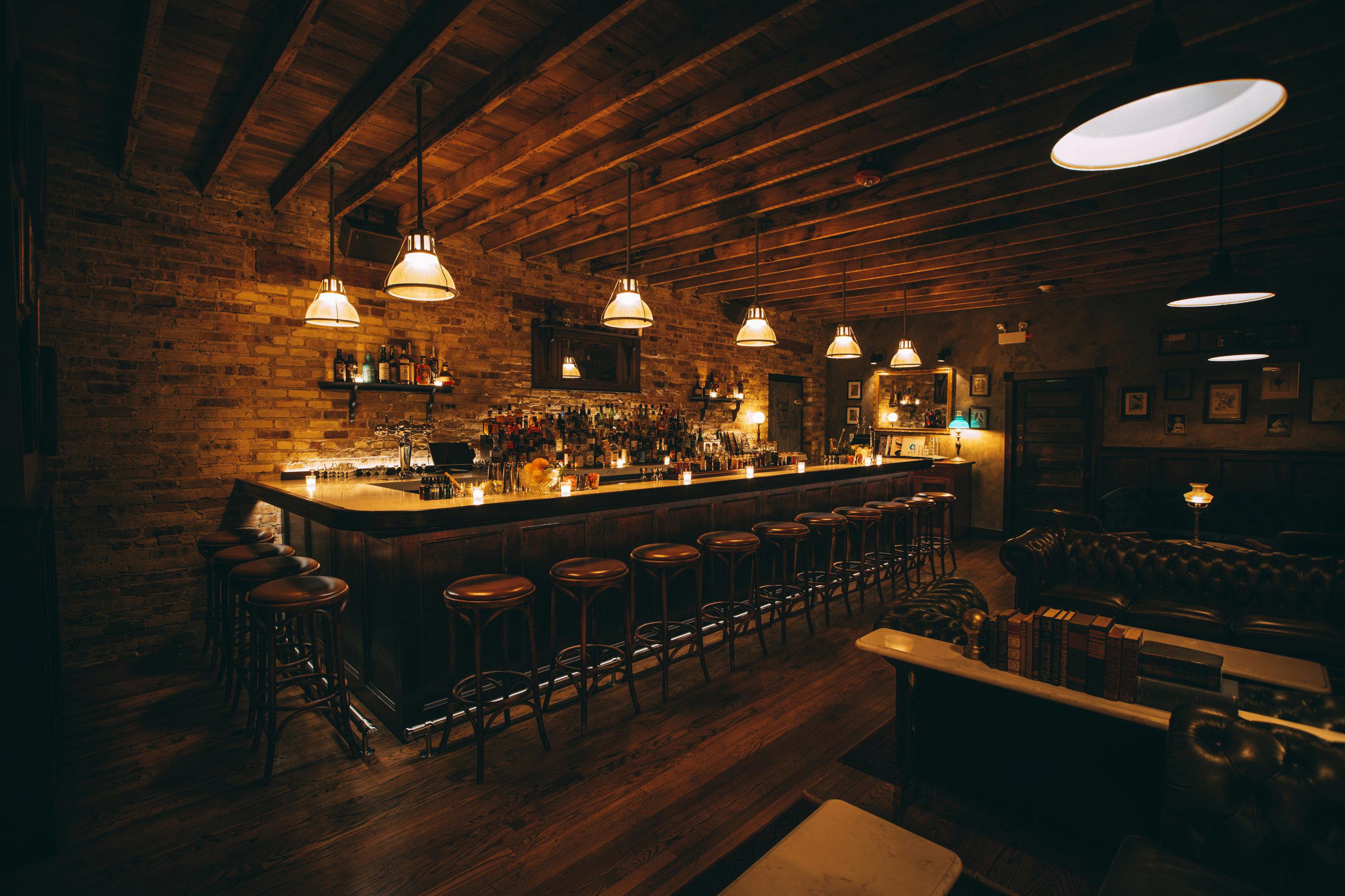
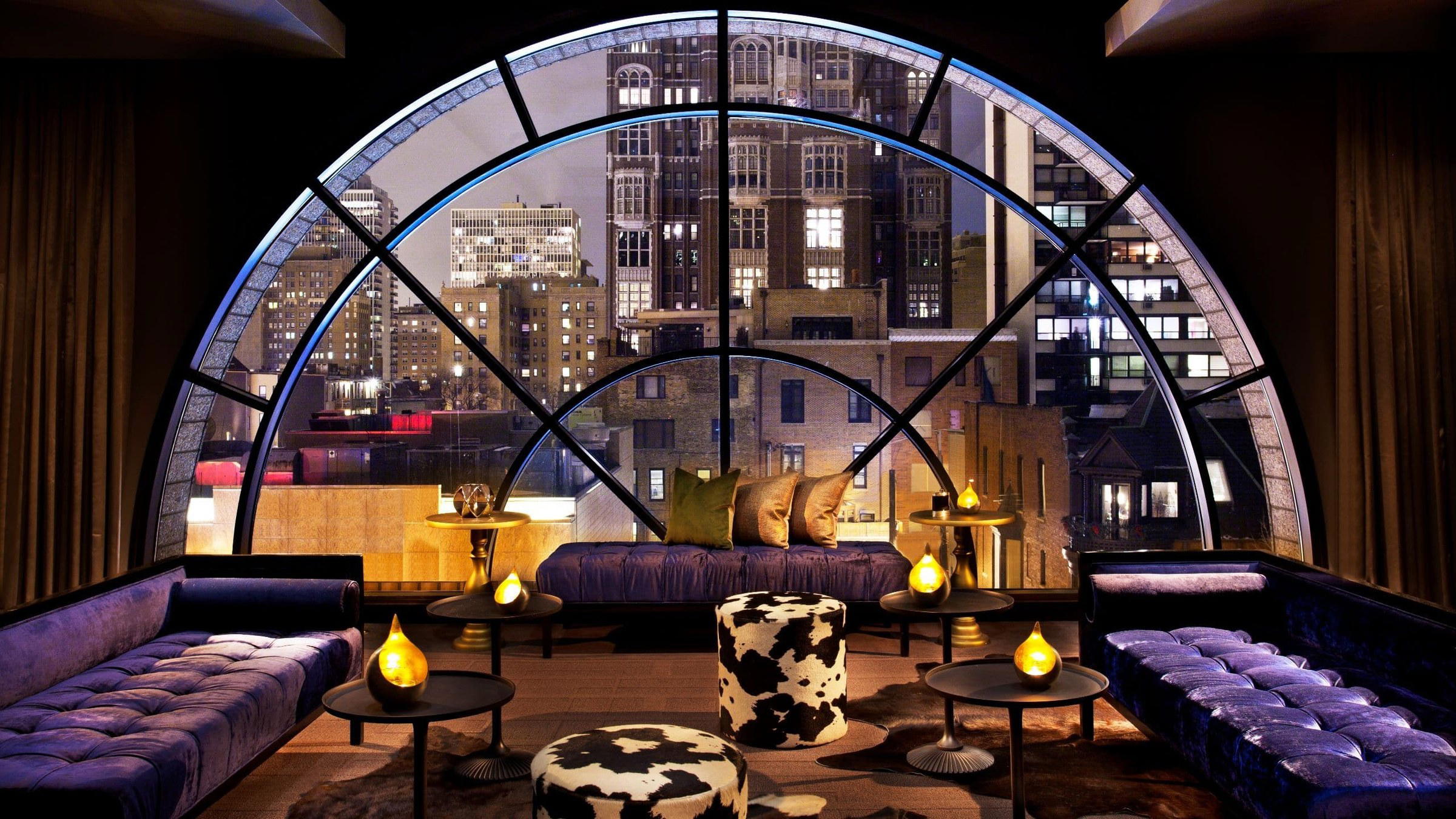
Dim lighting with dark wood furnishings and luxuriant fuchsia-red walls create a sophisticated coziness; slightly dark but welcoming ambiance.