SoJu BBQ
SoJu BBQ occupies a distinct position on Ashland Avenue in Chicago's Near West Side, where Korean barbecue and the ritual of tableside grilling intersect with the city's increasingly serious approach to fermented spirits. The address places it within reach of a dining corridor that has expanded significantly over the past decade, drawing comparison with the Korean-inflected programming emerging at venues like Kasama.
Pearl is the En Primeur Club membership app — saves, bookings, and concierge access live there. Same editors, same standards.
- Address
- 36 S Ashland Ave, Chicago, IL 60607
- Phone
- +13128775206
- Website
- sojubbq.com
- Directions
- Get directions
 Saves & bookings on Pearl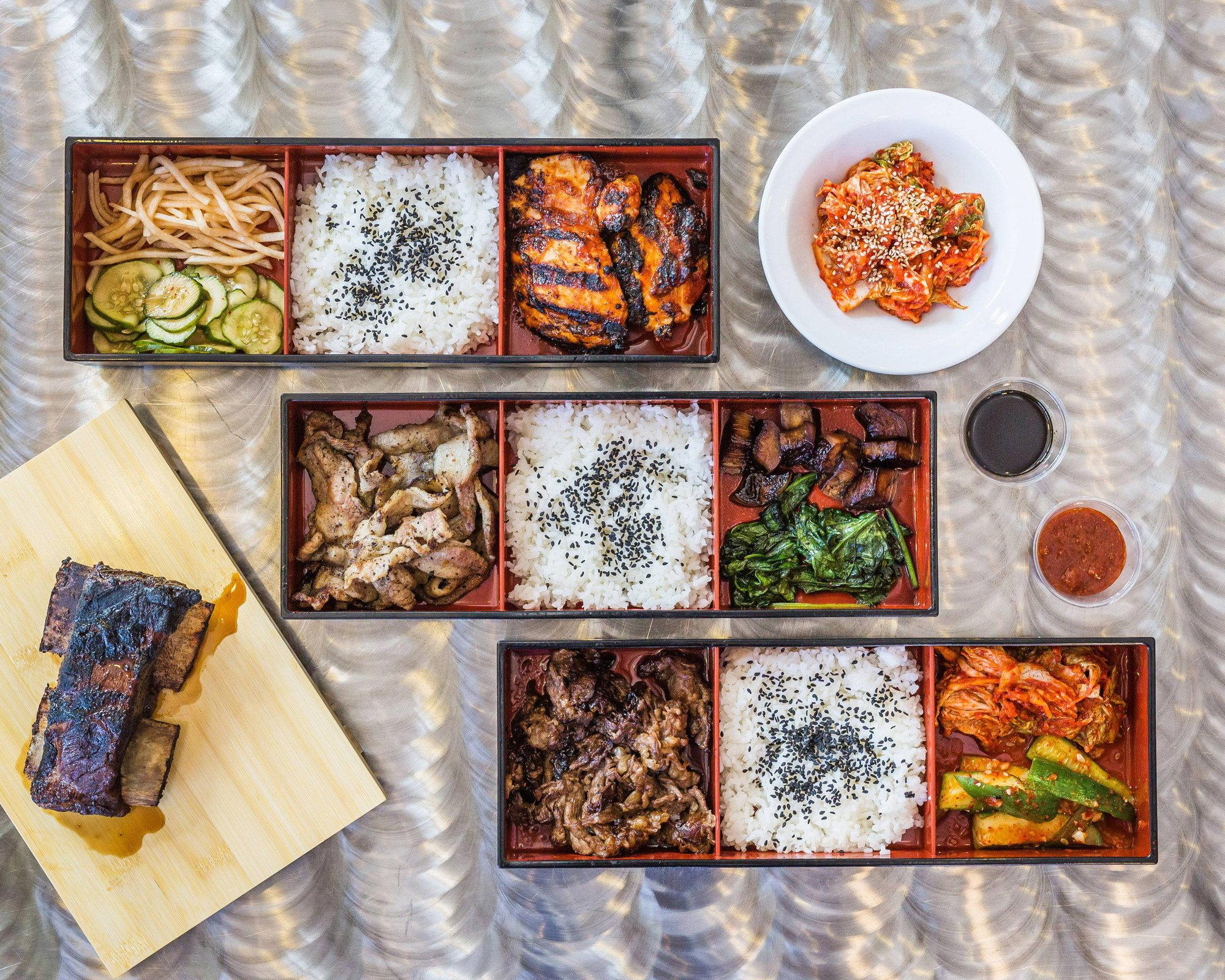
The Ritual of the Grill in Chicago's West Loop Corridor
Korean barbecue in American cities has undergone a quiet but consequential shift over the past decade. What once operated primarily as a value proposition, large portions at modest prices in strip-mall settings, has fractured into at least two distinct tiers. One remains accessible and volume-driven. The other, concentrated in cities with established Korean-American dining cultures, treats the tableside grill as a format worthy of the same architectural and programmatic attention that omakase counters or tasting-menu rooms receive elsewhere. SoJu BBQ, at 36 S Ashland Ave in Chicago's Near West Side, is a Korean BBQ restaurant where the drinking component, specifically soju and its fermented-grain relatives, is treated as an equal partner to the food rather than an afterthought.
Chicago's dining identity has been shaped, particularly over the last fifteen years, by a handful of high-investment tasting-menu restaurants that placed the city on the international critical map. Alinea, Smyth, and Oriole occupy the upper tier of that conversation, while Next Restaurant represents a more format-experimental approach. Below that apex tier, a broader and more culturally textured set of openings has emerged, including Kasama, which brought Filipino cuisine into a fine-dining conversation previously dominated by European and progressive American frameworks. SoJu BBQ arrives in a similar context: a non-European dining tradition taking on a more considered, higher-investment format in a city that has demonstrated appetite for it.
Soju, Makgeolli, and the Case for Taking Korean Spirits Seriously
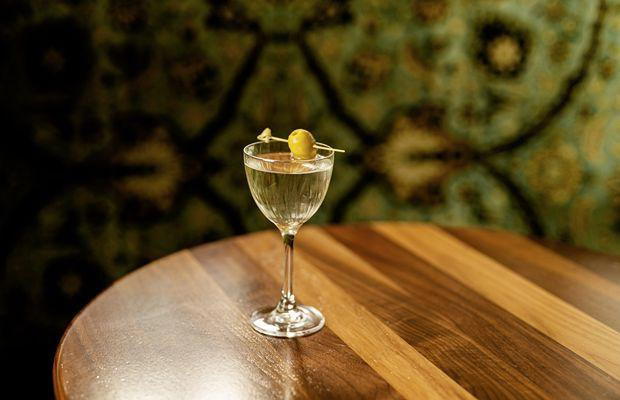
The editorial angle at a venue named for soju is, logically, the drinking program. Soju itself is a category that Western diners have historically underestimated. At its mass-market end, it is a neutral, low-ABV spirit, widely consumed in Korea but rarely accorded the curatorial attention that sake or shochu receive in Japanese restaurant contexts. The more interesting territory lies in premium and regional variants: distilled soju made from rice or sweet potato rather than diluted industrial alcohol, aged expressions with genuine complexity, and the broader family of Korean fermented beverages that includes makgeolli (a milky, lightly sparkling rice wine) and cheongju (a clearer, higher-proof sibling).
At venues where this category is taken seriously, the drinks list functions less like a bar menu and more like a curated cellar, organized by production method, regional origin, or aging trajectory. The comparisons that apply here are not with other Korean barbecue restaurants but with the sommeliers at Le Bernardin in New York or the beverage programming at Single Thread Farm in Healdsburg, where drinks are sourced with the same intentionality as produce. The naming convention signals an ambition beyond the standard soju-as-utility approach.
Nationally, this kind of Korean spirit-forward programming has gained traction. Atomix in New York City has demonstrated that Korean fine dining with a serious beverage component can earn the highest critical recognition. The model is established; what varies is execution and depth of commitment at each individual address.
The Barbecue Format as a Dining Ritual
Korean barbecue's durability as a format stems from something that tasting menus can rarely replicate: genuine participation. The diner is not passive. Meat arrives raw or marinating, the grill demands attention, and the meal unfolds at a pace set by the table rather than the kitchen. This interactive quality makes the format resistant to the kind of formulaic replication that has commodified other global cuisines in American cities.
Particularly considered Korean barbecue rooms in the United States treat the grill infrastructure, ventilation, fuel type, grate material, and heat control, as design decisions rather than functional afterthoughts. Premium wood or charcoal installations, in particular, distinguish the upper tier of the category, where smoke management and temperature precision matter as much as the quality of the meat itself. The Near West Side address on Ashland Avenue places SoJu BBQ in a part of Chicago that has absorbed significant dining investment in recent years.
For reference on what high-investment American dining looks like across the country, Lazy Bear in San Francisco, The French Laundry in Napa, Providence in Los Angeles, Blue Hill at Stone Barns in Tarrytown, Addison in San Diego, The Inn at Little Washington, Bacchanalia in Atlanta, and Emeril's in New Orleans represent the range of investment and ambition that American dining now encompasses. The restaurant's position within Chicago's scene is where its credentials will be weighed. Internationally, the comparison set expands to venues like 8 1/2 Otto e Mezzo Bombana in Hong Kong, where non-European fine dining has fully absorbed Western critical frameworks.
Planning Your Visit
The restaurant is located at 36 S Ashland Ave, Chicago, IL 60607, in the Near West Side, a neighborhood with reasonable public transit access from the Loop. Reservations are recommended. Dress: Casual. Budget: Expect about $25 per person. Hours: Mon: 5-9 PM; Tue: 5-9 PM; Wed: 5-9 PM; Thu: 5-9 PM; Fri: 5-10 PM; Sat: 4-10 PM; Sun: 4-9:30 PM.
Budget and Context
Comparable venues nearby, for context on price, style, and recognition.
| Venue | Cuisine | Price | Notes |
|---|---|---|---|
| SoJu BBQThis venue — the venue you are viewing | West Loop, Korean BBQ | $$ | Not listed |
| Daebak Chinatown | Chinatown, Korean BBQ | $$ | Not listed |
| Daebak Korean BBQ | Chinatown, Korean BBQ | $$ | Not listed |
| Brennan’s Gourmet Burger Shack | Edison Park, Gourmet Smashburgers | $$ | Not listed |
| Saigon Sisters | West Loop, Modern Vietnamese Street Food | $$ | Not listed |
| India House, Chicago | Not listed | $$ | River North, Authentic North Indian Tandoori |
At a Glance
- Lively
- Trendy
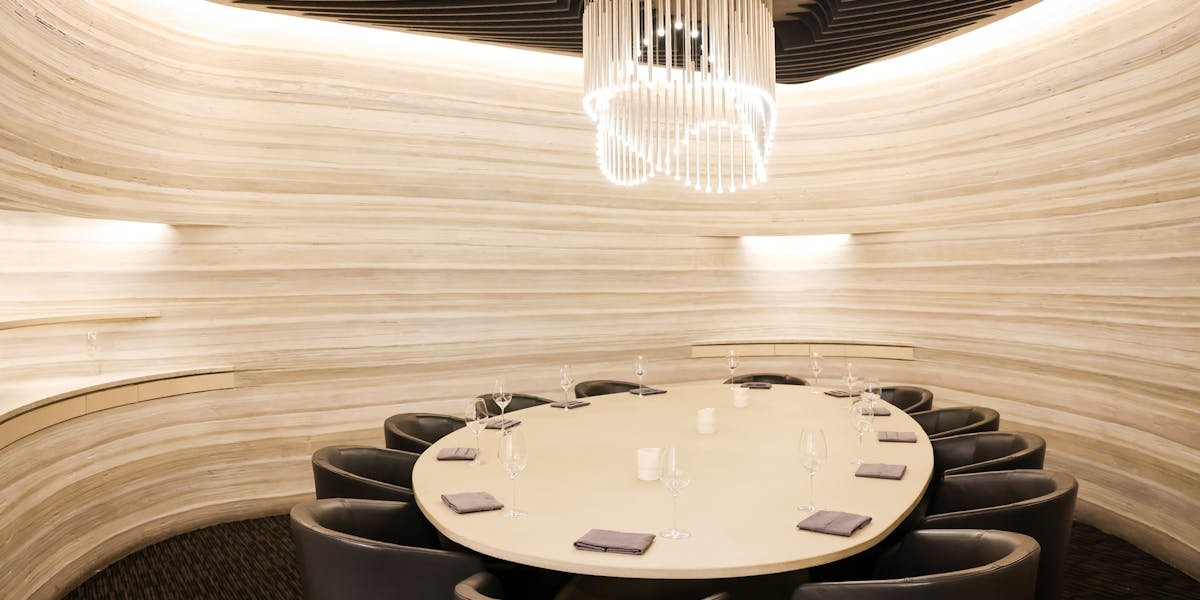
- Group Dining
- Casual Hangout
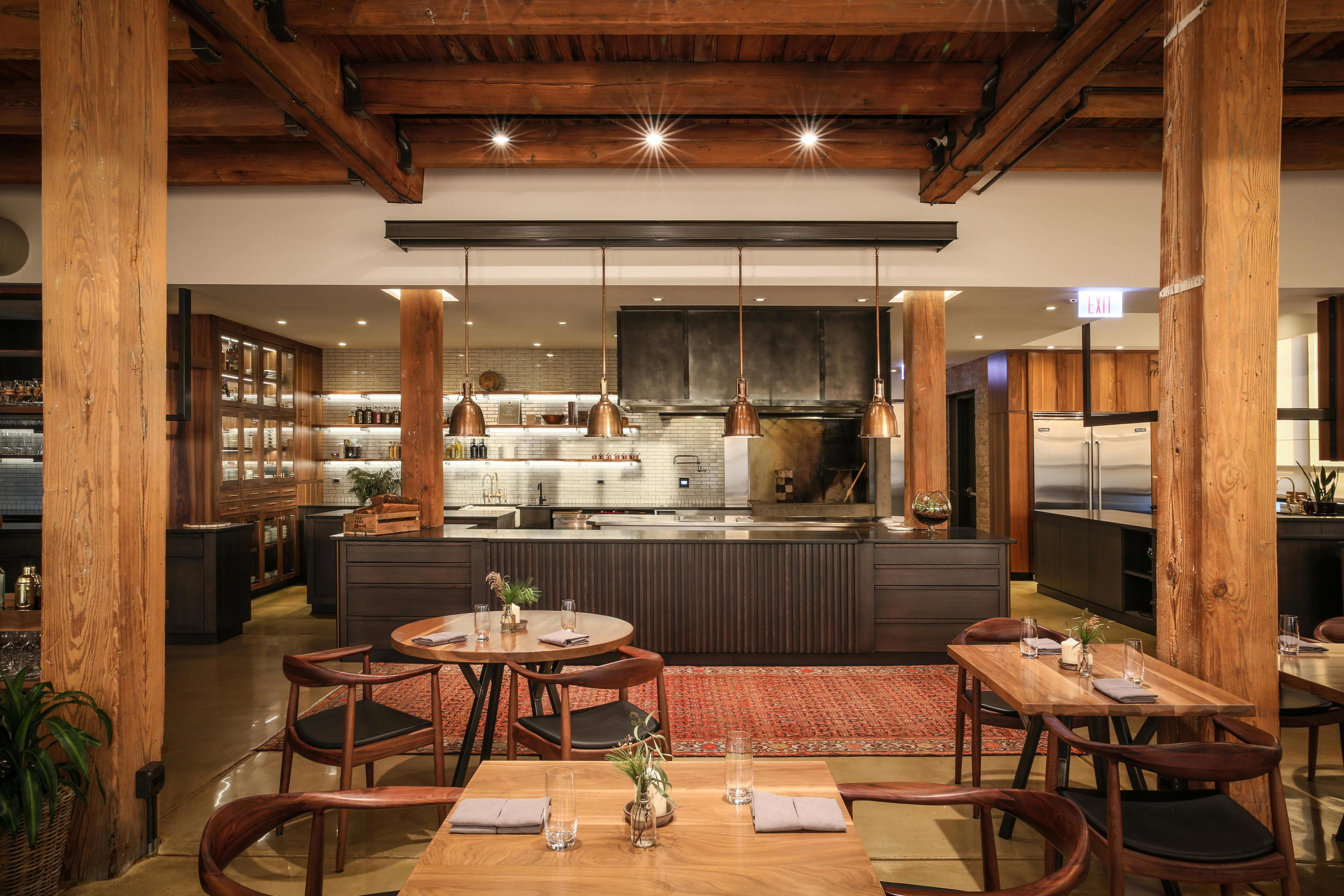
- Open Kitchen
- Sake Program
Current opening hours
- Monday
- 5–9 PM
- Tuesday
- 5–9 PM
- Wednesday
- 5–9 PM
- Thursday
- 5–9 PM
- Friday
- 5–10 PM
- Saturday
- 4–10 PM
- Sunday
- 4–9:30 PM
Hours can change for holidays and private events. Last verified .
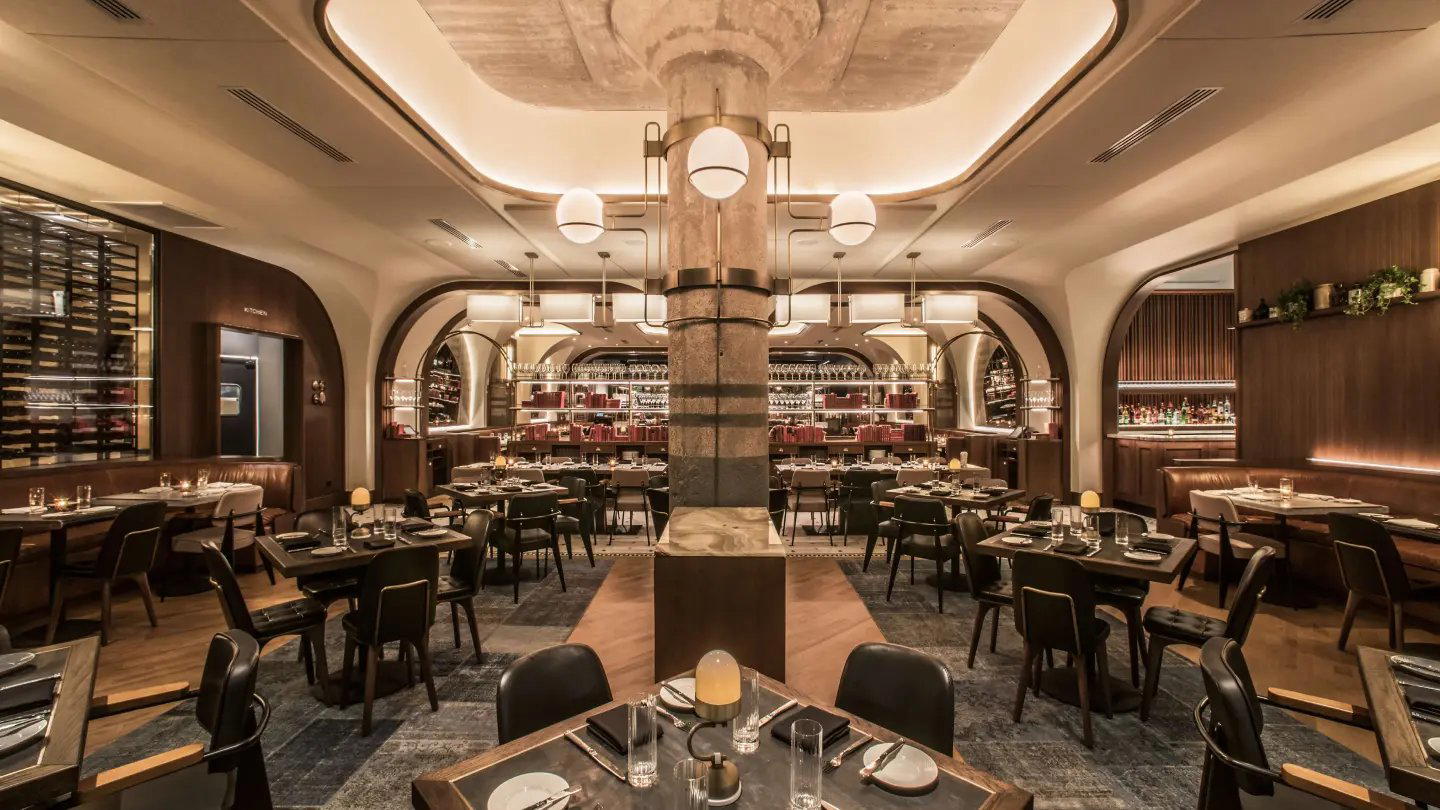
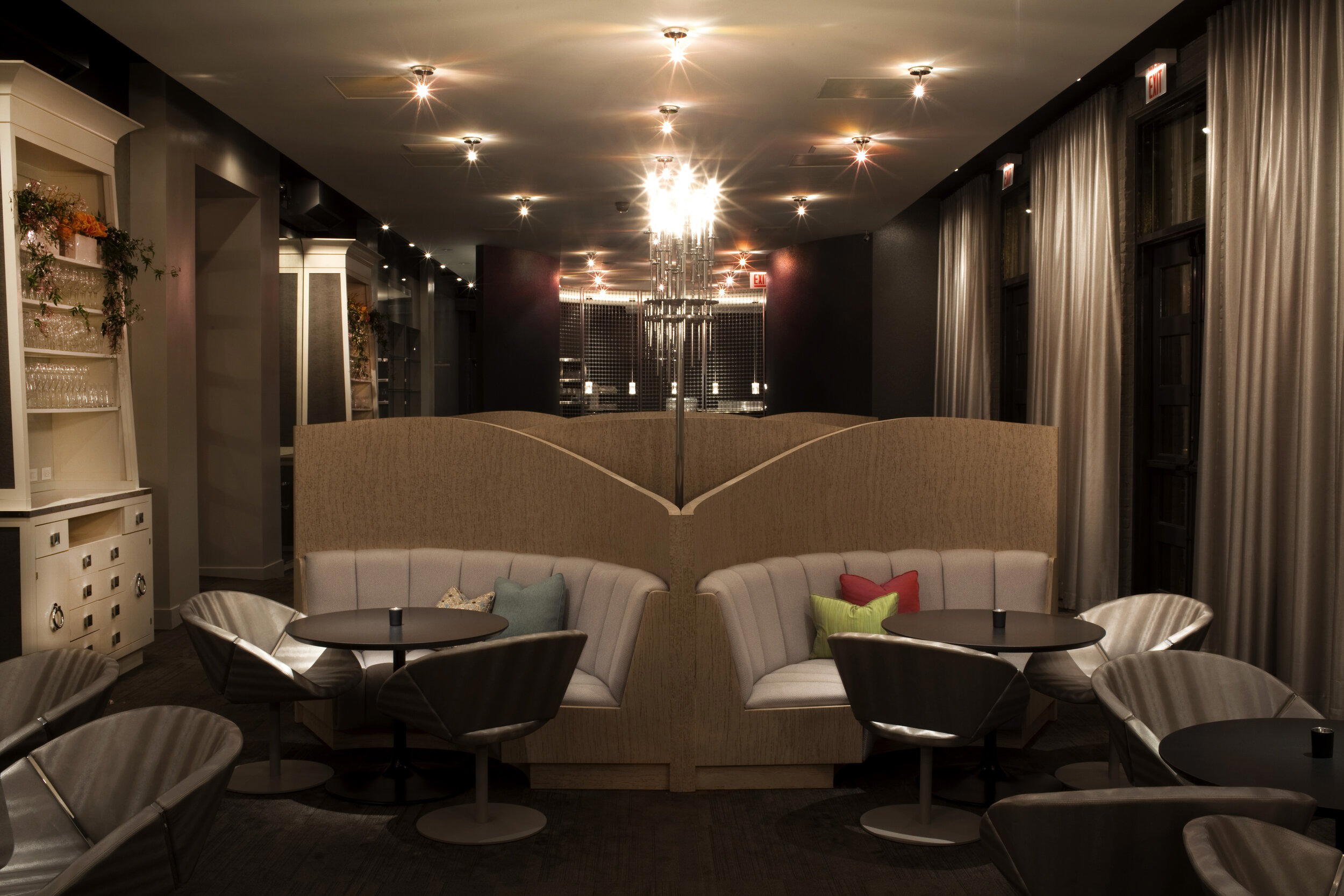
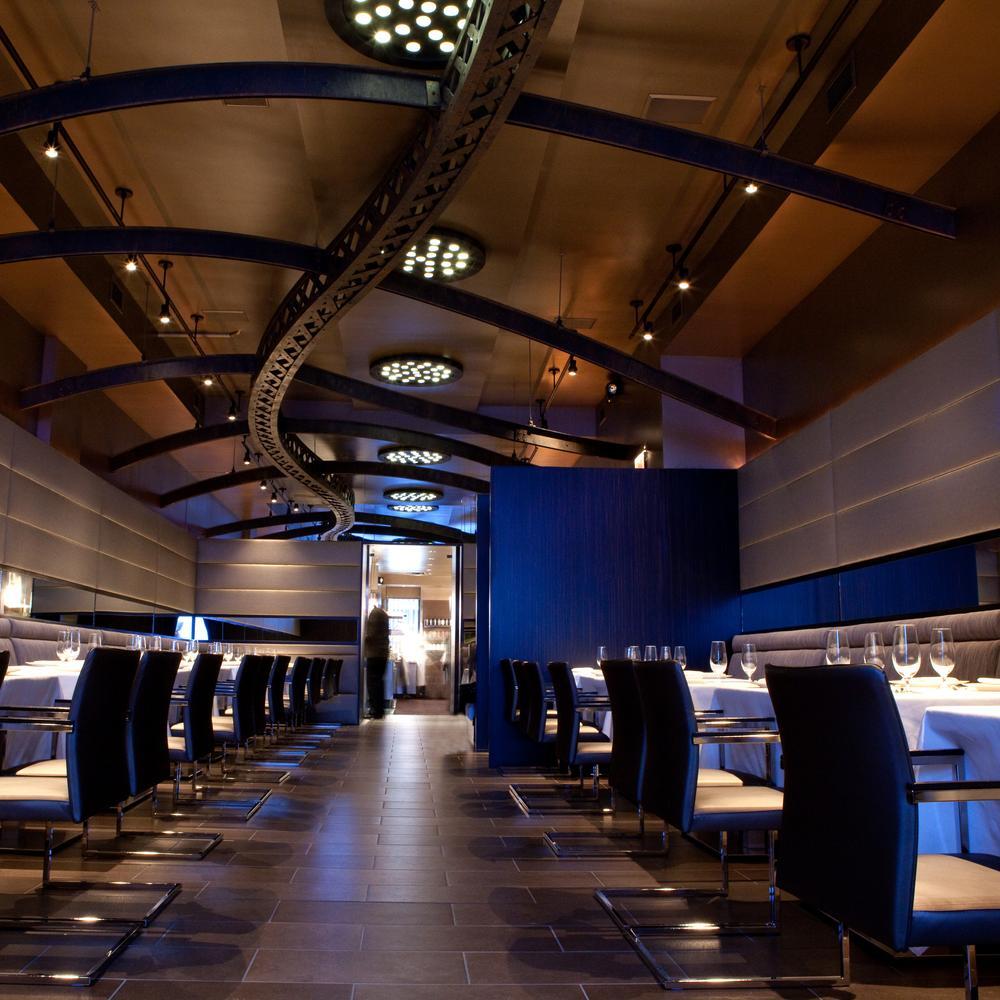
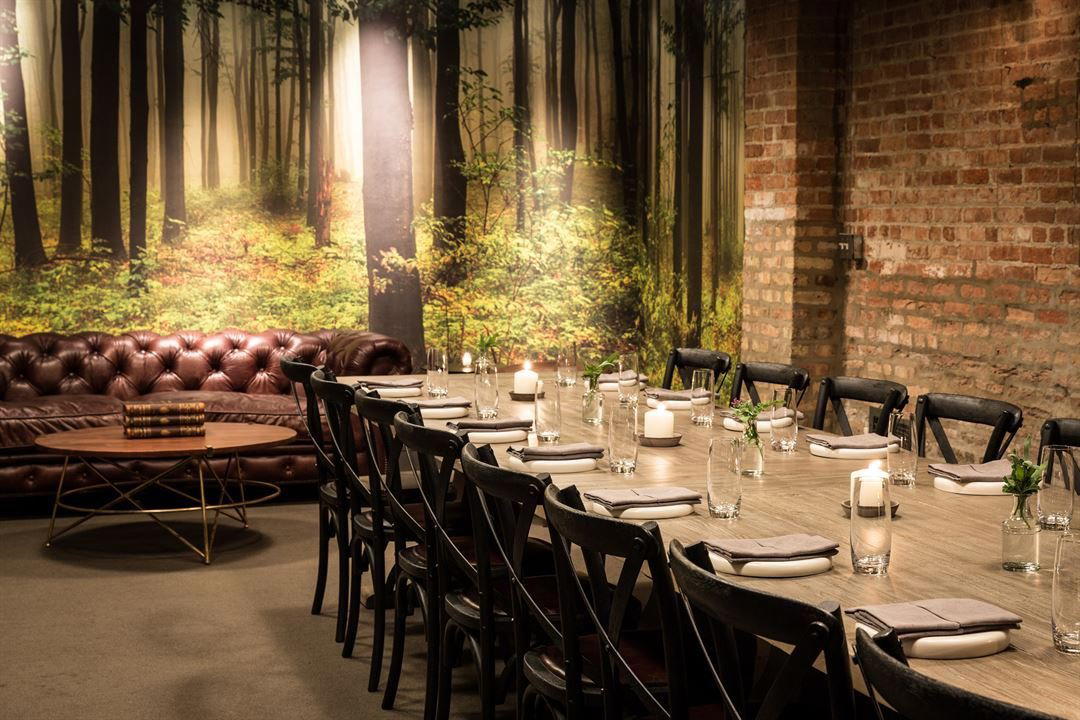
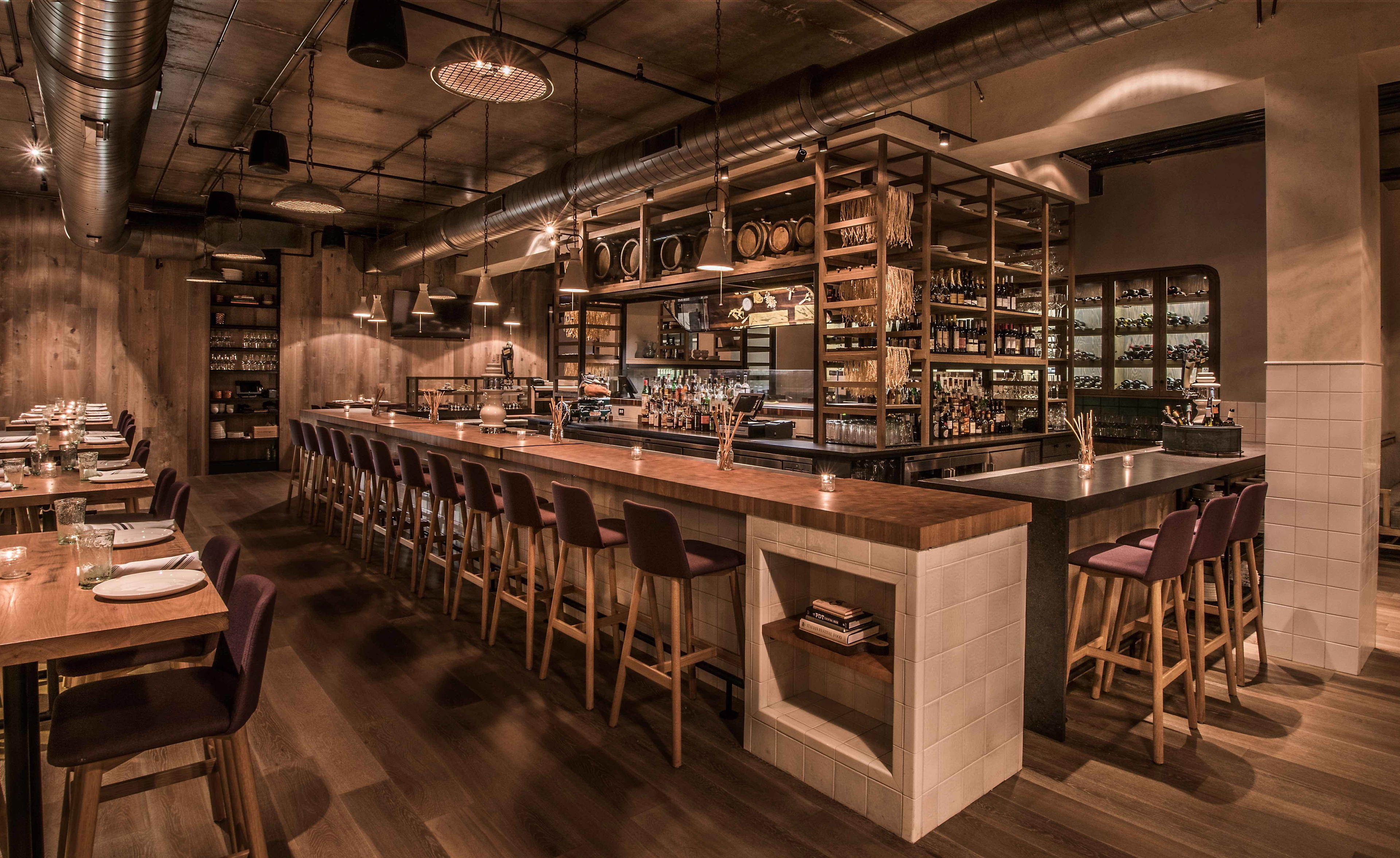
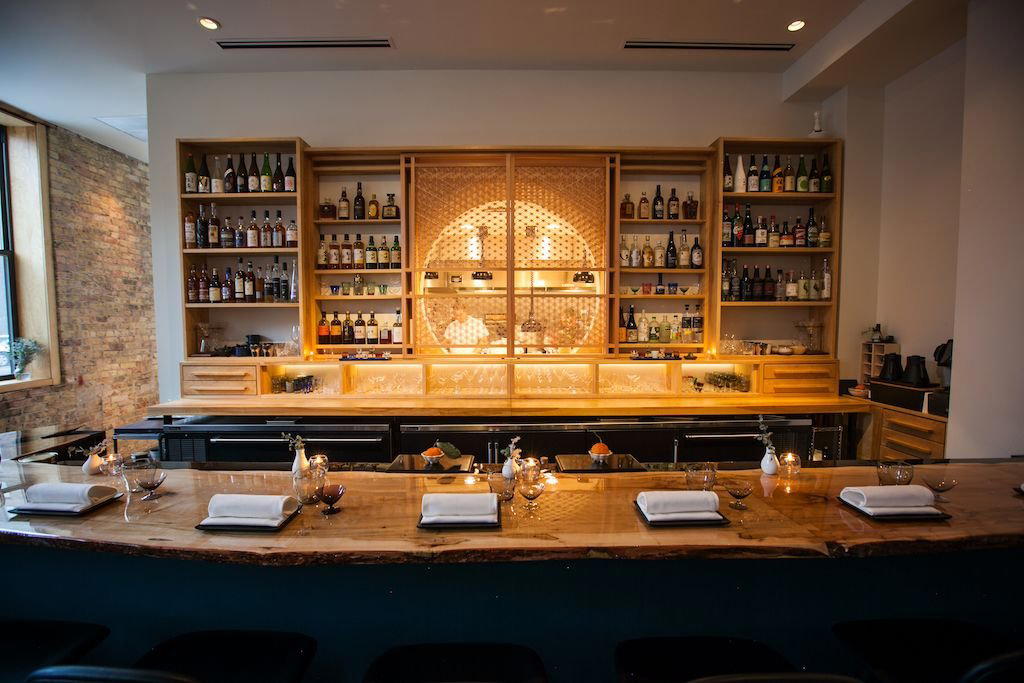
Warm and inviting atmosphere well-suited for casual grilling and sharing dishes with friends.