Pilsen Yards
Pilsen Yards sits at 1163 W 18th St in Chicago's Pilsen neighborhood, a district that has spent the past decade becoming one of the city's most closely watched addresses for independent food culture. With a sustainability-forward approach that mirrors a broader shift in how Chicago's creative dining scene sources and operates, this is a venue that fits a neighborhood built on craft, community, and material consciousness.
Pearl is the En Primeur Club membership app — saves, bookings, and concierge access live there. Same editors, same standards.
- Address
- 1163 W 18th St, Chicago, IL 60608
- Phone
- +13122432410
- Website
- pilsenyards.com
- Directions
- Get directions
 Saves & bookings on Pearl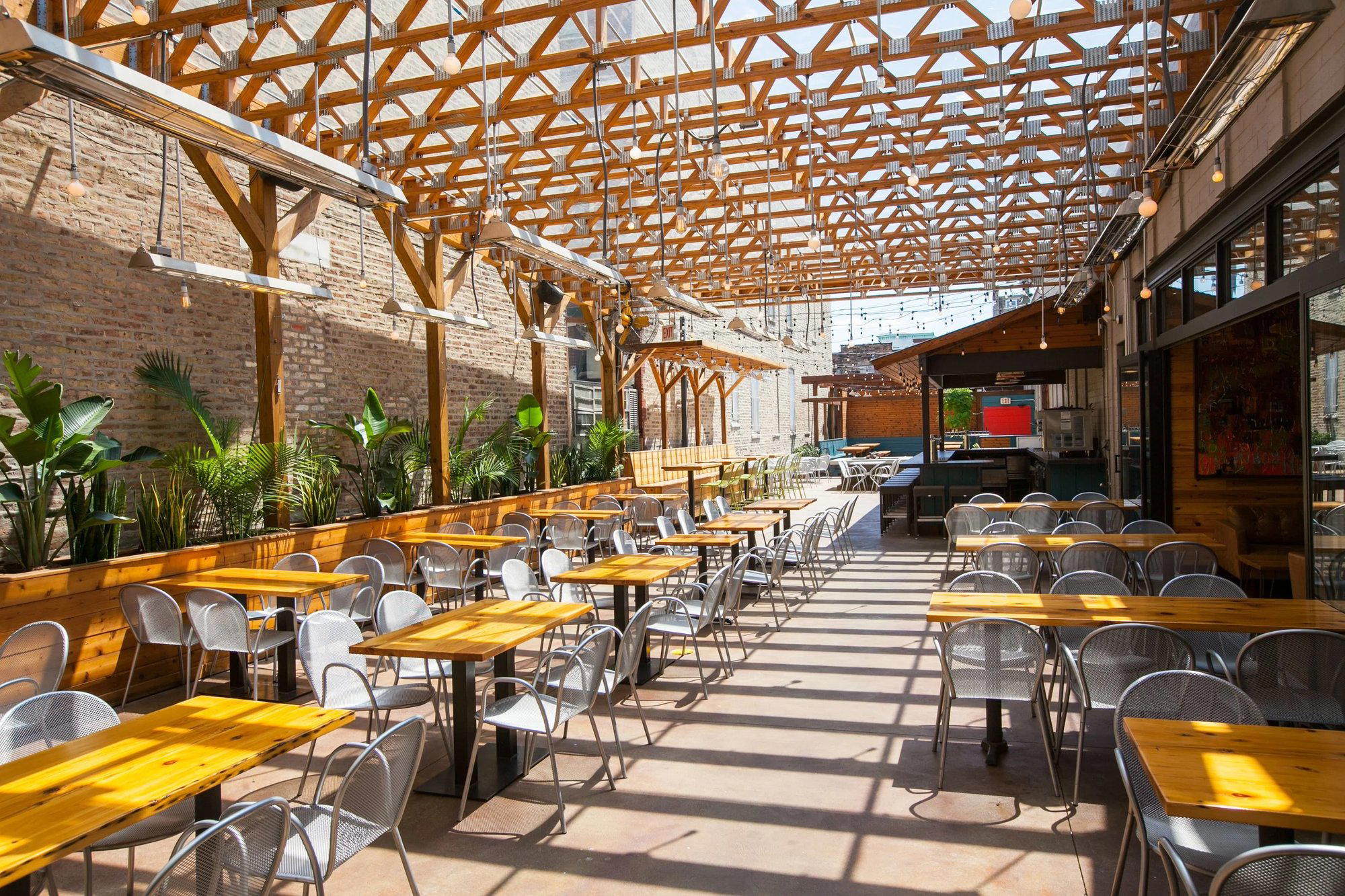
Pilsen's Industrial Edges and the Dining Scene Growing Inside Them
Walking west along 18th Street in Pilsen, the architecture gives you the story before any menu does. Former industrial buildings sit alongside murals scaled for warehouse walls, and the sidewalk traffic is a reliable mix of longtime Mexican-American residents and a newer wave of artists, designers, and independent operators who followed the affordable square footage. This is the context in which Pilsen Yards at 1163 W 18th St exists: a neighborhood that has developed a food culture shaped more by its physical character than by any top-down restaurant movement.
Pilsen's dining identity differs from the polished concentration of spots like Alinea in Lincoln Park or the tasting-menu corridor that includes Smyth and Oriole further north. Those venues operate in a different register entirely, at price points and formality levels that reflect their Michelin positioning. Pilsen operates as a counterweight: neighborhood-scaled, community-embedded, and increasingly conscious of how it sources, wastes, and participates in the blocks around it.
The Sustainability Frame: What It Means at Neighborhood Scale
Across American dining, sustainability has split into two distinct modes. The first is high-production, certification-heavy sustainability: restaurants at the level of Blue Hill at Stone Barns in Tarrytown or Single Thread Farm in Healdsburg have built their entire identities around farm-to-table traceability, with sourcing programs that function almost as separate editorial projects. The second mode is quieter and harder to market: neighborhood venues that reduce waste, buy from local producers, and avoid the kind of single-use infrastructure that inflates the cost and the footprint of a cover simultaneously.
Pilsen Yards sits in the second category. The neighborhood itself has the infrastructure for this approach: Chicago's Pilsen district has long had direct relationships with urban growing operations, local food distributors, and the kind of independent supplier networks that don't require a freight chain from across the country. A venue operating on 18th Street has access to a sourcing ecosystem that venues in the Loop or River North have to work considerably harder to build.
This mirrors patterns seen at sustainability-led venues across American cities. Lazy Bear in San Francisco and Providence in Los Angeles both occupy a higher price tier, but they demonstrate the same underlying logic: when sourcing decisions are made with environmental and community consequence in mind, the menu becomes a downstream expression of those upstream choices rather than a starting point for them.
Where Pilsen Yards Sits in Chicago's Broader Scene
Chicago's restaurant map has become meaningfully neighborhood-specific over the past decade. The tasting-menu heavyweights, including Next Restaurant and Kasama, anchor distinct parts of the city and draw destination diners from outside Chicago entirely. Pilsen operates differently. Venues here generally serve the neighborhood first and the wider city second, which produces a different relationship between kitchen and community.
That dynamic has direct consequences for how sustainability translates into practice. When your primary audience lives within walking distance and returns regularly, the decisions you make about packaging, sourcing, and waste have a visibility that destination dining doesn't share. You're operating in someone's neighborhood, not just in a dining category. The venues along 18th Street and the surrounding blocks have, over time, developed a culture of operational accountability that reflects this.
For readers building a broader Chicago itinerary, the city's dining spans neighborhoods and price tiers with the context needed to compare venues across different competitive sets.
Comparing the Options: Pilsen Yards in Context
| Venue | Neighborhood | Price Tier | Primary Format | Sustainability Signal |
|---|---|---|---|---|
| The restaurant | Pilsen | Not confirmed | Not confirmed | Neighborhood sourcing model |
| Alinea | Lincoln Park | $$$$ | Progressive tasting menu | Technique-led, no declared program |
| Smyth | West Loop | $$$$ | Contemporary tasting menu | Seasonal sourcing emphasis |
| Kasama | Ukrainian Village | $$$$ | Filipino, tasting counter | Not declared |
| Next Restaurant | West Loop | $$$$ | Rotating concept, American | Not declared |
The comparison above is useful for setting expectations. Every other venue in the restaurant' Chicago peer group operates at the summit of the city's price range, with booking windows, dress expectations, and formality levels to match. The restaurant occupies a different position in the city's dining ecology: more immediate, more embedded in a specific community, and more directly connected to the neighborhood's own economic and cultural character.
Points of Reference Beyond Chicago
For readers who spend time across American cities, the restaurant is worth framing against venues that have made neighborhood embeddedness and sourcing ethics a defining characteristic at various price points. Bacchanalia in Atlanta has long operated with a farm-sourcing model that predates the mainstream conversation about ethical procurement. The French Laundry in Napa and Addison in San Diego both represent the high-investment end of sustainable fine dining, where sourcing traceability is part of the front-of-house conversation. At a global scale, Le Bernardin in New York, The Inn at Little Washington, and Atomix each demonstrate how different a restaurant's relationship with sourcing can be depending on cuisine type, ownership structure, and city context. 8 1/2 Otto e Mezzo Bombana in Hong Kong and Emeril's in New Orleans extend the comparison internationally and regionally, showing how the same ethical instinct produces different results depending on local food culture. What connects them to venues like Pilsen Yards is the underlying logic: sourcing decisions made before the menu is written tend to produce more consistent environmental outcomes than sustainability programs bolted on afterward.
Planning a Visit
The restaurant is located at 1163 W 18th St, Chicago, IL 60608. The 18th Street Pink Line station puts the venue within a short walk for those arriving by CTA. Pilsen's dining corridor is compact enough that an evening in the neighborhood can naturally include a drink or a dish at more than one address along 18th Street.
What It’s Closest To
Comparable venues nearby, for context on price, style, and recognition.
| Venue | Cuisine | Price | Notes |
|---|---|---|---|
| Pilsen YardsThis venue — the venue you are viewing | Latin Street Food & Mezcal Bar | $$ | Not listed |
| Barcocina Lakeview | Modern Mexican | $$ | Lakeview |
| Ayayay - Chicago | Mexican Street Food with Peruvian Fusion | $$ | The Loop |
| La Victoria Barra + Cocina Mexicana | Contemporary Mexican Barra + Cocina | $$ | Logan Square |
| La Costa West Town | Authentic Mexican Mariscos | $$ | West Town |
| Cemitas Puebla | Authentic Poblano Cemitas | $ | Humboldt Park |





At a Glance
- Lively
- Trendy
- Energetic
- Bohemian
- Casual Hangout
- Group Dining
- After Work
- Late Night
- Live Music
- Open Kitchen
- Terrace
- Standalone
- Craft Cocktails
- Beer Program
Current opening hours
- Monday
- Closed
- Tuesday
- Closed
- Wednesday
- 3–10 PM
- Thursday
- 3–10 PM
- Friday
- 3–11 PM
- Saturday
- 11 AM–11 PM
- Sunday
- 11 AM–9 PM
Hours can change for holidays and private events. Last verified .
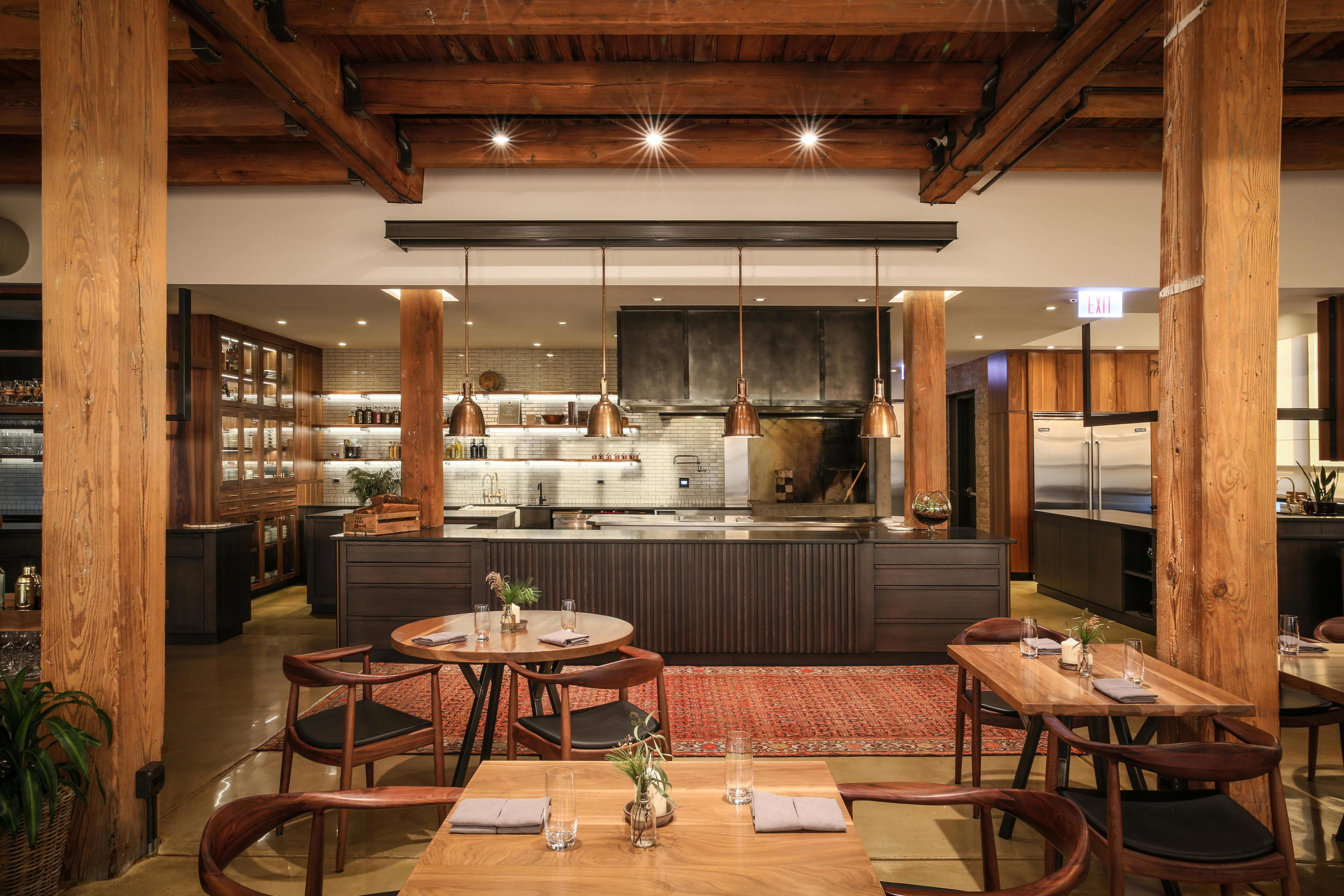
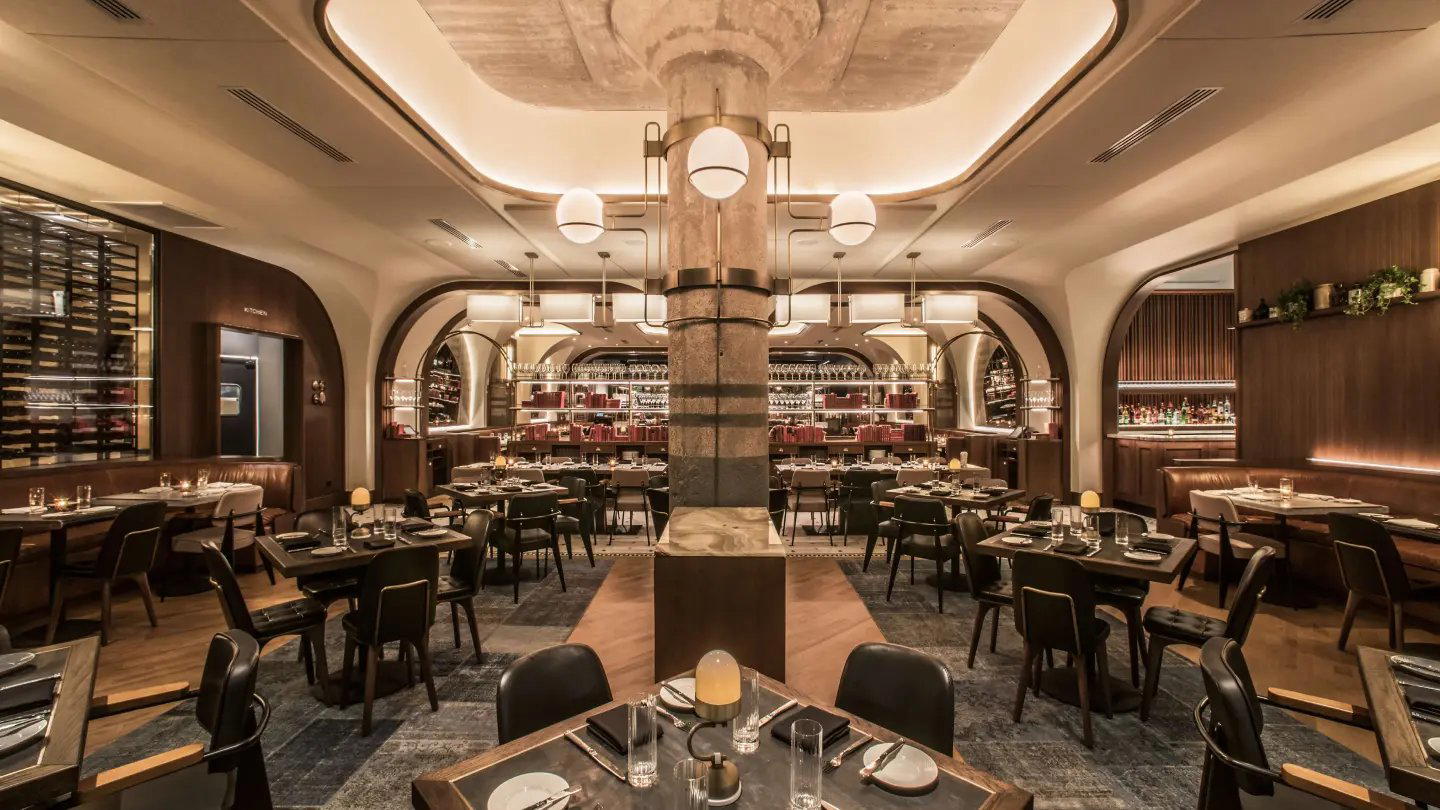
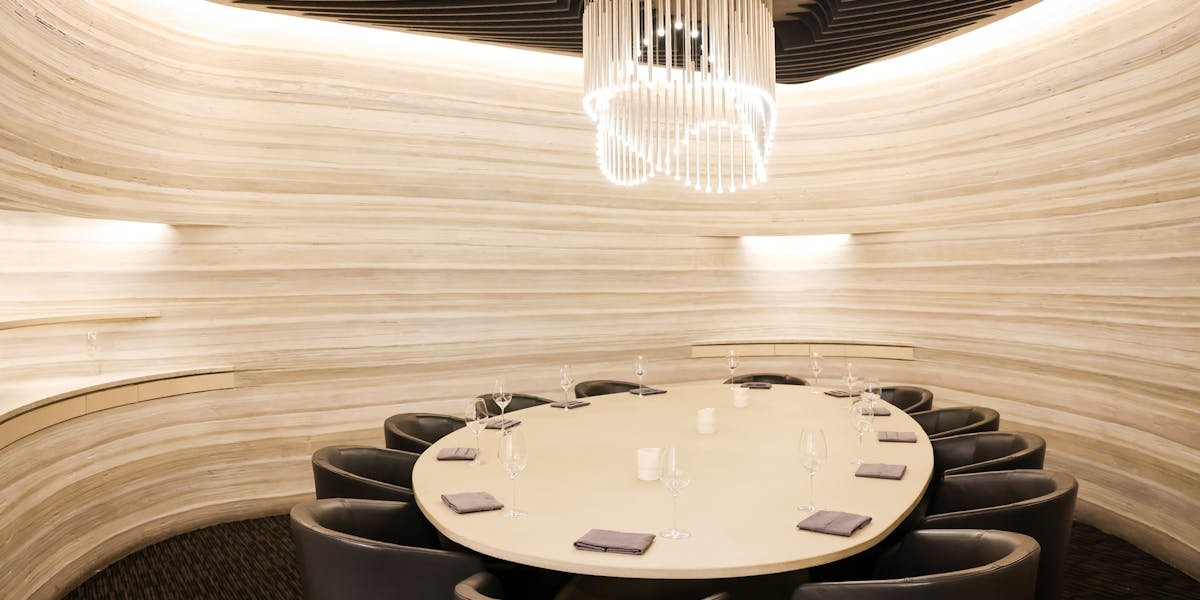
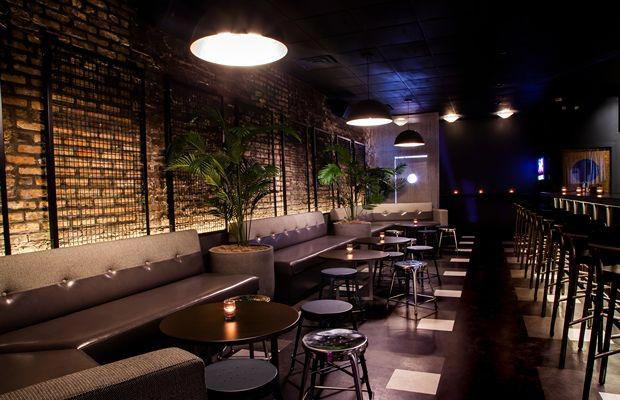
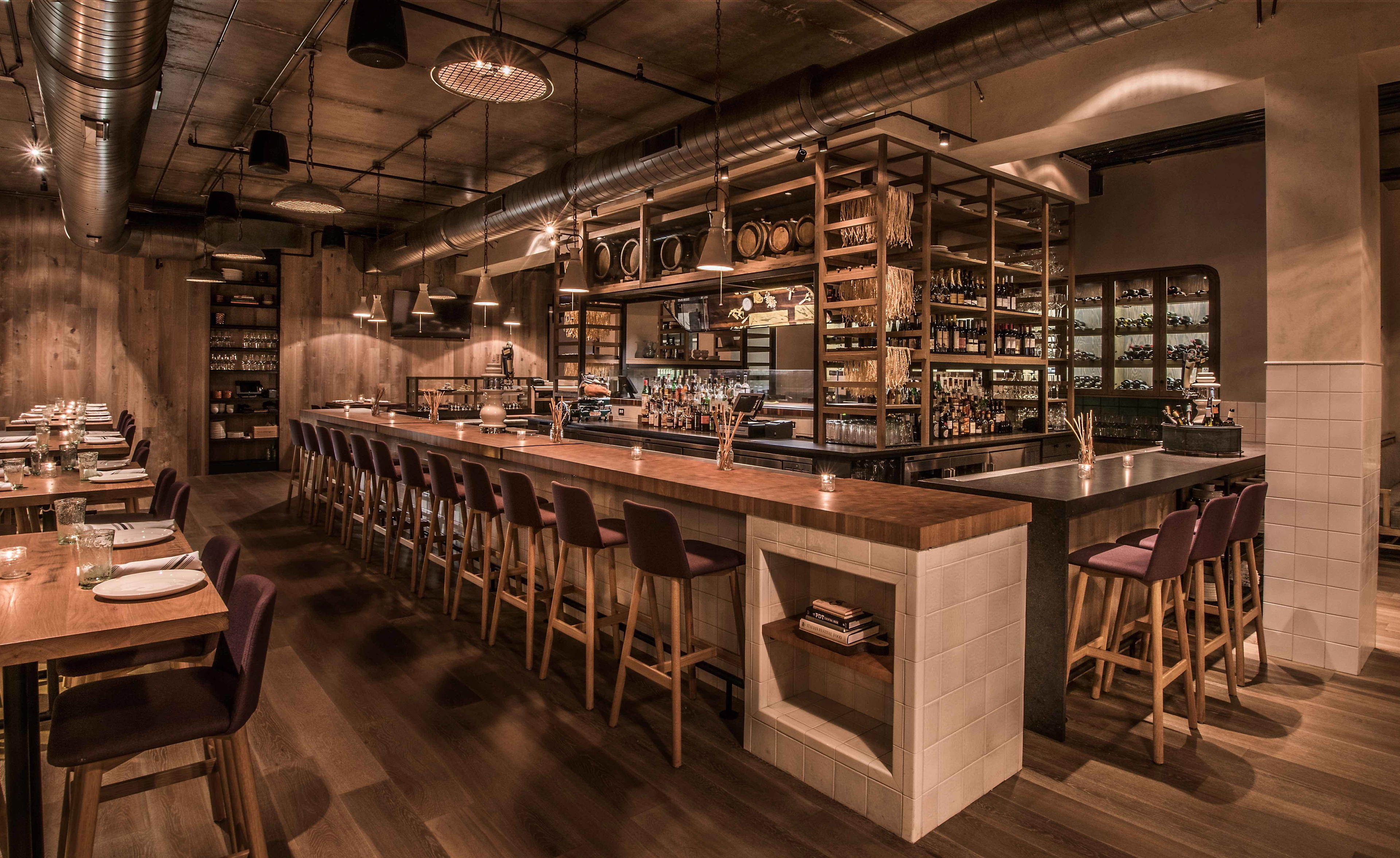
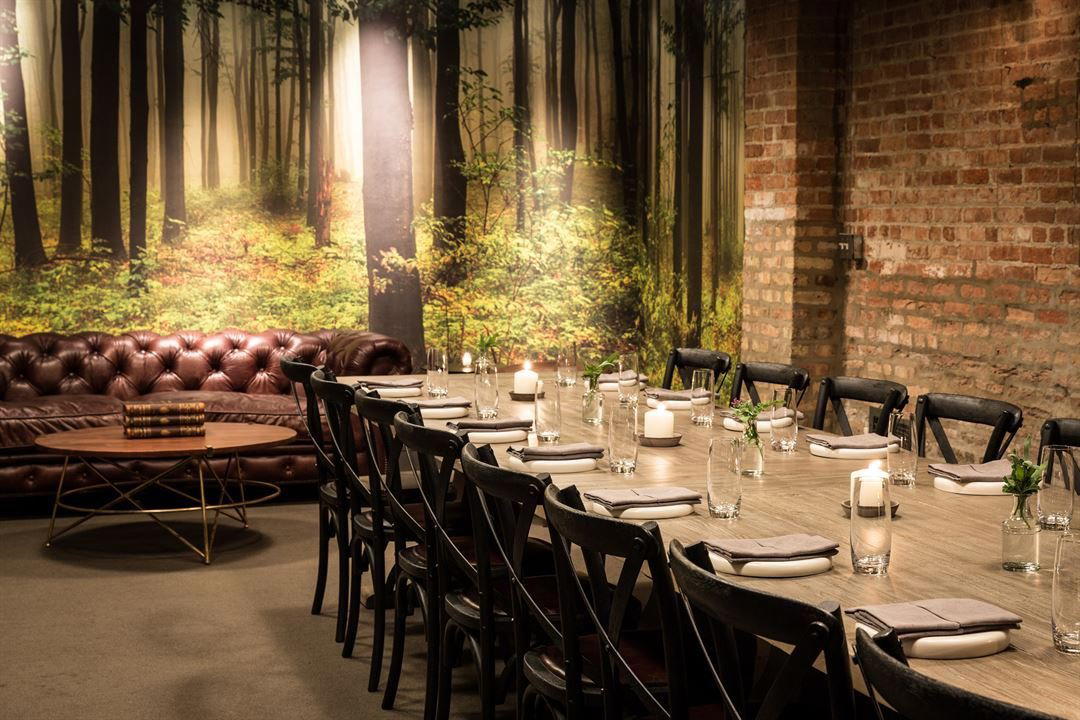
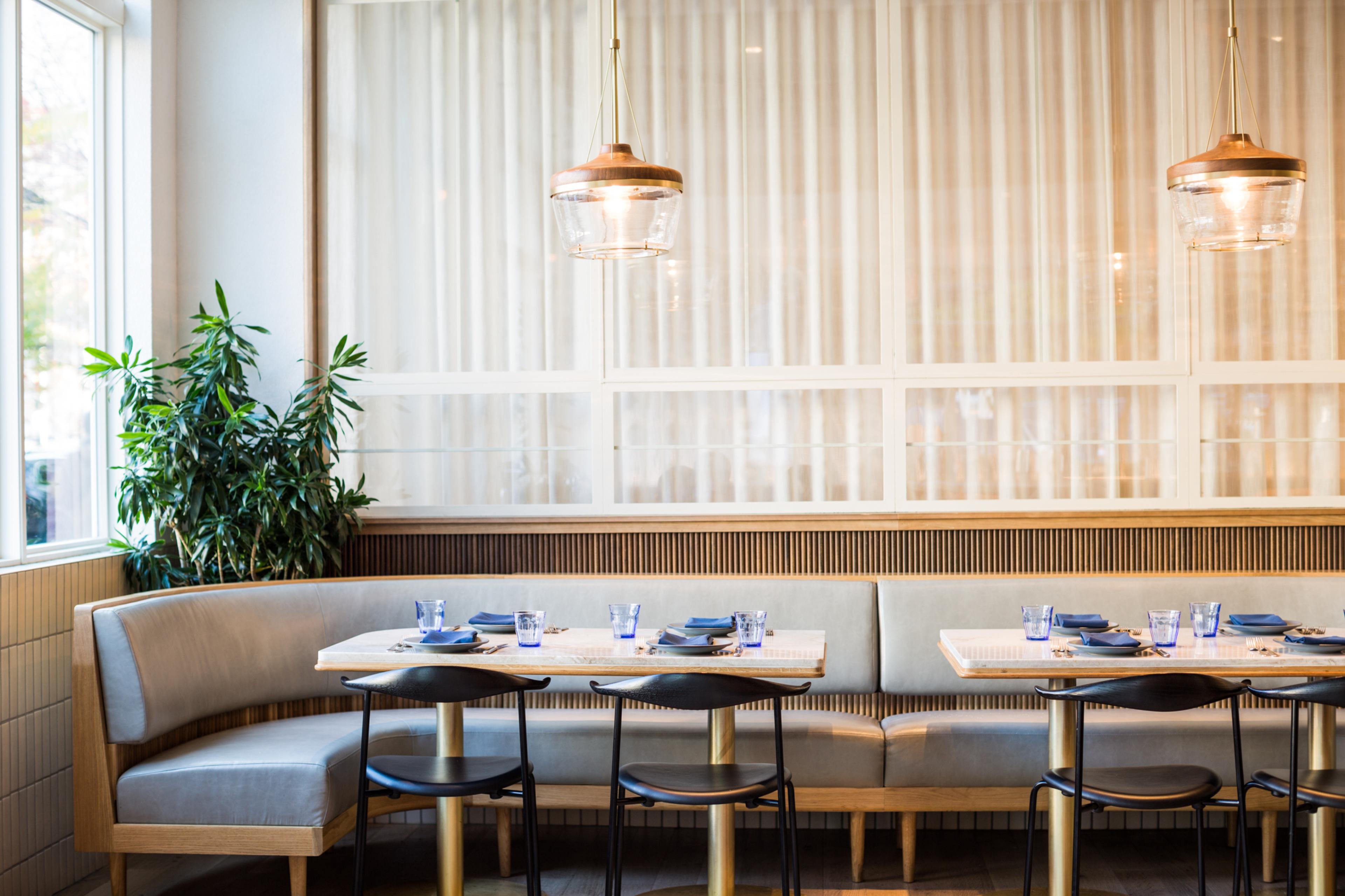
Open-air, lively atmosphere with exposed wooden beams, radiant-heated cement floors, and lively energy from live vinyl DJ sets and local art displays.