Da iumén

A family table in Castelnuovo Belbo since 1869, Da iumén carries five generations of Piedmontese cooking into the present without nostalgia clouding its judgment. The kitchen fuses regional tradition with considered innovation, and the panoramic terrace above the Monferrato hills makes the setting as deliberate as the food. One of the Asti province's quieter but more historically grounded dining addresses.
Pearl is the En Primeur Club membership app — saves, bookings, and concierge access live there. Same editors, same standards.
- Address
- Via Vittorio Emanuele II, 26, 14043 Castelnuovo Belbo AT, Italy
- Phone
- +39 377 028 9213
- Website
- iumen.it
- Directions
- Get directions
 Saves & bookings on Pearl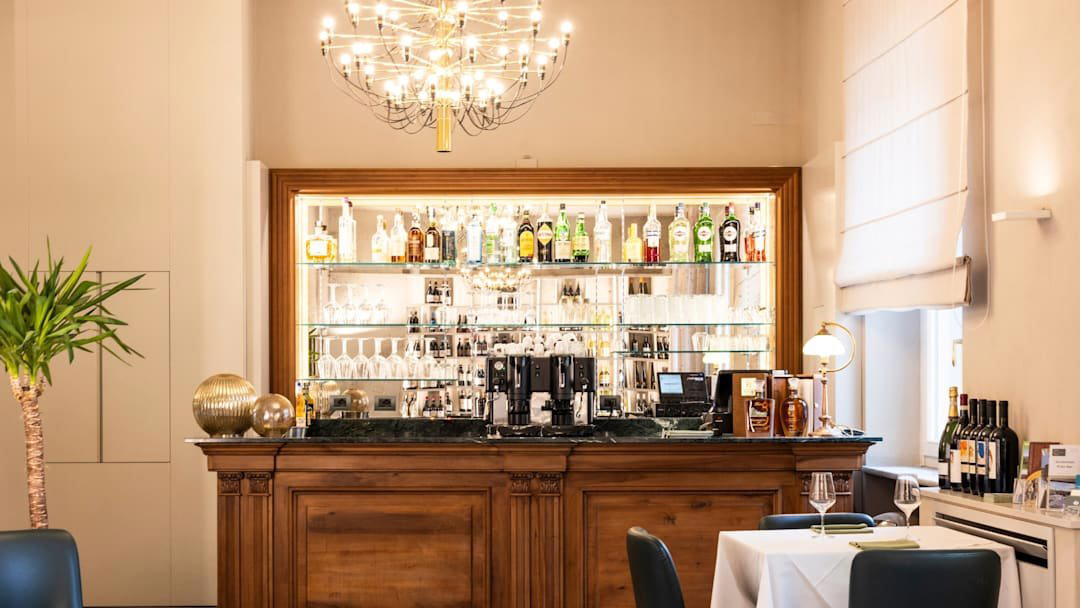
Where the Monferrato Hills Set the Table
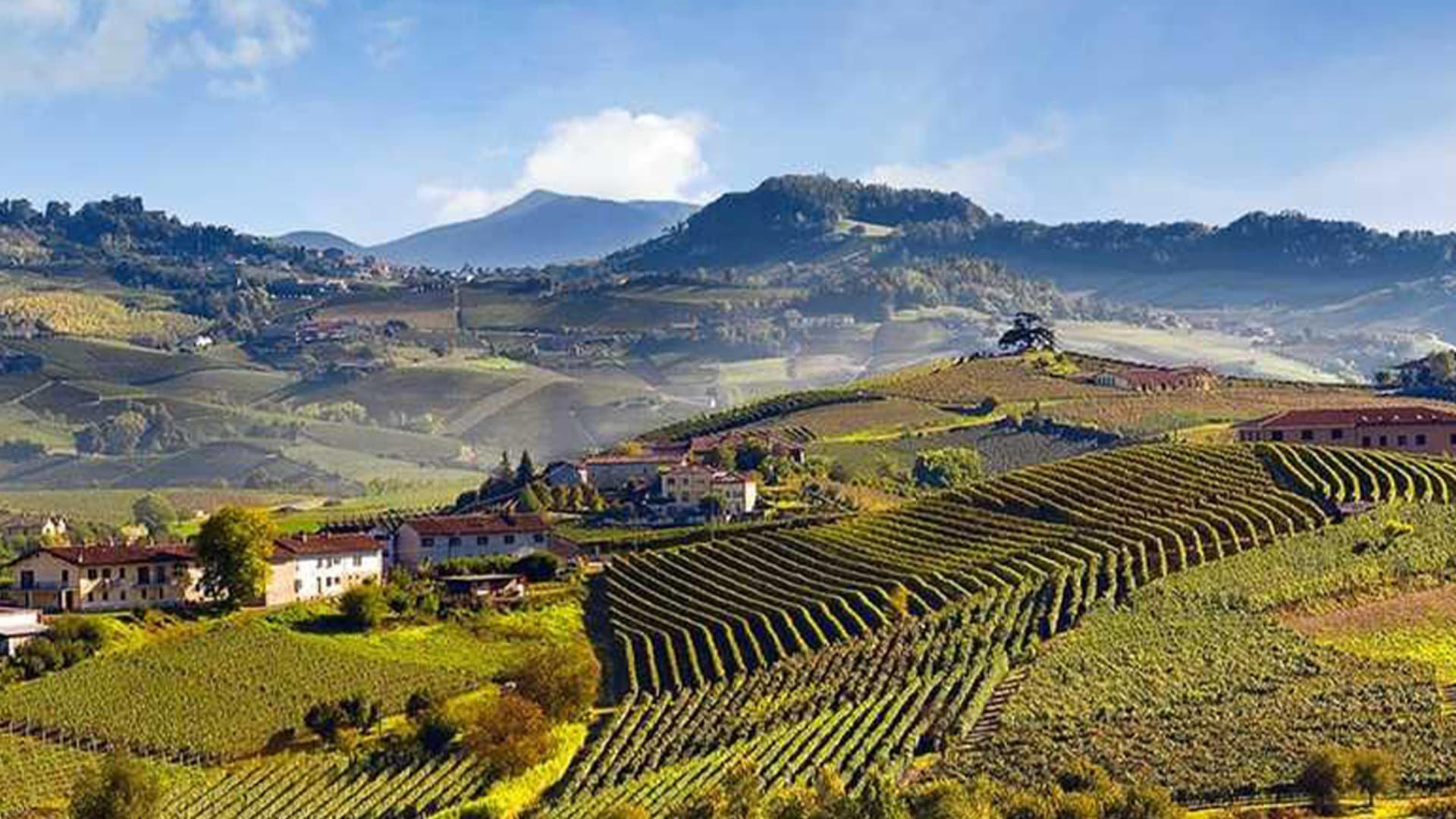
Castelnuovo Belbo sits in the Asti province of Piedmont, a stretch of Italy where the agricultural calendar still dictates what ends up on the plate. The Monferrato hills, immediately south of the Langhe and adjacent to some of the region's most productive hazelnut and dairy country, have never attracted the international dining circuit that converges on Alba or Asti. That relative obscurity means the restaurants that survive here do so on local conviction rather than tourist throughput. Da iumén, on Via Vittorio Emanuele II in the village centre, is a restaurant serving Modern Piedmontese cuisine in Castelnuovo Belbo, with a panoramic terrace and a reputation built over five generations.
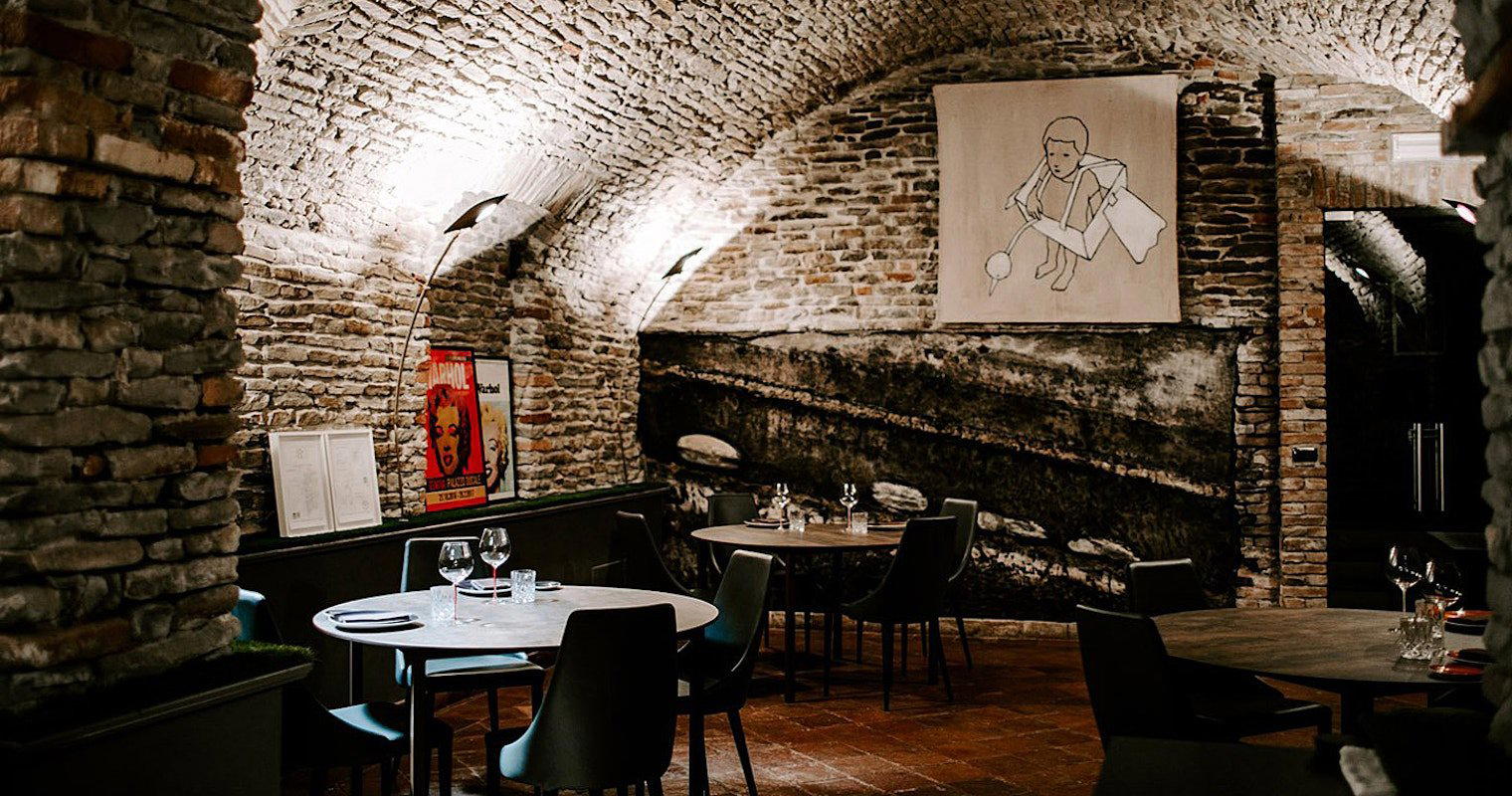
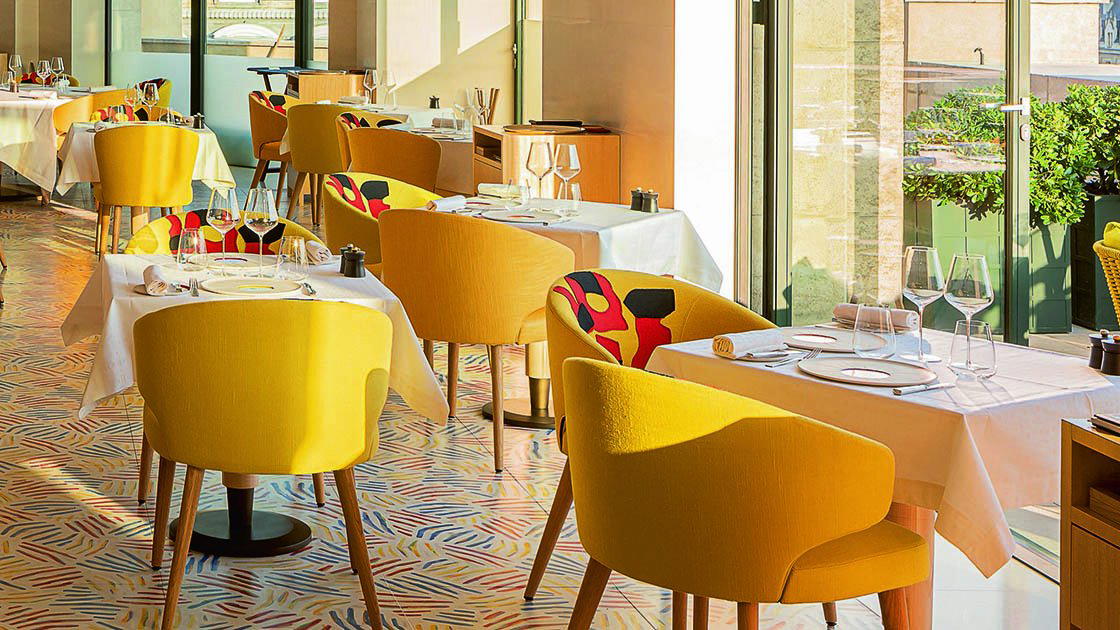
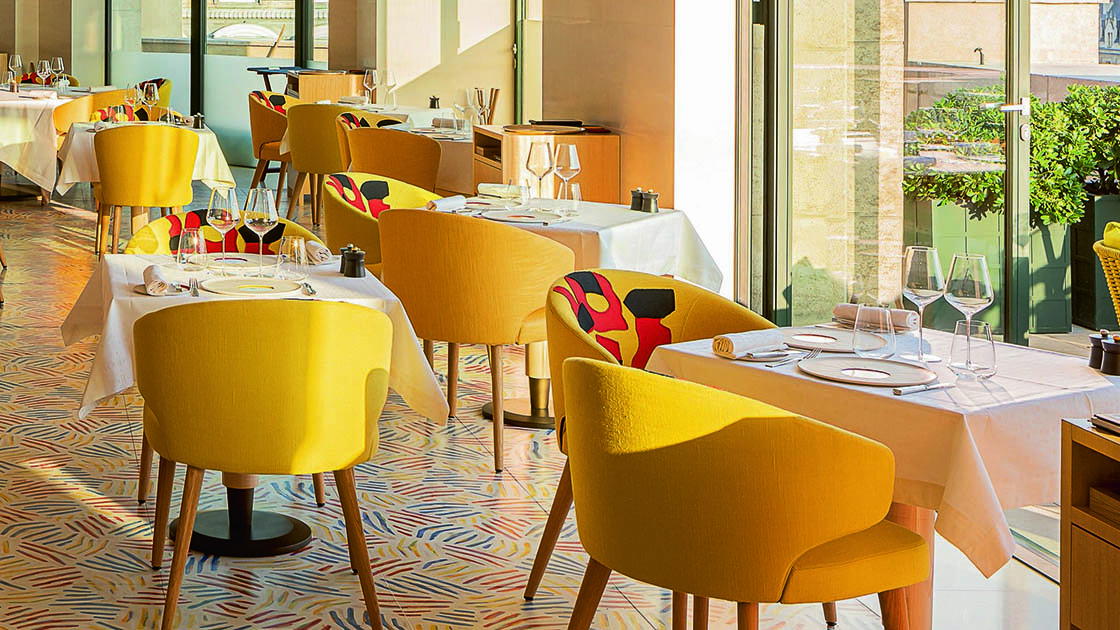
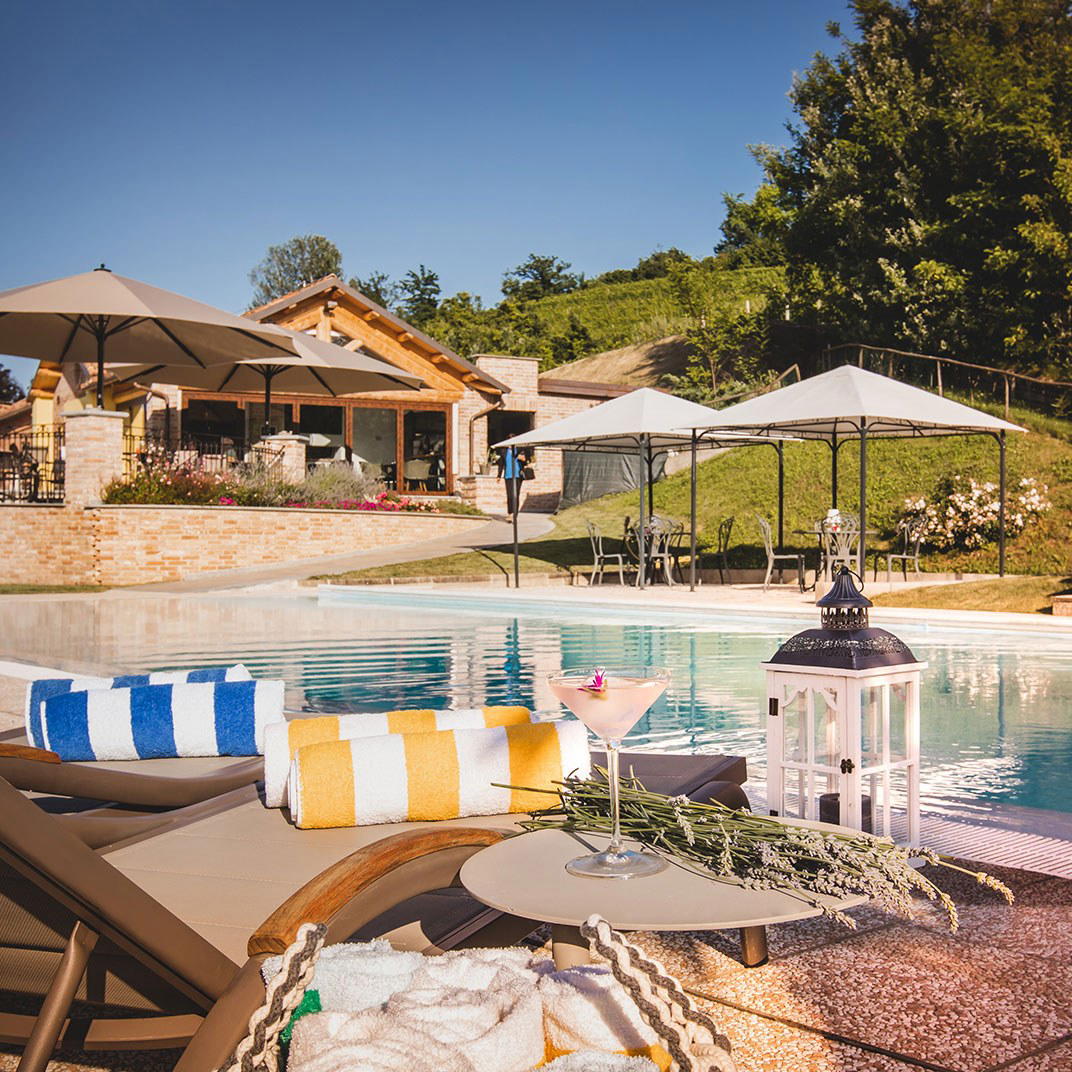
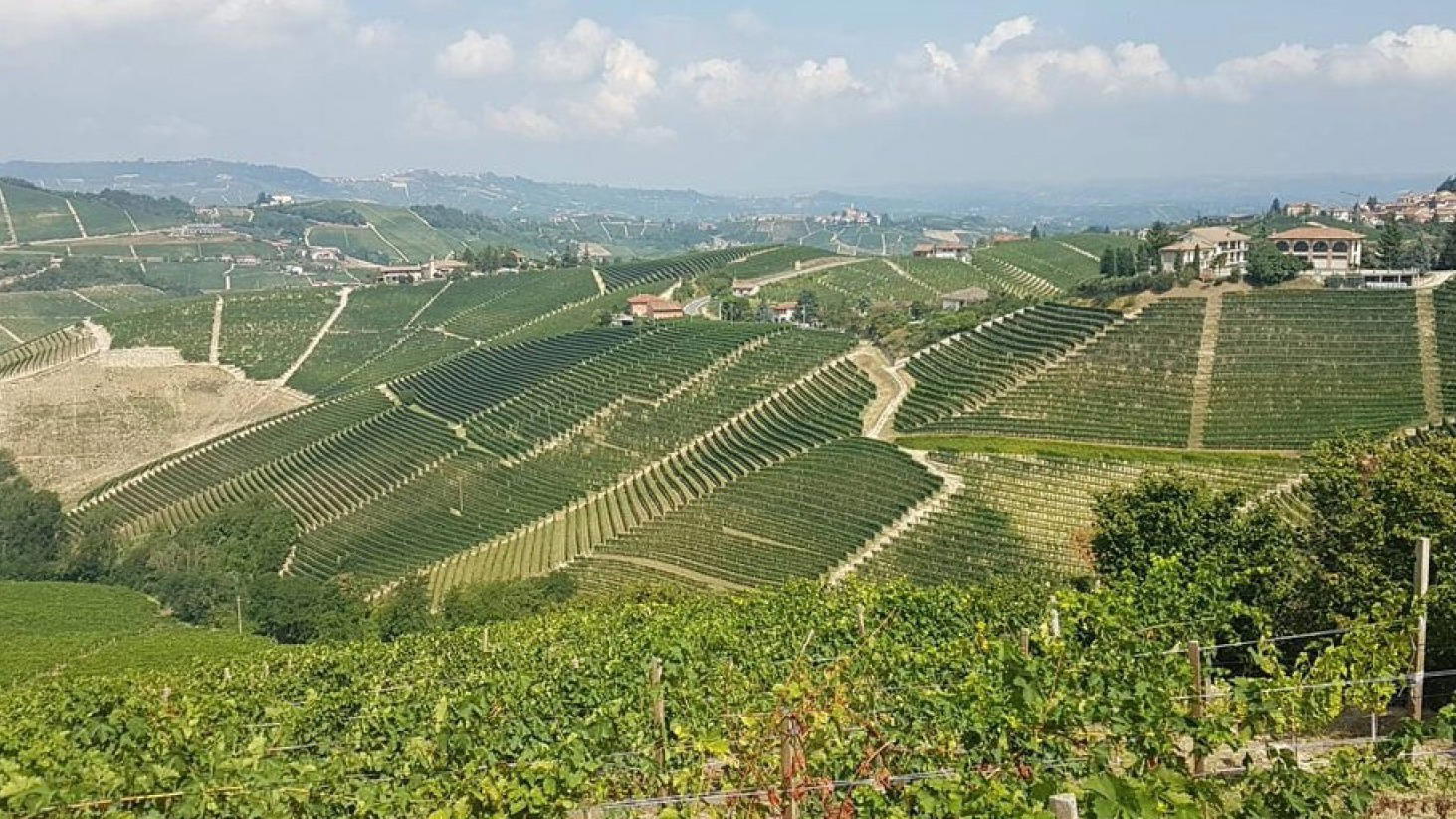
The approach through the village square, past the town hall that frames the terrace view, signals immediately what kind of restaurant this is. The setting is intimate and considered rather than grand, the kind of room that tells you the kitchen is taken seriously without performing it. In warmer months, the panoramic terrace opens onto a view of the Castelnuovo Belbo hills that contextualises the food before the first dish arrives. Monferrato cooking, at its most direct, is inseparable from this specific geography, and here the geography is visible.
Piedmontese Ingredients and Why Provenance Matters Here
The Piedmontese culinary tradition is among the more ingredient-driven in Italy, built around products with strong geographical identity: Tonda Gentile hazelnuts from the Langhe, robiola cheese from the Langhe and Monferrato, white truffles from Alba, Fassona beef from the local cattle breed. These are not decorative references. They define flavour profiles, texture decisions, and seasonal timing in a way that makes the sourcing question central rather than peripheral. A kitchen cooking in this tradition since 1869 has, by necessity, developed deep relationships with suppliers and a practical understanding of how those ingredients behave across the seasons.
The potato-and-hazelnut gnocchi with robiola cream is a useful illustration of this. Gnocchi, in Piedmont, is rarely a vehicle for spectacle. It is a test of restraint and material quality. Hazelnut in the dough adds fat and a specific bitterness that has to be balanced against the mild, creamy acidity of robiola. When the components are sourced locally, at the right point in their respective seasons, the margin for error narrows and the result is coherent in a way that imported versions cannot replicate. This is the argument for regional cooking done within its own geography, and it is one Da iumén has been making, implicitly, for more than 150 years.
That lineage places Da iumén alongside modern Italian restaurants that have drawn international attention. Operations like Osteria Francescana in Modena, Piazza Duomo in Alba, or Le Calandre in Rubano operate as creative laboratories with multi-course tasting formats. The restaurant's register is different: rooted, multi-generational, oriented toward a local dining public. What institutions like Dal Pescatore in Runate or Enoteca Pinchiorri in Florence demonstrate is that Italian restaurants with long family histories can operate across a wide range of formats and ambitions. The restaurant's version of that continuity is specifically Monferrato, specifically village-scaled, and specifically ingredient-grounded.
Five Generations of Reinterpretation
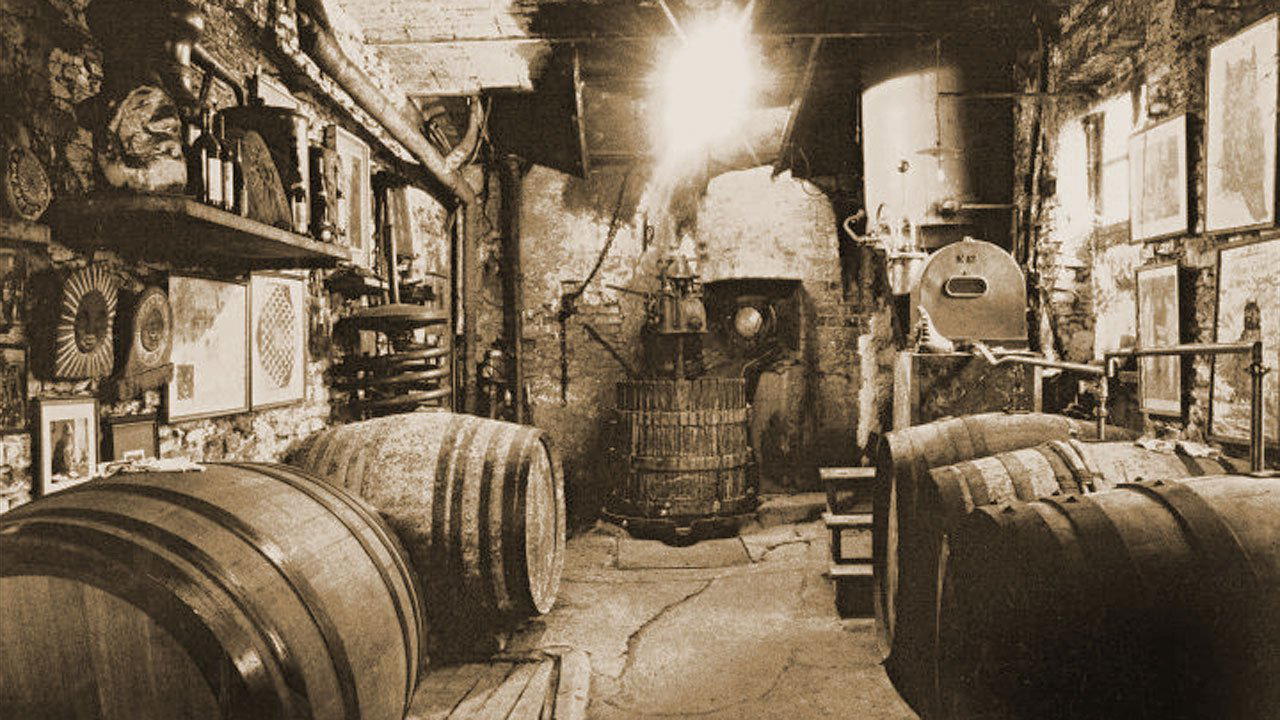
Longevity in the restaurant business is rarely passive. A kitchen open since 1869 that describes itself as fusing history and innovation is making a claim about active reinterpretation rather than static preservation. The Piedmontese canon, which includes dishes rooted in the cucina povera of the nineteenth century, requires periodic rereading to remain coherent to a contemporary dining public. What changes between generations is typically technique, plating language, and the degree of intervention applied to classical preparations. What does not change, in a restaurant of this character, is the underlying grammar: the seasonal calendar, the regional ingredient set, the preference for restraint over elaboration.
This pattern is visible elsewhere in Italian fine dining. Reale in Castel di Sangro and Atelier Moessmer Norbert Niederkofler in Brunico both work within strong regional frameworks while applying contemporary kitchen thinking. The restaurant operates at a different scale and without equivalent international recognition, but the underlying logic is comparable: regional identity sustained through deliberate reinterpretation rather than reproduction. For reference points outside Italy, the model is not unlike what Uliassi in Senigallia or Quattro Passi in Marina del Cantone practice in their respective coastal contexts: a clear geographical anchor, a kitchen that knows exactly where it sits, and a menu that does not pretend to be anywhere else.
Planning a Visit
Castelnuovo Belbo is not a destination with significant tourist infrastructure, which makes logistics worth thinking through in advance. The village is accessible by car from Asti (roughly 30 kilometres south) and from Alba via the Monferrato plateau. There is no rail connection into the village itself. Given the rural setting and the restaurant's multi-generational reputation among local and regional diners, booking ahead is advisable, particularly for terrace tables in spring and summer when the panoramic view becomes an active part of the experience. Weekends during the hazelnut and truffle seasons, broadly September through November, see refined local demand across the province.
Visitors combining the restaurant with broader Piedmont itineraries that include starred kitchens such as Enrico Bartolini in Milan, Casa Perbellini 12 Apostoli in Verona, or even further afield at Le Bernardin in New York City or Atomix in New York City will find the restaurant operates in a register distinct from all of them, grounded in place in a way that high-concept kitchens, by design, are not.
At-a-Glance Comparison
Comparable venues nearby, for context on price, style, and recognition.
| Venue | Cuisine | Price | Awards | Notes |
|---|---|---|---|---|
| Da iuménThis venue — the venue you are viewing | Modern Piedmontese | $$ | Michelin Plate | Not listed |
| Fuori Tempo | Modern Neapolitan Pizza | $$ | Not listed | Canale |
| Le Cicale | Traditional Italian with Regional Specialties | $$ | Michelin Plate | Spinetta Marengo |
| Il Cairoli | Traditional Milanese | $$ | Michelin Plate | Brera |
| La Piemontese | Modern Piemontese Italian | $$ | Michelin Plate | Mariano Comense |
| Pavé | Italian Artisanal Bakery & Café | $$ | Not listed | Stazione Centrale - Ponte Seveso |
Recognition history
Dated appearances from independent guides and award organizations, with the underlying list record or original source where available.
Michelin Plate
Michelin
Continue exploring
More in Castelnuovo Belbo
Restaurants in Castelnuovo Belbo
Browse all →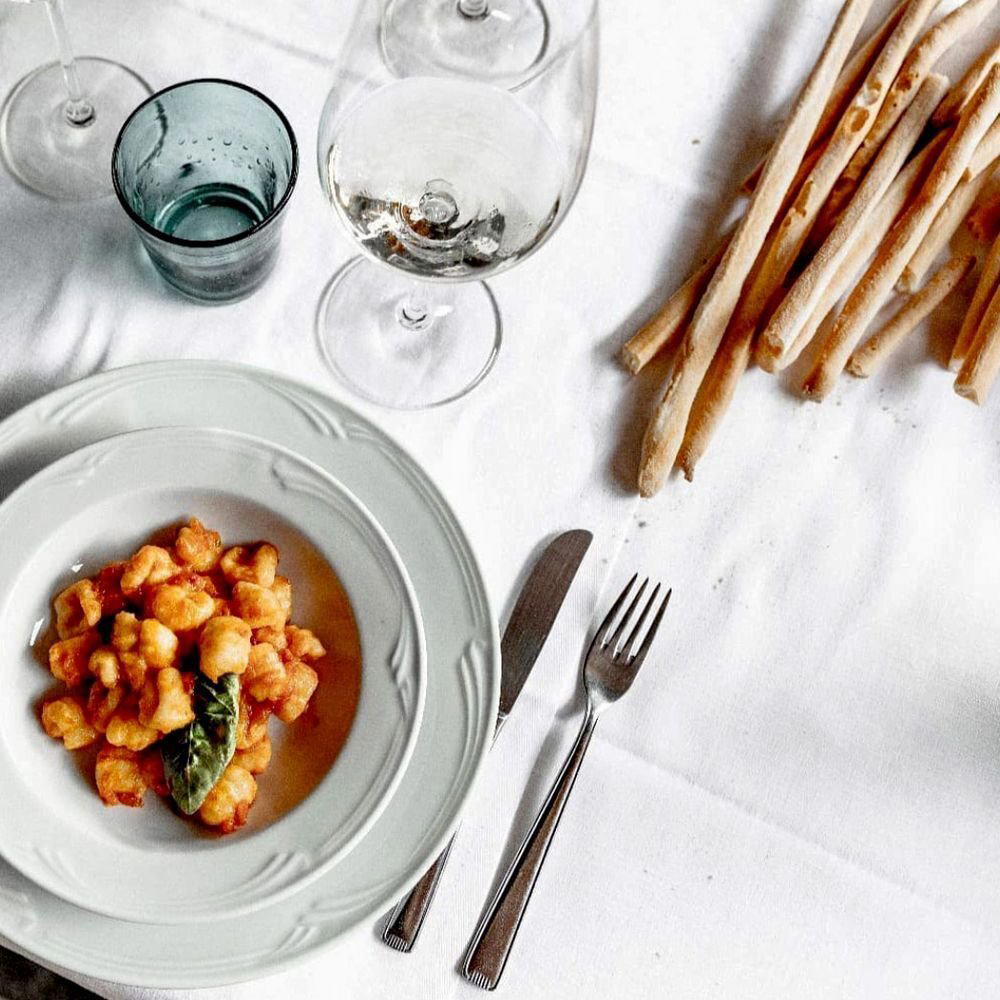
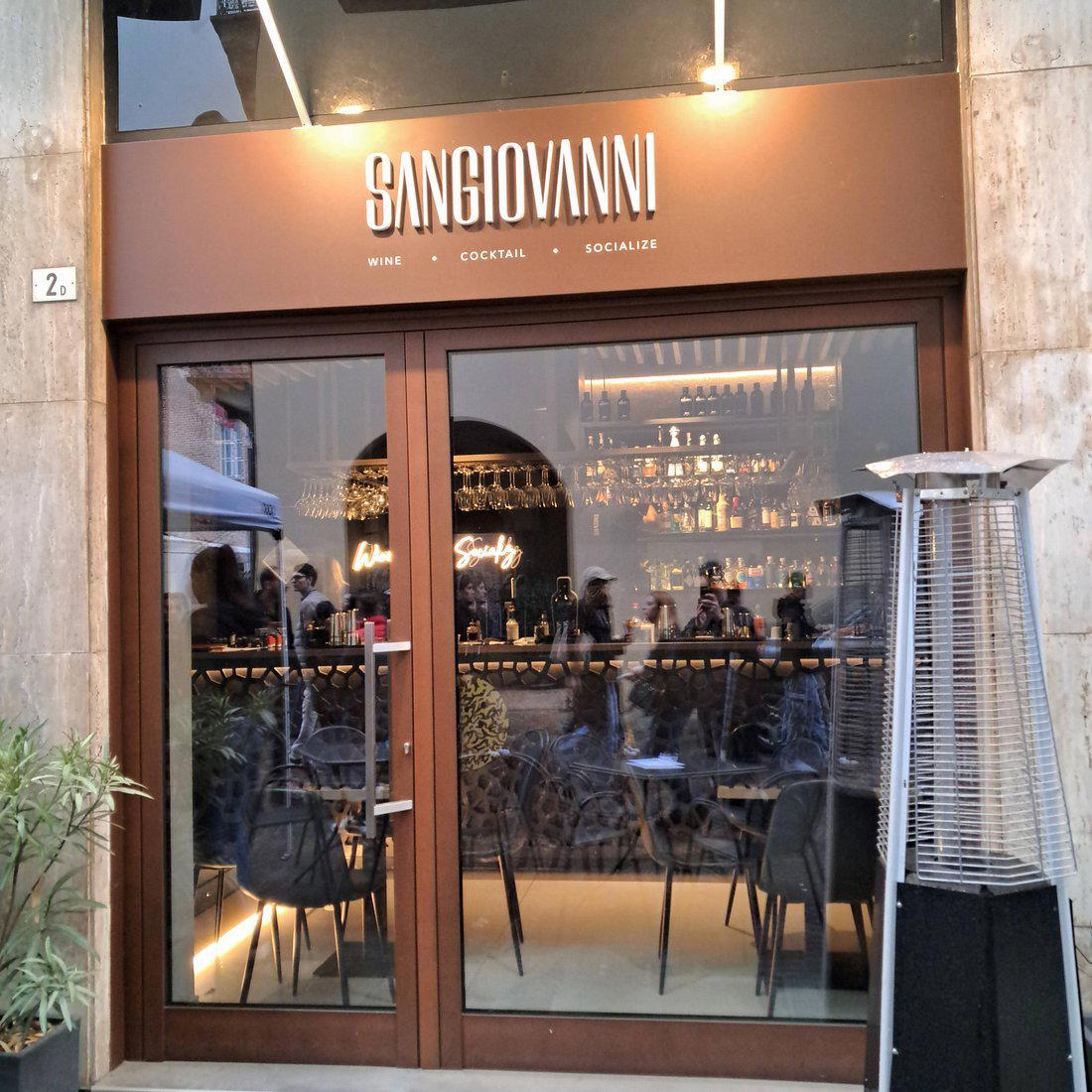
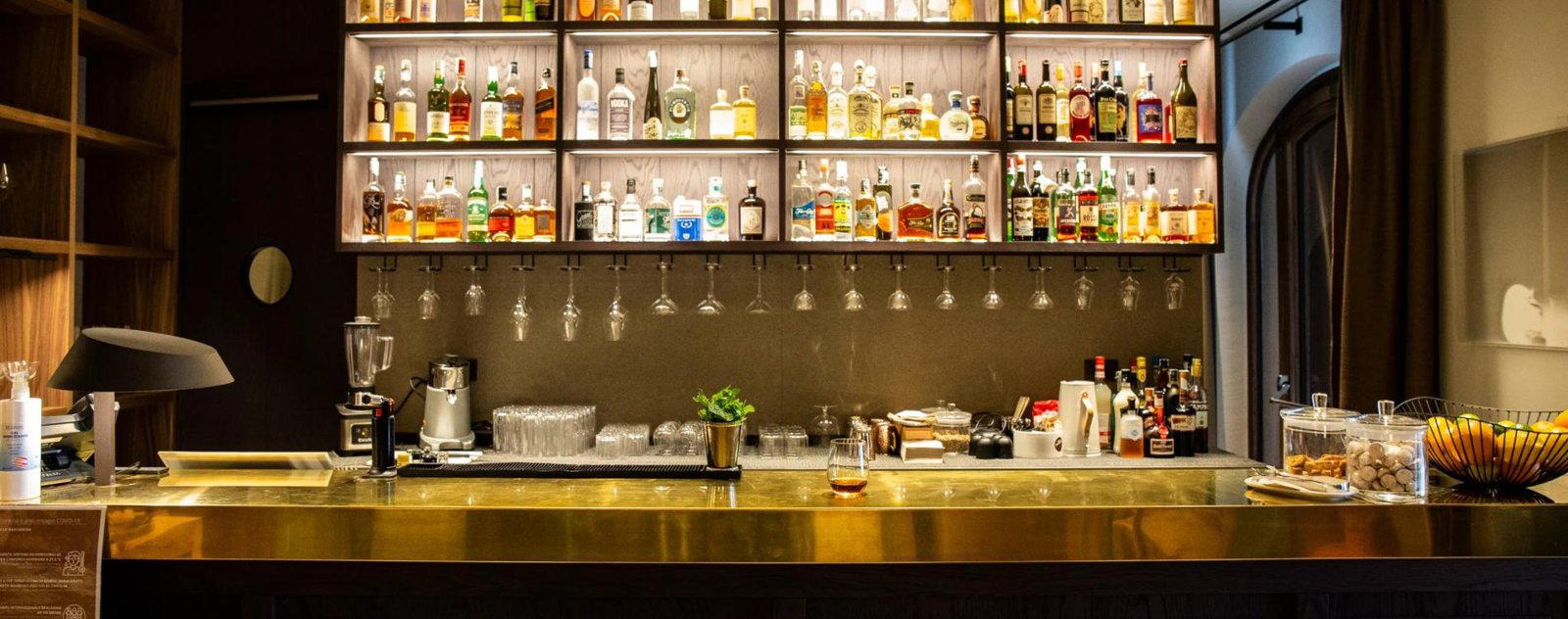
Bars in Castelnuovo Belbo
Browse all →
Hotels in Castelnuovo Belbo
Browse all →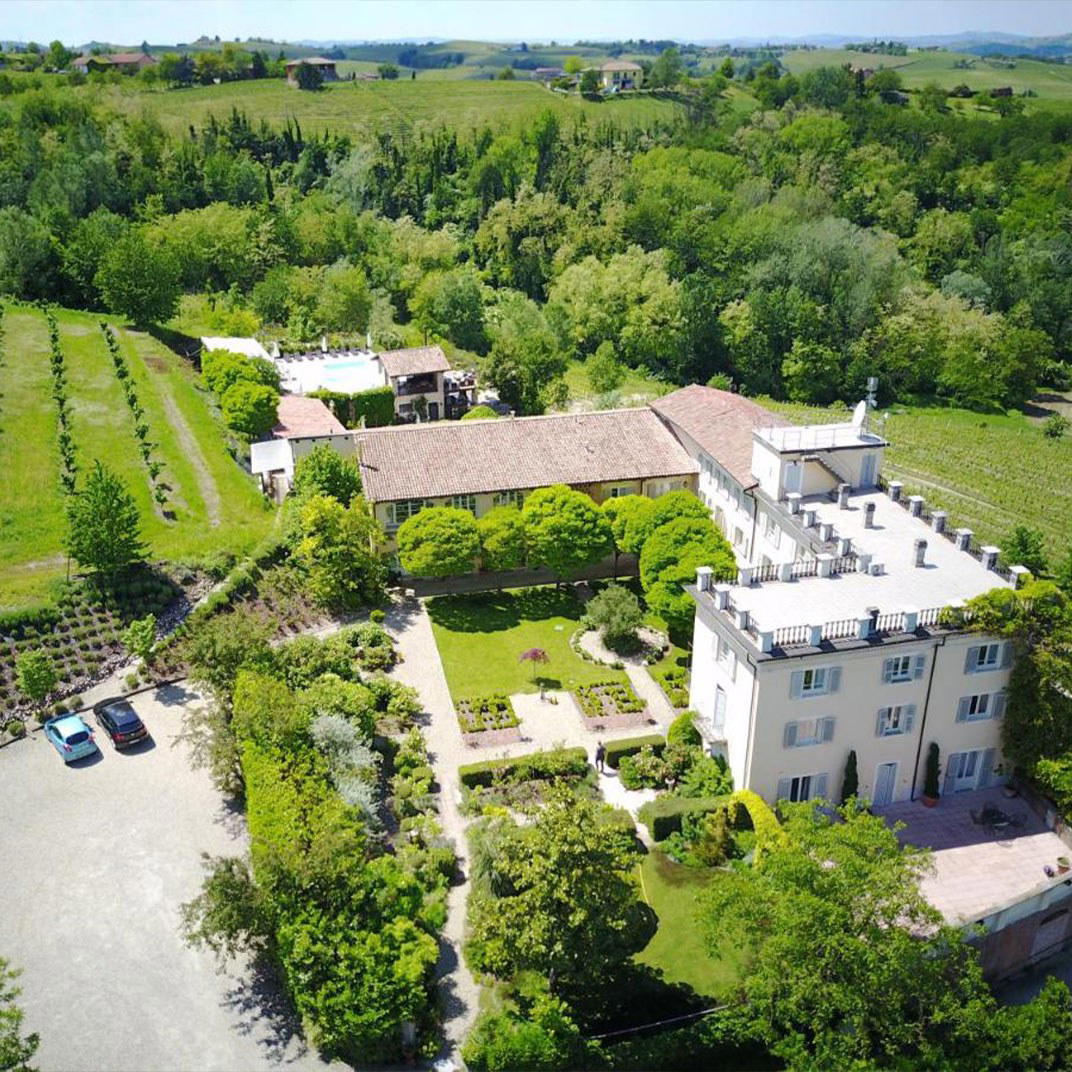
At a Glance
- Elegant
- Intimate
- Scenic
- Sophisticated
- Classic
- Date Night
- Special Occasion
- Private Event
- Family
- Terrace
- Panoramic View
- Historic Building
- Private Dining
- Extensive Wine List
- Local Sourcing
- Street Scene
- Vineyard
Current opening hours
- Monday
- Closed
- Tuesday
- Closed
- Wednesday
- 7–10 PM
- Thursday
- 7–10 PM
- Friday
- 7–10 PM
- Saturday
- 12–2 PM, 7–10 PM
- Sunday
- 12–2 PM, 7–10 PM
Hours can change for holidays and private events. Last verified .
Elegant and intimate renovated historic space with refined charm, soft music, and dramatic terrace overlooking UNESCO hills and town hall.