
Set within the grounds of Il Salviatino, a Renaissance villa above Fiesole, da Giacomo al Salviatino brings Florentine culinary tradition to one of the hillside's more considered dining addresses. The kitchen works within a Tuscan idiom where provenance and seasonality shape the plate. For visitors making the short climb from Florence, it represents the Fiesole dining scene at its most grounded.
Pearl is the En Primeur Club membership app — saves, bookings, and concierge access live there. Same editors, same standards.
- Address
- Via del Salviatino, 21, 50137 Firenze FI, Italy
- Phone
- +39559041205
- Website
- salviatino.com
- Directions
- Get directions
 Saves & bookings on Pearl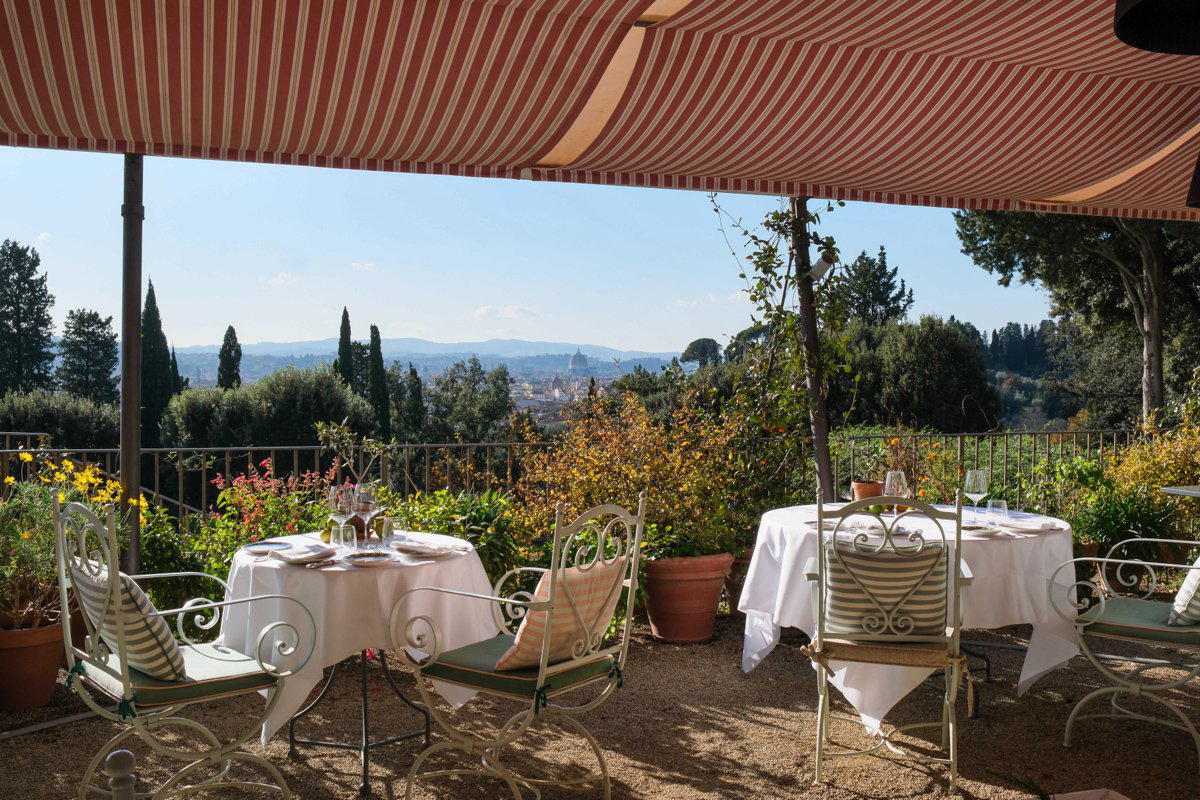
Dining Above Florence: What the Fiesole Hills Demand of a Kitchen
The noise of the Oltrarno drops away, cypress lines replace the city's stone facades, and the air carries the particular dryness of Tuscan hill country in summer. Restaurants at this altitude operate under a different set of expectations than their counterparts on the Arno. Proximity to the city is close enough to draw serious diners, but the setting demands more than convenience: it demands that the food justify the journey. Da Giacomo al Salviatino, housed within the Il Salviatino estate on Via del Salviatino, sits at the intersection of those pressures.
Fiesole's dining scene is a compact one. A handful of addresses cluster around the hilltop, each working within the Tuscan culinary tradition but positioned differently within it. Serrae Villa Fiesole operates in the Italian Contemporary register at the €€€ tier; Villa San Michele anchors the Tuscan end of the spectrum within a historic ecclesiastical building. Da Giacomo al Salviatino occupies the estate-dining slot, where the physical context of a Renaissance villa becomes part of the offer. For a broader orientation across the hill's restaurants, our full Fiesole restaurants guide maps the area's options by format and ambition. Ristorante la Reggia degli Etruschi rounds out the hillside's named addresses.
Where the Ingredients Come From, and Why That Matters Here
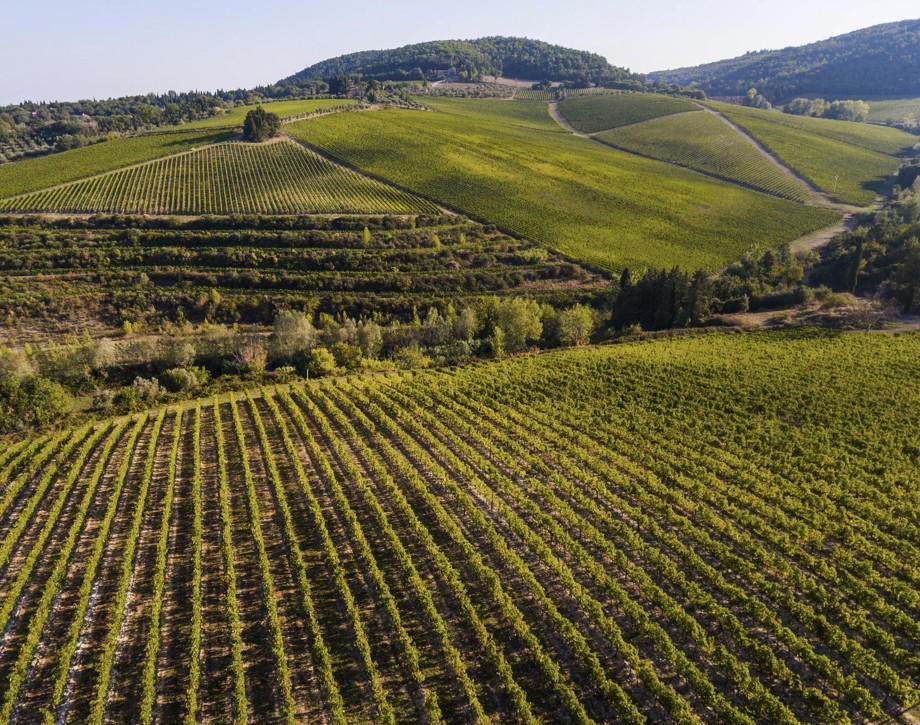
Tuscan cooking at its most serious is a cuisine of provenance. The region's identity on the plate is built from specific valleys, specific soils, and seasonal rhythms that do not accommodate shortcuts. In the hills above Florence, that logic applies with particular force: a kitchen positioned on an estate with grounds and gardens carries an implicit obligation to source accordingly. The Chianti hills to the south, the Mugello valley to the north, and the market gardens of the Arno plain below all fall within the supply radius that a serious Fiesole kitchen can credibly work from.
This matters because ingredient sourcing in Tuscany is not simply a marketing position, it is the structural basis of the cuisine. The canon of ribollita, bistecca Fiorentina, and pici al ragù depends entirely on the quality of the Chianina beef, the Cannellini beans, and the hand-rolled pasta that constitute it. When those raw materials are drawn from nearby and handled with discipline, the cooking does not need complexity to carry the meal. The philosophical line between Florentine simplicity and laziness in the kitchen is drawn precisely at the quality of sourcing. Estate-adjacent restaurants like da Giacomo al Salviatino occupy a position in which that sourcing argument is built into the geography: the Salviatino grounds, the surrounding Fiesole hillsides, and the producers operating at this altitude give the kitchen a natural brief.
For comparison with how Italian kitchens at a higher tier of formal recognition handle the same sourcing principles, Dal Pescatore in Runate and Piazza Duomo in Alba represent the benchmark end of regional Italian sourcing discipline. At the Michelin-decorated level, Atelier Moessmer Norbert Niederkofler in Brunico has built an entire program around Alpine sourcing as a formal commitment. Closer to Florence, Enoteca Pinchiorri in Florence occupies the city's highest formal tier. The restaurant sits on its own terms, with the estate context giving the cooking geographic weight.
The Setting as a Culinary Frame
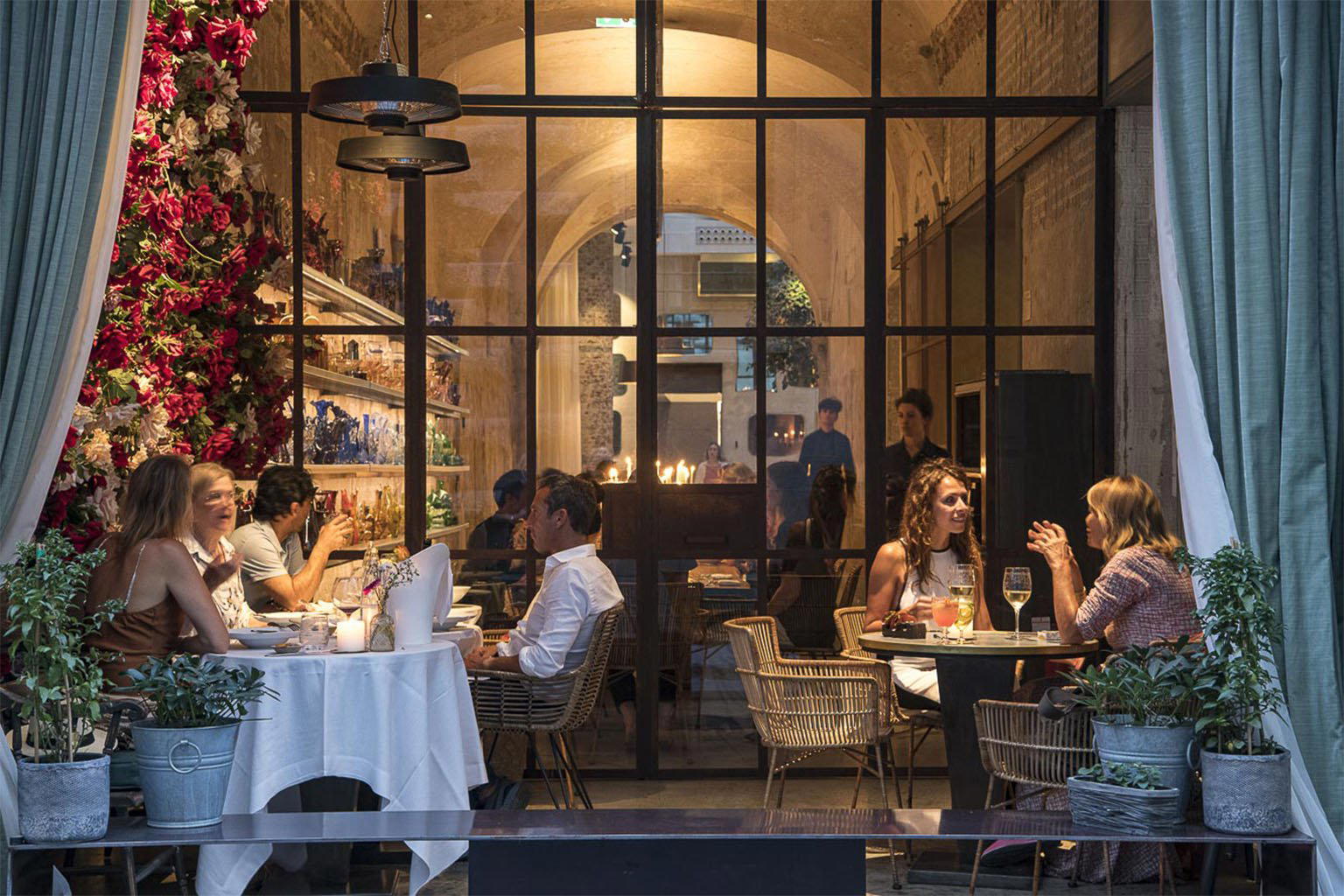
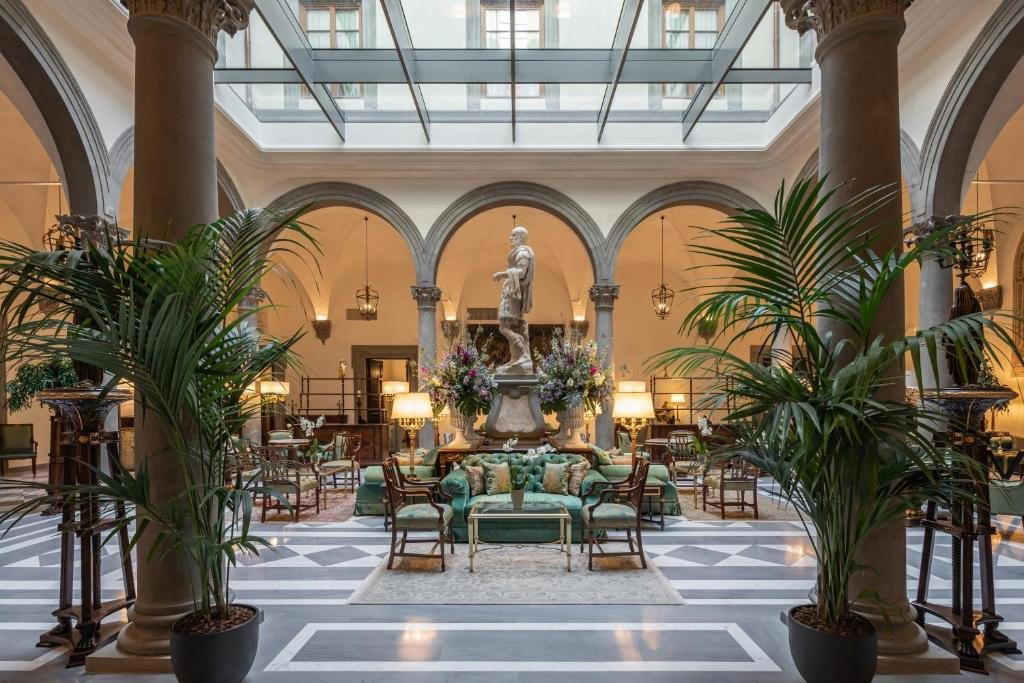
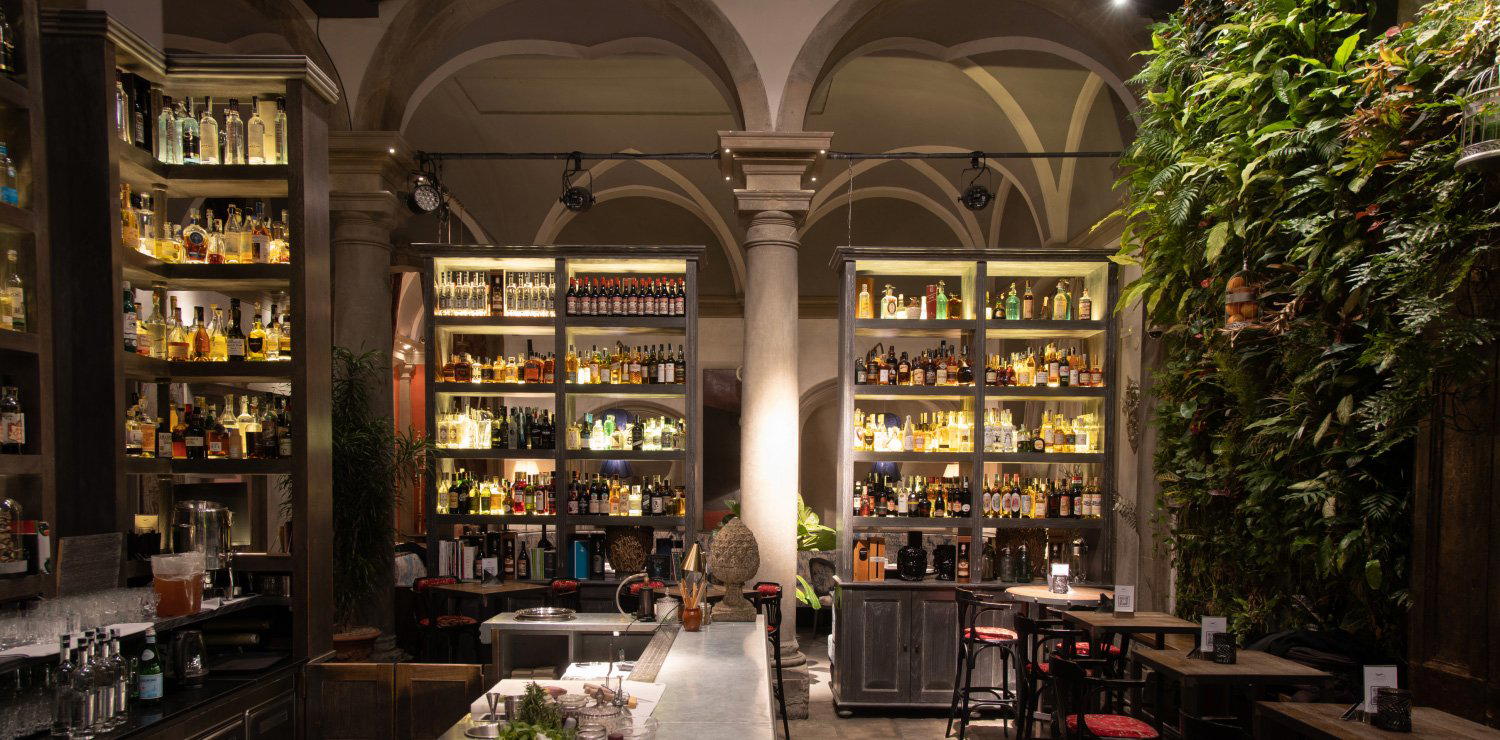
Villa dining in Tuscany carries its own set of conventions. The physical environment, stone walls, loggia views, gardens that produce herbs if not whole ingredients, shapes the pace and register of the meal before the first course arrives. Guests who drive up from Florence for lunch arrive expecting a different rhythm than the city's more compressed dining rooms offer. The Salviatino estate, a restored Renaissance villa, provides that frame. The dining experience here is paced against a backdrop that makes unhurried service and seasonal menus feel like the natural order rather than an affectation.
This places the restaurant in a category of Italian restaurant that is genuinely specific to the country's historic estate culture. The model has parallels in Umbria and the Veneto, where villas have long converted former agricultural functions into hospitality, but Tuscany remains the region where it is most legible to international visitors. The expectation that the kitchen will draw from the estate and its surroundings is baked into that legibility.
Fiesole in the Context of Italian Fine Dining
Italy's decorated restaurant scene clusters in cities and coastal resort towns. The peninsula's Michelin-starred addresses include Osteria Francescana in Modena, Le Calandre in Rubano, Uliassi in Senigallia, Reale in Castel di Sangro, Quattro Passi in Marina del Cantone, Enrico Bartolini in Milan, Da Vittorio in Brusaporto, and Casa Perbellini 12 Apostoli in Verona. Fiesole, as a hilltop satellite of Florence rather than a destination in its own right, does not sit within that recognition tier. What it offers instead is a more grounded experience of Tuscan cooking in a setting that the city's restaurants cannot replicate. The tradeoff is a deliberate one: less formal ambition, more physical context.
For travellers benchmarking Italian restaurants against international reference points, Le Bernardin in New York City and Lazy Bear in San Francisco represent the kind of format-led precision that defines the upper tier of the global scene. The restaurant operates in a different mode: estate-rooted, Florentine in culinary orientation, and positioned for the kind of meal that the Fiesole hilltop makes possible rather than the kind that any city dining room could deliver.
Planning Your Visit
The restaurant sits within the Il Salviatino estate at Via del Salviatino, 21, in the hills above Florence. Access from the city centre is direct by taxi or private transfer; the hillside road is not suited to large vehicles. Given the estate context, lunch during spring and autumn, when the light on the surrounding hills is at its most legible and temperatures allow outdoor dining, represents the more considered timing. It is recommended to reserve in advance, and the restaurant is open daily from 12:00 PM to 10:30 PM.
In Context: Similar Options
Comparable venues nearby, for context on price, style, and recognition.
| Venue | Cuisine | Price | Awards | Notes |
|---|---|---|---|---|
| da Giacomo al SalviatinoThis venue — the venue you are viewing | Traditional Tuscan Italian | $$$$ | Not listed | Not listed |
| Villa San Michele | Modern Tuscan Fine Dining | $$$$ | Not listed | Fiesole |
| Ristorante la Reggia degli Etruschi | Traditional Tuscan Italian | $$$$ | Not listed | Fiesole |
| Serrae Villa Fiesole | Italian Contemporary Fine Dining | $$$$ | Michelin 1 Star | Fiesole |
| Viride | Contemporary Italian Fine Dining | $$$$ | Not listed | Campo Marzio |
| Caffe Florian | Historic Venetian Café | $$$$ | Not listed | San Marco |
Recognition history
Dated appearances from independent guides and award organizations, with the underlying list record or original source where available.
Falstaff Restaurant - 93 Falstaff Points
Falstaff
Continue exploring
More in Fiesole
Restaurants in Fiesole
Browse all →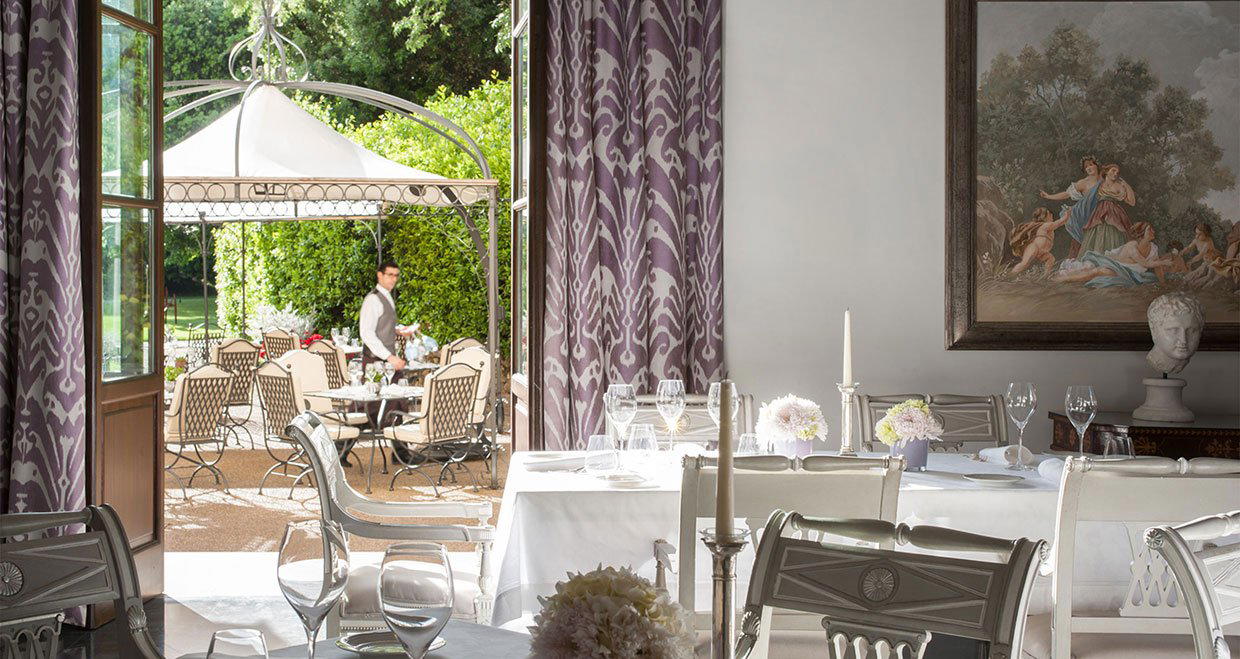
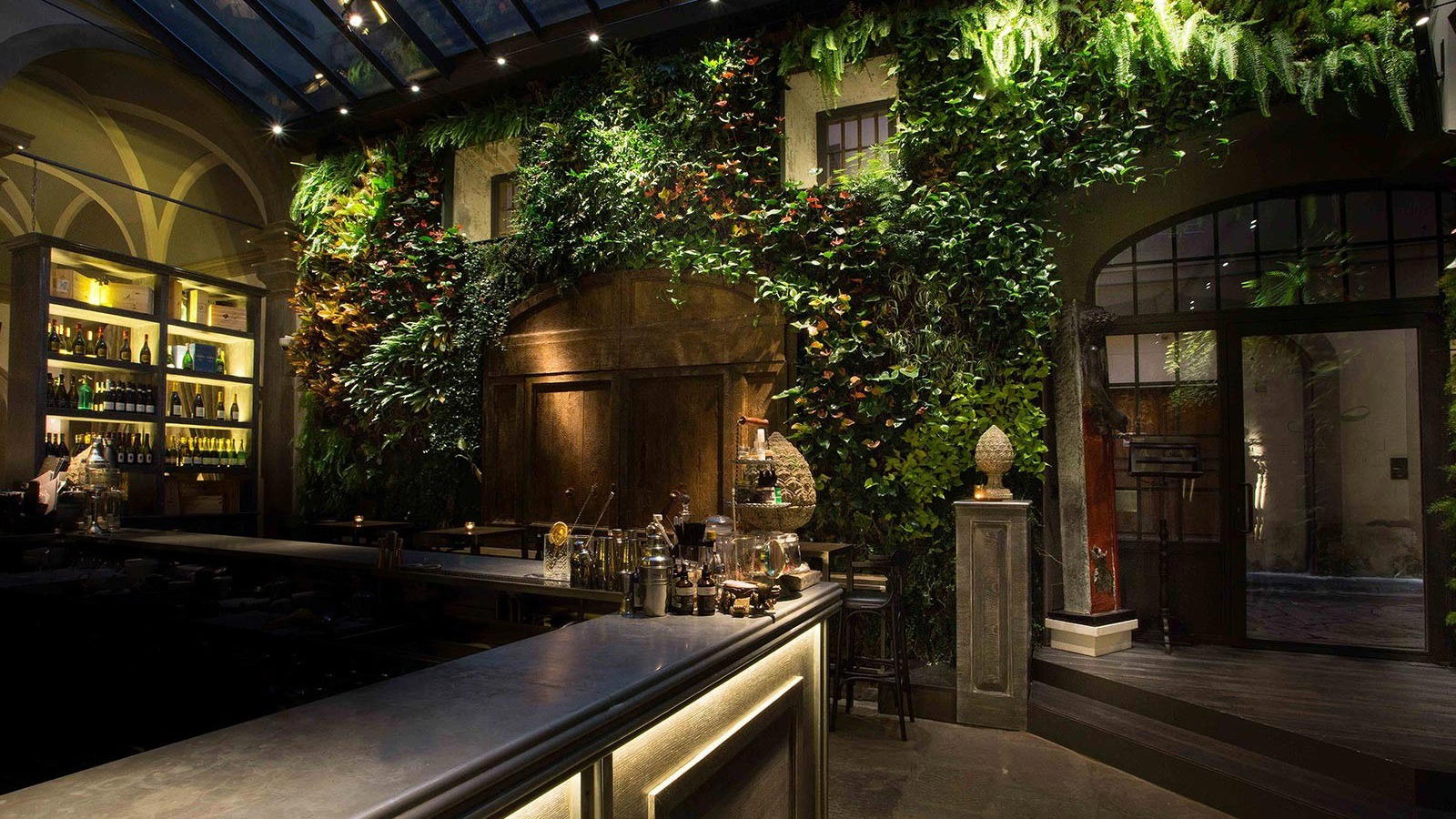
Bars in Fiesole
Browse all →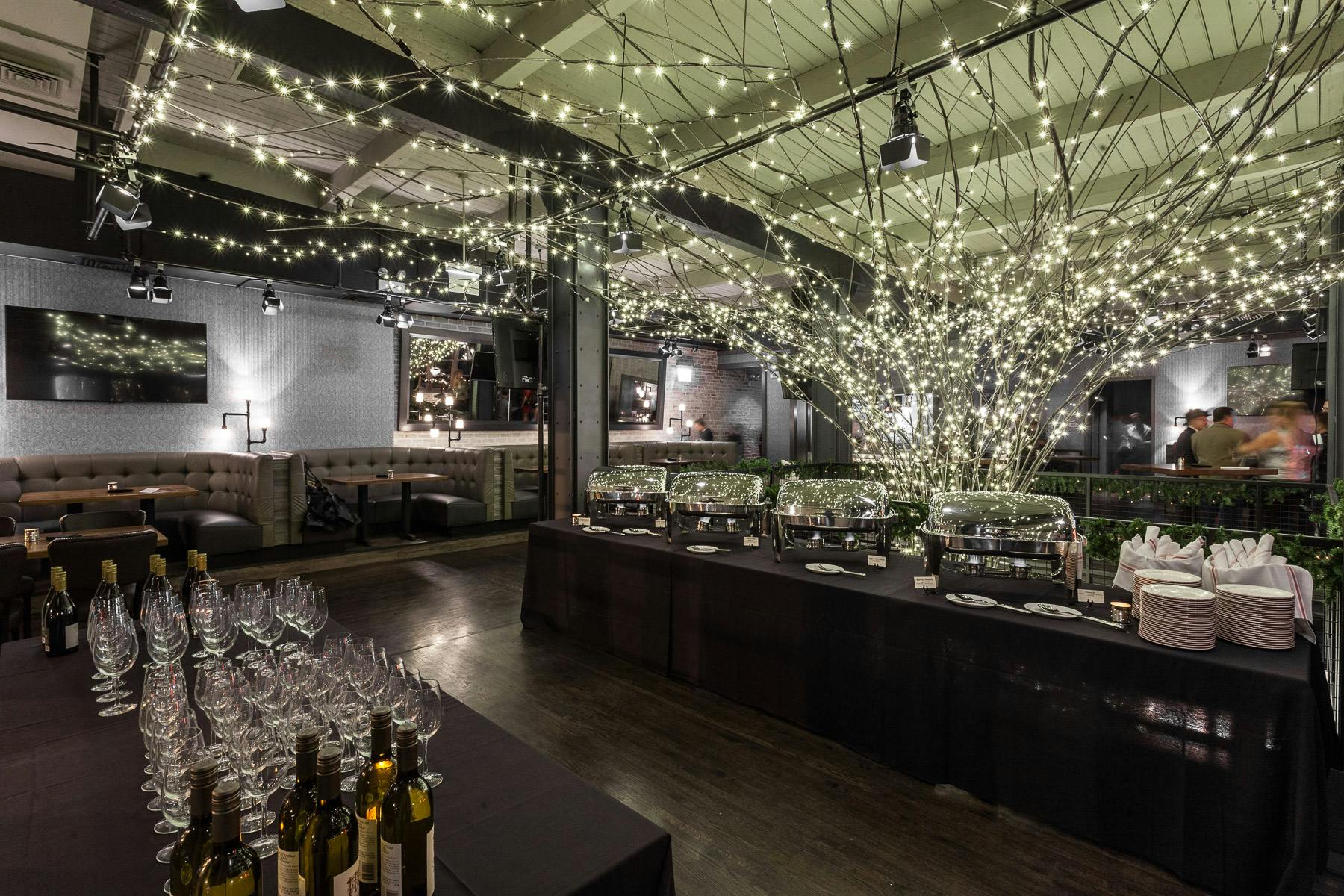
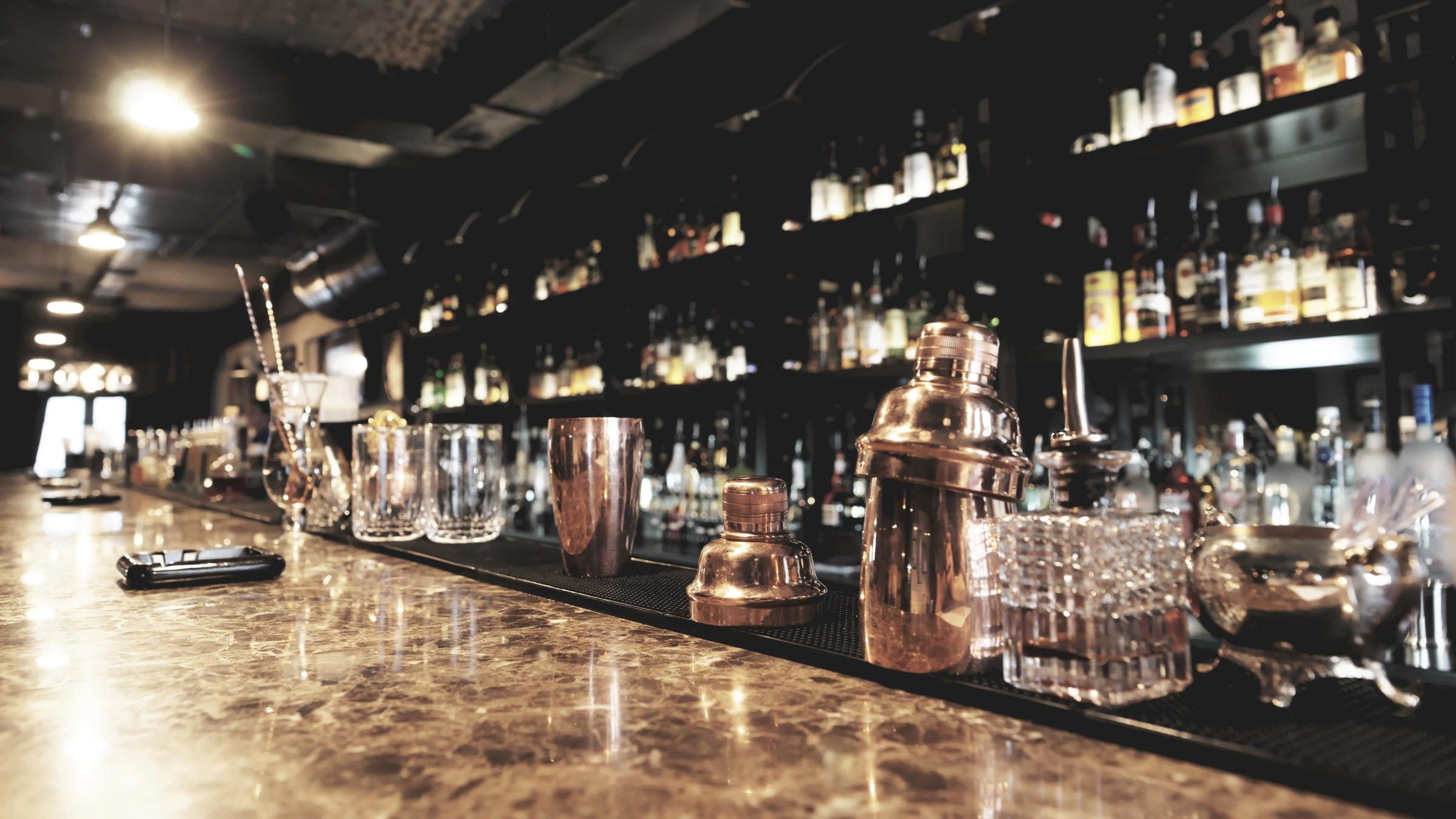
Hotels in Fiesole
Browse all →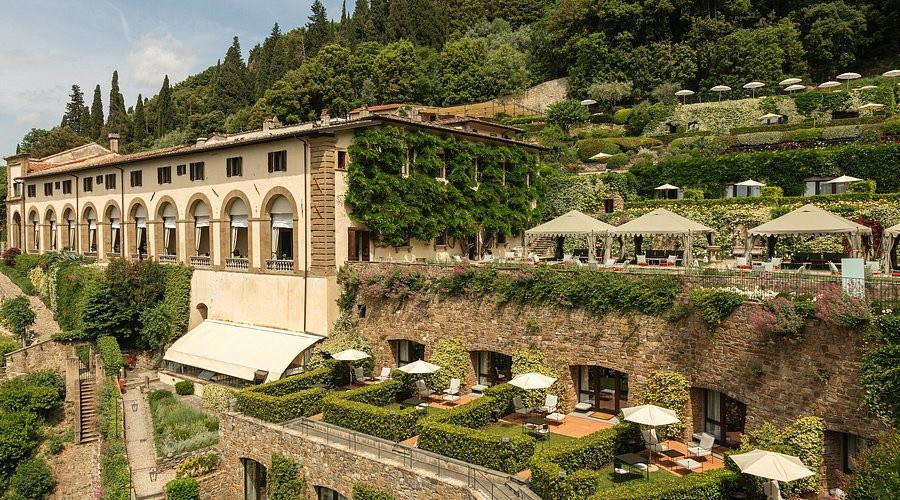
At a Glance
- Romantic
- Elegant
- Scenic
- Sophisticated
- Intimate
- Date Night
- Special Occasion
- Celebration
- Terrace
- Panoramic View
- Historic Building
- Hotel Restaurant
- Garden
- Extensive Wine List
- Local Sourcing
- Organic
- Skyline
- Garden
Current opening hours
- Monday
- 12–10:30 PM
- Tuesday
- 12–10:30 PM
- Wednesday
- 12–10:30 PM
- Thursday
- 12–10:30 PM
- Friday
- 12–10:30 PM
- Saturday
- 12–10:30 PM
- Sunday
- 12–10:30 PM
Hours can change for holidays and private events. Last verified .
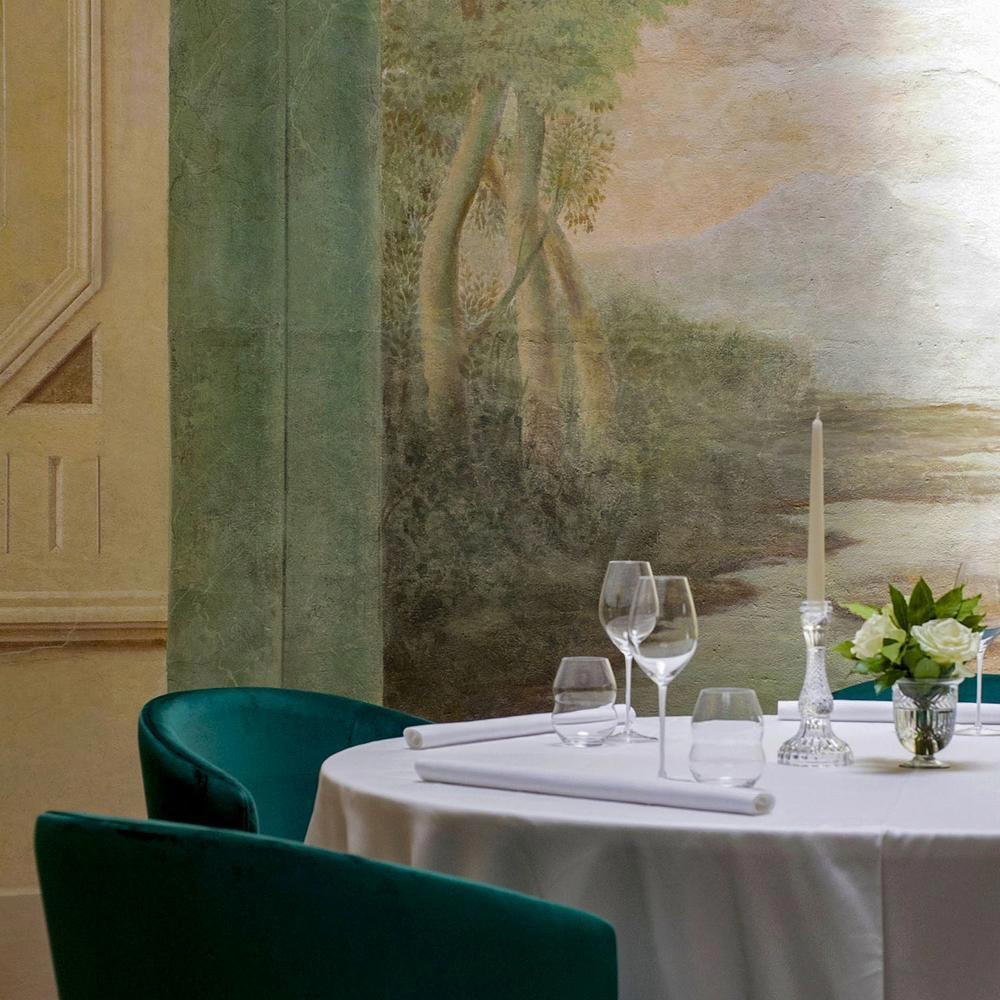
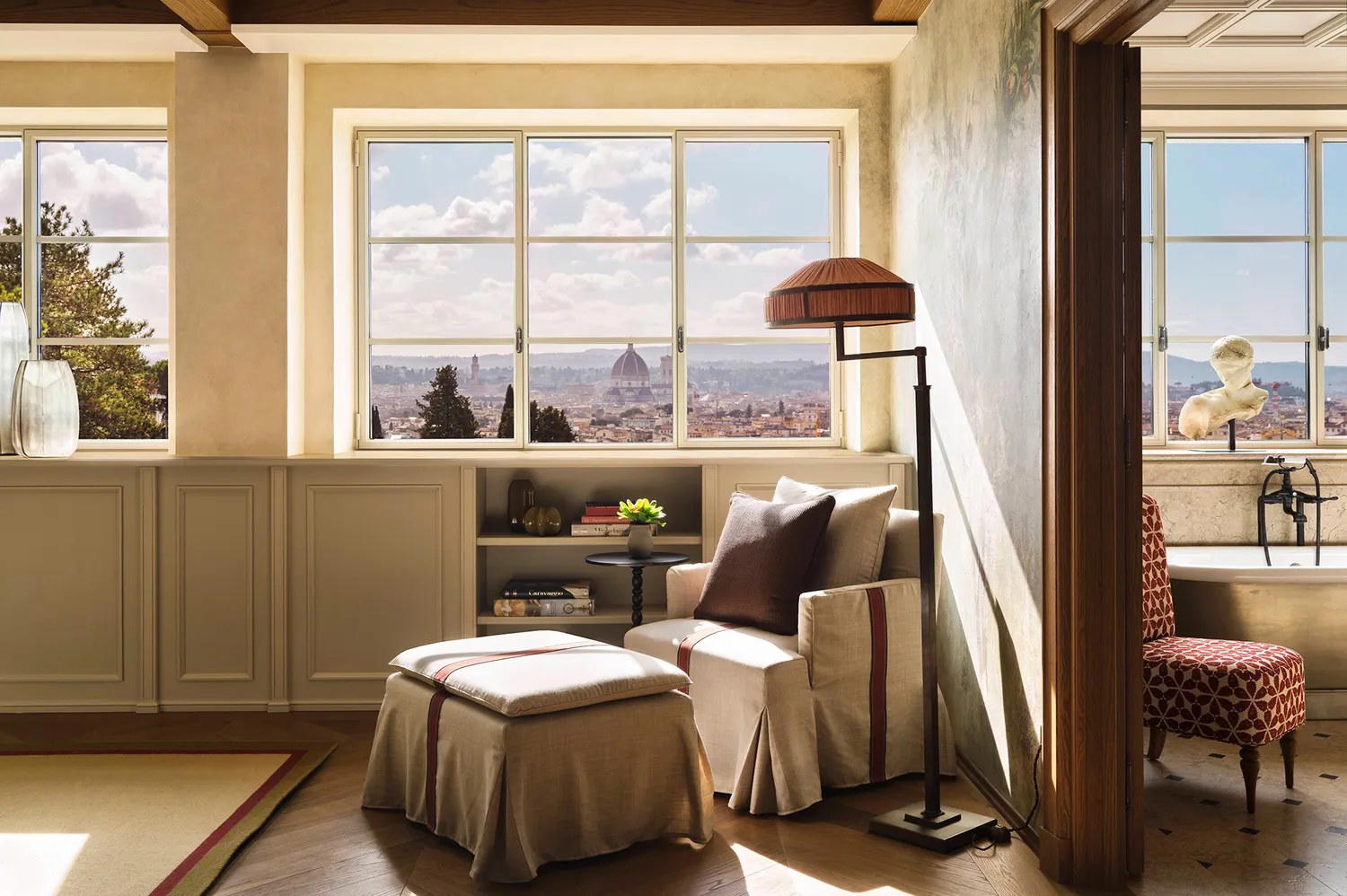
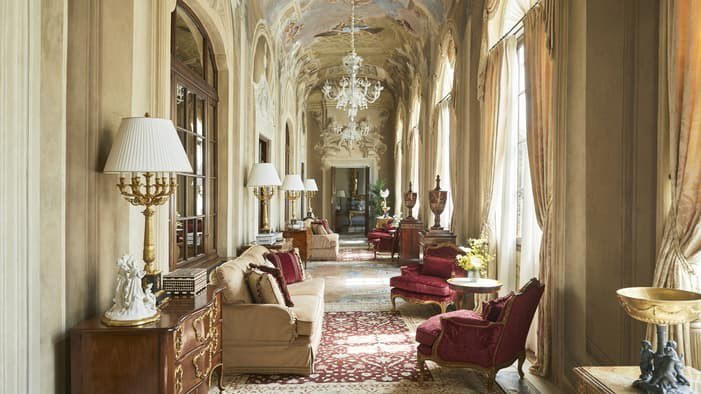
Elegant and refined atmosphere in a historic villa with frescoed interiors and a panoramic terrace offering dramatic views, evoking Italian dolcevita.