
On Ren'ai Road in Taipei's Da'an District, 鮨 天本 occupies a corner of the city's serious Japanese dining scene where counter culture, seasonal rhythm, and front-of-house precision converge. Those seeking the measured pace of Taipei's high-end omakase tier will find it worth investigating.
Pearl is the En Primeur Club membership app — saves, bookings, and concierge access live there. Same editors, same standards.
- Address
- No. 371號, Section 4, Ren'ai Rd, Da’an District, Taipei City, Taiwan 106
- Phone
- +886227751239
- Website
- facebook.com
- Directions
- Get directions
 Saves & bookings on Pearl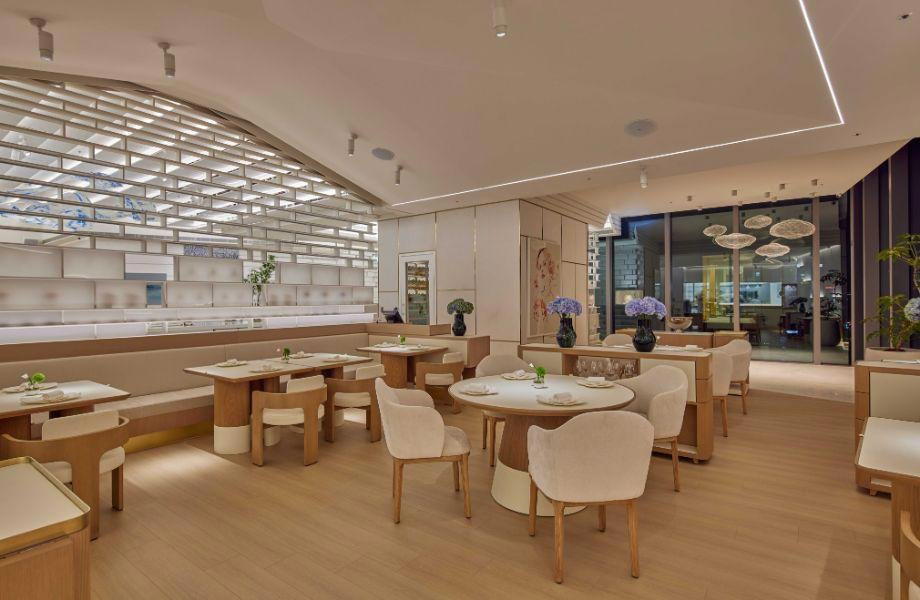
Counter Dining on Ren'ai Road: Where Da'an's Japanese Tier Sits in 2025
Taipei's Da'an District has, over the past decade, consolidated much of the city's highest-concentration fine dining along a corridor that runs between Zhongxiao and Ren'ai Roads. The pattern mirrors what happened in Tokyo's Ginza and Azabu neighbourhoods during the 2000s: a gradual clustering of serious Japanese counters, European tasting-menu rooms, and wine-led dining concepts within a short radius, creating a dining district defined by close competition. 鮨 天本, addressed at Section 4 of Ren'ai Road in Da'an, sits within that concentration. Its placement on one of the district's main arterial roads puts it in proximity to venues like Taïrroir, which blends Taiwanese and French technique, and L'Atelier de Joël Robuchon Taipei, a counter-format French room with significant institutional weight. That is the competitive context in which 鮨 天本 operates.
The Format That Defines the Experience
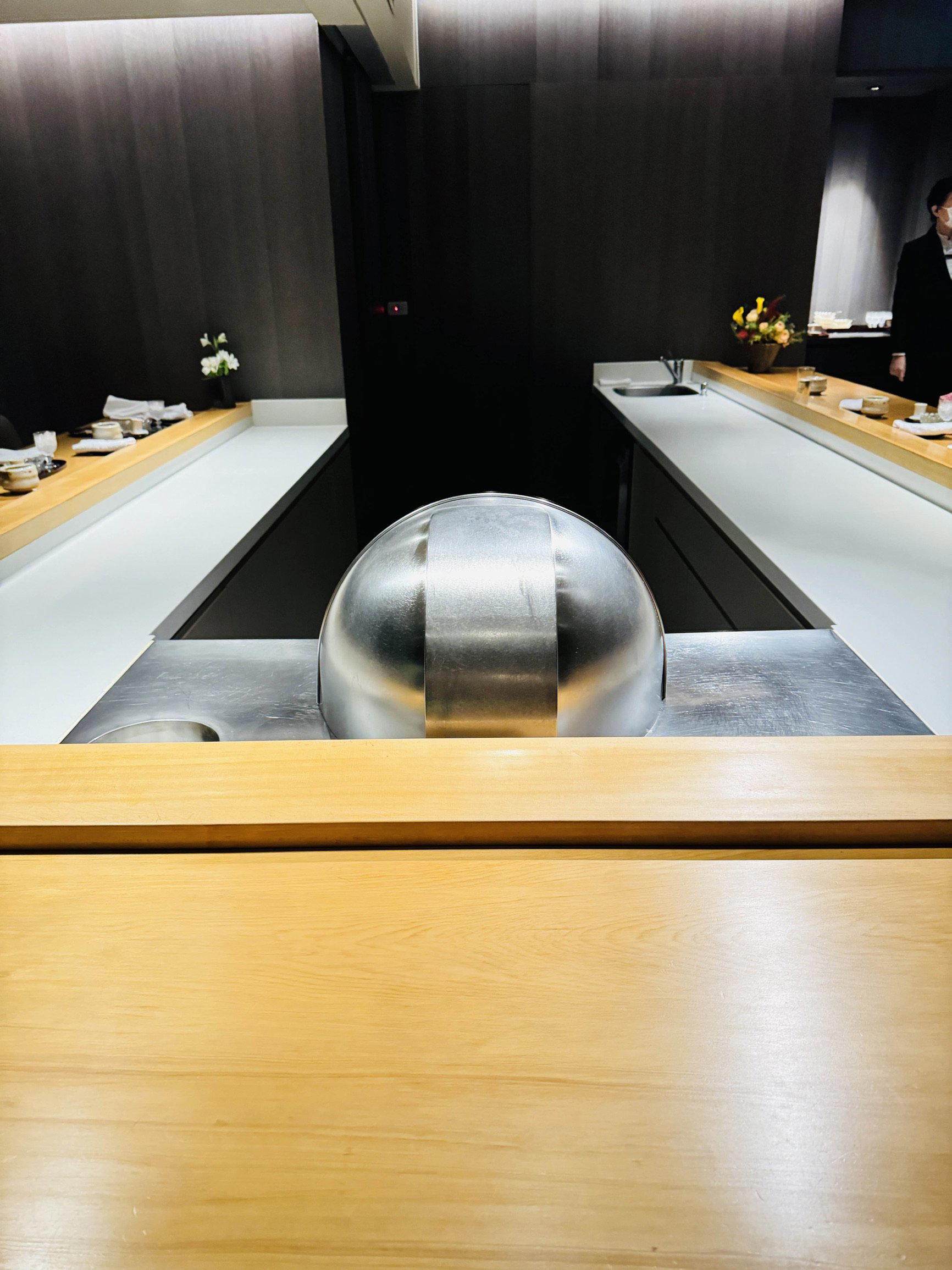
Japanese counter dining in Taipei has split along a familiar axis. On one end: high-volume sushi restaurants accessible by walk-in or same-week booking, often with printed menus and à la carte flexibility. On the other: low-capacity omakase counters where the chef-led format leaves little room for deviation and where the front-of-house team plays an active curatorial role, not merely a service one. The name 鮨 天本, with 鮨 (sushi) as its first character, signals an alignment with the second category. In that format, the interaction between the kitchen, the counter staff, and the guest is the structural logic of the meal. The progression of courses, the timing between preparations, and the verbal framing of each piece all require a coordinated team rather than a single performer. This is the editorial angle worth understanding before arriving: at counters of this type, the experience is shaped as much by the person pouring your drink or explaining provenance as by the hands preparing the fish.
That dynamic is well-established across Taiwan's high-end Japanese dining scene. Logy, which holds Michelin recognition and positions itself in a Modern European and Asian Contemporary register, demonstrates how team-led formats can sustain an international reputation. Molino de Urdániz brings a Spanish contemporary sensibility through a similarly coordinated service model. These are the rooms that 鮨 天本's address and format place it alongside, at least in terms of the expectations a guest should carry.
Da'an as a Dining District: The Neighbourhood Logic
The Section 4 stretch of Ren'ai Road is lined with tree-covered medians that soften the boulevard's scale. The neighbourhood's character is residential-upscale rather than entertainment-led, which means the dining rooms here tend toward quieter, longer formats rather than the high-turnover energy of, say, Zhongshan or Xinyi. Arriving in the evening, the district feels settled rather than crowded, an appropriate register for the kind of meal where the counter, not the street, provides the theatre. For visitors mapping a broader Taiwan itinerary, the Da'an dining cluster is a logical anchor before extending outward: JL Studio in Taichung and GEN in Kaohsiung represent the southern tier of the island's serious dining scene, while Amei in Tainan anchors the historical capital's culinary identity. Akame in Wutai Township and Shen Yen in Yilan show how indigenous and regional cooking has entered a more formal presentation register beyond Taipei's city limits.
What the Omakase Counter Expects from You
At counters operating in this format, the preparation is collaborative in a specific sense: the kitchen does the creative work, but the guest's advance communication shapes what arrives. Dietary restrictions, ingredient aversions, and allergy information are best shared before the day of dining. Because omakase menus are set daily or weekly based on market sourcing, last-minute amendments are difficult to absorb without disrupting the progression. Le Bernardin in New York City and Lazy Bear in San Francisco both require advance notice for dietary accommodations despite operating in different formats, because the logic of set-menu cooking makes flexibility structurally expensive once service begins. At 鮨 天本, contacting the venue directly and early is the practical advice; phone and online contact details are not currently listed in public directories, so the booking channel is best confirmed through aggregator platforms or direct discovery.
Planning Notes
For visitors approaching Taipei's dining calendar, the seasonal timing of a Japanese counter matters more than it might at a European tasting-menu room. The sourcing logic of premium sushi, where specific fish, shellfish, and aged preparations follow maritime seasons, means that what the counter serves in late autumn differs substantially from a spring or summer visit. Booking in advance rather than on arrival is often the standard operating assumption for counters at this level, though policies vary by venue. Those looking beyond the capital can reference Chi Yuan in New Taipei, Bebu in Hsinchu County, Dongmen Rice Noodle Soup in Hsinchu City, Abura Yakiniku in Taichung City, and Volando Urai Spring Spa and Resort in Wulai District for a fuller picture of the island's dining range. Le Palais, Taipei's Cantonese fine-dining anchor in the Palais de Chine hotel, sits at the opposite end of the spectrum from Japanese counter culture but remains a reference point for understanding the price tier and seriousness of Da'an's comparable set.
Comparison Snapshot
Comparable venues nearby, for context on price, style, and recognition.
| Venue | Cuisine | Price | Notes |
|---|---|---|---|
| 鮨 天本This venue — the venue you are viewing | Japanese Cafe | Not listed | Not listed |
| Orange | Japanese Shabu Shabu | $$ | Ren'ai |
| 竹村居酒屋 | Japanese Izakaya | $$ | 信義區 |
| Sushi Nakazawa | Modern Japanese Omakase | $$$$ | Zhenghe |
| 小倉屋鰻魚飯 大直店 | Kyushu-style Grilled Unagi | $$ | Dazhi |
| 魚庒 | Modern Japanese Kaiseki | Not listed | Zhengde |
Recognition history
Dated appearances from independent guides and award organizations, with the underlying list record or original source where available.
Opinionated About Dining Top Restaurants in Asia Recommended
Opinionated About Dining
Continue exploring
More in Taipei
Restaurants in Taipei
Browse all →
Bars in Taipei
Browse all →
Hotels in Taipei
Browse all →
Wineries in Taipei
Browse all →
At a Glance
- Casual Hangout
- Open Kitchen
Chilaxing atmosphere suitable for afternoon tea.