Among Taipei's specialist unagi houses, 小倉屋鰻魚飯 大直店 in the Dazhi district holds a focused position: Japanese-style eel rice prepared with the sourcing discipline and technique that separates a serious unagi counter from its casual imitators. The Da'an-adjacent neighbourhood gives it residential credibility without the tourist foot traffic of central Taipei, making advance planning worthwhile for anyone serious about the format.
Pearl is the En Primeur Club membership app — saves, bookings, and concierge access live there. Same editors, same standards.
- Address
- 樂群三路303號 (植福路), 台北市, 104
- Website
- kokuraya.com.tw
- Directions
- Get directions
 Saves & bookings on Pearl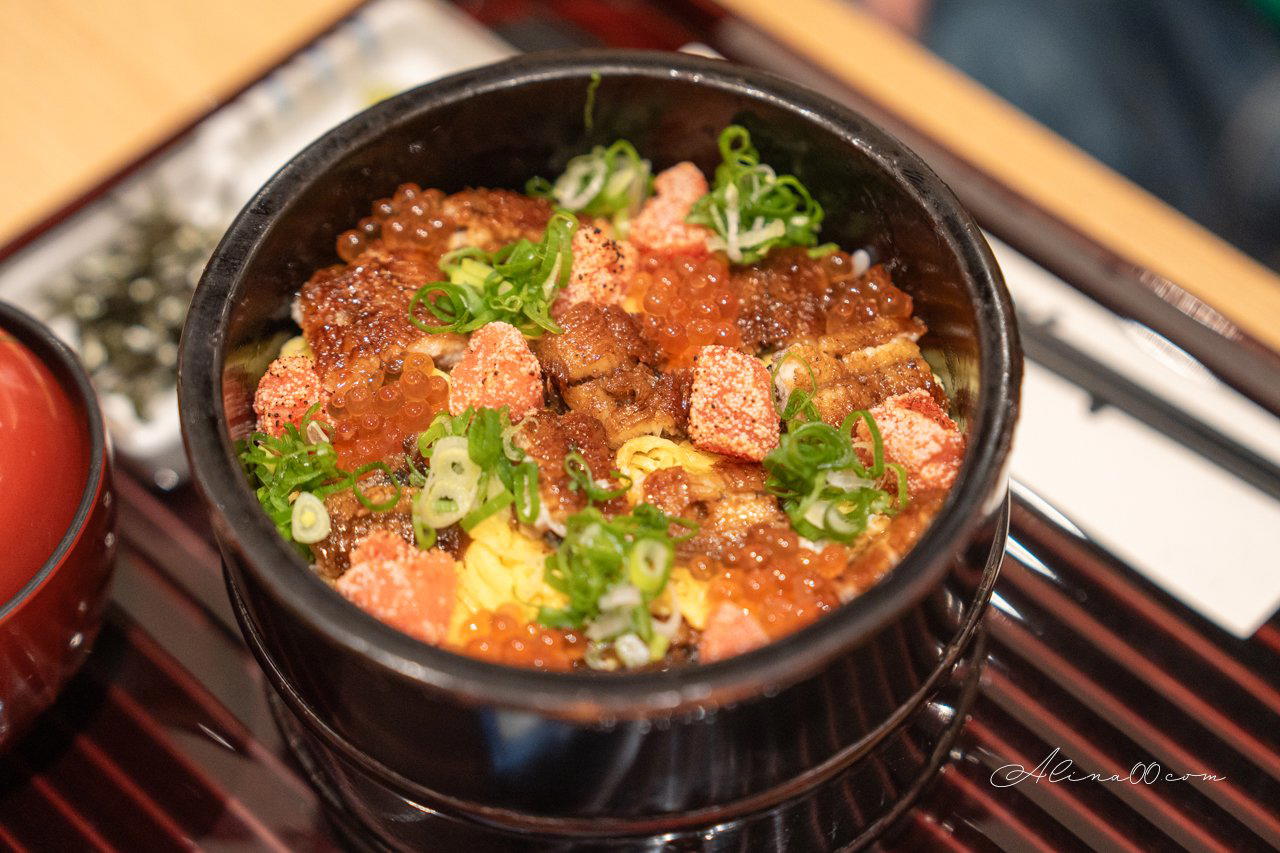
Dazhi's Unagi Counter in Context
Taipei's Japanese food scene divides cleanly along commitment lines. At one end sit the broad-menu izakayas and sushi chains that populate the Xinyi and Zhongshan corridors; at the other, a smaller tier of single-focus specialists that have absorbed a Japanese culinary discipline and applied it with genuine rigour. Unagi, freshwater eel, occupies a particular corner of that specialist tier. It is a protein that demands sourcing precision, careful handling, and a grilling technique (the kabayaki method, where the eel is split, skewered, steamed, and grilled over charcoal with repeated basting in a tare sauce) that is unforgiving to shortcuts. 小倉屋鰻魚飯 大直店, located on Lequn Third Road in the Dazhi neighbourhood of northern Taipei, sits inside this specialist category.
Dazhi is not the obvious address for a serious Japanese meal in Taipei. Most visitors default to Da'an or Zhongshan for Japanese dining, where the density of options justifies the commute. But the district has accumulated a quiet concentration of neighbourhood-oriented Japanese restaurants, the kind that serve a repeat local clientele rather than first-time visitors. That residential dynamic tends to enforce a standard of consistency that tourist-adjacent venues can avoid. A restaurant that fills its seats with the same people week after week cannot coast on novelty.
The Sourcing Logic Behind Unagi
Understanding what separates one unagi counter from another begins with the eel itself. The freshwater eel supply chain in East Asia runs primarily through aquaculture operations in Japan, Taiwan, and China, with wild-caught eel now so scarce that it functions more as a luxury signal than a realistic sourcing claim. The relevant distinction is not wild versus farmed, but which farms, at what scale of control, and through which supply relationships the restaurant operates. Serious unagi houses in Japan, particularly those in the Nagoya and Hamamatsu traditions, where hitsumabushi, the Nagoya-style eel rice served with accompaniments for multiple eating methods, has deep roots, source through established distributors with consistent quality thresholds. The Taiwanese iteration of this supply chain adds a domestic dimension: Taiwan's own eel aquaculture, concentrated in the southwest of the island, produces eels that move through Japanese-influenced processing before reaching restaurants. The quality gradient within farmed eel is significant, and where a restaurant sits on that gradient tends to determine the final texture and fat content of the finished dish more than the cooking technique alone.
The kabayaki technique itself is worth understanding as context for any unagi meal in Taipei. The Kanto style (common in Tokyo and much of Japan) involves steaming the eel between its two grill sessions, producing a softer, more yielding texture. The Kansai style skips the steam and grills directly over charcoal from the start, resulting in a firmer, crisper skin and a more pronounced smokiness. Most Taiwanese unagi restaurants follow the Kanto approach, which suits a broader range of palates. The tare, the basting sauce of soy, mirin, and sake that caramelises over the charcoal, is the other variable, and in long-established operations it is a living recipe, replenished rather than remade, which gives it a depth that newer kitchens cannot replicate.
Where Unagi Sits in Taipei's Dining Hierarchy
Taipei's leading end is currently dominated by tasting-menu formats: logy in the modern European-Asian mode, Taïrroir working the Taiwanese-French intersection, Le Palais as the Cantonese standard-bearer, and international franchise presences like L'Atelier de Joël Robuchon and Molino de Urdániz holding the European fine-dining tier. These are the addresses that absorb most of the attention. Specialist single-item restaurants occupy a different position in that ecosystem: lower price points, shorter meals, and a value proposition built on depth in one thing rather than breadth across many. The unagi rice format is particularly well-suited to this model because the ingredient is inherently premium, the preparation is technically demanding, and the portion logic (a lacquer box of eel over rice, often with a small set of accompaniments) is fixed and repeatable. There is no menu to maintain, no seasonal tasting progression to engineer. The kitchen's entire reputation rests on its eel.
Across Taiwan, the unagi specialist format appears in other cities, though Taipei holds the densest concentration. JL Studio in Taichung works a different register entirely, and GEN in Kaohsiung sits in a separate culinary category, but both illustrate the broader point that Taiwan's serious dining scene is no longer concentrated only in Taipei. For unagi specifically, though, the capital retains many options and competitive quality bar. Other Taiwan-based restaurant references that offer useful context for the island's dining breadth include A Xia in Tainan and neighbourhood-level operations like GARDENh in Yonghe District and 厎食二號 in Sanchong District.
For comparison beyond Taiwan, the unagi format has its most direct international counterparts in Japan, where restaurants in Nagoya's hitsumabushi tradition serve the same rice-plus-eel structure with the option to eat it plain, then with condiments, then as a tea-pour (ochazuke). The format has a different register from the seafood-driven precision of something like Le Bernardin in New York City or the Korean tasting-menu approach of Atomix, but the underlying logic, a single protein treated with serious technique and sourcing discipline, runs through all three.
Know Before You Go
- Address: 樂群三路303號 (植福路), Dazhi, Taipei 104
- Neighbourhood: Dazhi, northern Taipei
- Format: Single-focus unagi rice specialist; expect a concise menu structured around eel rice sets
- Reservation policy: Recommended
- Price: About US$25 per person
- Dress code: Smart casual
Compact Comparison
Comparable venues nearby, for context on price, style, and recognition.
| Venue | Cuisine | Price | Notes |
|---|---|---|---|
| 小倉屋鰻魚飯 大直店This venue — the venue you are viewing | Dazhi, Kyushu-style Grilled Unagi | $$ | Not listed |
| 竹村居酒屋 | 信義區, Japanese Izakaya | $$ | Not listed |
| Orange | Ren'ai, Japanese Shabu Shabu | $$ | Not listed |
| Zen Ho Uang | Heng'an, Authentic Yunnanese | $$ | Not listed |
| Closet | Not listed | $$ | Guangwu, Modern European Fusion Gastropub |
| 明福台菜 | Heng'an, Taiwanese Homestyle | Not listed | Not listed |
Continue exploring
More in Taipei
Restaurants in Taipei
Browse all →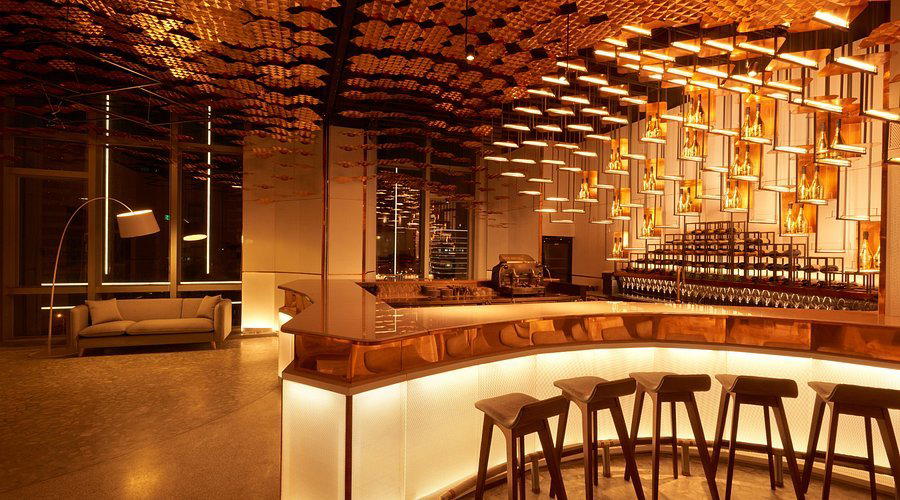
Bars in Taipei
Browse all →
Hotels in Taipei
Browse all →

Wineries in Taipei
Browse all →
At a Glance
- Classic
- Date Night
- Special Occasion
- Open Kitchen
- Sake Program
Cozy and intimate with counter seating focused on the open kitchen where eels are grilled fresh.