Located on a quiet lane off Zhongshan North Road in Taipei's Zhongshan District, éåº occupies a spot within one of the city's more considered dining corridors. Details on cuisine format, pricing, and booking are limited in public records, making direct contact a reliable first step for planning a visit. Cross-reference with EP Club's broader Taipei restaurant coverage for neighbourhood context.
Pearl is the En Primeur Club membership app — saves, bookings, and concierge access live there. Same editors, same standards.
- Address
- No. 24, Lane 83, Section 1, Zhongshan N Rd, Zhongshan District, Taipei City, Taiwan 10491
- Phone
- +886225318611
- Website
- unagiuosho.co.jp
- Directions
- Get directions
 Saves & bookings on Pearl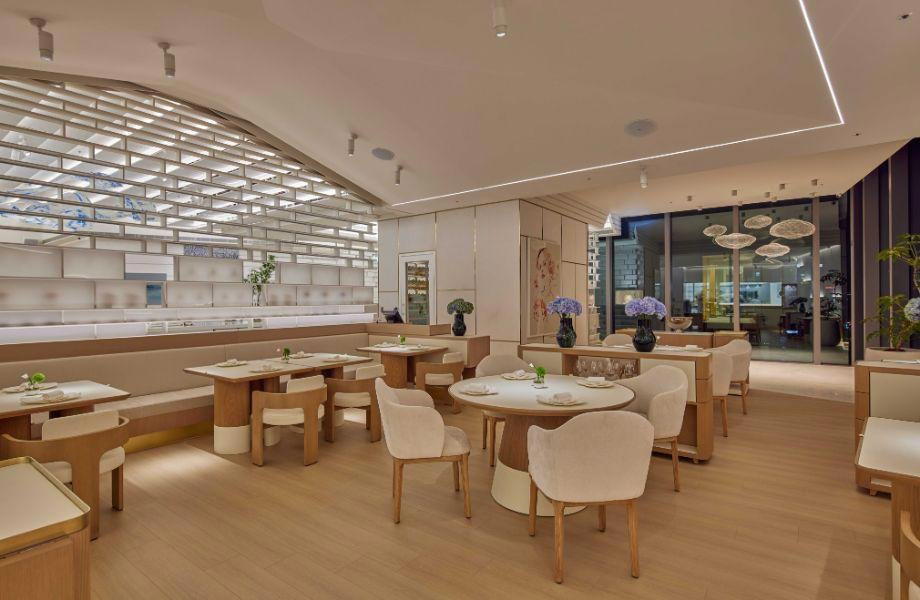
A Lane Address in Zhongshan's Dining Corridor
Taipei's Zhongshan District has developed a distinct character among the city's dining neighbourhoods. Where Da'an concentrates its high-end options along wider arterial streets and in hotel lobbies, Zhongshan's premium tier tends to occupy narrower lanes and low-rise buildings, the kind of address you reach by turning off a main road and counting doorways. Lane 83 off Section 1 of Zhongshan North Road fits that pattern precisely. The approach is quieter than the surrounding streetscape suggests, and the address at No. 24 places éåº within a corridor that has attracted a range of serious dining operations drawn to Zhongshan's combination of residential density and transit access.
That lane-address format is worth understanding as a spatial type rather than a quirk. In cities like Tokyo, Kyoto, and increasingly Taipei, the physical retreat from the main boulevard often signals something deliberate about scale and format. The building is not performing visibility from the street. It is operating for guests who already know to come, which tends to correlate with booking-led, capacity-controlled dining rather than walk-in volume.
What the Physical Container Implies
Interior architecture in Taipei's mid-to-upper dining tier has shifted considerably over the past decade. The generation of restaurants that opened in the 2010s often defaulted to either hotel-adjacent formality (high ceilings, tablecloth-heavy, European reference points) or the exposed-concrete industrial aesthetic borrowed from global café culture. The more recent cohort, including addresses that have drawn recognition from the Asia's 50 Best ecosystem and the Michelin Guide Taiwan, tends toward something more considered: smaller seat counts, materials with local provenance or cultural specificity, lighting that functions at table level rather than filling a room.
Venues in the Zhongshan lane-address category frequently reflect that newer restraint. The spatial logic shifts from impression to concentration. A smaller physical container, when it works, compresses the experience in useful ways: the distance between kitchen and table shortens, ambient noise stays manageable, and the architecture stops competing with what is on the plate. Peer venues in Taipei's premium tier, including logy and Taïrroir, have both built reputations partly on the coherence between their physical environments and their cooking formats. The design is not decoration; it is part of the argument the restaurant is making.
What can be said is that the address type and neighbourhood position it within a comparable set where design intentionality tends to be high, and where the physical experience of arriving and sitting is typically part of what the kitchen team is thinking about.
Taipei's Fine Dining Context and Where éåº Sits
The Michelin Guide Taiwan, which has covered Taipei since 2018, has reshaped how the city's serious dining options are understood internationally. The guide's annual releases have consistently surfaced both French-lineage operations and Taiwan-rooted formats as the two dominant modes at the upper tier. Le Palais operates in the Cantonese formal register; L'Atelier de Joël Robuchon and Molino de Urdániz anchor the European end. Between those poles, a growing set of venues works with Taiwanese ingredients and techniques in formats that do not map cleanly onto either tradition.
Zhongshan's lane addresses tend to attract the more format-experimental end of that spectrum, partly because the neighbourhood's lower commercial pressure compared to Xinyi or the hotel corridors allows for smaller seat counts and longer booking cycles. The name itself, rendered in traditional Chinese characters, does not map to a recognisable genre tag in the way that a Spanish or French subtitle might signal cuisine direction to international guests.
For comparison across Taiwan's broader fine dining map, JL Studio in Taichung and GEN in Kaohsiung both demonstrate how venues outside Taipei have built serious recognition within the Asia's 50 Best and Michelin frameworks. Within Taipei, the competitive set for a Zhongshan lane address at the premium tier is well-populated, with logy's fermentation-forward European-Asian hybrid and Taïrroir's Taiwan-French synthesis both operating nearby and carrying sustained critical recognition. See our full Taipei restaurants guide for the broader picture.
Planning a Visit
Reservations are essential, and the restaurant is closed on Mondays and Tuesdays. Lane addresses in Zhongshan are generally accessible via the Zhongshan MRT station on the Tamsui-Xinyi Line, which places the area within easy reach of most central Taipei hotels. The neighbourhood also connects conveniently to other dining options for a multi-stop evening, including venues along the Chifeng Street corridor and around Minsheng Community to the east. For visitors planning a broader Taiwan circuit, the EP Club covers dining in Tainan, Wutai Township, Yilan, and Hsinchu County, among other destinations.
For comparable experiences in formats with fuller documentation, logy and Taïrroir are particularly direct reference points in Taipei's current premium tier. Internationally, the concentrated-counter format that defines much of Taipei's serious dining has close parallels in venues like Lazy Bear in San Francisco, where ticket-based, fixed-format dining has become a model for chef-led intimacy at scale.
Cuisine and Awards Snapshot
Comparable venues nearby, for context on price, style, and recognition.
| Venue | Cuisine | Price | Notes |
|---|---|---|---|
| 魚庒This venue — the venue you are viewing | Modern Japanese Kaiseki | Not listed | Not listed |
| Sato Curry (佐藤咖哩) | Japanese Curry House | $$ | Da'an |
| 鮨 天本 | Japanese Cafe | Not listed | Zhengsheng |
| 胡椒廚房 Pepper Lunch | Japanese Teppanyaki DIY | $$ | Taipei (multiple locations) |
| 小倉屋鰻魚飯 大直店 | Kyushu-style Grilled Unagi | $$ | Dazhi |
| 三井 Cuisine M | Refined Japanese Kaiseki | $$$$ | Xinyi District |
Continue exploring
More in Taipei
Restaurants in Taipei
Browse all →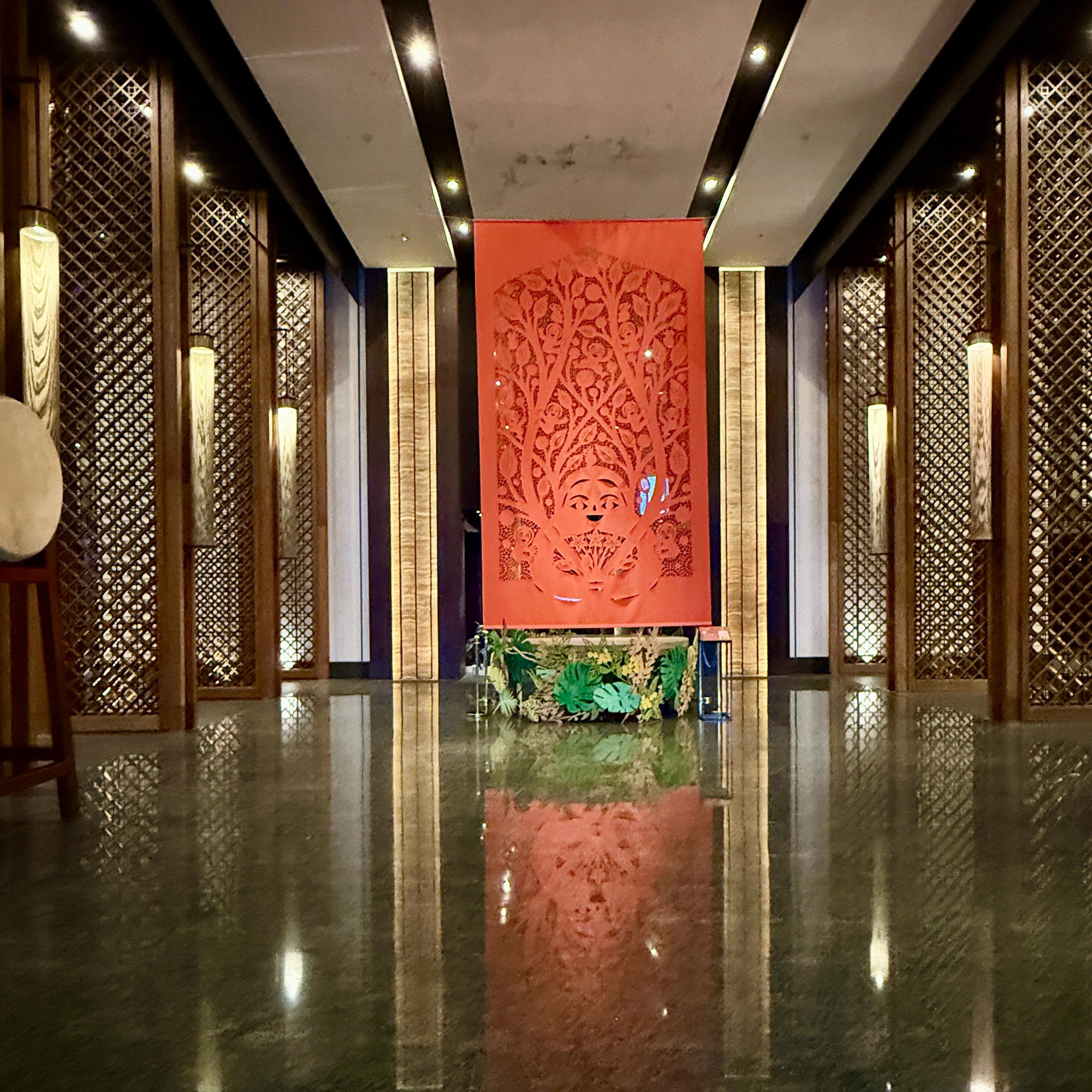
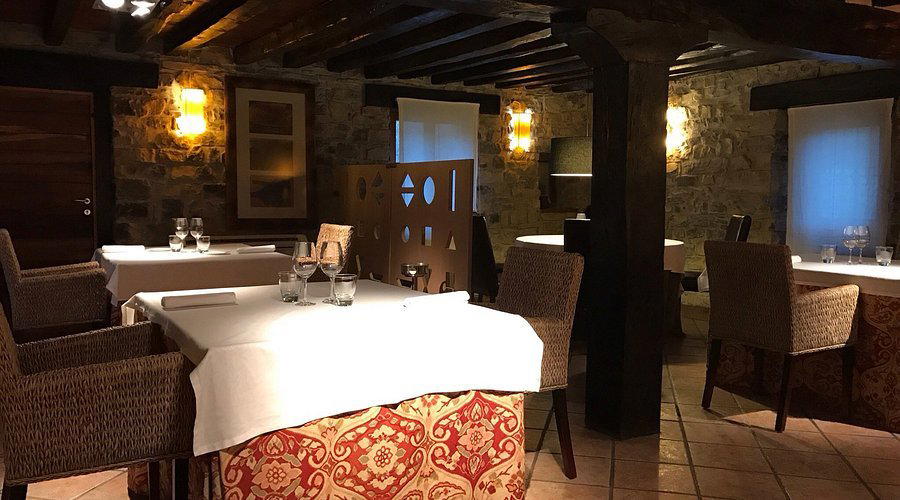
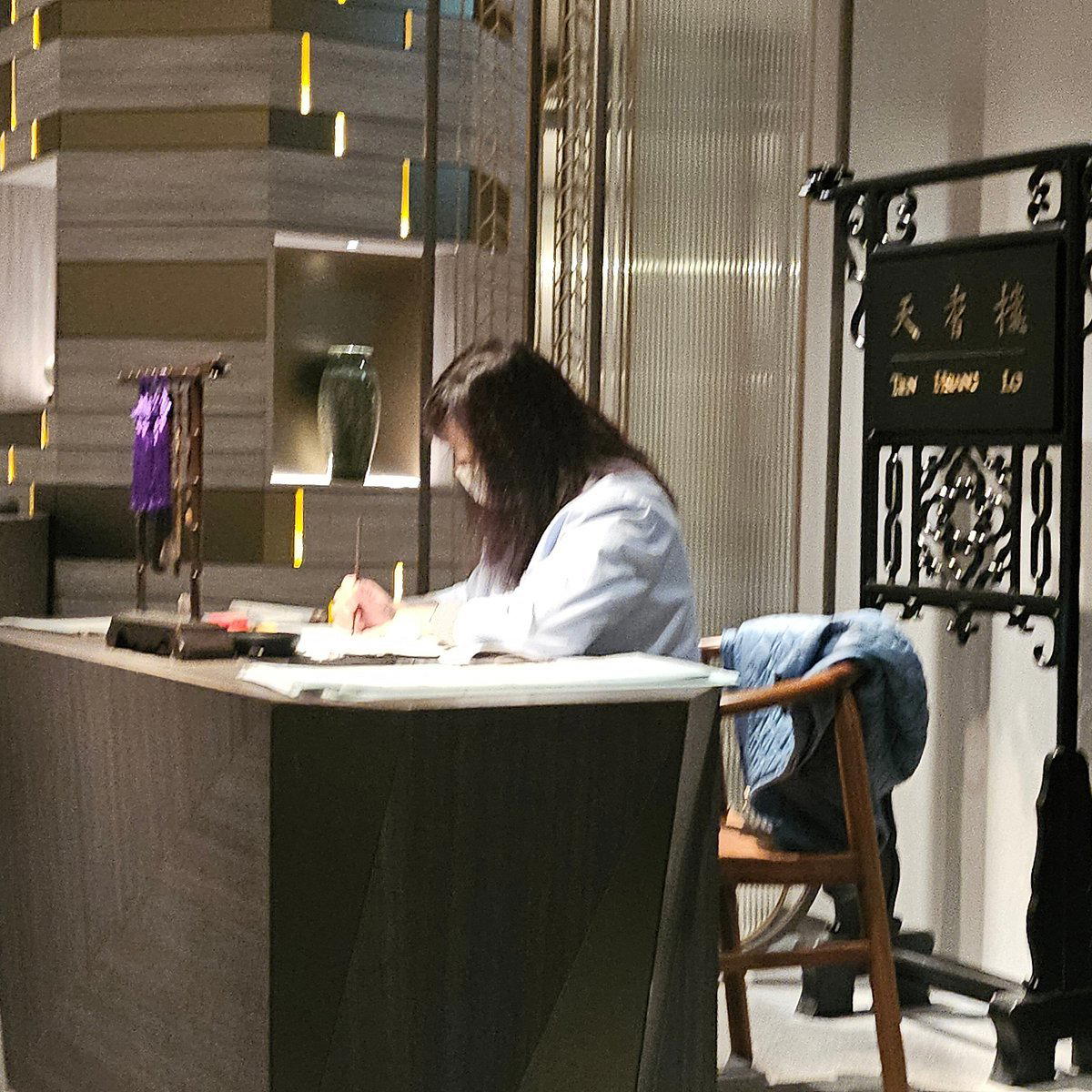
Bars in Taipei
Browse all →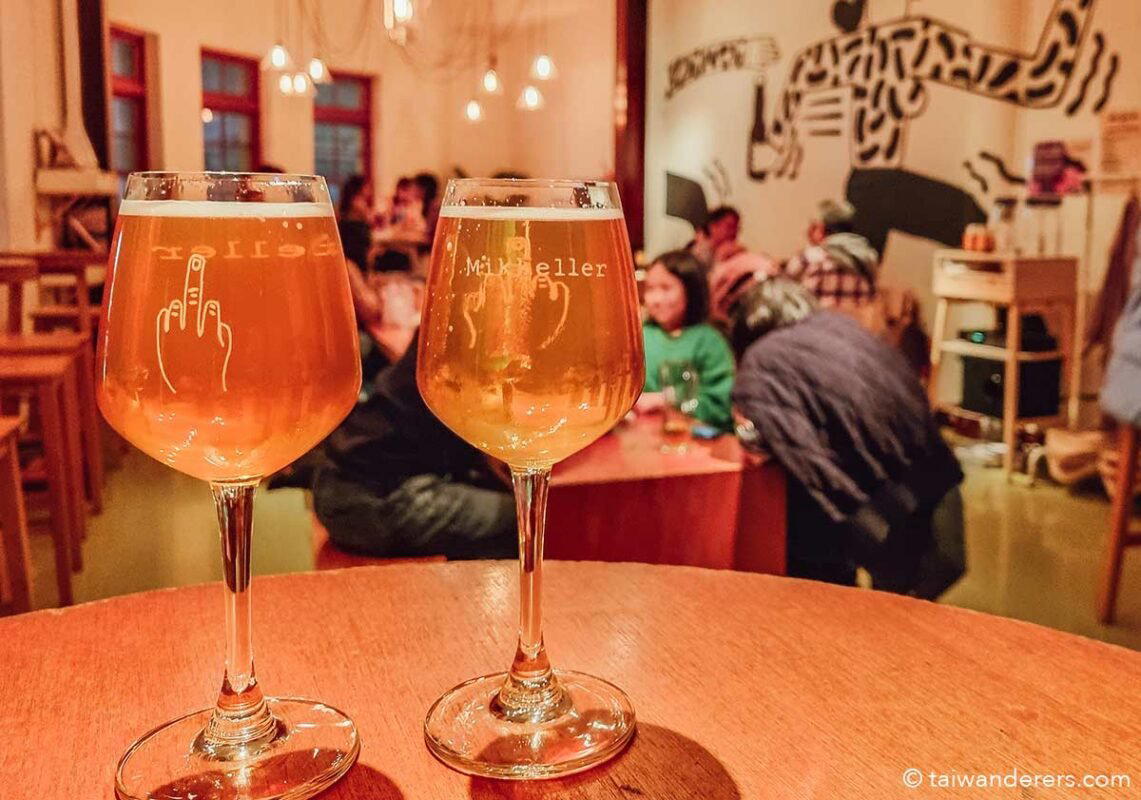
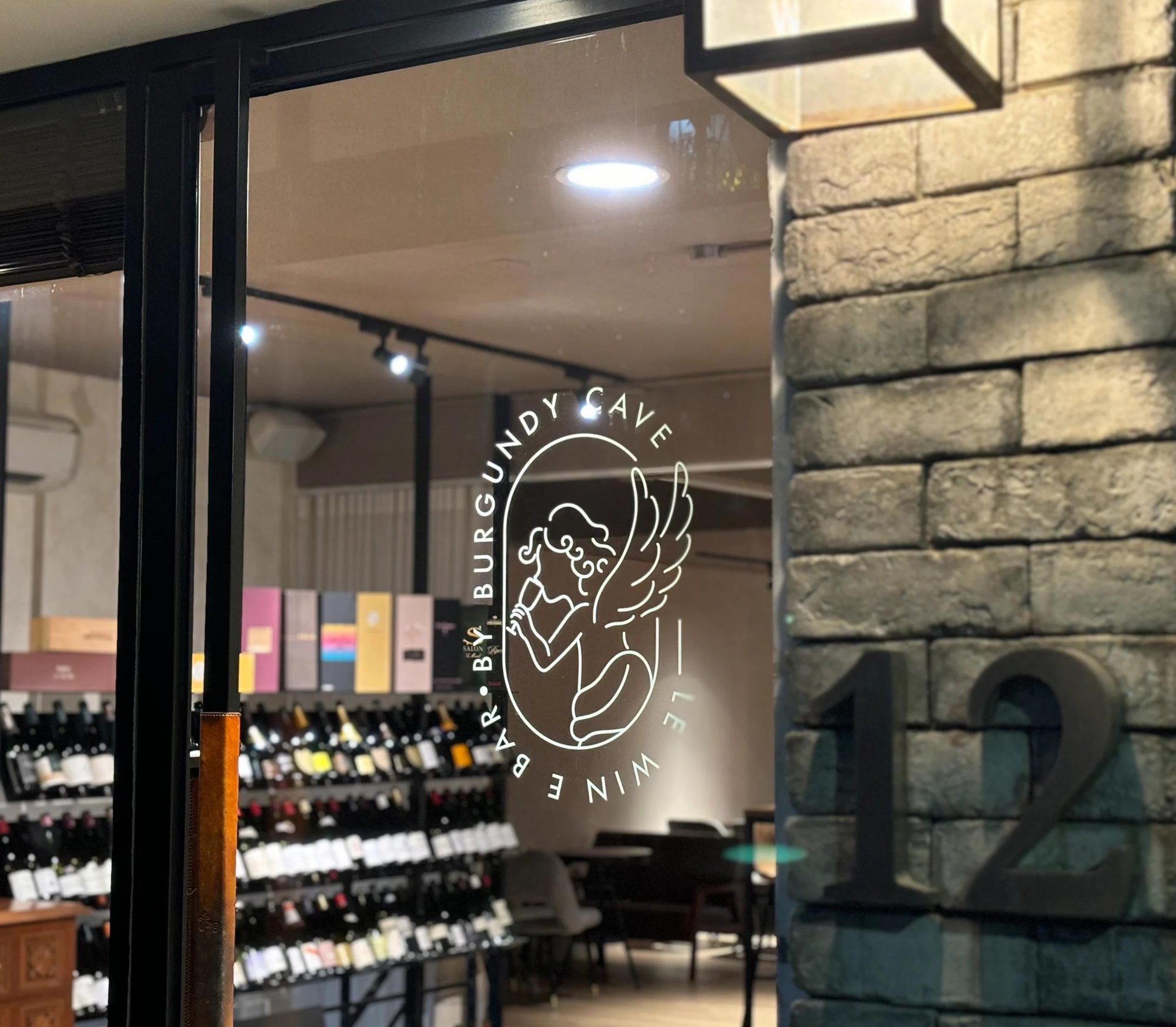
Hotels in Taipei
Browse all →
Wineries in Taipei
Browse all →
At a Glance
- Special Occasion
- Date Night
- Sake Program
Current opening hours
- Monday
- Closed
- Tuesday
- Closed
- Wednesday
- 5:30–10:30 PM
- Thursday
- 5:30–10:30 PM
- Friday
- 5:30–10:30 PM
- Saturday
- 5:30–10:30 PM
- Sunday
- 5:30–10:30 PM
Hours can change for holidays and private events. Last verified .
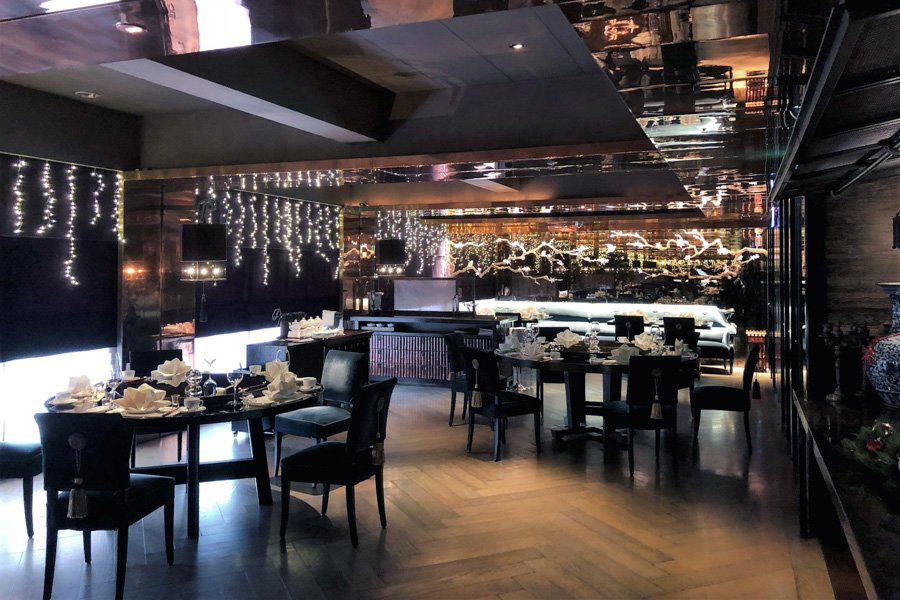
Elegant and sophisticated with dim lighting and traditional Japanese decor.