ç¾å ç»å®

Tabelog Bronze #270
Our verdict
In Tsuwano, one of Shimane Prefecture's most carefully preserved castle towns, 美食绘家 operates in a dining culture shaped by proximity to mountain rivers, cedar forests, and centuries-old culinary restraint. The setting and ingredient geography of this corner of the San'in region tell a story that few restaurants in western Japan are positioned to tell. For those travelling beyond Kyoto and Hiroshima, it represents a different register of Japanese dining entirely.

Pearl is the En Primeur Club membership app — saves, bookings, and concierge access live there. Same editors, same standards.
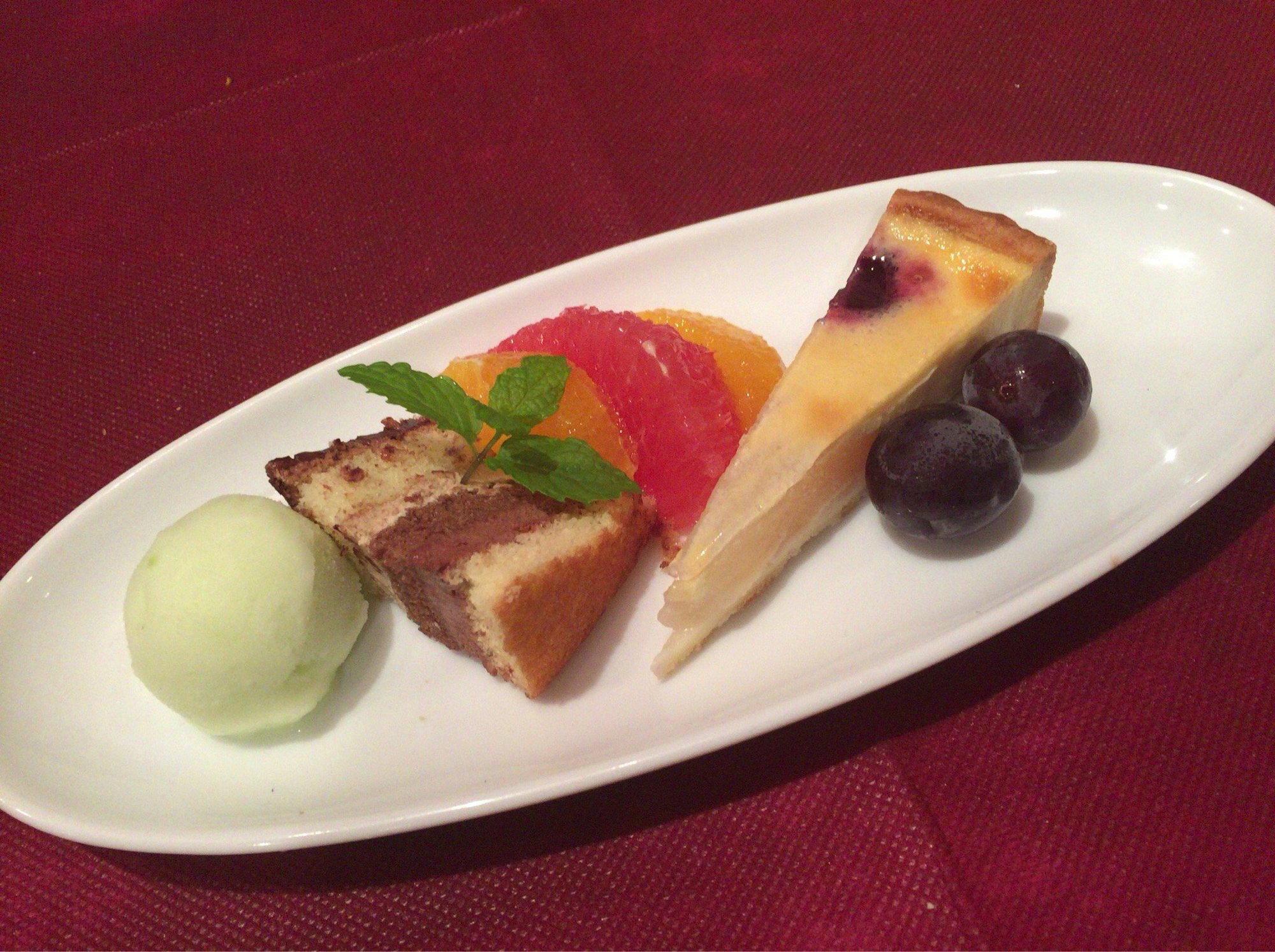
Where the San'in Region Sets the Table
Tsuwano sits at the inland edge of Shimane Prefecture, tucked into a narrow valley where the Tsuwano River runs cold through the year and the surrounding cedar slopes define what local kitchens can and cannot work with. This is San'in country, a stretch of the Japan Sea coast and its hinterland that has historically operated at a remove from the culinary circuits of Kyoto, Osaka, and Tokyo. That distance is not a disadvantage. In food terms, it means a different ingredient vocabulary: freshwater fish from mountain streams, wild mountain vegetables harvested across short seasonal windows, and a broader range of producers operating at scales that make farm-to-kitchen traceability a practical reality rather than a marketing claim.
美食绘家 is located at 221-2 Nichihara in Tsuwano, a position that places it inside one of the most architecturally intact small towns in western Japan. Tsuwano is often called a "little Kyoto" of the San'in, a comparison that points to its surviving samurai districts, carp-filled waterways, and Catholic church sitting improbably alongside a Shinto shrine on a hill. Dining here does not operate on the same logic as dining in a major urban centre. The rhythm is slower, the sourcing is hyper-local, and the audience is a mix of domestic travellers making the journey specifically to see Tsuwano's preserved streets and a smaller number of international visitors who have moved beyond the standard Hiroshima-Kyoto corridor. For context on how regional Japanese dining compares across prefectures, our full Kanoashi District restaurants guide maps the broader scene.
The Ingredient Geography of Shimane's Interior
The editorial angle most relevant to 美食绘家's location is sourcing. Kanoashi District sits in a part of Shimane where the agricultural and foraging calendar is specific and demanding. Spring brings fuki and warabi from the hillsides; summer opens the river season for ayu, the small sweetfish that moves through mountain rivers across the Chugoku region and is considered one of Japan's most seasonally precise ingredients. Autumn delivers matsutake and other mountain mushrooms in concentrations that the more densely farmed prefectures to the east cannot match. Winter in this valley means a retreat to preserved and fermented goods, root vegetables, and the kind of patience that shorter-season regions rarely require of their cooks.
This ingredient calendar is what distinguishes dining in interior San'in from the kaiseki tradition of Kyoto or the seafood-first approach of coastal prefectures. In Kyoto, at a restaurant like Gion Sasaki, the seasonal framework is extraordinarily refined but operates within a well-established and well-documented set of culinary expectations. In Osaka, innovative kitchens such as HAJIME apply contemporary technique to those same seasonal signals. In Tsuwano, the question is more elemental: what grows or swims within a workable radius, and how does a kitchen shape a meal from that constraint?
Setting and Format
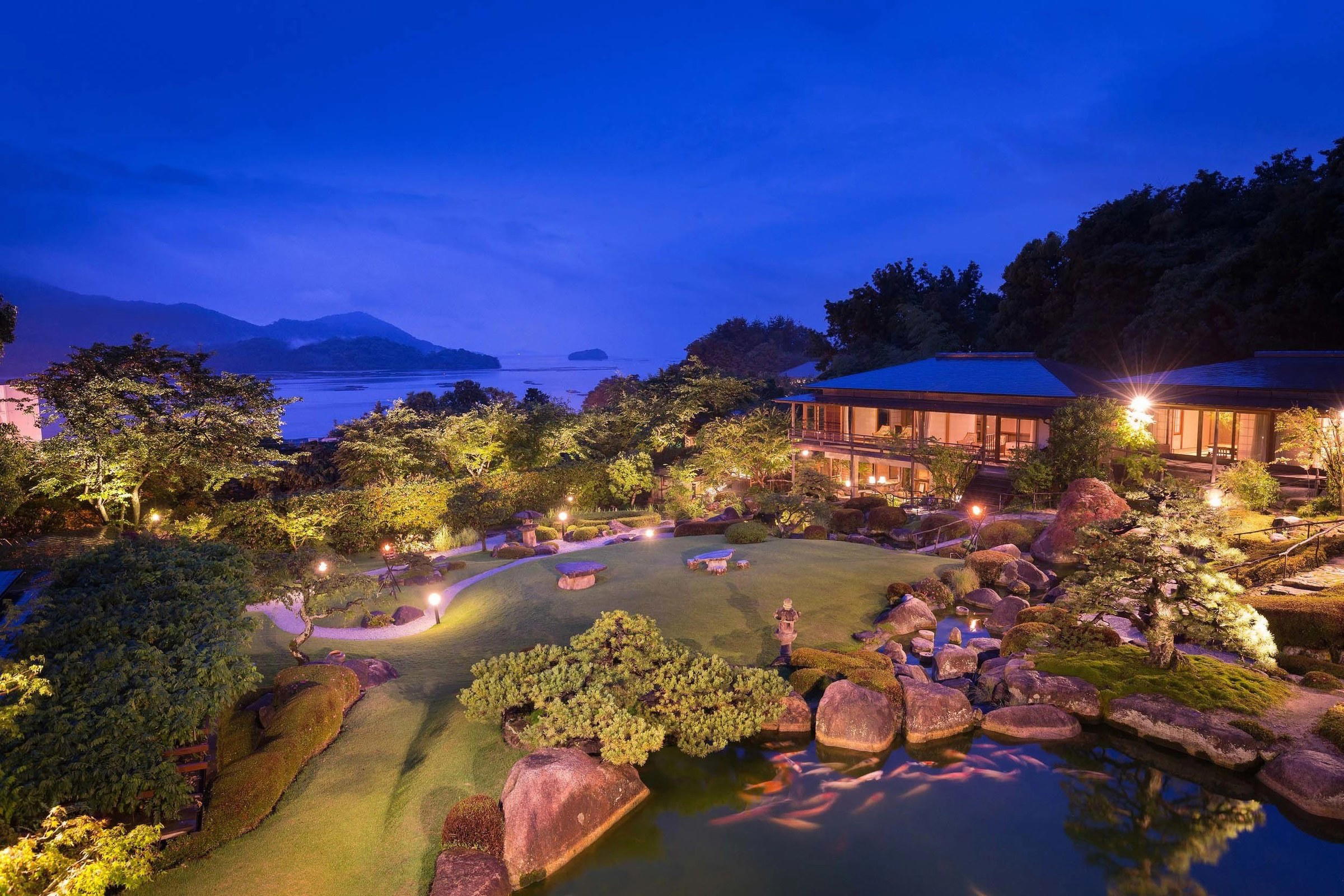
The address at Nichihara places 美食绘家 away from Tsuwano's main tourist street, in a residential quarter that gives the restaurant a lower visual profile than venues that trade on high-footfall positioning. In towns like Tsuwano, that separation from the souvenir-shop corridor tends to be a reliable signal: kitchens that do not need tourist foot traffic to fill seats are generally operating on reservation-led models and local reputation. The physical environment of this part of Tsuwano is quiet, with the river audible in the right season and the scale of the surrounding buildings small enough that arriving at a restaurant feels like arriving at a house rather than a venue.
Japanese regional dining in this format shares structural DNA with rural dining traditions elsewhere: a defined menu shaped by what is available rather than what is marketable, a dining room built for intimacy rather than volume, and a booking logic that rewards planning. Travellers familiar with the reservation discipline required at Harutaka in Tokyo or akordu in Nara will recognise the pattern, even if the scale and style differ considerably.
Reading the Regional Context
Western Honshu's interior prefectures host a category of restaurant that does not translate easily into the Michelin or tabelog shorthand that governs dining decisions in major cities. The absence of dense critical infrastructure does not indicate the absence of serious cooking; it often indicates the opposite. Kitchens in Shimane, Tottori, and the Chugoku interior operate without the same institutional attention that shapes restaurants in Tokyo or Kyoto, and some of the most ingredient-rigorous cooking in Japan happens precisely because chefs in these areas are working with producers they know by name and fields they can see from the kitchen window.
This is the category context in which 美食绘家 sits. Comparable regional precision can be found across Japan's less-visited prefectures: affetto akita in Akita works with a northern ingredient palette shaped by Tohoku seasons, while Ajidocoro in Yubari District draws from Hokkaido's agricultural specificity. The logic is consistent: regional kitchens that commit to local sourcing tend to produce food that is readable as a document of place in a way that urban restaurants, with their wider supply networks, cannot easily replicate.
For reference points at the other end of the formal dining spectrum, Goh in Fukuoka and Abon in Ashiya represent how western Japan's more urbanised dining culture is evolving. Internationally, the sourcing-first philosophy driving restaurants like Lazy Bear in San Francisco reflects a parallel movement: kitchens that treat ingredient provenance as the primary editorial statement of the menu. Le Bernardin in New York City represents a different tradition, where technical mastery of a single ingredient category defines the entire project.
Planning the Visit
Tsuwano is reachable by the Yamaguchi line from Ogori, itself accessible from the Sanyo Shinkansen. The journey from Hiroshima to Tsuwano, via Ogori, takes roughly two to two and a half hours depending on connections. The town is small enough to walk entirely, and Nichihara is within that walkable range of the main station. Given the restaurant's regional profile and the limited dining options in Tsuwano at a comparable level, advance contact is advisable; walk-in availability at this type of venue in a town of Tsuwano's size is not reliable. Visitors combining Tsuwano with Hagi, Masuda, or a broader San'in itinerary will find the town a natural overnight stop, with several ryokan options in the immediate area. Additional regional comparison points for planning purposes include Aji Arai in Oita, Akakichi in Imabari, aki nagao in Sapporo, Amaki in Aichi, Amegen in Saga, anchoa in Kanagawa, and Arakawa in Hyogo, all of which reflect different expressions of regional Japanese dining at a serious level.
Frequently asked questions
Does 美食绘家 work for a family meal?
Tsuwano draws a broad domestic visitor profile, with families coming for the Taikodani Inari Shrine, the preserved Edo-period streetscapes, and the steam locomotive excursions. The residential address at Nichihara, away from the main tourist corridor, suggests a quieter setting more consistent with a sit-down meal than a casual drop-in.
What's ç¾å ç»å®¶'s location?
ç¾å ç»å®¶ is located at î221-2 Nichihara, Tsuwano, Kanoashi District, Shimane 699-5221, Japan, Kanoashi District.
Can I walk in to ç¾å ç»å®¶?
Reservations are recommended for ç¾å ç»å®¶ in Kanoashi District. Confirm current policy via the venue's official channels.
What's the defining dish or idea at ç¾å ç»å®¶?
ç¾å ç»å®¶ is best approached by focusing on the core concept and signature offerings.
Comparable Venues
Comparable venues nearby, for context on price, style, and recognition.
| Venue | Cuisine | Price | Awards | Notes |
|---|---|---|---|---|
| ç¾å ç»å®¶This venue (the venue you are viewing) | Traditional Japanese Kaiseki | $50–100 | Tabelog Bronze #270 | Not listed |
| Unagi Yondaime Kikukawa | Traditional Japanese Unagi | $30–50 | Not listed | Kanazawa Station Area |
| Yakiniku Yamachan | Premium Wagyu Yakiniku with Japanese Fusion | $100–150 | Tabelog 100 #17 | Nakagyo-ku |
| Pass The Baton | Japanese Tea Room / Cafe | $20–30 | Not listed | Gion |
| OLU Grill (オールーグリル) | Okinawan Grill | Not listed | Not listed | 読谷村 |
| 白露 | Fusion Japanese-French Local Cuisine | Not listed | Not listed | 安比高原 |
Recognition history
Dated appearances from independent guides and award organizations, with the underlying list record or original source where available.
Tabelog Bronze #270
Tabelog
Full recognition history (3 entries)
Tabelog 100 #19 · No. 19
Tabelog · Tabelog 100 - Japanese cuisine - WEST - 2025
Tabelog Silver
Tabelog
Continue exploring
More in Kanoashi District
Restaurants in Kanoashi District
All restaurants in Kanoashi District →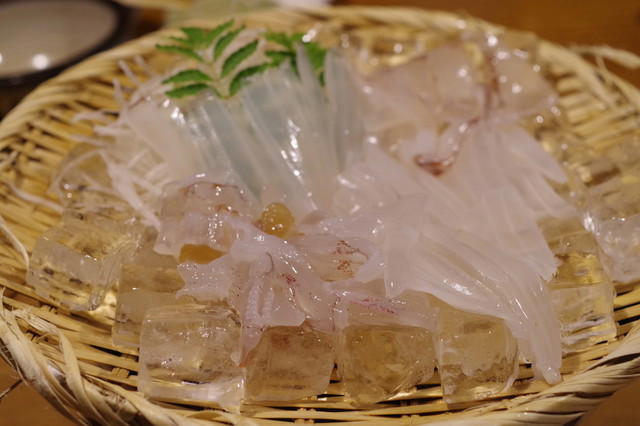
Details
- Classic
- Intimate
- Elegant
- Special Occasion
- Date Night
- Open Kitchen
- Local Sourcing
- Set Menu
- Omakase
Current opening hours
- Monday
- Closed
- Tuesday
- 12–7 PM
- Wednesday
- 12–7 PM
- Thursday
- 12–7 PM
- Friday
- 12–7 PM
- Saturday
- 12–7 PM
- Sunday
- 12–3 PM
Hours can change for holidays and private events. Last verified .
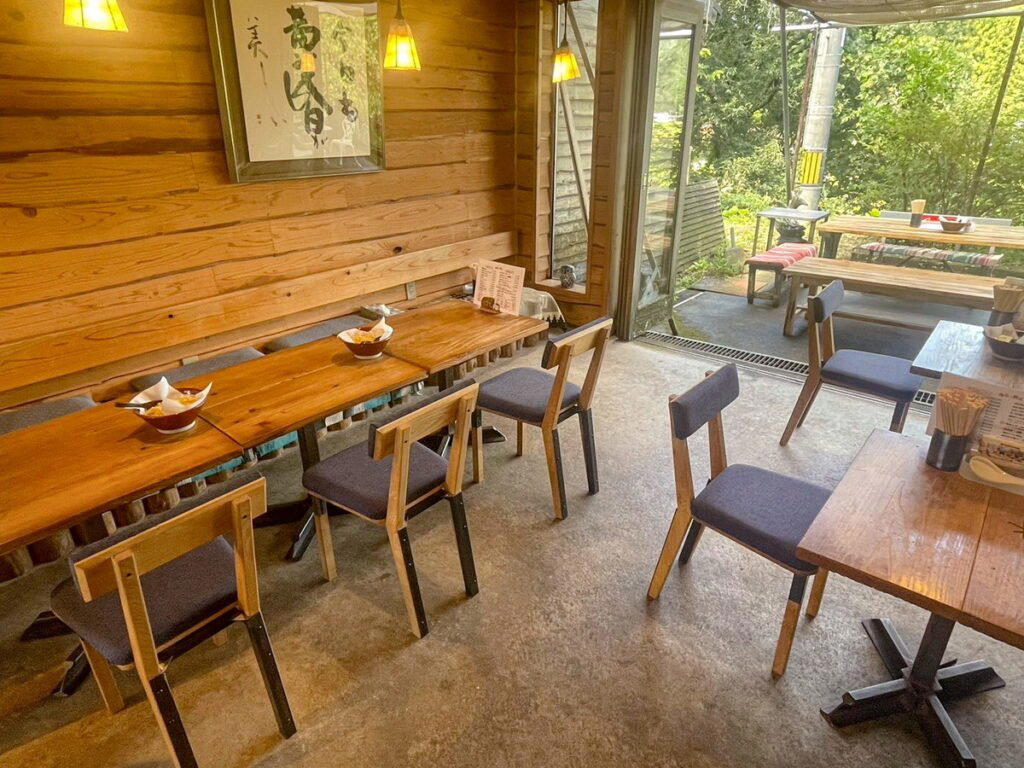
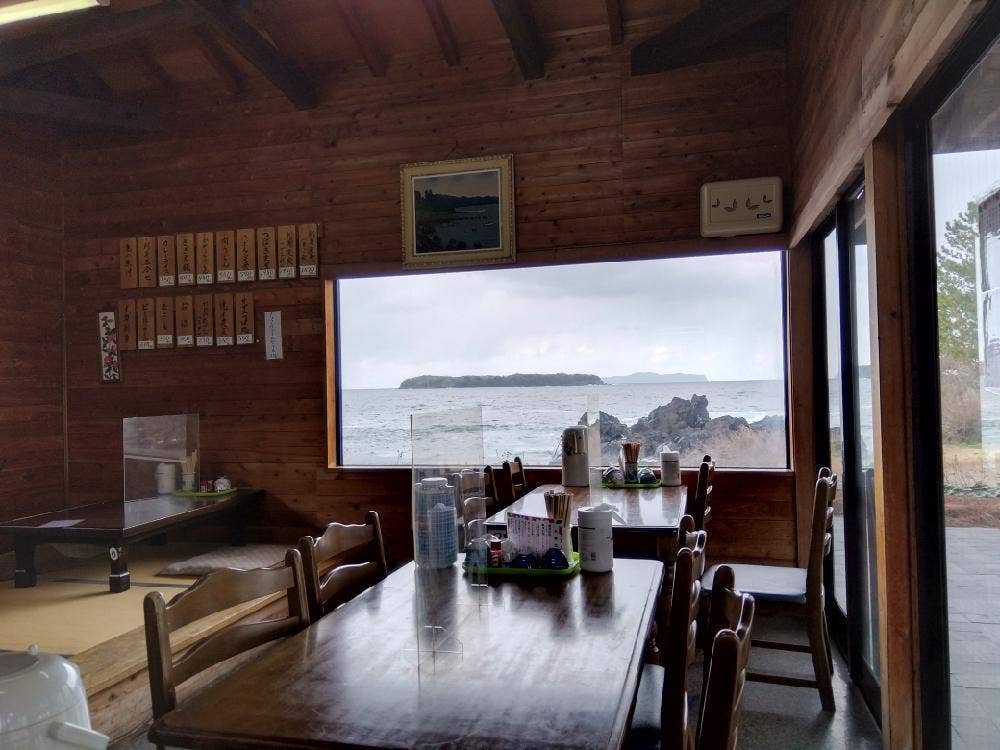
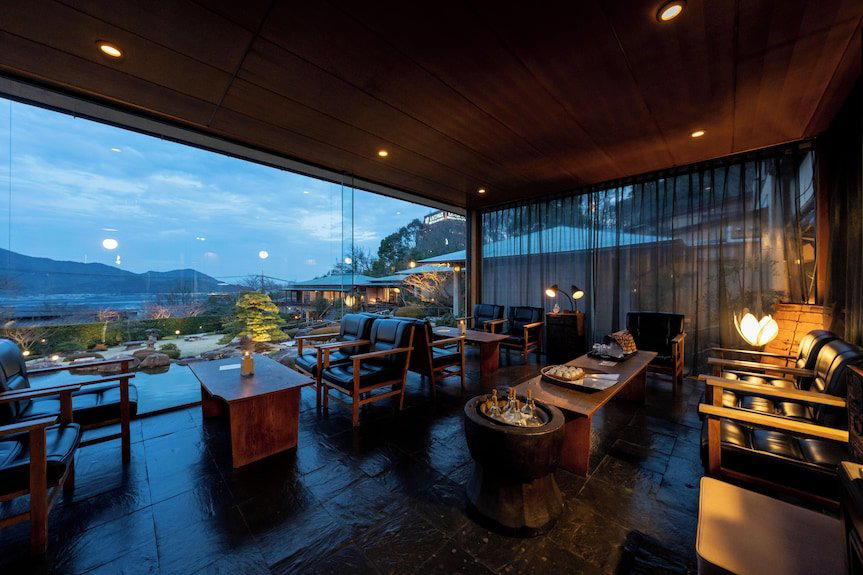
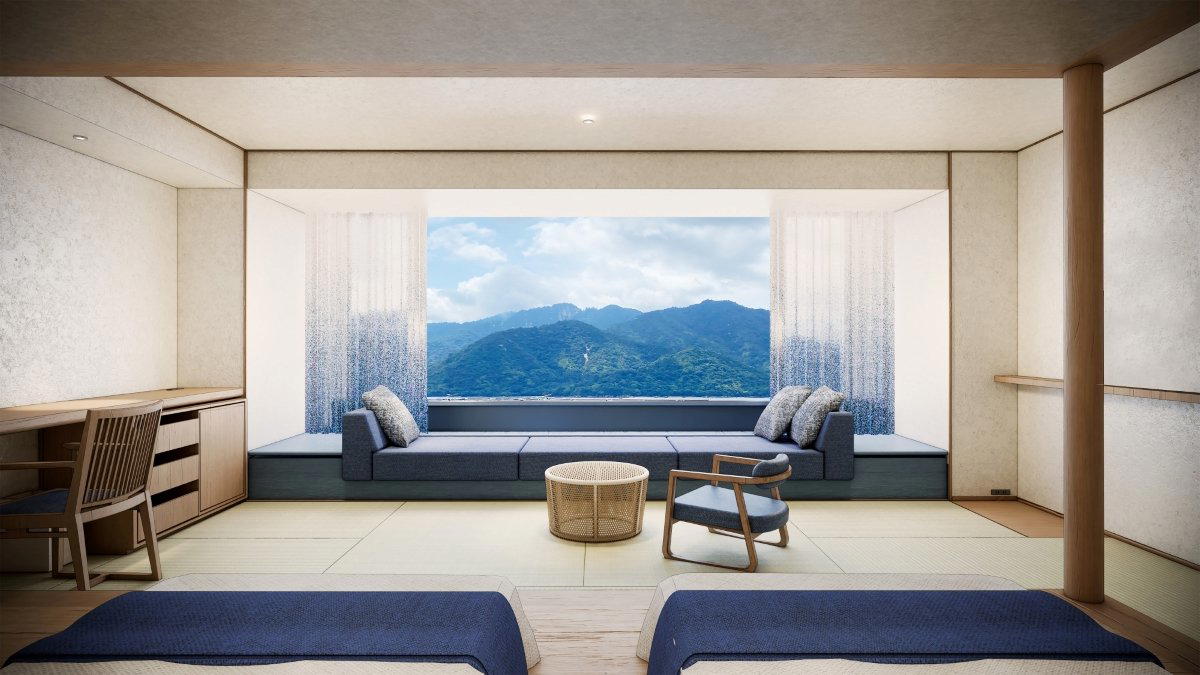
Warm, intimate setting with traditional wooden interiors and soft lighting that evokes classic Japanese hospitality.