Cucurucho AZCA sits in Madrid's dense financial district, where the dining scene runs from quick business lunches to more considered evening formats. Located on Plaza de Carlos Trías Bertrán in the Tetuán district, the address places it within reach of the AZCA complex and the city's broader creative dining circuit, making it a practical reference point for visitors working through Madrid's mid-to-upper restaurant tier.
- Address
- Pl. de Carlos Trías Bertrán, 3, Tetuán, 28020 Madrid, Spain
- Phone
- +34676949890
- Website
- cucuruchobar.com
- Directions
- Get directions
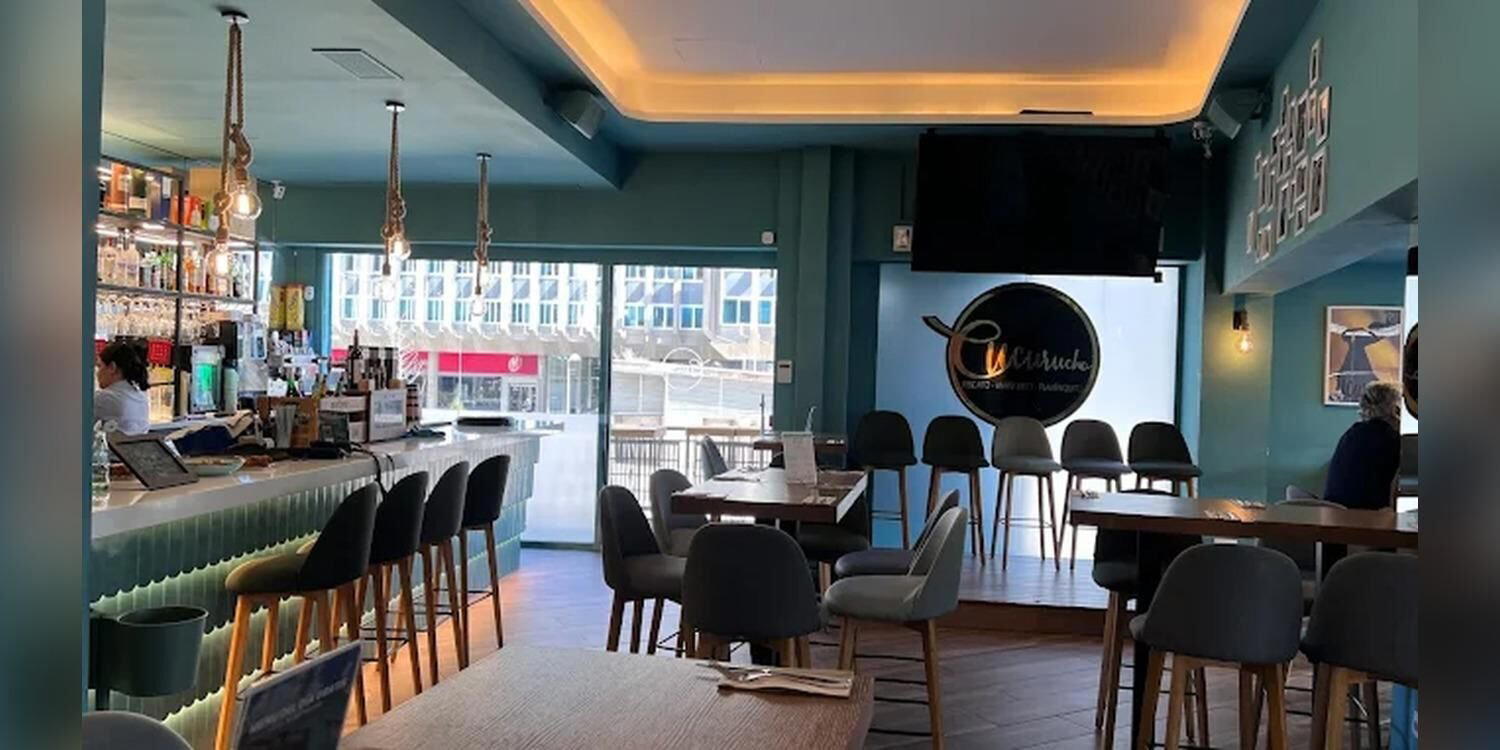
The AZCA District and Its Dining Register
Madrid's AZCA zone occupies a particular position in the city's commercial geography. Built as Spain's answer to a Manhattanite business district in the late Franco era, the cluster of towers around Paseo de la Castellana has accumulated a dining scene that serves two distinct audiences: the weekday executive crowd eating on a schedule, and the evening diner who arrives after the offices empty and the pace slows. Cucurucho AZCA, on Plaza de Carlos Trías Bertrán, sits inside that tension. The address in Tetuán, just north of the tower cluster, places it at the edge of where the financial district starts to breathe again, a zone where Madrid's restaurant culture tends to operate with slightly more ease than the pressure-cooker lunch spots deeper in the complex.
That geography matters when reading any restaurant in this part of the city. In Madrid's denser creative dining tier, where venues like DiverXO, Coque, and Deessa operate, the surrounding neighbourhood shapes the format as much as the kitchen does. A restaurant near AZCA is not working with the tourist foot traffic of the centro histórico, nor the gastronome pilgrimage culture of Chamberí. It is serving a local professional audience that knows the city well and reads menus with a practiced eye.
How the Meal Moves Here
Spanish dining ritual is one of Europe's more structured, even when it appears casual. The midday meal remains the serious meal in Madrid, a cultural baseline that shapes what kitchens in this city build their programs around. Even in a business district like AZCA, the comida carries weight: it is where the kitchen shows its technical register, where the conversation between guest and plate is conducted with greater attention. The evening meal in this part of the city tends toward a somewhat lighter register by Spanish standards, though that still runs later than most northern European capitals would recognize.
For a diner approaching Cucurucho AZCA, the ritual of a Madrid meal implies pacing: an entry into the room, time spent on the menu, courses that arrive without the artificial rush that plagues business-district dining elsewhere in Europe. Madrid's professional dining culture has absorbed enough of the international tasting-menu format to appreciate structured progression, while retaining the Castilian preference for portions that satisfy rather than merely gesture. The balance between those two registers is where particularly interesting mid-to-upper venues in this part of the city work.
This contrasts with the format discipline of Madrid's celebrated tasting-menu houses. At DSTAgE or Paco Roncero, the meal is a choreographed sequence with little deviation. The AZCA district, with its dual audience and broader accessibility, tends to host formats with more flexibility, something that serves both the business lunch that needs to conclude by 14:30 and the leisure dinner that has nowhere urgent to go.
Madrid's Creative Dining Field and the AZCA Tier
Spain's high-end restaurant scene is unusually distributed for a country of its size. Unlike France, where Paris concentrates the critical mass of upper-tier kitchens, Spain's most celebrated addresses are scattered: El Celler de Can Roca in Girona, Mugaritz in Errenteria, Martin Berasategui in Lasarte-Oria, Quique Dacosta in Dénia, Aponiente in El Puerto de Santa María. Madrid punches above its weight within that map, with DiverXO holding three Michelin stars and a cluster of two-star addresses maintaining serious critical standing. That concentration makes Madrid's mid-tier more competitive than it would be in a city without that gravitational pull from above.
A restaurant in the AZCA zone is working in that competitive field without the location advantage of the centro or the neighbourhood identity of Chueca or Malasaña. What it has instead is a captive audience with purchasing power and a high baseline of dining literacy. The comparable set for a venue in this district includes not just its immediate neighbours but the broader Madrid creative dining circuit, which benchmarks against addresses as far-ranging as Cocina Hermanos Torres in Barcelona, Ricard Camarena in València, and Atrio in Cáceres. Spanish diners at this level travel for food; a venue in Madrid is always being measured against what that same guest ate last month in the Basque Country or next month in Girona.
What the Address Signals
Plaza de Carlos Trías Bertrán is not a tourist square. It is a functional urban space in a working district, which means a restaurant here is building its audience through quality and word of mouth rather than foot traffic. In cities like New York or San Francisco, that dynamic is familiar: Le Bernardin built its reputation in midtown's professional belt; Lazy Bear in San Francisco operates in a neighbourhood that requires deliberate navigation. The pattern holds in Madrid's financial district: a venue that works in AZCA is doing so on the strength of what it puts on the table, not the neighbourhood's ambient draw.
That framing shapes the etiquette a diner brings to the room. In tourist-heavy zones, restaurants absorb a wide range of guest behavior and expectation. In a professional district, the room tends to self-regulate: guests arrive having chosen deliberately, dress accordingly, and enter the meal with a level of engagement that suits the kitchen's pace. The dining ritual in this part of Madrid is quieter and more focused than the animated terraza culture of the centre. That is not a limitation, it is a different register, one that suits a certain kind of meal.
Price and Recognition
Comparable venues nearby, for context on price, style, and recognition.
| Venue | Cuisine | Price |
|---|---|---|
| Cucurucho AZCAThis venue — the venue you are viewing | Not listed | $$ |
| LA ZAHURDA | Almagro, Traditional Spanish Tapas | $$ |
| Restaurante Taiga Madrid | El Viso, Traditional Spanish | $$ |
| Alegrias | Malasana, Spanish Tapas | $$ |
| LaLina Chueca | Chueca, Spanish Gluten-Free Tapas | $$ |
| Restaurante Adrede | Jeronimos, Traditional Spanish Tapas | $$ |
Continue exploring
More in Madrid
Restaurants in Madrid
Browse all →
Bars in Madrid
Browse all →
Hotels in Madrid
Browse all →


At a Glance
- Lively
- Energetic
- Rustic
- Group Dining
- Celebration
- After Work
- Casual Hangout
- Special Occasion
- Live Music
- Terrace
- Private Dining
- Craft Cocktails
- Sustainable Seafood
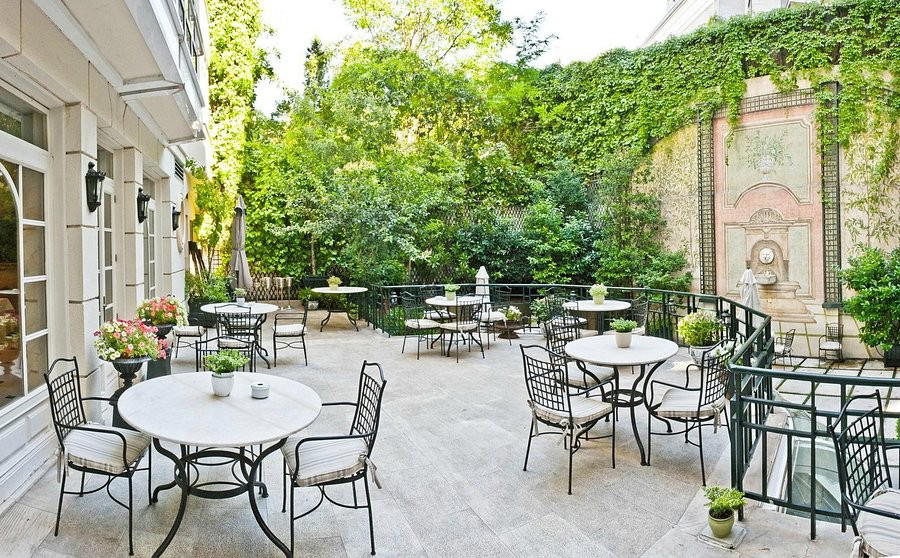
Festive and welcoming atmosphere with colorful terrace, lively energy from groups and families, enhanced by live flamenco music several nights per week