On Corredera Alta de San Pablo in Madrid's Malasaña district, Alegrias operates within a neighbourhood that has become one of the city's most argued-over eating streets. The address puts it squarely in a dense cluster of mid-range and creative Spanish kitchens, where menu architecture and ingredient sourcing do more to separate venues than square footage or décor. A considered stop for anyone working through central Madrid's dining scene.
Pearl is the En Primeur Club membership app — saves, bookings, and concierge access live there. Same editors, same standards.
- Address
- Corre. Alta de San Pablo, 6, Centro, 28004 Madrid, Spain
- Phone
- +34911265238
- Website
- opentable.com
- Directions
- Get directions
 Saves & bookings on Pearl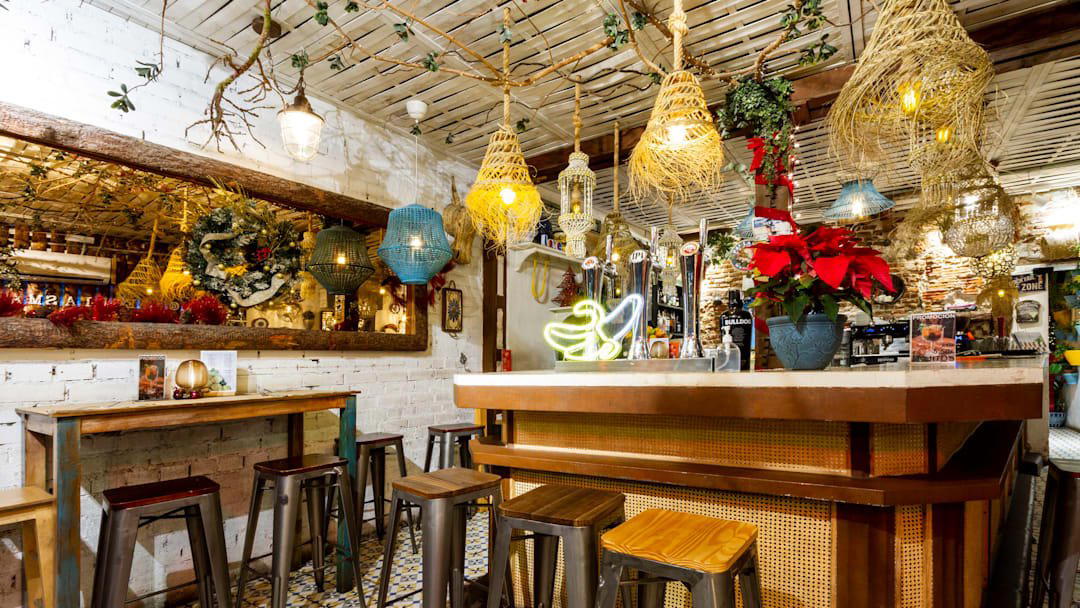
What Corredera Alta de San Pablo Tells You Before You Sit Down
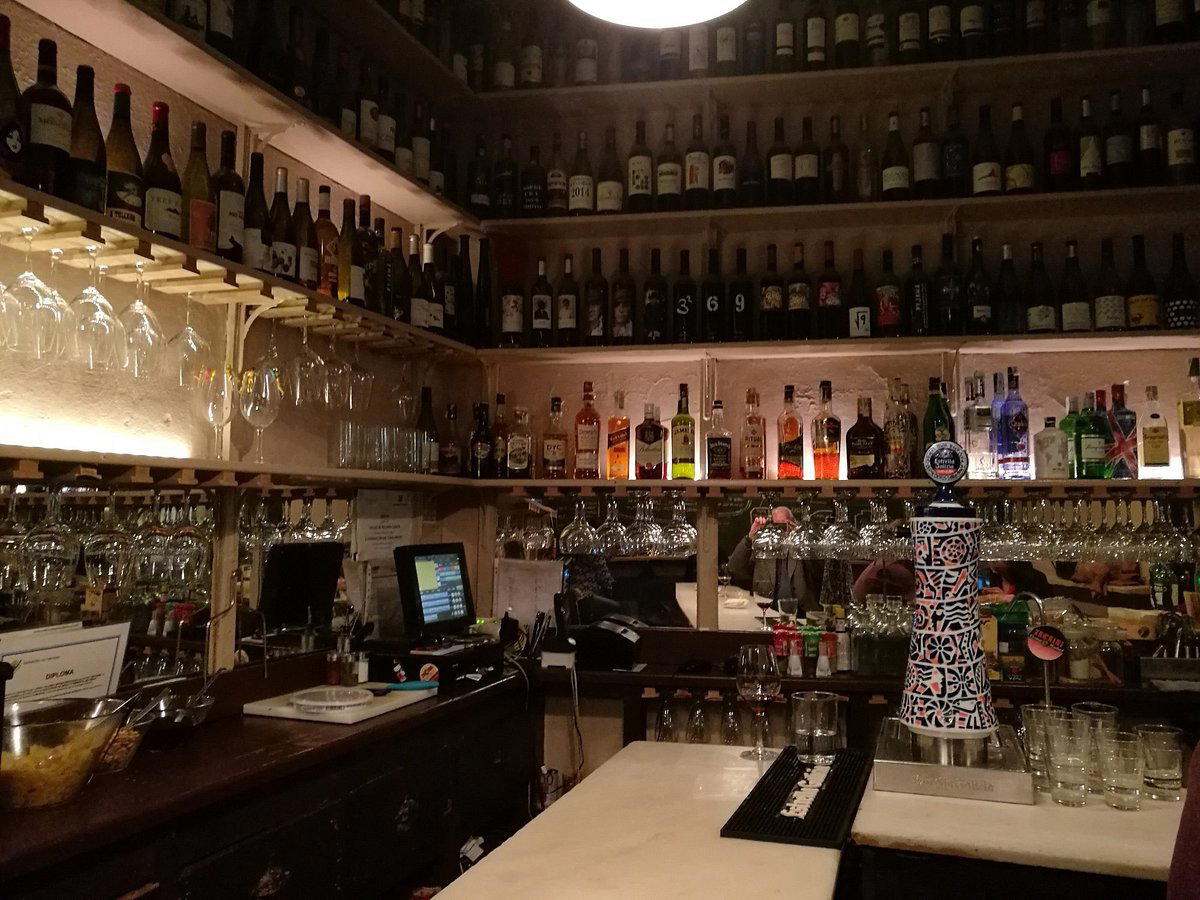
Alegrias is a Spanish tapas restaurant in Madrid's Centro district, on Corredera Alta de San Pablo 6. Corredera Alta de San Pablo, the street Alegrias occupies at number 6, runs through one of the densest concentrations of independent kitchens in central Madrid, a corridor where Spanish cooking in its various contemporary registers competes at close range. The buildings are narrow and tall, the pavements shared between bar terraces and foot traffic moving between the Tribunal metro and the Glorieta de Bilbao, and the light in the evening has the particular amber quality of a city that eats late and means it. Walking this stretch, you read the dining scene of a neighbourhood that has shifted from bohemian holdout to legitimate culinary address over roughly fifteen years.
That shift matters for understanding where a venue like Alegrias sits. Madrid's restaurant geography has sorted itself into recognisable tiers: the Michelin-tracked creative kitchens further east and south, the established fine-dining institutions around Salamanca and the Gran Vía axis, and then the neighbourhood-anchored mid-range operations that depend less on destination traffic and more on earning regulars. Corredera Alta sits in that third category, which is not a diminishment. It is, in many ways, a harder category to sustain.
Menu Architecture as Editorial Statement
In Spanish restaurant culture, the structure of a menu is rarely neutral. The choice between a fixed tasting format, a short daily-change card, and a broad à la carte sends clear signals about kitchen philosophy, cost model, and the kind of diner the kitchen is addressing. Madrid's most discussed kitchens have largely converged on tasting menus as their primary format: DiverXO operates through a single, extended tasting sequence; Coque structures its experience across multiple rooms as much as multiple courses; Deessa and DSTAgE similarly funnel the diner through a controlled sequence. Each of those addresses operates at the €€€€ tier, and their menu architecture reflects kitchens that have decided the tasting format is the leading vehicle for their argument.
Neighbourhood kitchens on Corredera Alta are playing a different game. A menu that allows for spontaneous ordering, for sharing plates moved around the table, for a diner who wants two courses rather than twelve, signals an appetite for frequency over occasion. It is a mode of eating that the Spanish tradition handles with particular fluency: the movement between small dishes, the wine ordered by the glass or the half-bottle, the meal that ends when the table decides rather than when the kitchen has run its sequence. That structural looseness, done well, is its own form of discipline.
What can be said is that the address and neighbourhood position it within a competitive cluster where the menus that earn loyalty tend to be those that read as edited rather than exhaustive, where the ingredient sourcing is traceable and the cooking shows restraint rather than accumulation of technique. These are the terms on which Malasaña's better kitchens are currently judged by the regulars who matter most to their survival.
Madrid in Its Broader Spanish Context
Placing any Madrid restaurant honestly requires acknowledging the competition outside the capital. Spain's most decorated kitchens are distributed across the country in a way that no other European food culture quite replicates. El Celler de Can Roca in Girona, Mugaritz in Errenteria, Arzak in San Sebastián, Azurmendi in Larrabetzu, and Martin Berasategui in Lasarte-Oria represent a calibre of cooking that draws international visitors to regions outside any major city. Aponiente in El Puerto de Santa María and Quique Dacosta in Dénia have made their coastal locations part of the culinary argument. Even within Catalonia, Cocina Hermanos Torres in Barcelona and Ricard Camarena in València operate at a level that renders the Madrid-vs-region debate genuinely unresolved.
Madrid's counter-argument is volume and variety. The capital's sheer concentration of kitchens, from the Paco Roncero tier down through mid-range creative Spanish to neighbourhood staples, means that a visitor spending several days in the city can eat across more registers and price points than almost anywhere else in Spain. Malasaña participates in that argument at the accessible end of the register. It is the part of the Madrid dining map where daily cooking, seasonal produce, and a room that fills with locals rather than tourists make the case that the city's food culture runs deeper than its destination kitchens. For those approaching Madrid's full restaurant range, the EP Club Madrid guide maps the full competitive picture across all tiers.
The comparison to international restaurant markets is also worth holding. Cities like New York, where a kitchen like Le Bernardin has maintained three Michelin stars for decades, or San Francisco, where a format-driven venue like Lazy Bear operates on a ticketed dinner-party model, show how differently cities structure their upper-tier and neighbourhood dining relationships. Madrid's particular character is that the gap between its destination kitchens and its everyday neighbourhood cooking is unusually small in terms of ingredient quality and technical seriousness, even if the price gap is large.
Planning Your Visit
Alegrias is at Corredera Alta de San Pablo 6, in the Centro district, postcode 28004. The address is walkable from both Tribunal (line 10) and Noviciado (line 2) metro stations, making it direct to combine with other Malasaña or Chueca stops in a single evening. Reservations are recommended. Madrid dining typically runs later than northern European or American rhythms: first sittings before 9pm are often the quieter option.
Cuisine-First Comparison
Comparable venues nearby, for context on price, style, and recognition.
| Venue | Cuisine | Price | Notes |
|---|---|---|---|
| AlegriasThis venue — the venue you are viewing | Spanish Tapas | $$ | Not listed |
| La Pulpería De Victoria | Galician Pulpería | $$ | Sol |
| Marcelino, Vinos y Ultraporcinos | Traditional Spanish Wine Bar & Tapas | $$ | Sol |
| La Vanduca | Modern Spanish Mediterranean with Andalusian Touches | $$ | Recoletos |
| La Flaca | Traditional Spanish Tapas | $$ | Castellana |
| ROSA & ESPIGAS | Modern Spanish Vanguardista | $$ | Goya |
Continue exploring
More in Madrid
Restaurants in Madrid
Browse all →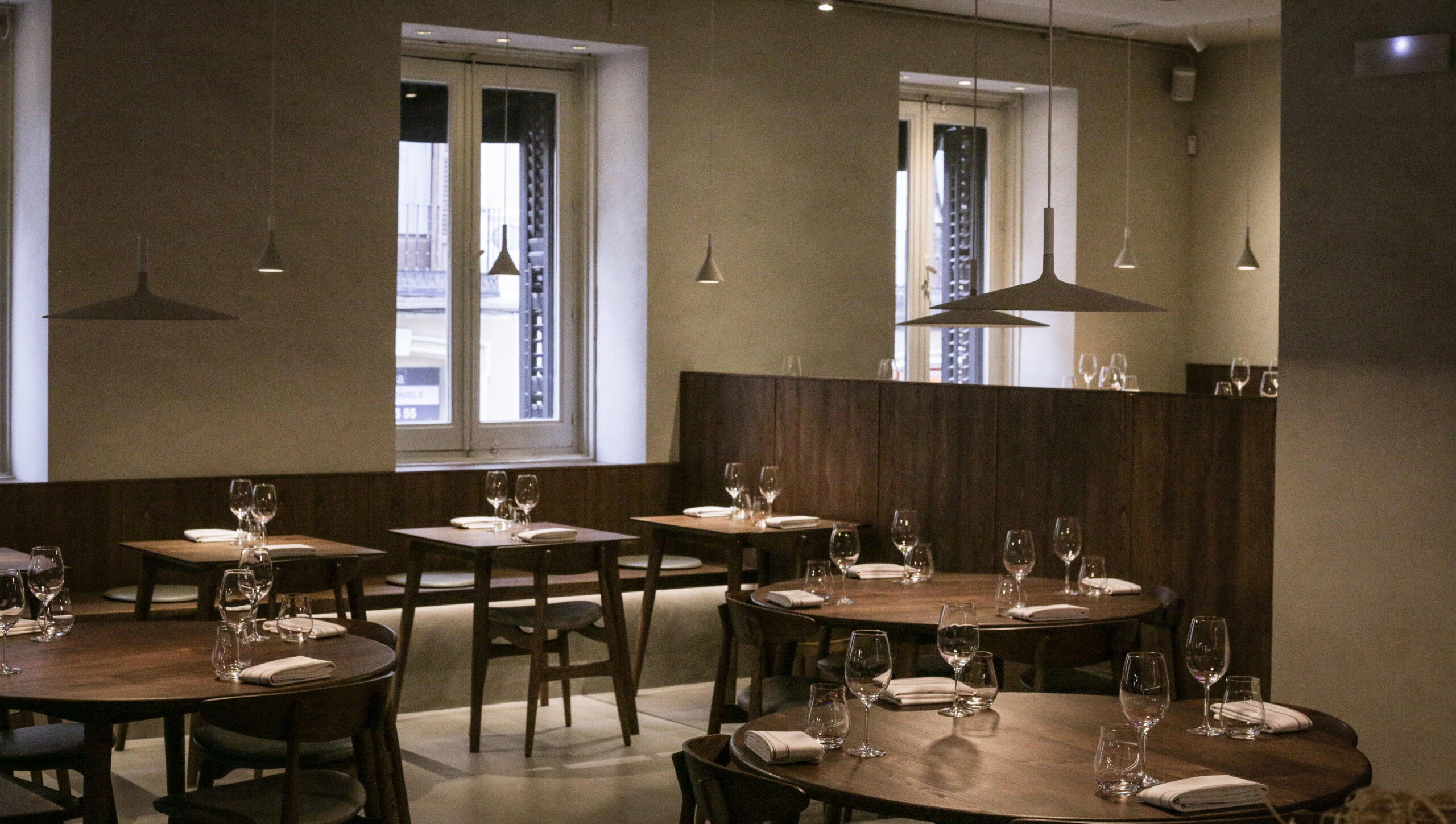
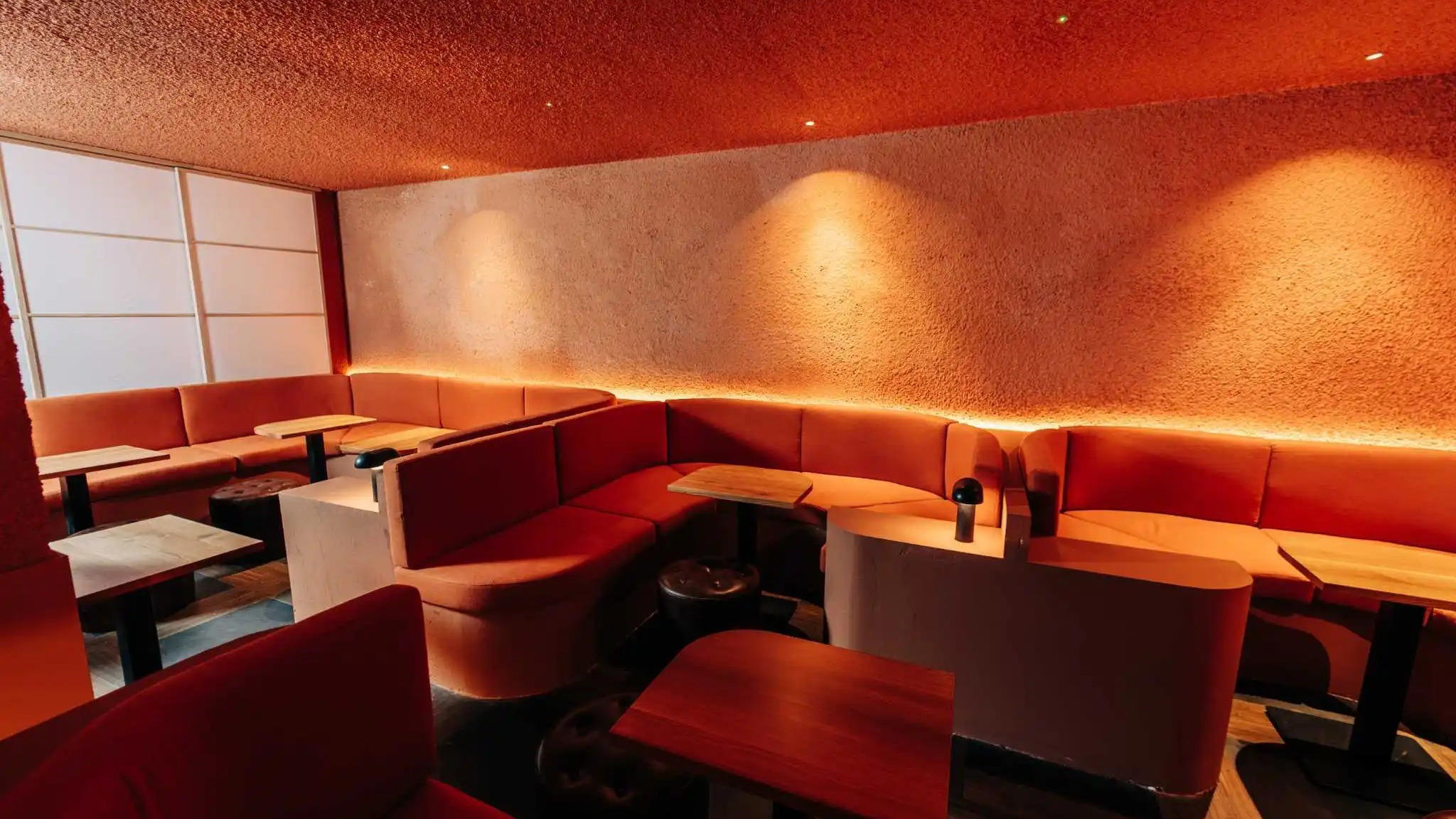
Bars in Madrid
Browse all →
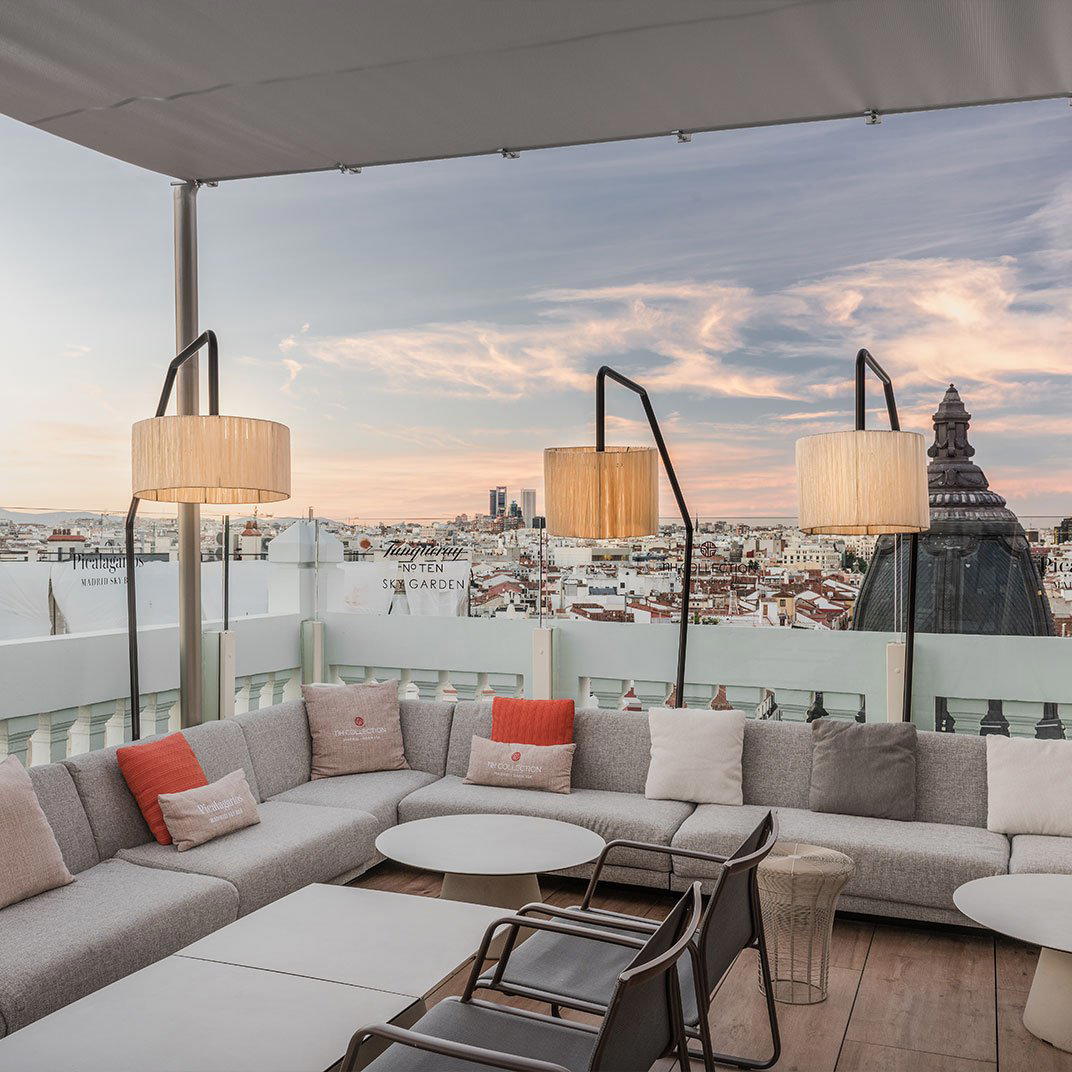
Hotels in Madrid
Browse all →

At a Glance
- Cozy
- Casual Hangout
Current opening hours
- Monday
- 1 PM–1:30 AM
- Tuesday
- 1 PM–1:30 AM
- Wednesday
- 1 PM–1:30 AM
- Thursday
- 1 PM–1:30 AM
- Friday
- 1 PM–1:30 AM
- Saturday
- 1 PM–1:30 AM
- Sunday
- 1 PM–1:30 AM
Hours can change for holidays and private events. Last verified .
Welcoming and cozy atmosphere with friendly service.