CRU
CRU occupies a quiet address on Badhuisstraat in The Hague's Scheveningen-adjacent fringe, where the city's dining scene is quieter and more considered than its diplomatic-quarter counterparts. The restaurant sits in a tier where kitchen craft, floor expertise, and wine knowledge work as a coordinated unit rather than independently. For visitors mapping The Hague's serious dining options, CRU belongs in the same conversation as the city's more-discussed addresses.
Pearl is the En Primeur Club membership app — saves, bookings, and concierge access live there. Same editors, same standards.
- Address
- Badhuisstraat 230, 2584 HN Den Haag, Netherlands
- Phone
- +31626105032
- Website
- restaurantcru.nl
- Directions
- Get directions
 Saves & bookings on Pearl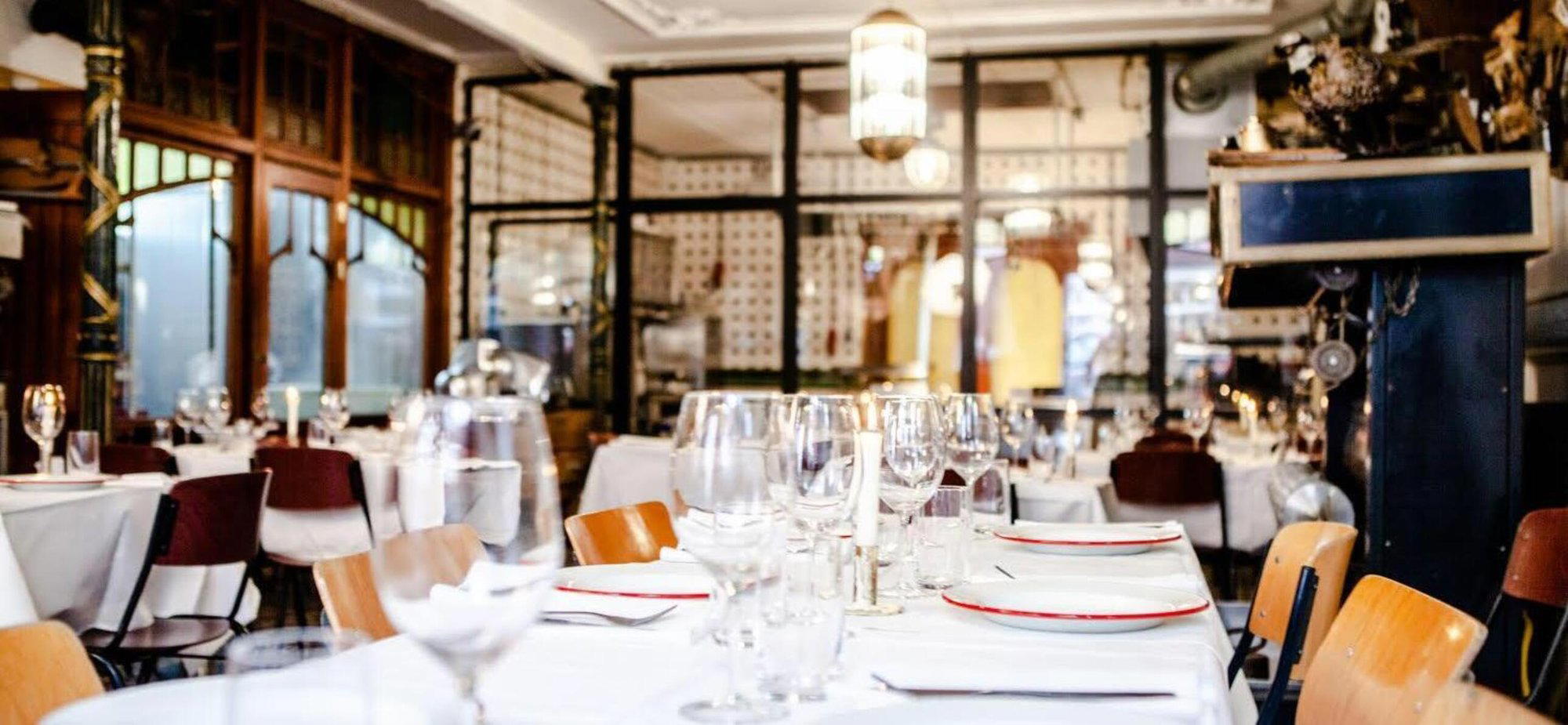
Where The Hague's Dining Fringe Gets Serious
The Hague's restaurant geography splits cleanly between the diplomatic-quarter concentration around Lange Voorhout and a looser, less-publicised set of addresses that have migrated toward Scheveningen and the streets around it. Badhuisstraat sits in this second tier, quieter, less touristed, and, at its better addresses, more focused on what actually happens on the plate and in the glass. CRU operates from number 230 on that street, and the neighbourhood context matters: venues here tend to attract a regular local clientele rather than a passing visitor trade, which shapes both the room's atmosphere and the pace at which a kitchen is willing to operate.
That geographic positioning places CRU outside the immediate orbit of Calla's (€€€€ · Creative French), the city's most formally ambitious address, and closer in register to places like Basaal (€€ · Seasonal Cuisine), where the emphasis falls on ingredient discipline over presentation spectacle. Across the Netherlands, this mid-serious tier, restaurants that operate with genuine technical intent without leaning on Michelin validation as a primary identity signal, has become a rewarding place to eat. Compare the approach to what De Nieuwe Winkel in Nijmegen does with plant-forward cooking, or the way Bistro Veen handles French bistro registers in The Hague itself: different cuisines, similar commitment to specificity over broad appeal.
The Room and How It Operates
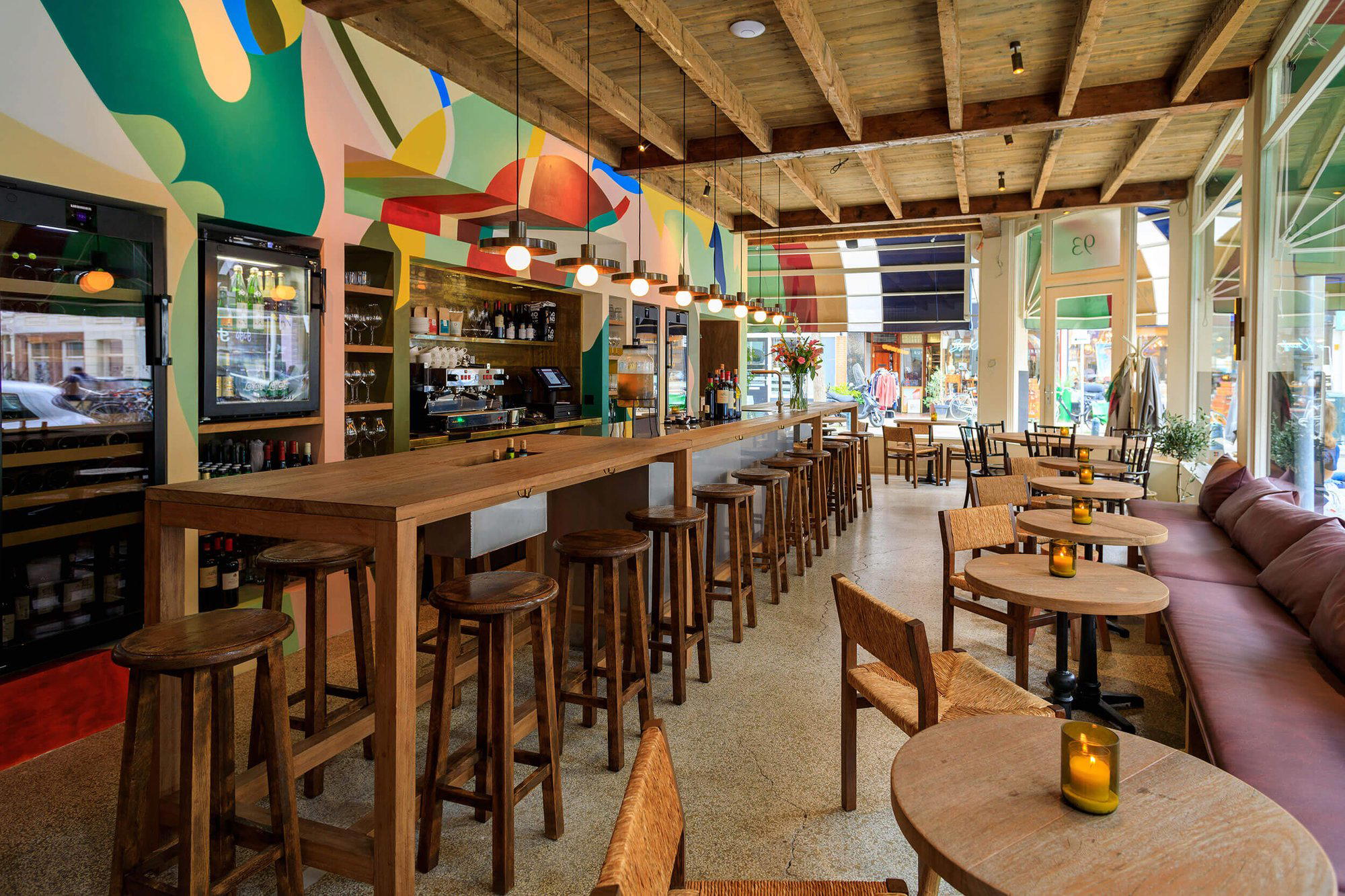
Venues on streets like Badhuisstraat tend to carry a particular character, the frontage is understated, the room draws its energy from the people inside it rather than from design gestures intended to photograph well. At CRU, the atmosphere follows that logic. This is a dining room that asks to be read through its service rhythm and the conversation between the kitchen and the floor, not through any single design statement. The pace is deliberate without being slow; the sense is of a team that has calibrated the timing between courses around how guests actually eat rather than around kitchen throughput.
That calibration is where the team-dynamic editorial angle becomes legible. In Dutch fine-casual and serious-restaurant cooking, particularly coherent experiences are usually the ones where sommelier judgment and front-of-house reading of the room are genuinely integrated with kitchen output, rather than running as parallel services. The model is not unlike what Lazy Bear in San Francisco demonstrated with its collaborative, communal format, or what Le Bernardin in New York City has long executed with a brigade in which floor expertise is treated as co-equal with kitchen craft. At the level CRU operates, those integrations are what separate memorable evenings from technically competent ones.
Situating CRU in the Netherlands' Broader Dining Conversation
Dutch serious dining is more geographically distributed than most visitors assume. The Michelin-dense addresses cluster in places like Zwolle, where De Librije holds three stars, or in rural Zeeland at Inter Scaldes in Kruiningen. The Hague's own Michelin representation has historically been smaller than Amsterdam's or Rotterdam's, which means that restaurants operating at a serious level here do so without the automatic credentialling that a star provides. That context matters for how to read CRU: it belongs to a set of addresses that have built a local reputation through consistency rather than award momentum.
Across the country, the restaurants that sustain without formal recognition tend to share a few traits: tight, well-sourced menus, a wine list with genuine editorial logic rather than a by-the-numbers regional spread, and a floor team that actually knows what's in the glass. For comparison, see how Brut172 in Reijmerstok or De Groene Lantaarn in Staphorst operate in their own regional contexts: the signal is local consistency, not national visibility. CRU reads in the same register for The Hague.
The city's dining scene has other addresses worth mapping alongside CRU. 6&24 (€€€ · Modern Cuisine) operates in a slightly more formal bracket, while Botanica takes a plant-forward approach that reflects a broader shift in how Dutch kitchens are thinking about sourcing. For a fuller picture of where CRU sits within the city's offer, the full The Hague restaurants guide maps these addresses against each other by register and approach.
Wine and the Floor
In restaurants where the wine list carries genuine editorial intent, the sommelier's role shifts from sales to curation, choosing what goes on the list at all, rather than just recommending from what exists. That distinction is visible in how a list is structured: whether it acknowledges growers over brands, whether it has a coherent point of view about regions rather than offering one of everything, and whether the by-the-glass selection is chosen to match what the kitchen is actually cooking. Dutch restaurants at serious-but-informal registers have, over the past decade, developed some of the more interesting natural and low-intervention lists in Northern Europe, partly because the market is small enough that buyers have to make real choices rather than stocking by consensus.
At addresses like De Lindenhof in Giethoorn or Tribeca in Heeze, the wine program is treated as a parallel creative statement to the menu rather than an afterthought. The expectation at CRU is similar: the wine offering should be readable as a set of deliberate choices that reflect what the kitchen is doing, not a generic accumulation of familiar labels.
Planning a Visit
CRU sits at Badhuisstraat 230, a street that runs through the Scheveningen-adjacent part of The Hague, walkable from the city centre but outside the immediate tourist-accommodation cluster. The address is better reached by tram or on foot from the Scheveningen-side neighbourhoods than from the train station, and parking in this part of the city follows the usual Dutch urban pattern: possible but not assumed. Booking ahead is advisable for any serious Dutch restaurant operating in this register, particularly midweek evenings when local regulars fill the room. For comparable addresses that also reward advance planning, see De Bokkedoorns in Overveen, De Lindehof in Nuenen, or De Treeswijkhoeve in Waalre, each of which operates in regional settings with similarly committed regulars.
Pricing, Compared
Comparable venues nearby, for context on price, style, and recognition.
| Venue | Cuisine | Price | Awards | Notes |
|---|---|---|---|---|
| CRUThis venue — the venue you are viewing | Scheveningen, Modern French Fine Dining | $$$$ | Not listed | Not listed |
| Fouquet | Not listed | $$$ | Not listed | Javastraat, French with Mediterranean and Asian influences |
| Cottontree City by Dimitri | Voorhout, Contemporary French Bistro | $$$ | Not listed | Not listed |
| Het Gouden Kalf | Not listed | $$$ | Not listed | Scheveningen, French-Dutch Brasserie with Seasonal Focus |
| de zoute kater | Zoutmanstraat, Seasonal Fusion Bistro | $$$ | Not listed | Not listed |
| 6&24 | Not listed | $$$ | Michelin Plate | Center of The Hague, Modern French Fine Dining |
Continue exploring
More in The Hague
Restaurants in The Hague
Browse all →
Bars in The Hague
Browse all →
Hotels in The Hague
Browse all →
Wineries in The Hague
Browse all →
At a Glance
- Elegant
- Modern
- Sophisticated
- Date Night
- Special Occasion
- Business Dinner
- Open Kitchen
- Extensive Wine List
- Local Sourcing
Current opening hours
- Monday
- Closed
- Tuesday
- Closed
- Wednesday
- Closed
- Thursday
- 6–11 PM
- Friday
- 6–11 PM
- Saturday
- Closed
- Sunday
- Closed
Hours can change for holidays and private events. Last verified .
Modern restaurant with elegant design and sophisticated atmosphere focused on fine dining experience.