Coucou Food Market occupies a Nymphenburger Strasse address in Munich's western inner city, where the food market format sits between casual grazing and structured dining. The concept draws on the European market-hall tradition without the tourist-facing gloss common to newer food halls, making it a practical reference point for understanding how Munich's mid-tier eating scene has evolved beyond the beer hall binary.
Pearl is the En Primeur Club membership app — saves, bookings, and concierge access live there. Same editors, same standards.
- Address
- Nymphenburger Str. 69, 80335 München, Germany
- Phone
- +498990186959
- Website
- coucou-food.de
- Directions
- Get directions
 Saves & bookings on Pearl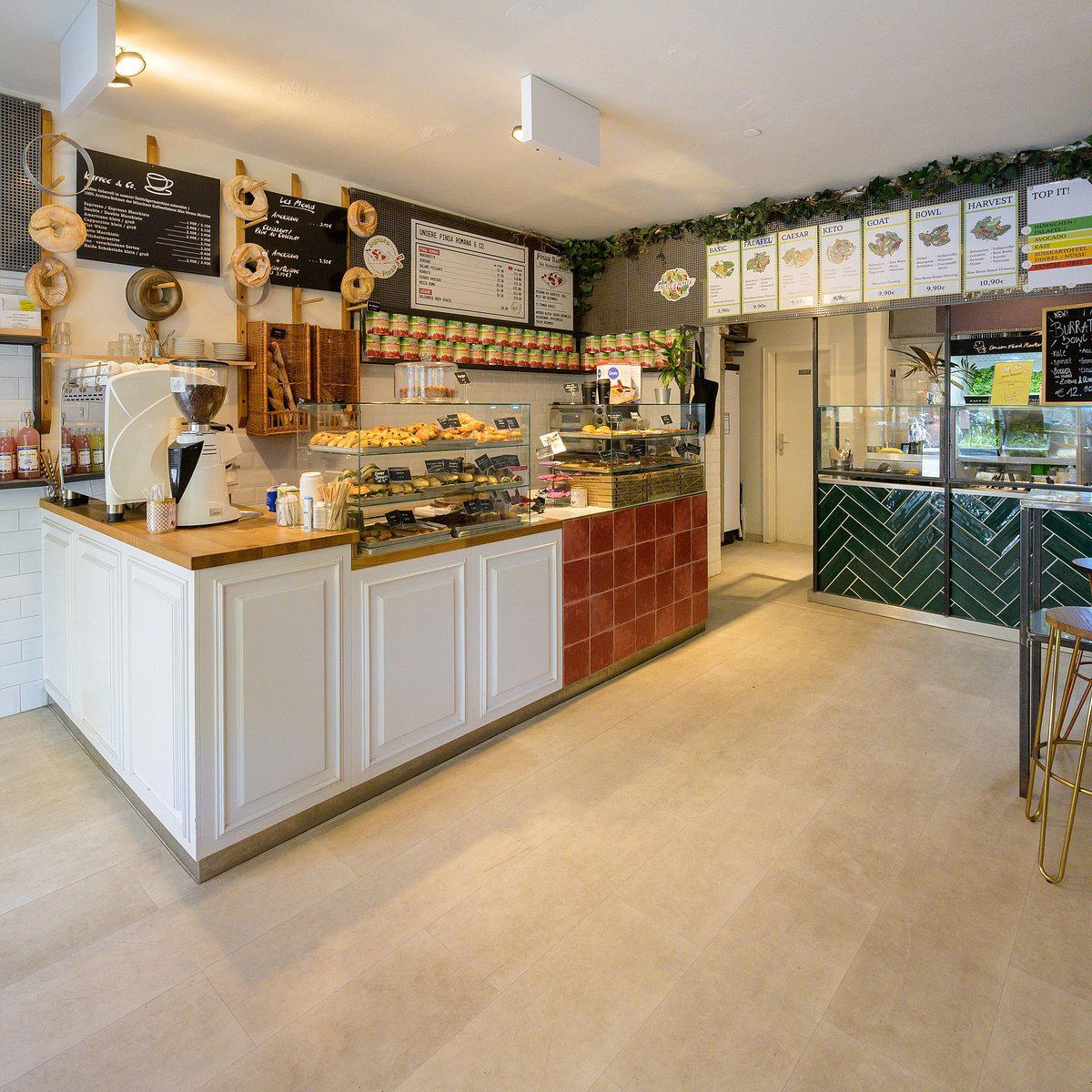
Where Munich's Eating Scene Steps Off the Beaten Track
Coucou Food Market is a French Deli & Bakery in Munich, Germany, at Nymphenburger Str. 69. Munich's dining identity has long been pulled in two directions: the formal Michelin tier, where restaurants like Tantris and Atelier operate at the €€€€ bracket with tasting menus and white-tablecloth discipline, and the deeply embedded beer hall and Bavarian tavern culture that still defines the city's casual register for locals and visitors alike. Between those two poles, a more restless middle ground has been forming over the past decade, built around market formats, multi-vendor halls, and communal eating spaces that borrow from the European market-hall tradition without replicating it wholesale. Coucou Food Market, on Nymphenburger Strasse in the western inner city, belongs to that middle category.
The address itself is worth noting. Nymphenburger Strasse connects the city centre to the baroque Nymphenburg Palace grounds and runs through a residential-commercial corridor that is neither a tourist destination nor a purely local enclave. It is the kind of street where a food market format can develop a neighbourhood clientele without being overwhelmed by footfall from the old town. That positioning, between the Maxvorstadt gallery district to the east and the quieter residential streets to the west, gives the venue a specific urban character that differs from the high-traffic food hall sites increasingly common in European city centres.
The Market Format and What It Signals About Menu Architecture
The food market model, as it has spread across European cities over the past fifteen years, carries certain structural assumptions about how menus should work. Rather than a single kitchen producing a linear progression of courses, the format distributes choice across multiple vendors or stations, allowing the diner to self-assemble a meal from independent offers. This architecture shifts the editorial burden from the kitchen to the customer: the quality of any given visit depends heavily on how the offerings are curated, how the vendors are selected, and whether the overall composition of the market makes sense as a coherent eating experience rather than a random collection of stalls.
At the better end of the European market-hall spectrum, this model has produced genuinely compelling dining environments. In cities where the format has matured, the curation function becomes as important as any individual vendor's output. The question for any food market in a city like Munich, where the formal dining scene includes serious destinations such as JAN and Tohru in der Schreiberei, is whether the market format offers something genuinely distinct or simply fills a convenience gap.
Germany's food market scene has grown considerably since the early 2010s, with formats ranging from artisan-focused indoor markets in Berlin to the more polished food hall concepts that have appeared in Hamburg and Munich. At the national level, concepts like CODA Dessert Dining in Berlin show how far the German restaurant scene can push format experimentation when the conceptual framing is tight. The market hall occupies a different register, but the underlying question of format discipline applies equally.
Munich's Mid-Tier Eating: Context for the Nymphenburger Strasse Location
Munich's mid-tier eating scene is younger and less defined than its equivalents in Hamburg or Berlin. The city's premium dining infrastructure is well-developed, with multiple Michelin-starred addresses including Alois - Dallmayr Fine Dining operating at the summit of the market. Germany more broadly has a deep bench of serious restaurants across its cities and smaller towns, from Schwarzwaldstube in Baiersbronn to Aqua in Wolfsburg and Vendôme in Bergisch Gladbach. Below that tier, however, Munich has historically defaulted to traditional Bavarian formats rather than developing the kind of diverse mid-market offer found in comparable European cities.
That gap is closing. The western inner city, in particular, has seen a gradual accumulation of independent food operations that sit outside the traditional Bavarian template without attempting to compete with the fine dining tier. A food market on Nymphenburger Strasse fits that pattern: it addresses a real demand for casual, varied eating that is neither a tourist-facing beer experience nor a €200-per-head tasting menu commitment.
For comparison, some of Germany's most interesting recent restaurant formats have emerged in smaller cities and towns rather than the major centres. Addresses like ES:SENZ in Grassau, Schanz in Piesport, Waldhotel Sonnora in Dreis, and Bagatelle in Trier demonstrate that serious culinary ambition in Germany is not concentrated in the largest cities. Munich's food market tier draws from a different tradition, but the underlying point holds: the city's eating scene is broader than its Michelin addresses alone suggest.
Physical Environment and the Logic of the Space
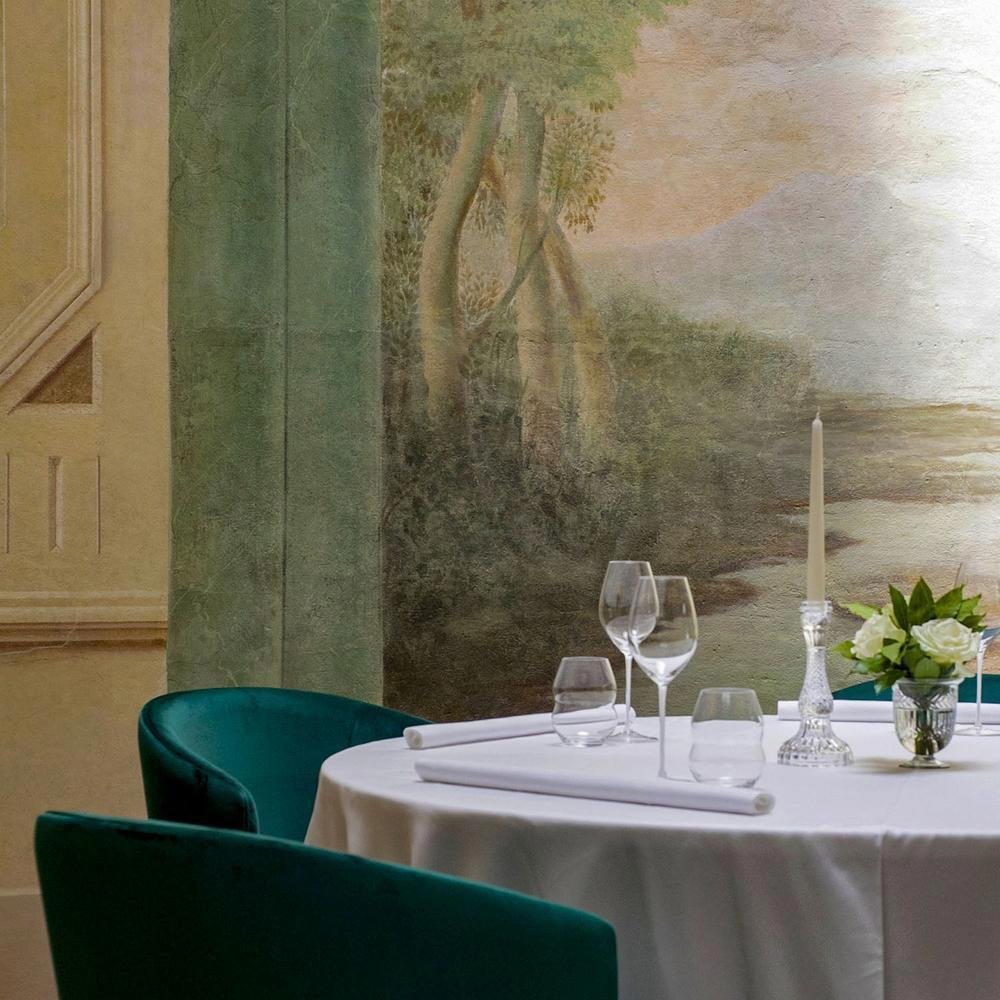
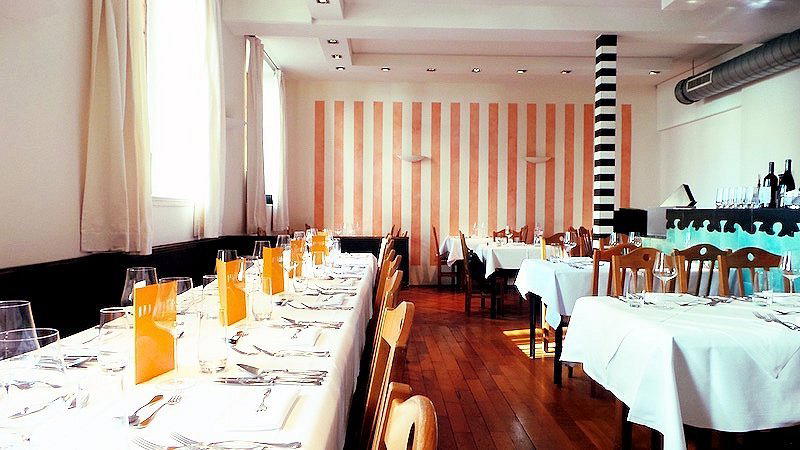
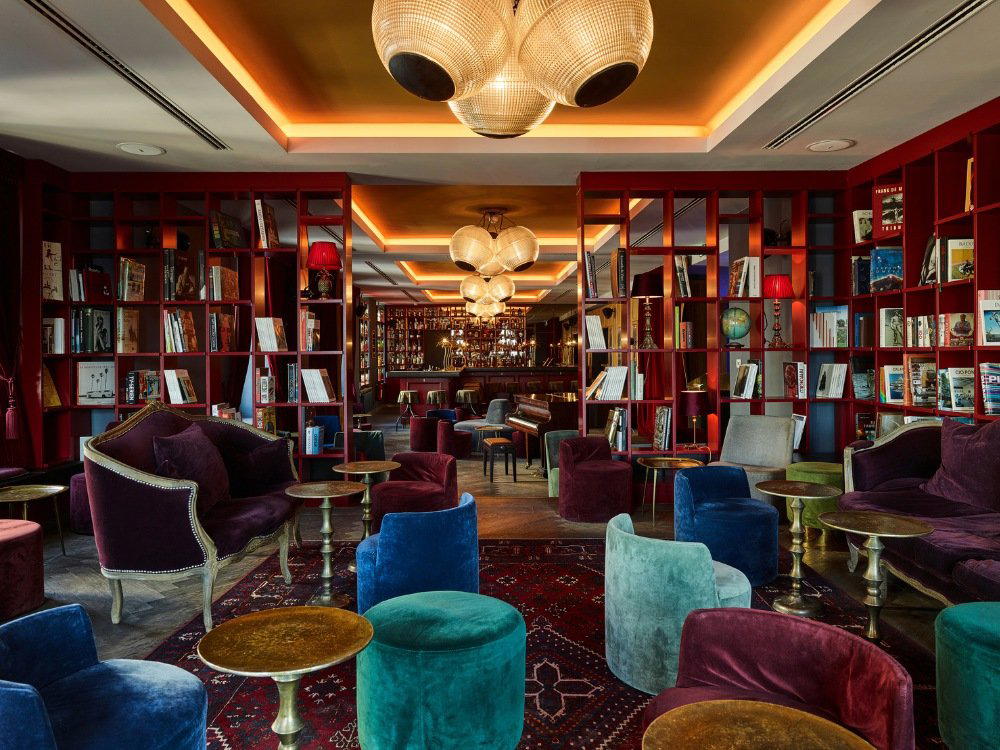
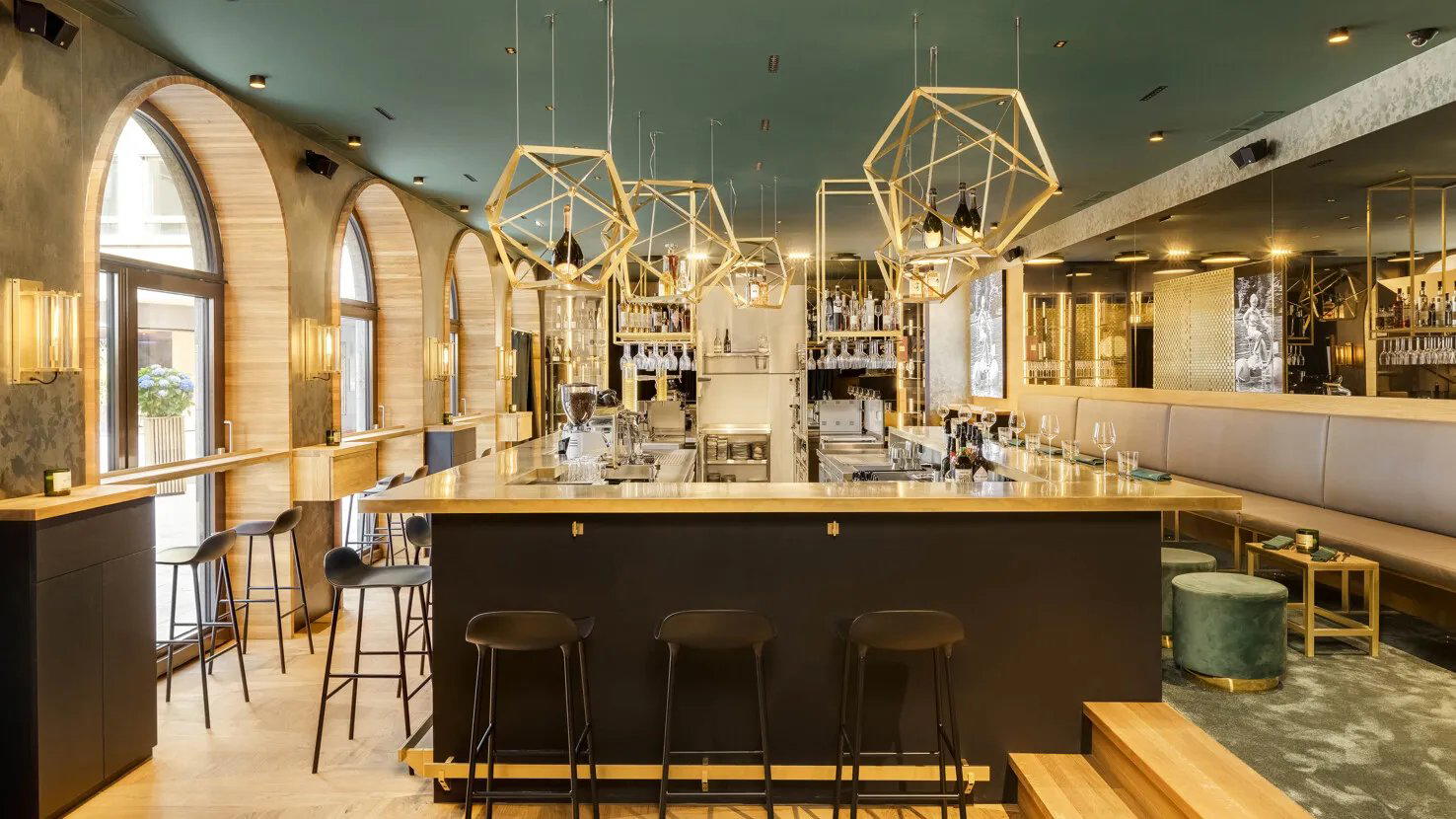
Market-format venues carry physical expectations that differ from conventional restaurants. The approach tends to involve open or semi-open layouts, shared seating, and a visual language borrowed from traditional covered markets: exposed structure, vendor signage, an emphasis on the display of produce or prepared food over tableside service. The physical environment functions as part of the proposition, signalling informality, plurality, and a different relationship between the diner and the food on offer.
The Nymphenburger Strasse location places Coucou Food Market in a street-level commercial context that suits this physical logic. The neighbourhood does not carry the heritage associations of the old town, nor the gallery-district positioning of Maxvorstadt, which allows the space to develop its own character rather than competing with its surroundings. That is a different calculation from the one made by, say, a European food hall inserted into a historic market building, where the architecture does much of the atmospheric work. Here, the space itself has to carry the experience.
How Coucou Food Market Sits in the Broader Munich Dining Picture
For readers familiar with Munich's Michelin tier, a food market format like this represents a different kind of dining decision. The choice is not between the restaurant and a tasting menu at one of Munich's serious addresses; those are different meals for different moments. The relevant comparison is with other casual formats in the city: the traditional Bavarian beer garden, the growing number of independent casual restaurants, and the handful of other market-format operations that have appeared in Munich over the past several years.
Within that comparable set, location and curation remain the primary differentiators. Nymphenburger Strasse offers good access from both the city centre and the western residential districts, making the venue practical for a range of visitors. For a broader picture of where this fits within Munich's eating options across all price points and formats, Munich's dining guide maps the full scene, from the city's Michelin-starred tables to the casual formats that are reshaping the mid-market tier.
International reference points are worth noting for context. The food market format has reached a high level of format discipline in cities like New York, where establishments such as Le Bernardin define one extreme of the dining spectrum, and in San Francisco, where Lazy Bear shows how communal dining formats can be pushed toward serious culinary ambition. Munich's food market scene operates at a different register, but the questions of curation, format discipline, and physical environment that define success in those markets apply here too. Equally, Hamburg's Restaurant Haerlin and Victor's Fine Dining by Christian Bau in Perl illustrate the premium end of the German dining spectrum against which Munich's casual formats are implicitly positioned.
Know Before You Go
Address: Nymphenburger Str. 69, 80335 München, Germany
Neighbourhood: Western inner city, between Maxvorstadt and the Nymphenburg corridor
Format: Food market
Price range: About $15 per person
Booking: Walk-in friendly
Getting there: Nymphenburger Strasse is accessible from Munich's central S-Bahn and U-Bahn network.
Hours: Mon to Fri 7 AM to 6 PM, Sat 8 AM to 6 PM, Sun 8:30 AM to 6 PM
In Context: Similar Options
Comparable venues nearby, for context on price, style, and recognition.
| Venue | Cuisine | Price | Notes |
|---|---|---|---|
| Coucou Food MarketThis venue — the venue you are viewing | French Deli & Bakery | $$ | Not listed |
| Rue des Halles | Classic French Brasserie | $$$ | Haidhausen |
| Kaminbar | Classic German Bar | $$ | Theresienwiese |
| PhoYou | Vietnamese Pho Specialist | $$ | Schwabing |
| Beirutbeirut | Authentic Lebanese Street Food | $$ | Sendling-Westpark |
| Zum Dürnbräu | Traditional Bavarian | $$ | Altstadt |
At a Glance
- Modern
- Cozy
- Trendy
- Casual Hangout
- Brunch
- Open Kitchen
- Local Sourcing
Current opening hours
- Monday
- 7 AM–6 PM
- Tuesday
- 7 AM–6 PM
- Wednesday
- 7 AM–6 PM
- Thursday
- 7 AM–6 PM
- Friday
- 7 AM–6 PM
- Saturday
- 8 AM–6 PM
- Sunday
- 8:30 AM–6 PM
Hours can change for holidays and private events. Last verified .
Bright urban street food vibe blending French savoir-vivre with casual market energy.