A Vietnamese pho specialist on Barer Strasse, PhoYou sits in Munich's Maxvorstadt quarter where international mid-casual dining has quietly deepened over the past decade. The address places it within walking distance of the university district's daily foot traffic, drawing a crowd that treats the bowl as a weekday staple rather than an occasional novelty. For visitors moving between the city's fine dining tier and its everyday eating, PhoYou represents the accessible end of Munich's Asian dining continuum.
Pearl is the En Primeur Club membership app — saves, bookings, and concierge access live there. Same editors, same standards.
- Address
- Barer Str. 56, 80799 München, Germany
- Phone
- +498946131889
- Website
- phoyou.de
- Directions
- Get directions
 Saves & bookings on Pearl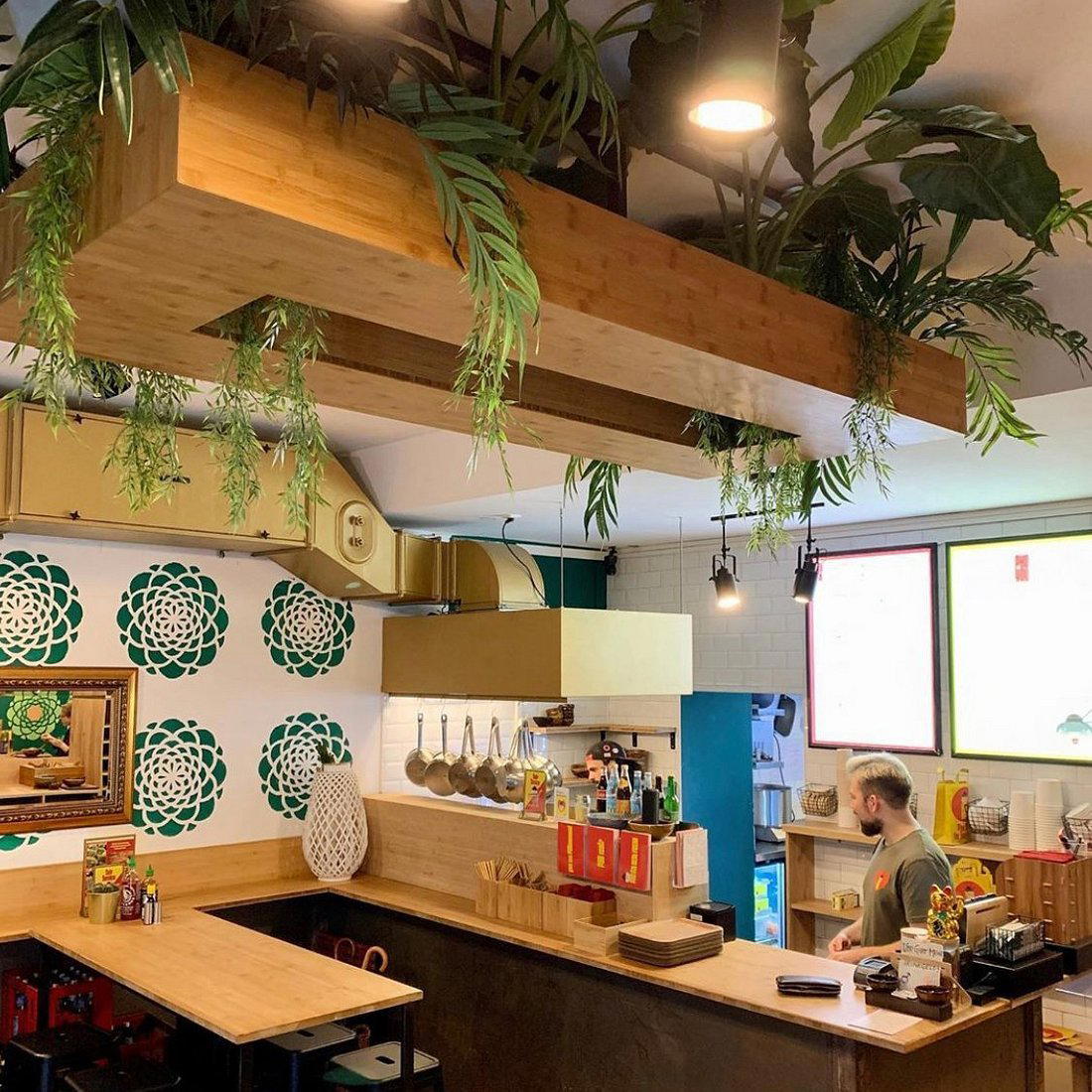
Barer Strasse and the Vietnamese Bowl in Munich
Maxvorstadt is not the neighbourhood most visitors associate with Munich's restaurant scene. The area's identity is built around museums, the university, and a density of cafes that feed the academic calendar rather than the tourism one. That context matters when reading a Vietnamese pho address at Barer Strasse 56, because the restaurants that survive here tend to do so on repeat local custom rather than destination traffic. The Vietnamese cooking tradition has taken root in several German cities through exactly this mechanism: communities that established themselves in the post-reunification decades built eating places around practicality and consistency, and those places became neighbourhood institutions before the food press noticed them.
Munich's Asian dining scene has bifurcated sharply in recent years. At the upper tier, addresses like Tohru in der Schreiberei demonstrate what happens when Japanese and German culinary thinking converge at a formally structured tasting-menu level, earning the kind of recognition that puts Munich in conversation with the broader European fine dining circuit. At the everyday end, Vietnamese and other Southeast Asian kitchens operate in a different register entirely: lower price points, higher turnover, and a value proposition built on the honest delivery of a specific dish. PhoYou operates in that second tier, and the metric that matters there is not who trained the kitchen but whether the broth is right.
The Pho Tradition and What It Demands
Pho is a dish with a narrow margin for error. The broth is the argument. In northern Vietnamese cooking, from which the dish originates, the stock is built from beef bones, charred ginger, and charred onion, then spiced with star anise, cinnamon, cloves, and cardamom in proportions that vary by kitchen but follow a recognisable logic. The result should be clear, deeply savoury, and aromatic without tipping into sweetness. Southern Vietnamese versions, which became the more widely exported form after the 1970s diaspora, admit more sugar and a wider array of garnishes. German cities received Vietnamese cooking primarily through the southern tradition, so the sweeter, garnish-heavy bowl is the more common reference point for local diners.
What this means in practice is that a pho address in Munich is making choices that the informed eater can read in the bowl. The clarity of the broth, the temperature at which it arrives, the quality of the rice noodles, and the balance of the spice profile all signal where the kitchen has placed its priorities. Across Germany's Vietnamese restaurant scene, consistency and broth depth are the two qualities that separate addresses worth returning to from those that trade on novelty alone. The same standards applied to high-end bowls at internationally recognised addresses like Atomix in New York in the context of Korean fine dining demonstrate that the logic of disciplined technique rewarded by repeat custom cuts across price points.
Team Dynamics in a Mid-Casual Vietnamese Kitchen
In a mid-casual pho specialist, the dynamic is less formal but no less present. The kitchen's role is singular and technical: produce a consistent broth across a full service. Front-of-house in this format carries more of the hospitality weight than in a fine dining room, because the interaction is faster and the diner's experience is shaped almost entirely by speed, friendliness, and the server's ability to guide first-timers through the menu without condescension.
In Vietnamese casual dining broadly, particularly coherent operations are those where the kitchen and the floor share a common understanding of what the dish is supposed to be. When a server can explain the difference between pho bo and pho ga, or describe the garnishes without reading from a card, it signals that the front-of-house has been educated rather than simply deployed. This is the team dynamic that distinguishes a well-run casual operation from a transactional one, and it is as legible to the regular diner as a smooth handoff between courses in a formal tasting menu is to the fine dining guest.
Tantris, with its deep service tradition, and Alois at Dallmayr, where the floor team operates within a legacy retail and hospitality institution, both demonstrate how kitchen and service alignment creates a coherent guest experience. The principle scales down to the casual tier, even if the expression is entirely different.
Where PhoYou Sits in Munich's Broader Eating Picture
JAN or Atelier, a pho lunch on Barer Strasse serves a different function entirely. It is the low-friction, high-satisfaction meal between commitments, the kind of eating that grounds a trip in the everyday rhythms of a city rather than its aspirational dining. Maxvorstadt's foot traffic is students, museum visitors, and office workers. A restaurant that serves this crowd well, day after day, has earned its place in the neighbourhood in a way that a destination address never quite does.
Germany's Vietnamese dining scene has produced some addresses that operate well above the neighbourhood level. CODA Dessert Dining in Berlin is a reminder that the country's independent restaurant culture supports formal innovation alongside casual tradition. The contrast is useful: it illustrates that mid-casual Asian dining in German cities is not a compromise but a distinct and legitimate register, with its own standards and its own criteria for success.
Planning Your Visit
Getting There
Barer Strasse 56 is in Munich's Maxvorstadt, accessible from the Königsplatz or Universität U-Bahn stations.
Comparison Table: PhoYou in Context
| Venue | Cuisine | Price Tier | Booking Required | Leading For |
|---|---|---|---|---|
| PhoYou | Vietnamese (Pho) | Casual / Budget | Walk-in friendly | Casual pho, neighbourhood eating |
| Tohru in der Schreiberei | Modern German-Japanese | €€€€ | Essential, weeks ahead | Tasting menu, special occasion |
| Tantris | Modern French | €€€€ | Essential | Classic fine dining evening |
| Atelier | Creative French | €€€€ | Essential | Creative tasting format |
| Alois at Dallmayr | Creative | €€€€ | Essential | Heritage setting, fine dining |
Germany's wider fine dining circuit, including Aqua in Wolfsburg, Schwarzwaldstube in Baiersbronn, Vendôme in Bergisch Gladbach, ES:SENZ in Grassau, Victor's Fine Dining in Perl, Waldhotel Sonnora in Dreis, Restaurant Haerlin in Hamburg, Schanz in Piesport, and Bagatelle in Trier, provides useful context for understanding where the country's restaurant culture concentrates its ambition. Internationally, addresses like Le Bernardin in New York City demonstrate the level at which technique and service alignment operate at the highest formal tier.
Similar Picks
Comparable venues nearby, for context on price, style, and recognition.
| Venue | Cuisine | Price | Notes |
|---|---|---|---|
| PhoYouThis venue — the venue you are viewing | Vietnamese Pho Specialist | $$ | Not listed |
| Restaurant Tyni | Authentic Vietnamese Streetfood | $$ | Theresienwiese |
| Ha Noi Pho | Vietnamese Pho | $$ | Schwabing |
| Jack Glockenbach | Authentic Vietnamese | $$ | Isarvorstadt |
| ChuChin | Modern Vietnamese | $$$ | Haidhausen |
| Soy München | Vegan Vietnamese | $$ | Neuhausen |
At a Glance
- Cozy
- Minimalist
- Casual Hangout
Current opening hours
- Monday
- 11:30 AM–10 PM
- Tuesday
- 11:30 AM–10 PM
- Wednesday
- 11:30 AM–10 PM
- Thursday
- 11:30 AM–10 PM
- Friday
- 11:30 AM–10 PM
- Saturday
- 11:30 AM–10 PM
- Sunday
- 11:30 AM–10 PM
Hours can change for holidays and private events. Last verified .
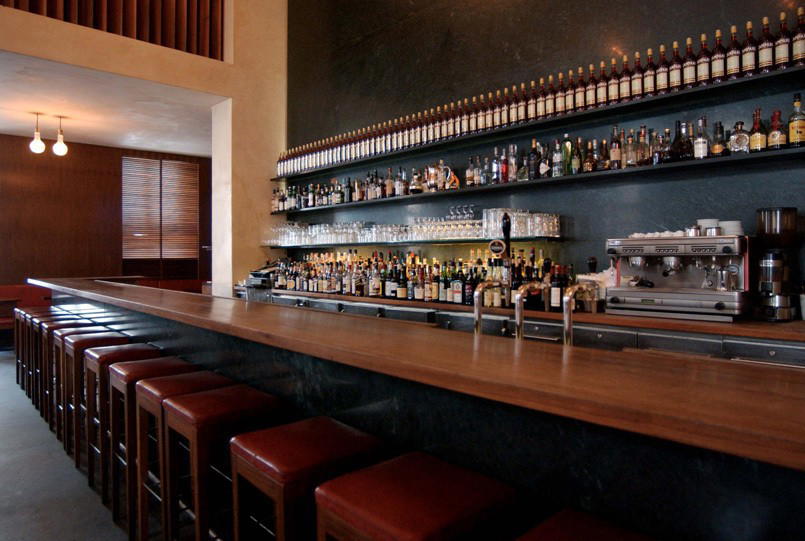
Spartan and simple with a cozy, cute atmosphere and self-service counter.