Kaminbar sits on Arnulfstraße in Munich's western centre, a bar address that belongs to a quieter tradition of cellar-forward drinking in a city more associated with beer halls and tasting-menu dining rooms. The wine list is the reason to come, positioned within Munich's emerging fine-drinking scene as a counterpoint to the broad restaurant tier.
Pearl is the En Primeur Club membership app — saves, bookings, and concierge access live there. Same editors, same standards.
- Address
- Arnulfstraße 4, 80335 München, Germany
- Phone
- +498955115720
- Website
- ehw.de
- Directions
- Get directions
 Saves & bookings on Pearl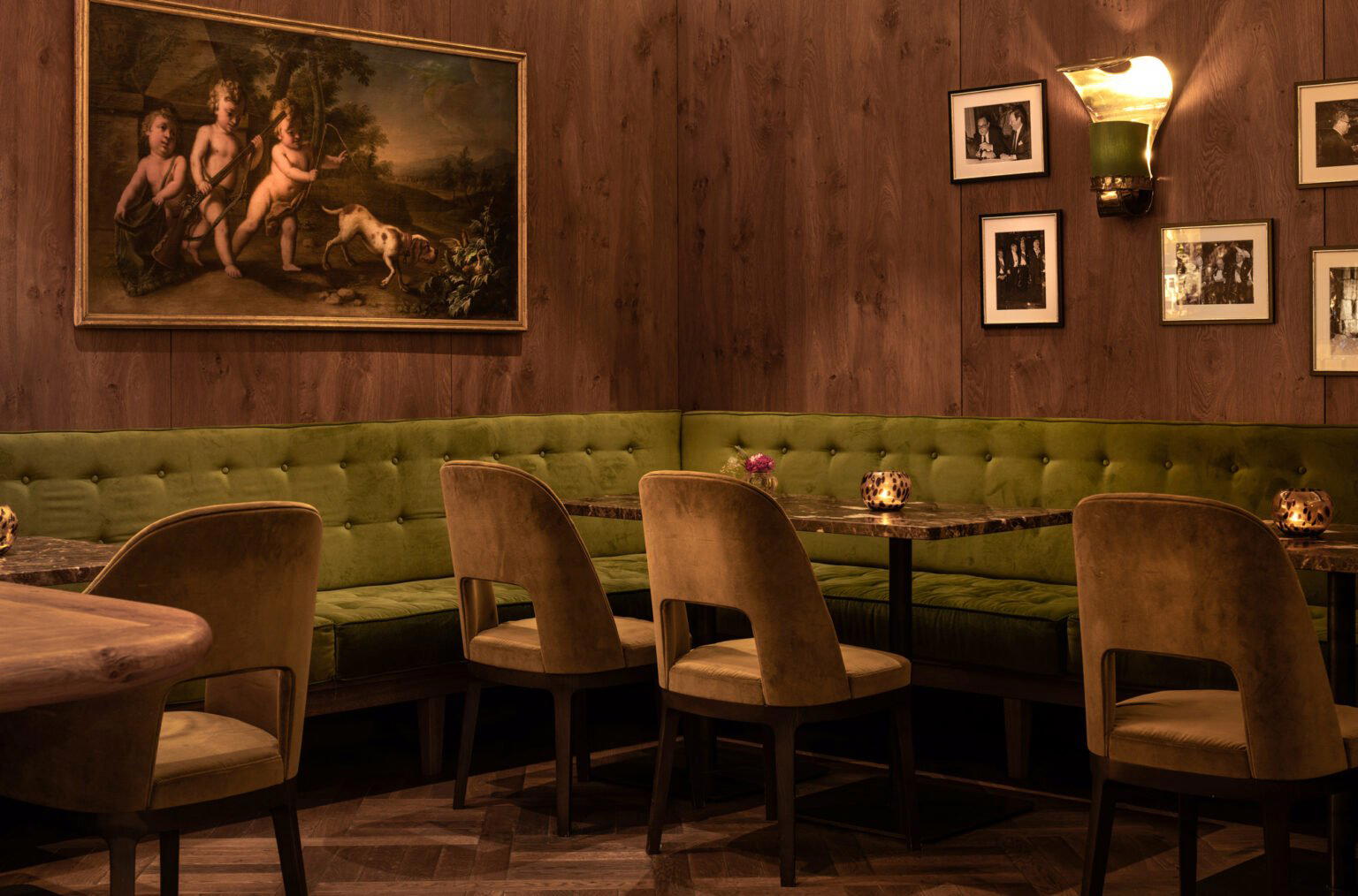
Munich's Bar Culture, and Where Wine Fits Into It
Munich's drinking culture has long been defined at its extremes: the beer hall on one end, the Michelin-level tasting menu with a matched wine flight on the other. What sits between those poles is a smaller, less charted category of wine-forward bar spaces where the list does the editorial work and the room keeps things relatively still. Kaminbar, on Arnulfstraße in the city's western centre, occupies that intermediate register in Munich. The address places it close to the main rail corridor, a useful distinction for a room that relies on returning clientele rather than passing foot traffic.
The name itself signals the room's character. A Kaminbar, literally a fireplace bar, belongs to a Central European tradition of interior warmth and unhurried drinking, one that prioritises staying over arriving. Where Munich's headline fine-dining addresses such as Tantris or Atelier position wine as accompaniment to multi-course architecture, a bar format centred on a serious list inverts that relationship: here the wine is the programme, and food, if present, plays the supporting role.
The Wine List as Editorial Statement
In European cities where bar culture has sharpened over the last decade, one consequential signal of a bar's ambitions is not its spirits shelf or cocktail menu, it is the depth and curation logic of the wine list. Bars that treat wine seriously tend to make one of two arguments: either they pursue breadth, spanning regions and price points to serve a wide room, or they go narrow and deep, committing to a defined set of producers and styles that reflect an actual point of view. The latter format is harder to sustain commercially but more distinctive to drink through.
Munich's fine-dining tier demonstrates what serious wine ambition looks like in a restaurant context. JAN and Tohru in der Schreiberei both operate within the city's upper tier of matched wine programmes, while Alois - Dallmayr Fine Dining draws on the cellaring tradition of the Dallmayr delicatessen that has supplied Munich's tables for generations. A bar-format wine room operates differently from these: without the frame of a tasting menu, selections need to function as standalone propositions, drinkable across an evening without requiring food as a structural anchor.
Germany's broader fine-dining circuit has produced some of Europe's most demanding wine programmes. Aqua in Wolfsburg, Schwarzwaldstube in Baiersbronn, and Vendôme in Bergisch Gladbach have each built cellar reputations that attract wine-specific visits. Waldhotel Sonnora in Dreis and Victor's Fine Dining by Christian Bau in Perl operate within similar expectations for cellar depth. What makes a bar context distinct is the absence of a prix-fixe structure to anchor the evening's spend: the list must earn the guest's time on its own terms.
Arnulfstraße: A Street With Two Personalities
Arnulfstraße runs west from the Hauptbahnhof toward the Donnersbergerbrücke, passing through a district that has shifted gradually from post-industrial utility to a more mixed use of offices, residential buildings, and a small number of food and drink addresses. It is not a destination street in the way that Maxvorstadt's museum quarter or Schwabing's villa blocks are, which means venues here tend to draw on established local custom rather than tourist positioning. For a wine-bar format, that neighbourhood dynamic is commercially useful: regulars return for the list rather than stumbling in for the address.
Planning a visit to Kaminbar warrants some practical preparation. The regular opening hours are Mon to Sun, 10 AM to 1 AM. The Arnulfstraße location is direct to reach from central Munich by U-Bahn or on foot from Hauptbahnhof, placing it within easy range of an evening's itinerary that might begin at one of the city's tasting-menu addresses before moving to a wine-bar close.
Where Kaminbar Sits in Munich's Drinking Tier
Munich is not a city that has historically prioritised the wine bar as a standalone category. Beer culture accounts for the volume, and fine-dining wine programmes account for the prestige. The gap between those two registers is precisely where a room like Kaminbar finds its position: serving guests who want something more considered than a conventional bar but do not require the full apparatus of a tasting menu to justify the evening. That position is small but, in a city of Munich's size and income profile, commercially viable and culturally necessary.
Internationally, the bar formats that have generated sustained critical interest have tended to resist easy categorisation. CODA Dessert Dining in Berlin demonstrated that a format built around a single, non-obvious focal point, dessert, in that case, could sustain serious attention if the execution matched the concept. Le Bernardin in New York City and Atomix in New York City show, in different registers, how a clearly articulated set of priorities can define a room's identity for decades. A wine-centred bar in Munich's mid-city operates at a different scale from those addresses, but the logic is shared: commit to something specific, execute it with discipline, and let the focus do the work.
For readers building a broader Germany itinerary, the wine ambition at addresses like Schanz in Piesport, Restaurant Haerlin in Hamburg, ES:SENZ in Grassau, and Bagatelle in Trier provides useful calibration for what serious list-building looks like across different formats and regions. Munich's own contribution to that tradition runs through its fine-dining rooms more than its bar sector, but the presence of addresses working in the wine-bar register suggests the category is developing.
Planning Your Visit
Kaminbar sits at Arnulfstraße 4, 80335 München. The address is centrally accessible, within walking distance of Hauptbahnhof and served by multiple U-Bahn lines. The venue recommends reservations and is open daily from 10 AM to 1 AM. An evening visit timed after one of Munich's tasting-menu dinners fits naturally: the format suits those who want to extend an evening around wine rather than food.
Similar Picks
Comparable venues nearby, for context on price, style, and recognition.
| Venue | Cuisine | Price | Notes |
|---|---|---|---|
| KaminbarThis venue — the venue you are viewing | Classic German Bar | $$ | Not listed |
| Dahoam Restaurant | Traditional Bavarian | $$ | Theresienwiese |
| bodhi | Vegan Bavarian Comfort Food | $$ | Neuhausen |
| Wirtshaus Papa Benz | Modern Bavarian Gastropub | $$ | Schwabing |
| Conti Restaurant | Traditional German & International Bistro | $$ | Lehel |
| Haxengrill | Traditional Bavarian Grill | $$ | Lehel |
At a Glance
- Cozy
- Classic
- Business Dinner
- Casual Hangout
- After Work
- Hotel Restaurant
- Craft Cocktails
Current opening hours
- Monday
- 10 AM–1 AM
- Tuesday
- 10 AM–1 AM
- Wednesday
- 10 AM–1 AM
- Thursday
- 10 AM–1 AM
- Friday
- 10 AM–1 AM
- Saturday
- 10 AM–1 AM
- Sunday
- 10 AM–1 AM
Hours can change for holidays and private events. Last verified .
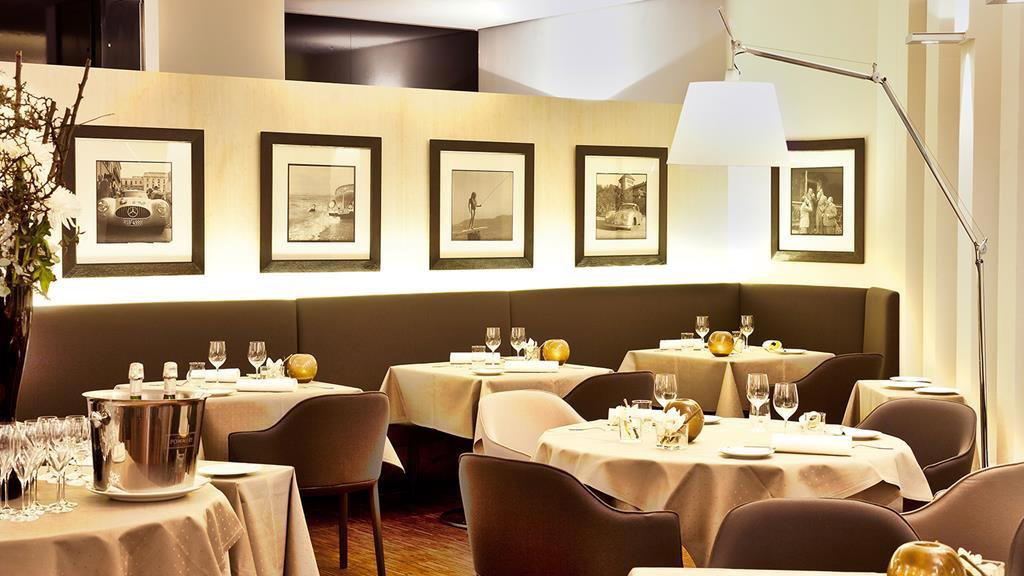
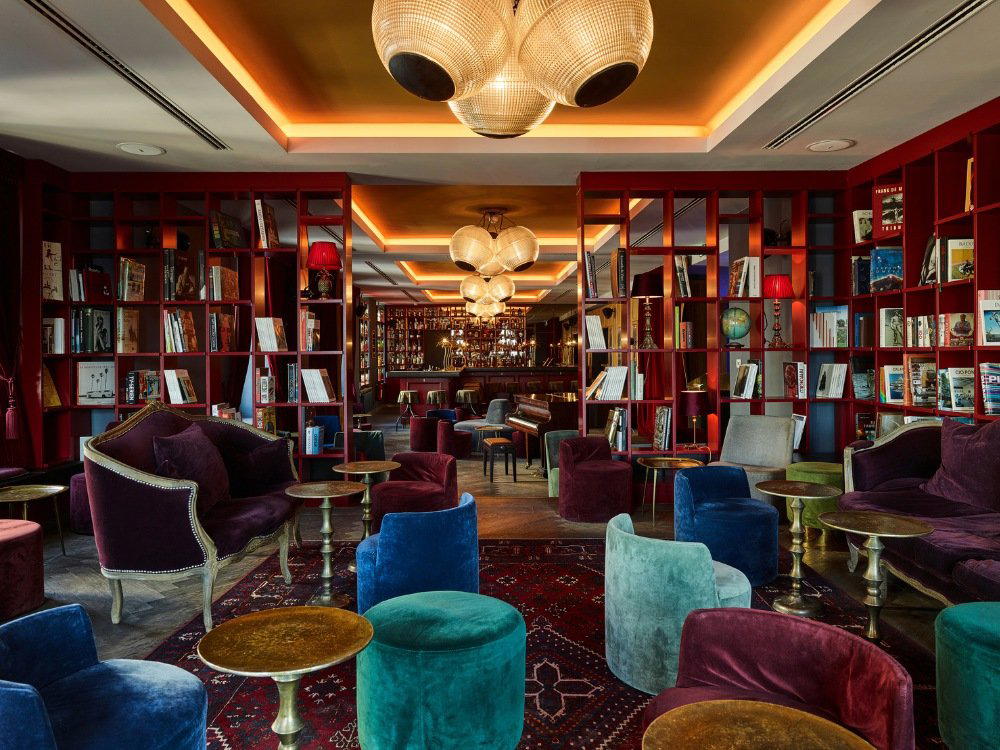
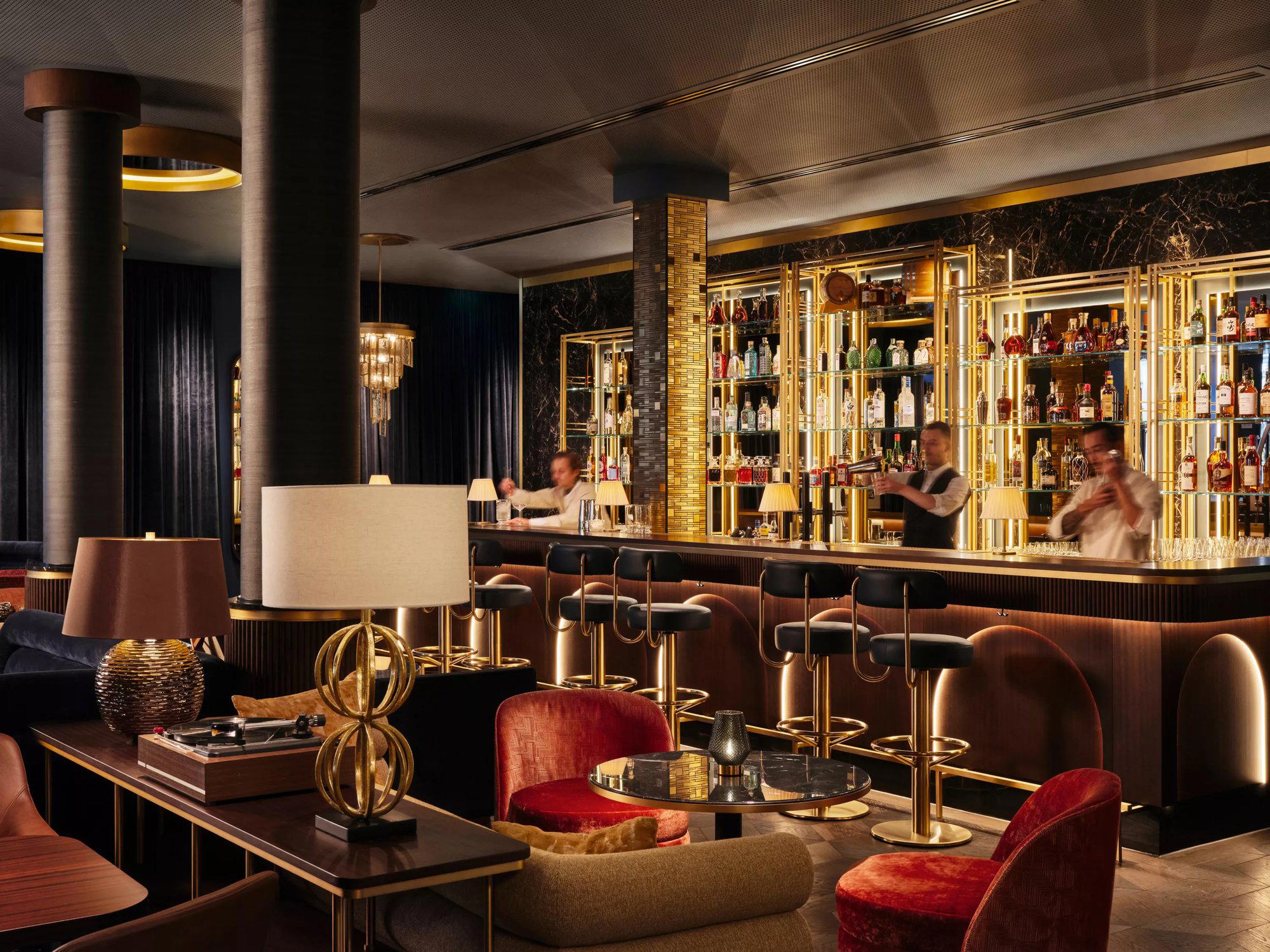
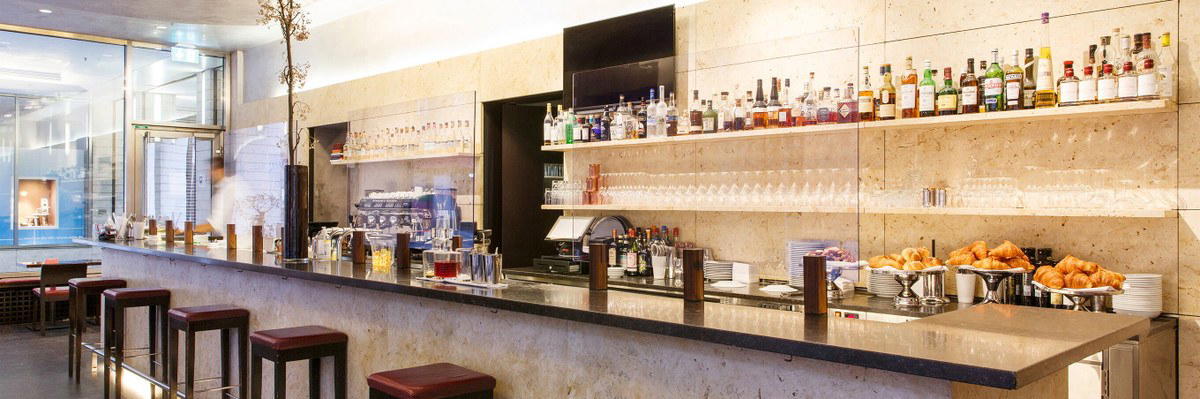
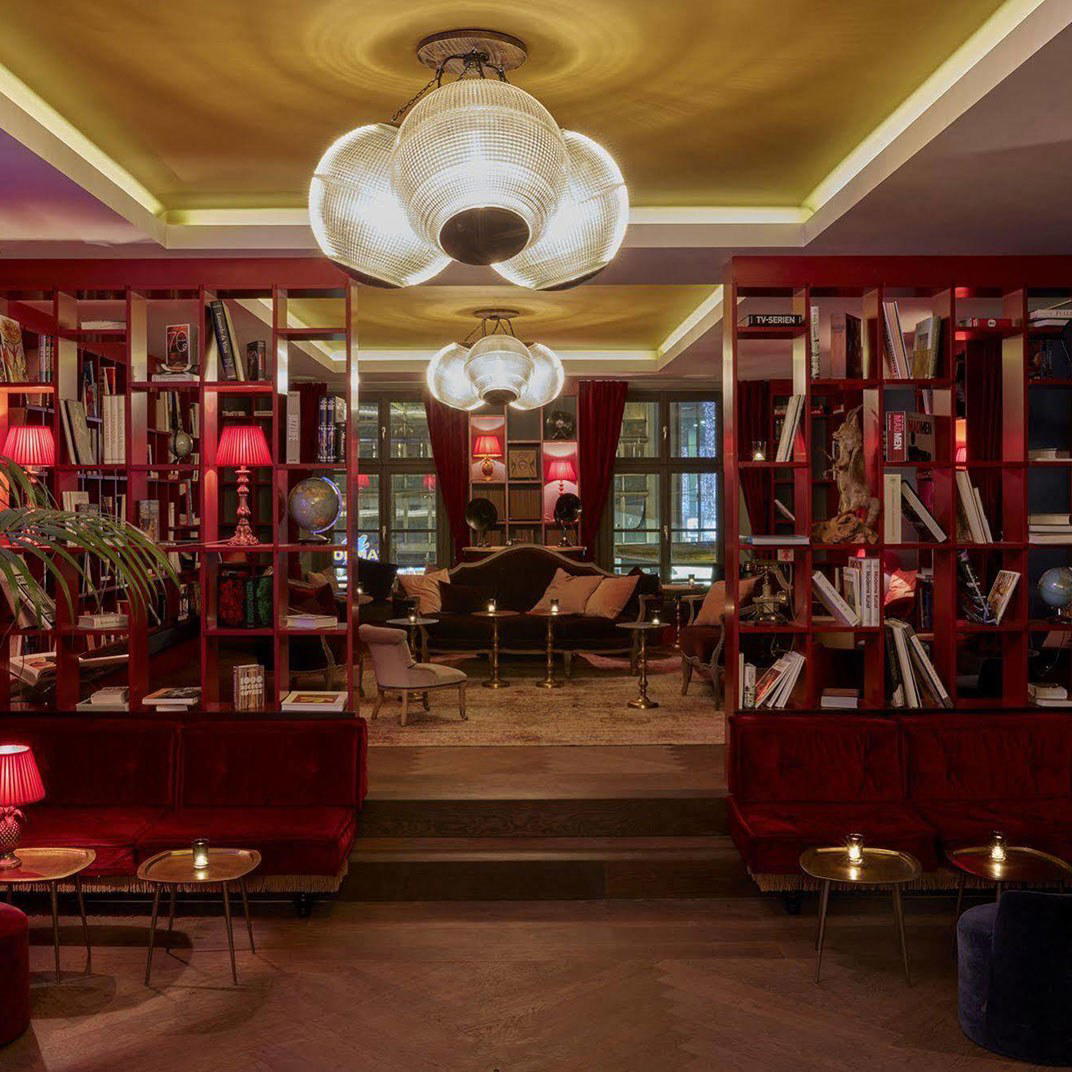
Warm and welcoming lounge atmosphere with free Wi-Fi, ideal for business lunches or waiting for trains.