Zum Dürnbräu occupies a corner of Munich's Altstadt that has served Bavarian food and beer for centuries, making it one of the city's most historically grounded traditional restaurants. The address alone, tucked into Dürnbräugasse in the heart of the old town, signals a different register than the €€€€ fine dining rooms of the Michelin circuit. For visitors seeking an anchor in regional cooking rather than contemporary technique, this is a serious first reference point.
Pearl is the En Primeur Club membership app — saves, bookings, and concierge access live there. Same editors, same standards.
- Address
- Dürnbräugasse 2, 80331 München, Germany
- Phone
- +49 89 222195
- Website
- zumduernbraeu.de
- Directions
- Get directions
 Saves & bookings on Pearl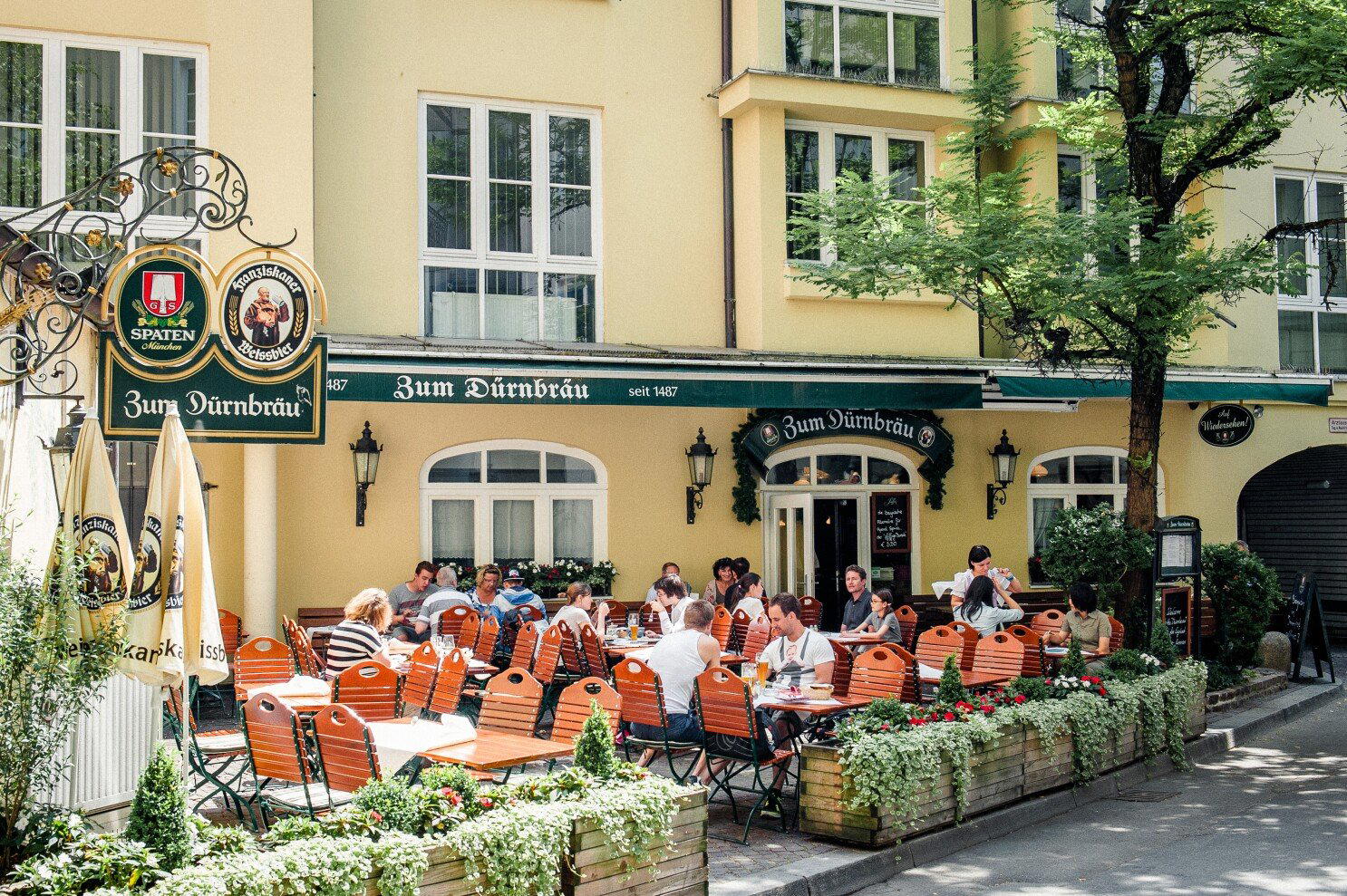
A Room That Remembers Itself
There is a particular quality to old Munich beer halls and traditional gasthouses that modern restaurant design spends considerable effort trying to approximate: the sense that the room has simply accumulated its atmosphere rather than had it installed. Zum Dürnbräu, at Dürnbräugasse 2 in Munich's Altstadt, belongs to that smaller category of places where the patina is real. The address sits within walking distance of Marienplatz and the Viktualienmarkt, two of the city's most visited public spaces, yet the lane itself functions at a different pace. Arriving from the main tourist arteries, the shift is immediate, narrower, quieter, the kind of street that locals use as a shortcut rather than a destination.
The building's history as a brewing and eating house predates most of what visitors think of as "old Munich." That historical depth is the primary reason Zum Dürnbräu functions as a cultural reference point rather than simply a convenient lunch stop near the cathedral.
Bavarian Cooking as a Living Tradition
German regional cuisine has spent the past two decades in an awkward position nationally. On one end, Michelin-starred kitchens like Tantris and Atelier have built their reputations on French-inflected or globally referential menus that treat German ingredients as raw material for international technique. On the other end, tourist-facing beer halls have leaned into particularly legible symbols of Bavarian identity, litre steins, pretzels, oompah, at the expense of genuine craft. The space between those two poles, occupied by kitchens that cook traditional Bavarian food seriously and without irony, is smaller than it should be.
Zum Dürnbräu operates in that middle register. Bavarian cuisine at its core is a product of alpine geography and agricultural practicality: pork, veal, freshwater fish, root vegetables, fermented dairy, rye bread, and brewing culture that shaped how food was seasoned and served. Dishes like Schweinsbraten (roast pork with crackling and gravy), Tafelspitz (boiled beef with broth and condiments), Leberknödelsuppe (liver dumpling soup), and Zwiebelrostbraten (roasted beef with onions) represent a cooking logic tied to preservation, fat, and fermentation rather than to lightness or innovation. That logic is older than any of the region's Michelin stars, and it deserves a different evaluative frame.
For visitors coming to Munich from the fine dining side of the ledger, those with reservations at JAN, Tohru in der Schreiberei, or Alois - Dallmayr Fine Dining, the restaurant offers something those rooms deliberately set aside: a direct, unmediated encounter with the food that defined this region's eating culture before the influence of French classical training, Japanese technique, or Scandinavian minimalism arrived in German professional kitchens.
Where Zum Dürnbräu Sits in Munich's Dining Picture
Munich's restaurant scene has bifurcated more sharply over the past decade than most German cities outside Berlin. At the upper end, the concentration of Michelin-starred kitchens per capita is among the highest in Germany, with the city punching well above its population size relative to Frankfurt or Hamburg. Restaurants like ES:SENZ in nearby Grassau represent the regional ambition of Bavaria's fine dining community more broadly. At the popular end, the beer garden and hall circuit, Hofbräuhaus, Augustiner, the Viktualienmarkt stalls, absorbs the majority of tourist meals.
Traditional restaurants like Zum Dürnbräu occupy a third category: places that are neither aspirationally modern nor aggressively folkloric, but that serve regional food in a historical setting to a mixed clientele of locals, business travellers, and informed visitors. This category is actually the useful for understanding what a city eats, as opposed to what it performs or what it aspires to. Comparable traditional anchors in other German cities include the kinds of establishments that sit near but not on the main tourist drag, priced above beer-hall basics but well below the tasting menu tier.
For broader context on how German restaurant culture as a whole has developed, the Michelin roster across the country tells an interesting story. Houses like Schwarzwaldstube in Baiersbronn, Vendôme in Bergisch Gladbach, and Waldhotel Sonnora in Dreis demonstrate how Germany's fine dining ambition is largely distributed outside its major urban centres. Munich is an exception to that pattern, but its traditional restaurant culture is what gives the fine dining scene something to push against.
Planning a Visit
The restaurant's location at Dürnbräugasse 2 in the 80331 postcode places it squarely in the Altstadt-Lehel district, within a short walk of the Marienplatz U- and S-Bahn interchange. For visitors with a full Munich dining programme, the restaurant works well as a lunch anchor or early dinner before evening commitments elsewhere. Because contact details and current booking arrangements were not available at time of writing, visitors should confirm hours and reservation availability directly on arrival or via the venue's current online presence. For a city that draws significant tourist volume, particularly during Oktoberfest and the summer months, arriving without a booking at peak times carries obvious risk; confirming ahead is always the more reliable approach.
Those with allergies or specific dietary requirements should likewise contact the restaurant directly before visiting. Traditional Bavarian cooking relies heavily on pork fat, wheat, dairy, and egg-based preparations, and dishes may contain traces of allergens not always itemised on printed menus.
Internationally, the contrast with high-concept formats like Lazy Bear in San Francisco or technically driven rooms like Le Bernardin in New York City is instructive: traditional European gasthouses operate on an entirely different axis of value, one defined by continuity and cultural specificity rather than innovation or refinement.
- Dürnbräu Pfanne
- Wiener Schnitzel
- Pork Knuckle
- Spätzle with Fried Onions
- Roast Pork with Dark Beer
- Duck with Red Cabbage
How It Stacks Up
Comparable venues nearby, for context on price, style, and recognition.
| Venue | Cuisine | Price | Notes |
|---|---|---|---|
| Zum DürnbräuThis venue — the venue you are viewing | Traditional Bavarian | $$ | Not listed |
| Wirtshaus Rechthaler Hof | Traditional Bavarian | $$ | Theresienwiese |
| Zur Festwiese | Traditional Bavarian Gasthaus | $$ | Theresienwiese |
| Wunderkost | Traditional Bavarian | $$ | Sendling-Westpark |
| Beim Sedlmayr | Traditional Bavarian | $$ | Altstadt |
| Miss Lilly's | German Cafe with Regional Specialties | $$ | Au |
At a Glance
- Rustic
- Classic
- Cozy
- Lively
- Well Known
- Casual Hangout
- Group Dining
- Family
- After Work
- Historic Building
- Terrace
- Standalone
- Beer Program
- Local Sourcing
Current opening hours
- Monday
- 11 AM–11 PM
- Tuesday
- 11 AM–11 PM
- Wednesday
- 11 AM–11 PM
- Thursday
- 11 AM–11 PM
- Friday
- 11 AM–11 PM
- Saturday
- 11 AM–11 PM
- Sunday
- Closed
Hours can change for holidays and private events. Last verified .
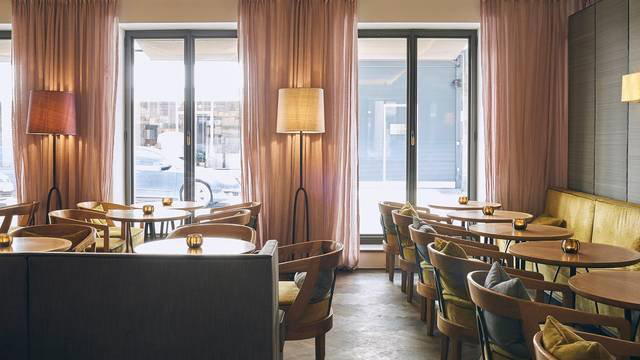
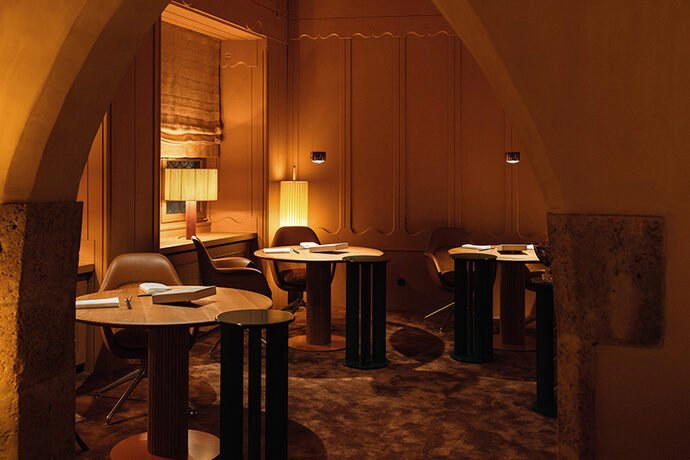
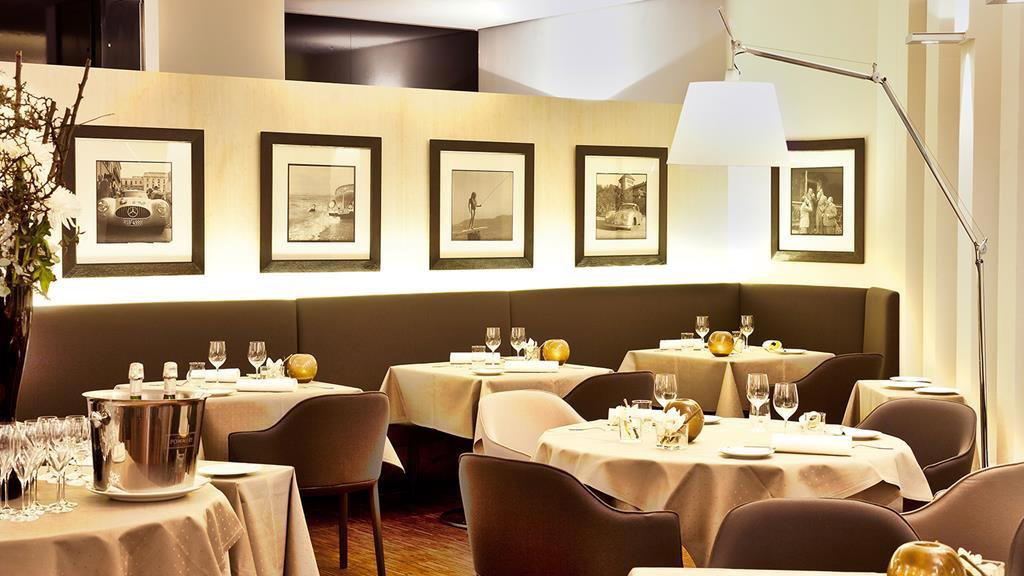
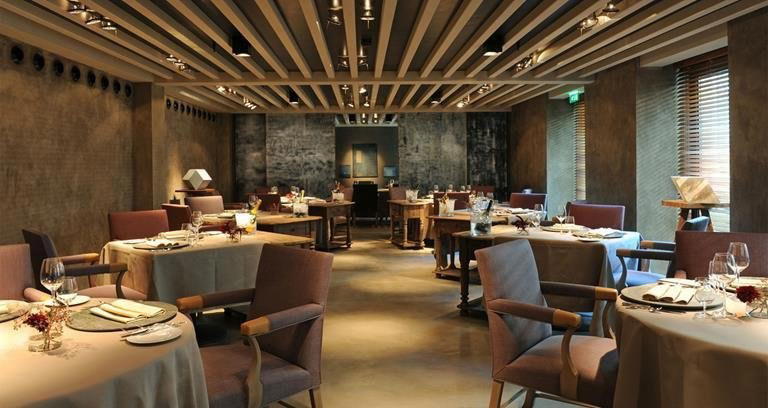
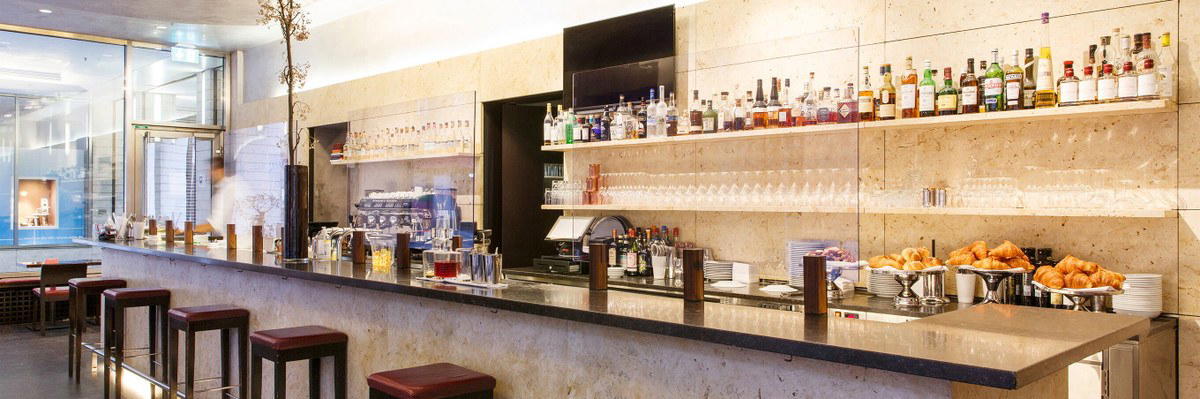
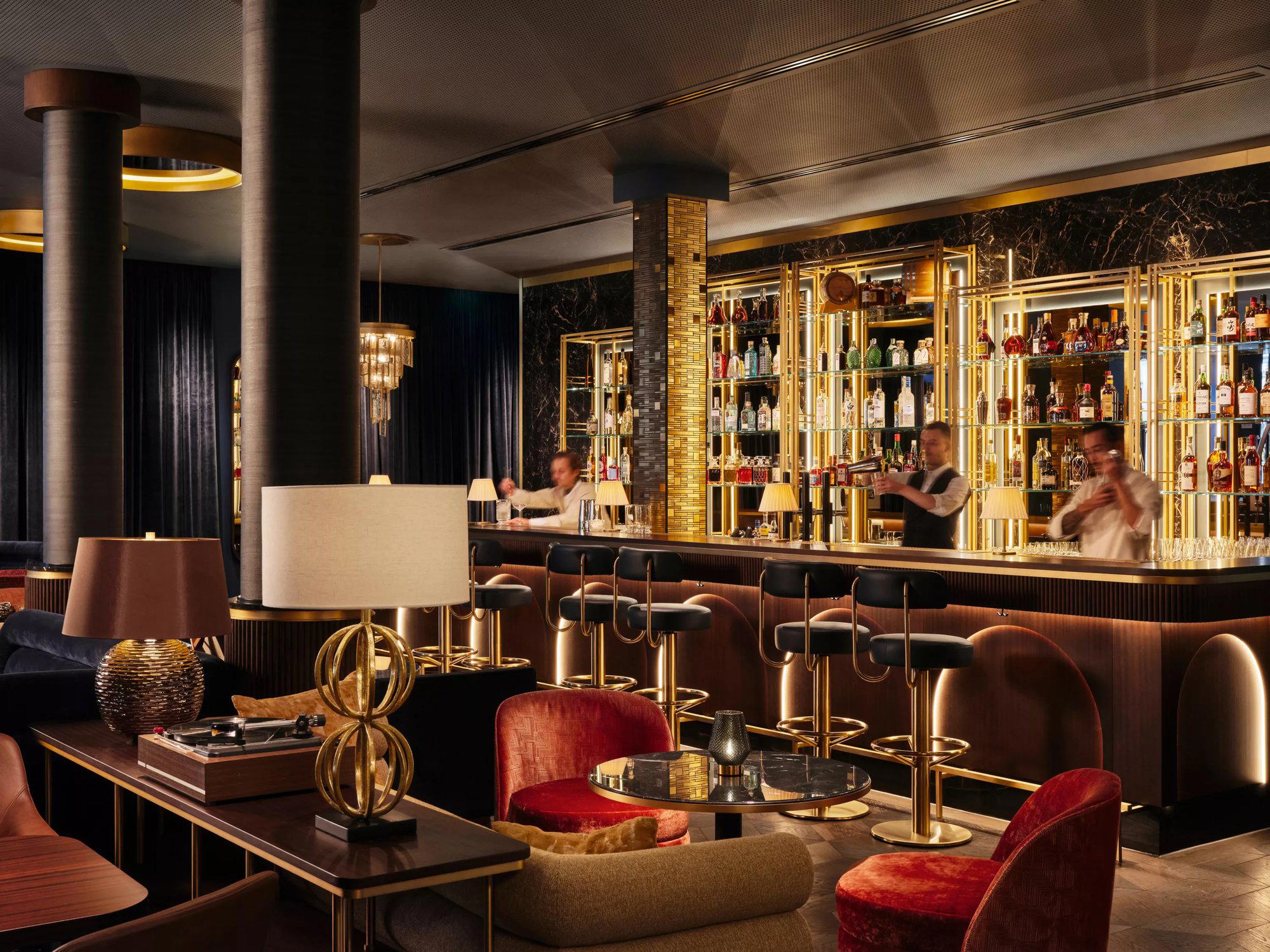
Dark wood-paneled walls with low vaulted ceilings, candlelit at night, featuring traditional Bavarian beer hall aesthetics with a charming front beer garden offering an airy daytime alternative.