On Steinstraße in Munich's Haidhausen quarter, Rue des Halles occupies a corner of the city where French bistro tradition and Bavarian appetite for convivial dining have long found common ground. The address speaks to a style of French cooking that prioritises the room as much as the plate, where the relationship between kitchen, floor, and cellar defines the experience as clearly as any single dish.
Pearl is the En Primeur Club membership app — saves, bookings, and concierge access live there. Same editors, same standards.
- Address
- Steinstraße 18, 81667 München, Germany
- Phone
- +494989485675
- Website
- rue-des-halles.de
- Directions
- Get directions
 Saves & bookings on Pearl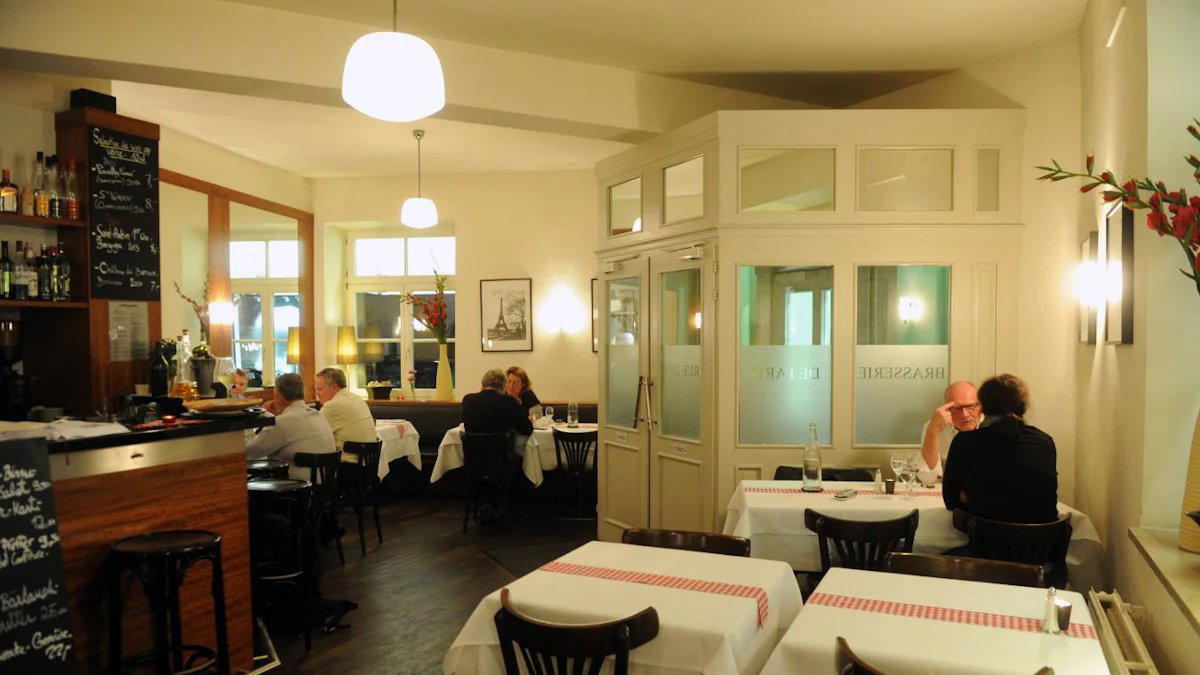
Where French Bistro Culture Lands in Munich
Haidhausen has long functioned as one of Munich's more characterful dining neighbourhoods, dense enough with independent restaurants to support genuine competition, but removed enough from the Altstadt tourist circuit to attract a loyal local clientele. It is the kind of quarter where French cooking, not the grand tasting-menu register, but the more durable bistro tradition of good sourcing, confident technique, and a room that encourages return visits, has found a reliable audience. Rue des Halles, at Steinstraße 18, sits within that context: a French address in a neighbourhood that respects what France has historically meant to European dining without demanding that it genuflect to the haute end of the register.
The name itself is a reference to Les Halles, the old Paris market that defined a particular era of French provisioning culture before its demolition in the early 1970s. Markets of that kind shaped a whole tradition of French cooking: ingredient-led, daily-changing, and reliant on a floor team that could translate the kitchen's shifting priorities to guests in real time. Whether or not the current programme consciously mirrors that history, the reference sets a frame. This is not a restaurant that positions itself alongside Tantris or Atelier in Munich's dining tier. It operates in a different register entirely, one where the bistro contract, honest food, a legible wine list, and service that makes regulars feel known, matters more than metrics.
The Team Dynamic as the Core Product
In French restaurant culture, particularly the bistro and brasserie tradition, the performance of the room has always been as load-bearing as the kitchen. A well-run bistro floor does something that a tasting-menu counter rarely attempts: it holds multiple paces simultaneously, accommodating the two-hour business lunch, the leisurely dinner, and the late arrival who just wants a carafe and a plate of something simple. That requires a front-of-house operation with genuine read of the room, not one executing a scripted sequence.
The relationship between kitchen output and floor communication is where French casual-to-mid dining tends to succeed or fail. When the kitchen is working with seasonal or market-dependent ingredients, the kind of sourcing that the Les Halles reference implies, the floor team carries real informational weight. They need to know what came in that morning, what the kitchen is proud of, and what to steer guests toward or away from. This is a different skill set from fine-dining service, less ceremonial and more conversational, but no less demanding in its own way. The better Munich bistros in the French tradition, and Rue des Halles belongs to that category by neighbourhood positioning and name, tend to succeed precisely because they invest in that floor intelligence rather than treating service as a delivery mechanism for the kitchen's output.
The sommelier role in this format is similarly distinct. Pairing a tasting menu is a structured problem with a knowable solution. Building a list for a bistro that serves a broad range of guests, from the carafe drinker to the collector, requires a different set of editorial decisions. The list needs entry points that feel considered rather than perfunctory, and it needs depth for the table that wants to spend time on it. French regional coverage tends to be the spine of a list like this, but the leading versions of it reach into Germany's own wine regions in a way that acknowledges the geography without making it a theme. Munich's position relative to Austria and the southern German wine belt gives a bistro like this natural access to producers that a Paris equivalent would have to work harder to source.
Situating Rue des Halles in Munich's French Dining Context
Munich's fine-dining scene tilts heavily toward creative and contemporary formats. JAN, Alois - Dallmayr Fine Dining, and Tohru in der Schreiberei each occupy the upper end of that creative spectrum, where tasting menus run long and the kitchen's ambition is the explicit subject of the evening. That tier is well served in Munich. What is less consistent across the city is the mid-register French address that sustains quality without the infrastructure demands of a full tasting-menu operation. Rue des Halles addresses that gap by focusing on what the bistro format does that the tasting-menu format cannot: flexibility, spontaneity, and the kind of room energy that comes from a genuinely mixed clientele rather than a dining room of people all experiencing the same sequence at the same pace.
For context on how Munich's French dining sits within Germany's broader fine-dining geography, it is worth noting that the country's highest-decorated French-influenced addresses, from Vendôme in Bergisch Gladbach to Schwarzwaldstube in Baiersbronn, operate in a register several steps removed from what the restaurant represents. The comparison is not invidious; they are solving different problems. Germany also has a strong tradition of serious cooking at the mid-register, visible in places like Bagatelle in Trier or Schanz in Piesport, which shows that ambition and award metrics are not the only currencies in serious German dining. The restaurant sits within a similar philosophical position in Munich: serious enough to be a destination for a considered evening, accessible enough to function as a neighbourhood regular.
Internationally, the bistro format that restaurant references has proven durable precisely because it resists the logic of escalation. Where a restaurant like Le Bernardin in New York operates at peak institutional formality, or Atomix structures its entire experience around sequence and ceremony, the French bistro tradition argues that one repeatable restaurant experience is one that does not ask too much of its guests on any given visit. That is a harder brief than it appears, and the addresses that execute it well, whether in Paris, Munich, or elsewhere, tend to be the ones that stay open longest.
Planning a Visit
The restaurant is located at Steinstraße 18, 81667 München, in the Haidhausen district, accessible by U-Bahn or tram from the city centre. Given the address is in one of Munich's more active dining neighbourhoods, booking ahead is sensible, particularly for Friday and Saturday evenings when the quarter fills. Specific hours, current pricing, and reservation methods are best confirmed directly with the venue.
Reputation Context
Comparable venues nearby, for context on price, style, and recognition.
| Venue | Cuisine | Price | Notes |
|---|---|---|---|
| Rue des HallesThis venue — the venue you are viewing | Classic French Brasserie | $$$ | Not listed |
| Chez Fritz | Classic French Brasserie | $$$ | Haidhausen |
| Maison Massard | Traditional French Brasserie | $$$ | Haidhausen |
| AnticaTrattoria Nuova | Authentic Italian Trattoria | $$$ | Harlaching |
| Brusko Grill | Creative Greek Grill | $$$ | Feldmoching |
| ChuChin | Modern Vietnamese | $$$ | Haidhausen |
At a Glance
- Classic
- Cozy
- Romantic
- Sophisticated
- Intimate
- Date Night
- Celebration
- Special Occasion
- Business Dinner
- Standalone
- Historic Building
Current opening hours
- Monday
- Closed
- Tuesday
- 6 PM–12 AM
- Wednesday
- 6 PM–12 AM
- Thursday
- 6 PM–12 AM
- Friday
- 6 PM–12 AM
- Saturday
- 6 PM–12 AM
- Sunday
- 6 PM–12 AM
Hours can change for holidays and private events. Last verified .
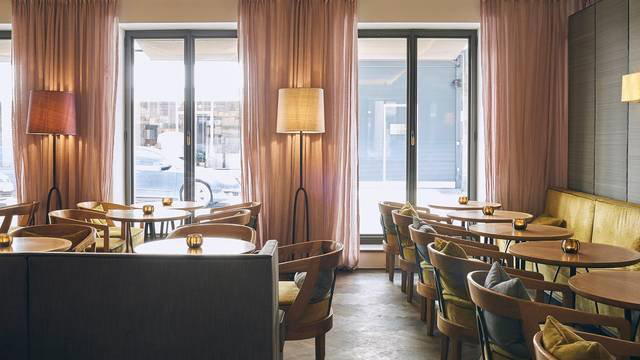
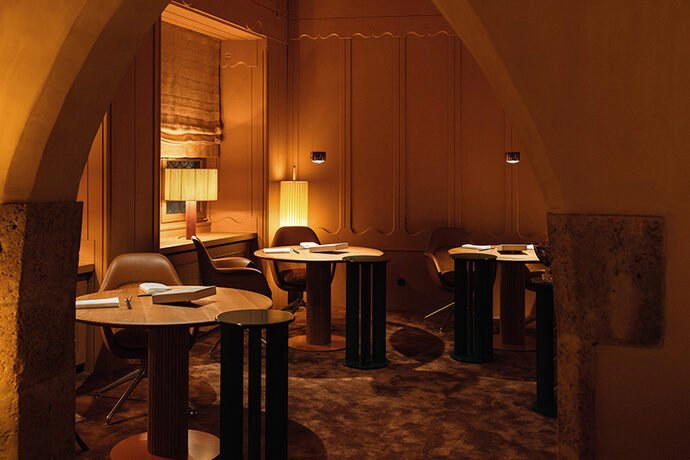
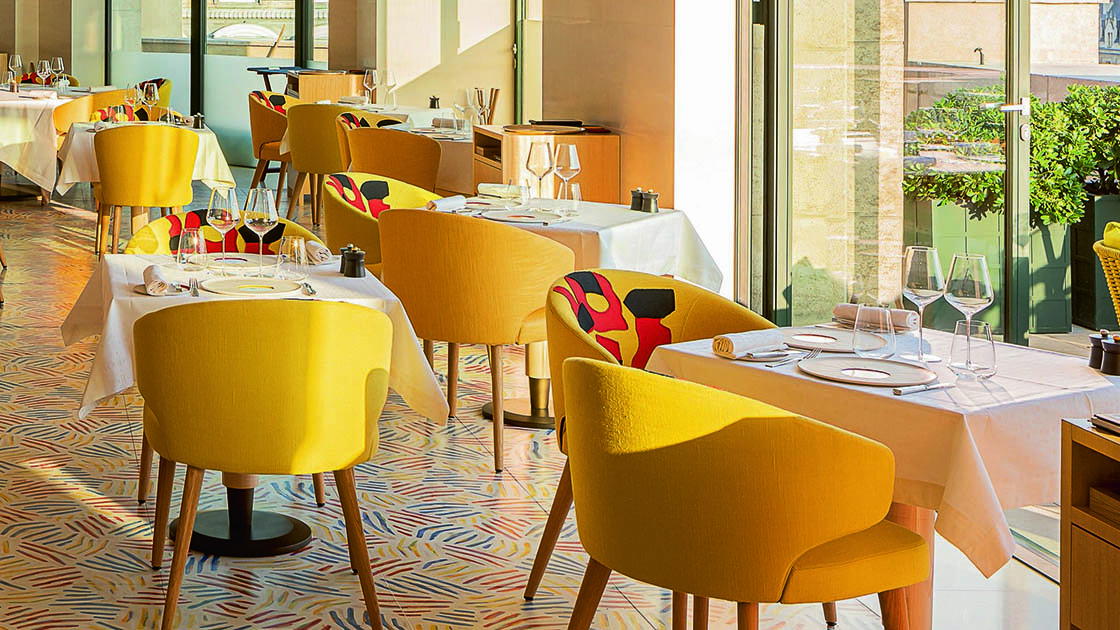
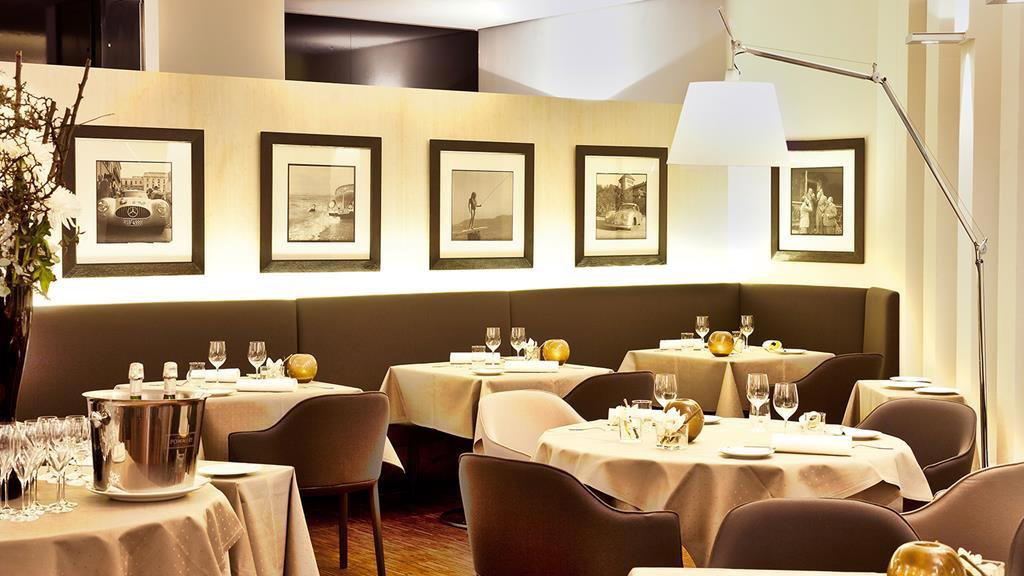
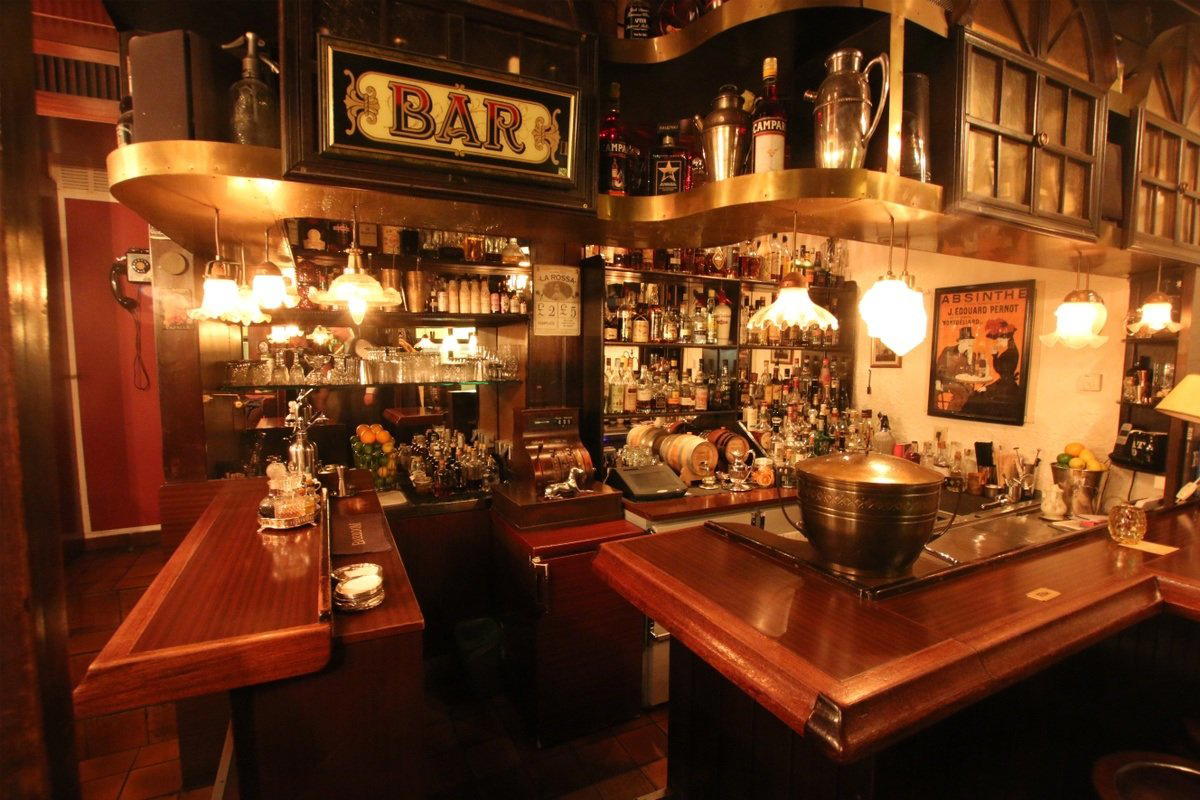
Warm lighting with chalk-written menu boards creates a welcoming, comfortable atmosphere reminiscent of a traditional Parisian bistro; simple yet lovely decor with unostentatious sophistication.