Beirutbeirut on Lindenschmitstraße brings Lebanese cooking into Munich's southern Sendling district, where the menu structure follows the logic of the mezze table rather than the Western sequence of starter, main, and dessert. In a city where the highest-profile restaurants run French and Japanese creative tasting menus, this address occupies a distinctly different register, one built on shared plates, herb-forward cooking, and the rhythms of Levantine hospitality.
Pearl is the En Primeur Club membership app — saves, bookings, and concierge access live there. Same editors, same standards.
- Address
- Lindenschmitstraße 18, 81371 München, Germany
- Phone
- +498954045869
- Website
- beirutbeirut.de
- Directions
- Get directions
 Saves & bookings on Pearl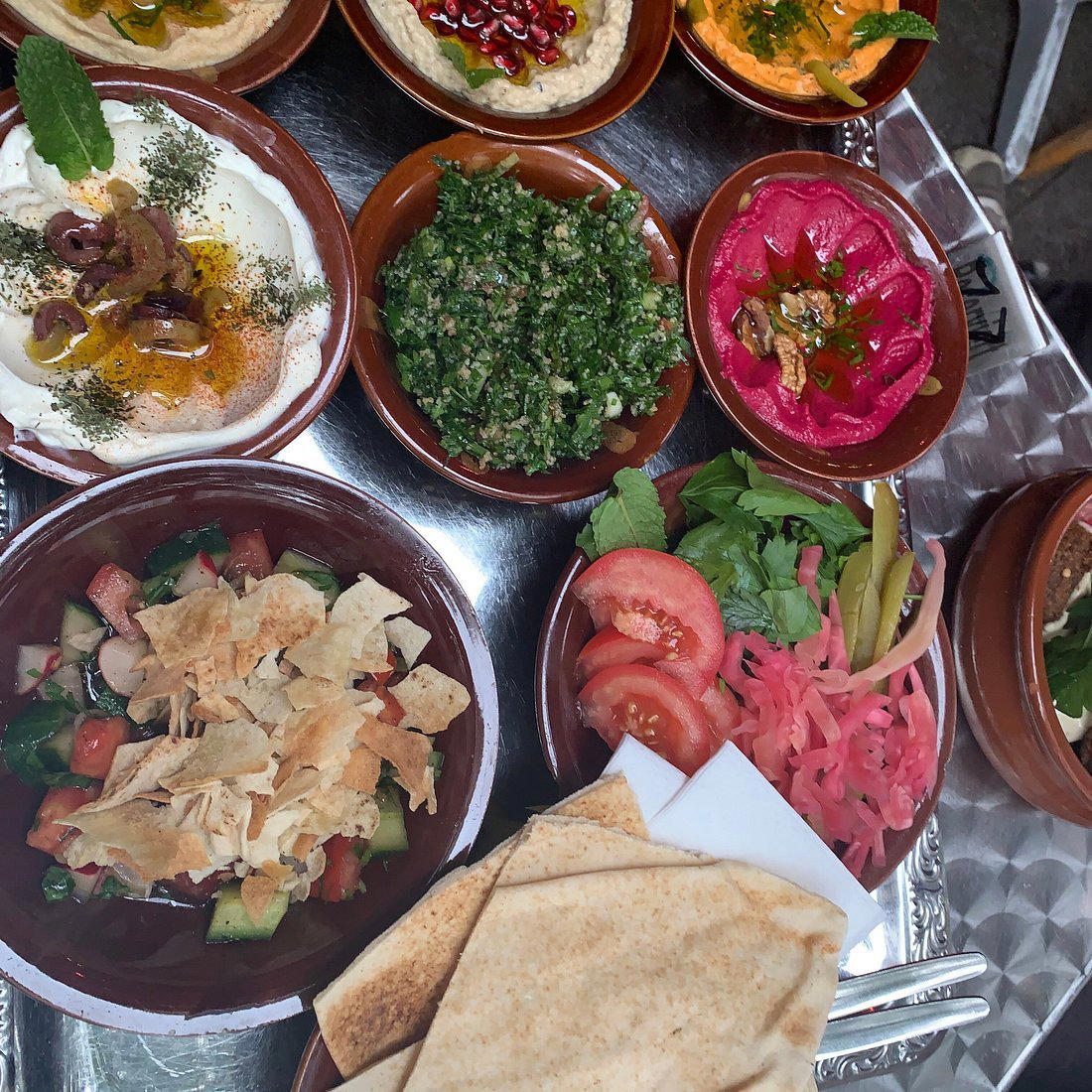
Sendling's Lebanese Counter-Programming
Munich's restaurant culture at its upper end runs heavily toward the formats that Michelin rewards: the long tasting menu, the single-chef counter, the Franco-Japanese hybrid. Tantris and Atelier define one end of that spectrum; Tohru in der Schreiberei and JAN define another. Beirutbeirut is a Lebanese restaurant on Lindenschmitstraße 18 in Munich's Sendling district, with a casual dress code, walk-in-friendly service, and dishes around $15 per person. Beirutbeirut on Lindenschmitstraße 18 operates in an entirely separate register. The address is in Sendling, south of the Isar, in a neighbourhood that doesn't carry the restaurant-district associations of Maxvorstadt or the Altstadt. That positioning is part of what the place communicates before a dish arrives: this is not cooking that needs a prestigious postcode to make its argument.
Lebanese restaurants in German cities occupy a particular position in the broader dining map. They tend to appear either as fast-casual falafel counters or, at the other end, as large-format celebratory venues aimed at diaspora communities. The space between those two poles, a considered, mid-scale Lebanese table where the cooking is taken seriously as a cuisine rather than as a category, remains underserved in Munich. Beirutbeirut addresses that gap at its Sendling address, where the cooking follows the logic of Levantine hospitality rather than adapting to German dining conventions.
The Architecture of the Mezze Table
One useful lens for understanding what Beirutbeirut is doing is the mezze structure itself. In Lebanese dining tradition, the meal is not a sequence of individually plated courses arriving one after another. It is a range of small plates, dips, and salads that arrive in overlapping waves, shared across the table, with bread as the central instrument. Cold mezze, hummus, moutabal, fattoush, tabbouleh, come first, setting a herb-forward, acidic baseline. Warm dishes follow: fried kibbeh, sambousek, grilled meats. The meal expands laterally rather than building vertically toward a single main event.
This is a fundamentally different menu architecture from the dominant formats at Munich's recognised dining addresses. At Alois - Dallmayr Fine Dining, the structure is a chef-directed sequence. At Beirutbeirut, the structure asks the table to make decisions collectively, to order generously, and to expect the meal to sprawl. That shift in agency, from kitchen to diner, changes what eating there feels like. It is a more social format by design, one where the right number of dishes is always slightly more than seems necessary.
Levantine cooking at this level is technically precise in ways that aren't always visible. A properly made hummus requires good tahini, well-cooked chickpeas, and an understanding of emulsification. Tabbouleh is almost entirely about the knife work on the parsley and the ratio of bulgur to herb. Kibbeh demands clean spicing and a confident hand with the meat-to-grain ratio. None of this is casual. The dishes that look simplest in Lebanese cooking are often the ones that reveal particularly about a kitchen's standards.
Sendling as a Dining Address
Lindenschmitstraße sits in the quieter residential fabric of Sendling, a district that has developed a modest but coherent dining identity over the past decade without ever attracting the volume of attention that more central Munich neighbourhoods receive. The streets around the Harras U-Bahn station have accumulated a small number of independent operators working outside the tourist and business-dining circuits. Beirutbeirut fits that pattern: an address that serves a local clientele and doesn't position itself as a destination for the out-of-town expense-account market.
For visitors accustomed to the more formal operations that anchor Munich's fine dining scene, the experience is a deliberate change of pace. Where Schwarzwaldstube in Baiersbronn or Aqua in Wolfsburg represent the high-ceremony end of German restaurant culture, Beirutbeirut operates in a register where the ceremony is embedded in the food's own logic rather than in service theatrics. The shared-plate format is its own form of ritual, and it requires a different kind of attention from the diner.
How Lebanese Cooking Reads in a German Context
Germany has a substantial Lebanese and broader Arab diaspora, and cities like Berlin and Düsseldorf have established Lebanese dining scenes that Munich has historically lagged. Munich's international dining has tended to skew toward Italian, Japanese, and French influences, reflecting both the city's economic profile and its tourism patterns. The presence of a restaurant like Beirutbeirut on a Sendling side street represents a small but meaningful shift in what Munich eats when it eats outside its comfort zone.
The wider German fine dining circuit, represented by addresses like Vendôme in Bergisch Gladbach, Victor's Fine Dining by Christian Bau in Perl, or Waldhotel Sonnora in Dreis, remains anchored in classical French and contemporary European frameworks. Lebanese cooking doesn't compete in that category. It operates on different terms, where the measure of quality is fidelity to a culinary tradition, the sourcing of specific ingredients like good-quality dried limes, pomegranate molasses, and Lebanese seven-spice blends, and the kitchen's confidence with techniques that are specific to Levantine cooking. Those are the standards against which a place like Beirutbeirut should be read.
Planning a Visit
Beirutbeirut is located at Lindenschmitstraße 18 in Munich's Sendling district, accessible via the Harras U-Bahn station on the U6 line. Given the shared-plate format, tables of two to four people are well-suited to the style of eating the menu encourages, ordering three to five cold mezze and two to three warm dishes covers the range of the kitchen's output without overwhelming. Beirutbeirut is open Mon to Sat from 11:30 AM to 9:30 PM and closed on Sunday. For a broader view of where Beirutbeirut sits within Munich's dining options across price points and cuisines, the EP Club Munich restaurants guide maps the full scene.
Cuisine Context
Comparable venues nearby, for context on price, style, and recognition.
| Venue | Cuisine | Price | Notes |
|---|---|---|---|
| BeirutbeirutThis venue — the venue you are viewing | Authentic Lebanese Street Food | $$ | Not listed |
| Restaurant Ksara | Traditional Lebanese | $$ | Schwabing |
| NENI München | Levantine Fusion Sharing Plates | $$ | Isarvorstadt |
| Pivasta | Authentic Afghan | $$ | Isarvorstadt |
| Libanon | Lebanese Imbiss | $ | Schwabing |
| Kartoffelkönig | Vegan Turkish Fast Food | $ | Schwabing |
At a Glance
- Cozy
- Trendy
- Casual Hangout
- Standalone
Current opening hours
- Monday
- 11:30 AM–9:30 PM
- Tuesday
- 11:30 AM–9:30 PM
- Wednesday
- 11:30 AM–9:30 PM
- Thursday
- 11:30 AM–9:30 PM
- Friday
- 11:30 AM–9:30 PM
- Saturday
- 11:30 AM–9:30 PM
- Sunday
- Closed
Hours can change for holidays and private events. Last verified .
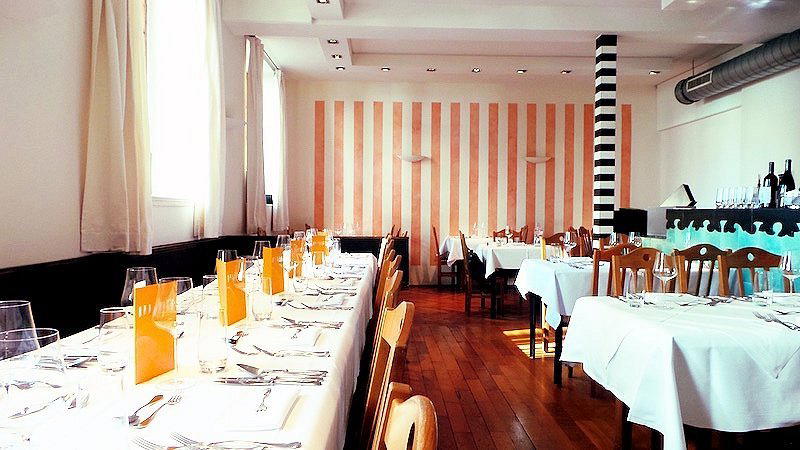
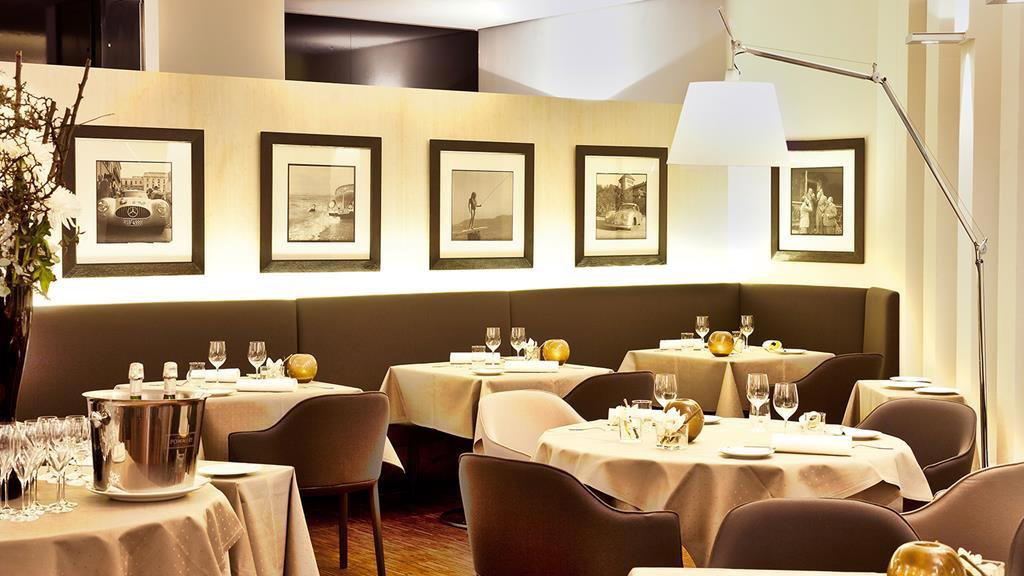
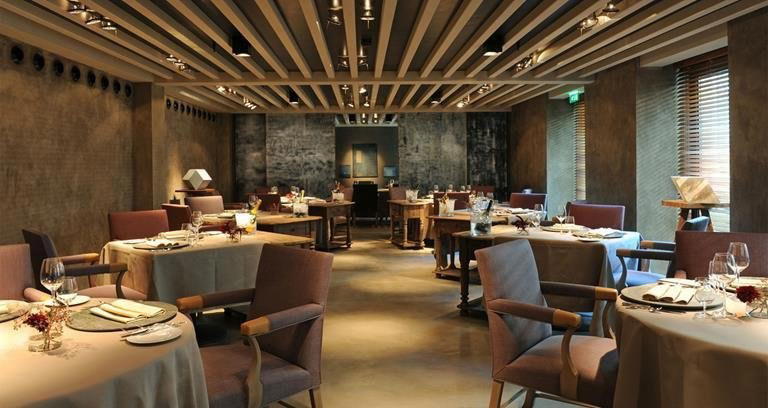
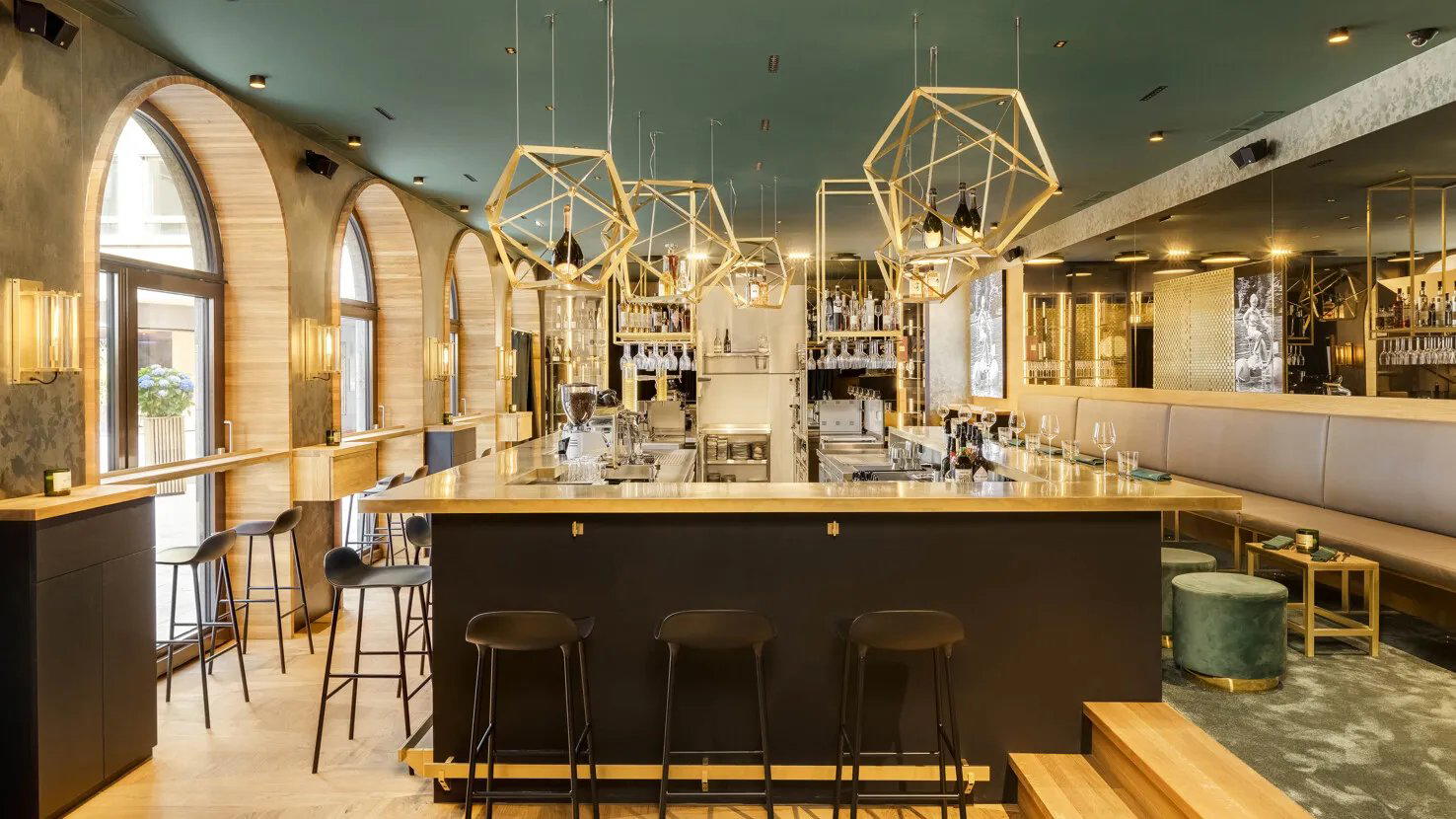
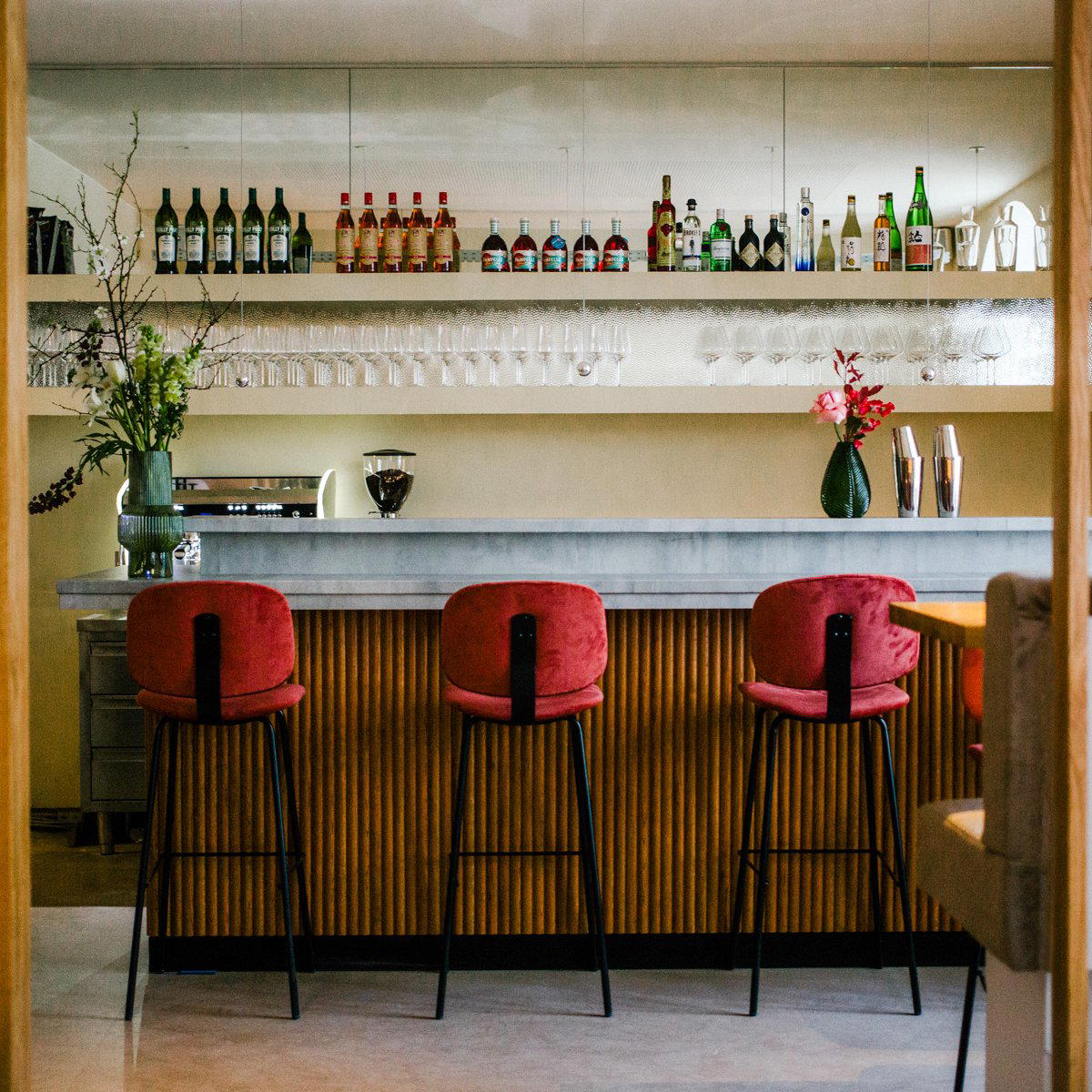
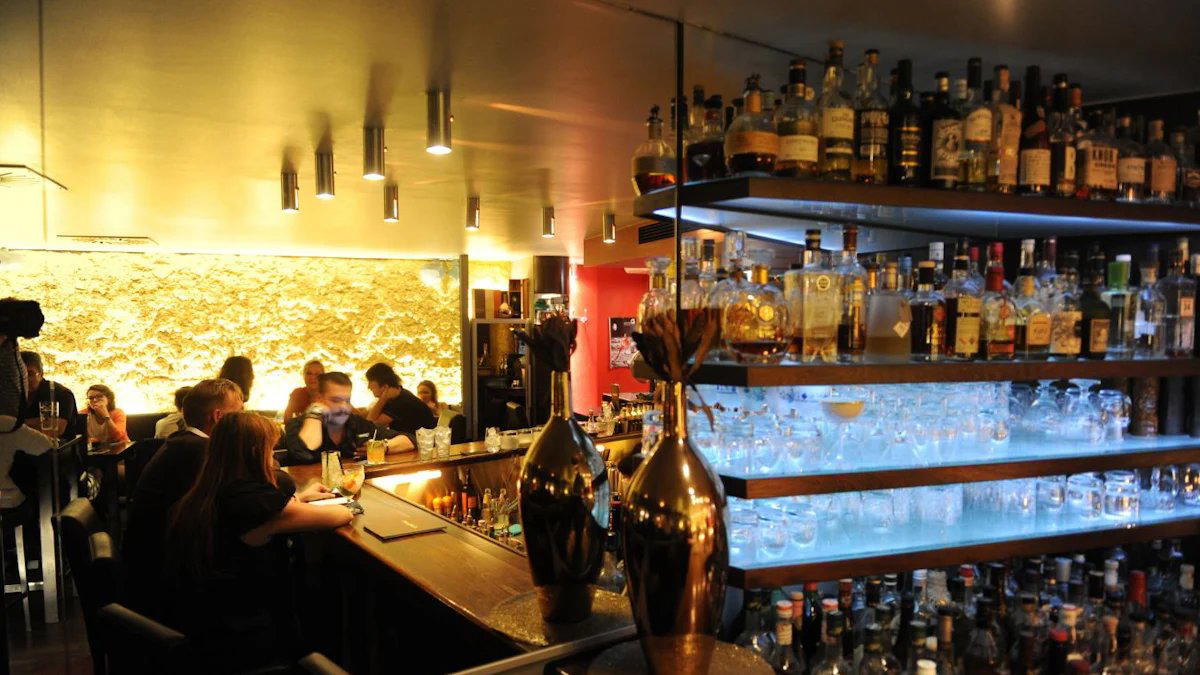
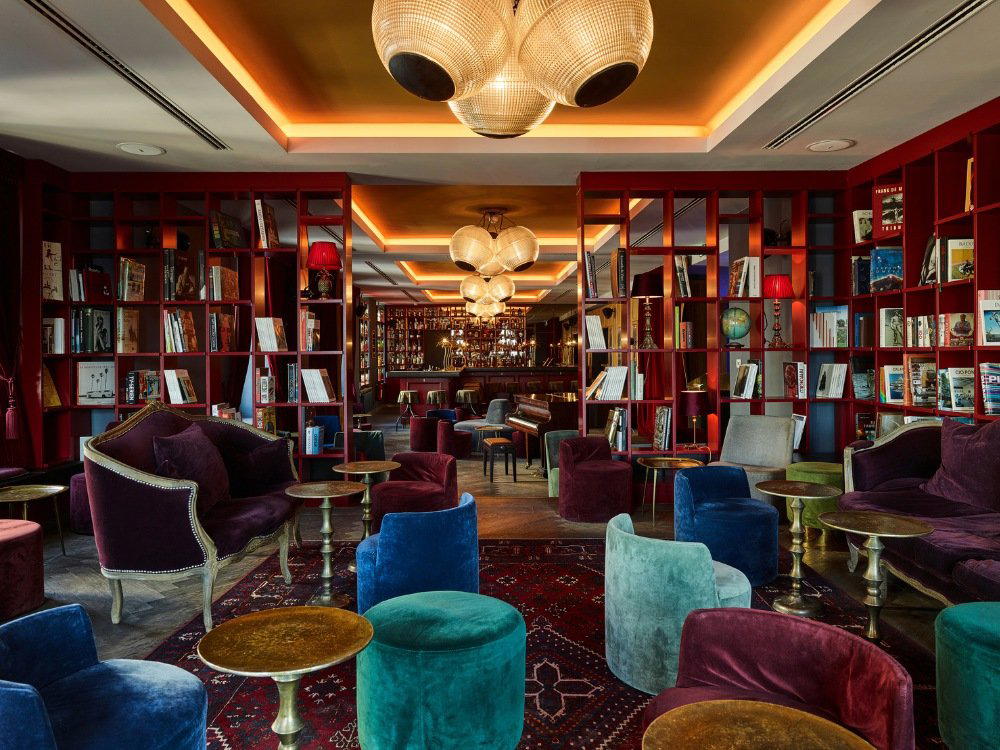
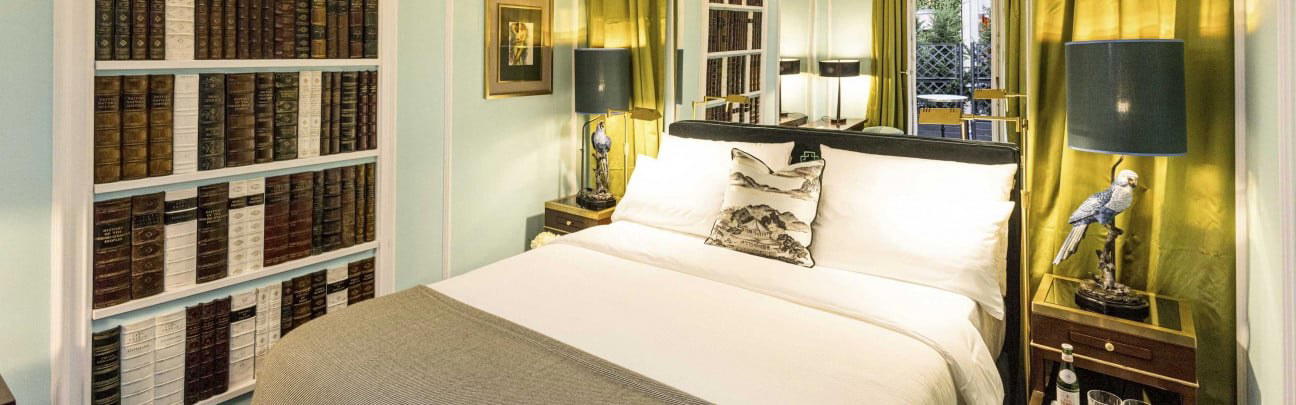
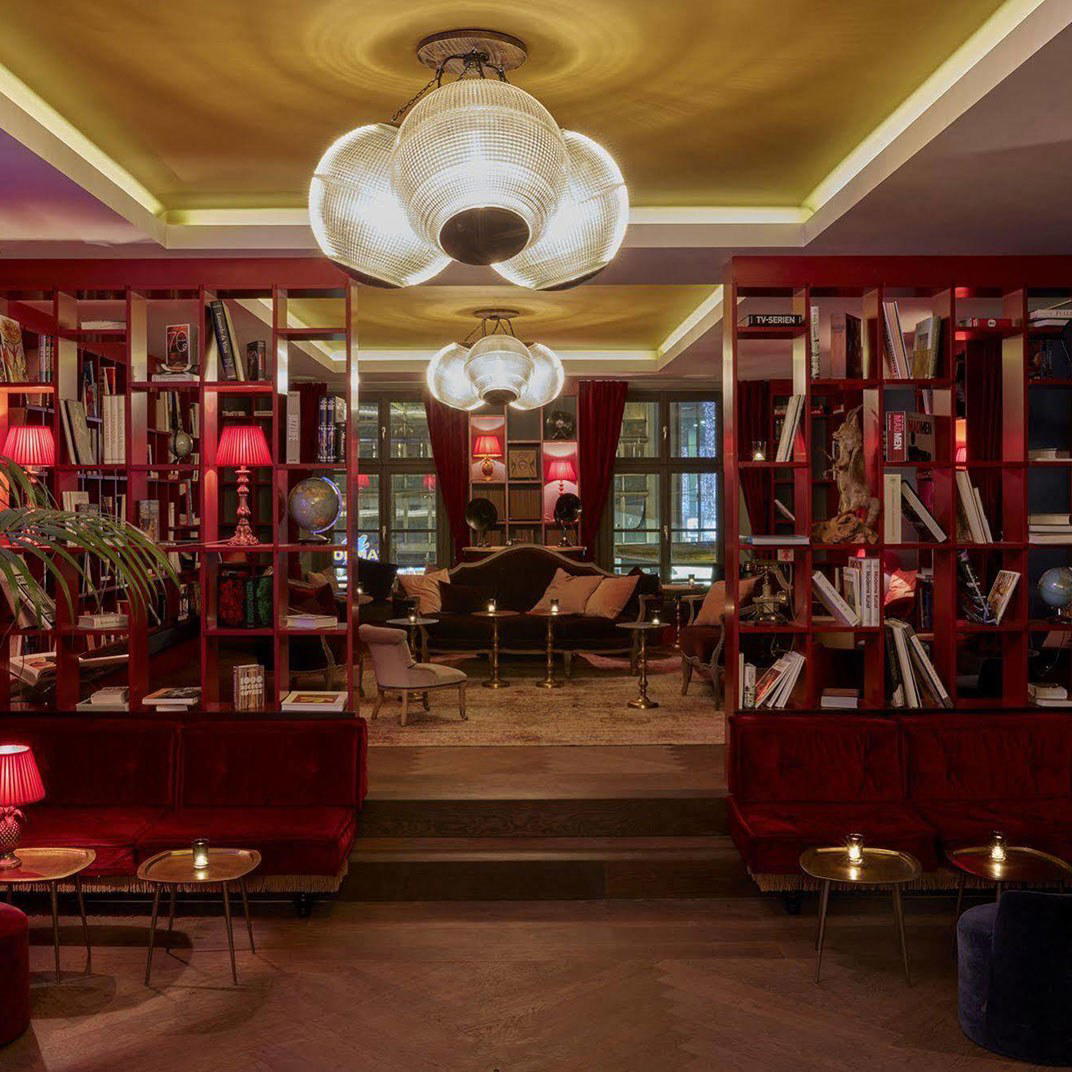
Casual and cozy with modern Lebanese-influenced decor and a lively, welcoming atmosphere.