
1 Michelin Star · The Best Chef One Knife
Our verdict
Coda on Witthayu Road sits inside Bangkok's tasting-menu tier but prices a notch below the city's Michelin-starred Thai contemporary set. Chef Tap Supasit Kokpol draws on a decade working in Australian kitchens to reframe regional Thai ingredients through modern technique, served in a high-ceilinged room that keeps the focus on the food. Dinner runs Wednesday through Sunday, with lunch added on Friday, Saturday, and Sunday.

Pearl is the En Primeur Club membership app, where members save venues, book tables and use the concierge.
A Room That Sets the Pace
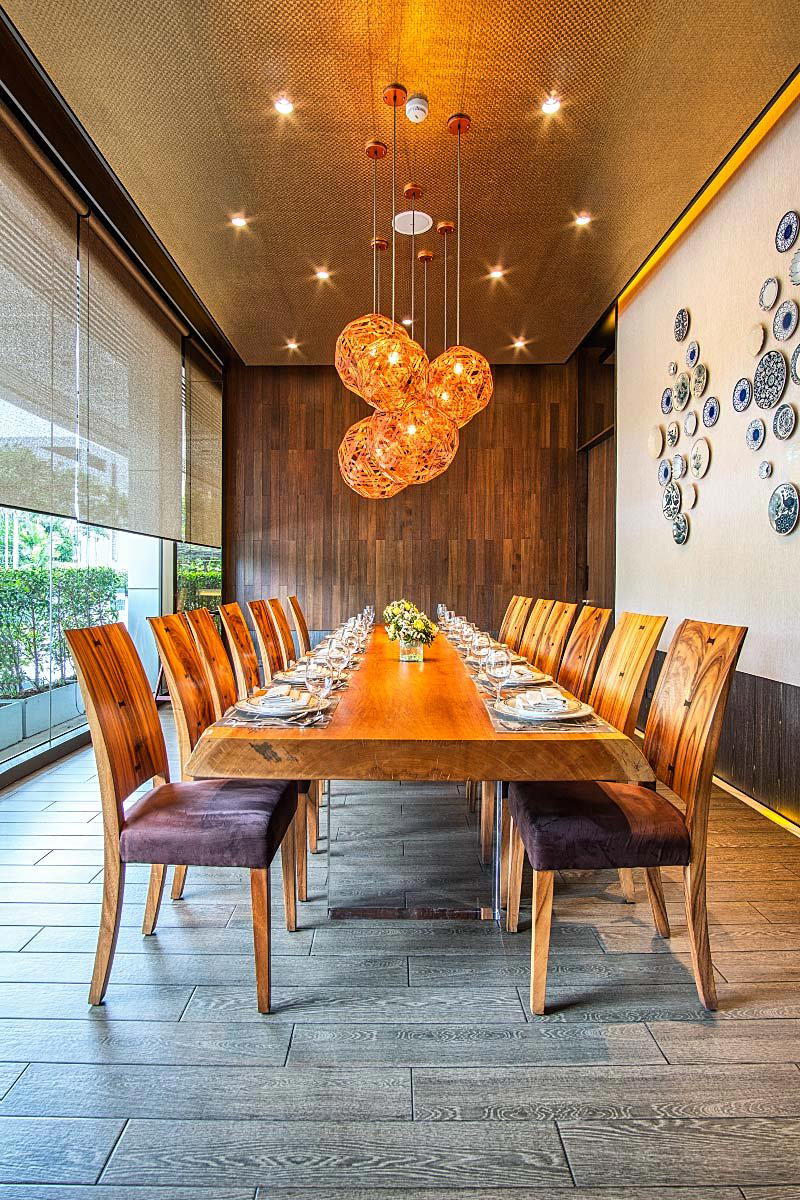
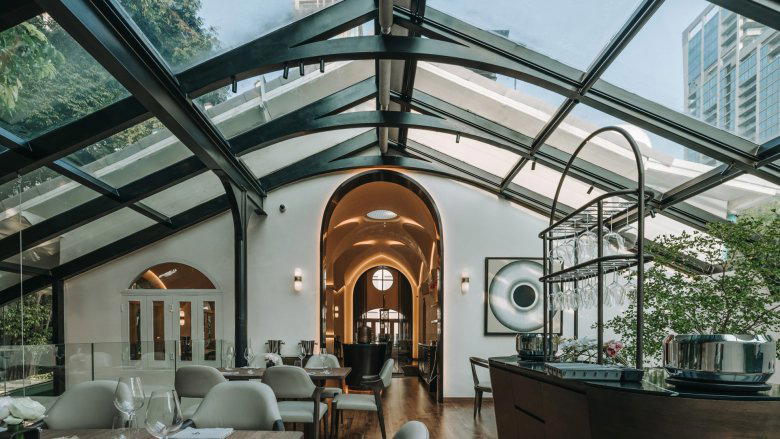
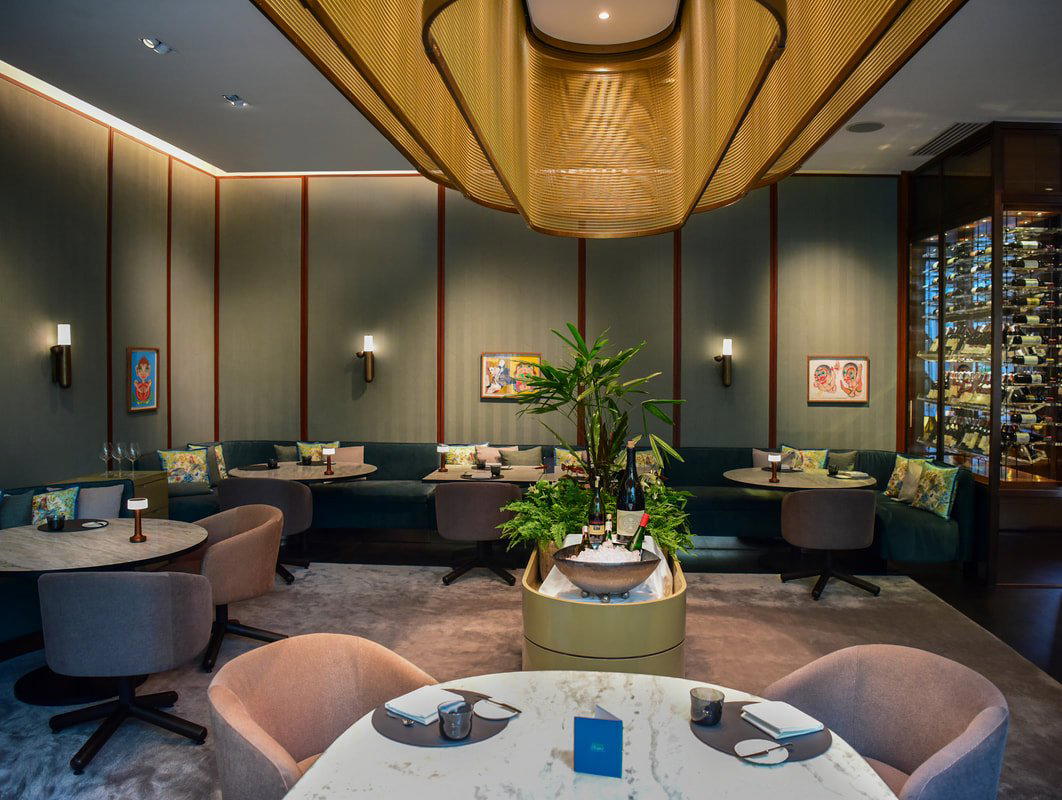
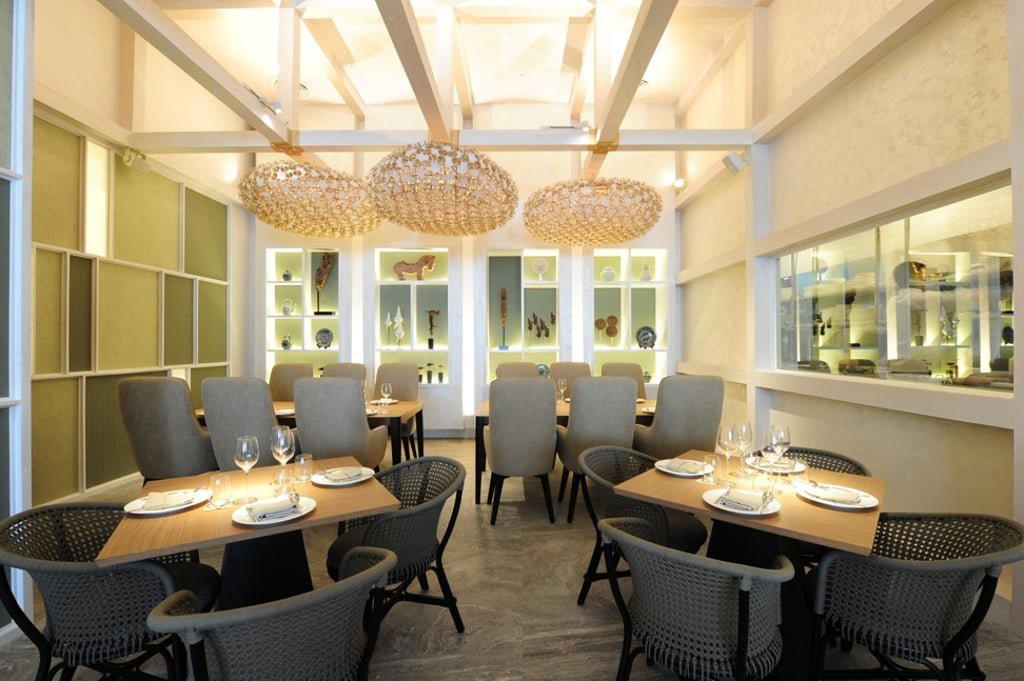
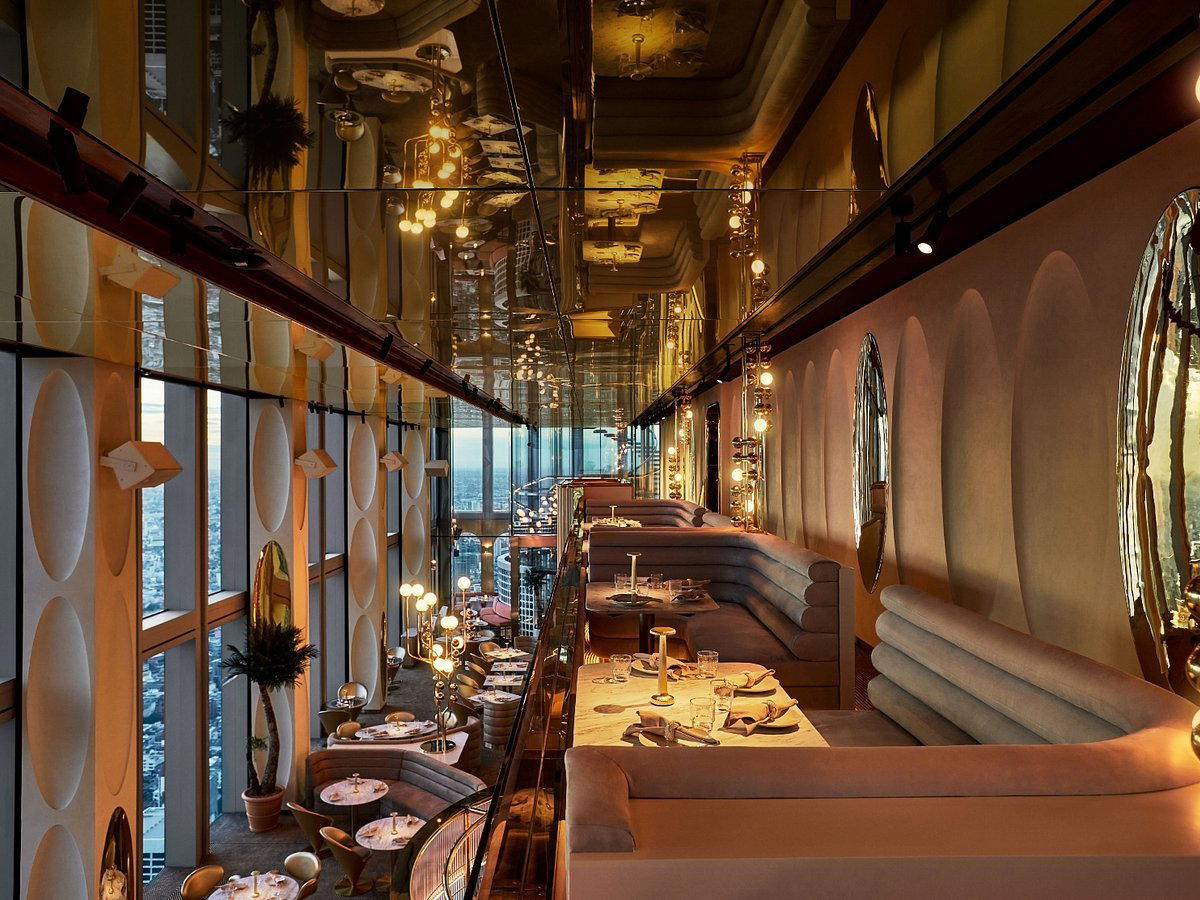
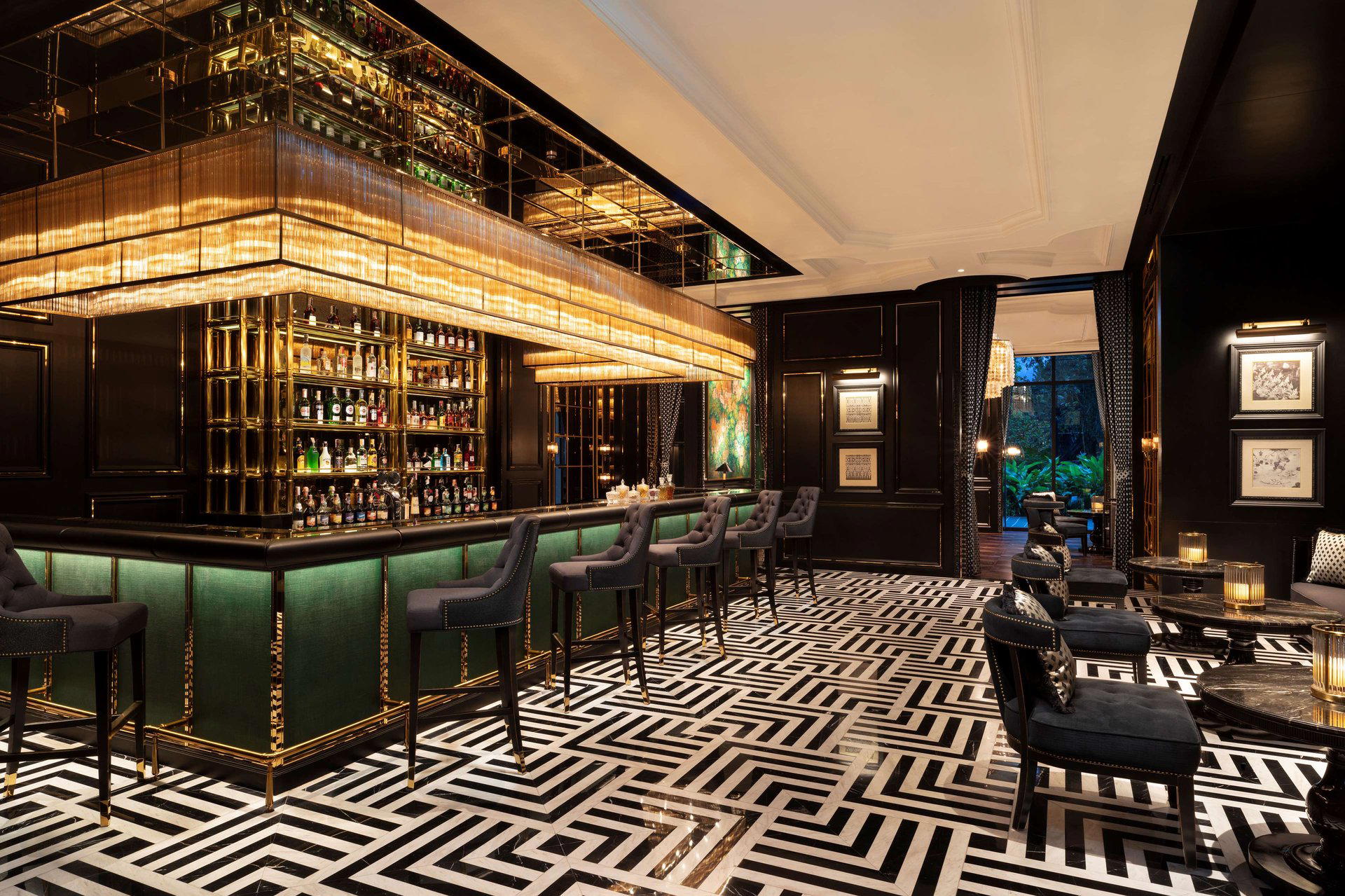
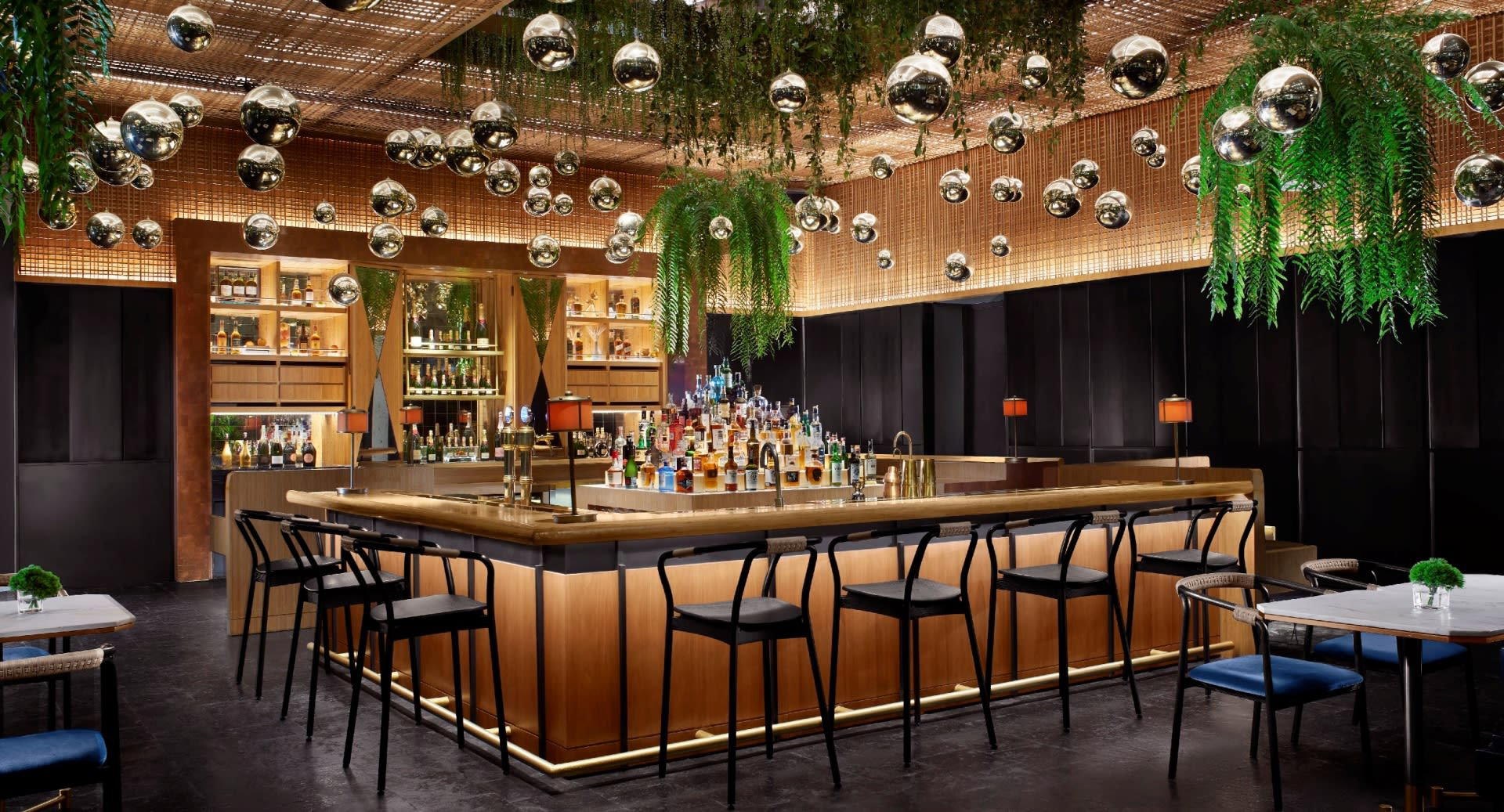
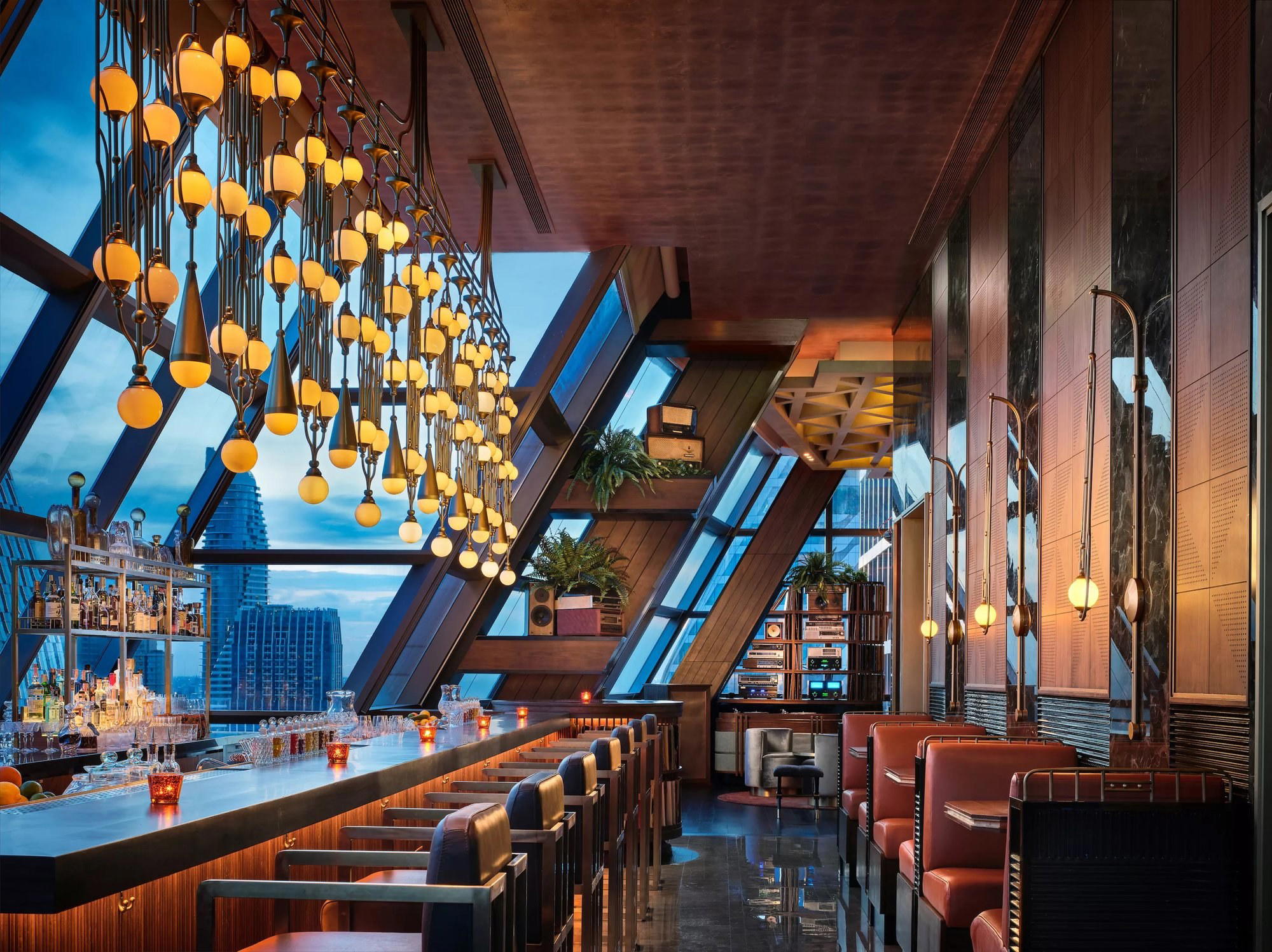
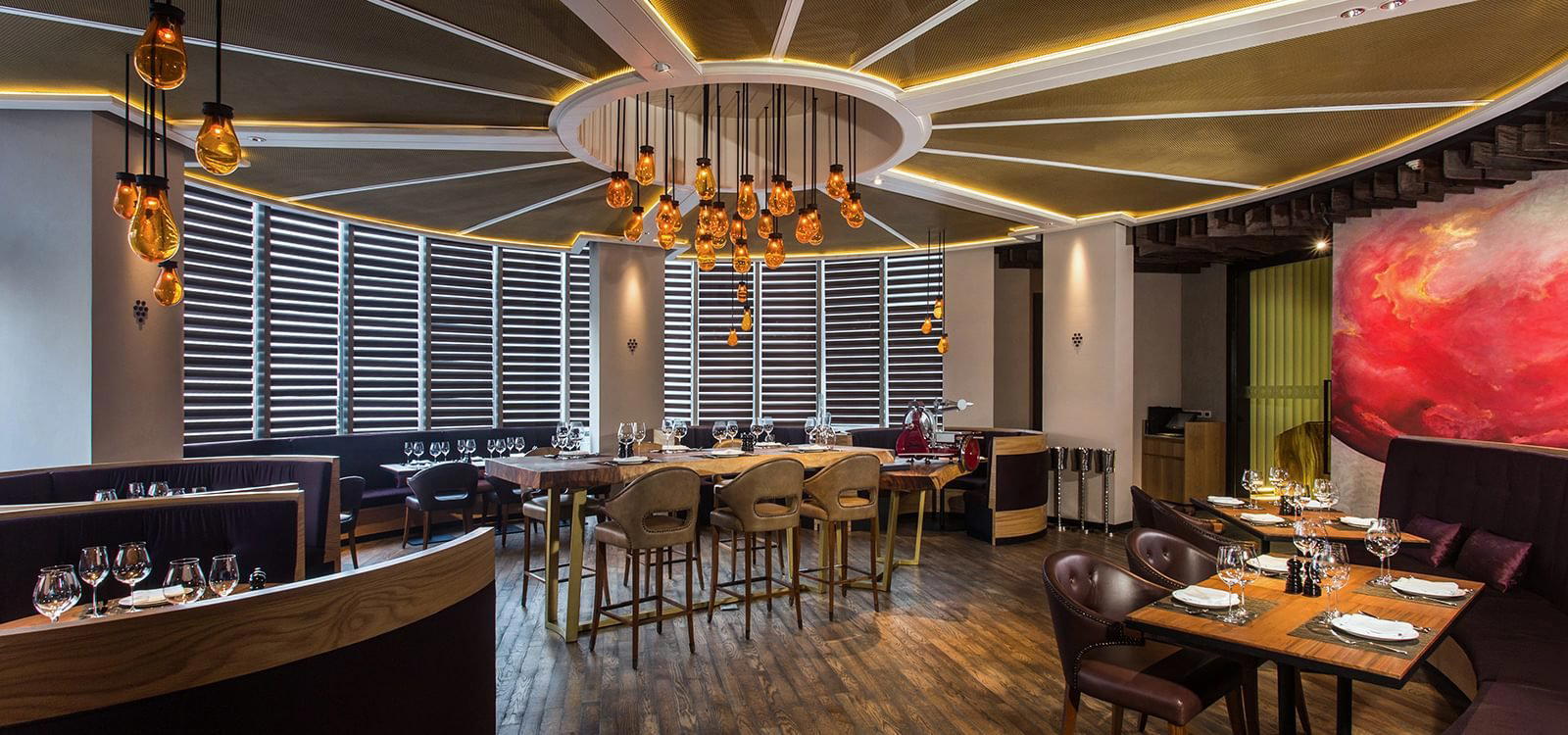
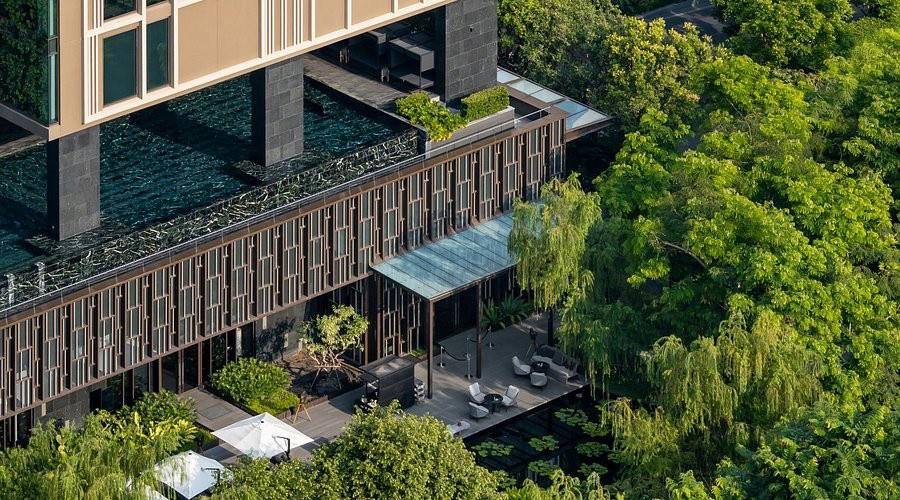
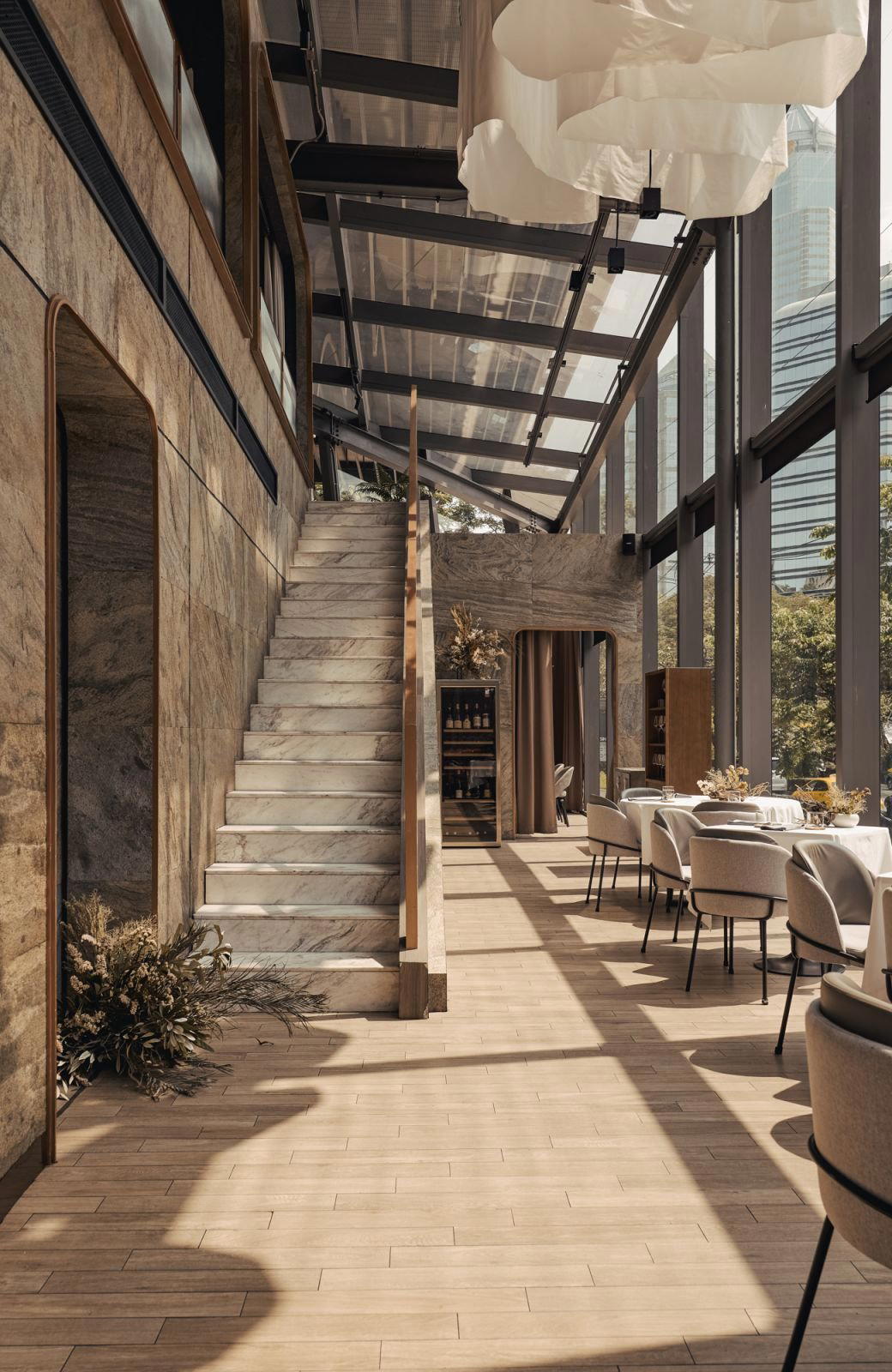
The high-ceilinged dining room on Witthayu Road signals its intentions before the first dish arrives. Space in Bangkok's tasting-menu category tends toward one of two registers: intimate and compressed, or deliberately airy and spare. Coda belongs to the second group. The room's proportions create a quietness that is less about silence than about focus, the kind of environment where conversation drops into lower registers and attention gradually shifts toward the table. That shift is not incidental. It is how a tasting-menu ritual is meant to begin, and the architecture does the work before the kitchen does.
Bangkok has accumulated a serious cluster of tasting-menu restaurants over the past decade, several of which carry Michelin recognition. Coda sits at ฿฿฿ against comparators like Sorn (three Michelin stars, ฿฿฿฿) and Baan Tepa (two Michelin stars, ฿฿฿฿), which means it occupies a distinct price position in a category that otherwise skews toward premium-tier spend. For diners who want the tasting-menu format and a kitchen seriously engaged with Thai regional cuisine, that price differential matters.
The Ritual of a Concise Menu
Bangkok's higher-end Thai contemporary restaurants have generally moved toward concise tasting formats rather than long, multi-chapter menus. The reasoning is sound: Thai cuisine at its most precise involves layered seasoning built from fermented pastes, aromatics, and fish sauce-based foundations that require patience and calibration. A shorter menu allows those elements to register individually rather than blurring across a dozen courses. Coda follows that discipline, presenting a tasting menu that keeps each section purposeful.
The pacing of a Thai contemporary tasting menu carries its own logic. Unlike French tasting formats where the progression is largely flavour-weight based (light to heavy, cool to warm), Thai menus must also account for the interplay of chilli heat, acidity, and sweetness across courses without any single element dominating. Getting that balance right across a concise sequence is harder than it looks, and it is what separates kitchens genuinely fluent in regional Thai cooking from those applying modern plating to familiar recipes. Chef Tap Supasit Kokpol's decade-long stint in Australian kitchens informs his technical approach, but the reference points on the plate are distinctly Thai regional, grounded in a cooking tradition that goes considerably deeper than Bangkok's central cuisine.
Regulars at Coda tend to order across the full tasting menu rather than selecting from it piecemeal, which is how the kitchen intends the meal to be experienced. The sequence is structured to build, and fragmenting it loses the internal logic the chef has constructed. If you are bringing someone unfamiliar with Thai contemporary dining, the concise format makes that an easier entry point than the longer, more elaborate menus at Michelin-starred peers like Gaa or Côte by Mauro Colagreco, both of which operate at higher price points and carry the formality that Michelin recognition tends to bring with it.
Regional Thai as the Organising Principle
Thai cuisine outside Bangkok has long been poorly understood internationally, and even within the city, regional cooking traditions tend to appear either in their most casual form (market stalls, provincial shophouses) or, increasingly, in fine-dining reframings that risk intellectualising their way past the original. The productive middle ground is a kitchen that takes regional ingredients and techniques seriously without treating them as museum pieces. That is the editorial position Coda occupies in Bangkok's Thai contemporary tier.
The distinction matters because not all Thai contemporary restaurants are doing the same thing. Some are applying modern plating and tasting formats to dishes that are essentially classical Bangkok cuisine. Others, including Sorn at the highest level of the category, are archaeologically faithful to a specific regional tradition. Coda sits between those poles: regionally referenced but not regionally locked, shaped by an international technical vocabulary that comes from genuine kitchen experience abroad rather than from aesthetic borrowing.
Thailand's regional cooking traditions extend well beyond Bangkok. Serious kitchens are exploring those traditions across the country now. AKKEE in Pak Kret, PRU in Phuket, and Aeeen in Chiang Mai each represent a different regional inflection of the same broader movement. Bangkok's version of this conversation, which Coda participates in, tends to be more cosmopolitan, absorbing techniques and framing from the international kitchens that many Thai chefs have passed through before returning home.
The Australian Kitchen Decade in Context
Several of Bangkok's stronger Thai contemporary chefs developed their technical foundations outside Thailand, typically in Europe or Australia, before returning to apply those skills to local ingredients and regional traditions. This pattern now appears frequently enough to constitute a recognisable career trajectory in the city's serious dining tier. The Australian path in particular has produced chefs with strong foundations in produce-driven cooking, clean flavour extraction, and the kind of menu discipline that long tasting formats require.
What distinguishes the more thoughtful examples of this trajectory is that the international experience functions as technique, not as identity. The food at kitchens like Coda is not fusion in the casual sense; it is Thai regional cooking filtered through a precise technical lens. The difference shows up in texture, temperature, and seasoning calibration, not in menu descriptions or plating aesthetics. Diners who have eaten across Bangkok's tasting-menu category will notice the gap between kitchens that are technically fluent and those still resolving the relationship between their training and their ingredients.
For further context on how Bangkok's fine-dining scene compares to international tasting-menu formats, Le Bernardin in New York City and Atomix in New York City offer useful points of comparison in terms of format discipline and menu architecture, even across entirely different culinary traditions.
Planning the Visit
Coda operates dinner service Monday through Sunday from 6 PM to 11 PM, with lunch added on Friday, Saturday, and Sunday from noon to 3 PM. The weekday dinner-only schedule makes it a practical choice for business travellers who need flexibility at midday. The Witthayu Road address places the restaurant in Lumphini, a central Bangkok district that is well-connected to the Silom and Ploenchit corridors and accessible from most major hotel clusters without the traffic complexity of the older inner-city neighbourhoods.
Within Bangkok's Thai contemporary category, the ฿฿฿ price position puts Coda in a different planning calculus than its ฿฿฿฿ peers. A meal here is a considered spend rather than a special-occasion one, which changes how it fits into a multi-day dining itinerary. If your Bangkok trip includes one formal splurge at a Michelin-starred Thai contemporary table, supplementing it with a dinner at Coda gives you two different takes on the same culinary conversation without the budget requiring two flagship spends. Alternatively, for diners exploring Bangkok's Thai contemporary tier for the first time, Coda provides a structurally clear entry point before moving up to the more elaborate formats at Baan Tepa or Sorn.
For broader trip planning, EP Club's guides to Bangkok restaurants, Bangkok hotels, Bangkok bars, Bangkok wineries, and Bangkok experiences cover the full city in the same editorial register. If Coda's regional Thai focus has you thinking about the cuisine beyond the capital, the guides to Angeum in Ayutthaya, The Spa in Lamai Beach, and Agave in Ubon Ratchathani map the wider Thai dining picture. And within Bangkok's meat-focused contemporary tier, GOAT represents a different angle on the city's modern cooking conversation.
What Regulars Order
What do regulars order at Coda?
Regulars at Coda follow the full tasting menu as constructed rather than selecting individual items. The menu is designed as a sequence, and the seasoning logic, particularly the management of chilli heat and acidity across courses, only functions when eaten in order. Chef Tap Supasit Kokpol's approach to regional Thai cuisine is built around the cumulative experience of the meal, so arriving with a specific dish in mind misreads how the kitchen works. The better approach is to note any dietary restrictions at booking and let the sequence run. The kitchen's track record with regional Thai ingredients and its international technical foundation are the consistent draws that bring guests back.
Frequently asked questions
What type of food is Coda known for?
What days is Coda closed?
Hours at Coda: Monday 6 PM-11 PM Tuesday 6 PM-11 PM Wednesday 6 PM-11 PM Thursday 6 PM-11 PM Friday 12 PM-3 PM 6 PM-11 PM Saturday 12 PM-3 PM 6 PM-11 PM Sunday 12 PM-3 PM 6 PM-11 PM.
Is Coda Michelin-listed?
Coda has received recognition including: With 10 years of experience working in Australia, the chef seamlessly blends his international perspective with a deep love for his homeland as he crafts the menu. His culinary philosophy celebrates the essence of regional Thai cuisine whil….
What do regulars order at Coda?
Coda runs a concise tasting menu rather than an à la carte list, so the format guides the meal rather than individual dish selection. The menu is built around regional Thai cooking traditions interpreted through modern technique, a direction Chef Tap Supasit Kokpol developed during ten years working in Australian kitchens. Returning guests tend to track how specific regional references shift across visits, since the focused format allows the kitchen to rotate dishes more deliberately than a sprawling menu would permit.
What part of town is Coda in?
Coda is located at 130-132 Witthayu Rd, Lumphini, Pathum Wan, Bangkok 10330, Thailand, Bangkok.
Who runs the kitchen at Coda?
The chef associated with Coda is Tap Supasit Kokpol.
In Context: Similar Options
| Venue | Cuisine | Price | Awards | Notes |
|---|---|---|---|---|
| CodaThis venue (the venue you are viewing) | Modern Thai Fine Dining | $100–150 | 1 Michelin Star · The Best Chef One Knife | Not listed |
| Sorn | Fine Southern Thai | $200–300 | 3 Michelin Stars · World's 50 Best #12 | Southern Thai, ฿฿฿฿ |
| Côte by Mauro Colagreco | Riviera Mediterranean Fine Dining | $200–300 | 2 Michelin Stars · World's 50 Best #91 | Mediterranean, Modern Cuisine, ฿฿฿฿ |
| Baan Tepa | Creative Thai Fine Dining | $150–200 | 2 Michelin Stars · World's 50 Best #53 | Thai contemporary, ฿฿฿฿ |
| Gaa | Modern Indian Fine Dining with Thai Influences | $150–200 | 2 Michelin Stars · World's 50 Best #95 | Modern Indian, Indian, ฿฿฿฿ |
| Sühring | Modern German Fine Dining | $200–300 | 3 Michelin Stars · World's 50 Best #18 | German, ฿฿฿฿ |
Recognition history
Dated appearances from independent guides and award organizations, with the underlying list record or original source where available.
Michelin 1 Star
Michelin
The Best Chef One Knife
The Best Chef
Full recognition history (3 entries)
Michelin 1 Star
Michelin