Our verdict
Along the quieter residential stretch of Zhongshan North Road in Taipei's Zhongshan District, COAST occupies a lane address that positions it firmly within the neighbourhood's emerging fine-dining corridor. The venue sits a short distance from the tree-lined streets and gallery spaces that define this part of the city, drawing a crowd that tends to know exactly why it made the reservation.

Pearl is the En Primeur Club membership app, where members save venues, book tables and use the concierge.
Zhongshan's Lane Addresses and What They Signal
Taipei's Zhongshan District has developed a particular dining grammar over the past decade. The main boulevard carries the department stores and hotel lobbies; the real action migrates into the lanes. Lane 39 off Section 2 of Zhongshan North Road places COAST in that second tier of discovery, the kind of address that filters out the casual and rewards those who sought it deliberately. This is not an accident of real estate. In Zhongshan, a lane address tends to correlate with a certain operational seriousness: smaller footprints, tighter menus, kitchens that are not trying to absorb the overflow from a passing tourist crowd.
The neighbourhood itself has become one of Taipei's more interesting dining precincts precisely because of this layering. Within a short radius, Taïrroir has built a case for Taiwanese contemporary cuisine at the four-dollar-sign tier, while L'Atelier de Joël Robuchon Taipei anchors a global French reference point. COAST occupies its own coordinate within that map, drawing on the area's appetite for considered dining without replicating what its neighbours are doing. Understanding what COAST is requires understanding the district it has chosen to be part of.
The Physical Approach and What It Tells You
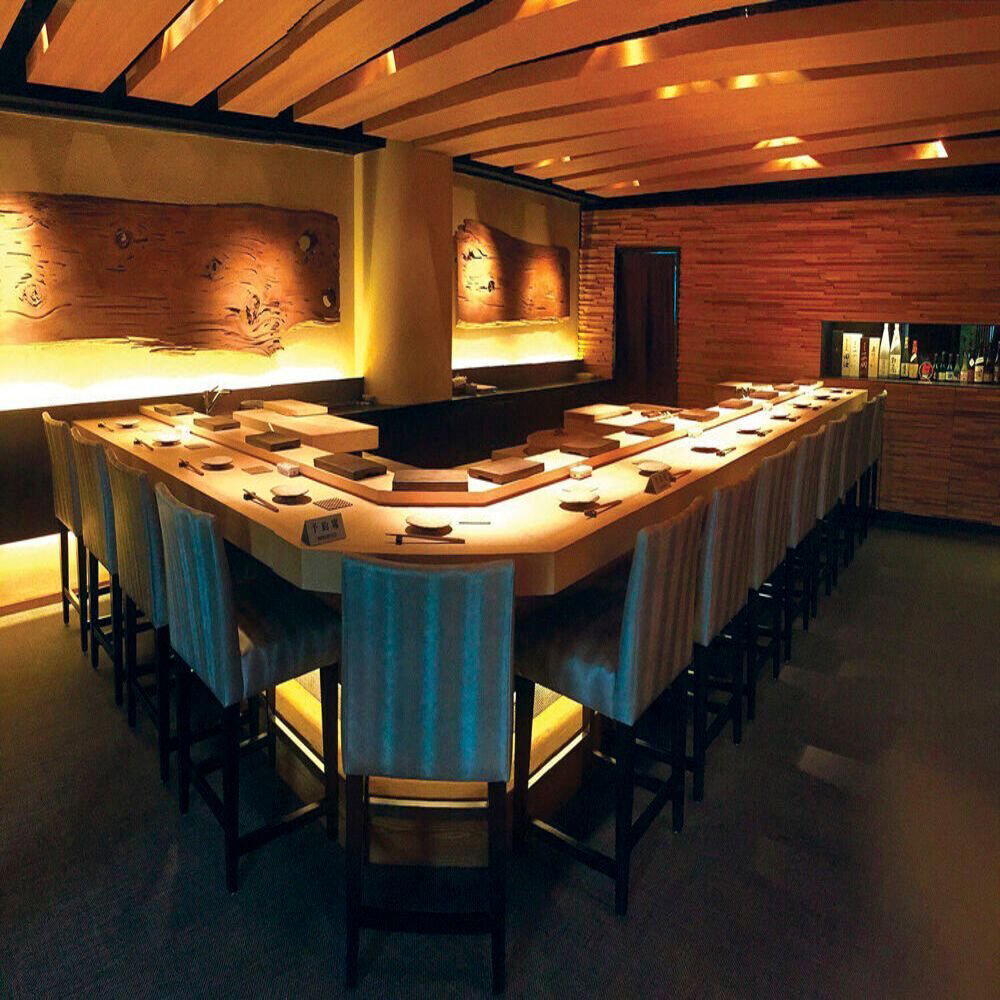
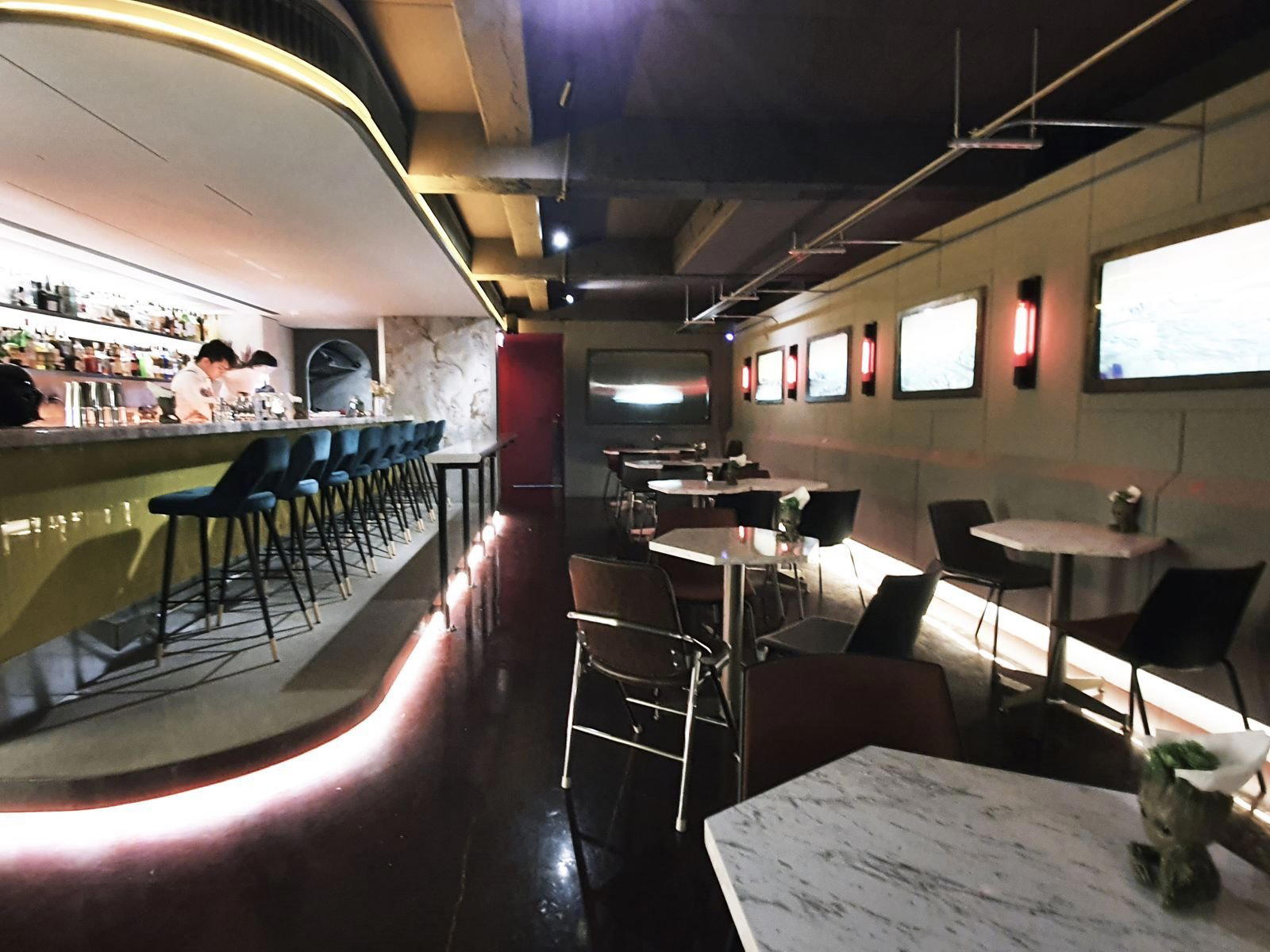
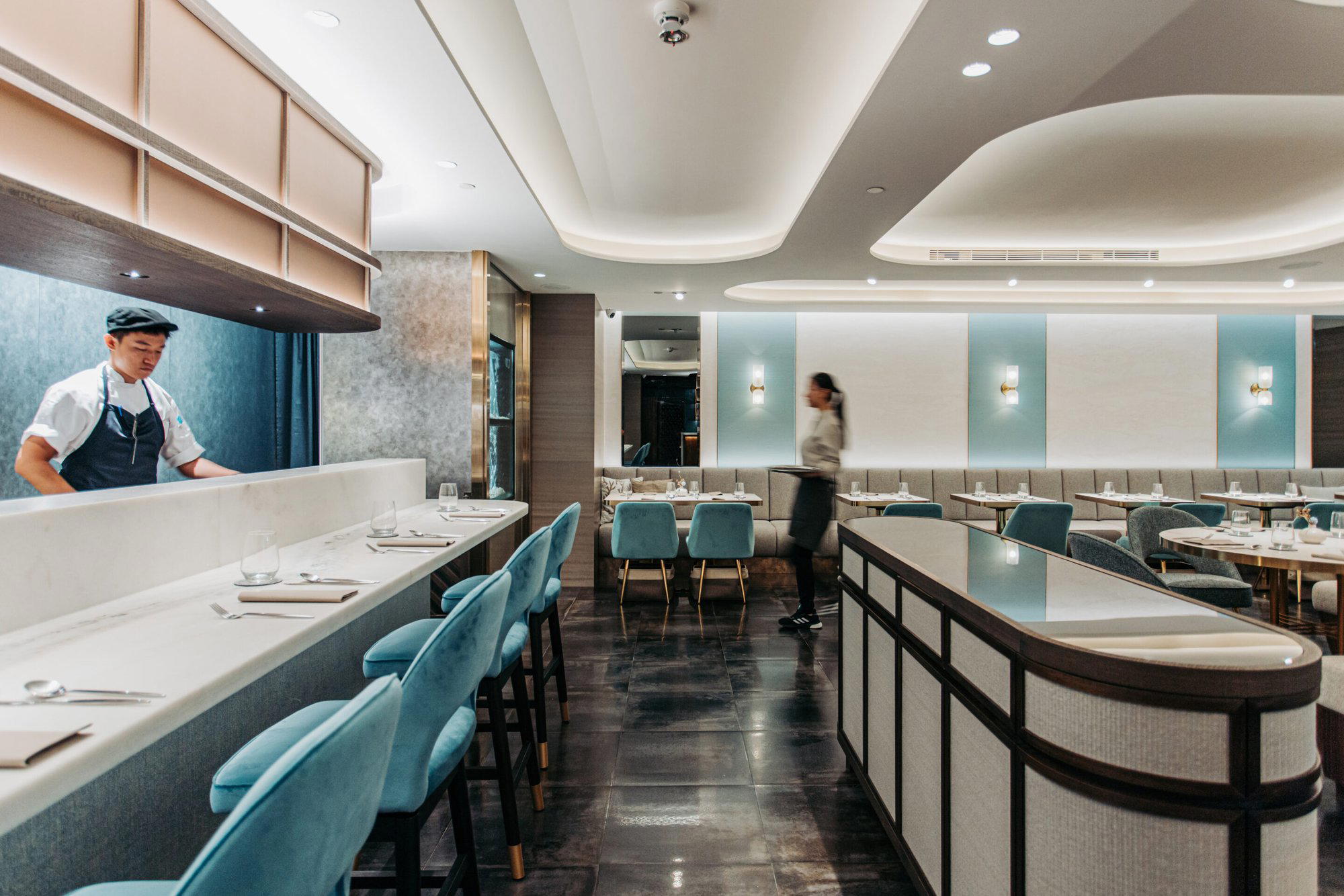
Arriving at a basement-level address on a Taipei lane puts you in a particular state of attention. The city above continues at its usual pace, scooters, night-market noise a few blocks east, the soft hum of the MRT corridor, but below street level, the acoustic register shifts. Basement dining rooms in Taipei tend toward one of two modes: the dense and convivial, or the contained and deliberate. The address on Lane 39 suggests the latter. The approach itself becomes part of the calibration process, a physical cue that the meal will require a certain kind of presence from the diner.
This structural logic is not unique to COAST. Across Taipei's premium dining tier, venues have learned to use architecture as editorial. logy, operating in a similarly considered format, positions its counter experience around the same kind of deliberate spatial intimacy. Molino de Urdániz does something comparable with its Spanish contemporary program. The city's top-tier dining has moved well beyond the grand hotel dining room as its dominant format, and lane-level basement addresses have become one of its more credible alternatives.
Zhongshan's Broader Fine-Dining Context
Taiwan's restaurant scene rewards geographic reading. The island's culinary ambition does not sit only in Taipei: JL Studio in Taichung has built international recognition around a Southeast Asian-inflected tasting format, Amei in Tainan anchors a different kind of Taiwanese culinary tradition, and Akame in Wutai Township has drawn serious attention for its Indigenous-ingredient program. But Taipei remains the highest-density market for the kind of format COAST appears to occupy: intimate, address-specific, drawing on a diner base that tracks reservations carefully.
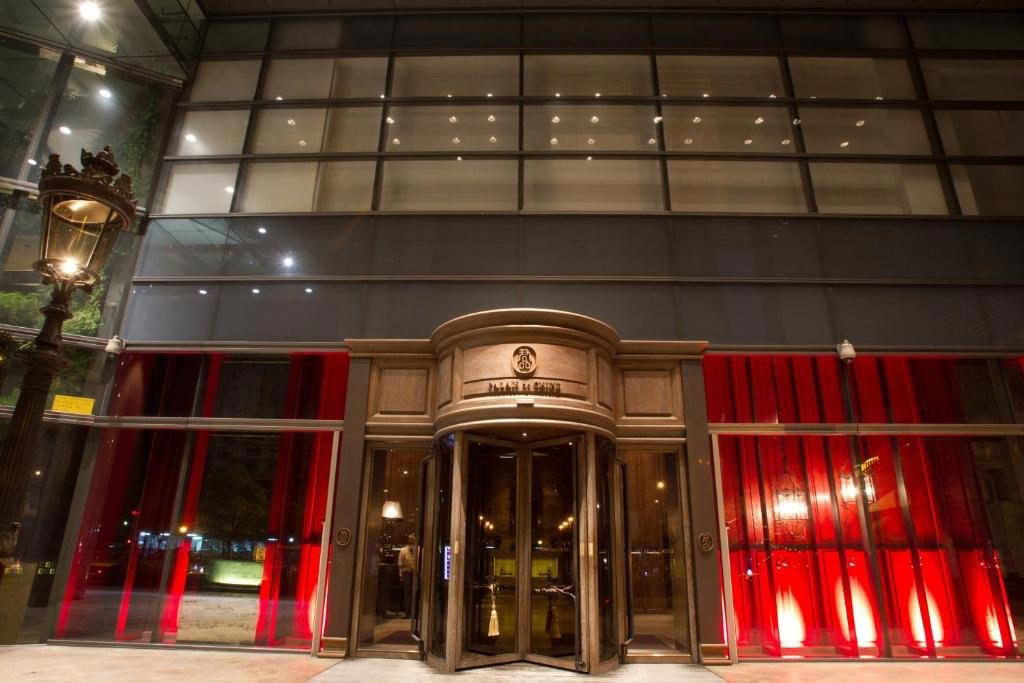
Within that Taipei market, Zhongshan competes with Da'an and Songshan as the district most associated with considered dining. Le Palais represents the Cantonese formal tradition at the Palais de Chine Hotel end of the spectrum. COAST, positioned in a lane rather than a hotel lobby, is part of a different movement: the decoupling of premium dining from hotel infrastructure that has accelerated across Asian cities over the past several years. Comparable dynamics have played out in cities like Seoul, Tokyo, and Singapore, where chef-led independent rooms have progressively displaced the hotel dining room as the aspirational reference point.
What COAST Represents in Its Category
COAST's address, district, and physical configuration place it in a category that Taipei's informed dining public understands: the specialist room that rewards advance planning. Whether the format is omakase-adjacent, a tasting menu with regional sourcing, or something else entirely, the lane address in Zhongshan signals an operation that is not calibrated for walk-ins or casual throughput.
Internationally, the analogues for this format are places like Lazy Bear in San Francisco, where the ticketed, intimate format redefined how a certain kind of diner thinks about booking, or Le Bernardin in New York City, which has maintained a particular format discipline over decades. The point is not that COAST is directly comparable to either, the scale and contexts differ enormously, but that the restaurant world has developed a recognisable grammar for the kind of venue that prioritises format integrity over volume, and COAST's physical coordinates read as consistent with that grammar.
Taipei diners looking beyond the obvious Michelin-tracked rooms might also consider the island's regional spread: GEN in Kaohsiung, Shen Yen in Yilan, Chi Yuan in New Taipei, Bebu in Hsinchu County, and Dongmen Rice Noodle Soup in Hsinchu City represent the breadth of serious eating across the island. For those combining a Taipei visit with broader Taiwan travel, Volando Urai Spring Spa and Resort in Wulai District and Abura Yakiniku in Taichung City extend the map further. Our full Taipei restaurants guide provides the broader framework for planning a serious eating itinerary across the city.
Planning a Visit
COAST sits at 3F B2, Lane 39, Section 2, Zhongshan North Road, in Taipei's Zhongshan District, a short walk from the Zhongshan MRT station on the Red Line, which connects directly to Taipei Main Station and the broader metro network. The lane address means it is not a venue you will stumble across; arriving with the address confirmed in advance is advisable. Contact and booking details are best confirmed through current third-party reservation platforms, as direct booking information is not publicly listed. Given the format signals, basement level, lane address, Zhongshan's fine-dining density, reservations are the expected mode of arrival rather than walk-in.
Frequently asked questions
Where is COAST located?
COAST is located at 10491, Taiwan, Taipei City, Zhongshan District, Lane 39, Section 2, Zhongshan N Rd, 3èB2, Taipei.
Is COAST in Taipei close to public transport, and how do I find the entrance?
COAST sits on Lane 39, Section 2, Zhongshan North Road, a short walk from Zhongshan Station on the Red Line (MRT). The address designator 3F B2 indicates a sub-street-level entrance, which in Taipei's lane system means the approach involves leaving the main boulevard and reading building signage carefully. Arriving with the full address in Chinese characters will help significantly.
What do people recommend at COAST?
The address, 3F B2, Lane 39, Section 2, Zhongshan North Road, places it in a Taipei corridor where focused, format-driven experiences are the norm.
Is COAST reservation-only?
Basement-level lane addresses in Taipei's Zhongshan District, particularly those without listed phone numbers or websites, typically operate on a reservation basis rather than walk-in. Contacting the venue through its social presence or a hotel concierge in Zhongshan is the most reliable approach.
Cuisine and Credentials
Comparable venues nearby, for context on price, style, and recognition.
| Venue | Cuisine | Price | Awards | Notes |
|---|---|---|---|---|
| COASTThis venue (the venue you are viewing) | Modern Coastal Cuisine | $50–100 | Not listed | Not listed |
| 合. Shabu | Luxury Japanese Shabu-Shabu | $50–100 | Not listed | Xinyi District |
| 鮨 香 | Edomae Omakase Sushi | $150–200 | Michelin Plate | Juye |
| Really Good Seafood | Taiwanese Seafood | $100–150 | Michelin Plate | Renci |
| 養心殿精緻鍋物 | Refined Taiwanese Hot Pot | $30–50 | Not listed | Da'an District |
| 三井 Cuisine M | Refined Japanese Kaiseki | $100–150 | Not listed | Xinyi District |
Recognition history
Dated appearances from independent guides and award organizations, with the underlying list record or original source where available.
Opinionated About Dining Top Restaurants in Asia Recommended
Opinionated About Dining