On Calle de Toledo in Madrid's Centro district, Chun Li occupies a stretch of the city where Chinese-Spanish dining has evolved well beyond the generic. With limited public-facing data and a low profile that rewards those who seek it out, it sits in a different tier from the capital's high-visibility restaurant circuit, closer to a neighbourhood institution than a destination play.
Pearl is the En Primeur Club membership app — saves, bookings, and concierge access live there. Same editors, same standards.
- Address
- C. de Toledo, 28B, Centro, 28005 Madrid, Spain
- Phone
- +34912428517
- Website
- gyozaschunli.com
- Directions
- Get directions
 Saves & bookings on Pearl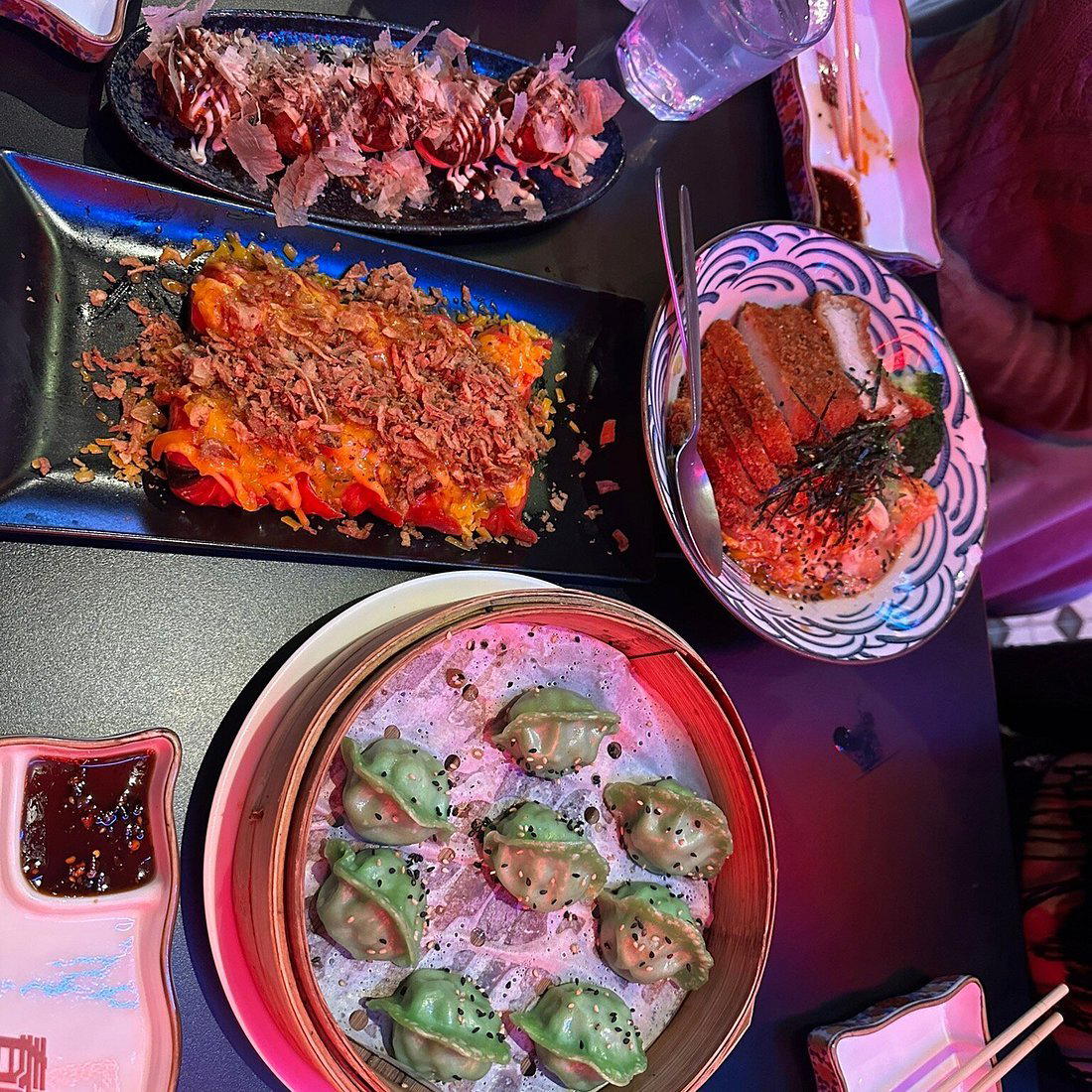
Calle de Toledo and the Quiet Side of Madrid's Asian Dining Scene
Madrid's restaurant conversation is dominated by the city's creative Spanish kitchens, DiverXO, Coque, Deessa, operations with Michelin hardware and international press coverage. The quieter truth is that the capital's most interesting eating often happens on streets that those conversations skip entirely. Calle de Toledo, running south from the Plaza Mayor through the Centro district, is one of those streets. It belongs to a part of the city that moves at a different pace: older storefronts, working-class lunch trade, and a restaurant population that has never particularly needed press to stay full.
Chun Li sits at number 28B on that street. The address alone is a positioning statement. This is not the Salamanca dining corridor, not the curated terrace scene of Malasaña, and not the tourist-facing perimeter of the Puerta del Sol. Centro's Calle de Toledo is a neighbourhood artery, and the restaurants along it answer to a local clientele first. That dynamic shapes everything about what to expect: the pricing logic, the service register, the absence of a bookable digital presence that would otherwise telegraph ambition to a broader audience.
Chinese Dining in Madrid: The Tier Below the Radar
Spain's Chinese restaurant scene has historically been underdiscussed relative to its size. Madrid alone supports hundreds of Chinese-operated restaurants across a wide range of styles and regional Chinese cooking traditions, yet the city's food criticism infrastructure has given the category a fraction of the attention it receives in, say, London or Paris. The result is a category where quality and reputation circulate almost entirely through word of mouth.
This is not uniformly a disadvantage. Restaurants that operate without awards pressure often develop at their own tempo, building a core audience on consistency rather than event-driven peaks. The tradeoff is opacity for the outside visitor: the practical barrier to a first visit is higher than it would be at a venue with a booking engine and an Instagram grid.
For context, the high end of Madrid's creative dining, operations like DSTAgE or Paco Roncero, functions on tasting menus with wine pairing programs, sommeliers, and cellars curated to match progressive Spanish cuisine. Chun Li operates in a completely different register. The relevant comparable set is not three-Michelin-star Madrid; it is the neighbourhood Chinese dining circuit of Centro, where the criteria are regularity, familiarity, and honest cooking rather than formal credentialing.
What the Wine Question Actually Means Here
Framing any Chinese restaurant in Spain through the lens of cellar depth and sommelier curation is, frankly, a category mismatch in most cases, and Chun Li is no exception. The wine infrastructure that defines high-end Madrid dining, the kind found at Atrio in Cáceres with its documented cellar of tens of thousands of bottles, or at El Celler de Can Roca in Girona with its three-decade archive, belongs to a formal dining category that has little overlap with a Calle de Toledo neighbourhood restaurant.
The country's regional wine diversity, Rioja, Ribera del Duero, the Galician Albariños that pair more naturally with delicate seafood preparations, the younger natural wine producers emerging in Castilla-La Mancha, creates a more interesting ambient pairing environment than most visitors expect. Neighbourhood Chinese restaurants in Madrid will typically offer a short, functional list weighted toward Spanish production. The question is whether the list reflects any awareness of what actually works alongside the food. The broader expectation in this category is modest range at modest prices.
Spain's serious wine destinations are well outside this price tier. If wine programming is the primary lens, the relevant addresses are elsewhere in the country: Mugaritz in Errenteria, Martin Berasategui in Lasarte-Oria, or Azurmendi in Larrabetzu, all of which carry serious cellar programs alongside their tasting menus.
The Centro Dining Context
Centro is one of Madrid's most geographically central but editorially underrepresented dining zones. It lacks the self-conscious cool of Lavapiés directly to its east, and it lacks the polished density of Salamanca to the north. What it has is continuity: restaurants that have operated for years or decades without reinvention, serving a neighbourhood that values that stability. For a visitor staying centrally and looking for a meal that doesn't require a three-week advance booking or a tasting menu commitment, this part of the city is worth understanding on its own terms.
Calle de Toledo connects the city centre to the Latina district, passing through one of Madrid's older working-class commercial corridors. The restaurants here are not positioned for destination dining traffic. They work because the local population returns consistently. The restaurant occupies that role on this street: a presence absorbed into the neighbourhood's daily rhythm rather than extracted from it for external consumption.
For comparison, Madrid's higher-visibility creative restaurants, Quique Dacosta in Dénia, Aponiente in El Puerto de Santa María, Cocina Hermanos Torres in Barcelona, Ricard Camarena in València, all function with full digital infrastructure, booking systems, documented menus, and press records. They are easy to research and hard to get into. The restaurant is, in effect, the inverse: low-profile, accessible if you show up, and harder to evaluate from a desk.
Planning Your Visit
| Venue | Cuisine Tier | Price Range | Booking Requirement | Award Recognition |
|---|---|---|---|---|
| The restaurant | Neighbourhood Chinese, Centro | Not documented | Walk-in likely viable | None documented |
| DiverXO | Progressive Asian-Creative | €€€€ | Advance booking essential | 3 Michelin Stars |
| Coque | Spanish Creative | €€€€ | Advance booking essential | 2 Michelin Stars |
| Deessa | Modern Spanish Creative | €€€€ | Advance booking recommended | 1 Michelin Star |
See our full Madrid restaurants guide for broader context on the city's dining tiers, from neighbourhood staples to the formal creative circuit.
Comparable Venues
Comparable venues nearby, for context on price, style, and recognition.
| Venue | Cuisine | Price | Notes |
|---|---|---|---|
| Chun LiThis venue — the venue you are viewing | Modern Chinese Dumplings | $$ | Not listed |
| Nan Hotpot Madrid | Authentic Chinese Hotpot | $$ | Arapiles |
| Taberna del Alabardero Madrid | Traditional Basque Spanish Tapas & Fine Dining | $$ | Palacio |
| Desengaño13 | Mediterranean Fusion Tapas | $$ | Malasana |
| Maricastaña | Modern Spanish Fusion | $$ | Malasana |
| Café Tatiana | Casual Spanish Café | $$ | Malasana |
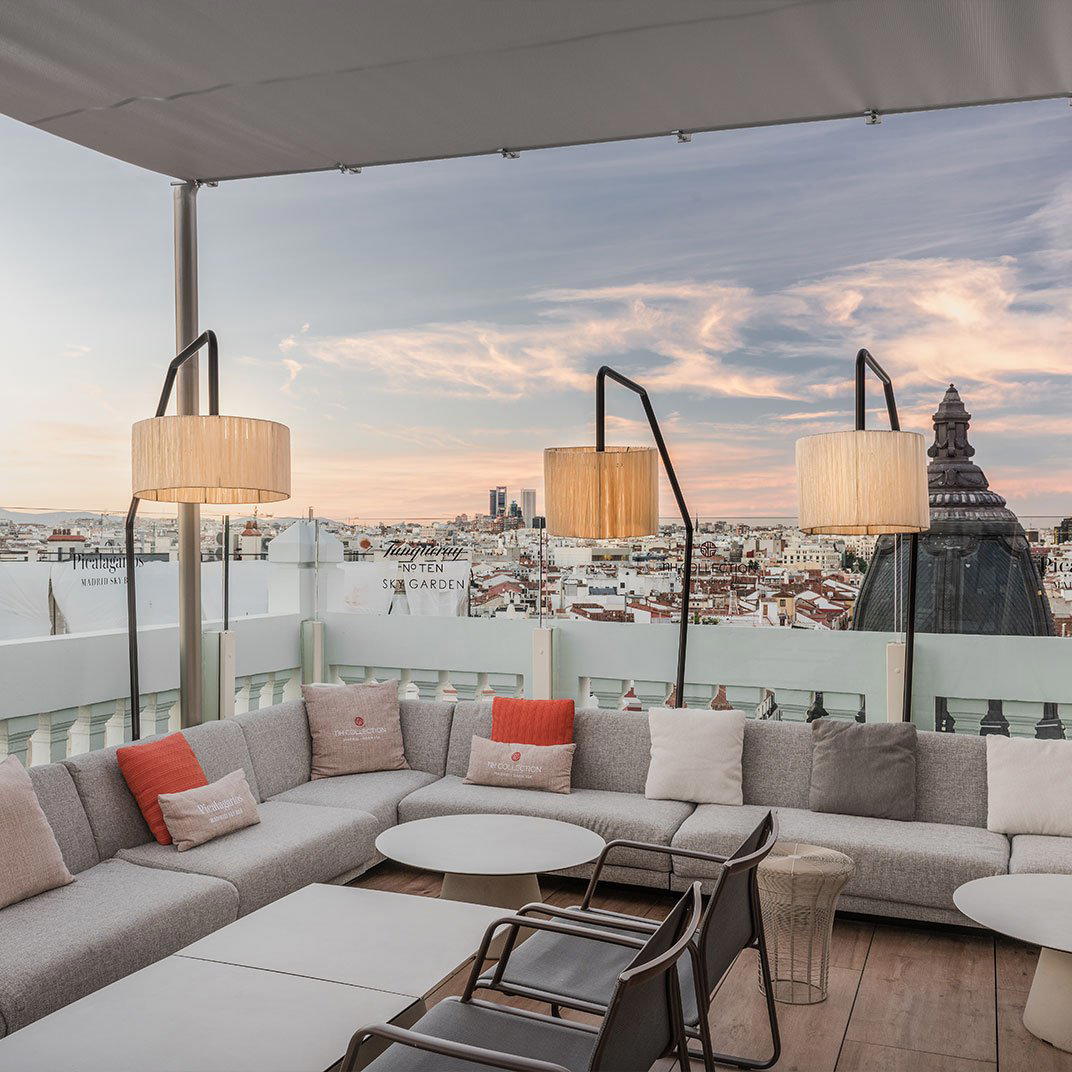
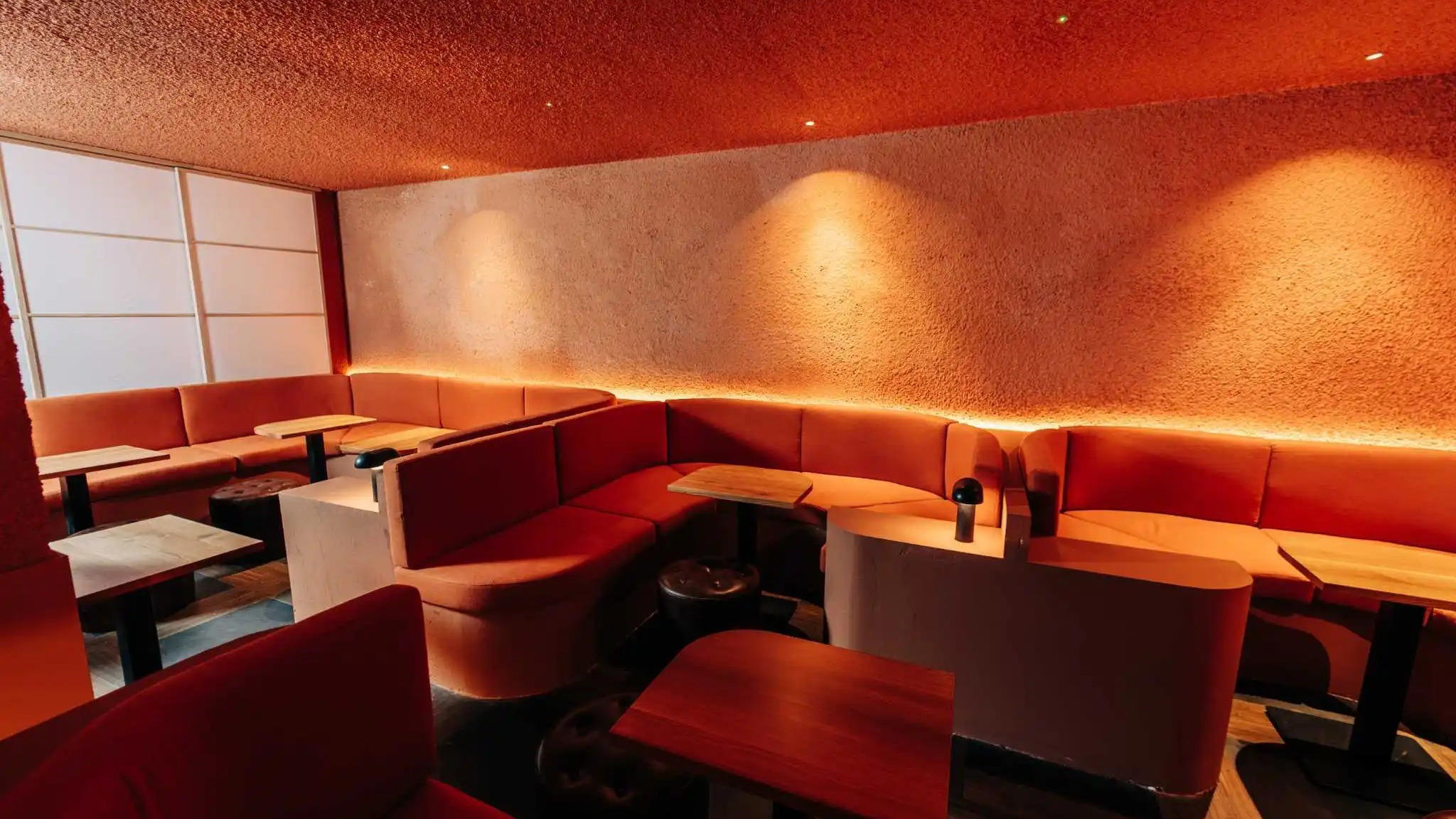
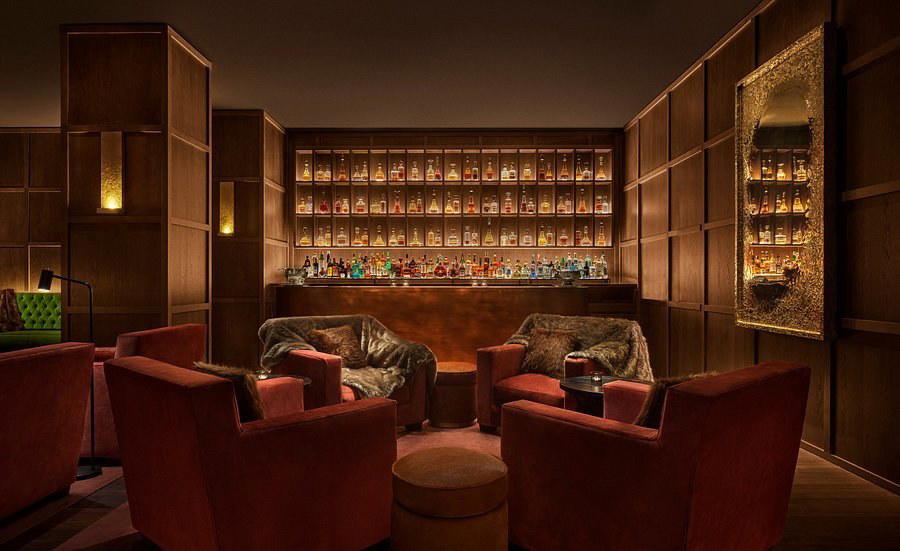
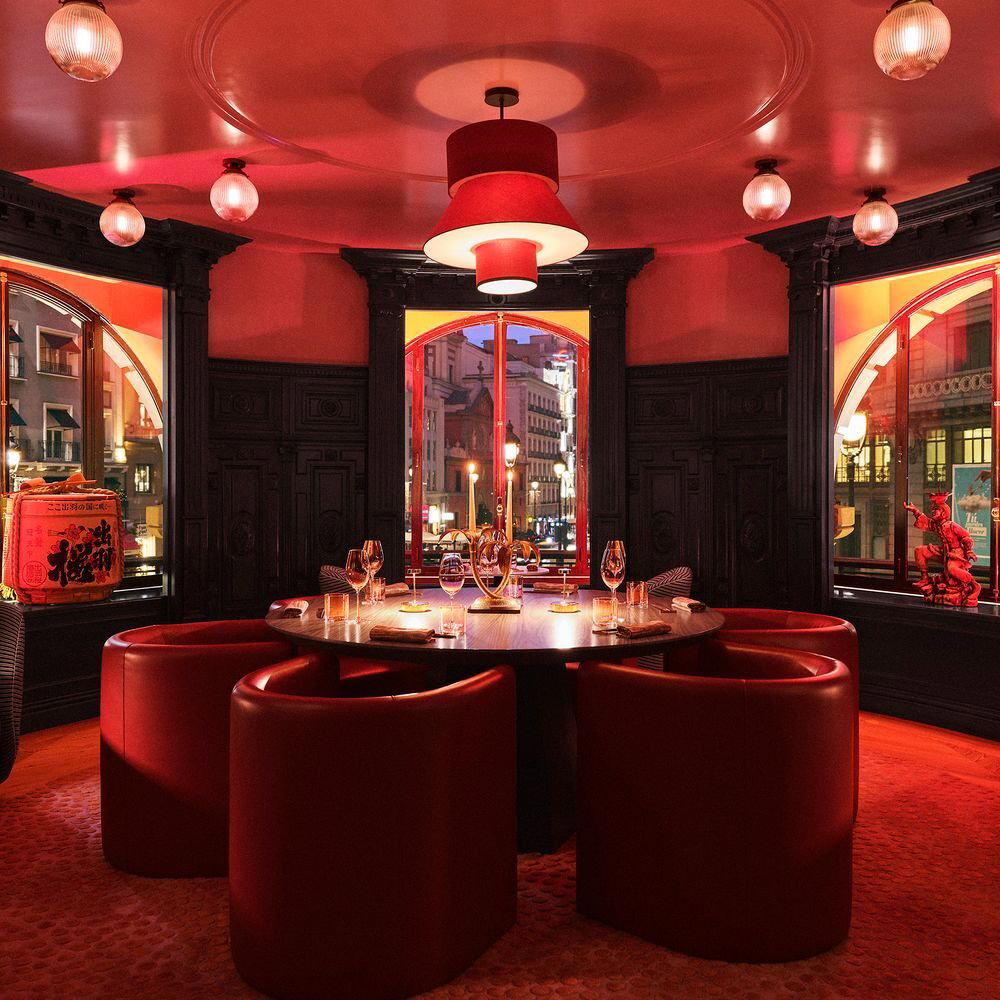

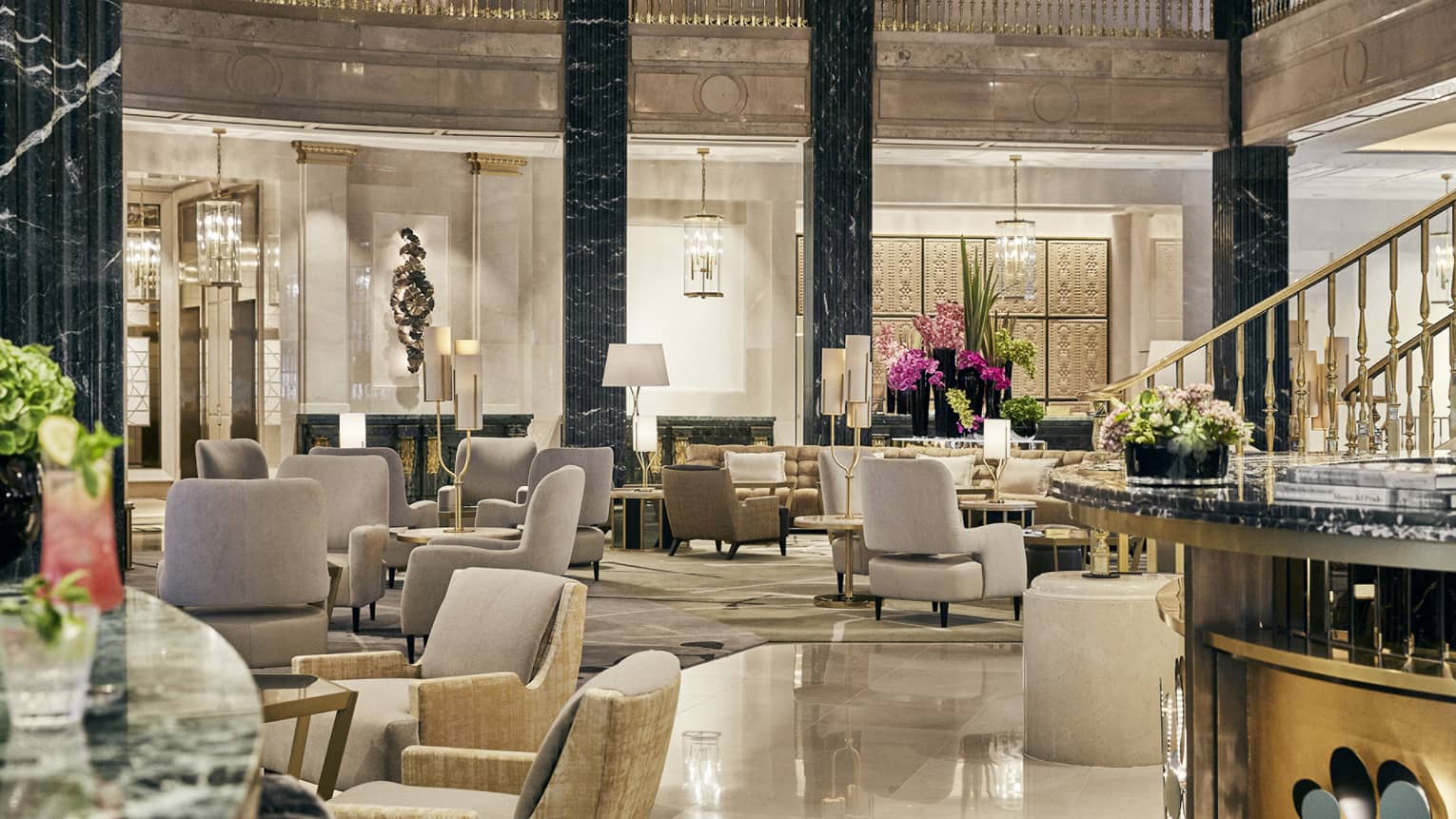
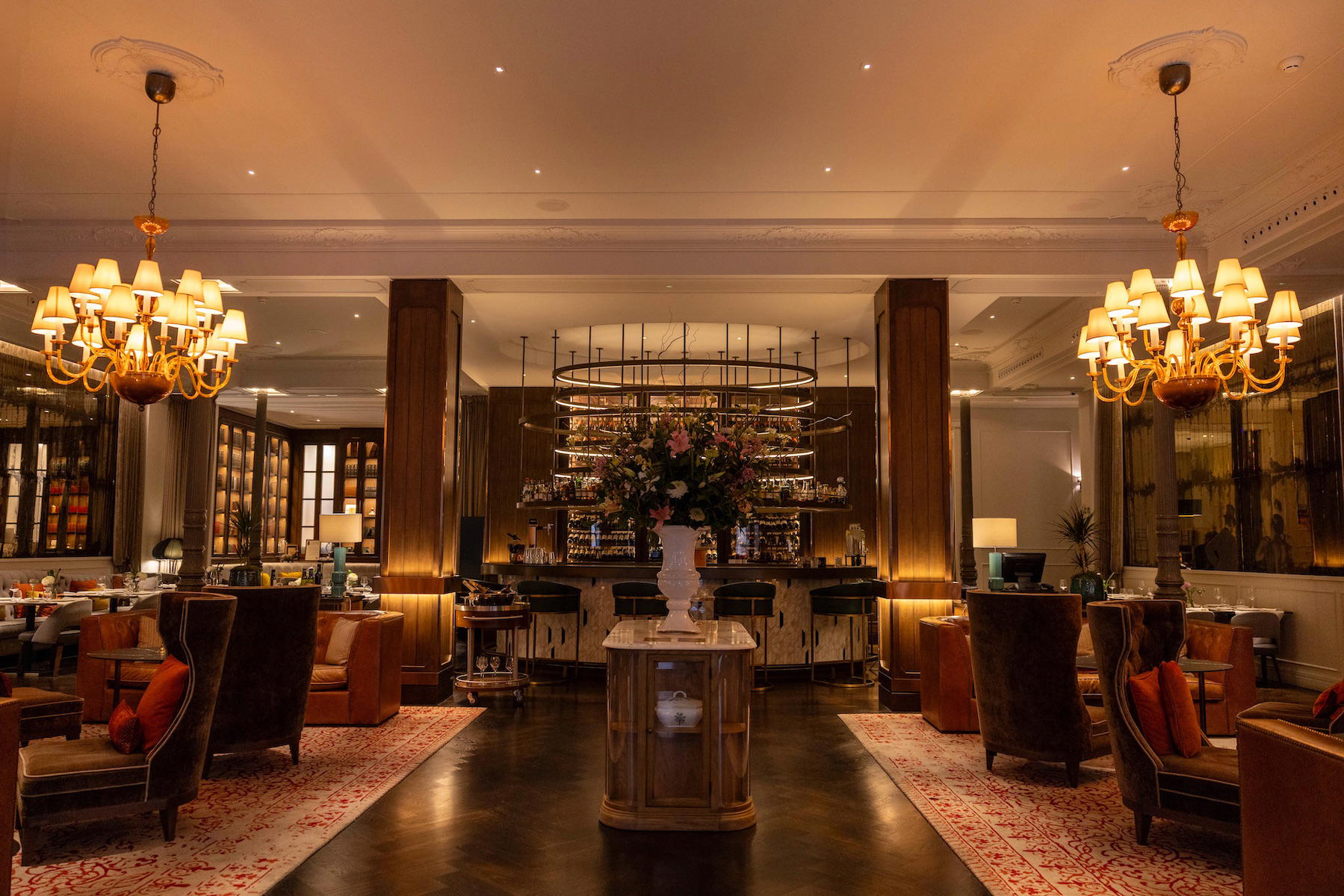
At a Glance
- Trendy
- Lively
- Modern
- Casual Hangout
- Group Dining
- Open Kitchen
Current opening hours
- Monday
- 1–4 PM, 8–11:30 PM
- Tuesday
- 1–4 PM, 8–11:30 PM
- Wednesday
- 1–4 PM, 8–11:30 PM
- Thursday
- 1–4 PM, 8–11:30 PM
- Friday
- 1–11:30 PM
- Saturday
- 1–11:30 PM
- Sunday
- 1–11:30 PM
Hours can change for holidays and private events. Last verified .
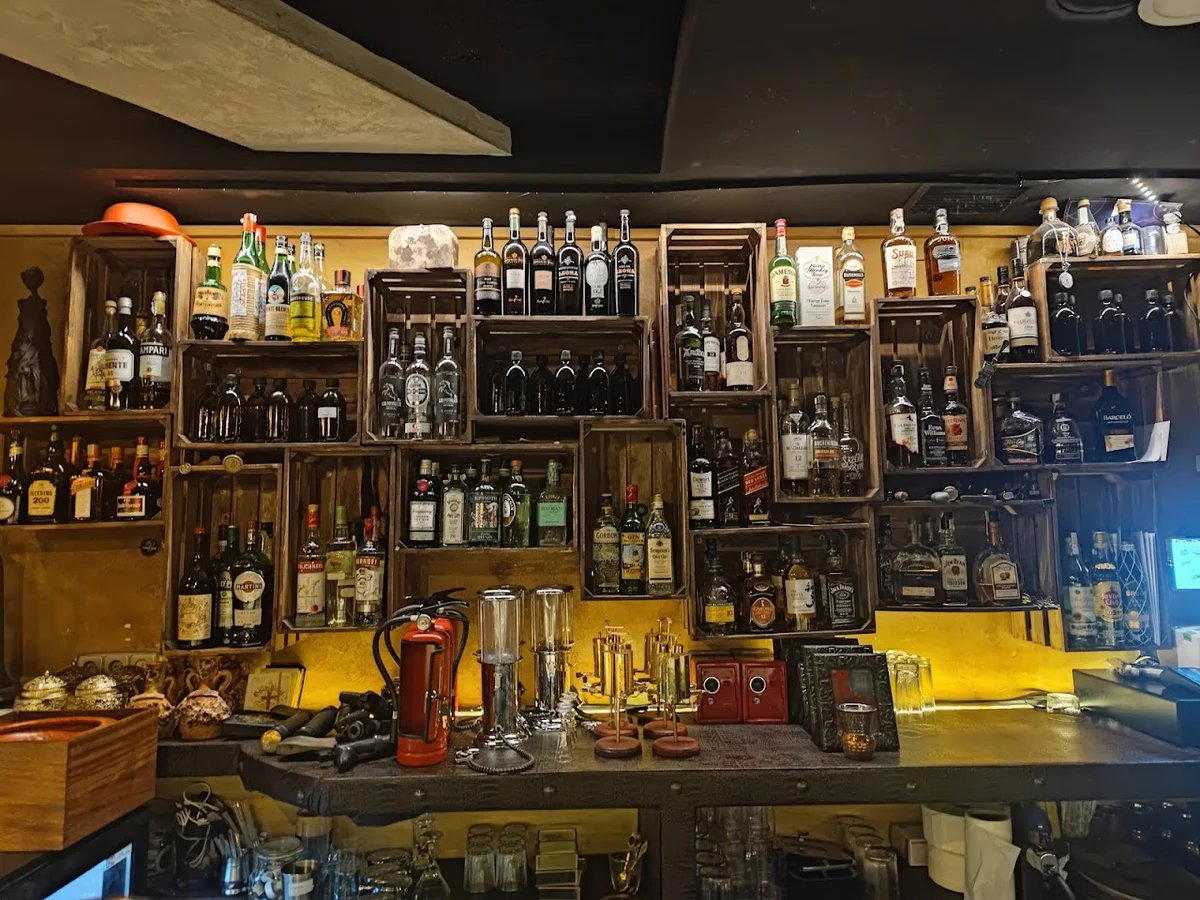
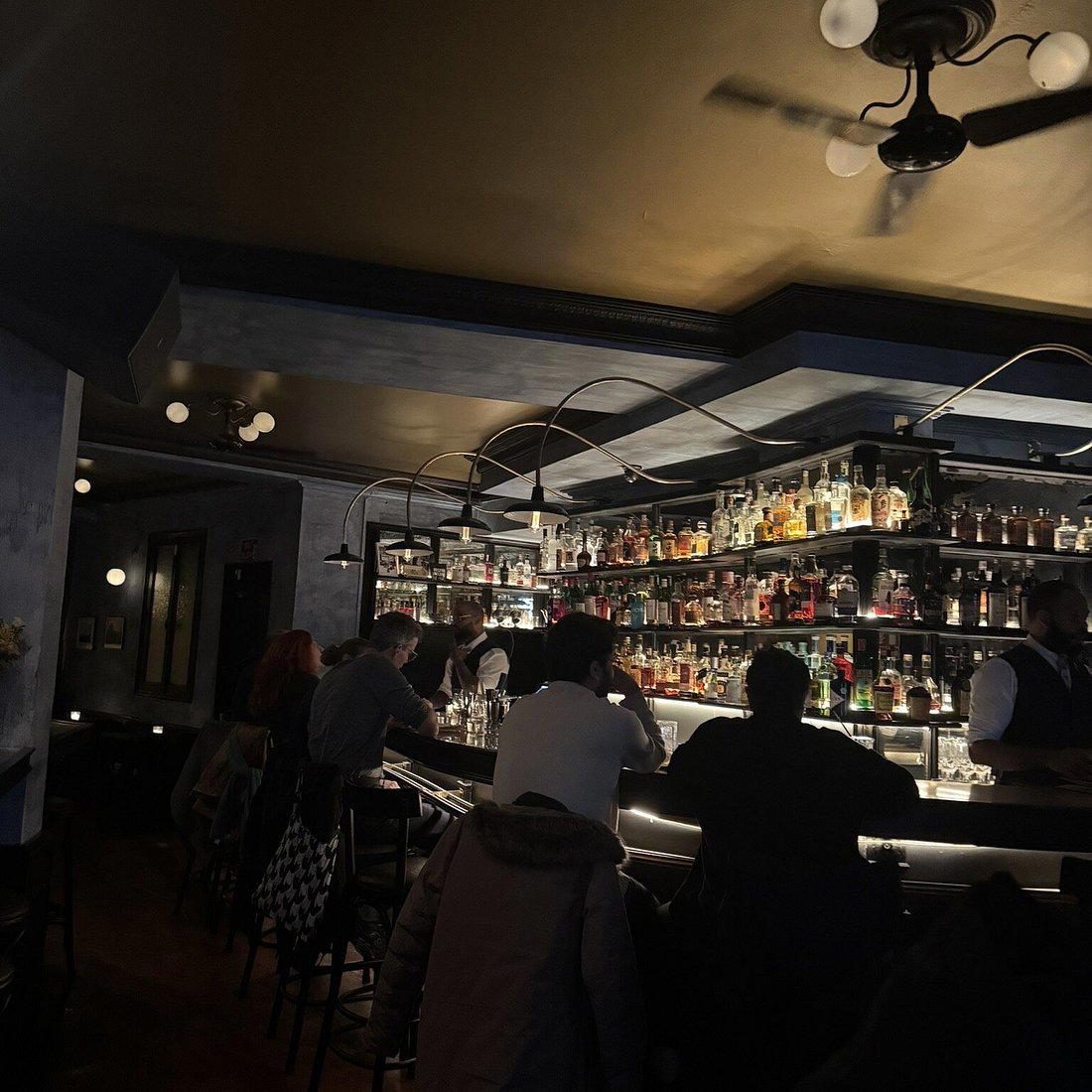
Casual and energetic atmosphere ideal for quick sharing plates with moderate noise levels.