On a street running through Madrid's Gran Vía corridor, Desengaño13 draws a clientele that returns rather than discovers. The address sits inside Centro's denser social fabric, where loyalty tends to outlast novelty. For those who measure a restaurant by the table it keeps rather than the press it courts, this is where the regulars are.
Pearl is the En Primeur Club membership app — saves, bookings, and concierge access live there. Same editors, same standards.
- Address
- C. del Desengaño, 13, Centro, 28004 Madrid, Spain
- Phone
- +34915328087
- Website
- desengano13.com
- Directions
- Get directions
 Saves & bookings on Pearl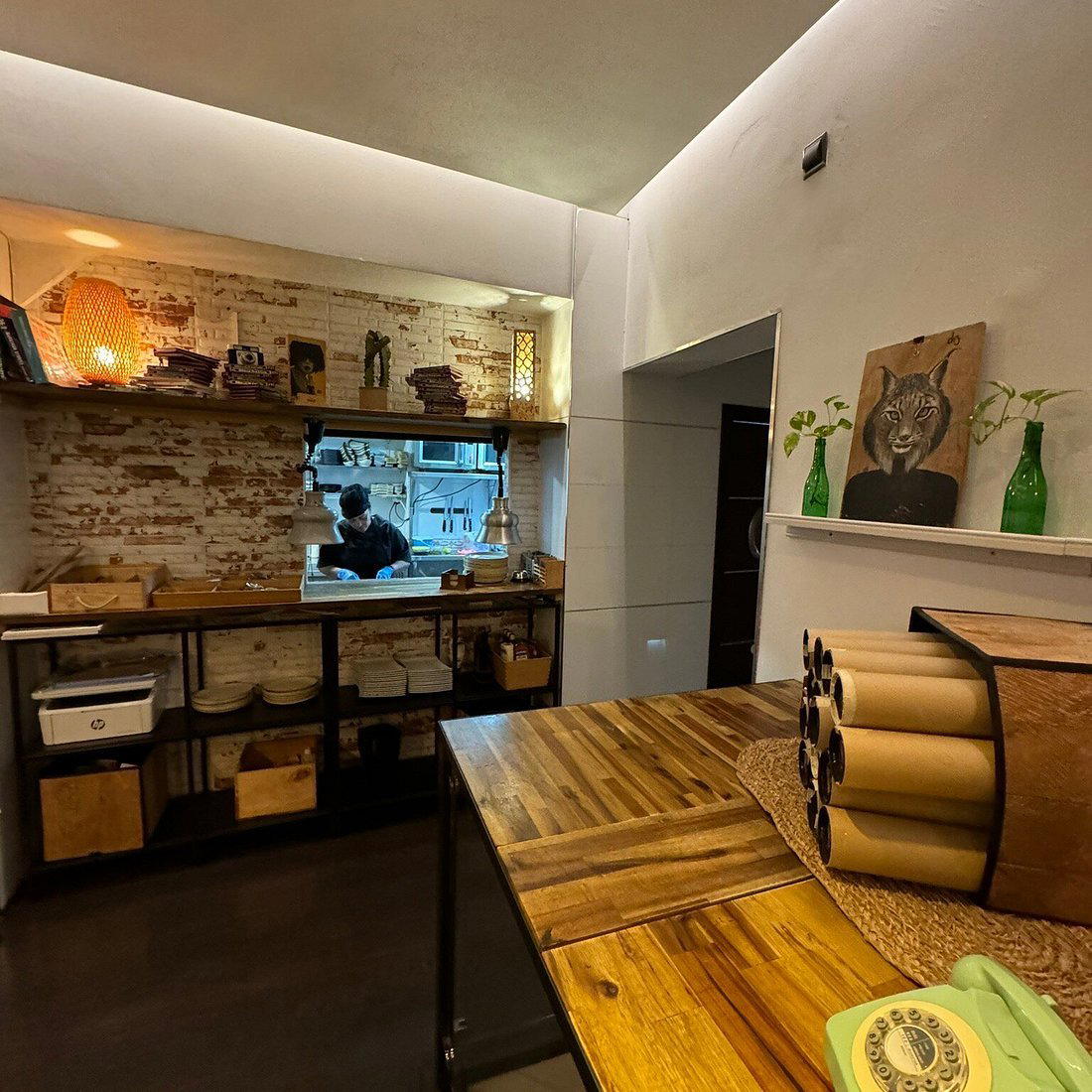
The Street Before the Door
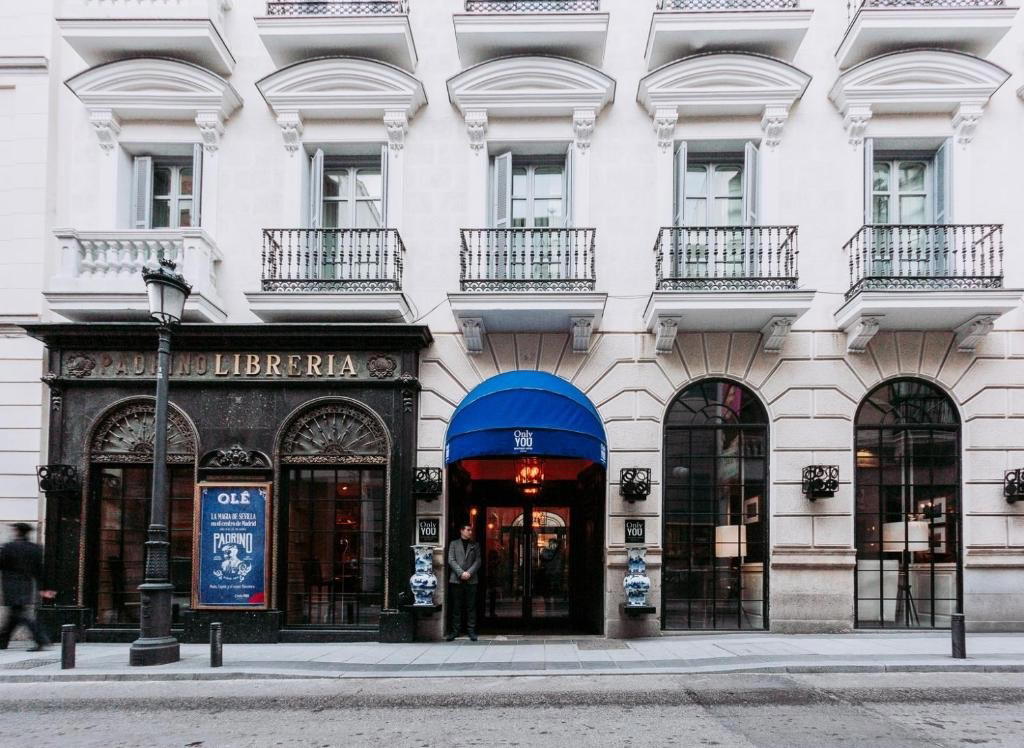
Calle del Desengaño runs south from Gran Vía into the thicker residential and commercial mesh of Centro, a district that has absorbed and expelled trends for decades. The street itself is neither polished nor derelict — it carries the functional character of a neighbourhood that does not particularly need outsiders to validate it. Arriving at number 13, you are not approaching a marquee address. You are arriving at the kind of place that earns its reputation through repetition: the table booked on instinct, the order placed without consulting the menu, the staff who register your preference before you state it.
This is the texture that separates a restaurant operating for regulars from one that operates for occasions. In Madrid's Centro, that distinction matters more than it might in a city less stratified by neighbourhood loyalty. The capital's dining scene has moved substantially over the past decade, with creative Spanish cooking producing some of the most-discussed restaurants in Europe — venues like DiverXO, Coque, Deessa, and DSTAgE have consolidated Madrid's position alongside San Sebastián and Barcelona as a serious destination for technique-forward dining. Desengaño13 does not occupy that conversation. It occupies a different and arguably more durable one.
What a Regular Crowd Signals
A restaurant that builds its core clientele from returning guests rather than first-time visitors is making a specific structural bet. The economics require consistency over novelty: the same quality on a Tuesday in February as on a Friday in October. The social contract requires that staff recognise faces, remember preferences, and make the transaction feel less transactional. Across Spanish dining culture, this model has deep roots, it mirrors the logic of the neighbourhood bar, where the caña arrives unrequested and the tortilla comes without deliberation.
In Madrid specifically, the regulars' restaurant occupies a tier below the destination dining circuit but above the purely casual. It is a tier that the city's most-awarded rooms cannot occupy: once a restaurant attracts international attention and Michelin recognition, the booking list fills with visitors, and the regulars are gradually displaced. Venues like Paco Roncero operate at the far end of that spectrum, where the format is designed for ceremony and single visits. Desengaño13 operates at the other end.
What keeps regulars returning is rarely what draws first-timers in. Press coverage and social presence pull the initial visit; the food's reliability and the room's ease determine whether someone comes back. A loyal clientele is, in effect, a long-running review, one written across dozens of visits rather than a single evening, and one that tends to filter out the performance and retain only what is genuinely worth repeating.
The Unwritten Menu
At restaurants where regulars dominate, the printed menu functions less as a guide and more as a formality. The real document is the accumulated understanding between kitchen and table: what the kitchen does particularly well on which days, which dishes are requested without being named, which seasonal adjustments are trusted rather than explained. This dynamic is not unique to Madrid, you find it at the bouchons of Lyon, at the trattorias of Rome's Trastevere, at the izakayas of Osaka's Namba. But in each city it takes a slightly different shape.
In Madrid, this kind of knowledge is often built around the rhythm of the week and the logic of the market. The city's proximity to Castilian produce, combined with its size and infrastructure, means kitchens in Centro have access to a range of ingredients that smaller Spanish cities cannot match. What a regular understands, over time, is how those ingredients move through a kitchen's week, when the fish is freshest, when the stew has had the most time, when the kitchen is at its least pressured and therefore at its most precise.
This implicit knowledge is what makes regulars' perspectives so useful as a navigation tool. They are not assessing; they are selecting from a map they already hold. For a first-time visitor, approximating that knowledge requires asking the right questions: not what is on the menu, but what tends to be ordered twice.
Centro in Context
The address on Calle del Desengaño places Desengaño13 within walking distance of Madrid's Gran Vía axis, the commercial artery that divides Malasaña and Chueca from the older Centro. This is a part of the city that has changed considerably in the past decade, gentrification has moved through pockets of it while leaving others intact, but it retains enough residential texture to support the regulars' model. A purely tourist-facing block rarely produces loyal local clientele; the mix here is still sufficiently weighted toward residents and workers to sustain it.
For context, Spain's most technically ambitious restaurants tend to cluster away from this kind of mixed urban fabric. El Celler de Can Roca in Girona, Mugaritz in Errenteria, Azurmendi in Larrabetzu, and Quique Dacosta in Dénia all operate in smaller cities or peri-urban settings where destination dining is essentially the entire proposition. In a city the size of Madrid, that destination model can coexist with a far more grounded neighbourhood alternative. Arzak in San Sebastián, Aponiente in El Puerto de Santa María, Ricard Camarena in València, Atrio in Cáceres, Cocina Hermanos Torres in Barcelona, and Lazy Bear in San Francisco, alongside Le Bernardin in New York City, each represent the destination tier in their respective cities. Desengaño13 is not in that conversation, which is precisely the point. See our full Madrid restaurants guide for a broader map of how the city's dining tiers sit relative to each other.
Planning Your Visit
Because verified operational details for Desengaño13 are limited at the time of writing, the table below uses available peer context rather than fabricated specifics.
| Venue | Format | Price Tier | Booking |
|---|---|---|---|
| Desengaño13 | Neighbourhood restaurant, regulars-led | Confirm directly | Confirm directly |
| DiverXO | Progressive creative, destination | €€€€ | Advance booking required |
| Coque | Spanish creative, destination | €€€€ | Advance booking required |
| Paco Roncero | Creative, tasting menu | €€€€ | Advance booking required |
| Deessa | Modern Spanish, creative | €€€€ | Advance booking required |
How Desengaño13 Madrid compares with similar nearby venues.
| Venue | Cuisine | Price |
|---|---|---|
| La Tasquita de Enfrente | Modern Spanish, Farm to table | €€€ |
Continue exploring
More in Madrid
Restaurants in Madrid
Browse all →
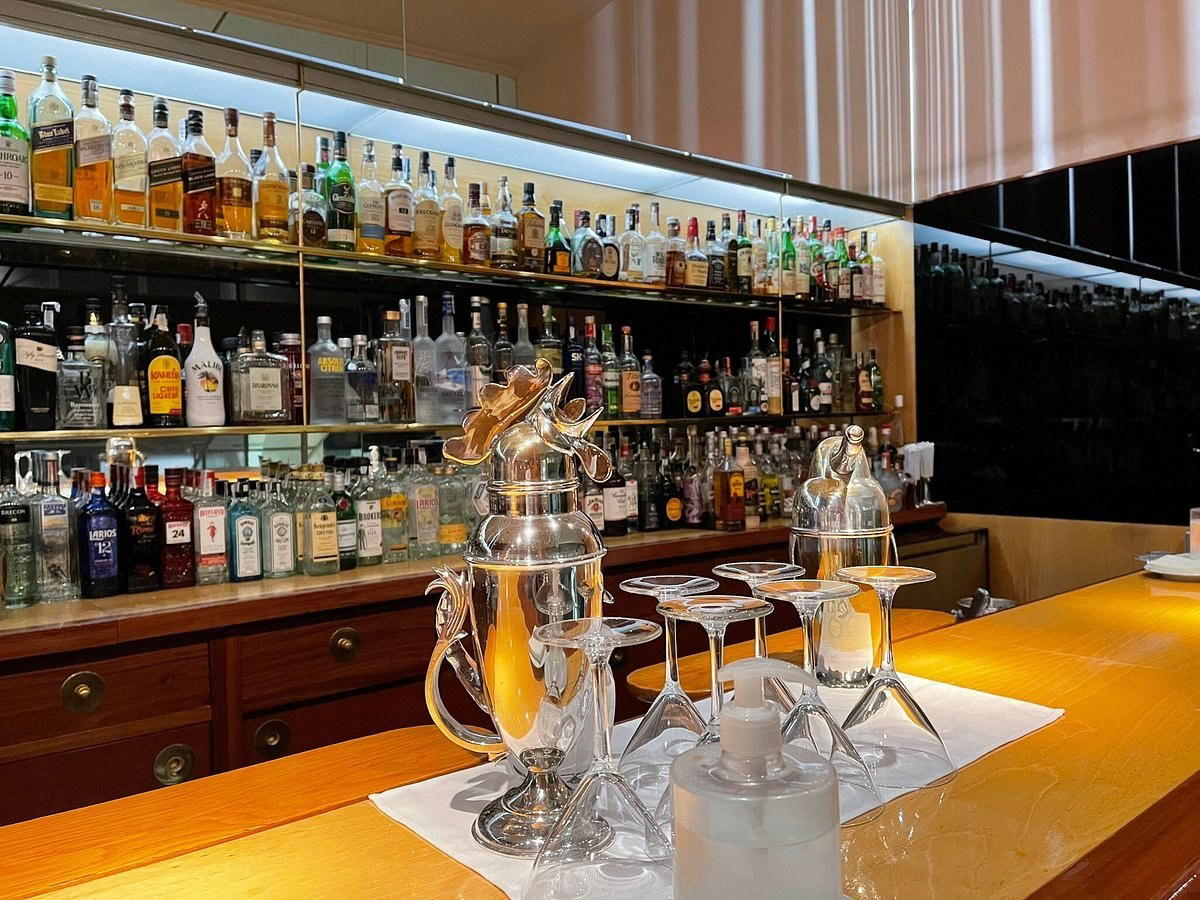
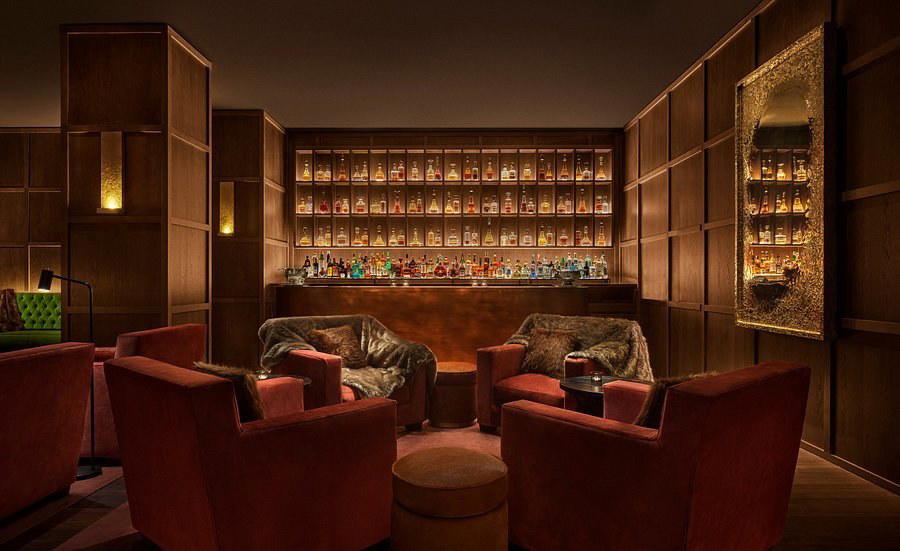
Bars in Madrid
Browse all →
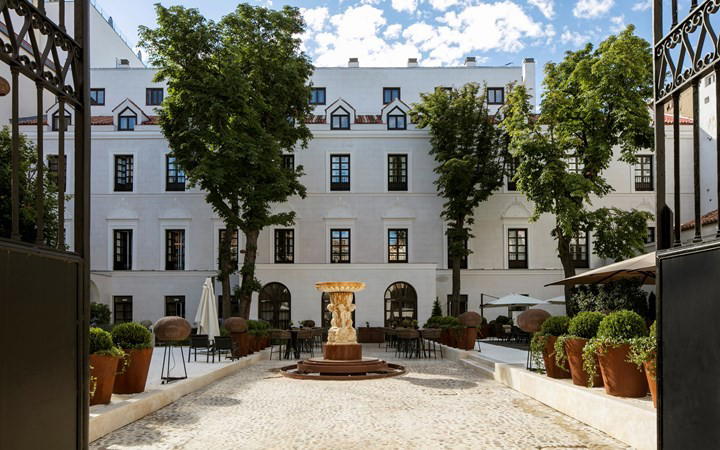
Hotels in Madrid
Browse all →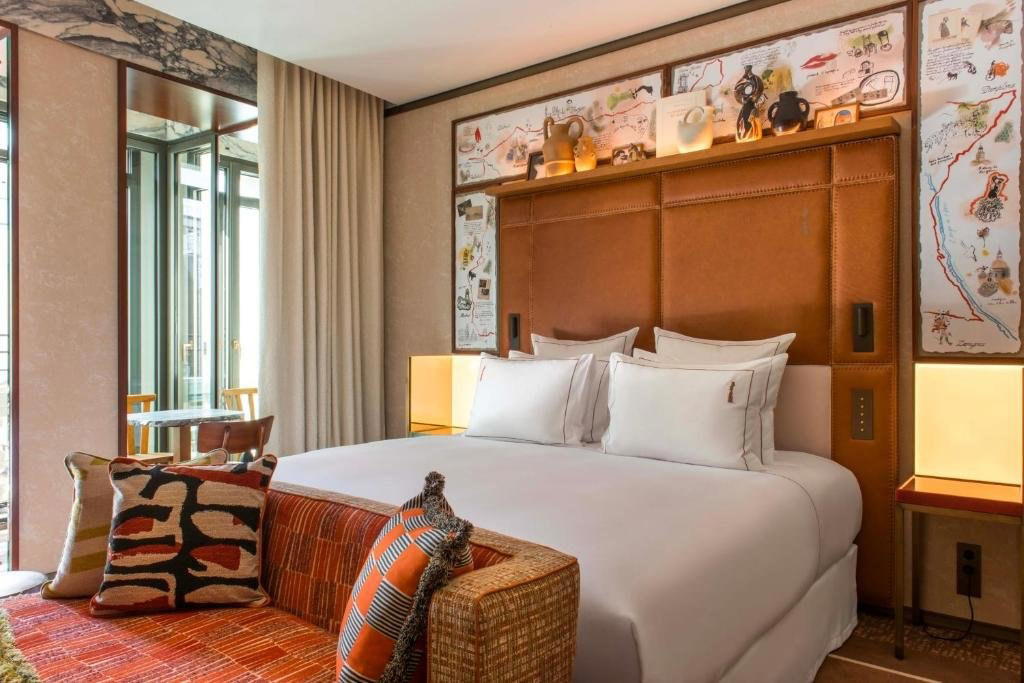

At a Glance
- Cozy
- Modern
- Trendy
- Date Night
- Casual Hangout
- Late Night
- Open Kitchen
- Craft Cocktails
Current opening hours
- Monday
- 1–4 PM, 8–11 PM
- Tuesday
- 1–4 PM, 8–11 PM
- Wednesday
- 1–4 PM, 8–11 PM
- Thursday
- 1–4 PM, 8–11 PM
- Friday
- 1 PM–12 AM
- Saturday
- 1 PM–12 AM
- Sunday
- 1–4:30 PM
Hours can change for holidays and private events. Last verified .
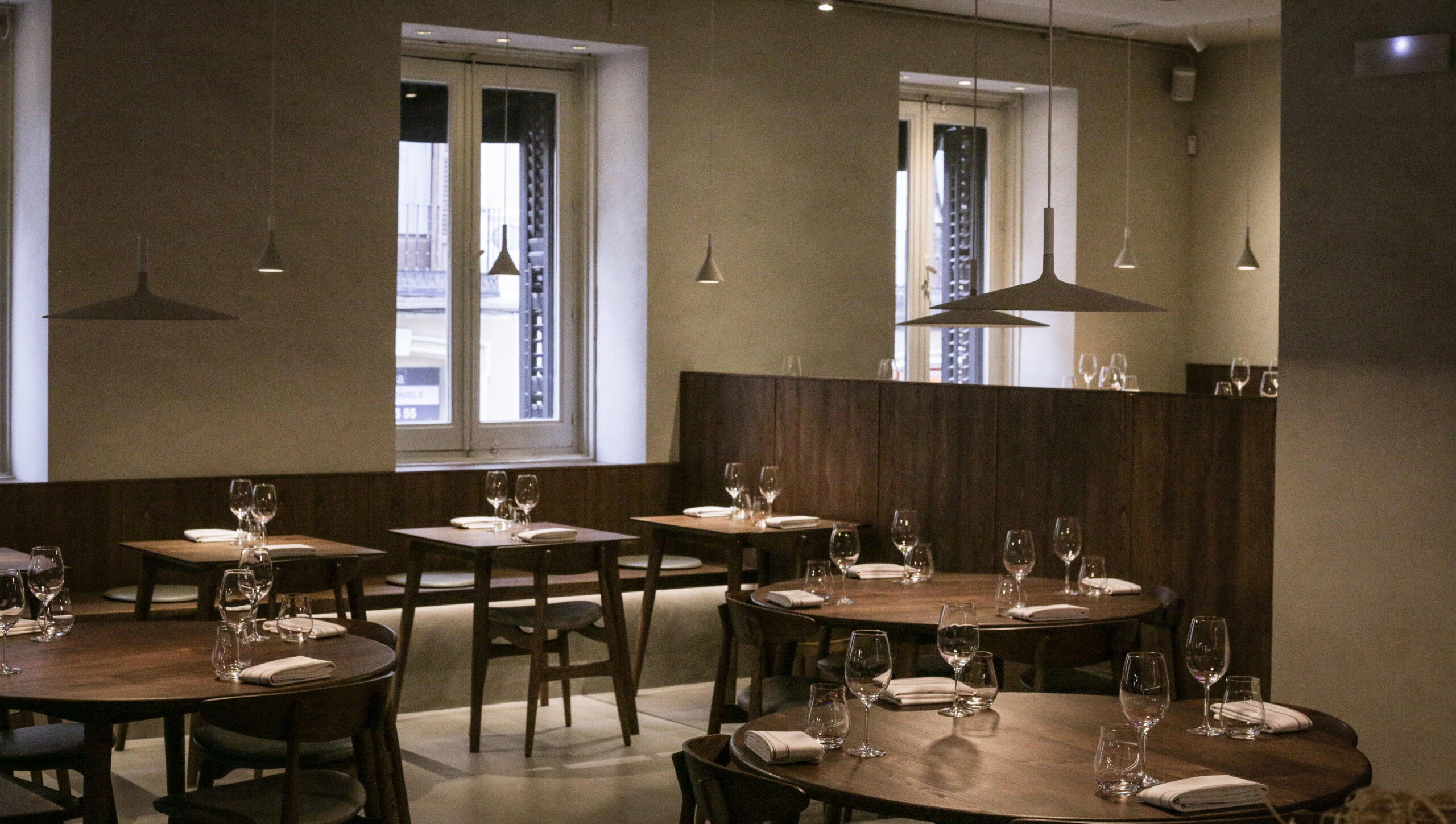
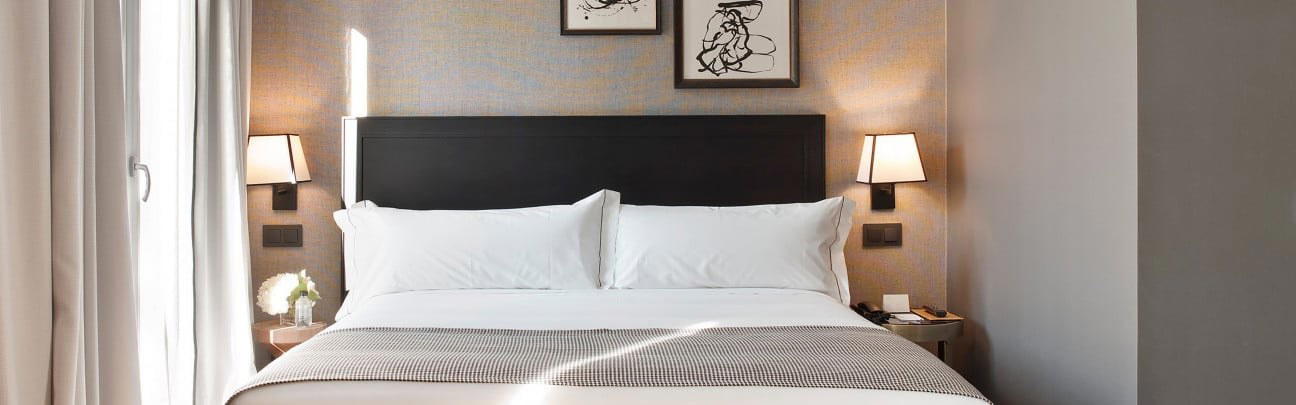
Cozy interior with modern decoration, warm lighting, and an informal atmosphere ideal for sharing tapas and drinks.
Know Before You Go
- Getting there
- C. del Desengaño, 13, Centro, 28004 Madrid, Spain