Café Tatiana sits on Plaza del Dos de Mayo in the heart of Malasaña, one of Madrid's most historically charged squares. The café trades on the neighbourhood's layered identity: part literary terrace, part local gathering point, part window into a district that has absorbed successive waves of Madrileño counterculture. For visitors calibrating between tourist Madrid and residential Madrid, this address lands firmly in the latter.
Pearl is the En Primeur Club membership app — saves, bookings, and concierge access live there. Same editors, same standards.
- Address
- Pl. del Dos de Mayo, 4, Centro, 28004 Madrid, Spain
- Phone
- +34919298083
- Website
- opentable.com
- Directions
- Get directions
 Saves & bookings on Pearl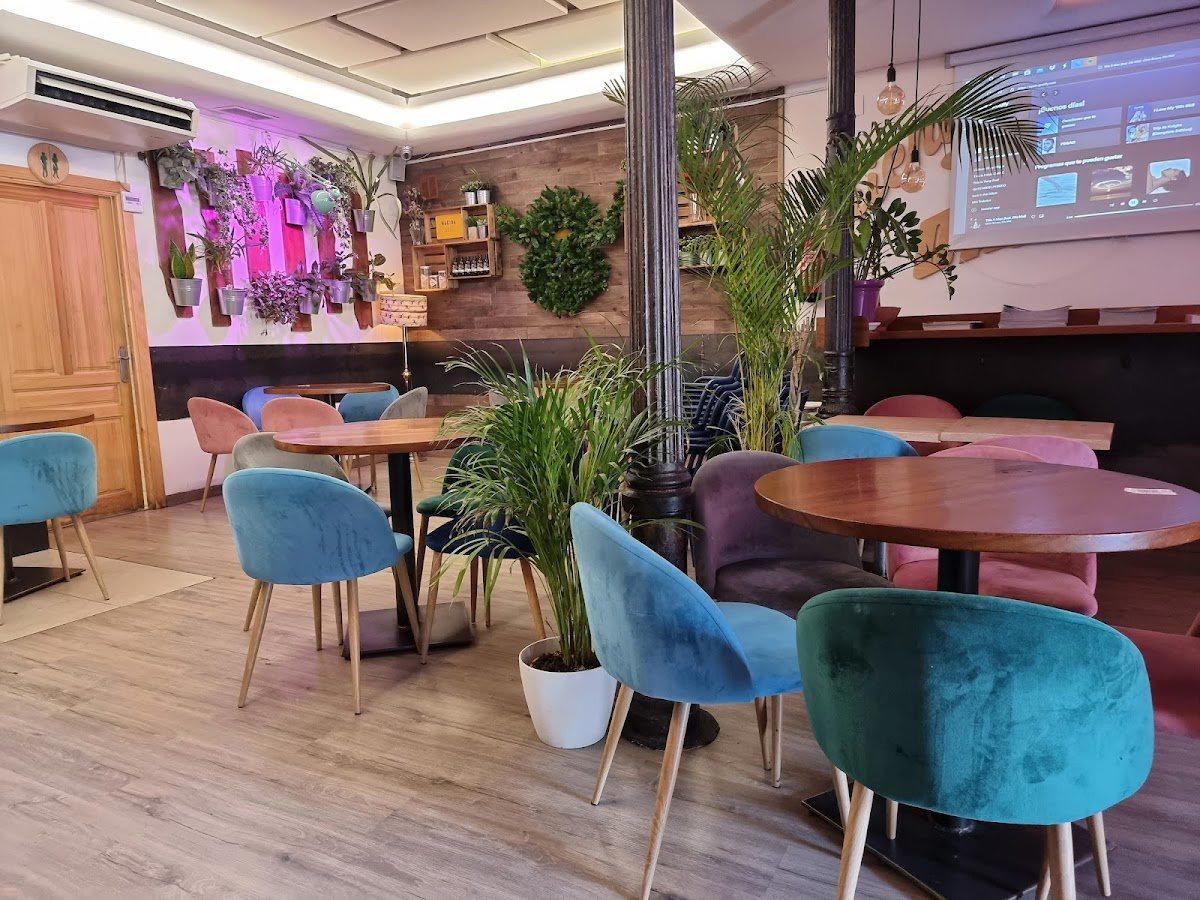
A Square with Memory
Plaza del Dos de Mayo is not incidental to the experience of Café Tatiana. The square is named for the 1808 uprising against Napoleonic forces, and the neoclassical archway at its centre remains the neighbourhood's civic anchor. Malasaña grew up around that defiant energy, and it has never entirely shed it. By the time the café culture of the 1980s Movida Madrileña took root here, the square had already established its function: a place where Madrileños sit, argue, eat, and stay longer than they planned.
That context matters because it shapes what a café at this address is expected to do. This is not the Salamanca district, where terraces cater to expense accounts. This is a neighbourhood square where the social contract between a café and its regular clientele is measured in years, not covers. Venues in Malasaña that lose sight of that tend to drift; the ones that survive know whose square it is.
Where Malasaña Fits in Madrid's Dining Structure
Madrid's dining scene distributes itself across several distinct layers. At the leading, a small cluster of tasting-menu destinations competes on the international stage: DiverXO holds three Michelin stars and operates at a different register entirely, while Coque and DSTAgE anchor a serious creative Spanish tier. Deessa and Paco Roncero complete a constellation of fine-dining addresses that have made Madrid increasingly credible in the same breath as San Sebastián and Girona.
Below that tier, Madrid's café and tavern culture is the actual daily architecture of how the city eats. Neighbourhoods like Malasaña, Chueca, and Lavapiés operate on a social dining rhythm that bears little resemblance to the tasting-menu circuit. Café Tatiana belongs to this second, more deeply rooted layer, where a good terrace and consistent execution hold more local currency than a starred kitchen.
The Progression Through a Malasaña Sitting
The editorial angle worth applying to any café on a square like this is the progression of the sitting itself, because in Madrid that progression is a defined structure, not a casual drift. It begins with coffee, usually taken standing at the bar or seated at the outer edge of the terrace where the morning light reaches. The square at that hour is dog-walkers, residents with their phones, the occasional overnight arrival still carrying luggage. The café absorbs all of it without ceremony.
By mid-morning the structure shifts. The terrace fills in earnest. Orders move from single espresso to something more sustained: a tostada, or a small plate alongside a second drink. This is the Spanish breakfast-into-brunch moment that most visitors from northern European café cultures misread as lunch. It is neither. It is the second act of a morning that started earlier and will run later than most cultures allow.
The midday sitting is distinct again. Malasaña's working population, a mix of creative sector and long-term residents who have outlasted three waves of gentrification, takes lunch seriously. A café on the plaza either holds that clientele or concedes them to the side streets. The distinction between cafés that function as genuine neighbourhood infrastructure and those that have pivoted to tourist traffic is legible within minutes of sitting down: who orders without looking at the menu, who greets the server by name, how long tables are held after the meal ends.
The late afternoon and evening sitting is where the square's character fully asserts itself. By six o'clock, Plaza del Dos de Mayo has the quality of a stage that has found its audience. The light drops across the archway in a particular way, the terraces fill laterally as the warmth concentrates, and the pace slows to something that rewards staying rather than moving on. For a café at this address, that hour is both the easiest and the demanding: easy because the square does the work, demanding because the service and drink quality are now under full scrutiny from a neighbourhood audience that has seen a hundred seasonal operations come and go.
Malasaña in the Wider Spanish Context
To place Malasaña's café culture in its proper frame, it helps to hold it against what Spanish dining looks like at its most ambitious. Spain's creative restaurant scene extends well beyond Madrid: El Celler de Can Roca in Girona, Arzak in San Sebastián, Mugaritz in Errenteria, Martin Berasategui in Lasarte-Oria, Azurmendi in Larrabetzu, Aponiente in El Puerto de Santa María, Quique Dacosta in Dénia, Ricard Camarena in València, Cocina Hermanos Torres in Barcelona, and Atrio in Cáceres. That list represents one end of Spain's food culture: technically demanding, internationally benchmarked, expensive.
The other end is what a neighbourhood café on a historic square represents: continuity, affordability, and the social function that formal restaurants cannot perform. Neither is more Spanish than the other. Both are necessary to understand what the country actually does with food. Internationally, analogous dynamics appear in cities like New York, where Le Bernardin and neighbourhood institutions coexist in the same food culture, or San Francisco, where Lazy Bear operates in a different register from the city's café infrastructure entirely.
Know Before You Go
Address: Pl. del Dos de Mayo, 4, Centro, 28004 Madrid, Spain
Neighbourhood: Malasaña, Centro
Getting There: Metro lines 1 and 10 serve Tribunal station, a short walk from the plaza. The square is pedestrianised and accessible from multiple approach streets.
Ideal time to visit: The terrace operates leading in the shoulder seasons, spring and early autumn, when the plaza's afternoon light is at its most extended and temperatures allow for long outdoor sittings. Summer midday heat pushes serious café use to morning and evening slots.
Booking: No confirmed booking data available; walk-in appears standard for this café format and neighbourhood tier.
Price Range: About $15 per person.
At-a-Glance Comparison
Comparable venues nearby, for context on price, style, and recognition.
| Venue | Cuisine | Price | Notes |
|---|---|---|---|
| Café TatianaThis venue — the venue you are viewing | Casual Spanish Café | $$ | Not listed |
| Semilla Tomate | Traditional Spanish & Mediterranean | $$ | Arapiles |
| Casa Narcisa | Traditional Spanish Grill | $$ | Castilla |
| El Tinglao | Spanish Andalusian | $$ | Piovera |
| Malpica | Spanish Tapas Bar | $$ | Malasana |
| Taberna Origen | Modern Spanish Tapas | $$ | Arguelles |
Continue exploring
More in Madrid
Restaurants in Madrid
Browse all →
Bars in Madrid
Browse all →
Hotels in Madrid
Browse all →

At a Glance
- Cozy
- Casual
- Casual Hangout
- Terrace
- Street Scene
Current opening hours
- Monday
- 9 AM–12 AM
- Tuesday
- 9 AM–12 AM
- Wednesday
- 9 AM–12 AM
- Thursday
- 9 AM–12 AM
- Friday
- 9 AM–12 AM
- Saturday
- 9 AM–12 AM
- Sunday
- 9 AM–12 AM
Hours can change for holidays and private events. Last verified .
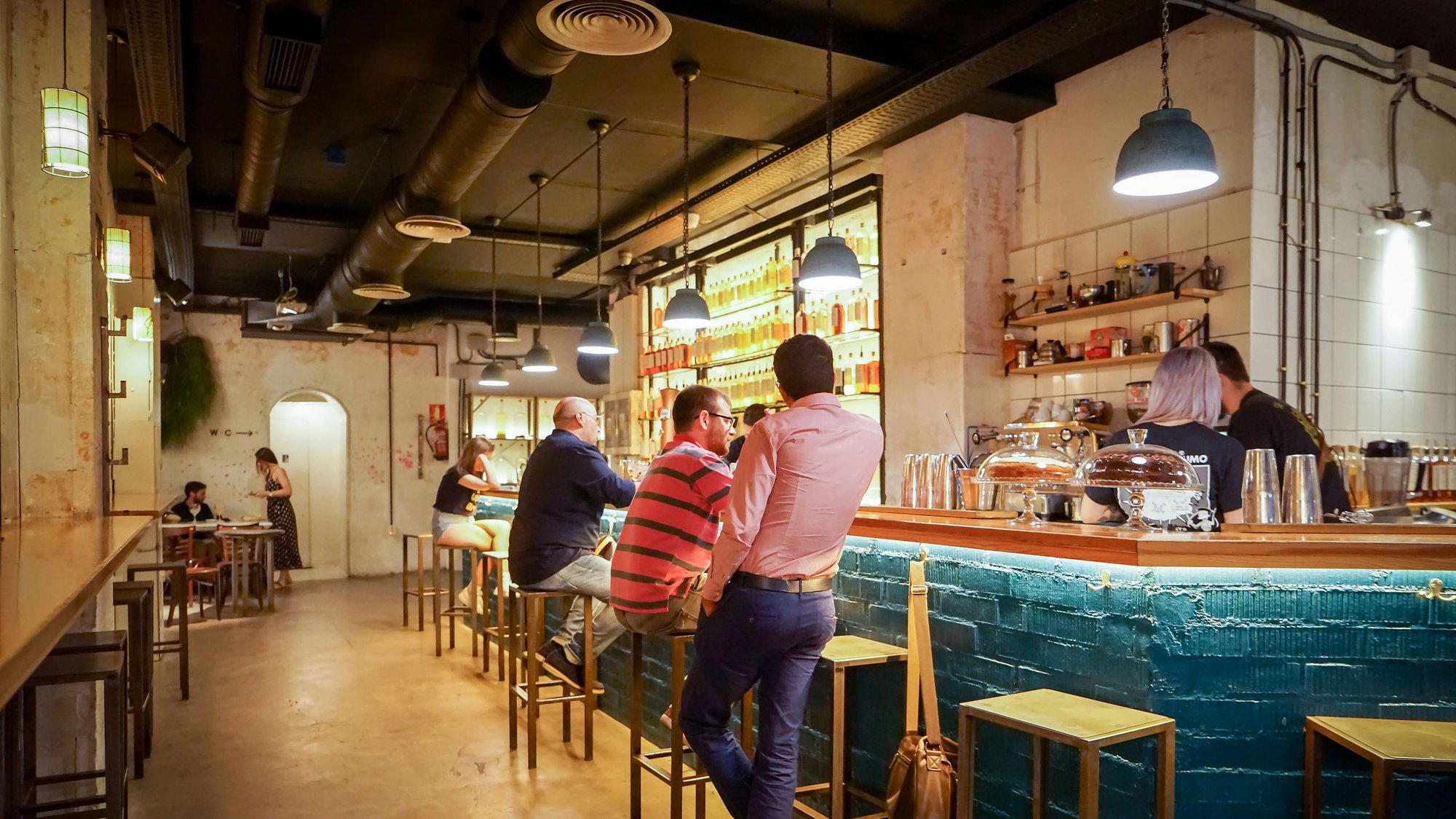
Cozy and cool atmosphere with friendly service, good tunes, and a relaxed lighting well-suited for chilling.