On a side street off the Plaza de Oriente, Taberna del Alabardero has anchored Madrid's formal dining tradition since the 1970s, occupying a 19th-century palace that once housed royal guards. The kitchen draws on Andalusian and Castilian roots, placing it in a different conversation from the city's avant-garde circuit while remaining a reference point for classical Spanish hospitality in the capital.
Pearl is the En Primeur Club membership app — saves, bookings, and concierge access live there. Same editors, same standards.
- Address
- C. de Felipe V, 6, Centro, 28013 Madrid, Spain
- Phone
- +34915472577
- Website
- alabarderomadrid.es
- Directions
- Get directions
 Saves & bookings on Pearl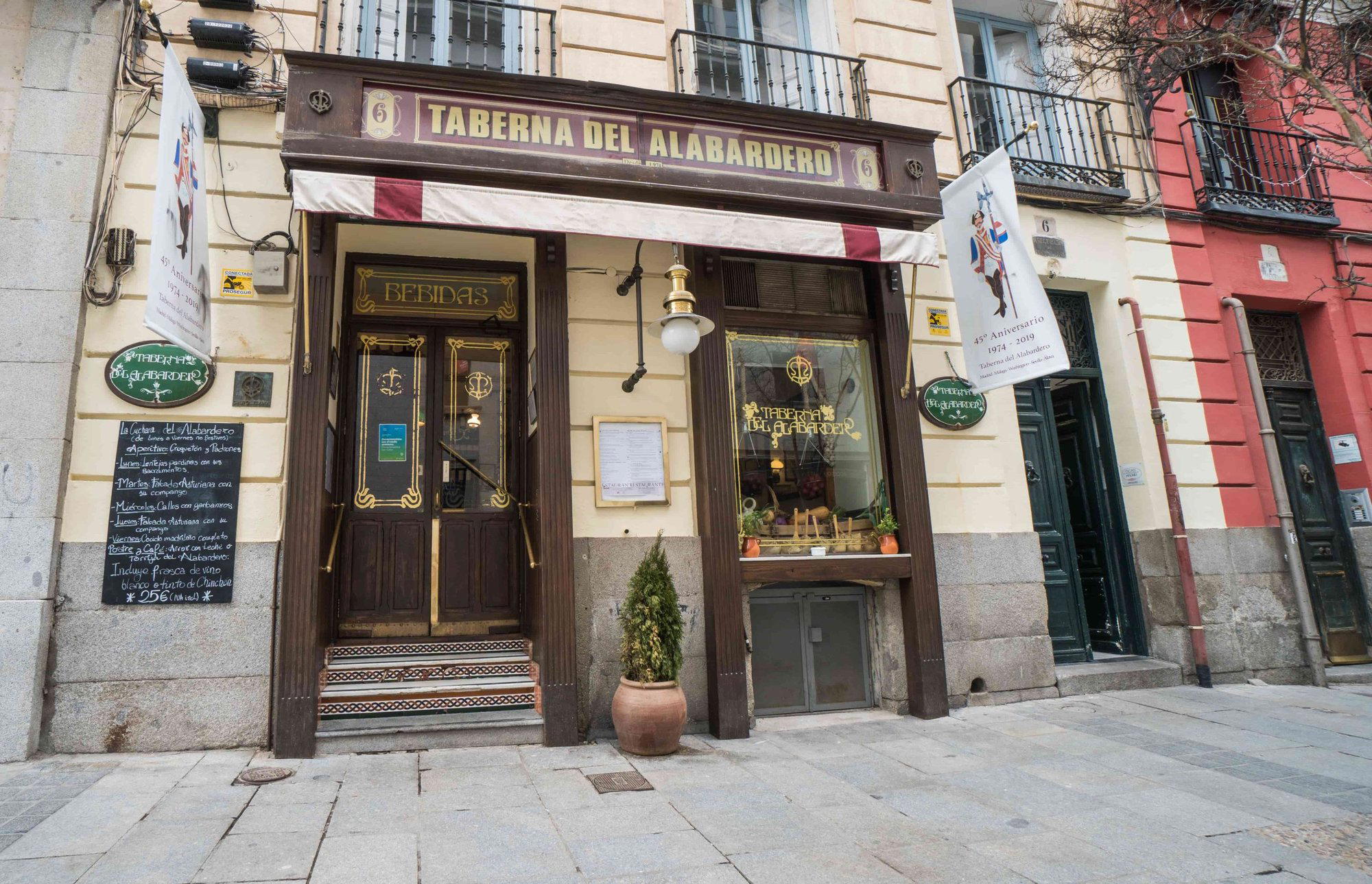
A Royal Quarter Address and What It Signals
The streets between the Palacio Real and the Ópera Metro stop have long carried a particular weight in Madrid's hospitality geography. This is the Centro district at its most ceremonial: wide pavements, Habsburg-era facades, and a dining culture that predates the city's current avant-garde moment by several decades. Taberna del Alabardero occupies a 19th-century palace on Calle Felipe V that once served as quarters for the royal guards, the alabarderos who gave the establishment its name. That architectural context matters: the building's high ceilings, tiled vestibules, and salon-style rooms set a register that is difficult to replicate and that positions the restaurant firmly outside the stripped-back aesthetic that defines Madrid's newer generation of creative kitchens.
Madrid's formal restaurant tier has always coexisted alongside its avant-garde circuit, but the two rarely overlap. Where DiverXO and DSTAgE push technique and provocation to the foreground, and where Coque deploys a theatrical multi-room format, Taberna del Alabardero has consistently operated in a register closer to the classical taberna de lujo tradition, where the room, the service cadence, and the sourcing of raw materials carry as much weight as individual dish creativity.
The Sustainability Thread Running Through Classical Spanish Cooking
Spanish fine dining has been renegotiating its relationship with sourcing ethics for at least a decade, and the shift is most visible not in the molecular kitchens but in the establishments that have always depended on the quality of their primary ingredients. The logic of classical Castilian and Andalusian cooking, which Taberna del Alabardero draws upon, is structurally aligned with low-waste principles: stocks built from offcuts, whole-animal butchery, and the use of seasonal produce as a non-negotiable rather than a marketing position. This is not sustainability as a branding exercise but as a structural consequence of cooking traditions that predate the industrial food system.
That broader pattern is visible across Spain's most serious kitchens. Azurmendi in Larrabetzu has made ethical sourcing a defining public commitment, operating its own vegetable garden and achieving Michelin Green Star recognition. Aponiente in El Puerto de Santa María has built an entire creative identity around marine waste reduction and underused species. At the other end of the spectrum, classical houses like Taberna del Alabardero represent the quieter version of the same ethic: long-standing supplier relationships, regional product loyalty, and a kitchen culture that views nose-to-tail and root-to-stem cooking as standard practice rather than a point of differentiation. For readers whose sourcing concerns extend beyond what appears on the menu, the classical Spanish tradition offers a useful, if understated, case study.
Spain's broader dining conversation increasingly connects classical technique to contemporary ethical frameworks. El Celler de Can Roca in Girona and Martin Berasategui in Lasarte-Oria have both publicly articulated sourcing philosophies rooted in regional producer networks. Mugaritz in Errenteria pursues a more experimental version of the same instinct. These references matter because they show how the ethical sourcing conversation in Spanish fine dining is not confined to any single style or price tier.
Andalusian Roots in a Castilian Capital
The kitchen at Taberna del Alabardero is grounded in Andalusian and Castilian traditions, which means a particular set of references: oxtail preparations, cured fish, Ibérico product in various registers, and the kind of legume-based dishes that are experiencing a wider critical rehabilitation across European fine dining. The kitchen's Andalusian foundation is balanced by Castilian expectations around roasted meat and game during the relevant seasons.
This dual regional identity places the restaurant in a different comparable set from Deessa or Paco Roncero, both of which operate in a resolutely contemporary creative mode. It is closer in spirit to the classical Basque and Catalan houses that have maintained regional fidelity while achieving national recognition, restaurants like Arzak in San Sebastián or Ricard Camarena in València, where a specific regional product vocabulary frames the creative ambition.
Placing Taberna del Alabardero in Madrid's Current Scene
Madrid's restaurant map has shifted considerably since the early 2000s. The city now carries three-Michelin-star operations, a dense concentration of one- and two-star kitchens, and an increasingly confident natural wine and biodynamic sourcing culture that has filtered from the bar scene into formal dining. Taberna del Alabardero has occupied its position across this entire period, which gives it a different kind of authority from newer openings, not the authority of innovation, but the authority of institutional continuity.
That continuity has its own value for a specific reader profile. Visitors who want to understand Madrid's dining heritage before crossing to the more adventurous end of the city's offer, venues like Cocina Hermanos Torres in Barcelona or Quique Dacosta in Dénia at the national level, find in classical houses like Taberna del Alabardero a useful anchor. The formal dining traditions that Spain's avant-garde kitchens are either extending or reacting against are still legible here.
For international reference points, the dynamic is not entirely unlike what separates Le Bernardin in New York City from the city's more experimental operations, or what distinguishes Atomix in New York City from the classical Korean-American fine dining tier. In each case, the classical and contemporary operate as a system, not as competitors.
For the high-end Castilian and Extremaduran tradition outside the capital, Atrio in Cáceres offers a useful parallel.
Planning Your Visit
The restaurant's address on Calle Felipe V places it within walking distance of the Ópera Metro stop and the Palacio Real, making it a natural choice for visitors already in the royal quarter. Given the formal register of the space, advance booking is advisable, particularly for weekend lunch, which remains Madrid's most socially significant dining occasion. Dress expectations align with the room: the 19th-century palace setting sets a clear tone without requiring a rigid dress code. Visitors with dietary restrictions or allergy concerns should contact the restaurant directly.
Quick reference: Taberna del Alabardero, C. de Felipe V, 6, Centro, Madrid 28013. Reservations recommended. Open daily from 12 PM to 12 AM.
Cuisine and Recognition
Comparable venues nearby, for context on price, style, and recognition.
| Venue | Cuisine | Price | Notes |
|---|---|---|---|
| Taberna del Alabardero MadridThis venue — the venue you are viewing | Traditional Basque Spanish Tapas & Fine Dining | $$ | Not listed |
| Café de la Galería | Traditional Spanish with Creative Touches | $$ | Palacio |
| El Escaldon | Traditional Canarian | $$ | La Latina |
| Solo de Croquetas Echegaray | Spanish Croquetas Specialists | $$ | Cortes |
| Filomena Comida & Cócteles | Spanish Tapas & Cocktails | $$ | Palos de Moguer |
| LA MADREÑA Santa Lucrecia | Traditional Asturian | $$ | Opanel |
Continue exploring
More in Madrid
Restaurants in Madrid
Browse all →
Bars in Madrid
Browse all →
Hotels in Madrid
Browse all →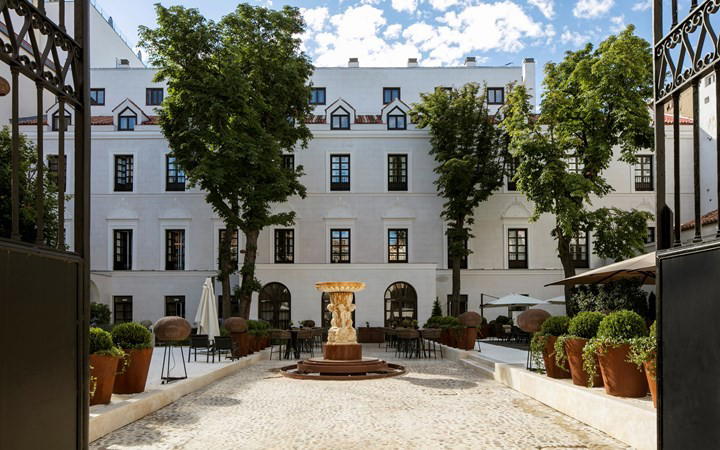

At a Glance
- Classic
- Elegant
- Well Known
- Rustic
- Date Night
- Business Dinner
- Group Dining
- Celebration
- Special Occasion
- Private Dining
- Terrace
- Historic Building
- Wine Cellar
- Extensive Wine List
- Sommelier Led
- Farm To Table
- Local Sourcing
Current opening hours
- Monday
- 12 PM–12 AM
- Tuesday
- 12 PM–12 AM
- Wednesday
- 12 PM–12 AM
- Thursday
- 12 PM–12 AM
- Friday
- 12 PM–12 AM
- Saturday
- 12 PM–12 AM
- Sunday
- 12 PM–12 AM
Hours can change for holidays and private events. Last verified .
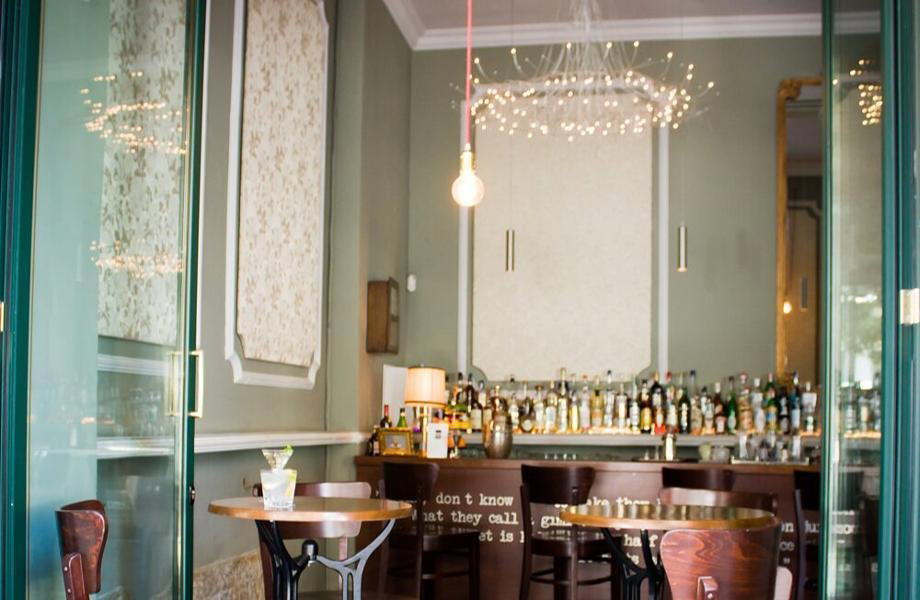
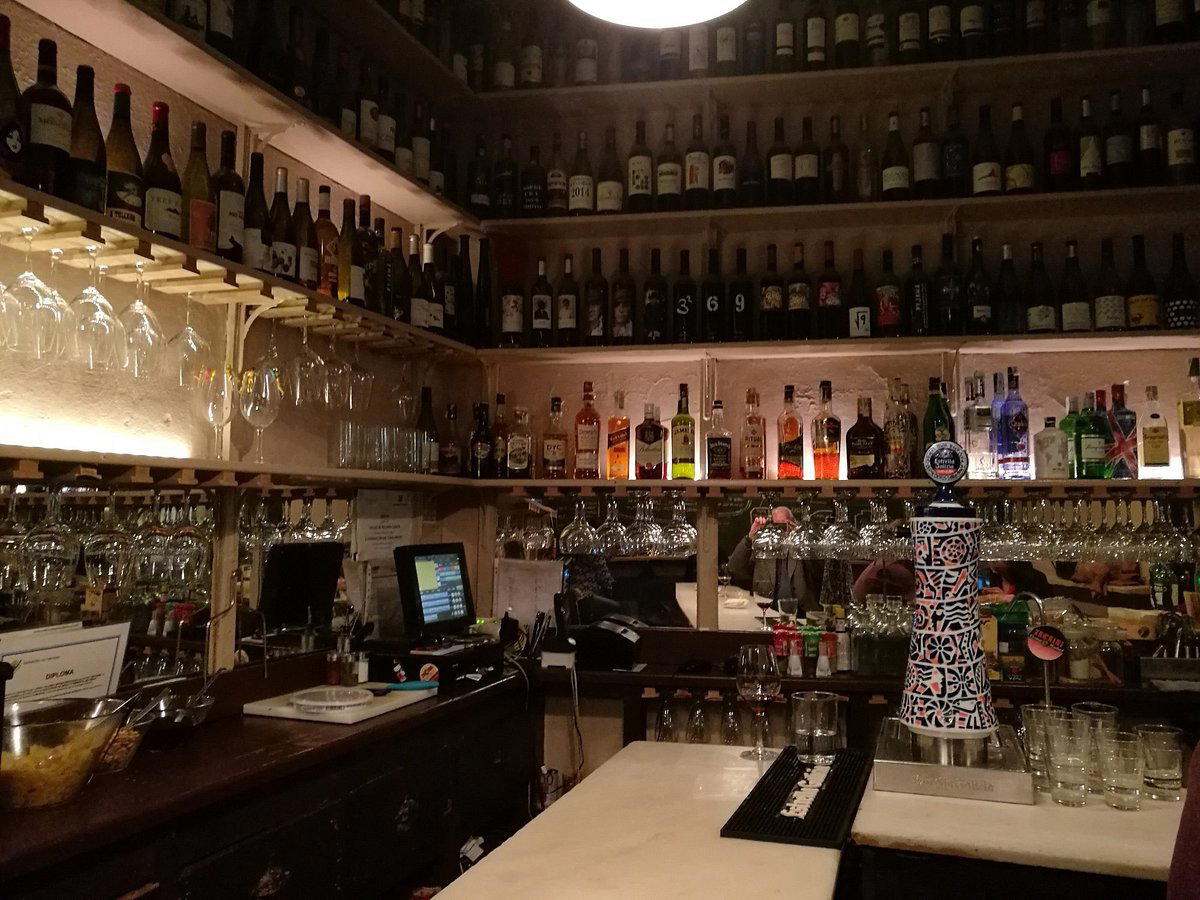
Warm and authentic with period charm; formal dining rooms in cellars and main floor contrast with a lively standing bar; decorated with historical photographs including papal connections.