
Yokohama’s serious ramen culture is not confined to station-front chains or late-night bowls. Chuka Soba Shigure Isezaki choujamachi honten sits in the Isezaki Chojamachi orbit with a 13-seat format, counter seating, low pricing, and repeated Tabelog 100 Ramen recognition, making it a compact case study in how neighbourhood ramen can carry citywide weight.
Pearl is the En Primeur Club membership app — saves, bookings, and concierge access live there. Same editors, same standards.
- Address
- 2 Chome-10-5 Furocho, Naka Ward, Yokohama, Kanagawa 231-0032, Japan
- Phone
- +81 45-264-4809
- Website
- twitter.com
 Saves & bookings on Pearl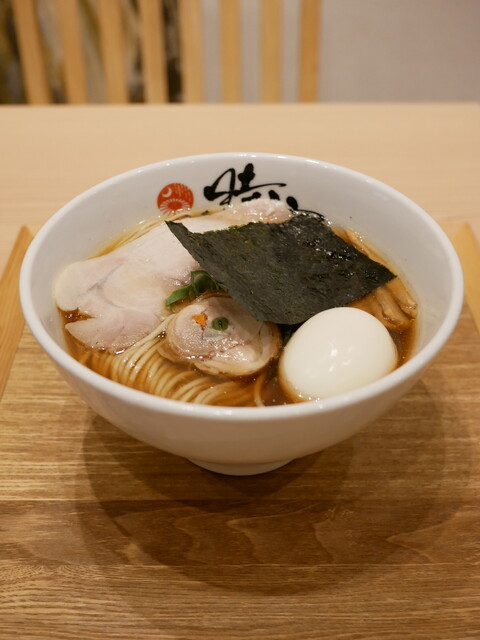
The approach to Isezaki Chojamachi corrects the postcard version of Yokohama. Beyond waterfront promenades and polished hotel lobbies, inland from Kannai the streets become tighter, practical, and better suited to small restaurants built on repeat custom rather than theatre. Here, ramen makes sense: a serious bowl needs no ceremonial room or long reservation trail, only a short menu, fast turnover, a focused kitchen, and enough local trust to keep seats moving.
Chuka Soba Shigure Isezaki choujamachi honten fits that category. The room has 13 seats, split between five counter places and eight table seats, closer to a disciplined neighbourhood ramen shop than a high-volume station canteen. Its repeated selection for Tabelog 100 Ramen, including the Kanagawa 2025 list, gives the address a stronger signal than price alone. In Yokohama, where ramen runs from Iekei heaviness to lighter chuka soba idioms, that matters: recognition at this level usually follows consistency, not novelty.
Isezaki Chojamachi ramen with Yokohama weight
Yokohama’s ramen identity is often reduced to Iekei, the pork-and-soy style born in the city and now exported across Japan. That shorthand misses smaller shops working in a cleaner chuka soba register, where appeal lies in proportion rather than excess. Chuka Soba Shigure Isezaki choujamachi honten is useful because it sits outside the tourist-facing waterfront, in a district where office workers, solo diners, and local families can plausibly share the same counter rhythm.
The Yokohama comparison set clarifies the positioning. Yokohama Iekei Ramen Kachidoki Ya, Yokohama Ramen Masagoya, and Ramen Jiro Yokohama kannai ten also sit in the low-price ramen bracket, while RAMAI Yokohama isezaki mo-ru ten occupies a slightly higher everyday range and Bihotza plays in a different dinner economy. Against those peers, Shigure’s value is not that it undercuts the city; it is that a recognized ramen address remains priced like an ordinary local meal. That gap between acclaim and accessibility is one of the pleasures of eating ramen in Japan.
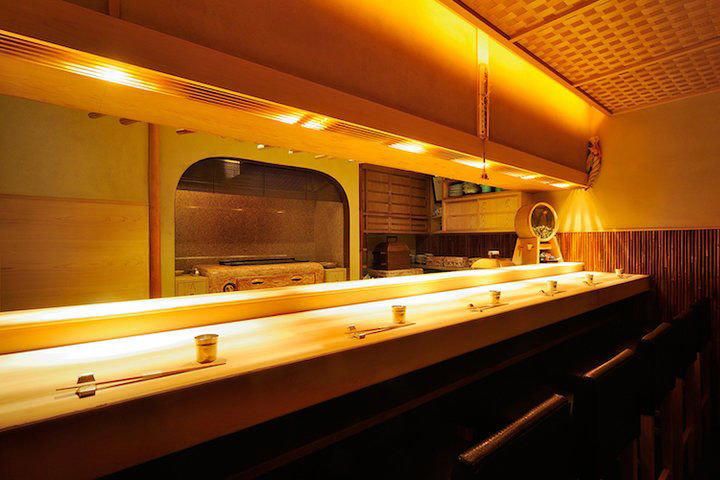
The format changes how to read the meal. A 13-seat shop asks for different attention than a tasting counter, but it is not careless casual. Small ramen rooms expose pace, ticket flow, and kitchen discipline. Counter seating brings the process close; table seating works for pairs or families without turning the room into a place to linger. The result is a Yokohama experience with little insulation between neighbourhood and bowl.
Recognition without the luxury markup
Tabelog 100 Ramen recognition is a useful trust signal in Japan because the category is crowded and intensely local. Shigure has appeared across multiple Tabelog 100 ramen selections, including Kanagawa 2024 and 2025 and earlier East-region lists from 2018 through 2023. That continuity suggests repeatable execution rather than a short burst of attention. For readers choosing between a casual bowl and a destination ramen stop, the distinction matters.
The price band sharpens the point. In many cities, critical recognition pushes restaurants into reservation scarcity and tasting-menu economics. Ramen resists that pattern better than most genres. Here, the low published range keeps the experience in everyday-meal territory, closer in spend to Yokohama’s other inexpensive ramen addresses than to a special-occasion restaurant. Cash-only payment keeps the transaction old-school, common enough in Japan’s small ramen shops to merit planning rather than surprise.
There is a practical timing implication, even when the meal is brief. Lunch service in a compact room can compress demand into a narrow window, and dinner service is not offered every night. Sunday closure and shorter midweek or Saturday schedules make this a place to fit into a Yokohama day with intention, especially if the wider itinerary includes Kannai, Isezakicho, or Naka Ward rather than only Minato Mirai. The nearest rail logic is simple: Isezaki Chojamachi is the natural station reference, with Kannai close enough for an easy stop within a central Yokohama route.
How to place it in a Yokohama food day
The address works well when Yokohama is treated as a lived-in food city, not a side trip built only around bay views. A ramen stop near Isezaki Chojamachi pairs with the area’s older commercial grain: shopping arcades, working streets, and quick-turn restaurants that do not perform luxury. For a broader read on the city, compare it with neighbourhood-specific picks in Our full Yokohama restaurants guide, then widen the itinerary through Our full Yokohama hotels guide, Our full Yokohama bars guide, Our full Yokohama wineries guide, and Our full Yokohama experiences guide.
Within Yokohama dining, map ramen against other everyday specialisms rather than fine dining alone. 1000 (Yakitori (Grilled chicken skewers)), Aichun, Ajowan, and Alpenjiro Honten show how the city’s appeal often sits in focused, category-led rooms rather than grand statements. Nearby-region references add texture: -Grilled beef Sukiyaki- KAMAKURA TANUKIAN 鎌倉 たぬき庵 in Kamakura, (Shoku) Vietnam in Kawasaki, and Anzen Shokudo each point to a different version of casual Japanese dining culture.
For travellers building a Japan-wide eating map, Shigure also reminds that low-cost meals can be analytically serious. The same principle links far-flung casual addresses such as. 鮪と炭火焼き うお炭 秋葉原店 in Tokyo.cafe in Osaka.know in Kumamoto, and [Curry Senmon Ten] Maruyama Kyoju. in Sapporo. Even outside Japan, the logic carries to focused Japanese formats such as Jōdo Saké Bar in Los Angeles and Onigiri Time in Pasadena: narrow formats reward readers who care about category, not spectacle.
The editorial case for Chuka Soba Shigure Isezaki choujamachi honten is not that it turns ramen into a luxury object. It does the opposite. It shows how a small Yokohama ramen shop, repeatedly recognized in a competitive Japanese category, can remain embedded in its neighbourhood’s practical rhythms. That is the city at its better angle: serious, compact, and priced for repeat eating.
Just the Basics
Comparable options at the same price tier.
| Venue | Cuisine | Price | Notes |
|---|---|---|---|
| Chuka Soba Shigure Isezaki choujamachi hontenThis venue — the venue you are viewing | Not listed | $ | Not listed |
| Ramen & Curry Senmonten Taigen | Naka, Ramen & Curry | $ | Not listed |
| Suzukiya Akebono chou ten | Naka, Yokohama iekei ramen | $ | Not listed |
| Jikaseimen Kamikaze | Totsuka, Traditional Japanese Ramen | $ | Not listed |
| Koguma | Not listed | $ | Aoba, Kansai-style okonomiyaki & teppan grill |
| Mendokoro Tatsunoki | Hodogaya, Japanese Ramen | $ | Not listed |
Recognition history
Dated appearances from independent guides and award organizations, with the underlying list record or original source where available.
Tabelog 100 #89 · No. 89
Tabelog · Tabelog 100 - Ramen - KANAGAWA - 2025









At a Glance
- Cozy
- Lively
- Solo
- Casual Hangout
- After Work
- Family
- Standalone
- Local Sourcing
Current opening hours
- Monday
- 11 AM–2 PM, 6–8:30 PM
- Tuesday
- 11 AM–2 PM, 6–8:30 PM
- Wednesday
- 11 AM–2 PM
- Thursday
- 11 AM–2 PM, 6–8:30 PM
- Friday
- 11 AM–2 PM, 6–8:30 PM
- Saturday
- 11 AM–2 PM
- Sunday
- Closed
Hours can change for holidays and private events. Last verified .
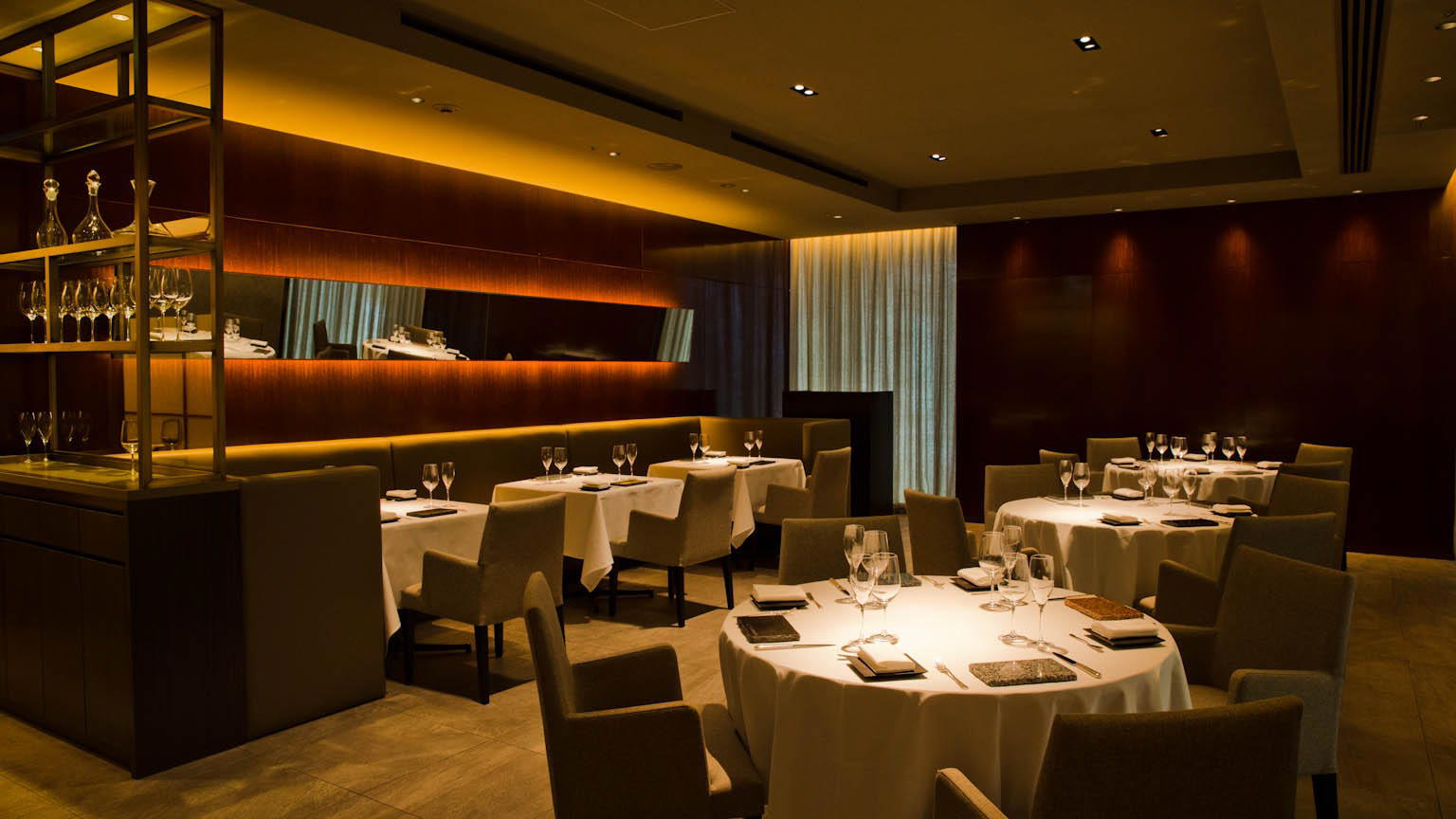
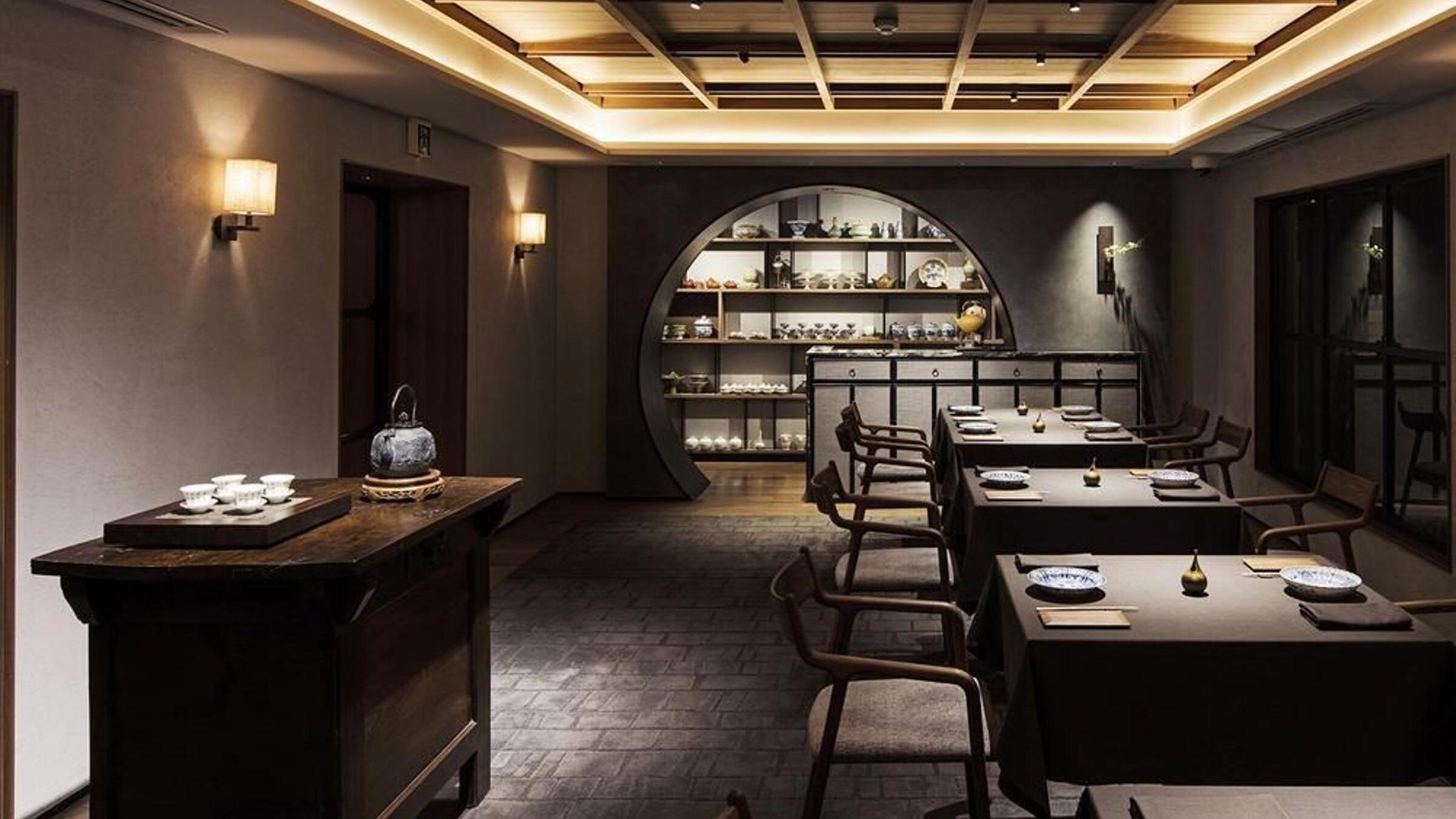
A compact, no-frills neighborhood ramen shop with 13 seats, bright functional lighting, constant turnover, and an energetic but welcoming atmosphere typical of popular local noodle counters.