
Chisouan Hijiri sits in Nagoya’s Higashi Ward, close to Takaoka, in the city’s quieter register of serious Japanese dining. Its Tabelog 100 Japanese cuisine EAST selections in 2021, 2023 and 2025 place it among a recognised cohort, while the kitchen’s fish-led Japanese cuisine and suppon category point to a more traditional, ingredient-focused meal than the city’s louder central dining rooms.
Pearl is the En Primeur Club membership app — saves, bookings, and concierge access live there. Same editors, same standards.
- Address
- Japan, 〒461-0015 Aichi, Nagoya, Higashi Ward, Higashikatahamachi, 24 長谷川ビル 1F
- Phone
- +81 52-963-0073
- Website
- nagoya-hijiri.com
 Saves & bookings on Pearl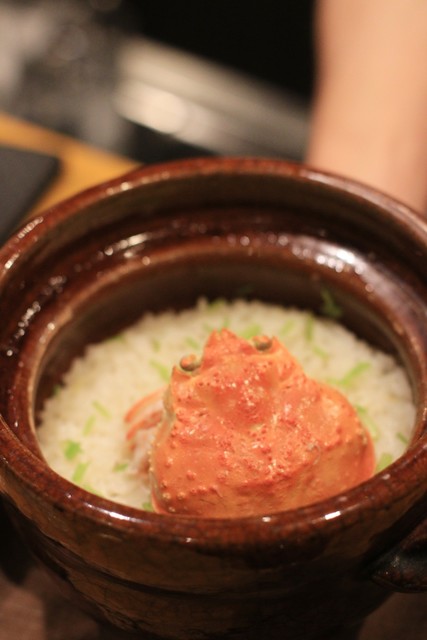
Higashikatahamachi does not perform Nagoya dining in broad strokes. East of the city’s denser station-side restaurant traffic, the area around Takaoka has a lower, more residential tempo: office blocks thin, traffic settles into arterial rhythm, and destination restaurants reveal themselves by address discipline rather than theatre. Serious Japanese cooking in Nagoya often works better away from the brightest commercial corridors, where meals can hold a slower cadence and regulars read the room as much as the menu.
Chisouan Hijiri belongs to that quieter tier. Its public identity is not built around a celebrity chef biography or photogenic counter mythology; the useful signals are concrete. The restaurant is listed for Japanese cuisine and suppon, with an emphasis on fish, and has been selected for Tabelog 100 Japanese cuisine EAST in 2021, 2023 and 2025. In a city where premium dining ranges from casual ramen and izakaya counters to high-priced kaiseki rooms, those selections place it in the serious middle-to-upper band rather than luxury spectacle.
Higashi Ward gives the meal a quieter Nagoya frame
Nagoya’s restaurant map can mislead travellers who read it only through Nagoya Station, Sakae and department-store dining floors. Better meals are often spread across neighbourhoods with less international visibility, and Higashi Ward is one area where local diners travel for a specific kitchen. The experience is less about convenience than intent: dinner begins with the decision to leave the obvious restaurant zones behind.
The comparison is useful. Gin no Kura Honten occupies a far more casual bracket in Nagoya, while Mikan Kotohogi sits in a much higher dinner range. Ciotto Giotto and toraneko occupy premium lanes, with pricing that pushes them into a different decision set. Chisouan Hijiri’s position is narrower: Japanese cuisine with fish as a central marker, a suppon category that signals classical tastes, and recognition from repeated inclusion rather than a single spike of attention. That differs from a celebratory blowout, and often better fits diners who want Nagoya’s local seriousness without turning the evening into a trophy booking.
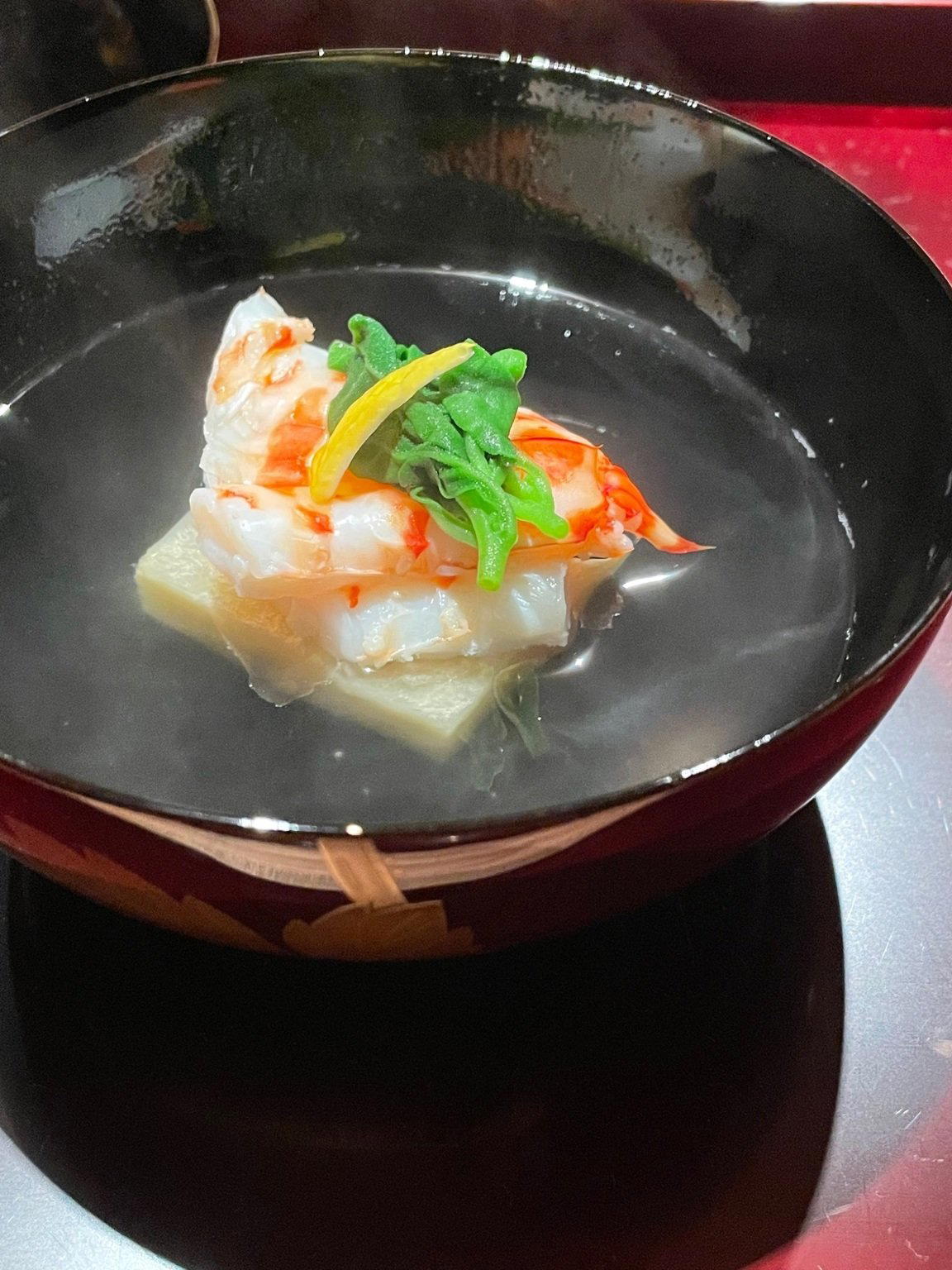
Suppon tells experienced diners something before any menu detail is known. Soft-shell turtle belongs to an older Japanese repertoire associated with depth, stock, seasonality and restraint rather than novelty. Not every diner will order it, and not every meal will revolve around it, but the category places the restaurant closer to traditional Japanese craft than contemporary fusion. Paired with the fish emphasis, it suggests a kitchen judged on sourcing, temperature, timing and broth work rather than visual excess.
Recognition here points to consistency, not flash
Tabelog’s Hyakumeiten selections carry particular weight in Japan because they are category-specific and city-aware. A restaurant selected for Japanese cuisine EAST across multiple cycles is being read within a dense field, not as a generic “nice dinner” address. The 2025 selection is the current headline, but the 2021 and 2023 inclusions matter just as much: repeat selection signals continuity in a dining culture where regulars are exacting and novelty fades quickly.
The restaurant’s Tabelog score of 3.63 should be read with local literacy. In Japan, scores above the mid-threes can already indicate meaningful approval, especially in specialised categories where reviewers reward precision and consistency. For international diners used to inflated rating systems, the number can look modest; in context, paired with Hyakumeiten inclusion, it is a stronger trust signal than it first appears.
The published format includes counter seating, which matters for this style of Japanese dining. Counter meals compress distance between cooking and service, making pacing visible and giving the evening a more direct rhythm than a private-room kaiseki sequence. Semi-private seating is listed, but the counter aligns best with fish-led Japanese cooking: less ceremony, more attention to sequence. Drinks lean Japanese first, with sake and shochu alongside wine, placing the meal inside a familiar Nagoya pattern where domestic pairings remain central even when broader tastes are accommodated.
For a wider Nagoya itinerary, this address sits naturally beside city-specific dining research rather than in isolation. Start with Our full Nagoya restaurants guide, then compare nearby choices such as 1022, 451, Aaron, Alan. and All Day Dining Montmartre. The city context is broader than restaurants alone: Our full Nagoya hotels guide, Our full Nagoya bars guide, Our full Nagoya wineries guide and Our full Nagoya experiences guide help place dinner within the trip.
Who should choose this style of dinner
This is stronger for diners who value Japanese cooking as a sequence of small judgments rather than a list of famous dishes. The value lies in category discipline: fish, traditional Japanese cuisine, suppon, counter seating, sake and shochu. Those markers suit an audience comfortable with a meal that may be quieter, more seasonal and less explanatory than international luxury dining. It is less suited to diners seeking English-language spectacle, large-group energy or a menu designed around viral images.
The neighbourhood setting reinforces that point. Higashi Ward rewards diners who plan around a specific reservation and allow the evening to be the destination. In Nagoya, that can reveal more than staying within the obvious hotel-and-station radius. The restaurant’s place in the city is not defined by scale or display; it is defined by a local dining grammar in which repeat recognition, fish handling and traditional categories outweigh noise.
For travellers comparing Japanese dining beyond Nagoya, the category spread across Japan is wide: -Grilled beef Sukiyaki- KAMAKURA TANUKIAN 鎌倉 たぬき庵 in Kamakura. 鮪と炭火焼き うお炭 秋葉原店 in Tokyo.cafe in Osaka.know in Kumamoto, (Shoku) Vietnam in Kawasaki and [Curry Senmon Ten] Maruyama Kyoju. in Sapporo show how varied the country’s restaurant field becomes once read by place and format. Outside Japan, Japanese drinking and casual food culture travel differently, as seen at Jōdo Saké Bar in Los Angeles and Onigiri Time in Pasadena. Chisouan Hijiri is valuable precisely because it is not translating itself into that global register. It remains a Nagoya meal, in a Nagoya neighbourhood, with the confidence of a restaurant judged by local expectations.
Just the Basics
Comparable venues in the metro at similar price points.
| Venue | Cuisine | Price | Notes |
|---|---|---|---|
| Chisouan HijiriThis venue — the venue you are viewing | Higashi, Traditional Kyoto-style kaiseki | $$$ | Not listed |
| Sugimoto Honten | Not listed | $$$ | Naka, Traditional Japanese Sukiyaki & Shabu-Shabu |
| Masaka | Not listed | $$$ | Naka, Traditional Yakiniku (Japanese BBQ) |
| Atsuta Houraiken Jingu ten | Not listed | $$$ | Atsuta, Traditional Nagoya eel (hitsumabushi) & kaiseki |
| Otsuaji Asai | Not listed | $$$ | Naka, Creative Japanese cuisine with handmade soba |
| Yama no I | Not listed | $$$ | Chikusa, Sushi Omakase / Japanese Cuisine |
Recognition history
Dated appearances from independent guides and award organizations, with the underlying list record or original source where available.
Tabelog 100 #96 · No. 96
Tabelog · Tabelog 100 - Japanese cuisine - EAST - 2025
Continue exploring
More in Nagoya
Restaurants in Nagoya
Browse all →
At a Glance
- Intimate
- Elegant
- Cozy
- Classic
- Business Dinner
- Special Occasion
- Date Night
- Celebration
- Group Dining
- Private Event
- Private Dining
- Standalone
- Design Destination
- Sake Program
- Local Sourcing
- Sustainable Seafood
Current opening hours
- Monday
- Closed
- Tuesday
- 5–11 PM
- Wednesday
- 5–11 PM
- Thursday
- 5–11 PM
- Friday
- 5–11 PM
- Saturday
- 5–11 PM
- Sunday
- 5–11 PM
Hours can change for holidays and private events. Last verified .
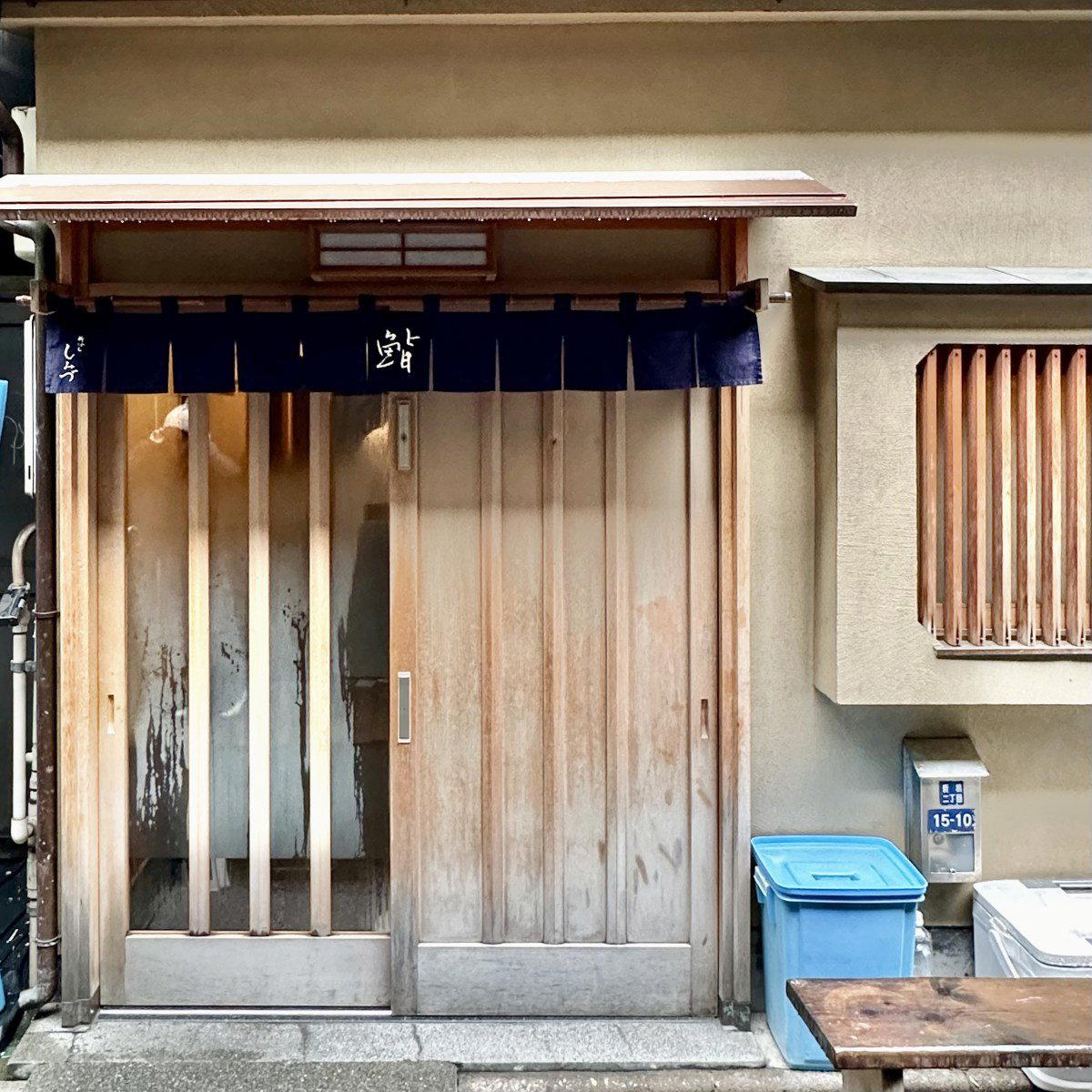
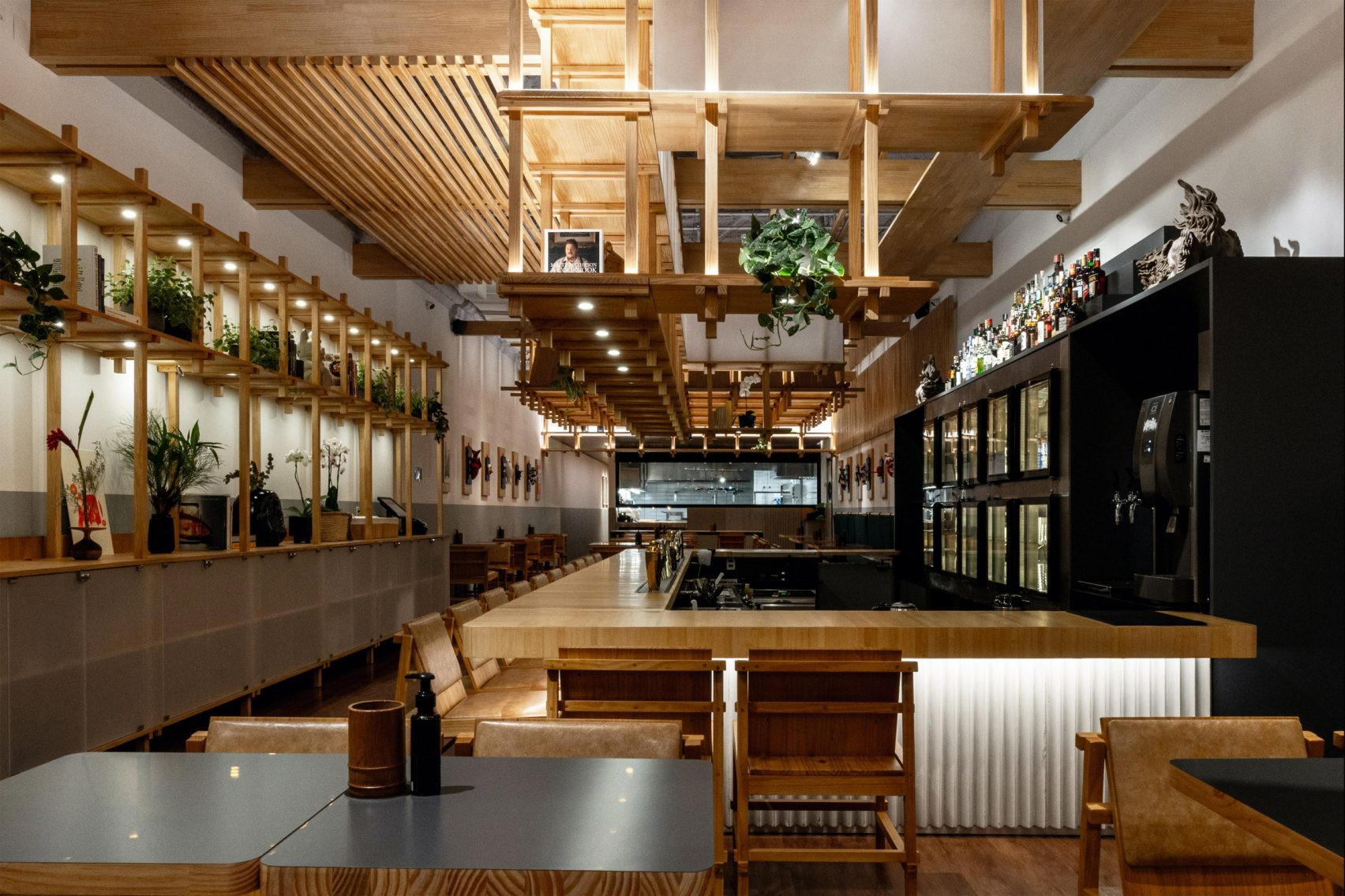
Quiet and refined Kyoto-style atmosphere with traditional latticework brought from Kyoto, designed for relaxed dining and formal occasions like business dinners and anniversaries.