
Yama no I belongs to Nagoya’s serious sushi tier rather than its casual station-dining circuit, with counter seating, Japanese cuisine alongside sushi, and selection for Tabelog 100 Sushi EAST 2025. The appeal is the controlled scale of the experience: a reservation-only room in Ikeshita where the city’s quieter east-side dining culture meets a format usually judged by precision, pacing, and restraint.
Pearl is the En Primeur Club membership app — saves, bookings, and concierge access live there. Same editors, same standards.
- Address
- Japan, 〒464-0067 Aichi, Nagoya, Chikusa Ward, Ikeshita, 1 Chome−2−19 山八第一ビル
- Phone
- +81 52-753-8003
- Website
- tabelog.com
 Saves & bookings on Pearl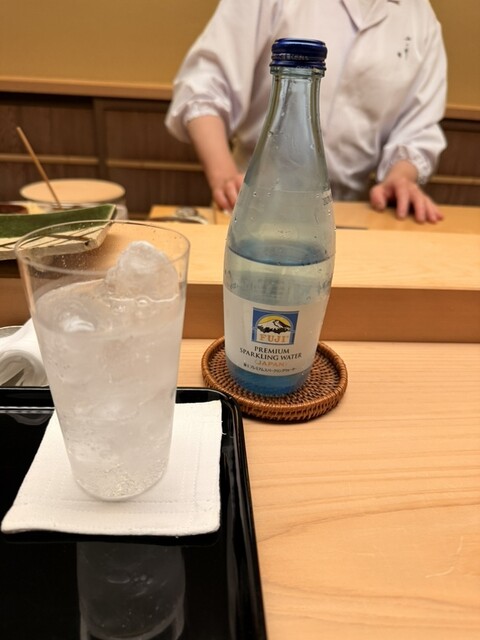
Ikeshita does not announce itself with the glare of Nagoya Station or the nightlife density of Sakae. The district moves at a lower register: residential streets, small buildings, and restaurants that depend less on passing traffic than on diners who already know where they are going. In that setting, counter sushi changes the room’s tempo. Conversation drops, hands become the focus, and the meal is measured by sequence rather than spectacle.
That is the useful frame for Yama no I. Nagoya’s sushi culture sits between two pressures: Tokyo’s hyper-competitive omakase economy and Aichi’s own preference for polished, less performative Japanese dining. Selection for Tabelog 100 Sushi EAST 2025 places the restaurant inside a national conversation about sushi outside the capital, but the more interesting point is local. In Nagoya, serious sushi often rewards diners who leave the obvious commercial zones and accept a quieter, more appointment-led evening.
Ikeshita gives the counter a quieter Nagoya setting
Nagoya dining is often misunderstood by travellers who reduce the city to miso katsu, hitsumabushi, and station-adjacent convenience. Those dishes matter, but the city’s higher-spend Japanese restaurants operate on a different rhythm. East-side neighbourhoods such as Chikusa and Ikeshita create a softer backdrop for formal meals: less theatre, fewer landmark façades, more reliance on repeat local confidence.
Counter seating matters in that context because it compresses the distance between guest and craft. Sushi at this level is not judged by abundance. It is judged by temperature control, rice seasoning, knife work, pacing, and the discipline of what is left unsaid. The room does not need to be large to carry weight; in fact, smaller sushi counters often make the weaknesses of a meal more visible. Every hand movement, pause, and serving order becomes part of the experience.
Yama no I’s listing across sushi and Japanese cuisine also signals a broader Nagoya pattern. The city’s upper Japanese dining category is not always cleanly separated into rigid Western-style labels. Sushi, seasonal cooked dishes, and private-room hospitality can overlap, especially for diners using restaurants for business meals or quiet celebrations. That mix gives the experience a more local profile than a counter built only for inbound omakase tourism.
A national sushi citation, read through a local lens
Tabelog 100 Sushi EAST 2025 is the clearest external credential here. For travellers, the award is useful not as a trophy but as a sorting device. Japan’s sushi field is crowded with restaurants that look similar from the outside, and a Hyakumeiten selection narrows the field to places with sustained diner recognition within a category. The associated Tabelog score of 3.72 reinforces that this is a specialist address rather than a casual neighbourhood stop.
The price band also places the restaurant in a serious bracket for Nagoya sushi, though not in the same cost psychology as the rarefied Ginza counters that define international omakase discourse. Within the local comparison set, Housa Saryo sits in a similar dinner spend for Japanese dining, while Japanese cuisine Kashizuki runs slightly below at dinner; Tonkatsu Tsuchimoto and Kishiya occupy far more casual price territory. That spread matters because Nagoya rewards category awareness. A diner looking for everyday comfort will read the city differently from one planning a controlled counter meal.
The absence of a public chef narrative is not a weakness. In Japan, especially outside Tokyo, many serious restaurants communicate through category, recognition, format, and regular clientele rather than personal branding. The result can feel opaque to visitors used to chef-led media stories, but it also keeps attention where sushi demands it: on sequence, balance, and the pressure of a counter where there is little room to hide.
How to place it in a Nagoya itinerary
For a visitor building a Nagoya dining plan, Yama no I makes the strongest sense as the focused Japanese meal of the trip rather than a casual add-on. The city can easily support a broader circuit around regional staples, kissaten culture, and izakaya-style drinking, but a reservation-only sushi counter asks for a cleaner evening. Pair it with a slower day in the east of the city rather than a rushed transfer between transport hubs.
The practical choice is not simply where to eat, but what kind of Nagoya to read. Sakae gives a denser urban night, Nagoya Station gives convenience, and Ikeshita gives a more local register. For travellers who already know Tokyo sushi, the point here is not to chase imitation. The stronger reading is comparative: Nagoya’s serious counters tend to feel less export-facing, and that can make the meal more revealing if expectations are set around restraint rather than performance.
For broader planning, use Our full Nagoya restaurants guide alongside the city guides for Nagoya hotels, Nagoya bars, Nagoya wineries, and Nagoya experiences. Nearby restaurant research can also include 1022, 451, Aaron, Alan., and All Day Dining Montmartre. For Japan-wide context, compare the range of formats represented by -Grilled beef Sukiyaki- KAMAKURA TANUKIAN 鎌倉 たぬき庵 in Kamakura. 鮪と炭火焼き うお炭 秋葉原店 in Tokyo.cafe in Osaka.know in Kumamoto, (Shoku) Vietnam in Kawasaki, [Curry Senmon Ten] Maruyama Kyoju. in Sapporo, Jōdo Saké Bar in Los Angeles, and Onigiri Time in Pasadena.
In Context: Similar Options
Comparable venues by price and recognition.
| Venue | Cuisine | Price | Notes |
|---|---|---|---|
| Yama no I | Sushi Omakase / Japanese Cuisine | $$$ | Chikusa |
| Umi no Hi | Seafood-focused Japanese Izakaya | $$$ | Naka |
| Yakiniku & Teuchi Korean Cold Noodles Jiro Yanagibashi ten | A5 Wagyu Yakiniku & Handmade Korean Cold Noodles | $$$ | Nakamura |
| Manpuku | Yakiniku (Japanese BBQ) | $$$ | Nakagawa |
| 吉い | Seasonal Japanese Kaiseki | $$$ | Naka |
| Meshiya Ukiyo Banare | Modern Japanese Izakaya | $$$ | Naka |
Recognition history
Dated appearances from independent guides and award organizations, with the underlying list record or original source where available.
Tabelog 100 #30 · No. 30
Tabelog · Tabelog 100 - Sushi - EAST - 2025
Continue exploring
More in Nagoya
Restaurants in Nagoya
Browse all →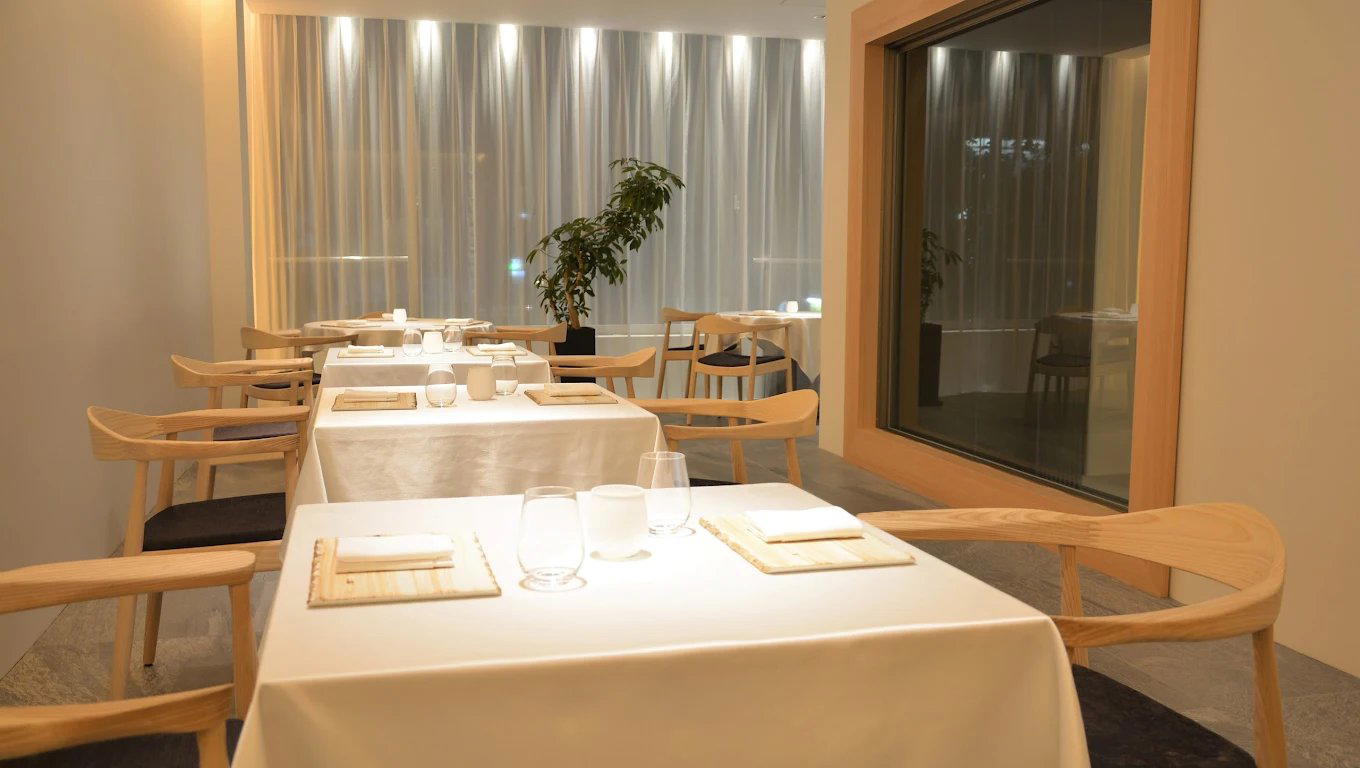
At a Glance
- Quiet
- Intimate
- Sophisticated
- Classic
- Special Occasion
- Celebration
- Business Dinner
- Private Event
- Chefs Counter
- Standalone
- Private Dining
- Sake Program
Current opening hours
- Monday
- Closed
- Tuesday
- 6–10 PM
- Wednesday
- 6–10 PM
- Thursday
- 6–10 PM
- Friday
- 6–10 PM
- Saturday
- 6–10 PM
- Sunday
- 6–10 PM
Hours can change for holidays and private events. Last verified .
Quiet, understated, and intimate, with a private-restaurant feel rather than a bustling dining room.