
Masaka places Nagoya yakiniku in a quieter, occasion-led register: compact, smoke-tolerant, and built around beef and tripe rather than ceremony. Tabelog selected it for the Yakiniku EAST 100 in 2025 and 2020, a useful signal in a city where special-occasion dining often defaults to higher-priced Italian or kappo-style counters.
Pearl is the En Primeur Club membership app — saves, bookings, and concierge access live there. Same editors, same standards.
- Address
- 2 Chome-10-39 Chiyoda, Naka Ward, Nagoya, Aichi 460-0012, Japan
- Phone
- +81 52-241-4192
- Website
- tabelog.com
 Saves & bookings on Pearl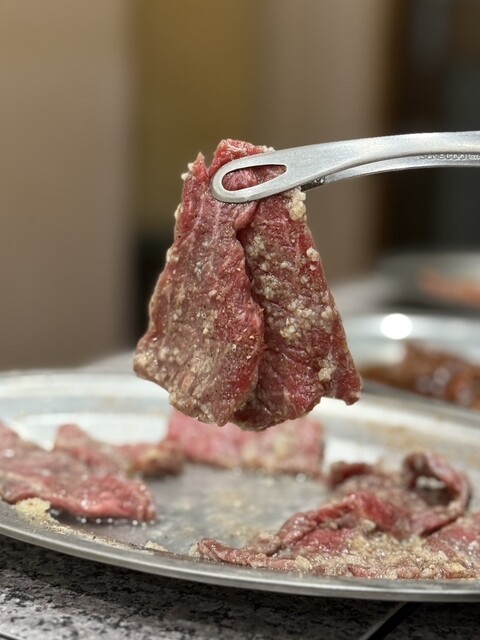
Approaching a small yakiniku room in Chiyoda after dark is a different proposition from entering Nagoya’s polished hotel dining rooms or formal tasting-menu counters. The appeal is less about theatrical arrival than compression: heat, conversation, grills taking over the table, and a meal that turns a group dinner into a shared sequence of decisions. Masaka belongs to that side of Nagoya dining, where the occasion is not softened into ceremony. It is made social, smoky, and direct.
That matters in a city with several competing languages for milestone meals. At the higher end, Nagoya diners can look toward restaurants such as Itsuki or Japan no Italian Ryori Ten sai, where published dinner budgets sit in a much higher bracket. Yakiniku works differently. It gives the table control, keeps the rhythm communal, and makes meat quality, pacing, and grill management part of the evening rather than background service. For birthdays, reunions, and small celebrations, that format can feel more honest than a procession of plated courses.
Yakiniku for groups that want energy over formality
Nagoya’s serious dining culture is often discussed through sushi, kaiseki, Italian, and French-leaning rooms, but yakiniku has its own hierarchy. Recognition on Tabelog’s Yakiniku EAST 100 in 2025, with earlier selection in 2020, puts Masaka in a category where specialist reputation matters more than design language. The restaurant is also categorized around yakiniku and tripe, a useful distinction: this is not merely grilled beef as a generic night out, but a meat-focused room with offal in the frame.
The occasion angle is important. Yakiniku rewards groups who like to eat actively. The table is not waiting passively for the kitchen to define the entire arc; the meal depends on ordering, sharing, watching the grill, and negotiating pace. That makes the format well suited to friends and small celebrations, especially when the point is conversation rather than hushed reverence. In Nagoya, where business dinners can become rigid and tasting menus can become expensive quickly, this middle band has real value.
The city comparison is revealing. A dinner budget around JPY 6,000 to JPY 7,999 places the experience well below the published dinner range for Itsuki and Japan no Italian Ryori Ten sai, both listed in the JPY 20,000 to JPY 29,999 bracket. Masaka is not competing on linen, wine-pairing ceremony, or chef-counter intimacy. It competes on whether a compact yakiniku room can turn a relatively contained spend into a meal with enough texture for an occasion.
For broader planning, Our full Nagoya restaurants guide gives the wider city context, while nearby editorial entries such as 1022, 451, Aaron, Alan., and All Day Dining Montmartre help map how varied the city’s restaurant field has become. The point is not to rank unlike formats against one another; it is to choose the level of ceremony the evening actually needs.
The Chiyoda setting keeps the meal grounded
Chiyoda in Naka Ward gives this kind of dinner a useful remove from the city’s more polished commercial dining zones. Tsurumai sits close enough to central Nagoya to work for a planned evening, but it does not carry the same hotel-lobby gloss as Meieki or the department-store density of Sakae. For yakiniku, that helps. The format benefits from a neighbourhood feel: a room where the grill, not the room styling, sets the tempo.
The practical shape reinforces that reading. The restaurant is small, with 20 seats, and the second floor can be used by groups of 10 or more. Private rooms are not part of the setup, which matters for anyone imagining a sealed-off celebration. This is a better fit for a group that wants a lively table within a compact room than for a corporate dinner needing separation and quiet. Smoking is allowed, another detail that will divide readers sharply; for some it fits the old-school yakiniku register, for others it is a reason to choose another format.
Drinks follow the Japanese grill-house logic rather than a broad international cellar brief, with sake and shochu named in the drinks category. Payment also deserves attention before the evening is planned: credit cards and electronic money are not accepted, while QR code payment is listed for d Barai. Parking is unavailable, so rail access and the Tsurumai area are the sensible frame. These are not decorative details; they determine whether the restaurant works for a birthday, a visiting guest, or a casual but planned dinner among friends.
Anyone building a fuller Nagoya stay can pair the restaurant decision with Our full Nagoya hotels guide, Our full Nagoya bars guide, Our full Nagoya wineries guide, and Our full Nagoya experiences guide. For contrast across Japan and beyond, EP Club also covers specialist casual and Japanese-adjacent formats including -Grilled beef Sukiyaki- KAMAKURA TANUKIAN 鎌倉 たぬき庵 in Kamakura. 鮪と炭火焼き うお炭 秋葉原店 in Tokyo.cafe in Osaka.know in Kumamoto, (Shoku) Vietnam in Kawasaki, [Curry Senmon Ten] Maruyama Kyoju. in Sapporo, Jōdo Saké Bar in Los Angeles, and Onigiri Time in Pasadena.
Where Masaka fits in a Nagoya celebration
Masaka is strongest as a choice for diners who want a special meal without the stiffness that can come with a formal counter or tasting menu. The Tabelog Yakiniku EAST 100 selections give it external recognition, the price band keeps it within reach for a group dinner, and the small room gives the evening enough focus to feel deliberate. It is less persuasive for diners who need non-smoking comfort, private-room discretion, or card-payment certainty.
The editorial read is simple: this is occasion dining for people who prefer appetite and conversation over choreography. In Nagoya, that is a useful category. Not every celebration needs a long menu, a sommelier-led progression, or a high-spend room. Some are better built around a grill, a few decisive rounds of meat, and a table that stays animated until the last order is gone.
The Minimal Set
Comparable venues by category and price.
| Venue | Price | Notes |
|---|---|---|
| MasakaThis venue — the venue you are viewing | $$$ | Not listed |
| kawaramachi hisaya ukiyo banare | $$$ | Naka, Modern Japanese Izakaya & Meat Kappo |
| Yamanekoken | $$$ | Naka, Traditional Japanese Kaiseki & Omakase |
| Kyoaji Motoi | $$$ | Chikusa, Modern Kaiseki with Creative Kyoto Influences |
| Yasui | $$$ | Nakamura, Seasonal Japanese Cuisine with Clay Pot Rice |
| Otsuaji Asai | $$$ | Naka, Creative Japanese cuisine with handmade soba |
Recognition history
Dated appearances from independent guides and award organizations, with the underlying list record or original source where available.
Tabelog 100 #58 · No. 58
Tabelog · Tabelog 100 - Yakiniku - EAST - 2025
Continue exploring
More in Nagoya
Restaurants in Nagoya
Browse all →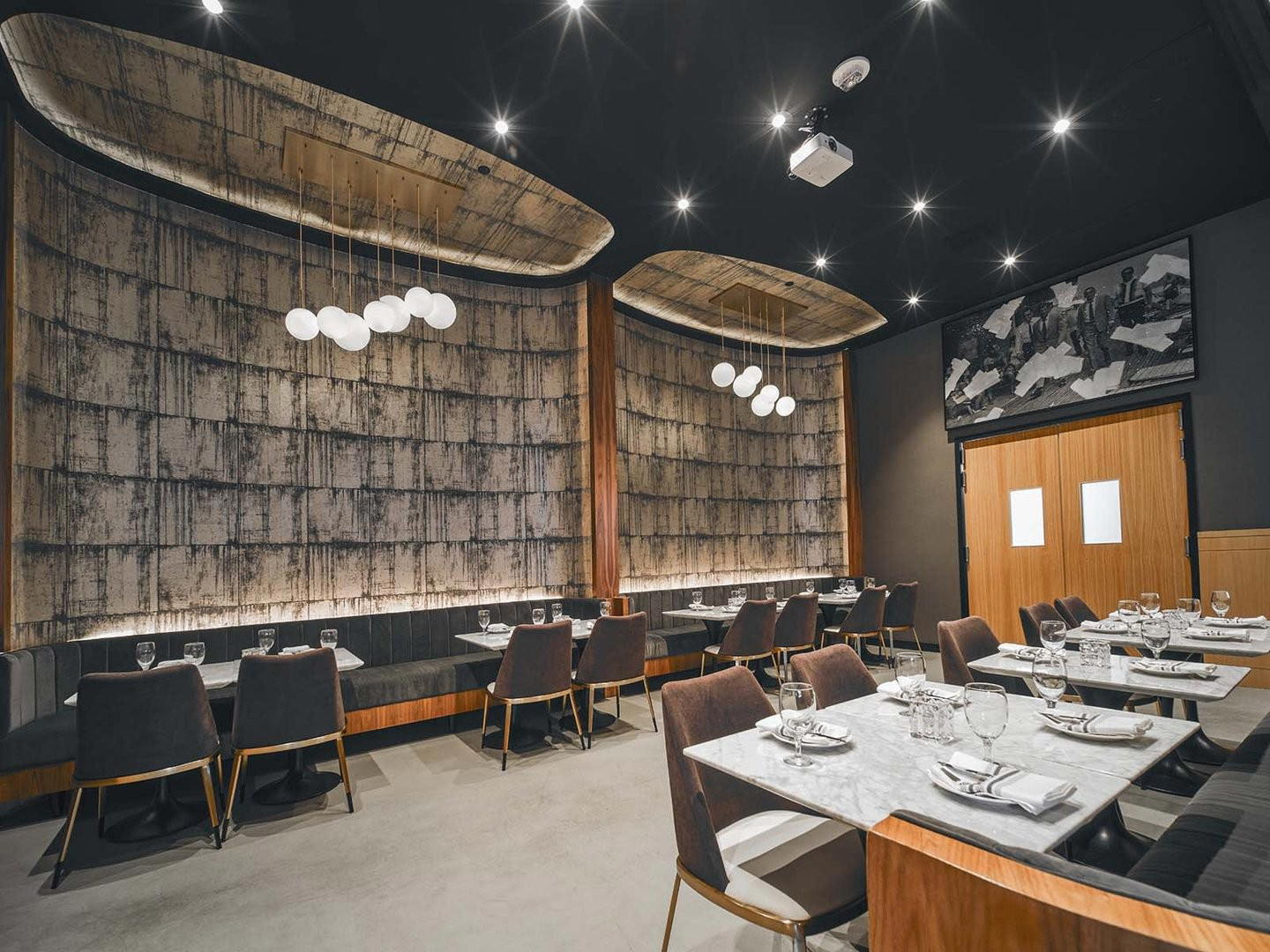

At a Glance
- Cozy
- Lively
- Intimate
- Casual Hangout
- Group Dining
- After Work
- Late Night
- Solo
- Standalone
- Sake Program
Current opening hours
- Monday
- 6–9 PM
- Tuesday
- 6–9 PM
- Wednesday
- 6–9 PM
- Thursday
- 6–9 PM
- Friday
- 6–9 PM
- Saturday
- Closed
- Sunday
- Closed
Hours can change for holidays and private events. Last verified .
A small, smoky yakiniku hideout with around twenty seats, close‑set tables and relaxed lighting, creating an intimate, bustling atmosphere that feels like a local favorite rather than a polished modern grill.