Ho Chu Yuan

A traditional Taiwanese restaurant in Hsinchu's North District, Ho Chu Yuan trades presentation for recipe fidelity and consistent execution. The sautéed beef with scallion is the kitchen's most cited dish, reliable for its tender texture and accurate seasoning. Prompt service and a clean, no-frills room serve a largely local repeat clientele. Note the irregular days off and confirm the schedule before visiting.
Pearl is the En Primeur Club membership app — saves, bookings, and concierge access live there. Same editors, same standards.
- Address
- 63 Nanzhong Street, North District
- Phone
- +886 3 531 3816
- Website
- hochuyuan.com.tw
- Directions
- Get directions
 Saves & bookings on Pearl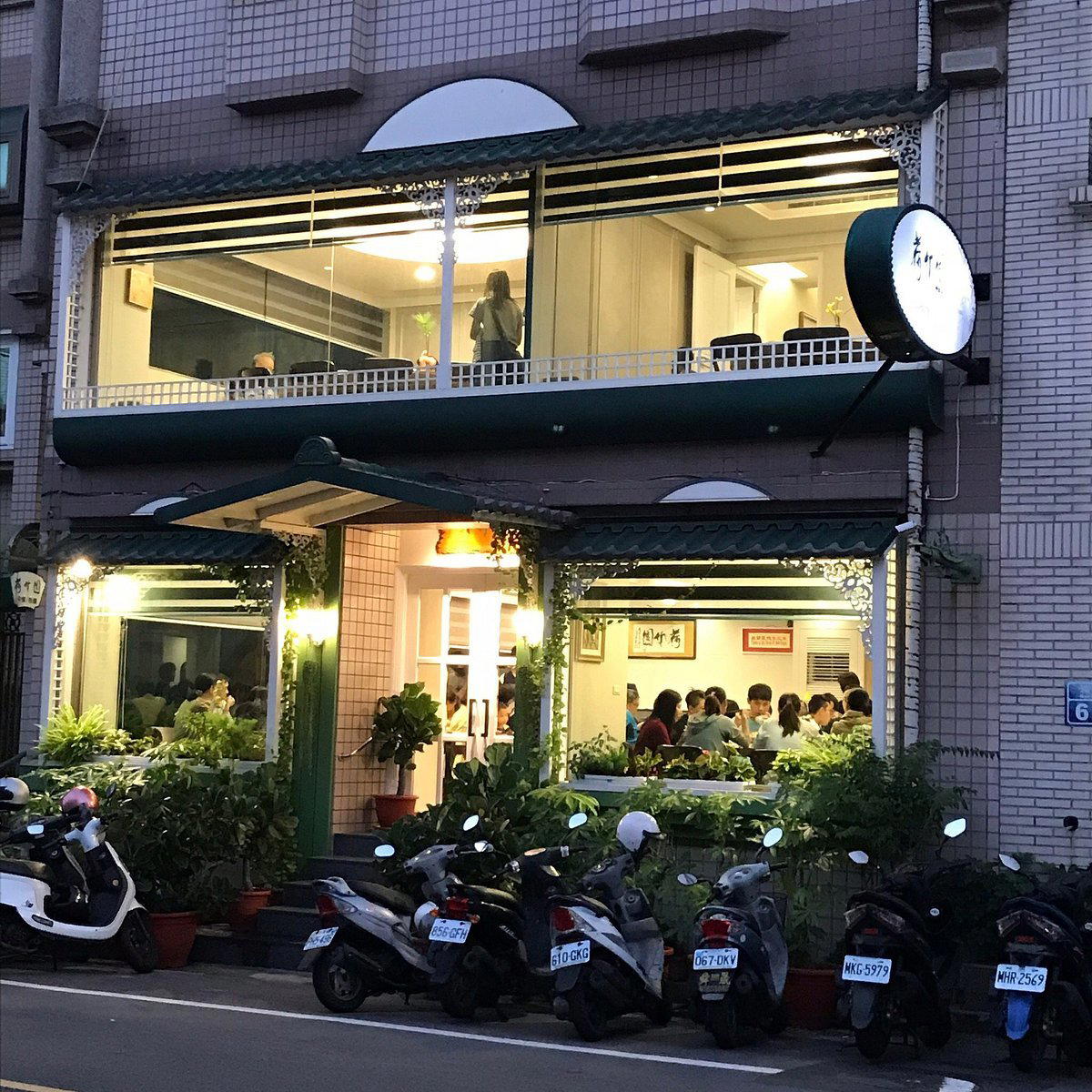
Where Hsinchu's Taiwanese Classics Hold Their Ground
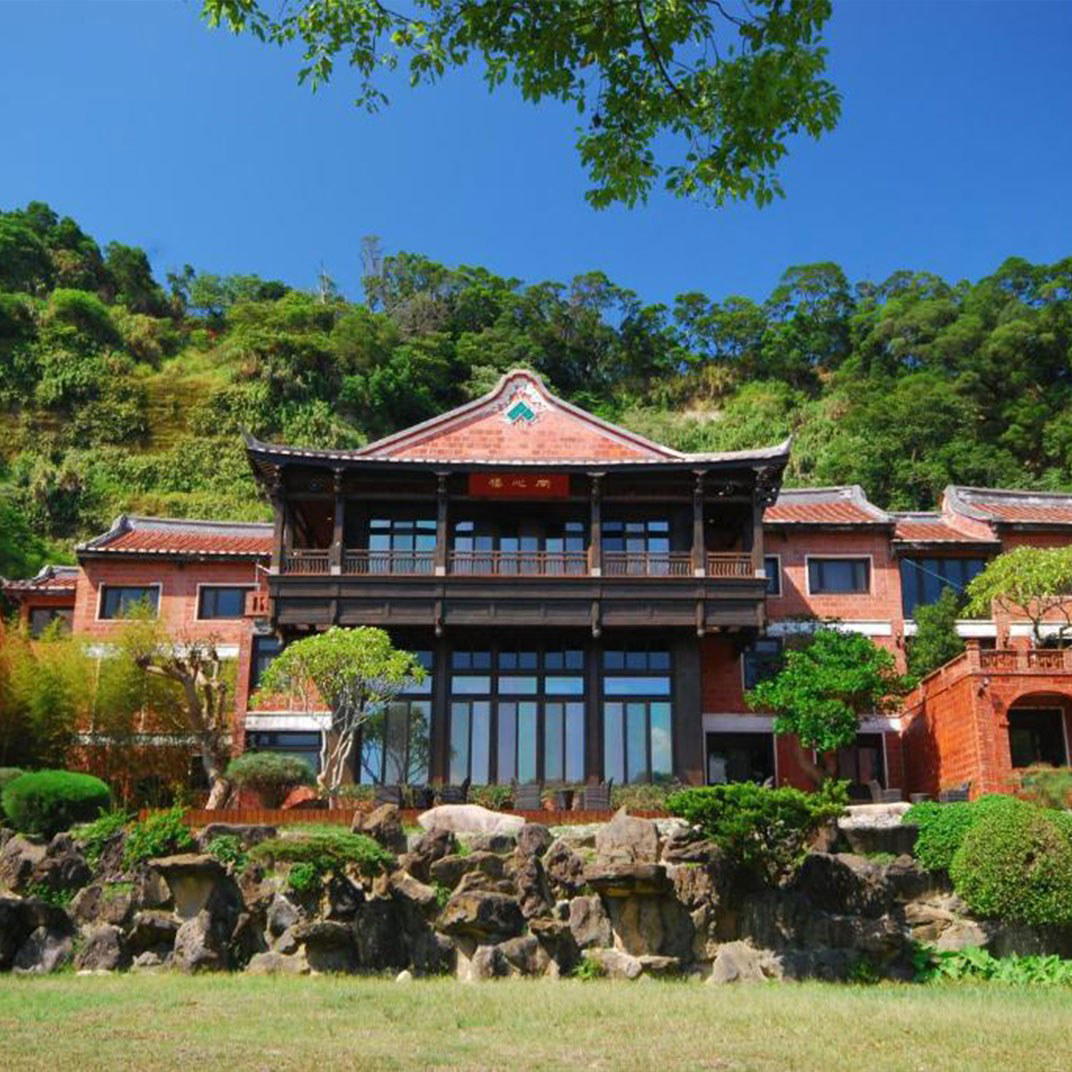
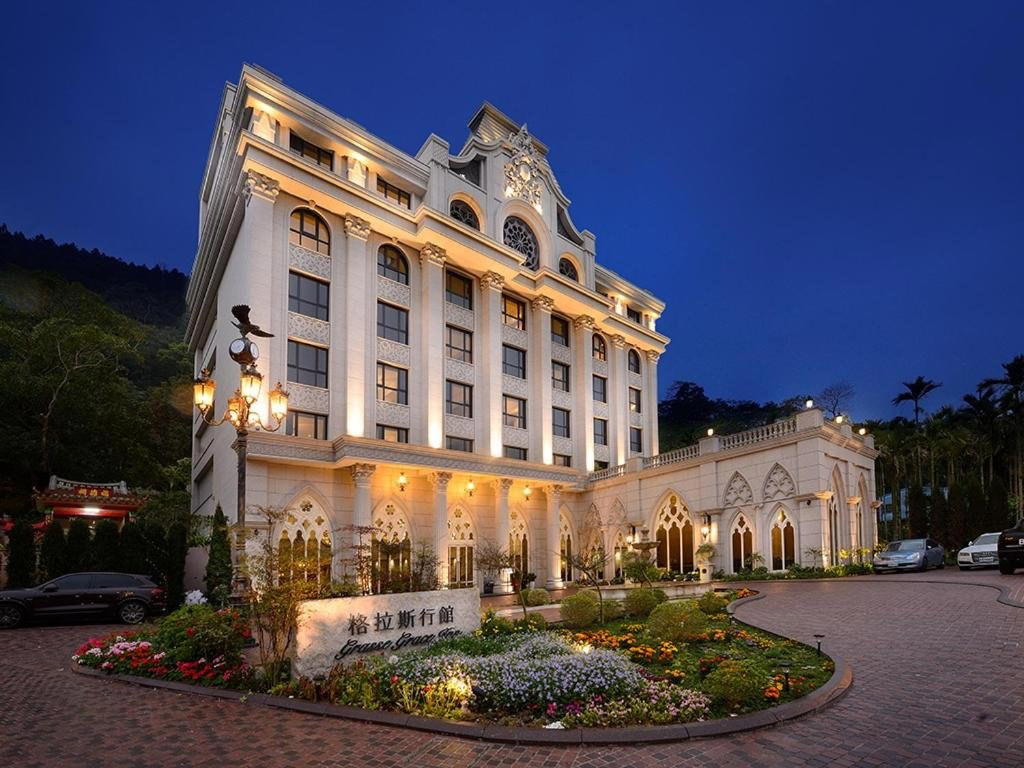
The dining room at Ho Chu Yuan is a casual Traditional Taiwanese Chinese restaurant in Hsinchu City, set at 63 Nanzhong Street in the North District, and it makes no effort to impress on arrival. The decor carries the patina of a place that has been open long enough to stop worrying about trends. Chairs, tables, and wall fixtures read as functional rather than designed. But the room is clean and well maintained, and in the context of Hsinchu's traditional restaurant circuit, that combination of modest presentation and disciplined upkeep is itself a kind of signal: the kitchen is the point.
Hsinchu City sits at an interesting position in Taiwan's dining map. The city is better known for its science park and its wind-dried rice vermicelli than for a restaurant scene that competes with Taipei or Tainan. Visitors looking for the kind of forward-facing innovation on display at logy in Taipei or the Michelin-recognised regional cooking at JL Studio in Taichung will need to travel. What Hsinchu does sustain is a quieter tradition of neighbourhood restaurants that maintain local flavours across decades, often without ceremony or press attention. Ho Chu Yuan belongs to that tradition.
The Reputation That Traditional Taiwanese Cooking Earns
Taiwan's traditional restaurant culture has never relied on awards circuits to validate itself. The kitchens that attract loyal repeat business across decades in cities like Hsinchu, Tainan, and Kaohsiung tend to earn their reputation through a different mechanism: consistent execution of a specific repertoire, priced and paced for the local dining rhythm. This is the framework in which Ho Chu Yuan operates and operates well.
The kitchen's strongest position is in Taiwanese classics, prepared with attention to seasoning and technique rather than reinvention. That positioning places it in a specific competitive set, distinct from the contemporary Taiwanese fine dining that has drawn international coverage, and distinct also from the street-level snack culture represented locally by places like Hai Kou Guabao. The restaurant occupies the middle register: sit-down, full-service, traditional, and built for return visits.
That model has clear precedents across Taiwan's culinary history. In Tainan, restaurants like Zhu Xin Ju demonstrate how traditional southern Taiwanese cooking sustains serious followings through recipe fidelity rather than novelty. In Kaohsiung, GEN shows a different approach, where indigenous ingredients and regional identity have been refocused for contemporary audiences. The restaurant, by contrast, does not appear to be positioning itself toward that kind of reframing. The strength here is in the original register, not in its interpretation.
What the Kitchen Does Well
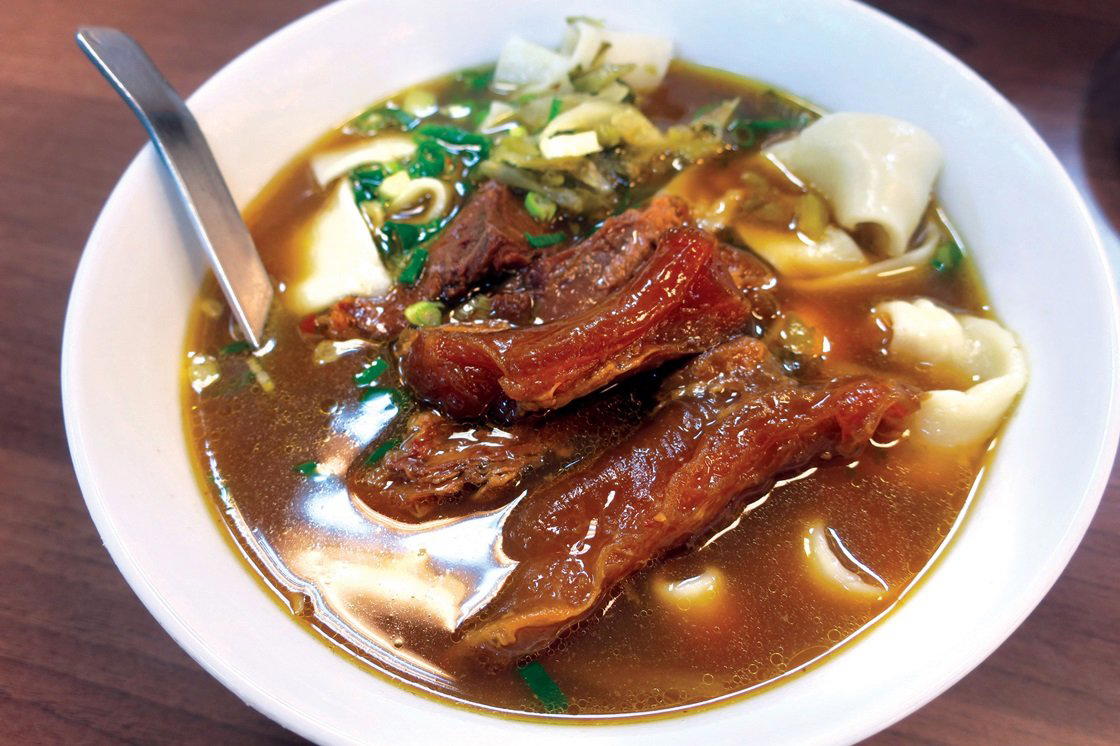
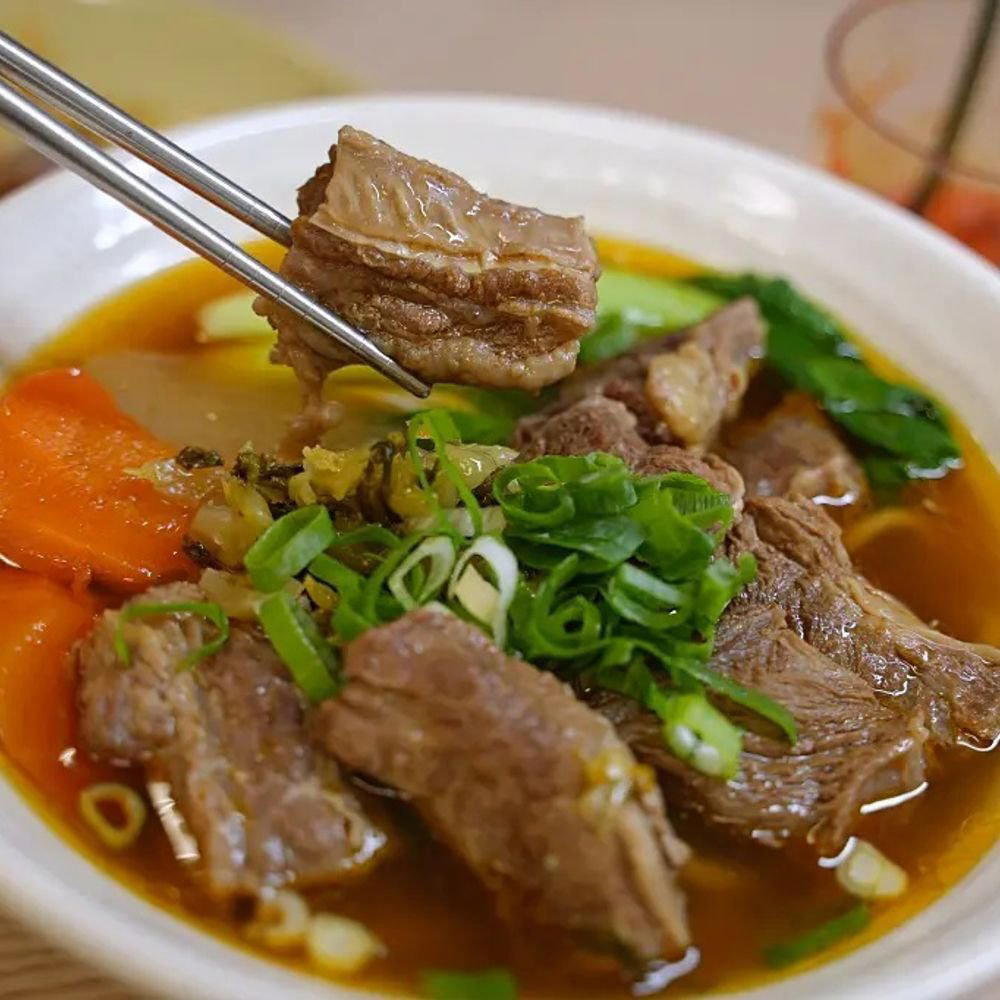
The sautéed beef with scallion is the dish that consistently draws attention. The preparation depends on two things that are direct to describe but difficult to sustain: tender meat and accurate seasoning. Both are reported to be reliable here. In a dish this structurally simple, there is no sauce to compensate for overcooking or misfired salt ratios. The beef's texture and seasoning point to kitchen discipline rather than creativity.
Taiwanese classic cooking of this kind draws on a culinary inheritance shaped by Hokkien, Hakka, and Japanese influences, all of which left lasting marks on the island's cooking vocabulary during the twentieth century. The resulting cuisine tends toward restrained seasoning, ingredient-forward preparation, and dishes where technique shows in texture rather than complexity. Sautéed beef with scallion sits squarely in that tradition, and it is the kind of dish that reveals whether a kitchen is paying attention or coasting.
The service approach reinforces the kitchen's tempo. Prompt and efficient, it keeps table turnover moving without creating the pressure-cooker atmosphere that can make traditional Taiwanese restaurants feel more transactional than they need to. For a neighbourhood restaurant operating in a commercial district, that pace is a practical choice.
Hsinchu's Wider Dining Context
Visitors to Hsinchu who want a fuller picture of the city's restaurant range will find the character distributed across distinct formats. Dongmen Rice Noodle Soup represents the city's most locally specific culinary identity, built around its renowned rice vermicelli. Chang Chang Kitchen and Cat House offer different registers within the city's dining options, while Garden.V points toward a more considered, contemporary direction. The restaurant sits in the traditional full-service category, and within that category it appears to hold a position grounded in repeat-customer loyalty rather than first-visit novelty.
For visitors extending beyond Hsinchu, Taiwan's restaurant scene rewards deliberate planning. Akame in Wutai Township and Volando Urai Spring Spa & Resort in Wulai District both demonstrate how regional Taiwanese dining can operate far outside the major urban restaurant circuits while maintaining serious culinary credentials. The comparison is instructive: traditional neighbourhood restaurants in mid-sized Taiwanese cities like Hsinchu often develop a depth of local trust that destination-driven restaurants, by definition, cannot replicate.
Planning a Visit
The restaurant is at 63 Nanzhong Street in the North District, a commercial neighbourhood that draws a largely local clientele rather than visitor traffic. The service is prompt enough that long waits are not an issue, which puts it in practical contrast to many of Taiwan's high-demand traditional restaurants where queuing is part of the calculus. One important logistical note is the restaurant's schedule: the restaurant is open Monday from 9 AM to 5 PM and closed Tuesday through Sunday. Checking the restaurant's website before heading there is necessary rather than optional, regardless of how recently you last visited.
Reservations are recommended. Arriving with flexibility on timing is advisable.
A Quick Peer Check
Comparable venues nearby, for context on price, style, and recognition.
| Venue | Cuisine | Price | Awards | Notes |
|---|---|---|---|---|
| Ho Chu YuanThis venue — the venue you are viewing | Traditional Taiwanese Chinese | $$ | Michelin Plate | Not listed |
| Chang Chang Kitchen | Taiwanese Home-Style | $$ | Michelin Plate | North District |
| TAIVII | Modern Hakkanese Taiwanese | $$$ | Michelin Plate | East District |
| Shih Fang Hsiao Ching | Taiwanese Contemporary | $$ | Michelin Plate | North District |
| Ying Wang Meatball | Traditional Taiwanese Ba-wan | $ | Michelin Plate | Xiangshan |
| 弄味小廚 客家菜系 | Hakka Home-Style Cuisine | $$ | Not listed | East District |
Recognition history
Dated appearances from independent guides and award organizations, with the underlying list record or original source where available.
Michelin Plate
Michelin
Continue exploring
More in Hsinchu City
Restaurants in Hsinchu City
Browse all →
Bars in Hsinchu City
Browse all →
At a Glance
- Cozy
- Classic
- Family
- Group Dining
Current opening hours
- Monday
- 9 AM–5 PM
- Tuesday
- Closed
- Wednesday
- Closed
- Thursday
- Closed
- Friday
- Closed
- Saturday
- Closed
- Sunday
- Closed
Hours can change for holidays and private events. Last verified .
Clean and well-maintained room with slightly dated decor and a relaxed, homey atmosphere.